Featured Titanium OEM Precision Fasteners & Components
Explore our ISO 9001:2015 certified precision Ti-6Al-4V Grade 5 fasteners, titanium caliper bolts, and custom hardware designed to support high-stress automotive, motorcycle, and industrial applications.
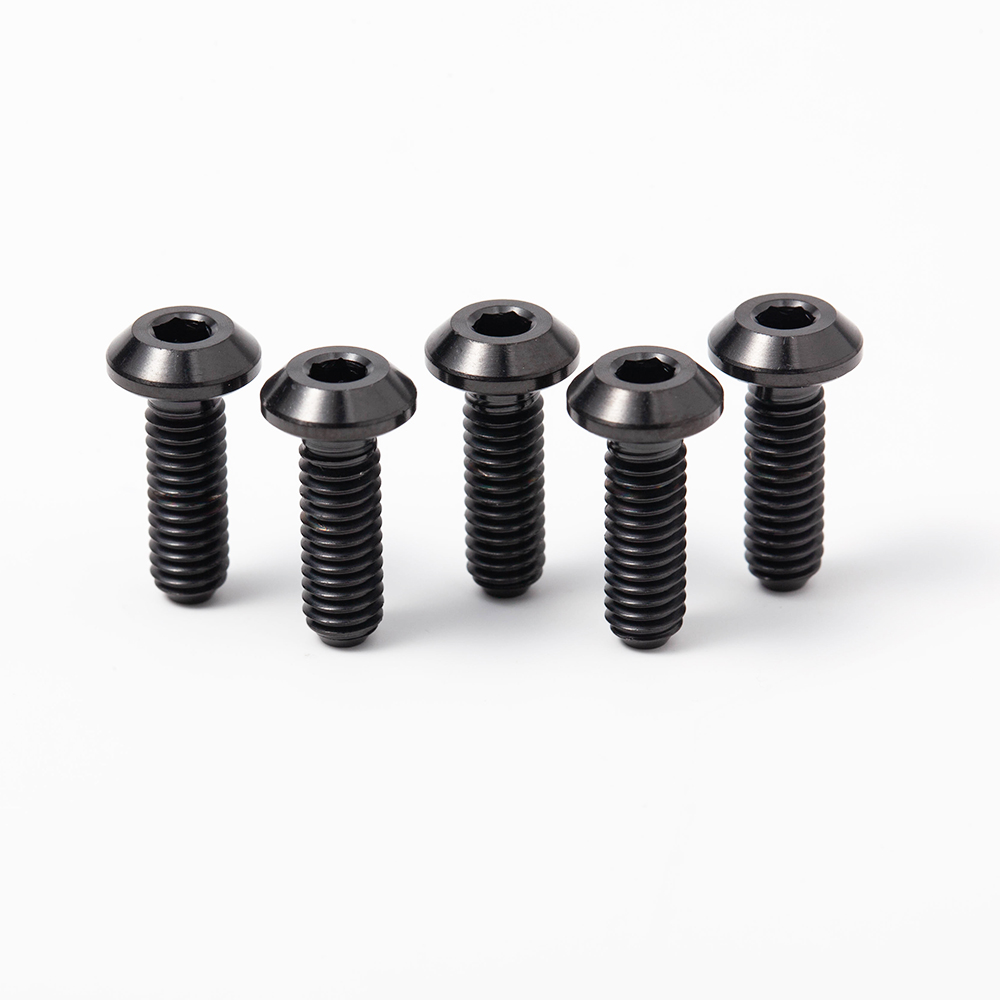
BST_TI Titanium Alloy Class 10 Anodized Countersunk UNF Thread Bolts M8*25
View Detail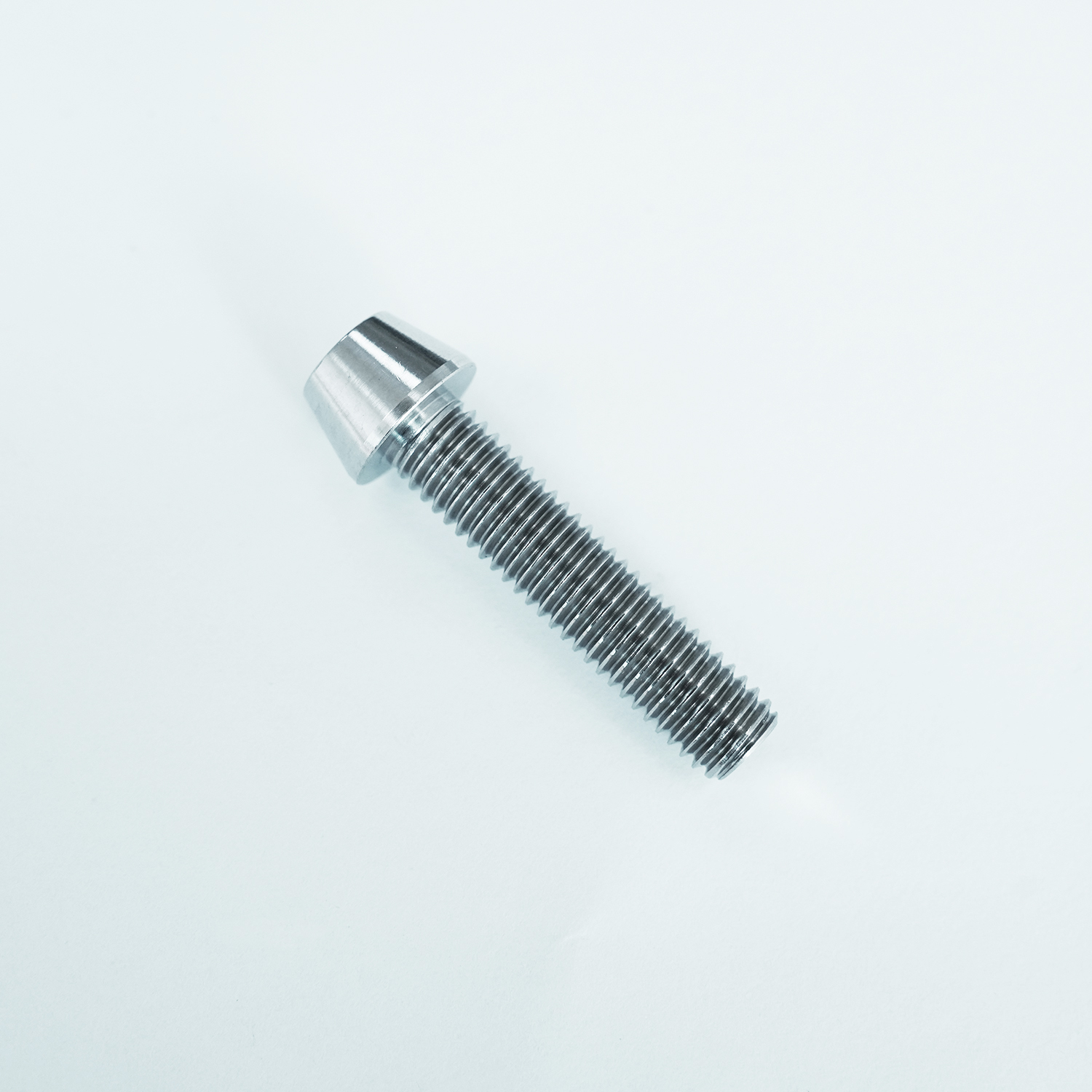
Bike Hanger Bolt Allen BST-TI GR5 Titanium Oval Head DIN Metric Thread
View Detail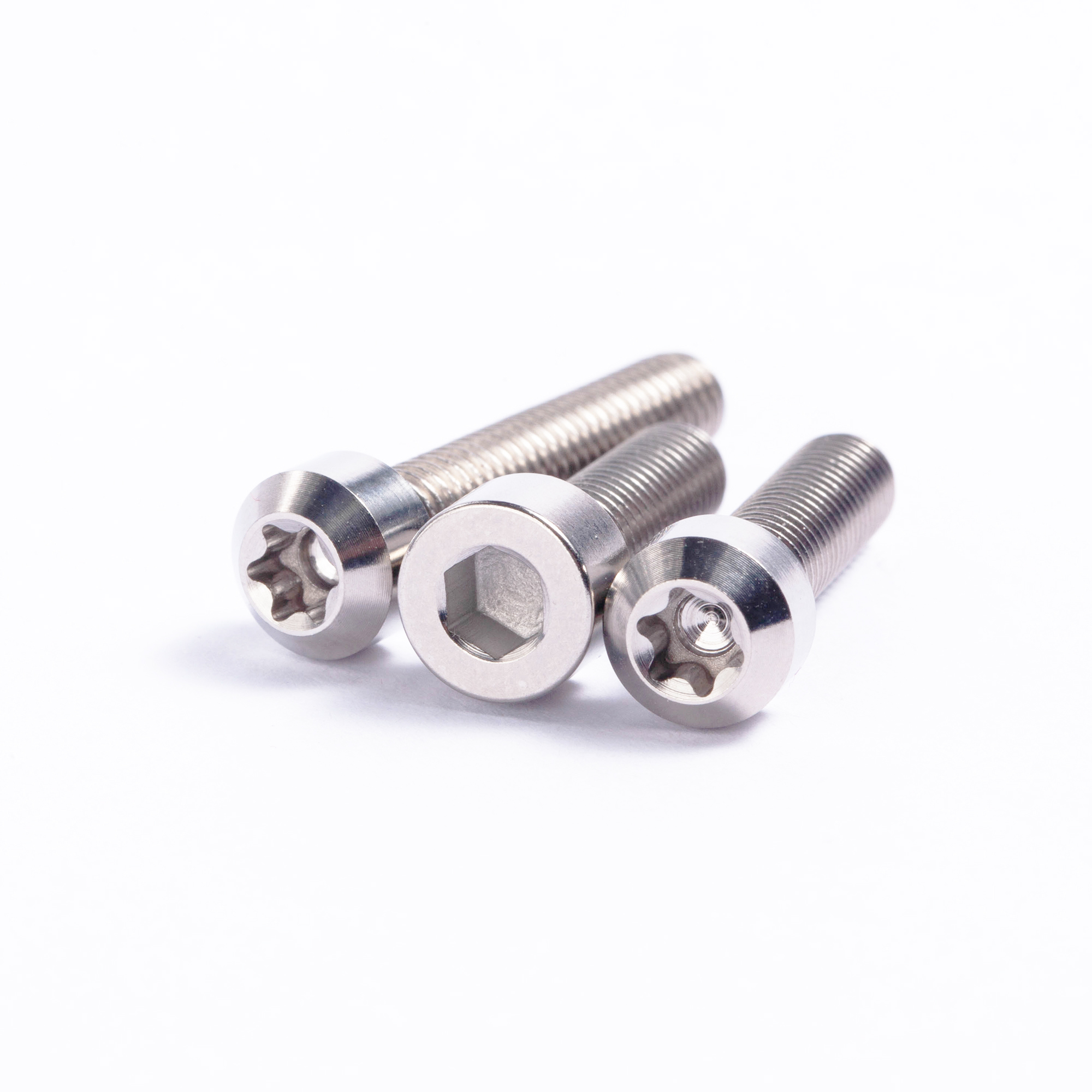
BST-TI Polished Titanium Alloy Gr5 DIN Hexagon Head Disc Brake Bolts
View Detail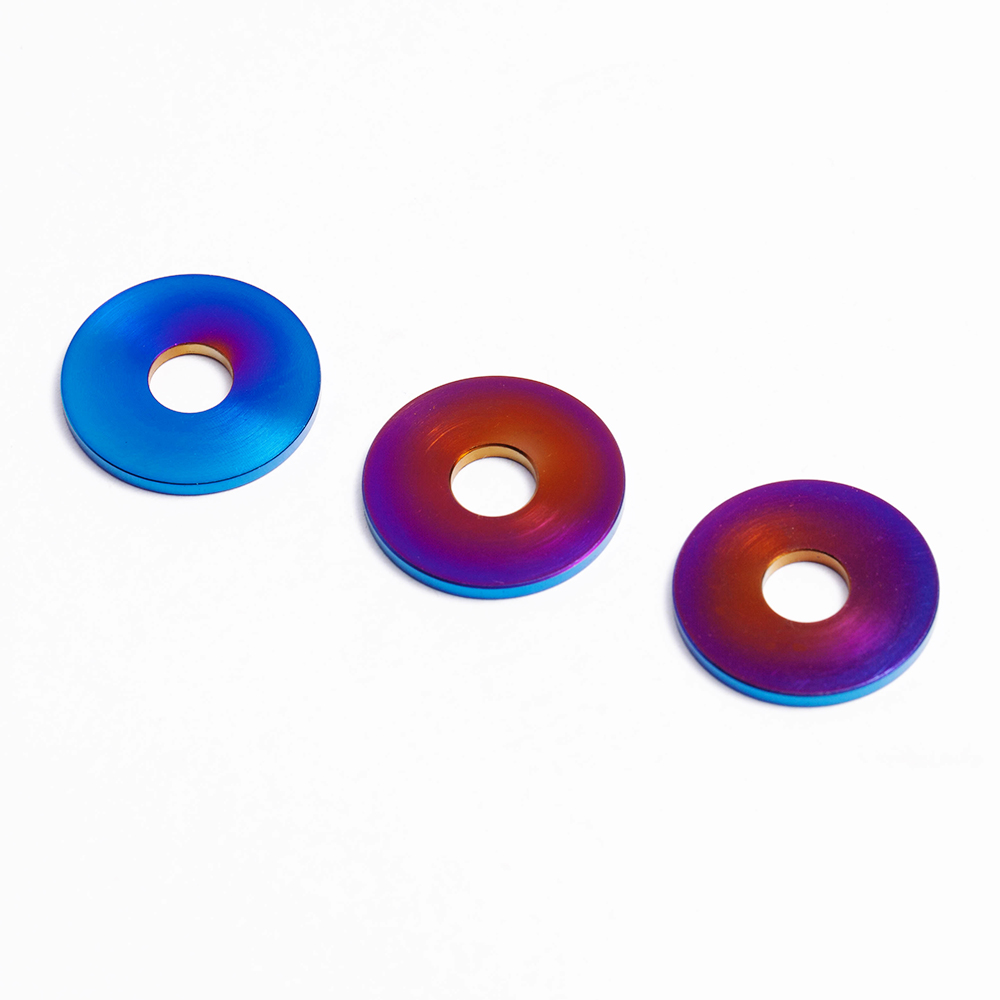
BST-TI Gr5 Titanium Burnt Blue Color Anodized 5mm Washer Spacer
View Detail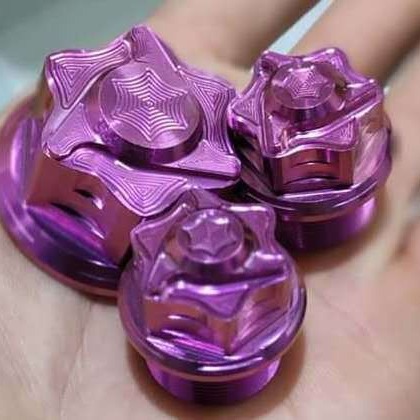
Grade 10.9 M24/M22 Titanium Alloy Motorcycle Oil Cap Screw
View Detail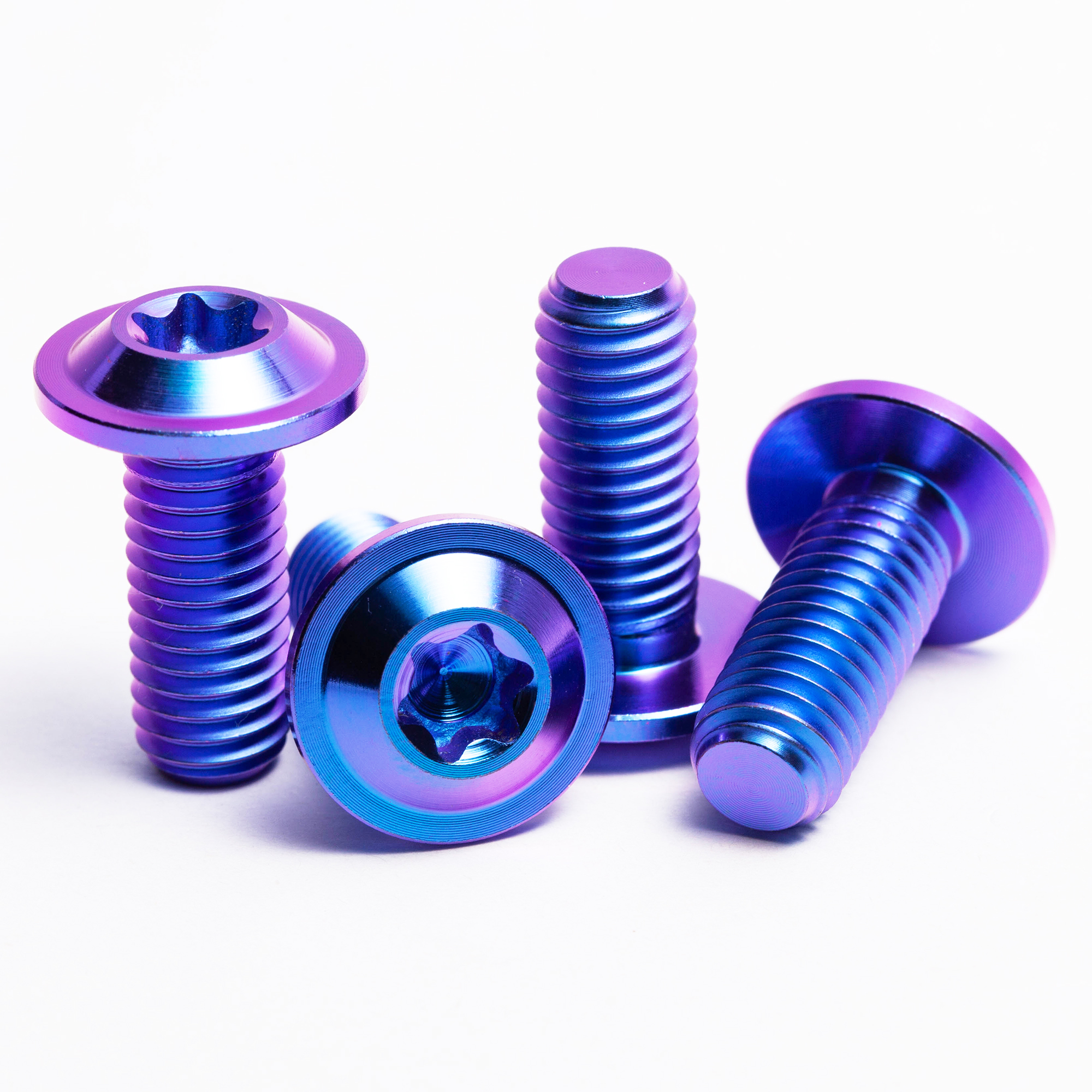
Customized Titanium Disc Head Bolts M6/M8/M10 Gr5 DIN6921 Screws
View Detail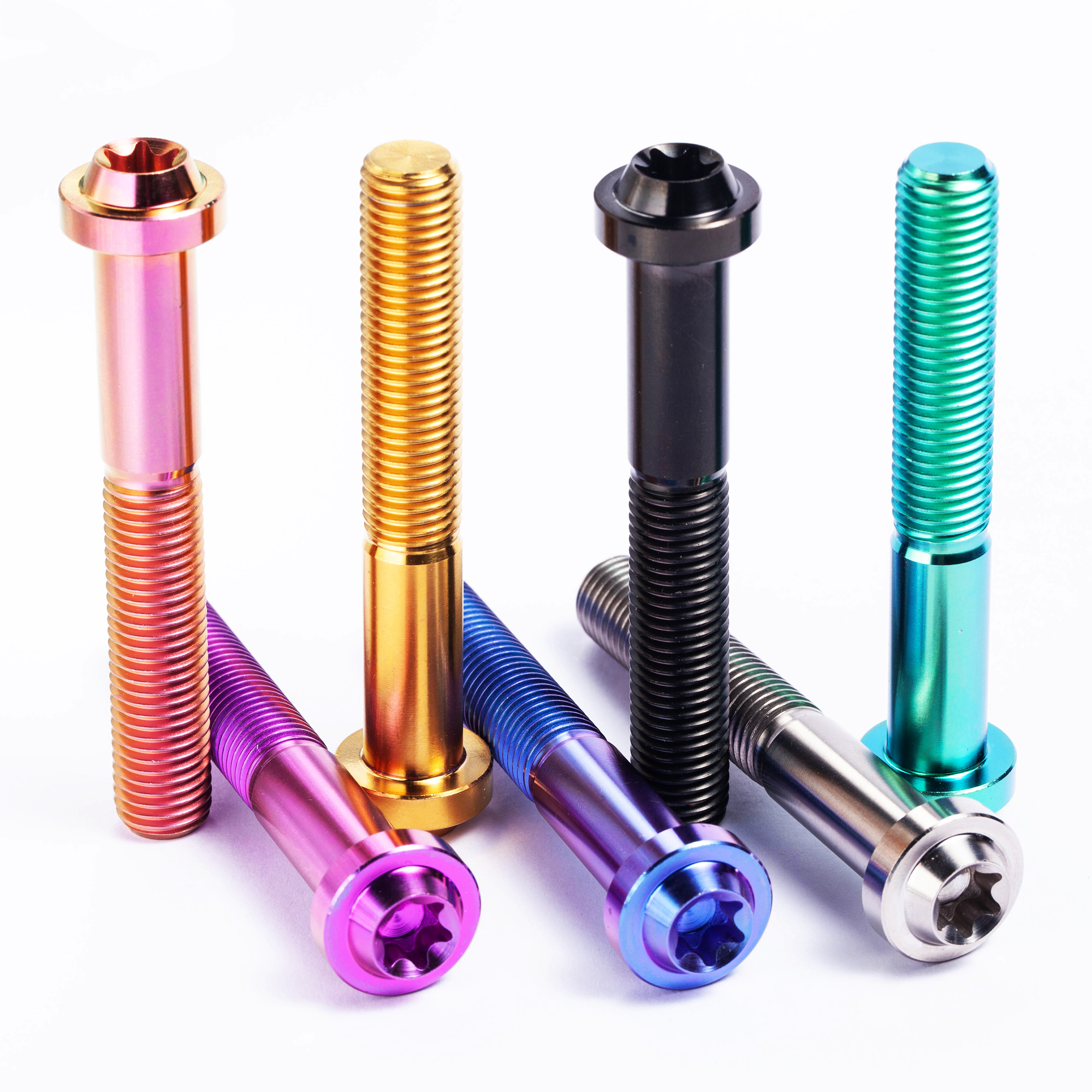
DIN912 Metric Bolts M2-M8 Grade 9 Titanium Alloy Hex Head Fasteners
View Detail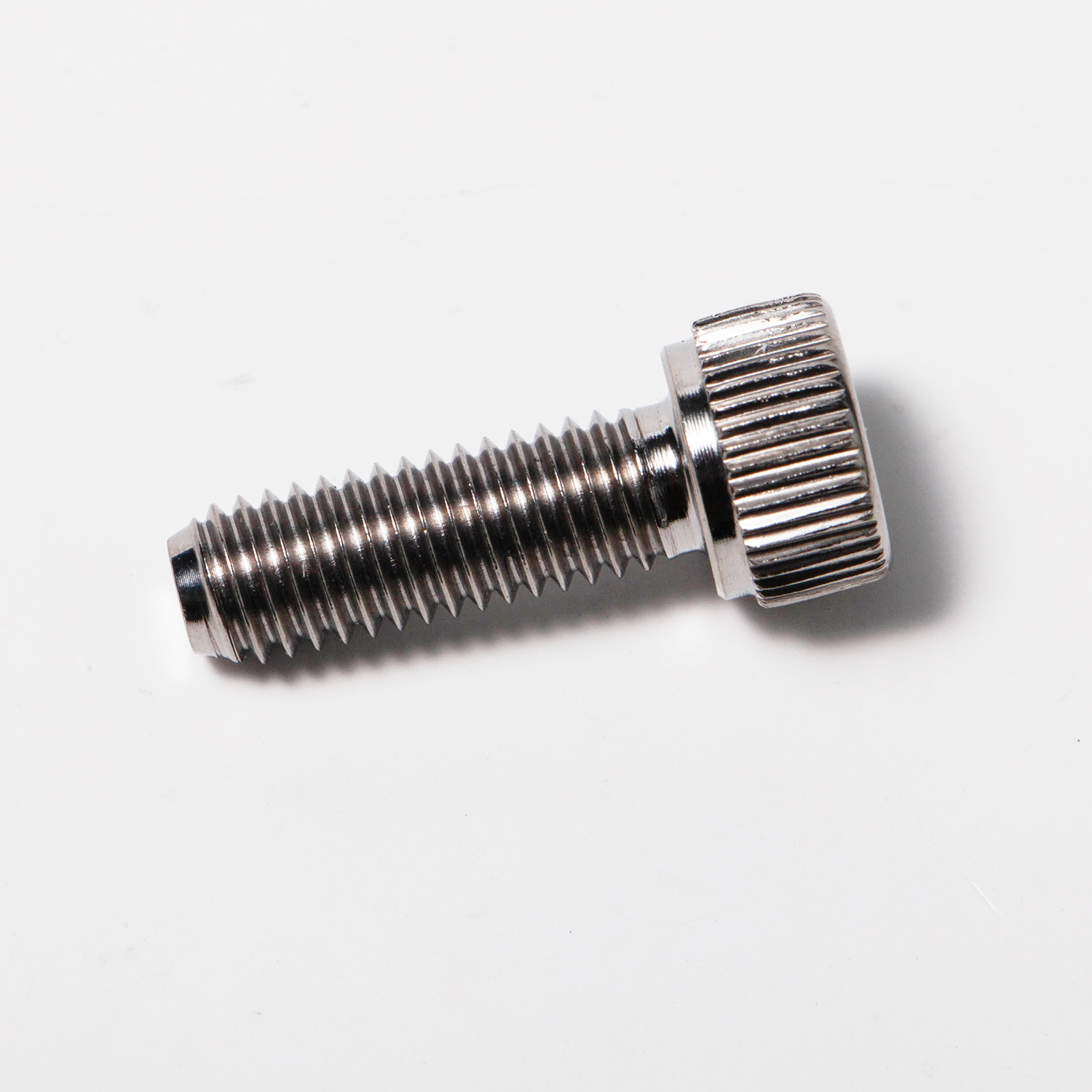
Titanium Alloy Hexagon Socket Head Cap Screws CNC Machined Lightweight
View DetailEngineering Architecture of Custom Titanium Brake Pistons
In extreme braking environments—ranging from circuit racing and mountain descents to high-speed electric vehicle deceleration—hydraulic brake calipers experience immense thermal energy conversion. As brake pads clamp onto rotors, friction surfaces reach temperatures exceeding 700°C (1292°F). Traditional aluminum or stainless steel brake pistons rapidly transfer this heat into the caliper housing, causing glycol brake fluid (DOT 4 / DOT 5.1) to boil, resulting in catastrophic pedal sponge and vapor lock.
Information Gain: Why Ti-6Al-4V (Grade 5) is the Ultimate Brake Piston Material
Titanium Grade 5 (Ti-6Al-4V) exhibits an exceptionally low coefficient of thermal conductivity (~6.7 W/m·K) compared to OEM aluminum (~160 W/m·K) and carbon steel (~50 W/m·K). By acting as a solid natural thermal barrier, a custom titanium brake piston restricts heat transfer from the glowing backing plate to the hydraulic fluid reservoir. This maintains fluid stability, extends rubber square-cut quad ring longevity, and delivers firm, predictable brake lever feel under sustained hard braking.
| Material Specification | Density (g/cm³) | Thermal Conductivity (W/m·K) | Tensile Strength (MPa) | Corrosion Resistance | Hydraulic Fluid Compatibility |
|---|---|---|---|---|---|
| Ti-6Al-4V (Grade 5 Titanium) | 4.43 (Lightweight) | 6.7 (Thermal Barrier) | 895 - 1000 | Immune to Rust & Salt | DOT 3, DOT 4, DOT 5.1, Mineral Oil |
| Stainless Steel (AISI 304/316) | 7.93 (Heavy) | 16.2 (Moderate) | 515 - 620 | Good | Standard Synthetic / Glycol |
| Aluminum Alloy (7075-T6 Hard Anodized) | 2.81 (Ultra-light) | 130 - 160 (Poor Isolation) | 570 | Pitting Susceptible over Time | Degrades with moisture build-up |
| Phenolic Resin Composites | 1.40 (Fragile) | 0.3 - 0.5 (Insulator) | 80 - 120 (Low Structural Strength) | Chemical Resistant | Prone to thermal cracking & swelling |
OEM Manufacturing Excellence & Machining Precision
At Jiaxing Wexra Titanium Products Co., Ltd., we utilize multi-axis CNC turning and milling centers to produce custom titanium brake pistons with micron-level fidelity. The outer cylindrical surface of a hydraulic brake piston demands stringent concentricity and surface roughness standards to guarantee smooth seal retraction without fluid leakage.
Micro-Polished Seal Surfaces
Outer diameter ground to Ra 0.16–0.32 µm roughness to eliminate drag, preserve elastomer seal lifespans, and ensure consistent fluid displacement.
Thermal Vent Hole Radial Patterns
Custom cross-drilled crown vent geometries allow radiant airflow to escape the piston cavity, drastically decreasing contact area thermal transfer.
Tribological Coatings (PVD DLC / TiN)
Optional Diamond-Like Carbon (DLC) or Titanium Nitride coating provides extreme surface hardness (HV 2500+), reducing sliding friction coefficient to <0.1.
Future Procurement Trends for OEM Titanium Brake Components
As the automotive industry transitions towards heavy EV powertrains and high-performance track vehicles, braking systems are facing unprecedented kinetic energy conversion loads. Tier-1 automotive buyers, aftermarket race engineering outfits, and motorcycle OEMs are adjusting their procurement strategies accordingly:
1. EV Kinetic Deceleration & Unsprung Mass Optimization
Electric vehicles carry substantial battery weight, leading to higher thermal stresses under emergency braking. Concurrently, engineers seek every gram of unsprung weight savings at the wheel hub to optimize suspension response and range performance. Replacing heavy steel pistons with titanium Grade 5 slashes mass by ~44% per caliper while safeguarding against thermal failure.
2. Additive-Machining Hybrids & Internal Cooling Channels
Next-generation titanium piston designs combine Selective Laser Melting (SLM 3D printing) with precision CNC finishing to construct internal cooling webs and lattice structures. These internal channels redirect forced cooling air directly through the center of the piston crown.
3. Direct Sourcing from Specialized CNC Exporters
Global OEM procurement heads are shifting away from multi-tier brokerage distributors toward vertically integrated manufacturers equipped with in-house material testing, ISO 9001:2015 certification, and rapid turnaround custom drawing support (2D CAD & 3D STEP file processing).
4. Environmental & Chemical Safety Directives (RoHS & REACH)
European and North American regulatory frameworks mandate non-toxic, non-hazardous surface treatments. Anodized and PVD coated titanium components comply natively with RoHS, REACH, and EPR packaging guidelines without requiring harmful heavy-metal electroplating.
Why Partner with Jiaxing Wexra Titanium Products Co., Ltd.
Established in 2018 in Jiaxing, Zhejiang, China, Jiaxing Wexra Titanium Products Co., Ltd. is a specialized OEM/ODM manufacturer focused exclusively on titanium and titanium alloy hardware.
Comprehensive Material Traceability
Every batch of Ti-6Al-4V Grade 5 or Grade 2 raw bar stock is shipped with Mill Test Certificates (MTC EN 10204 3.1) verifying chemical composition and mechanical tensile limits.
Turnkey Engineering & Prototyping
From 2D drawings or original caliper physical samples, our engineering team conducts DFM (Design for Manufacturability) analysis, offering custom prototyping in as fast as 7 to 10 days.
Established Global Export Network
With an export ratio exceeding 90%, we serve demanding automotive aftermarket brands, racing teams, and industrial equipment importers across the USA, Germany, UK, Canada, and Australia.
Comprehensive Procurement FAQ: Titanium Brake Pistons
Technical, logistical, and commercial answers for purchasing managers, quality engineers, and brake system designers.