Featured Precision Titanium Products & Assemblies
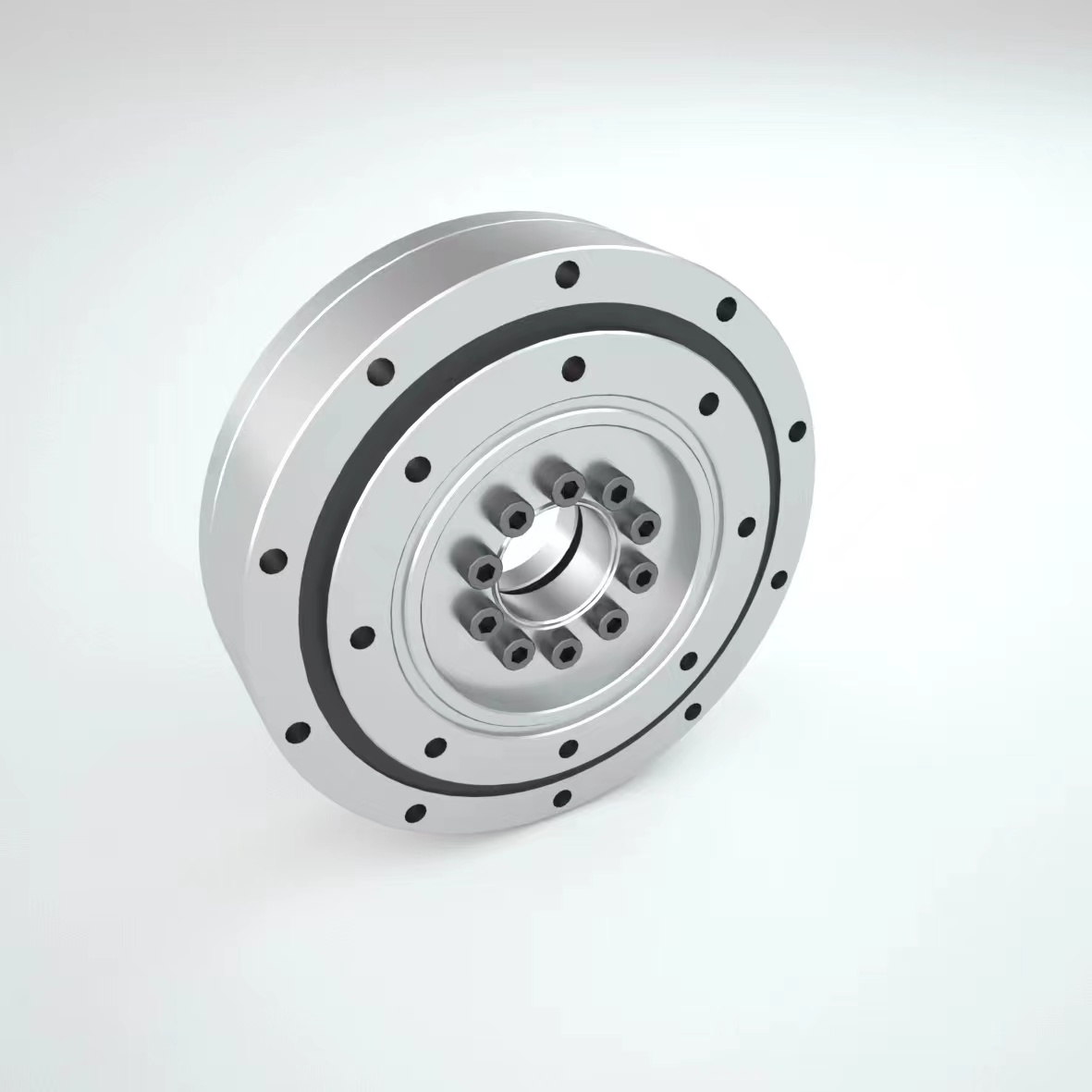
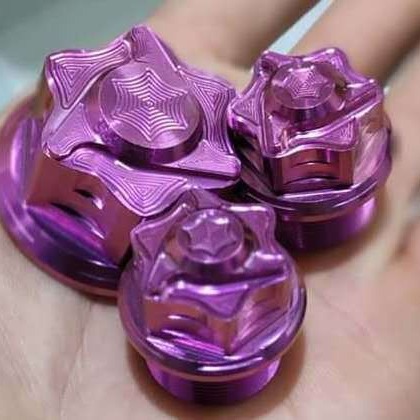
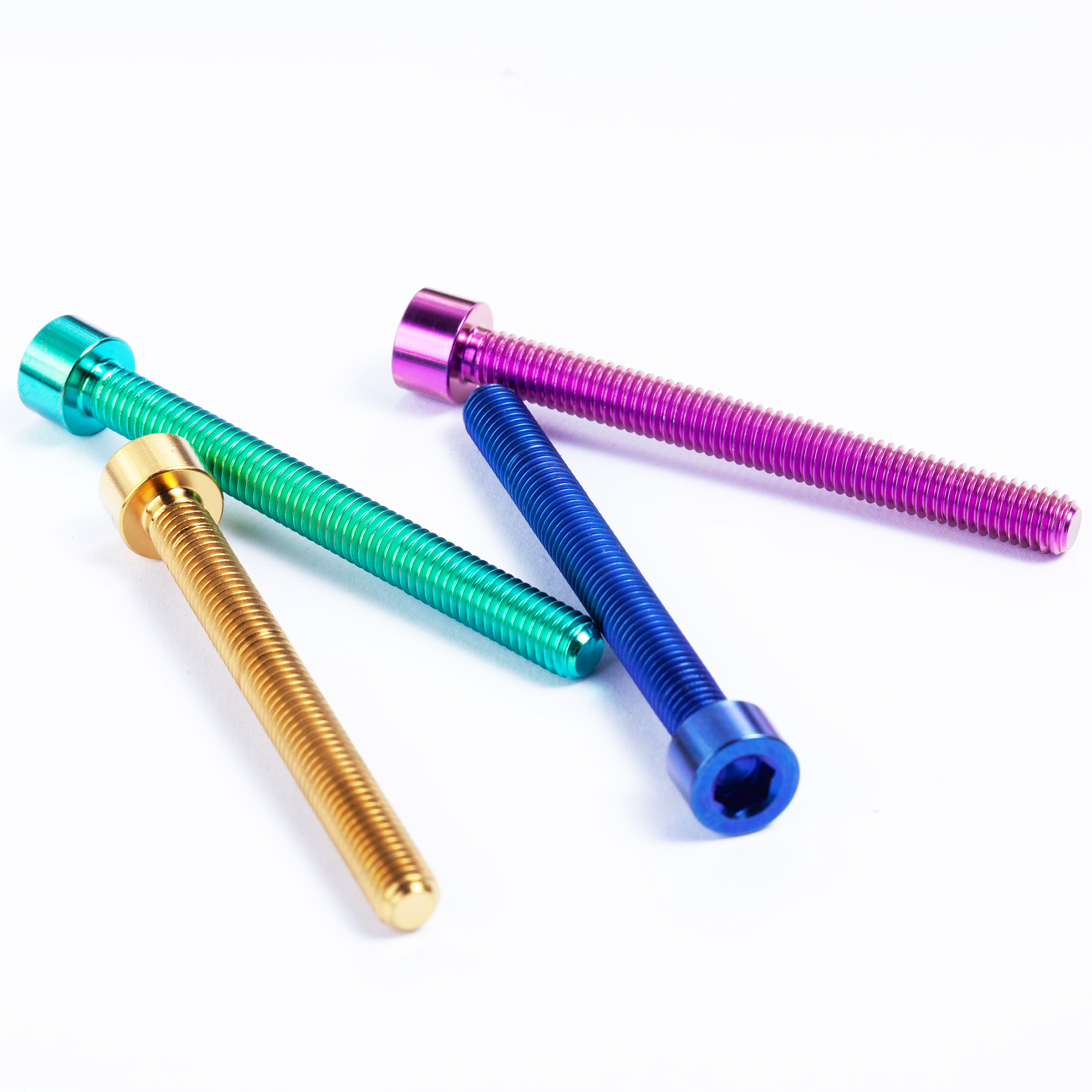
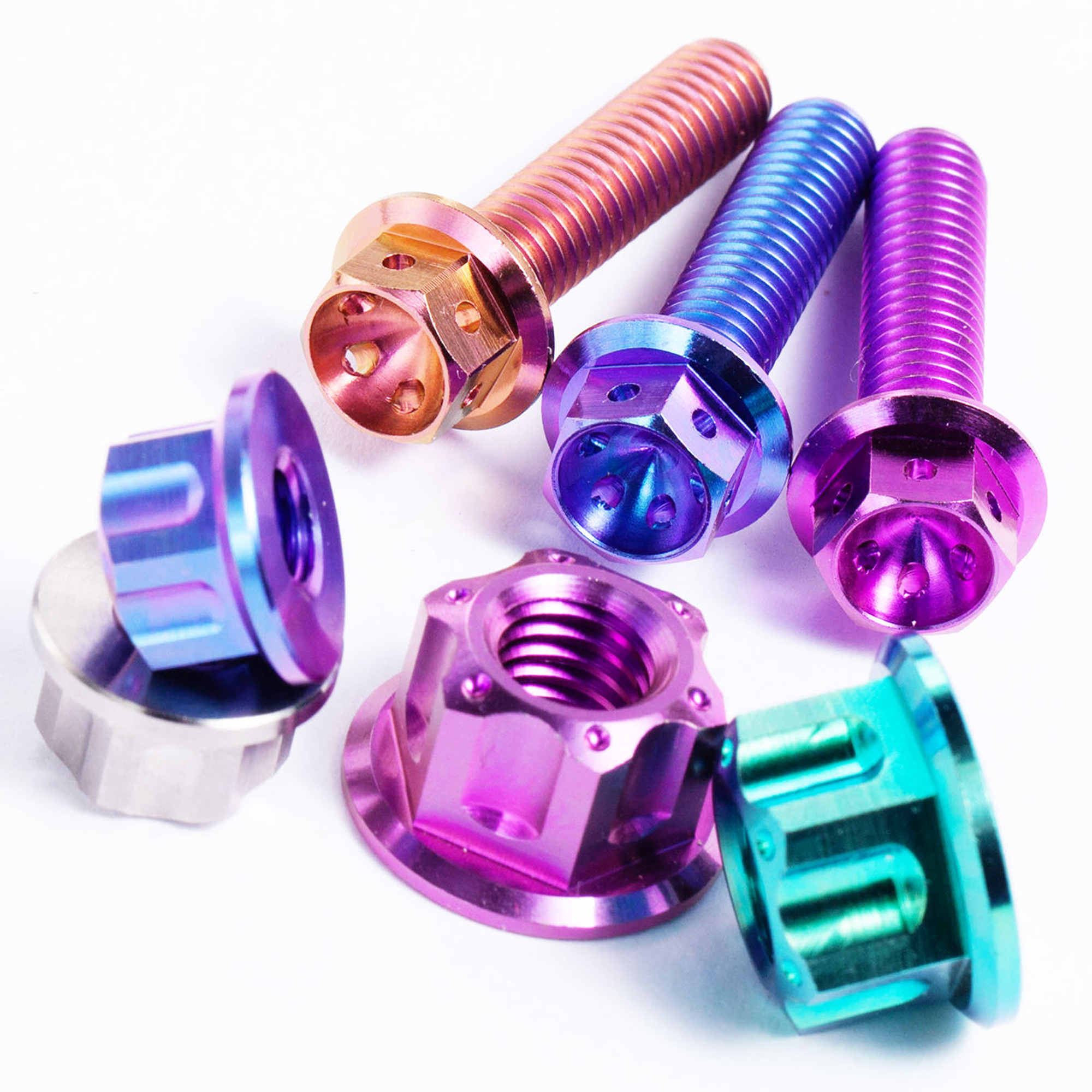
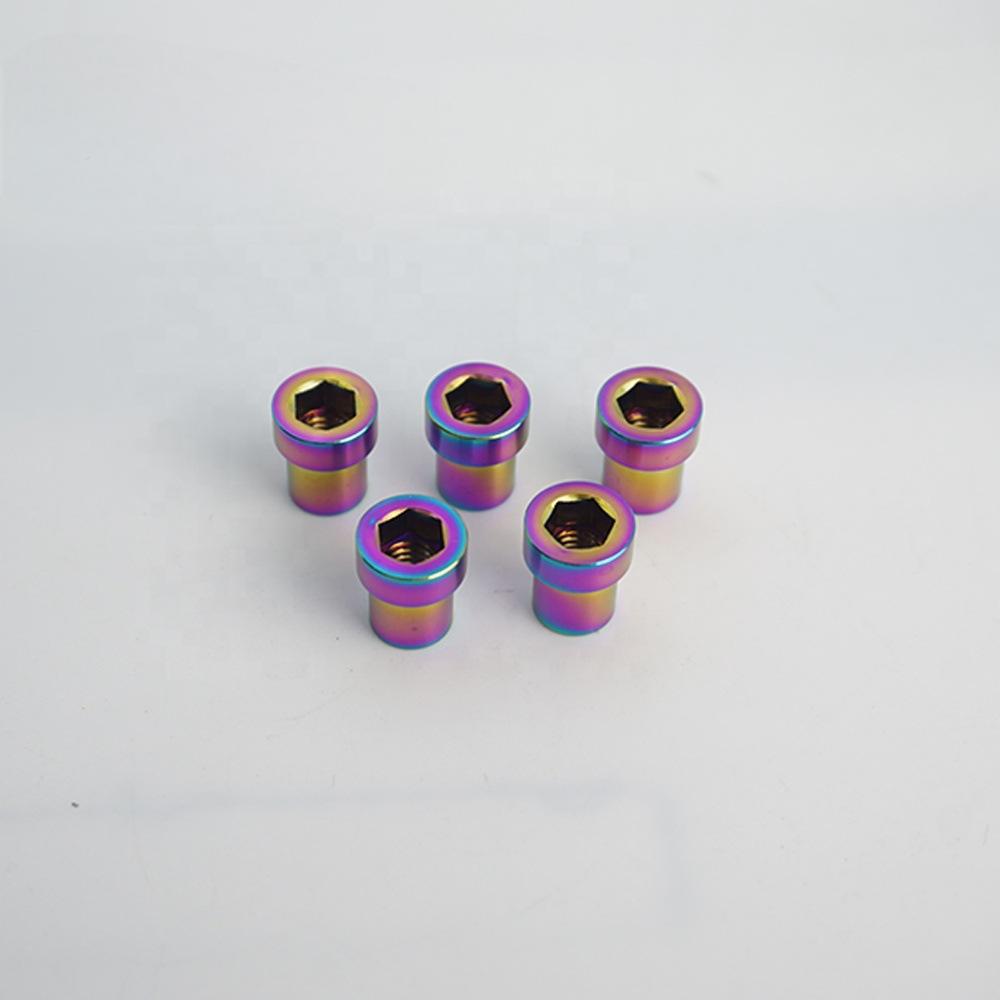
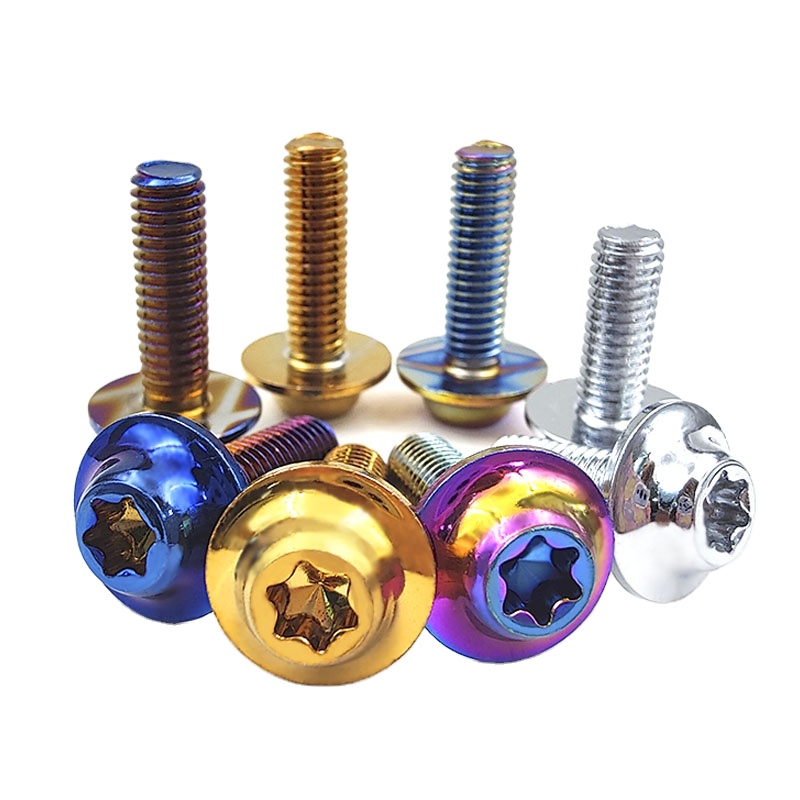
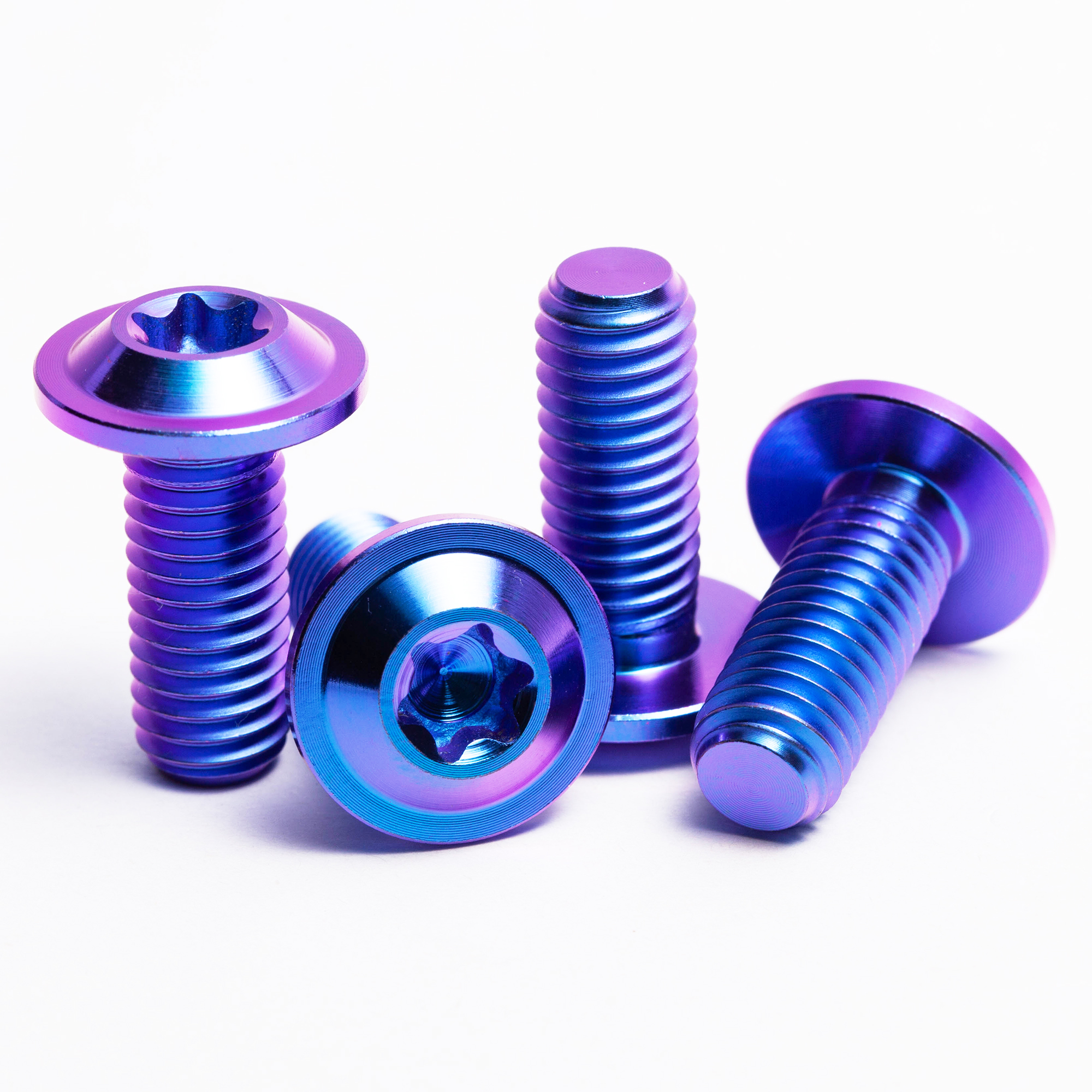
Explore our precision-machined Grade 5 (Ti-6Al-4V) and Grade 2 commercial titanium product lines, custom-manufactured to DIN/ISO standards for demanding global industrial applications.
OEM Titanium Foil & Strip Engineering: A Metallurgical Whitepaper
In modern advanced manufacturing, titanium foil and thin strip products—defined as cold-rolled flat products with thicknesses ranging from 0.005 mm (5 microns) up to 0.1 mm—represent the pinnacle of non-ferrous metal processing. Due to titanium's exceptional strength-to-weight ratio, biocompatibility, high temperature resistance, and imperviousness to aggressive electrochemical corrosion, OEM custom titanium foils have transitioned from niche aerospace insulation components into critical foundational elements for clean energy systems, medical implants, hydrogen fuel cells, and micro-electromechanical systems (MEMS).
As a specialized custom OEM factory and global exporter, Jiaxing Wexra Titanium Products Co., Ltd. operates state-of-the-art cold rolling mills, vacuum bright annealing furnaces, and precise slitters designed specifically to master titanium’s severe work-hardening behavior, high springback elasticity, and chemical reactivity at elevated temperatures. Understanding the exact mechanical and metallurgical parameters of titanium grade selections is essential for procurement officers and engineering leads seeking zero-defect production coils.
Metallurgical Grade Classifications & Mechanical Parameter Specification
Selecting the appropriate titanium grade for custom foil strip manufacturing depends entirely on the required yield strength, deep-drawing ductility, operating temperature, and corrosive exposure. Below is a comprehensive engineering matrix detailing the primary grades utilized in custom OEM foil rolling:
| Titanium Grade | Standard Spec | Tensile Strength (MPa) | Yield Strength (MPa) | Elongation (%) | Primary Engineering Application |
|---|---|---|---|---|---|
| Grade 1 (UNS R50250) | ASTM B265 / ASME SB265 | ≥ 240 | 170 – 310 | ≥ 24 | PEM Fuel Cell Bipolar Plates, Extreme Deep Drawing |
| Grade 2 (UNS R50400) | ASTM B265 / DIN 3.7035 | ≥ 345 | 275 – 450 | ≥ 20 | Chemical Diaphragms, Marine Hardware, Heat Exchangers |
| Grade 5 (Ti-6Al-4V) | ASTM B265 / AMS 4911 | ≥ 895 | ≥ 828 | ≥ 10 | Aerospace Insulation Shields, Defense Micro-Springs |
| Grade 7 (Ti-0.15Pd) | ASTM B265 / UNS R52400 | ≥ 345 | 275 – 450 | ≥ 20 | Aggressive Acid Chemical Seals, Chlor-Alkali Anodes |
| Grade 9 (Ti-3Al-2.5V) | ASTM B265 / UNS R56320 | ≥ 620 | ≥ 483 | ≥ 15 | High-Pressure Hydraulics, Aerospace Honeycomb Structures |
| Grade 12 (Ti-0.3Mo-0.8Ni) | ASTM B265 / UNS R53400 | ≥ 485 | ≥ 345 | ≥ 18 | Crevice Corrosion Resistance in Brine & Chloride Media |
| Grade 23 (Ti-6Al-4V ELI) | ASTM F136 / ISO 5832-3 | ≥ 860 | ≥ 795 | ≥ 10 | Surgical Micro-Implants, Pacemaker Battery Enclosures |
20-High Sendzimir Cold Rolling
To produce ultrathin titanium foils down to 0.005 mm without thickness deviation or wave distortion, our mills utilize 20-high cluster Sendzimir rolling technology. Small-diameter work rolls minimize contact area, reducing roll flattening while exerting immense pressure to achieve uniform reduction ratios across coil widths up to 600 mm.
Vacuum Bright Annealing
Titanium rapidly absorbs oxygen, nitrogen, and hydrogen above 400°C, causing severe embrittlement. Our automated continuous vacuum bright annealing furnaces maintain a vacuum level below $10^{-3} \text{ Pa}$, recrystallizing the work-hardened grain structure without forming an alpha-case oxide layer, ensuring optimal ductility for deep drawing.
Precision Slitting & Edge Finishing
Micro-burrs on slitted titanium strip edges lead to localized stress concentrations and tearing during stamping. OEM strips undergo high-precision rotary slitting using ultra-hard tungsten carbide cutters, followed by deburring and edge-rounding treatments to guarantee burr heights below 5% of total foil thickness.
Future Sourcing & Procurement Trends in Titanium Strip Manufacturing
The global supply chain for raw titanium materials and precision foils is undergoing a structural transition driven by the industrial decarbonization movement, the acceleration of green hydrogen production, and the miniaturization of high-density consumer electronics. Sourcing officers and OEM design engineers must navigate three primary procurement shifts over the coming decade:
1. Exponential Demand in Hydrogen Energy & PEM Electrolyzers
Proton Exchange Membrane (PEM) water electrolyzer stacks and hydrogen fuel cells rely heavily on commercially pure Titanium Grade 1 strips. These strips serve as the primary substrate for stamped metallic bipolar plates and gas diffusion layers (GDL). Due to the highly acidic, oxidizing working environment inside fuel cells, titanium is the only cost-effective metal capable of sustaining operational lifespans exceeding 20,000 hours. The global shift toward gigawatt-scale hydrogen generation is causing an unprecedented demand surge for ultrathin Gr1 strips (0.075 mm – 0.1 mm) featuring strict flatness tolerances ($\le 0.5 \text{ mm/m}$) and ultra-low surface roughness ($Ra \le 0.1 \mu\text{m}$).
2. Transition Toward Near-Zero Scrap Custom Slitting
With raw titanium ingot prices subject to geopolitical fluctuations and processing costs remaining high, procurement teams are abandoning standard off-the-shelf strip widths in favor of custom OEM slitting widths (2 mm to 300 mm) delivered directly in traverse-wound spools or pancake coils. Traverse winding allows up to 10,000 meters of continuous strip per coil, reducing machine downtime on high-speed continuous stamping lines by up to 75% compared to conventional pancake coils.
3. Stringent Surface Topography & Coating Compatibility Requirements
Subsequent surface modifications—such as Platinum, Iridium, or Physical Vapor Deposition (PVD) Titanium Nitride (TiN) gold coatings—require flawless substrate adhesion. Industrial buyers now mandate strict mirror-bright ($BA$) or fine-matte finish specifications. Modern quality control protocols require 100% optical inline laser inspection during rolling to detect surface micro-pitting, pinholes, or rolling oil residue prior to shipment.
Key Technological Developments in Titanium Cold Rolling
Overcoming the physical limits of titanium deformation requires continuous innovation in rolling physics, lubrication technology, and thermal treatment control. Historical challenges such as strip breakage, severe gauge variation, and surface galling have been solved through four major technological advances:
Modern rolling mills incorporate hydraulic Automatic Gauge Control systems paired with X-ray or gamma-ray thickness measuring sensors. Thickness feedback loops adjust roll gaps in real time at rolling speeds up to 400 m/min, keeping thickness tolerances within $\pm 0.0015 \text{ mm}$.
Replacing conventional mineral oils with high-viscosity synthetic ester lubricants prevents metal-to-roll contact during heavy reduction passes. This eliminates friction-induced galling while allowing heat dissipation across high-speed cold rolling schedules.
To correct residual stress patterns, edge waves, and center buckles inherent to cold-rolled strips, fully automated tension levelers stretch the titanium strip beyond its yield point while flexing it around intermeshed precision rolls, delivering dead-flat strip shape.
Technical & Sourcing FAQ: Titanium Foil Strips
Enterprise Advantages: Why Partner with Jiaxing Wexra Titanium
Jiaxing Wexra Titanium Products Co., Ltd. (located in Jiaxing, Zhejiang, China) is a premier specialized manufacturer and international exporter of high-grade titanium fasteners, custom CNC components, and cold-rolled titanium foil strips. Founded on principles of precision engineering and uncompromising quality assurance, our enterprise bridges advanced Chinese metallurgical manufacturing with demanding global industry standards.
Our entire production flow—from raw titanium sponge selection and ingot forging to cold rolling, vacuum annealing, and final slitting—operates under certified ISO 9001:2015 quality protocols.
In-house chemical analysis via ICP-OES and X-ray fluorescence guarantees that interstitial elements (C, O, N, H, Fe) remain within strict ASTM and AMS specification limits prior to rolling.
We regularly supply tier-1 automotive teams, aerospace contractors, and clean energy developers across the United States, Germany, the United Kingdom, Canada, and East Asia with complete customs compliance.
Whether you require a 10 kg sample batch for initial stamping trial or multi-ton continuous coil runs, our technical team provides Design for Manufacturability (DFM) support at every phase.
Request Your Custom Titanium Foil Quote Today
Connect directly with our engineering and procurement team. Send us your required grade, strip gauge, width tolerance, temper, and target quantity for a detailed technical proposal within 8 hours.
Get a Quote