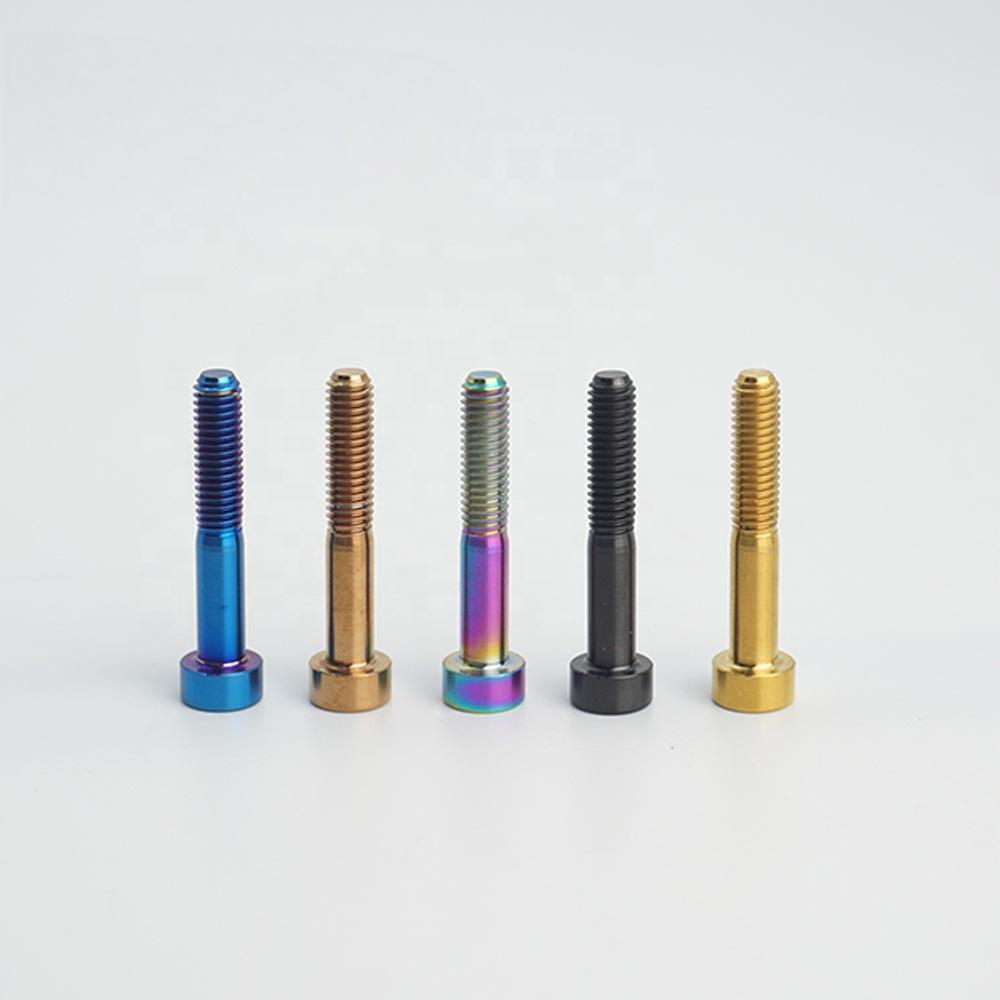
Precision Catalog Showcase
Featured Titanium Hardware & CNC Components
Explore our certified range of Grade 2 and Grade 5 (Ti-6Al-4V) titanium fasteners, CNC flange accessories, and high-performance powertrain hardware engineered for global motorsport and OEM lines.
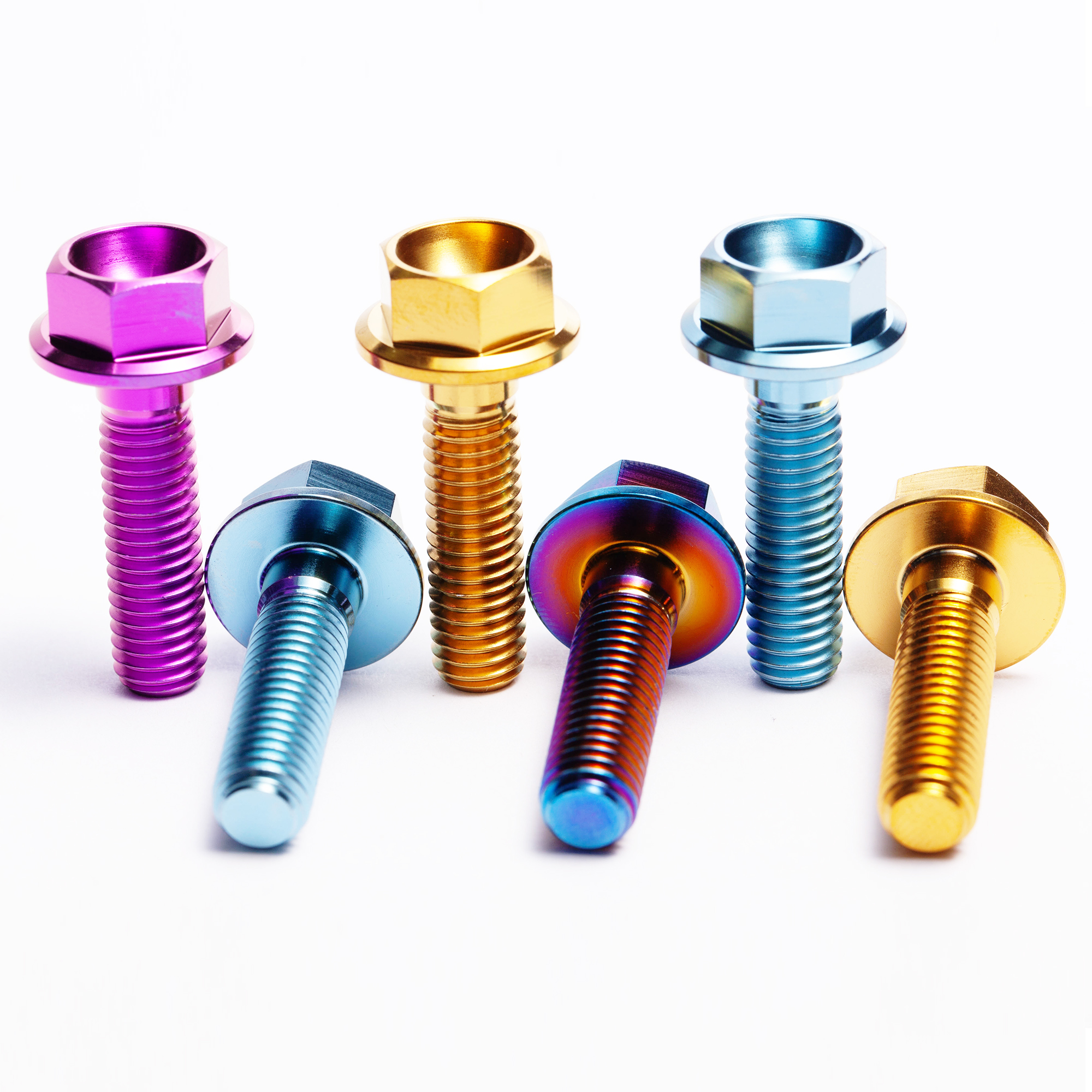
BSTTI DIN 6921 Titanium Alloy GR5 Hex Head Flange PVD Finish UNF Thread Bolt Screw Sizes M5-M10 Model MC-FL-01 for Motorbike
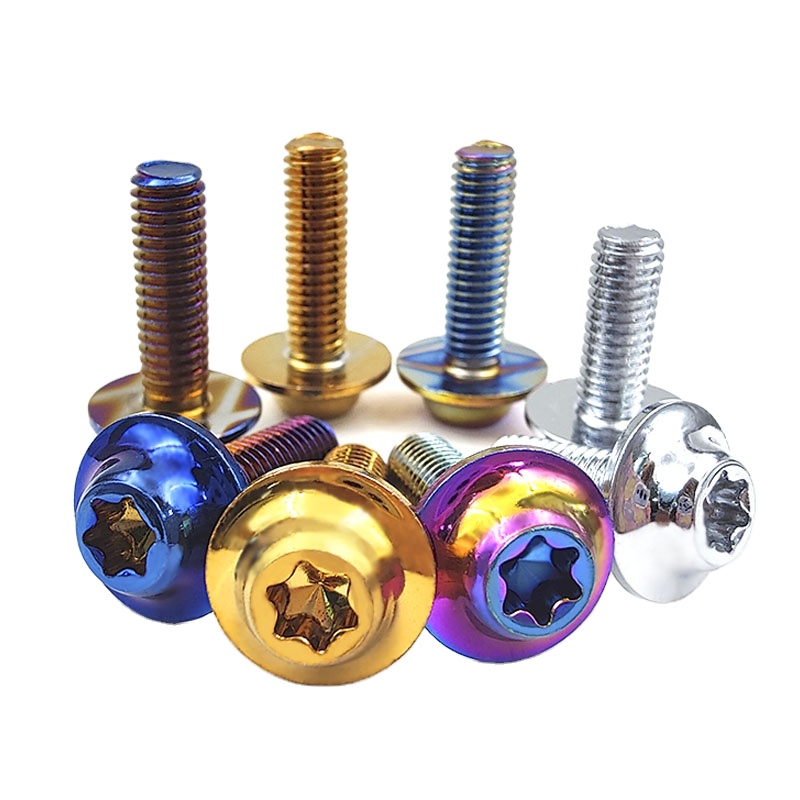
Titanium Alloy GR5 Disc Brake Rotor Bolts Polished Finish ISO Standard Motorcycle Studs
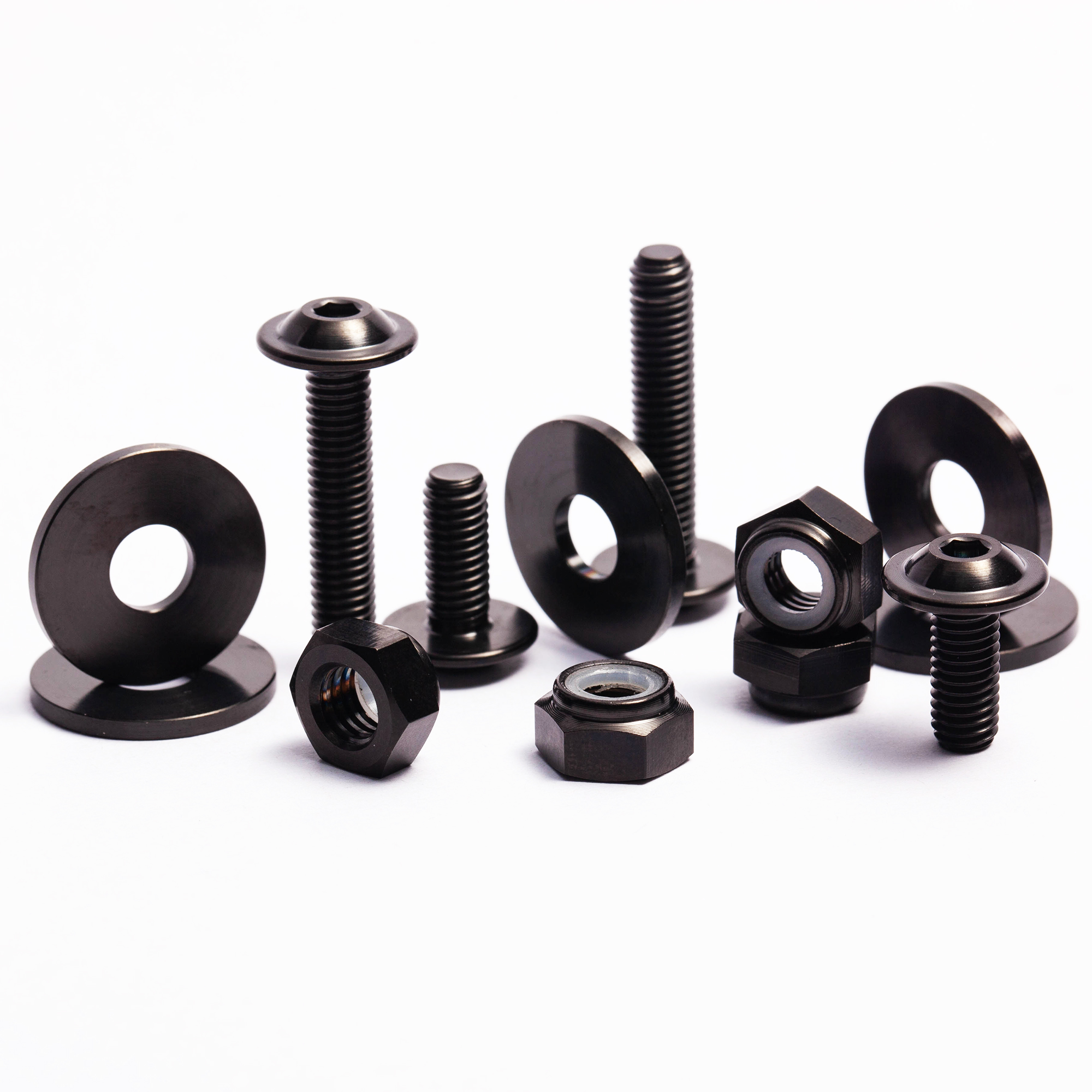
Customized Titanium Gr5 Alloy Torx Head Flange Bolts and Nuts 20mm Length with Plain Finish Motorbike Application Class 12
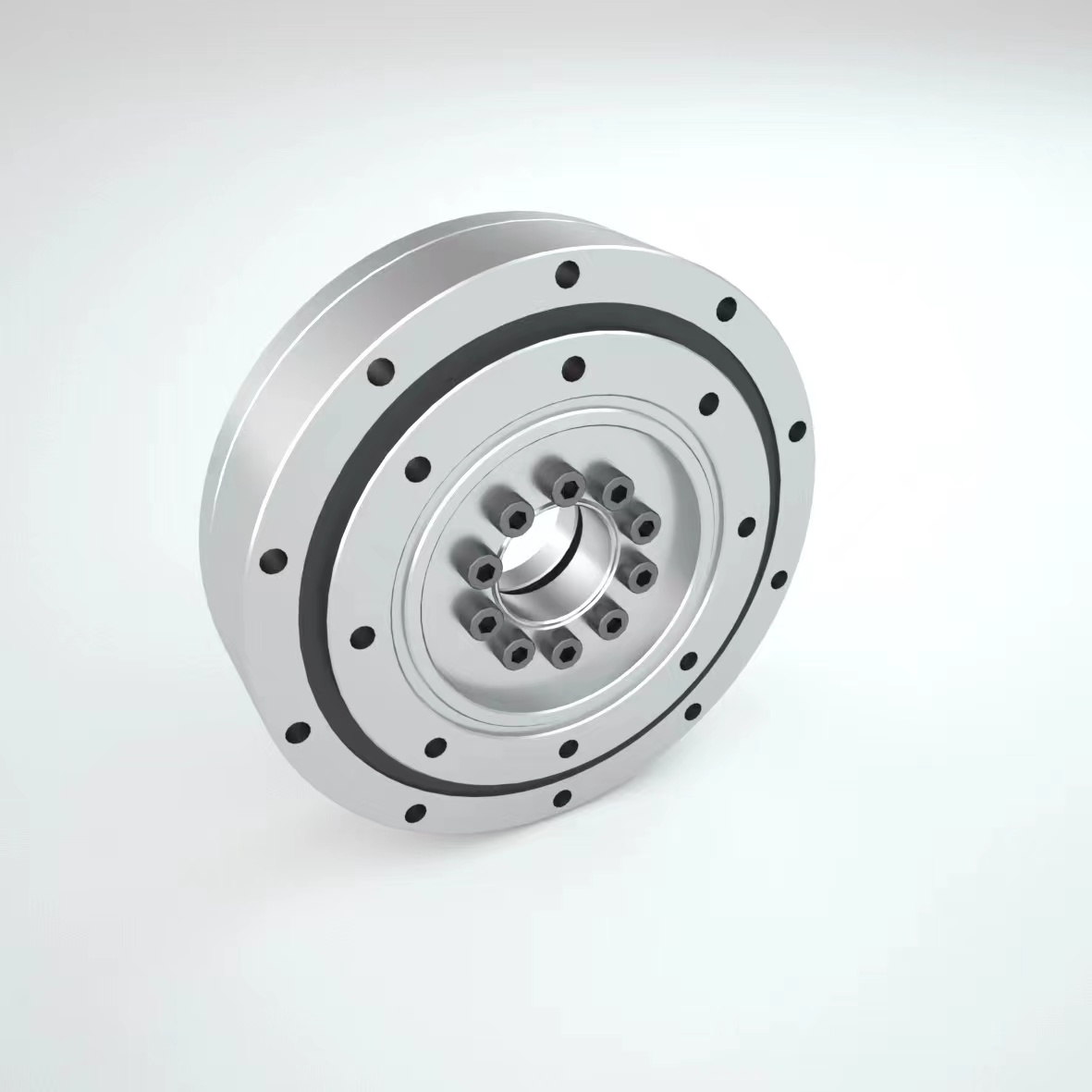
INNOTECH DRIVE High Torque Harmonic Drive Reducer Wave Generator Industrial Machinery Motor Application Robotics & Aerospace ODM
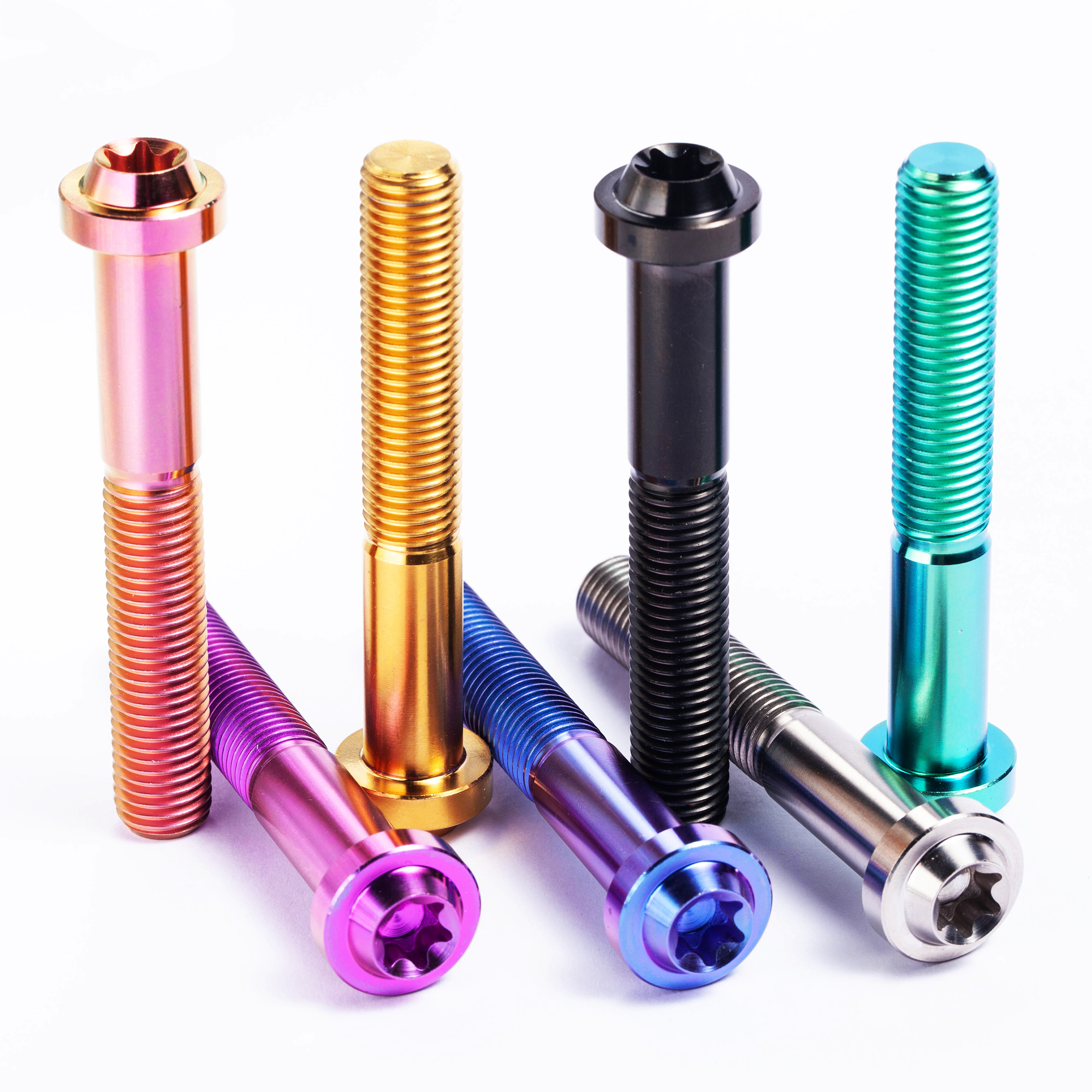
DIN912 Metric Bolts M2 M3 M4 M5 M6 M8 Grade 9 Titanium Alloy Zinc Plated Hex Head Motorcycle Industrial Standard Fasteners
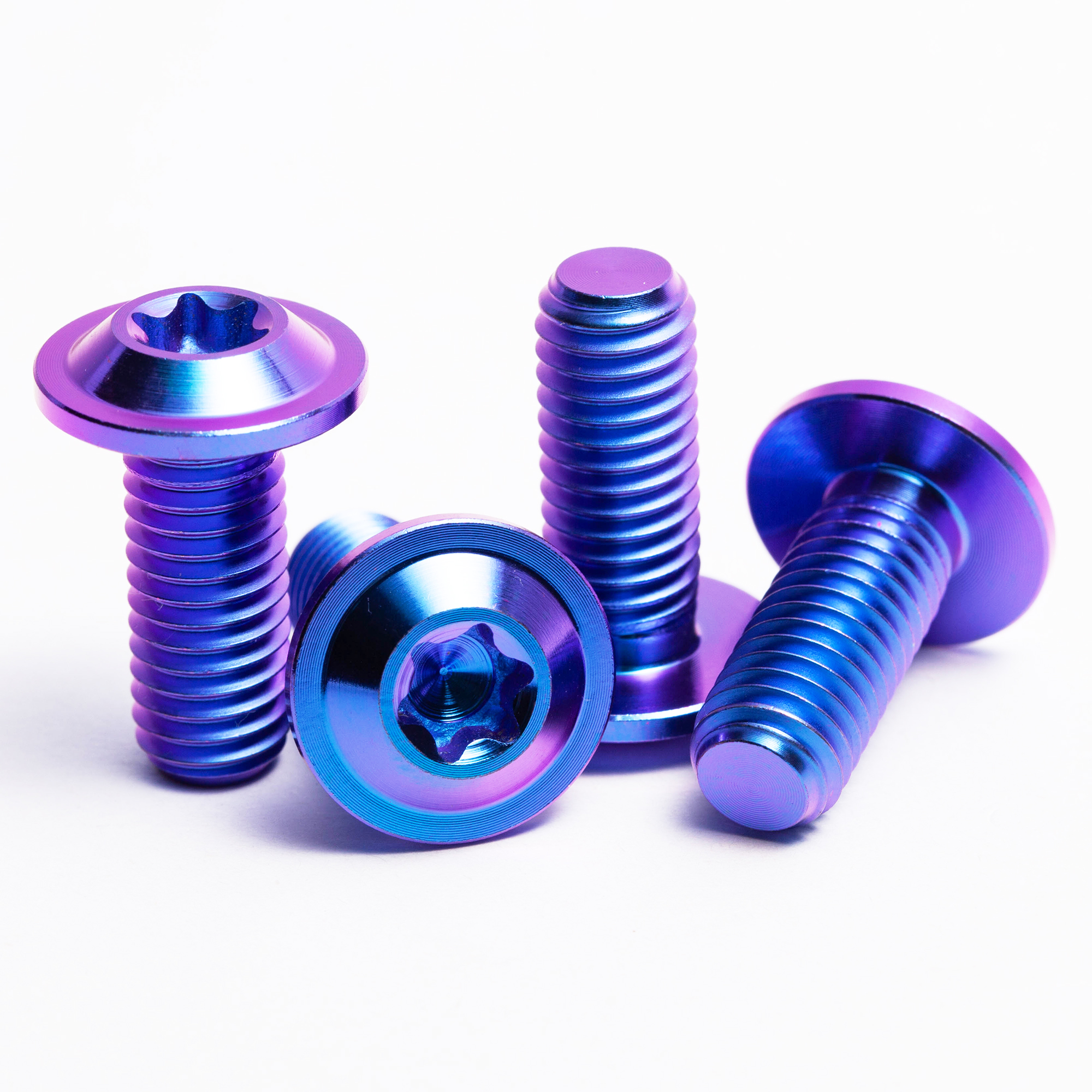
Customized Titanium Disc Head Bolts M6/M8/M10 Gr5 DIN6921 Motorcycle Screws
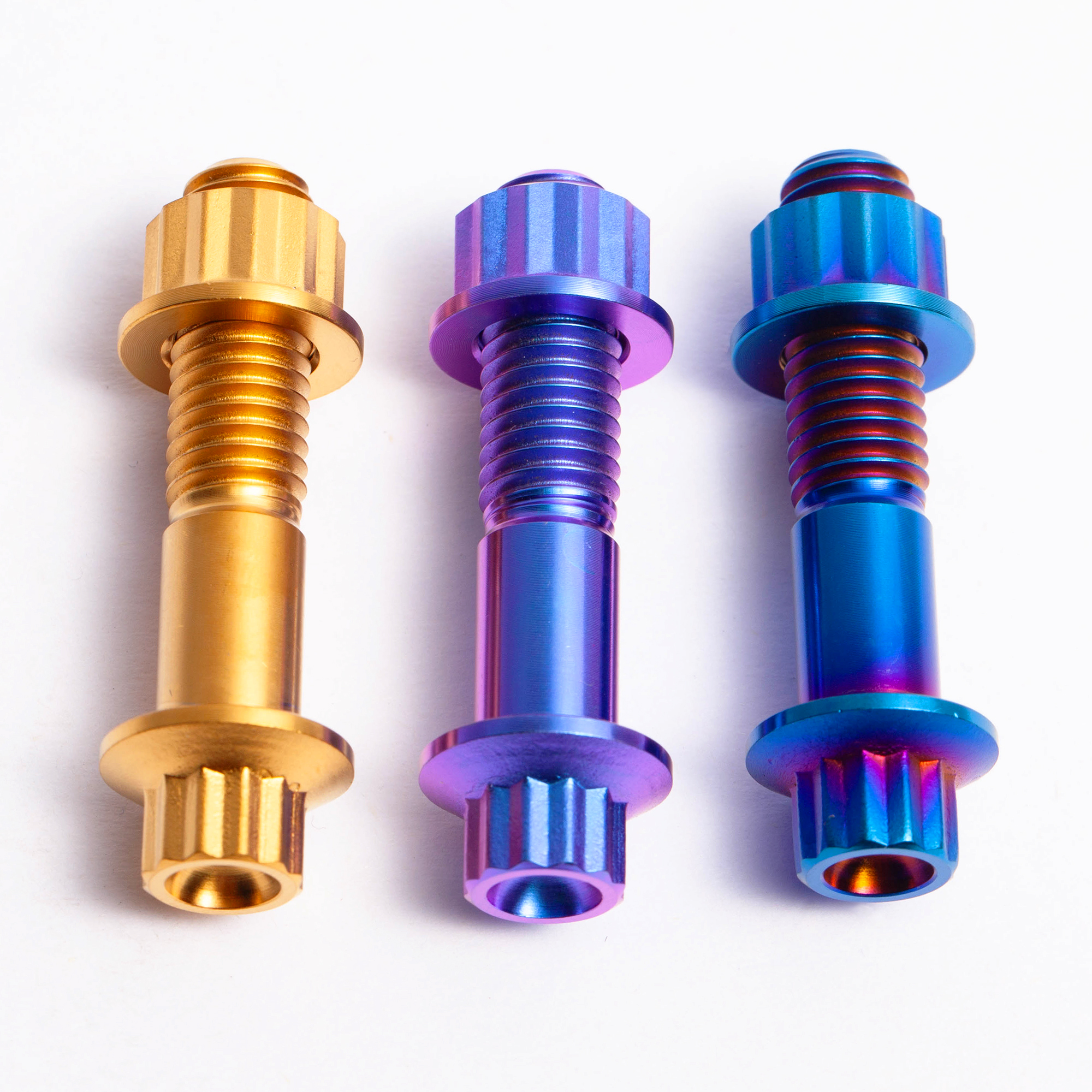
GR5 Titanium Alloy Double Stud Fastener CNC Exhaust Pipe Modification M8/M10 Screws Plain Finish Car Motorcycle Bolts DIN Class
44%
Weight Reduction vs. Steel
±0.01mm
CNC Machining Precision
800°C
Peak Thermal Stability
ISO 9001
Quality Management System
Engineering High-Performance Titanium Exhaust Flanges for Motorsport and OEM Powertrains
In modern automotive, aerospace, and high-performance marine engineering, the exhaust manifold interface serves as one of the most mechanically and thermally demanding junctions in the vehicle architecture. As combustion temperatures escalate in turbocharged, hybrid, and sustainable synthetic fuel (E-fuel) internal combustion engines, legacy materials such as 304/316 stainless steel and mild steel face significant physical limitations—including oxidation scaling, thermal fatigue cracking, and severe weight penalties.
As a premier OEM/ODM Titanium Exhaust Flange Supplier & Exporter, Jiaxing Wexra Titanium Products Co., Ltd. delivers custom-engineered titanium flanges, header plates, V-band adapters, and stud hardware that solve thermal-expansion mismatch, eliminate joint distortion, and achieve optimal strength-to-weight ratios.
The Titanium Physics Advantage in Exhaust Systems
Titanium alloys boast a density of approximately 4.43 g/cm³ to 4.51 g/cm³, compared to 7.93 g/cm³ for austenitic stainless steel. Furthermore, titanium's lower Coefficient of Thermal Expansion (CTE ~8.6 × 10−&sup6;/°C vs. SS304 ~16.5 × 10−&sup6;/°C) dramatically reduces cyclic thermal strain on cylinder head studs, drastically minimizing the occurrence of flange warpage and exhaust gasket blowouts under track conditions.
1. Material Grade Selection Matrix for Exhaust Applications
Choosing the correct titanium grade for exhaust flange manufacturing requires balancing ductility (for gas-tight sealing and thermal compliance) against ultimate tensile strength and creep resistance at elevated temperatures:
- Grade 2 Titanium (Commercially Pure / CP-Ti): Offering excellent formability, superior corrosion resistance, and superb weldability, Grade 2 is widely specified for cold-formed slip-fit flanges, cat-back exhaust flanges, and marine exhaust bypass connections operating continuously under 400°C.
- Grade 5 Titanium (Ti-6Al-4V / UNS R56400): Featuring an ultimate tensile strength exceeding 895 MPa and yield strength above 828 MPa, Grade 5 is the material of choice for heavy-duty turbocharger inlet flanges, manifold header plates, and high-torque flange bolts. Its heat-treated alpha-beta phase microstructure maintains mechanical integrity up to 450°C–500°C.
- Grade 12 Titanium (Ti-0.3Mo-0.8Ni) & High-Temp Modified Alloys: Formulated specifically for enhanced creep resistance and localized crevice corrosion protection at higher operational temperatures, ideal for extreme downpipe and racing header flanges.
| Material Specification | Density (g/cm³) | Tensile Strength (MPa) | Thermal Conductivity (W/m·K) | Max Service Temp (°C) | Key Application Focus |
|---|---|---|---|---|---|
| Titanium Grade 5 (Ti-6Al-4V) | 4.43 | 895 - 1000 | 6.7 | 500°C | Turbo Flanges, Header Plates, Studs |
| Titanium Grade 2 (CP-Ti) | 4.51 | 345 - 480 | 20.8 | 400°C | Slip-Joint Flanges, Tailpipe Hardware |
| Inconel 625 Alloy | 8.44 | 880 | 9.8 | 980°C | Extreme Thermal Racing Turbo Housings |
| Stainless Steel 304 | 7.93 | 515 | 16.2 | 800°C (Scales) | Standard Automotive OEM Exhausts |
2. Precision Manufacturing Technologies: CNC Billet vs. Fiber Laser Cutting
Achieving leak-free exhaust sealing requires extreme flatness tolerances. Wexra utilizes a hybrid advanced manufacturing pipeline:
- 5-Axis CNC Billet Milling: Machined directly from solid titanium forgings or extruded plate stock, guaranteeing zero porosity and perfect flatness tolerances (±0.01mm). Ideal for thick turbo manifolds (10mm to 15mm flange thickness) where mating surface integrity is critical.
- High-Power Fiber Laser Cutting: Used for rapid prototyping and lightweight custom header flanges, minimizing heat-affected zones (HAZ) and edge oxidation through nitrogen-shielded cutting environments.
- CNC Thread Rolling & Turning: Flange mounting studs and fasteners feature rolled metric and UNF threads (conforming to DIN 6921, ISO standards) to ensure 30% higher fatigue endurance compared to cut threads.
Strategic Supply Chain & Sourcing Trends
Global Sourcing Trends in Titanium Exhaust Hardware (2025–2030)
How international OEM purchasing managers and performance aftermarket brands are restructuring titanium hardware procurement to address weight targets, regulatory compliance, and thermal durability.
1. Accelerating Lightweighting Mandates
Automotive OEMs are stripping excess mass from internal combustion engine (ICE) and hybrid powertrains to offset battery and motor weight. Replacing stainless steel flanges with titanium cuts unsprung and overall vehicle mass by up to 45%, offering instant performance benefits.
2. Hydrogen & Synthetic E-Fuel Adaptation
Hydrogen combustion and high-octane synthetic fuels generate elevated exhaust water vapor and acidic gas trace elements. Titanium's passive TiO‚ oxide layer offers immune protection against acidic exhaust condensate and intergranular stress corrosion cracking.
3. Direct OEM/ODM Digital Workflows
Global buyers are bypassing multi-tier broker networks in favor of direct manufacturer relationships. Providing CAD/STEP files directly to factory CNC production lines dramatically reduces prototype turnarounds from months to as little as 5 to 7 business days.
Why Partner With Us
Jiaxing Wexra Titanium Products Co., Ltd. — Enterprise Advantages
Headquartered in Jiaxing, Zhejiang, China, Wexra Titanium is a certified manufacturer and exporter dedicated exclusively to precision titanium components, custom CNC parts, and high-spec automotive fasteners.
ISO 9001:2015 Quality System
Every production batch is managed under strictly audited ISO quality management standards. Full Material Test Certificates (MTC EN 10204 3.1), chemical composition analysis, and dimensional inspection logs are supplied with every shipment.
Environmental & Global Compliance
Fully compliant with international environmental directives including RoHS, REACH, CE marking, UKCA marking, and EPR Germany packaging registration for seamless clearance into North American and European ports.
Advanced Surface Treatments
In-house polishing, micro-sandblasting, thermal color-tinting (burnt blue), and electro-anodizing (gold, purple, cyan, rainbow) providing corrosion resistance and distinctive aesthetics for aftermarket performance brands.
Established Global Export Reach
Over 90% export ratio with primary markets spanning the United States, Germany, the United Kingdom, and Canada. Experienced engineering teams fluent in technical English ensure accurate drawing execution.
Technical & Purchasing Insights
Frequently Asked Sourcing Questions (FAQ)
Clear, technical answers to common queries raised by exhaust design engineers, quality auditors, and procurement officers.
▶ Can titanium exhaust flanges be directly welded to stainless steel or Inconel piping?
Direct fusion welding between titanium and stainless steel is not recommended because titanium forms brittle intermetallic compounds (such as FeTi) that lead to immediate joint cracking under vibration. To connect titanium flanges to stainless tubing, engineers utilize mechanical slip-fit expansion joints with titanium V-band clamps, or specify explosive-bonded bi-metallic transition inserts. For all-titanium exhaust systems, TIG welding must be performed under 99.999% pure Argon back-purge shielding to prevent oxygen embrittlement.
▶ How do you prevent thread galling on titanium exhaust stud and nut assemblies?
Titanium has a natural tendency to gall when bare threads interact under high clamping force. We prevent galling by applying advanced surface engineering: 1) Precision thread rolling to produce smooth root radii; 2) PVD physical vapor deposition or anti-friction coatings; and 3) Recommending nickel-based or copper-based anti-seize assembly pastes during final torqueing.
▶ What is the turnaround time for custom OEM/ODM titanium flange prototypes?
Upon receipt of your 2D engineering drawing (DWG/PDF) or 3D CAD model (STEP/IGES), our DFM engineering team completes design review within 24 hours. Prototype samples are typically machined, surface-finished, and quality-inspected within 5 to 7 business days, followed by expedited air express courier delivery to North America and Europe.
▶ What material certifications are provided with custom titanium shipments?
Every shipment is accompanied by a standard MTC (Material Test Certificate) according to EN 10204 3.1. This includes full spectrographic chemical analysis (confirming Ti, Al, V, Fe, C, N, H, O content), tensile testing yield data, hardness verification, and dimensional inspection reports referencing your drawing tolerances.
▶ Should I choose Grade 2 or Grade 5 titanium for custom exhaust flanges?
Choose Grade 5 (Ti-6Al-4V) if the flange requires high mechanical yield strength, high torque clamping capacity, or interfaces directly with turbochargers where high clamping loads are present. Choose Grade 2 (CP Titanium) if your application requires superior weldability to Grade 2 titanium tubing, complex cold-forming, or moderate operating temperatures where ductility is preferred to absorb thermal expansion.