Recommended High-Precision Titanium Products & Hardware
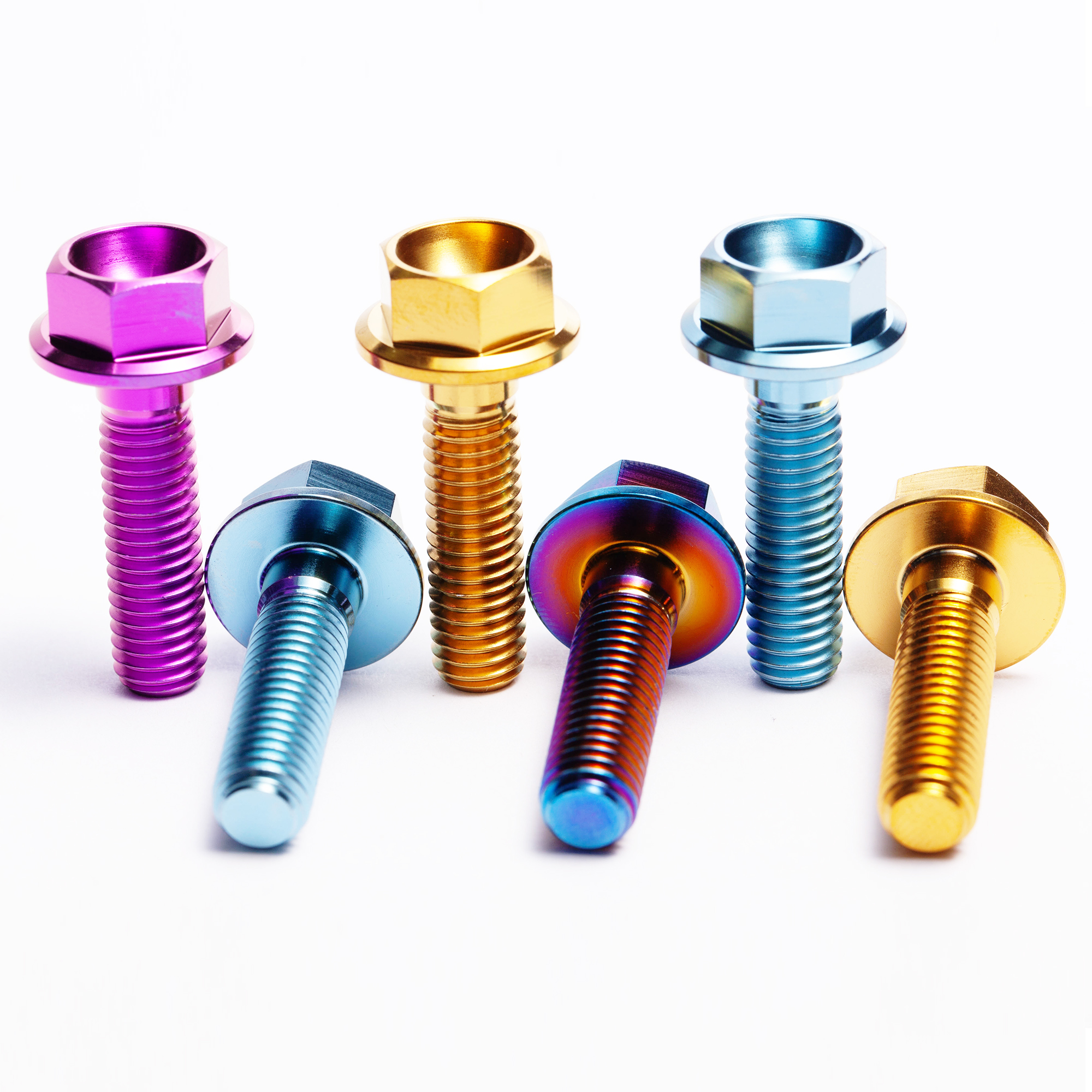
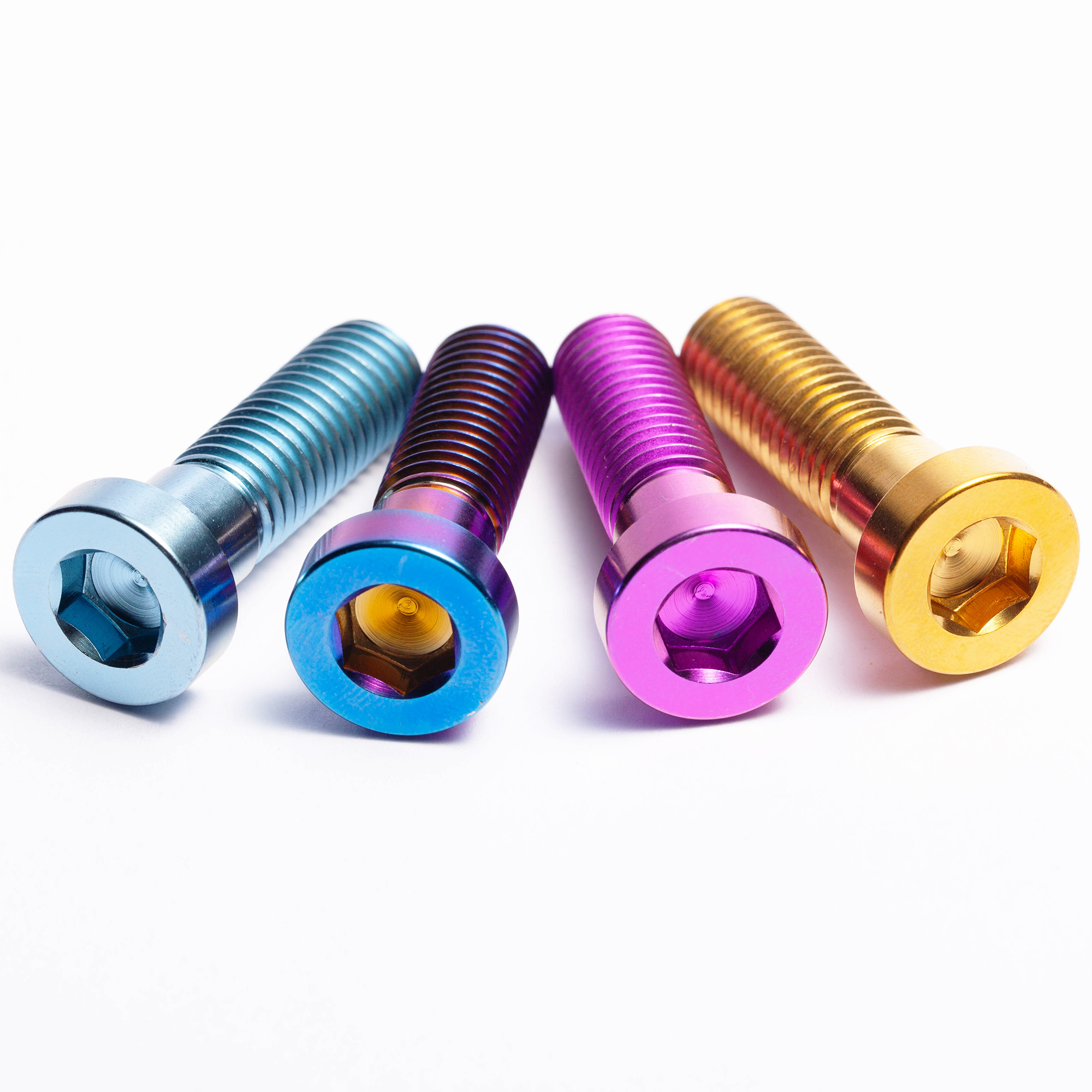
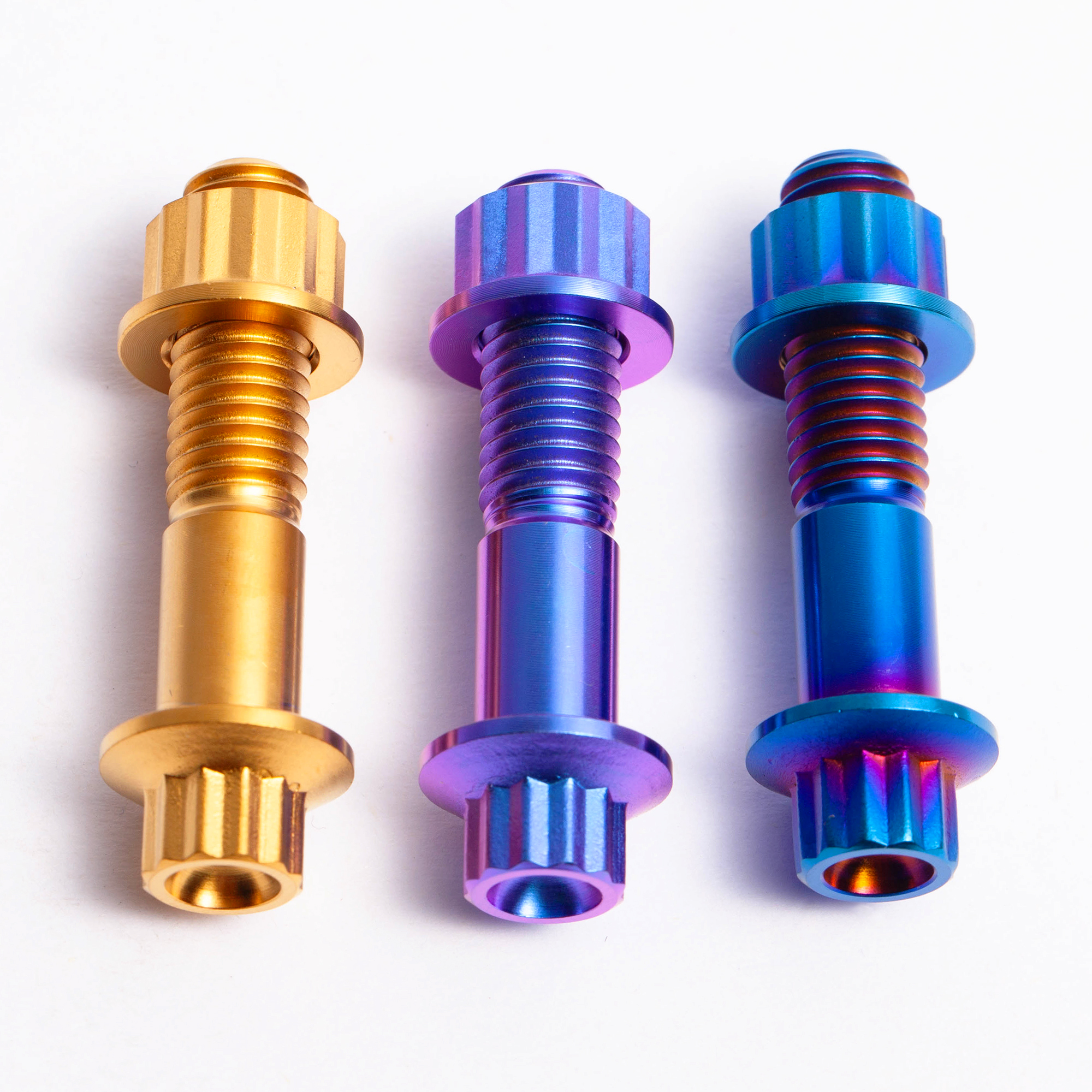
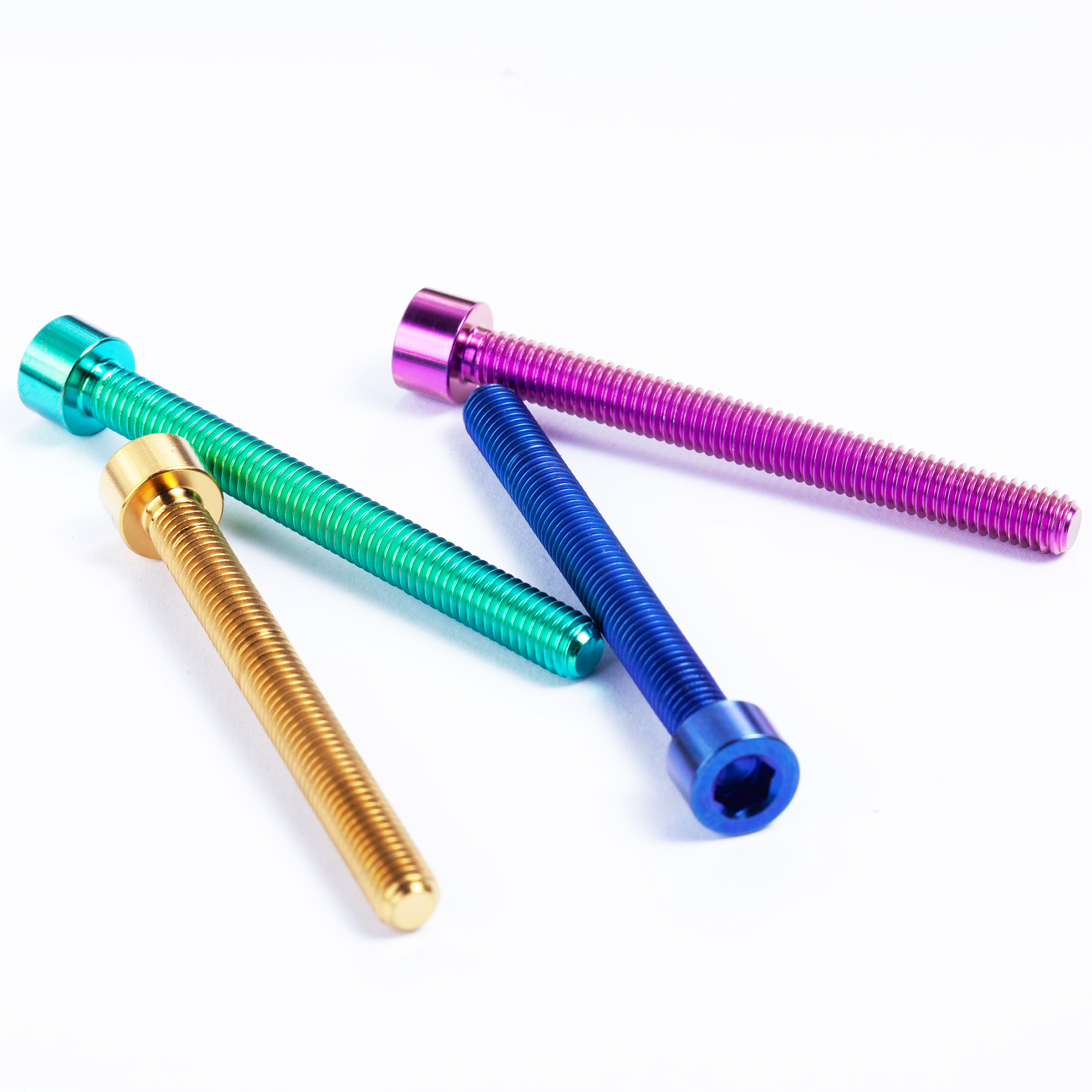
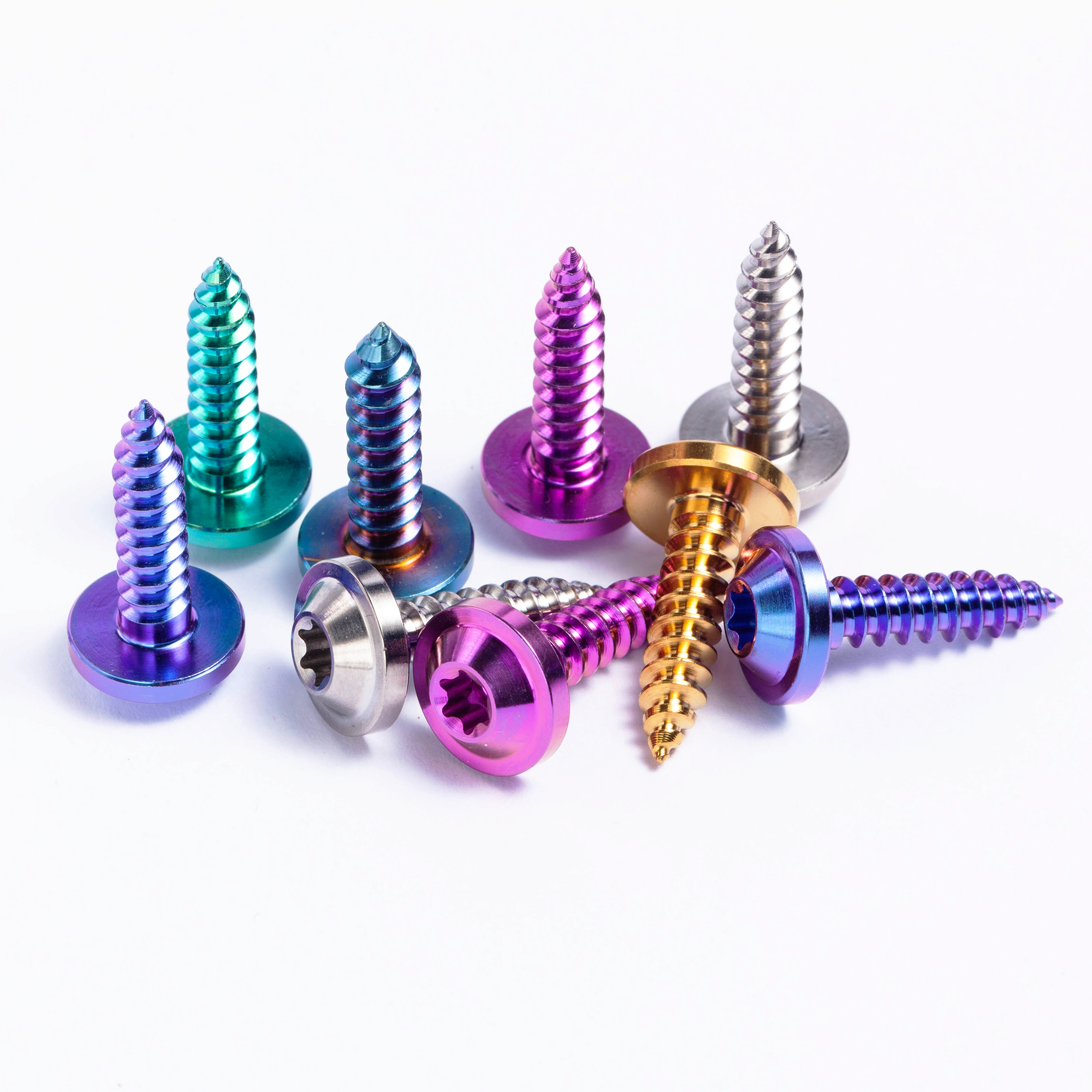
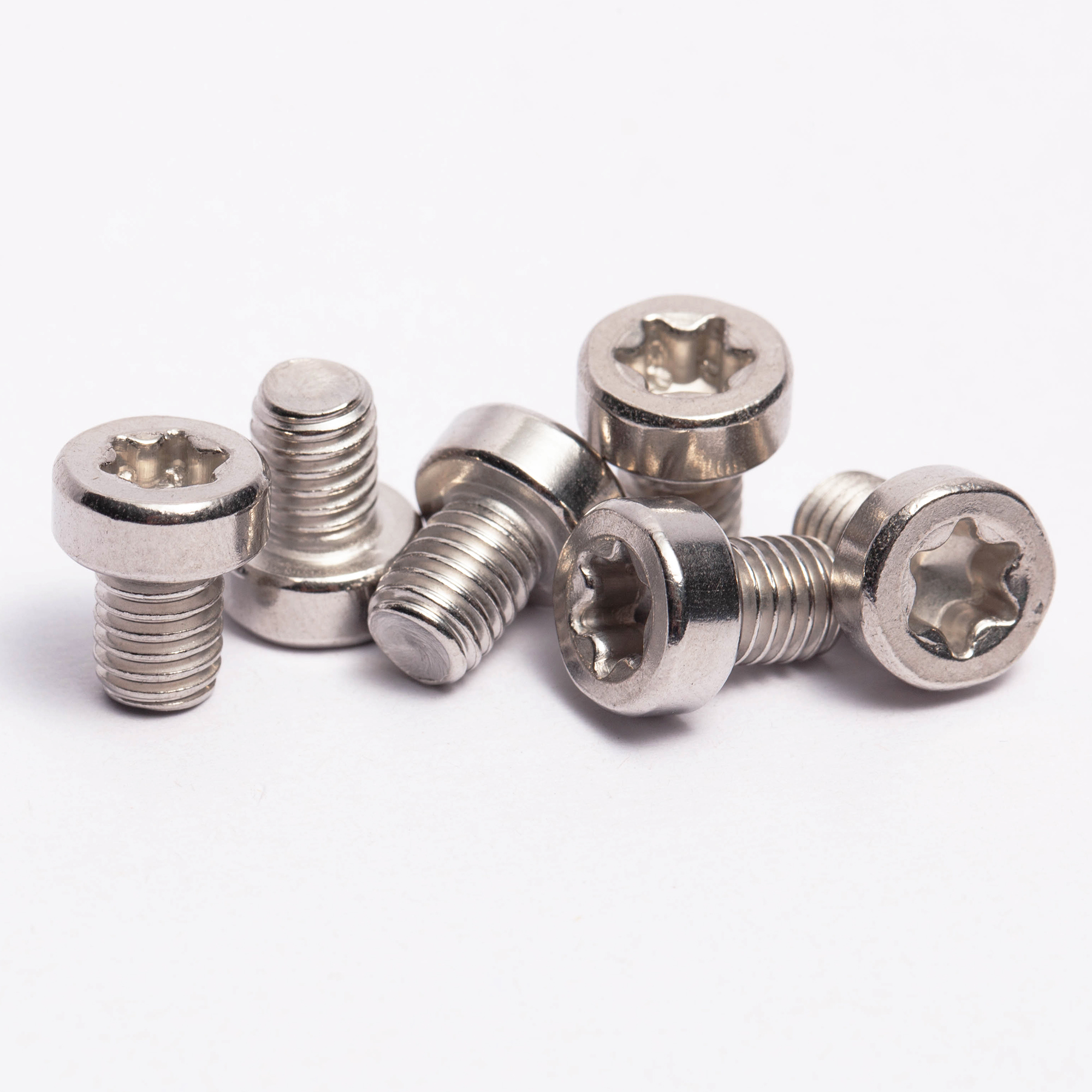
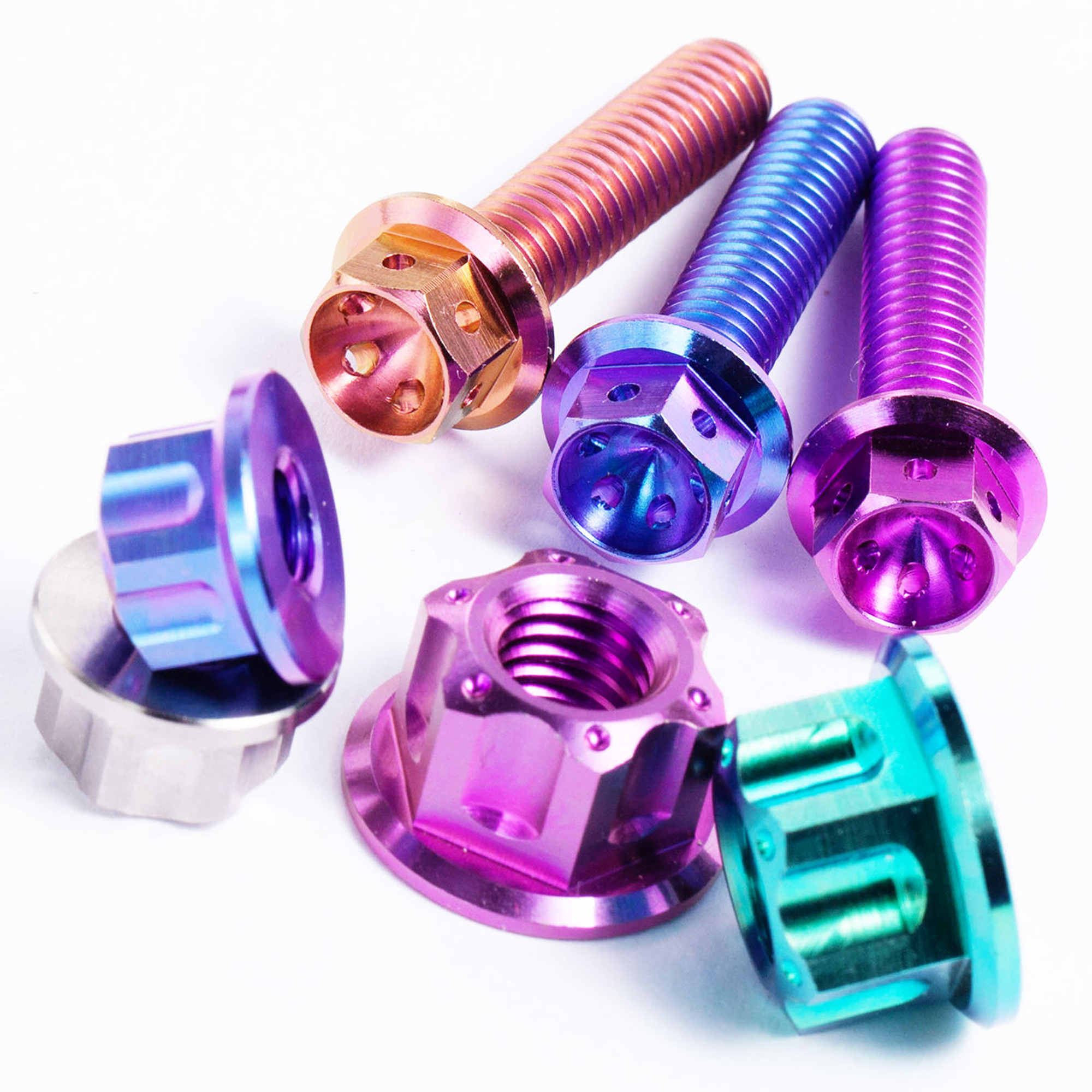
Explore our ISO 9001:2015 certified Titanium Grade 2 and Grade 5 (Ti-6Al-4V) components engineered for high-stress automotive, aerospace, marine, and industrial applications.
Executive Summary: Titanium Pipe Flange Metallurgy & OEM/ODM Manufacturing
In high-performance industrial fluid handling, power generation, chemical processing, offshore oil & gas, and marine desalination systems, piping integrity dictates operational uptime and safety. Titanium pipe flanges serve as critical mechanical joints that connect pipes, valves, pumps, and pressure vessels. Selecting the appropriate manufacturing methodology—whether precision forging, ring rolling, or CNC machining—determines the joint’s fatigue life, sealing performance, and resistance to aggressive media.
Compared to standard 316L stainless steel, nickel alloys (such as Hastelloy or Inconel), and duplex steels, titanium alloys offer an exceptional strength-to-weight ratio combined with total immunity to aqueous chloride corrosion. However, integrating titanium flanges into high-pressure piping networks requires an authoritative understanding of international pressure vessel standards (ASME B16.5, ASME B16.47, DIN EN 1092-1, ISO 7005-1), material specification standards (ASTM B381, ASME SB381, ASTM B363), and strict surface finishing protocols.
Metallurgical Breakdown: Pure Titanium vs. Advanced Alloys
Industrial titanium flanges are categorized based on their alpha-beta metallurgical phase compositions, which dictate yield strength, ductility, weldability, and resistance to localized crevice corrosion:
| Material Grade | UNS / ASTM Std | Yield Strength (0.2% Offset) | Tensile Strength (Min) | Primary Corrosion Resistance Focus |
|---|---|---|---|---|
| Grade 1 (CP Ti) | UNS R50250 / ASTM B381 | 170 - 310 MPa | 240 MPa | Maximum ductileness, chemical cold forming, mild oxidizing media. |
| Grade 2 (CP Ti) | UNS R50400 / ASTM B381 | 275 - 450 MPa | 345 MPa | Standard industrial workhorse; exceptional organic/inorganic salt resistance. |
| Grade 5 (Ti-6Al-4V) | UNS R56400 / ASTM B381 | 828 MPa | 895 MPa | Ultra-high mechanical strength, aerospace hydraulics, high-stress piping. |
| Grade 7 (Ti-0.15Pd) | UNS R52400 / ASTM B381 | 275 - 450 MPa | 345 MPa | Palladium-enhanced; superior immunity to dilute reducing acid crevice corrosion. |
| Grade 12 (Ti-0.3Mo-0.8Ni) | UNS R53400 / ASTM B381 | 345 MPa | 483 MPa | Elevated temperature strength up to 300°C; economical alternative to palladium alloys. |
The spontaneous formation of a dense, continuous, and highly adherent titanium dioxide passive film (TiO₂) guarantees immunity against pitting in sour gas ($H_2S$) and sea water environments. When specified for OEM/ODM piping projects, manufacturers must verify that raw bar stock or forged billets undergo strict consumable electrode vacuum arc remelting (VAR) to prevent interstitial gas contamination ($O_2, N_2, H_2$).
OEM/ODM Manufacturing Infrastructure & Flange Design Typologies
Modern OEM/ODM titanium flange production involves closed-die forging, seamless ring rolling, and multi-axis CNC turning. Standard cast flanges lack the fatigue resistance required for Class 300 to Class 2500 pressure ratings; hence, high-integrity applications mandate drop-forged or forged-and-machined blanks complying with ASTM B381.
Weld Neck Flanges (WN)
Designed with a tapered hub that provides structural reinforcement under high bending moments, shear forces, and cyclic thermal expansion. Ideal for high-pressure cross-country pipelines and severe chemical synthesis loops.
Slip-On Flanges (SO)
Easier to align during field assembly. The pipe slides into the flange hub and is secured via internal and external fillet welds. Preferred for medium-pressure utility piping where installation speed is critical.
Blind Flanges (BL)
Used to seal the ends of piping systems, pressure vessel nozzles, or maintenance access ports. Forged titanium blind flanges withstand maximum hydrostatic shock and aggressive chemical hold-ups.
Lap Joint & Stub Ends (LJ)
Utilizes a forged titanium stub end paired with a carbon steel or stainless backing flange. Provides a cost-effective solution for low-pressure systems requiring alignment flexibility during routine disassembly.
Ring Type Joint Flanges (RTJ)
Engineered with precision-machined metallic ring grooves for octagonal or oval gaskets. Essential for high-pressure, high-temperature (HP/HT) subsea oil fields and critical refining manifolds.
Custom OEM Machining
Full 5-axis CNC custom fabrication based on client 2D/3D CAD models. Includes specialized bolt circle pitch diameters, non-standard hub geometries, dual-material clad interfaces, and integrated sensor taps.
Flange Sealing Face Finish Precision
The sealing face surface micro-finish dictates gasket seat performance. In accordance with ASME B16.5, OEM custom flanges are turned to deliver specific serration profiles:
- Serrated Concentric or Spiral Finish: Roughness Average ($Ra$) of 3.2 to 6.3 µm (125 to 250 µin). Produced with a $1/16$ inch round-nosed tool with a feed rate of 0.8 mm per revolution to create micro-grooves that grip soft sheet gaskets (PTFE, Graphite).
- Smooth / Cold Finish: Surface roughness $Ra$ < 1.6 µm (63 µin). Machined for metallic O-rings, spiral wound gaskets, or vacuum-tight elastomeric seals.
Future Purchasing & Metallurgical Trends (3-5 Year Horizon)
As global supply chains prioritize risk mitigation, decarbonization, and total cost of ownership (TCO) over short-term purchase price, the procurement landscape for titanium pipe flanges is undergoing four structural shifts:
1. Shift Toward High-Performance Titanium Alloys (Grades 7, 12, and 23)
While Grade 2 remains the traditional standard for general chemical duty, EPC contractors are increasingly specifying Grade 7 (Ti-Pd) and Grade 12 (Ti-Mo-Ni) for aggressive geothermal brine, marine scrubbers, and chlor-alkali electrolysis units. Grade 12 eliminates crevice corrosion risks at temperatures exceeding 120°C while delivering 40% higher yield strength than Grade 2, allowing for thinner flange neck walls and reduced overall weight.
2. Circular Economy & Sustainable Scrap Revert Processing
The aerospace and industrial manufacturing sectors generate substantial titanium swarf and turnings. Tier-1 factories are implementing closed-loop scrap recycling systems per ISO 14001 guidelines. By utilizing electron beam (EB) or plasma cold hearth melting (PAM) to process clean revert scrap, raw material carbon footprints are reduced by up to 60% while maintaining 100% compliance with ASTM chemistry limits.
3. Adoption of Additive-Hybrid Manufacturing & Near-Net Shape Forgings
To hedge against rising raw titanium sponge prices and long lead times, direct energy deposition (DED) additive manufacturing is combined with traditional forge rolling. Complex flange features, such as internal cooling channels or custom instrument bosses, are printed onto forged titanium bases, cutting machining waste by 45% and shortening prototyping cycles from 12 weeks to 10 days.
4. Digital Quality Traceability & Supply Chain Hedging
B2B buyers are replacing spot-market purchasing with long-term framework agreements indexed to international titanium sponge price benchmarks. Furthermore, modern procurement contracts mandate complete digital traceability—from raw ingot heat numbers to ultrasonic non-destructive testing (NDT) logs—embedded directly into blockchain-verified Material Test Certificates (EN 10204 3.1 / 3.2).
Enterprise Manufacturing Infrastructure: Jiaxing Wexra Titanium Co., Ltd.
As an industry-leading OEM/ODM titanium manufacturer based in Zhejiang, China, Jiaxing Wexra Titanium Products Co., Ltd. offers full-spectrum design, forging, precision CNC machining, and quality assurance services for global B2B clients.
ISO 9001:2015 Quality System
Every manufacturing step is monitored under strict quality management protocols. Material composition analysis, dimensional inspection reports, and RoHS/REACH compliance documentation accompany every shipment.
Advanced Multi-Axis Machining
Equipped with high-precision CNC turning centers, milling machines, and automated thread rolling equipment capable of maintaining mechanical tolerances as tight as ±0.01 mm across batch runs.
Global Export Expertise
Exporting key products to core industrial markets including the United States, Germany, the United Kingdom, and Canada, backed by English-speaking engineering teams and full regulatory clearance support.
Whether you require standard DIN/ASME titanium pipe flanges or custom-engineered fasteners, our engineering team evaluates drawing files, optimizes toolpaths, selects optimal material grades, and executes rigorous Non-Destructive Testing (UT, PT, Hydrostatic) to ensure reliable field performance.
Technical Procurement FAQ: Titanium Flanges & Hardware
Find direct, authoritative technical answers to common questions encountered by piping engineers, quality managers, and global procurement officers.
Request a Technical Consultation & Custom Quotation
Looking for a certified OEM/ODM factory partner for custom titanium pipe flanges, specialty alloy forgings, or precision CNC fasteners? Our engineering team is ready to evaluate your technical drawings and provide competitive B2B pricing within 8 business hours.
Contact Us