Featured Precision Titanium Fasteners & Machined Components
Explore our primary precision hardware production lines. All components are machined from high-grade titanium stock under ISO 9001:2015 quality management systems, serving aerospace, motorsport, industrial, and specialized OEM applications.
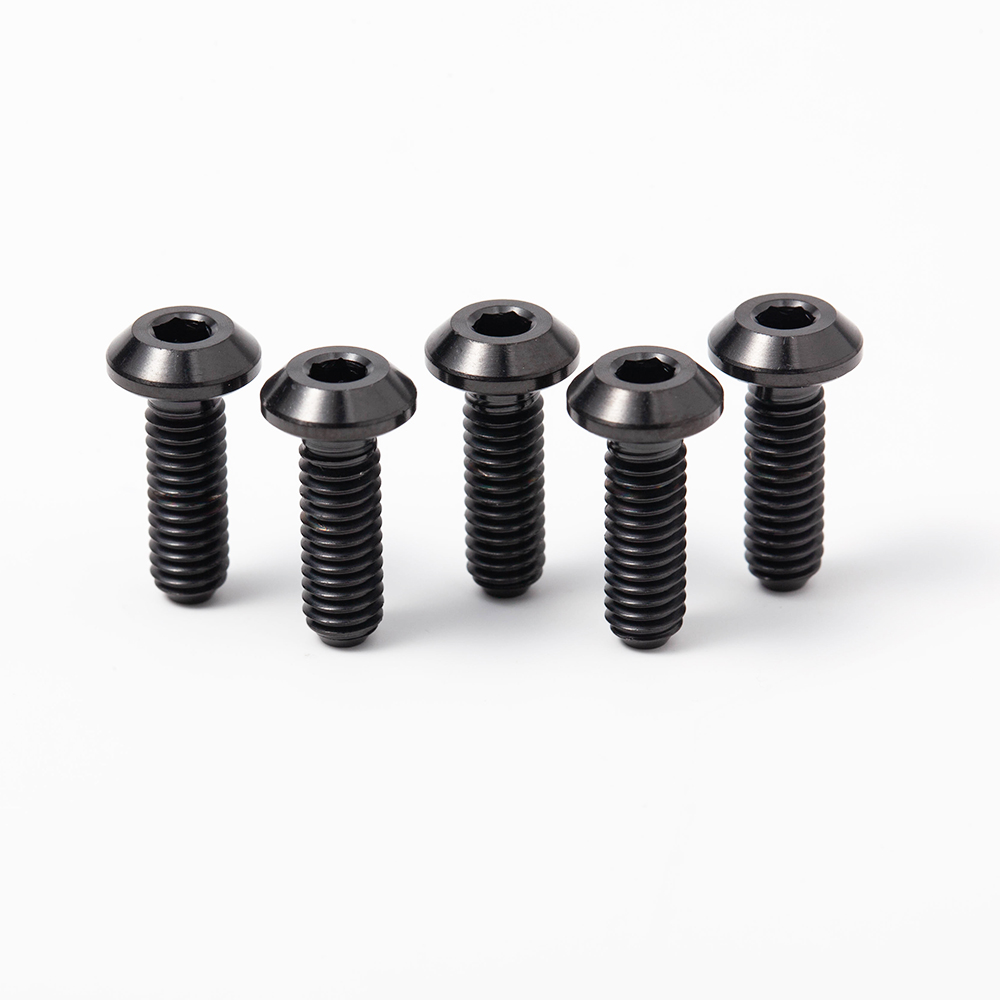
BST_TI Titanium Alloy Class 10 Anodized Countersunk Bolts UNF Thread
View Product Details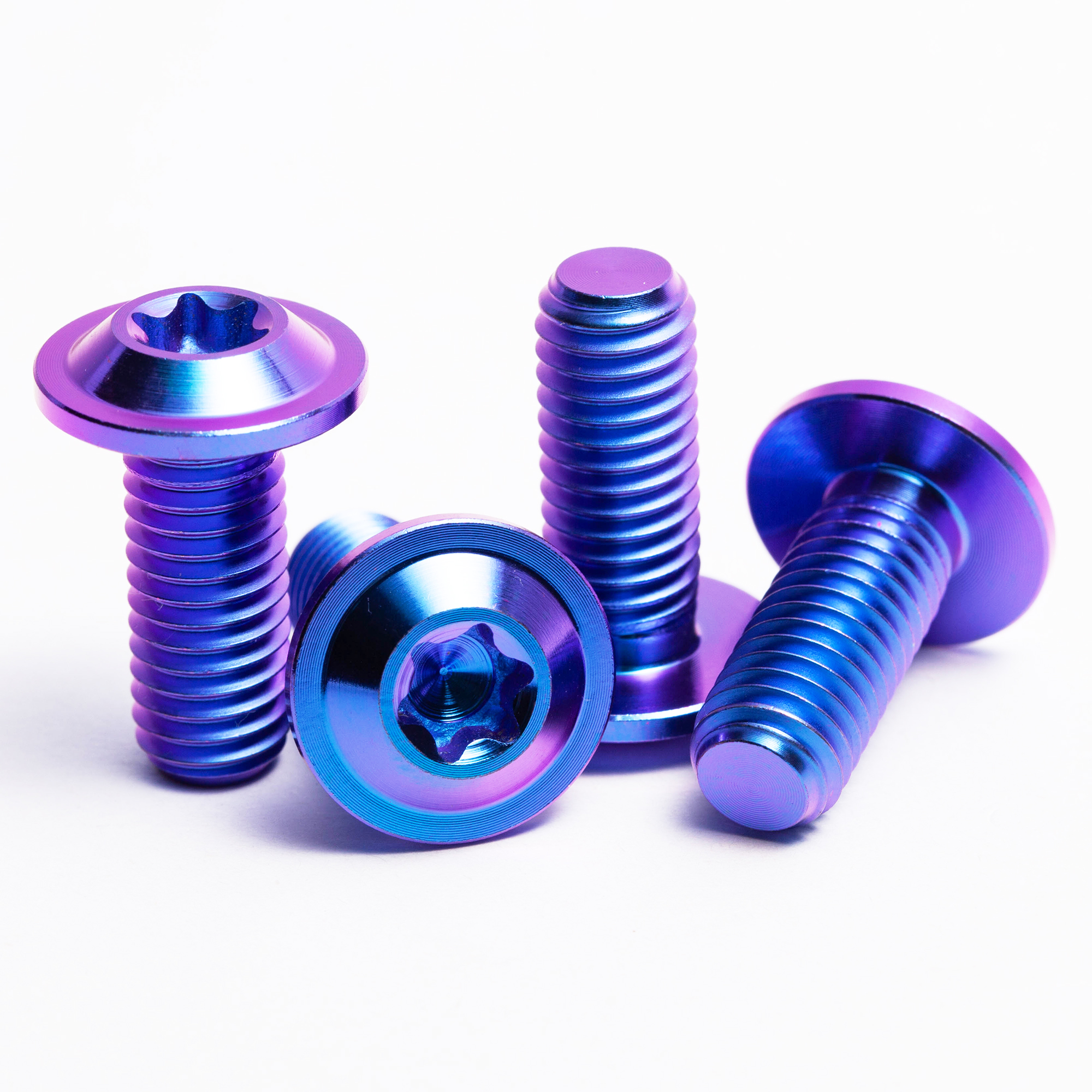
Customized Titanium Disc Head Bolts M6/M8/M10 Gr5 DIN6921 Screws
View Product Details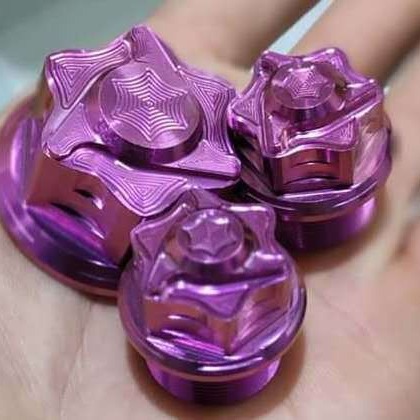
[Manufacturer Supply] Grade 10.9 M24/M22 Titanium Alloy Cap Screw
View Product Details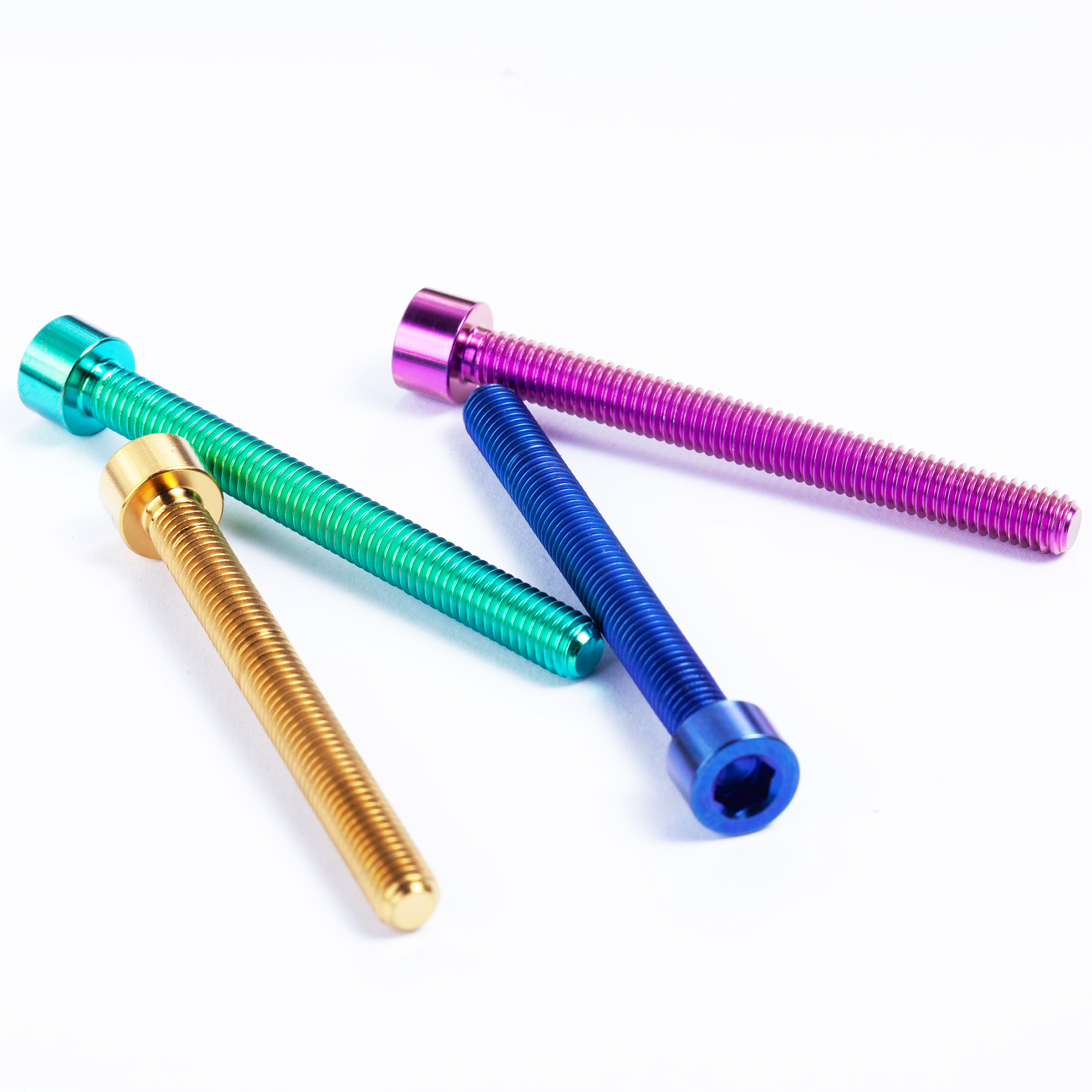
Hex Head Rotor Headset DIN Standard Gr5 Button Head Titanium Screws
View Product Details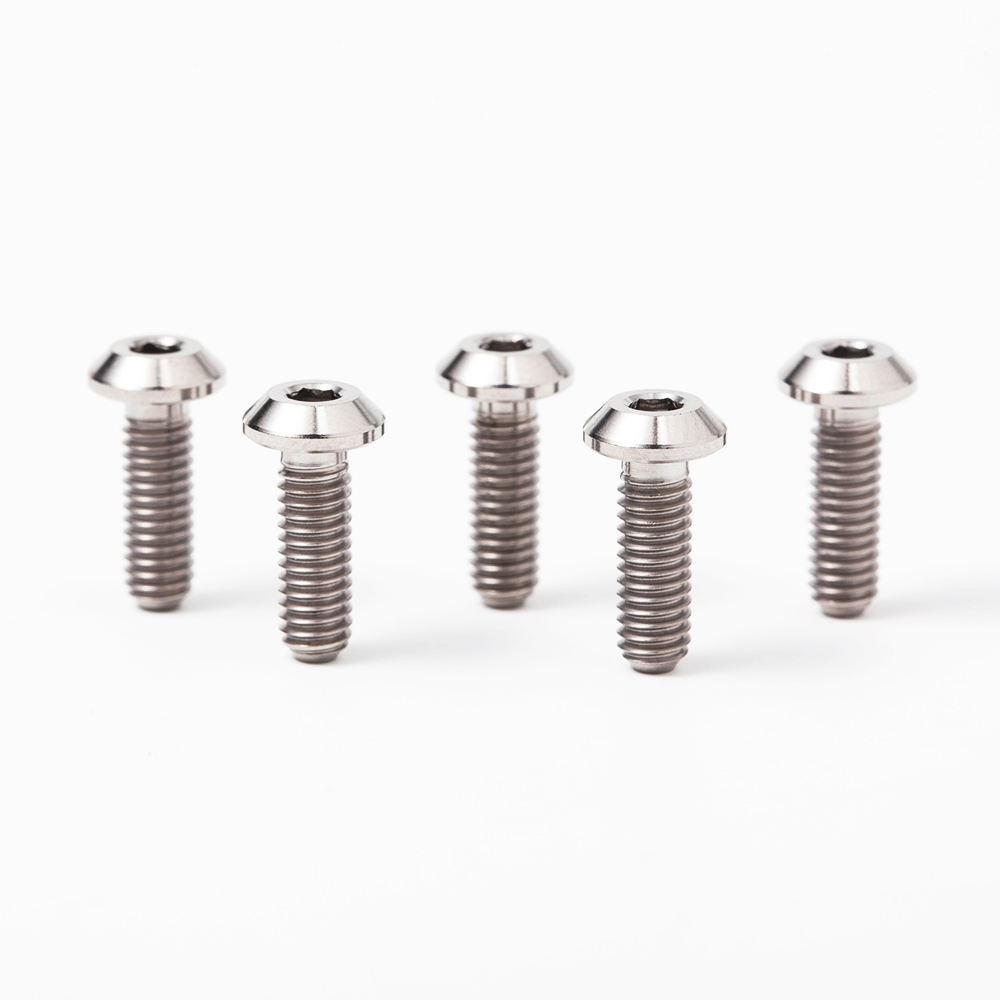
M5 M6 Metric Titanium Oval Head Screws Grade 5 ASTM F136 Lightweight
View Product Details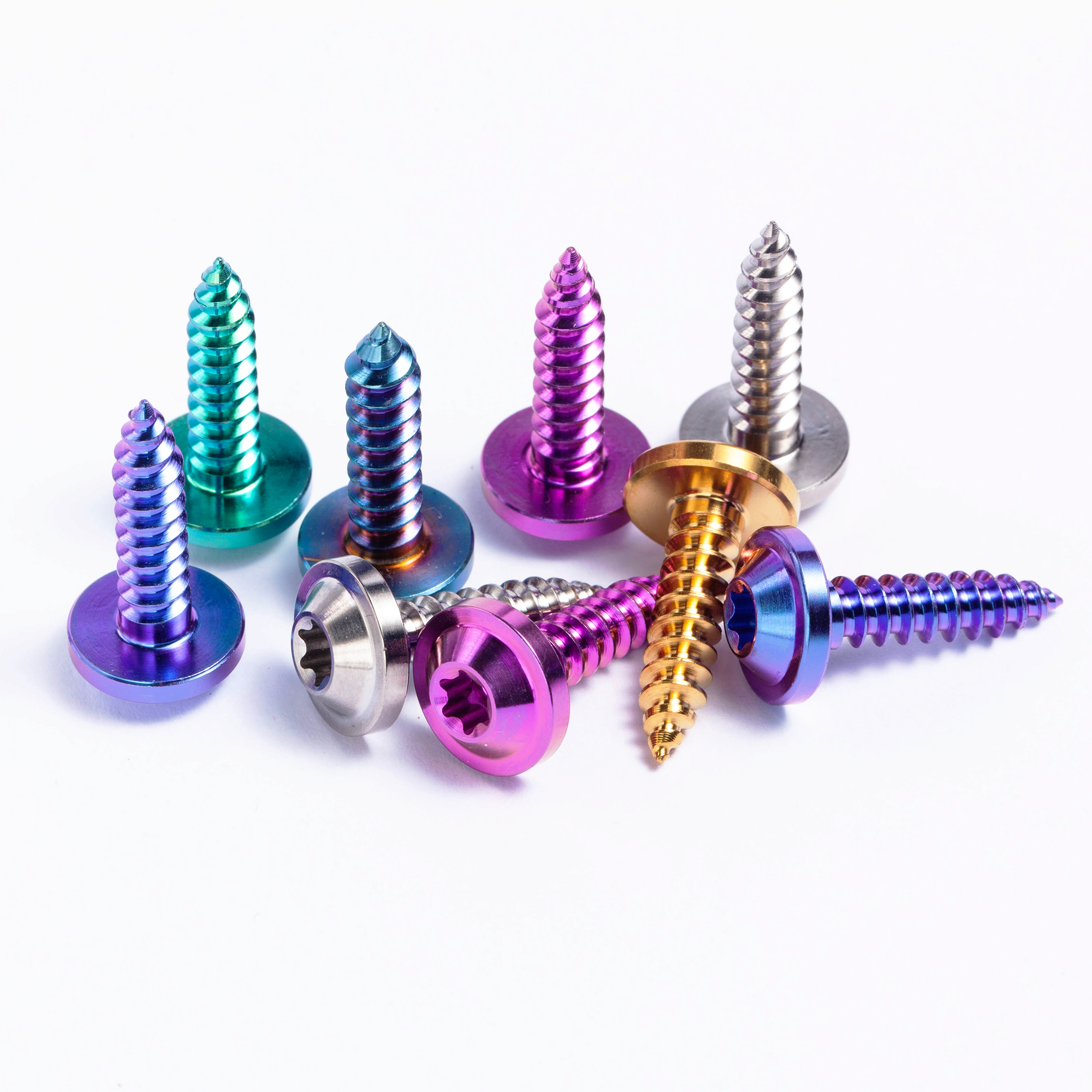
BSTTI M1.25 UNC Thread Class 10 Polished Titanium Flat Head Self-Tapping Screws
View Product Details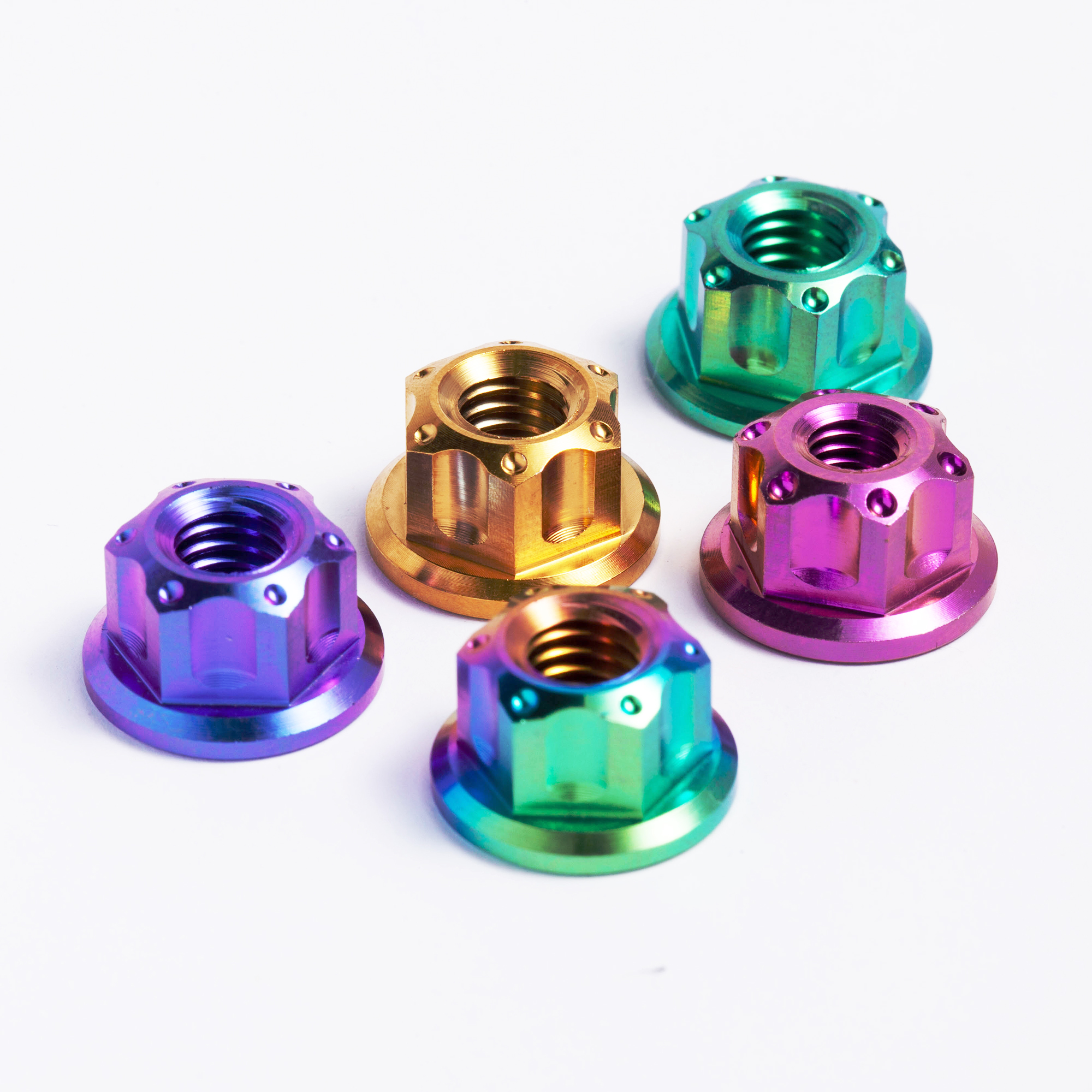
BST-TI Titanium GR5 Self-Locking Hex Flanged Lock Nuts (M5-M12)
View Product Details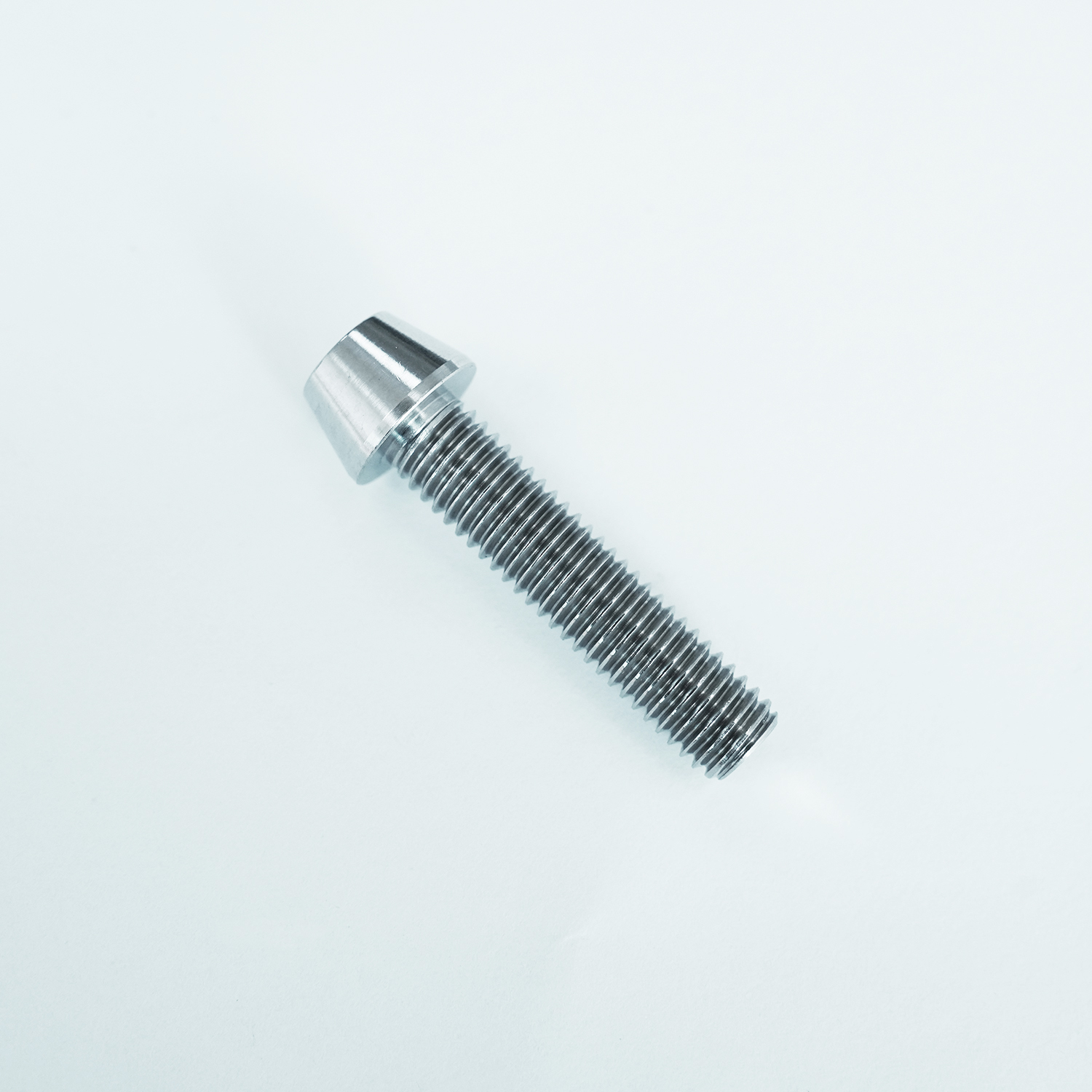
BST-TI GR5 Titanium Oval Head Bolt Metric Thread Custom Anodized
View Product DetailsPrecision Titanium Surgical Implants Manufacturing: Metallurgical Excellence & OEM/ODM Engineering Standards
Surgical implants represent the absolute pinnacle of biomedical engineering and manufacturing precision. Operating at the intersection of metallurgy, biomechanics, and micro-precision CNC machining, OEM/ODM titanium surgical implant manufacturers must comply with uncompromising international standards such as ASTM F136 (Ti-6Al-4V ELI) and ASTM F67 (Commercially Pure Titanium Grades 1 to 4).
As medical device original equipment manufacturers (OEMs) and contract brands transition toward increasingly complex implantable geometries—ranging from trauma bone plates, pedicle screws, and spinal fusion cages to dental abutments and cranio-maxillofacial (CMF) fixation devices—partnering with an expert contract manufacturer equipped with specialized CNC machinery and controlled cleanroom environments is critical.
Biomedical Titanium Alloys: Metallurgical Comparison & Specifications
Selecting the optimal titanium grade is the foundational step in engineering implantable medical devices. The table below outlines the mechanical and chemical parameters governing surgical-grade titanium alloys compared to standard industrial grade materials:
| Material Standard | Composition / Grade | Min. Tensile Strength (MPa) | Yield Strength (0.2% MPa) | Biocompatibility & Osseointegration | Primary Surgical Applications |
|---|---|---|---|---|---|
| ASTM F136 / ISO 5832-3 | Ti-6Al-4V ELI (Extra Low Interstitial) | 860 - 895 | 795 | Superior Bio-Inertness | Orthopedic Trauma Plates, Pedicle Screws, Joint Prostheses |
| ASTM F67 / ISO 5832-2 | Unalloyed Titanium (CP Grade 4) | 550 | 480 | High Osseointegration | Dental Implants, CMF Plates, Cardiac Pacemaker Casing |
| ASTM F67 / ISO 5832-2 | Unalloyed Titanium (CP Grade 2) | 345 | 275 | Excellent Formability | Surgical Mesh, Vascular Clips, Low-Load Internal Fixation |
| ASTM B348 / DIN 3.7165 | Industrial Grade 5 (Ti-6Al-4V) | 895 | 828 | Industrial Standard | High-Stress Motorsport, Aerospace, Chemical Hardware |
Future Procurement Trends in Surgical Titanium Implants
The global surgical implant market is experiencing a profound paradigm shift driven by demographic aging, expanding access to advanced healthcare, and technological innovations in customized patient care. B2B procurement managers and OEM product development directors must adapt to four transformative macro-trends:
1. Hybrid Additive-Subtractive Manufacturing
The integration of 3D-printed porous titanium scaffolds with high-precision CNC finish milling allows implants to mimic the elasticity modulus of human trabecular bone. Future procurement contracts increasingly mandate hybrid OEM workflows that combine 3D laser powder bed fusion (LPBF) for porous structures with multi-axis CNC swiss turning for critical threaded interfaces.
2. Patient-Specific Implants (PSI) & Rapid ODM Prototyping
Standard off-the-shelf implant sizes are rapidly giving way to Patient-Specific Implants (PSI) derived from CT scan DICOM data. Contract manufacturers must maintain dynamic CAD/CAM setup systems capable of delivering custom small-batch runs within aggressive 5-to-10 day turnaround cycles without compromising ISO quality validation standards.
3. Rigorous Regulatory Harmonization & Full Traceability
With the implementation of the EU Medical Device Regulation (MDR 2017/745) and FDA Unique Device Identification (UDI) requirements, global buyers prioritize contract factories capable of providing complete material melt certificates, 100% laser UDI marking, and full batch traceability from raw titanium ingot to sealed packaging.
Technological & Surface Finishing Trends in Titanium Hardware
Titanium is notoriously challenging to machine due to its low thermal conductivity, high chemical reactivity at elevated temperatures, and low elastic modulus. Overcoming these mechanical hurdles requires state-of-the-art CNC machining centers, high-pressure coolant delivery, and specialized surface modification techniques.
Multi-Axis Swiss CNC Micro-Turning
Utilizing multi-axis sliding headstock Swiss lathe technology enables the machining of micro-sized bone screws and dental posts with complex lead-in thread pitches in a single automated setup. Maintaining tight tolerances down to ±0.01 mm prevents thread binding and ensures seamless engagement in human bone structures.
Electrochemical Anodizing & Surface Passivation
Titanium surface anodization (Type II / Type III) creates a controlled oxide layer (TiO2) that enhances corrosion resistance, eliminates metal ion leaching, and provides color-coded sizing identification for surgical theater efficiency. Chemical passivation according to ASTM F86 removes tramp iron and residual machining contaminants.
Thread Rolling vs. Thread Cutting
For high-fatigue dynamic applications such as pedicle screws and structural trauma bolts, thread rolling induces compressive residual stresses along the thread root profile, improving fatigue endurance strength by up to 30% compared to traditional single-point thread cutting.
Why Global OEM/ODM Buyers Trust Jiaxing Wexra Titanium Products
Jiaxing Wexra Titanium Products Co., Ltd. is a dedicated specialized manufacturer focused on the development, machining, and global distribution of Grade 2 and Grade 5 (Ti-6Al-4V) titanium components. Building on years of expertise across high-precision industries, our factory delivers reliable OEM/ODM contract production with uncompromised material integrity.
Complete In-House CNC Manufacturing
Equipped with high-precision CNC turning, milling, and specialized laser-cutting equipment, we maintain rigorous control over every stage of manufacture. From solid titanium bar stock to finished anodized hardware, our facility maintains tight dimensional tolerances within ±0.01 mm.
Rigorous Quality System & Compliance
Our operations run under an audited ISO 9001:2015 quality management system. Every production batch is backed by mill test certificates (MTC), chemical composition breakdown, dimensional inspection reports, and full compliance documentation (RoHS, REACH, and EPR packaging registration for European markets).
Global Export Footprint & Engineering Support
We regularly serve demanding buyers across the United States, Germany, the United Kingdom, and Canada. Our technical engineering team delivers responsive design-for-manufacturability (DFM) reviews within 8 hours, helping streamline tooling and production lead times.
Frequently Asked Questions (FAQ) for OEM/ODM Titanium Hardware
Direct answers to technical, quality, and supply chain queries encountered by purchasing managers and medical hardware design engineers.
What is the key difference between ASTM F136 (Ti-6Al-4V ELI) and standard Grade 5 titanium (ASTM B348)?
ASTM F136 specifies "Extra Low Interstitial" (ELI) parameters, meaning interstitial elements such as oxygen, nitrogen, carbon, and iron are strictly reduced during smelting. Lower oxygen content significantly improves fracture toughness and ductility while eliminating cytotoxicity risks, making ASTM F136 mandatory for human implantable surgical hardware, whereas standard ASTM B348 Grade 5 is designed for structural industrial applications.
Can you process custom titanium OEM/ODM orders directly from CAD drawings or 3D files?
Yes. We specialize in custom OEM and ODM manufacturing based on customer-supplied 2D technical drawings (PDF/DWG/DXF) or 3D files (STEP/IGES/X_T). Our engineering team performs a thorough Design for Manufacturability (DFM) assessment prior to tooling, ensuring efficient CNC programming and tight dimensional accuracy.
What surface finishing options are available for custom titanium fasteners and components?
We offer a full spectrum of surface finishes including raw machined, micro-bead sandblasting, mirror polishing, electro-chemical passivation (ASTM F86), and color anodization (gold, blue, purple, green, and multi-color rainbow). Titanium anodizing forms a micro-thin oxide film that alters light refraction without adding dimensional thickness to critical screw threads.
What quality control documentation and certificates accompany shipments?
All shipments are traceable under our ISO 9001:2015 system. Upon request, we provide EN 10204 3.1 Mill Test Certificates (MTC) detailing ingot heat numbers and chemical analysis, CMM dimensional inspection reports, and RoHS/REACH compliance certification.
How does titanium prevent thread galling during high-torque assembly?
Titanium has a tendency to gall when mating against titanium or stainless steel under high contact pressures. To mitigate thread seizure, we recommend precision thread rolling to reduce micro-surface roughness, surface anodizing (Type II), or the application of approved anti-seize lubricants during final assembly.
Request a Custom Engineering Quote & DFM Review
Partner with Jiaxing Wexra Titanium Products Co., Ltd. for your precision titanium fasteners, custom CNC parts, and OEM hardware requirements. Our technical sales engineers respond within 8 business hours.