Precision Titanium Products Showcase
Explore our top-tier precision CNC machined titanium fasteners, custom motorcycle bolts, bicycle fixing screws, and industrial hardware manufactured from Ti-6Al-4V Grade 5 and Grade 9 alloys.
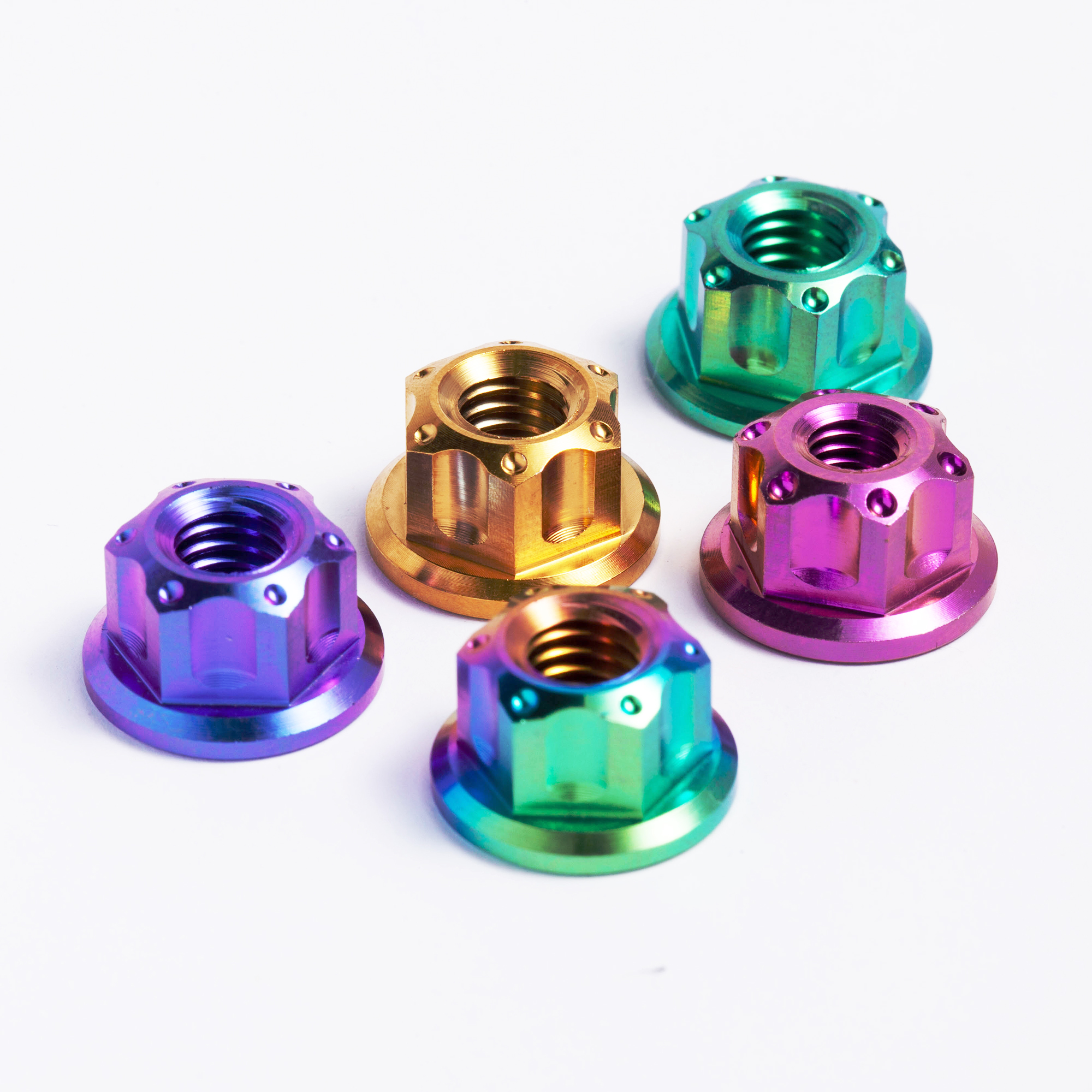
BST-TI MC-NUT-03 Titanium GR5 Self-Locking Hex Flanged Lug Lock Nuts for Motorcycle Applications Sizes M5-M12x1.5
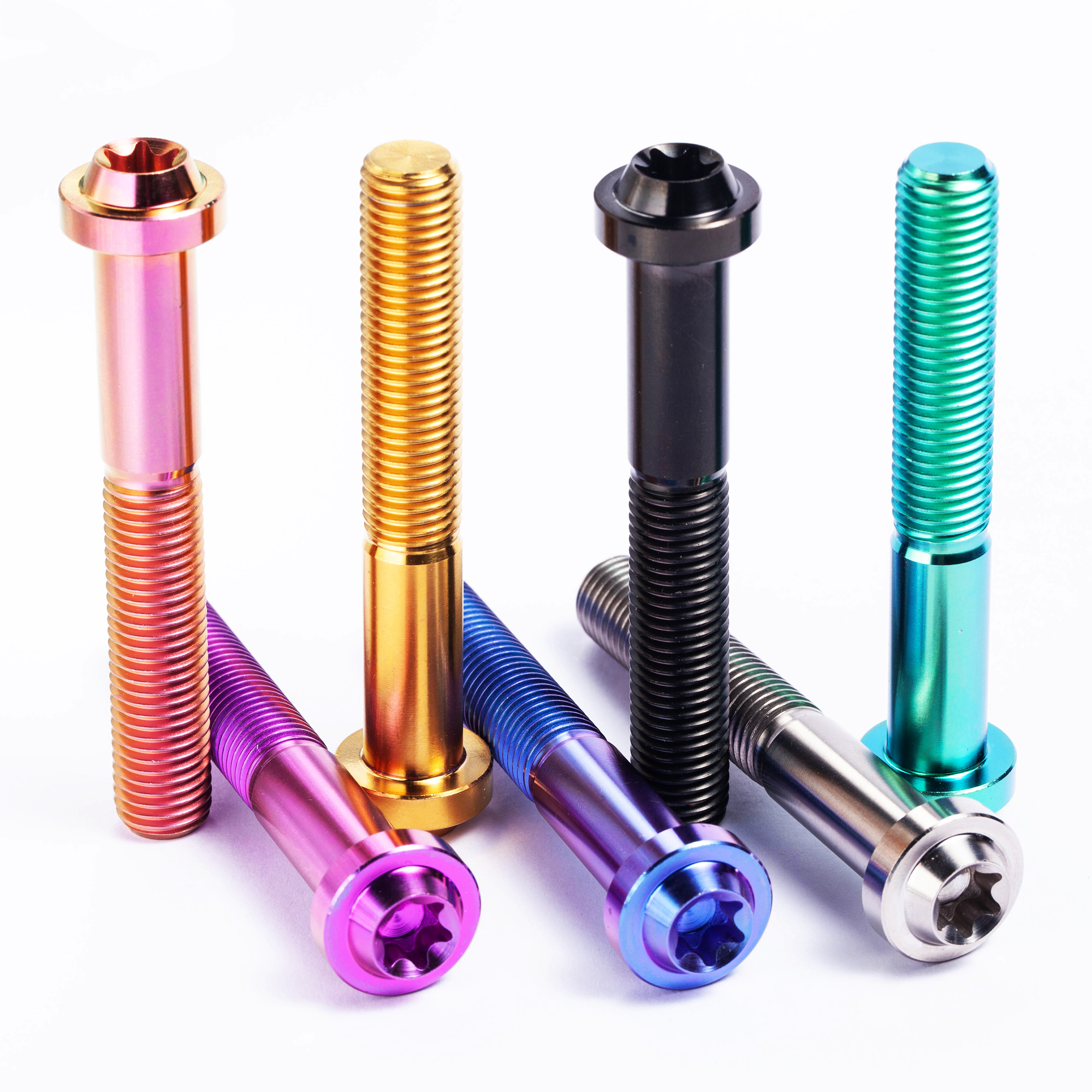
DIN912 Metric Bolts M2 M3 M4 M5 M6 M8 Grade 9 Titanium Alloy Zinc Plated Hex Head Motorcycle Industrial Standard Fasteners
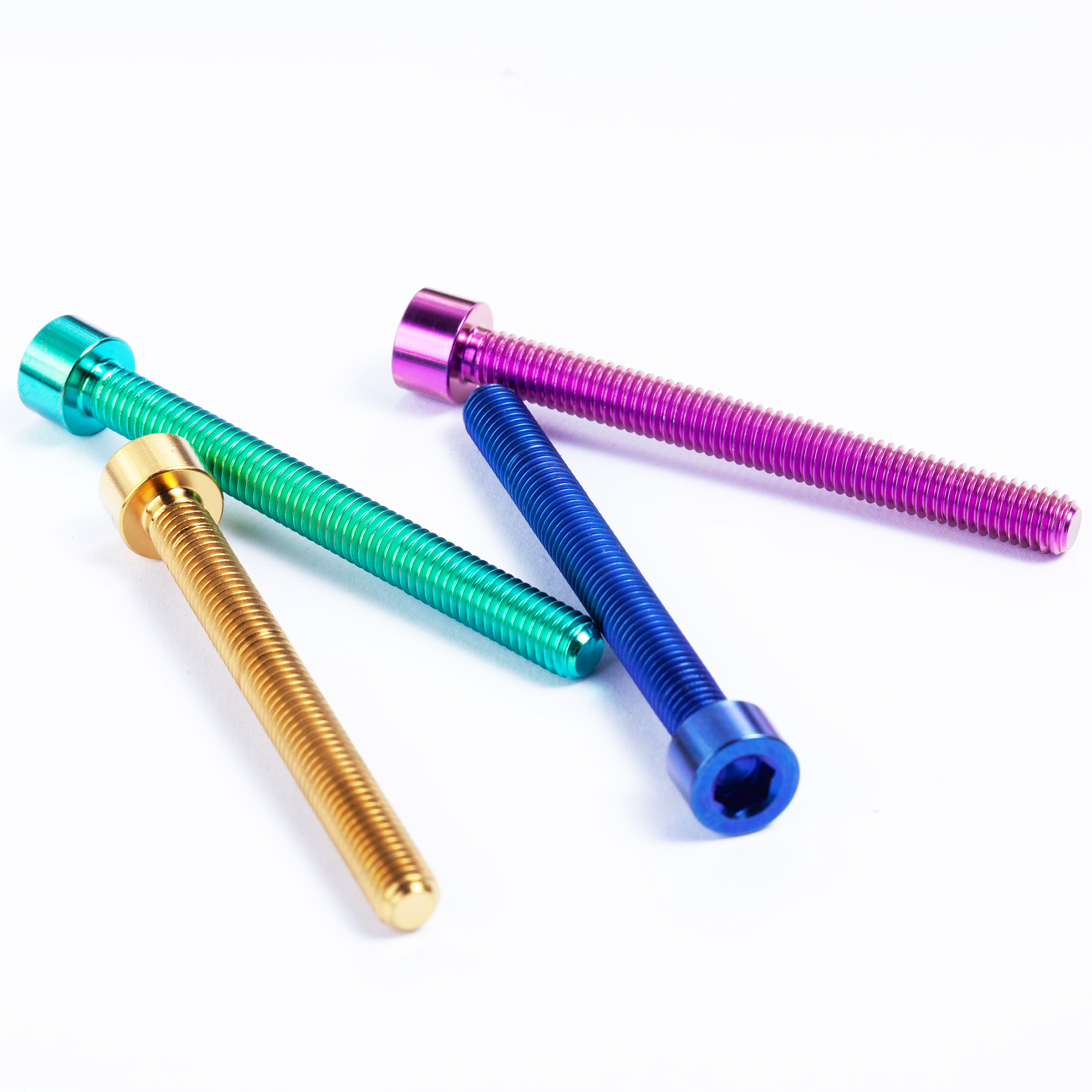
Hex Head Rotor Headset DIN Standard Gr5 Bolts Set Button Head Titanium Alloy Bike Fixing Screws Cycling Parts
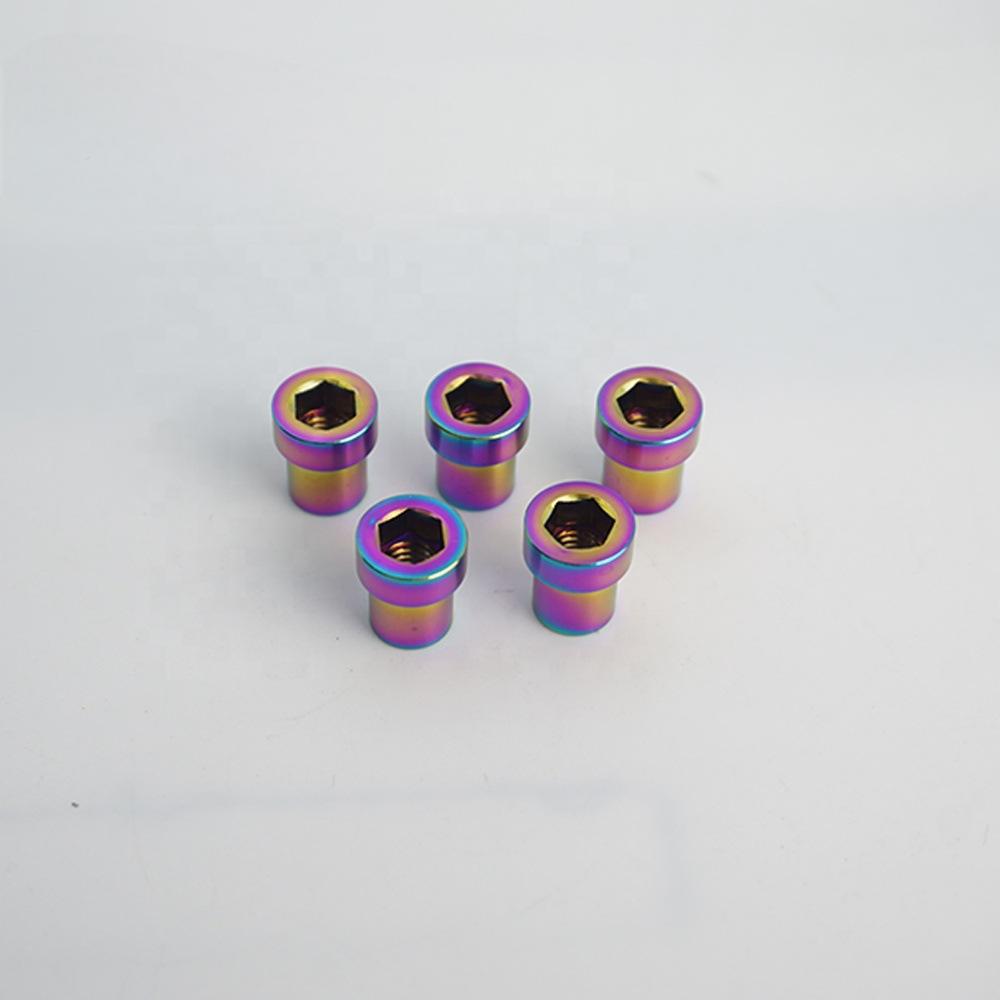
TC4 Titanium M5 Hex Locking Bolts for MTB Road Bike Carbon Seatpost Stem Pair Lightweight Anti-Rust Custom High Quality PVD
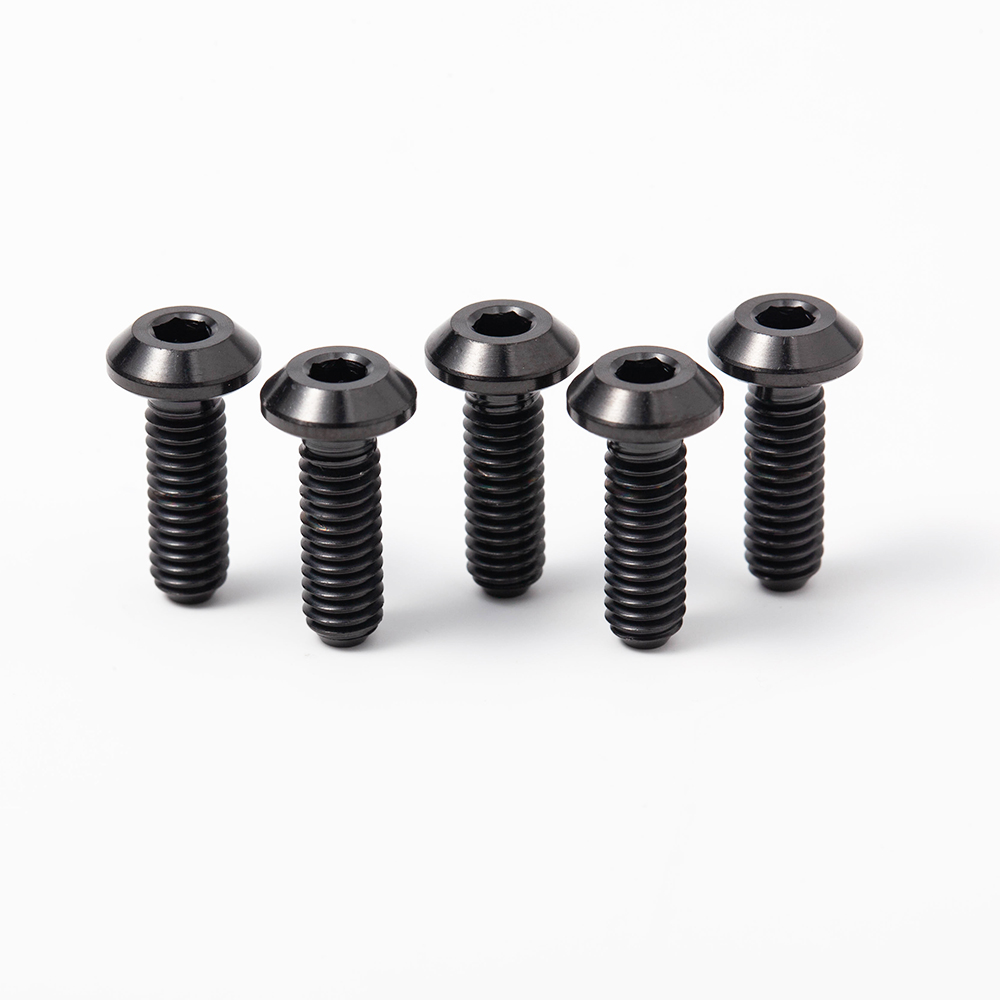
BST_TI Titanium Alloy Class 10 Anodized Finish Countersunk Head Bolts with UNF Thread for Bicycle Sprocket M8*25
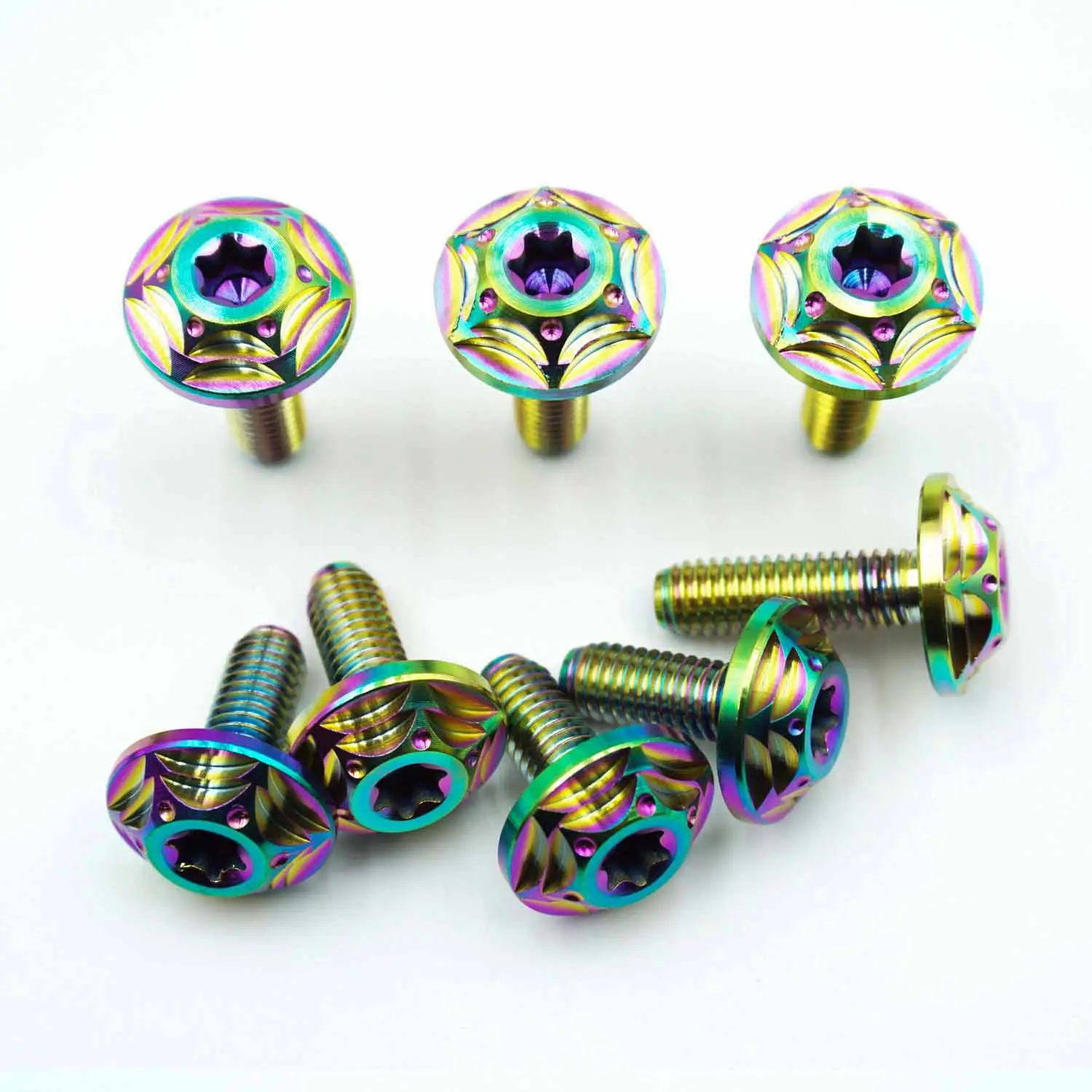
BST-TI M6 M8 M10 Socket Head Titanium License Plate Screws Colorful Industrial Grade Plain Finish Customized Sizes
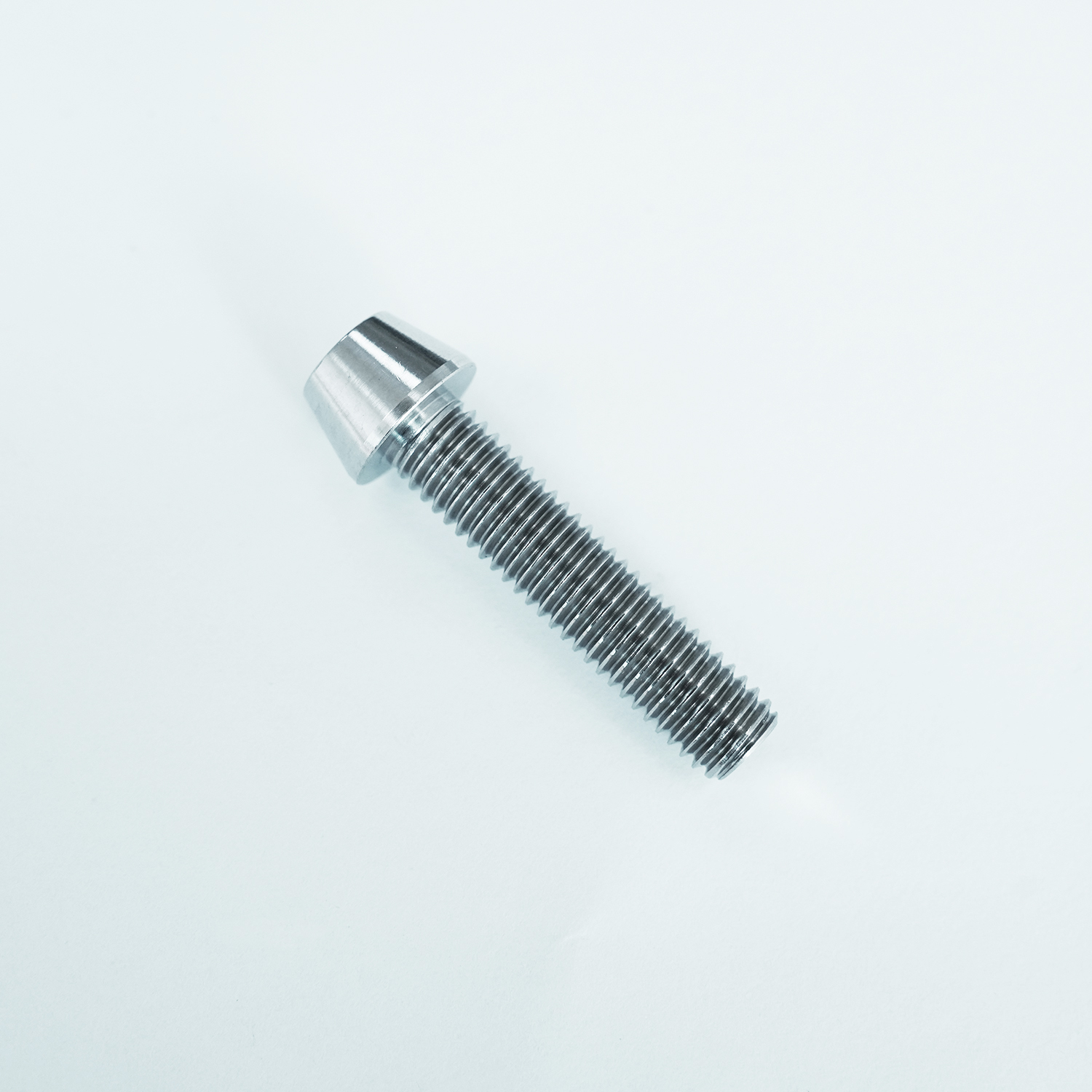
Bike Hanger Bolt Allen BST-TI GR5 Titanium Oval Head Black Colorful DIN Metric Standard Thread
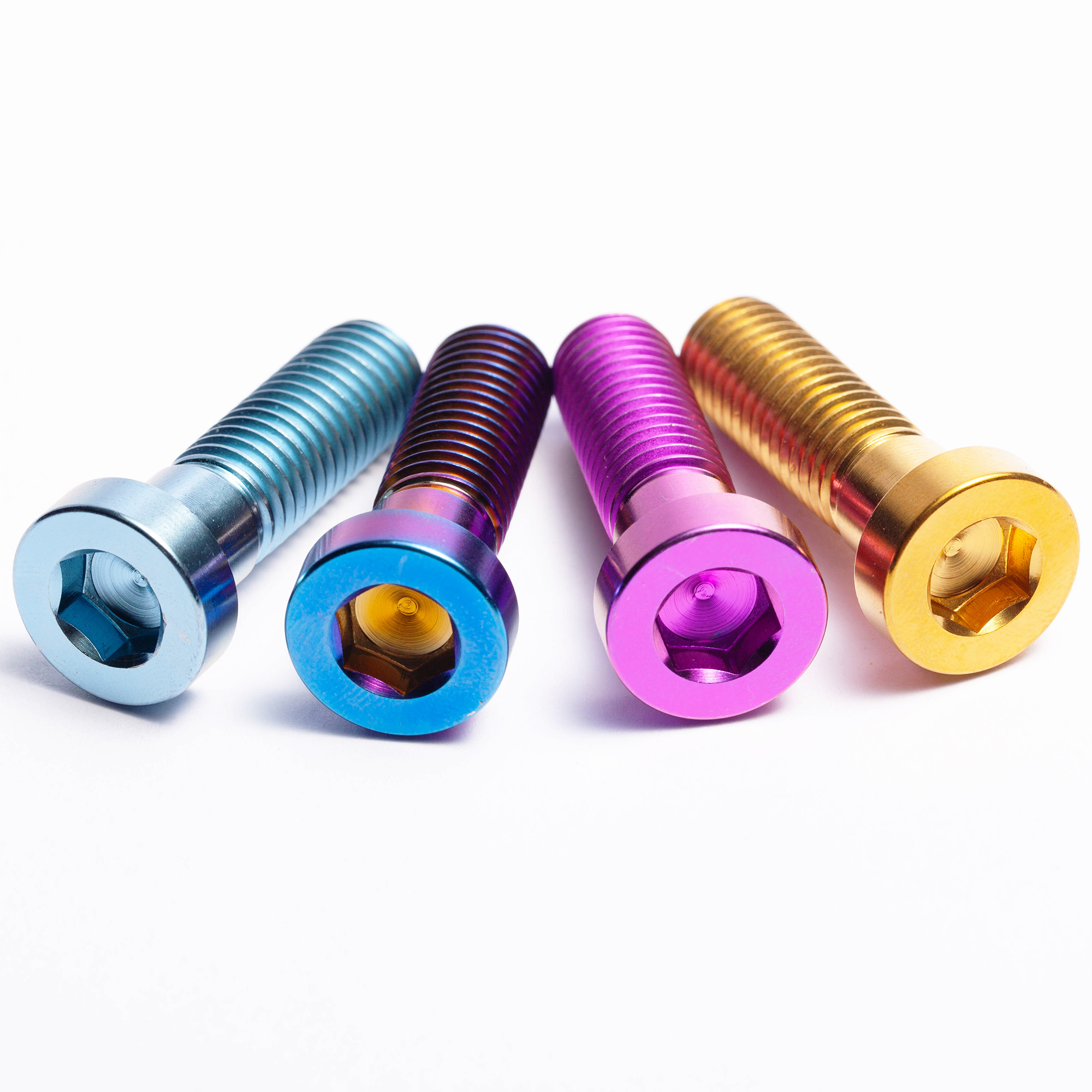
DIN6912 Titanium Alloy Low Head Socket Cap Bolt Anodized Parallel Screw for Bicycle Motorcycle Parts
Enterprise Manufacturing Advantages & Infrastructure
Jiaxing Wexra Titanium Products Co., Ltd. operates state-of-the-art multi-axis CNC machining, cold thread rolling, and physical vapor deposition (PVD) coating facilities designed specifically for non-ferrous, high-strength titanium alloys.
ISO 9001:2015 Quality System
Every titanium component undergoes 100% optical comparator checking, thread gauge validation, and X-ray fluorescence (XRF) material composition analysis to guarantee zero defect delivery.
Precision Cold Thread Rolling
Unlike cheaper CNC-cut threads that sever metal grain lines, our high-tonnage cold thread rolling machines preserve continuous grain flow, yielding up to 300% higher fatigue limit on Grade 5 bolts.
Advanced Surface Finishing
In-house electrochemical anodizing and PVD thin-film vacuum coating provide durable micro-oxide colors (Gold, Electric Blue, Purple, Rainbow, Burnt Black) without compromising pitch diameter tolerances.
Engineering Whitepaper: Precision Titanium Machining & Strategic Sourcing Dynamics
Titanium and its engineered alloys have transitioned from niche aerospace applications into mainstream high-performance industrial engineering, automotive OEM, professional cycling, marine hardware, and medical device manufacturing. However, procuring precision CNC machined titanium components presents unique engineering, metallurgical, and economic challenges. Selecting a global manufacturing partner requires evaluating raw material sourcing, microstructural integrity, machining physics, surface passivation, and compliance with stringent international standards (including DIN, ISO, ASTM, and ASME).
1. Metallurgical Analysis: Alloy Selection & Mechanical Property Matrix
Selecting the optimal titanium grade directly dictates part longevity, shear strength, fatigue life, and total cost of ownership. The primary materials utilized in precision titanium machining fall into three core categories: Commercially Pure (CP) Titanium, Alpha-Beta Alloys, and Near-Alpha Alloys.
| Titanium Grade | Common Name / Standard | Tensile Strength (MPa) | Yield Strength (MPa) | Density (g/cm³) | Primary Industrial Applications |
|---|---|---|---|---|---|
| Grade 2 (CP) | UNS R50400 / ASTM B348 | 345 Min | 275 - 450 | 4.51 | Chemical processing, marine hardware, anodizing jigs, non-structural fasteners |
| Grade 5 (Ti-6Al-4V) | UNS R56400 / TC4 / ISO 5832-3 | 895 - 1000 Min | 828 Min | 4.43 | Motorsport lug nuts, brake caliper bolts, aerospace fasteners, structural bike stems |
| Grade 9 (Ti-3Al-2.5V) | UNS R56320 / CW750R | 620 Min | 483 Min | 4.48 | Hydraulic tubing, high-pressure DIN 912 socket bolts, bicycle frame stays, exhaust manifolds |
| Grade 23 (Ti-6Al-4V ELI) | UNS R56401 / ASTM F136 | 860 Min | 795 Min | 4.43 | Surgical implants, extreme cryogenic aerospace assemblies, marine sub-sea hardware |
For load-bearing application requirements—such as motorcycle lug lock nuts (BST-TI MC-NUT-03) or carbon seatpost stem clamping bolts (TC4 Titanium M5)—Grade 5 (Ti-6Al-4V) remains the gold standard. Yielding a strength-to-weight ratio superior to Class 10.9 medium-carbon steel at roughly 57% of the mass, Ti-6Al-4V prevents catastrophic shear failures while shedding un-sprung rotational mass in automotive and motorcycle suspension assemblies.
2. The Micro-Mechanics of Machining Titanium Alloys
Precision turning, Swiss screw machining, and 5-axis milling of titanium require specialised tooling geometries and thermal management strategies due to titanium's low thermal conductivity (6.7 W/m·K for Grade 5 vs. 51.9 W/m·K for low-carbon steel) and low modulus of elasticity (114 GPa vs. 210 GPa for steel).
- Thermal Concentration & Tool Wear: Because heat cannot rapidly dissipate through the titanium workpiece or chips, over 80% of generated frictional heat transfers directly into the cutting tool edge. To mitigate micro-chipping and work-hardening, Wexra Titanium utilizes premium solid carbide cutters with high-aluminum PVD coatings (TiAlN / AlTiN) alongside high-pressure (70 Bar) through-spindle coolant delivery.
- Galling & Elastic Spring-Back: Titanium's low elastic modulus means the metal tends to flex away from cutting tools and spring back, inducing dimensional chatter and high flank friction. Maintaining sharp rake angles, positive clearance angles, and controlled feed rates prevents surface galling during thread chasing and reaming operations.
- Cold Thread Rolling vs. Machined Chasing: Cutting threads with single-point lathe inserts disrupts the continuous crystalline grain matrix of the titanium alloy rod stock. At Wexra Titanium, structural bolts (such as DIN 912, DIN 6912, and UNF sprocket bolts) are manufactured using high-pressure cold thread rolling dies. This process compressively deforms the surface crystals, inducing beneficial compressive residual stresses that dramatically elevate fatigue endurance under cyclical vibration.
3. Surface Conversion Treatments: Electrochemical Anodizing & PVD Physics
Raw titanium naturally forms a microscopic passivating oxide layer ($TiO_2$) when exposed to atmospheric oxygen. Advanced surface treatments build upon this phenomenon to enhance abrasion resistance, eliminate galling during thread engagement, and deliver rich visual branding choices:
- Electrochemical Anodizing (Type II & Type III): Unlike aluminum anodizing, which adds porous external material, titanium anodizing controls the thickness of the transparent titanium oxide layer via controlled DC voltage (typically 15V to 110V). Light interference through varying oxide film thickness creates vivid spectrum colors (Gold, Violet, Electric Blue, Green, Magenta) without introducing pigments or altering pitch diameter tolerances.
- PVD (Physical Vapor Deposition) Coatings: High-stress racing fasteners receive PVD coatings such as Titanium Nitride (TiN), Titanium Carbonitride (TiCN), or Diamond-Like Carbon (DLC). These vacuum-deposited films impart ultra-high surface hardness (2,500 - 3,000 HV) and lower friction coefficients, eliminating thread seizing when paired with aluminum or titanium mating threads.
Future Purchasing Trends in Titanium Precision Machining
As global supply chains realign around sustainability, structural lightweighting, and automated traceability, B2B buyers must navigate key emerging trends in titanium manufacturing.
1. E-Mobility & Un-sprung Mass Reduction
With electric vehicle (EV) manufacturers and performance motorcycle OEMs striving to maximize battery range and dynamic agility, titanium fasteners are replacing stainless steel in motor mounts, battery enclosure frames, and wheel hubs to shave vital kilograms.
2. Digital MTC Traceability & ESG Compliance
Global buyers now demand full digital material test certificate (MTC) verification back to vacuum arc remelting (VAR) titanium ingots. Sustainable procurement mandates closed-loop recycling of titanium swarf and chips to minimize carbon footprints.
3. Hybrid Additive Subtractive Machining
Combining 3D powder-bed fusion (SLM) with high-speed multi-axis CNC finishing allows the creation of ultra-complex internal lattice geometries that were previously un-machinable, reducing material waste while maintaining precision mating surfaces.
Frequently Asked Questions (B2B Technical Sourcing FAQ)
Answers to common engineering, procurement, and quality control questions regarding custom precision titanium components.
Grade 5 Titanium provides a minimum tensile strength of 895 MPa, matching or exceeding Class 10.9 steel structural capacity while weighing roughly 43% less (4.43 g/cm³ vs 7.85 g/cm³). Compared to 7075-T6 aluminum, Ti-6Al-4V delivers vastly superior fatigue resistance, higher shear modulus, and complete immunity to atmospheric and salt-spray corrosion, ensuring long-term safety in critical load-bearing joints.
Thread galling occurs when friction generates localized micro-welds between male and female threads. Wexra Titanium mitigates this by applying precision cold thread rolling (which smooths micro-asperities), offering anti-friction surface treatments (such as PVD coatings or anti-galling anodization), and recommending the use of molybdenum disulfide or copper-based anti-seize pastes during assembly torque application.
Yes. We specialize in contract manufacturing from customer-supplied 2D drawings (PDF/DWG/DXF with GD&T specs), 3D models (STEP/IGES/X_T), or physical prototype samples. Our engineering team conducts Design for Manufacturability (DFM) reviews prior to tooling setup to ensure optimal cost efficiency and tolerance compliance.
All export shipments include comprehensive Quality Inspection Reports, CMM dimensional measurement logs, and Mill Test Certificates (MTC EN 10204 3.1) verifying chemical composition (spectrometry) and mechanical tensile testing results. Full RoHS, REACH, and CE compliance documentation is supplied standard for EU and North American buyers.
Unlike heavy anodizing processes on aluminum that add physical film thickness (often 15 to 50 microns), titanium anodizing is a microscopic optical oxide growth process measuring only nanometers in thickness. Consequently, colored titanium anodizing causes virtually zero dimensional change to pitch diameters, ensuring 6H / 6g metric thread fitment remains exact.
Partner with a Leading Precision Titanium Machining Factory
Send us your technical drawings, BOM specifications, or custom prototype requirements. Our engineering team responds with detailed DFM feedback and competitive wholesale quotations within 12 hours.
Send an Inquiry