Precision Titanium Fasteners & Valve Hardware Catalog
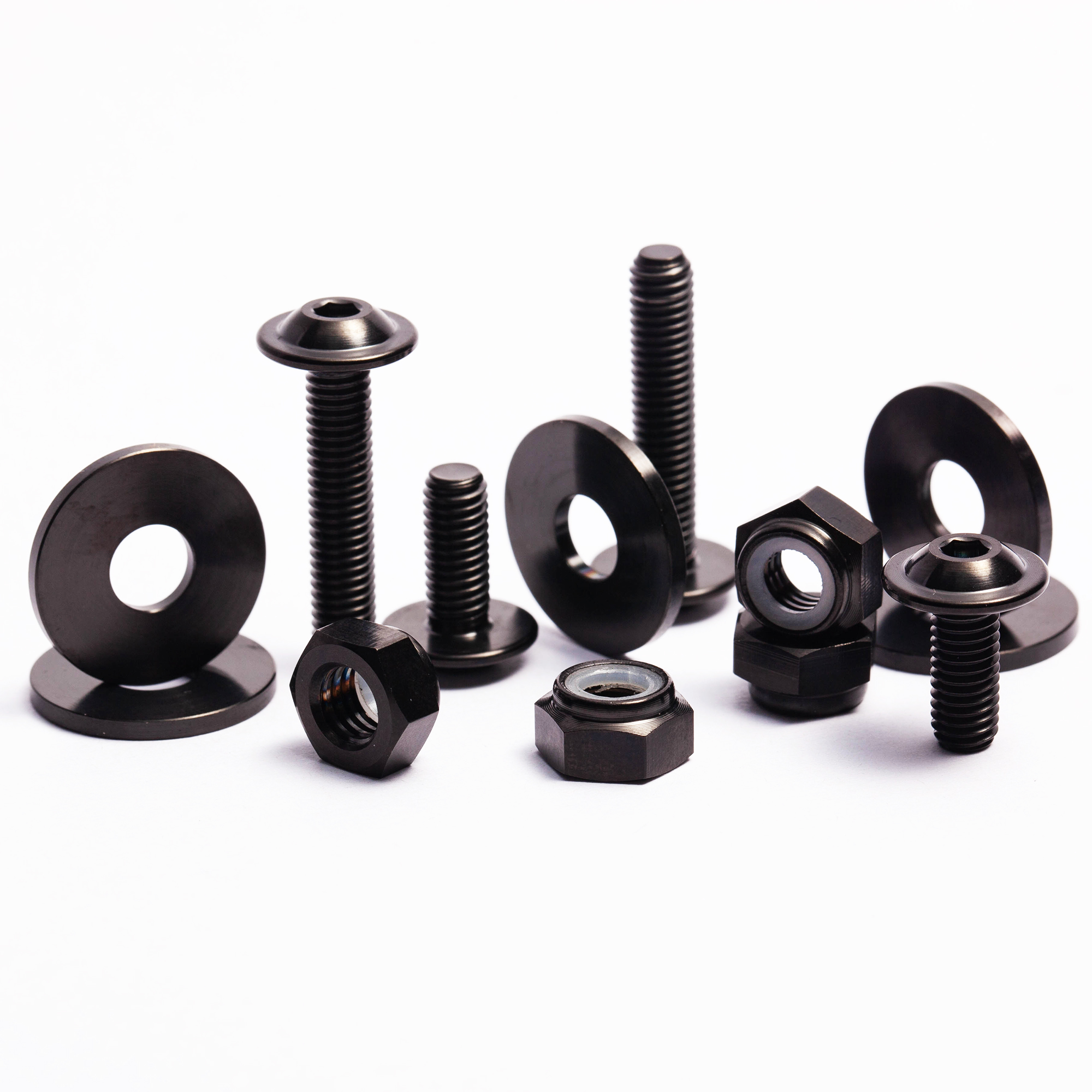
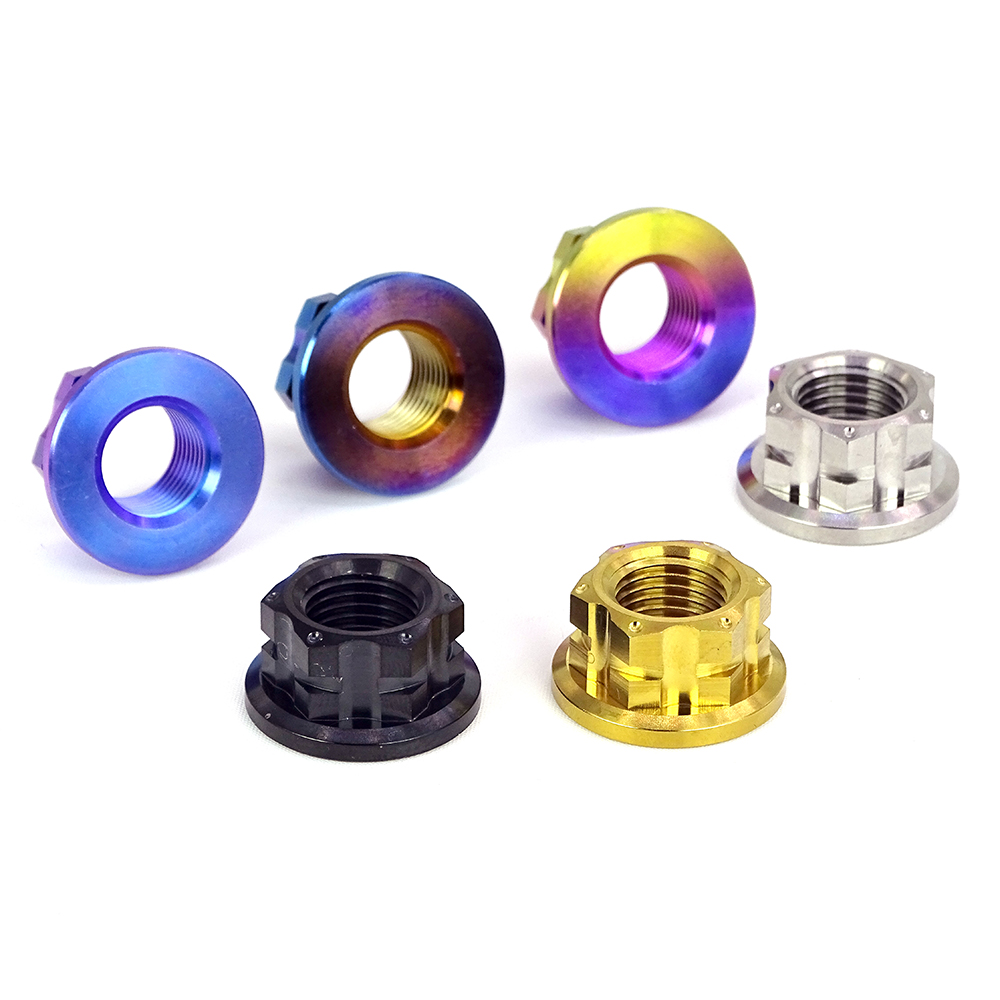
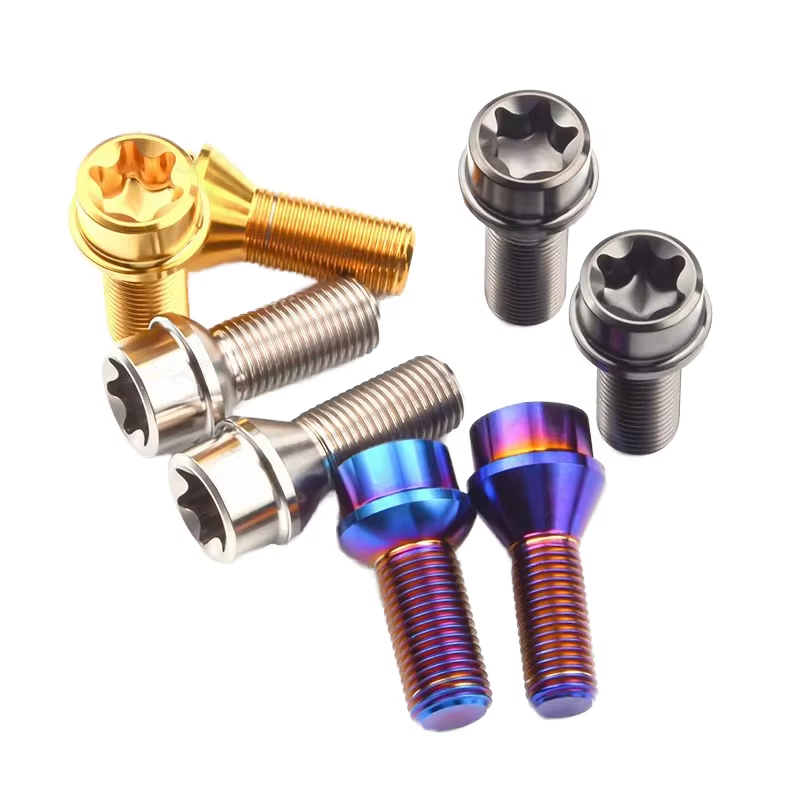
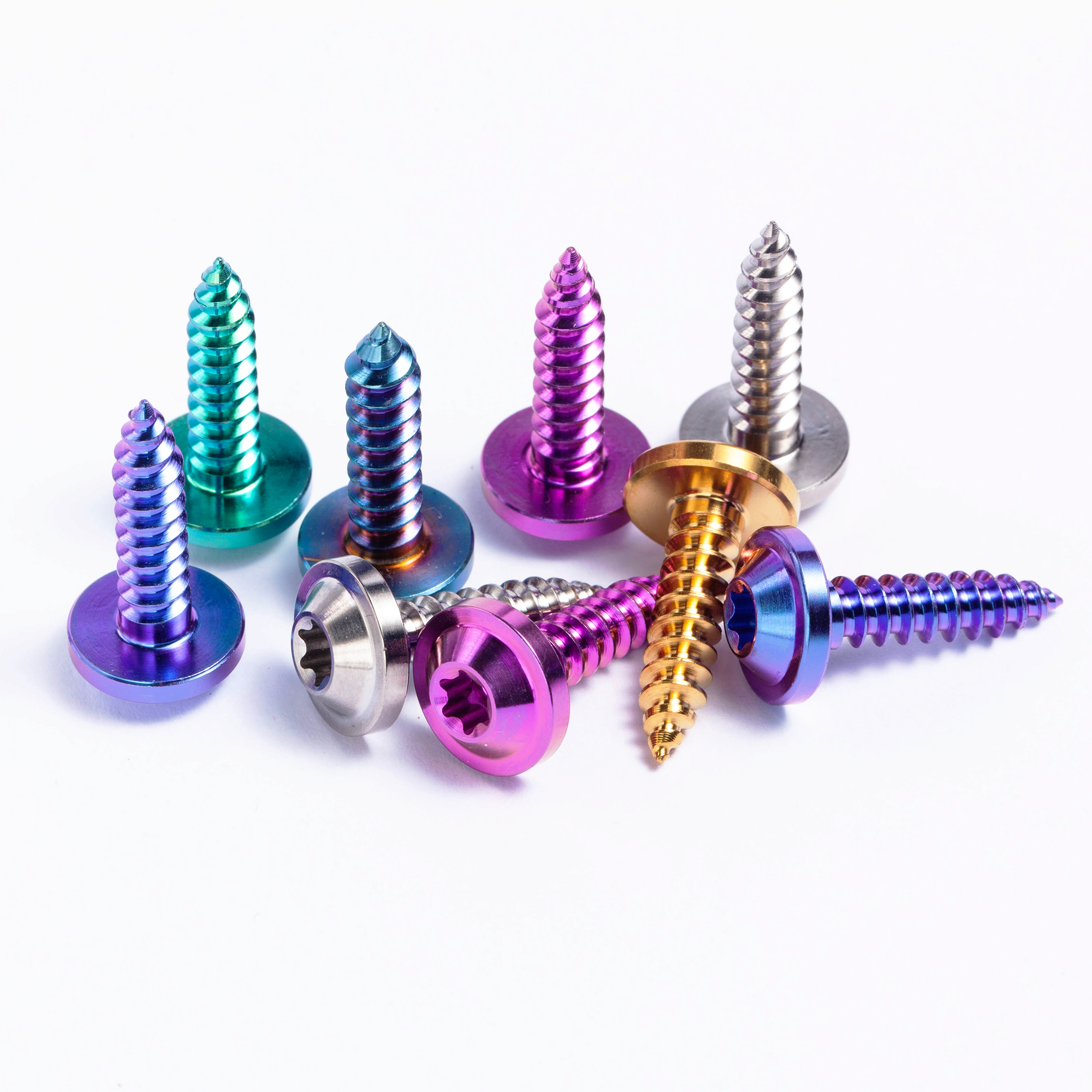
Direct OEM/ODM CNC Precision Products Engineered from Certified Ti-6Al-4V Grade 5 Titanium Bar Stock
Global Sourcing Analysis: Top 10 Titanium Valve Retainers Manufacturers & Exporters
In high-rpm combustion engines—ranging from Formula racing powertrains and superbike engines to drag racing platforms and aerospace drone propulsion—the valve train mechanism represents the single most critical limit for dynamic speed and reliability. High reciprocating mass leads directly to valve float, a disastrous phenomenon where the valve spring loses physical contact with the retainer, resulting in dynamic instability, valve-to-piston contact, and catastrophic engine destruction.
Upgrading from conventional chrome-moly or tool steel retainers to titanium valve retainers manufactured from aerospace Grade 5 (Ti-6Al-4V) or Ti-17 alloys cuts valve train dynamic mass by roughly 40% to 45%. This substantial reduction allows engine builders to elevate max RPM thresholds safely, optimize valve timing curves, and reduce spring harmonic resonance without risking fatigue failure.
When evaluating the top 10 global manufacturers and exporters for titanium valve retainers, automotive procurement directors and OEM racing teams analyze manufacturers across six foundational technical metrics:
- Metallurgical Purity & Certification: Complete traceability from vacuum arc double/triple melted (VAR) titanium billets conforming to ASTM B348, AMS 4928, or ISO 5832 standards.
- Machining Precision & Concentricity: Maintenance of strict tolerances under ±0.005 mm to prevent uneven valve spring pressure, stem binding, or eccentric lock wear.
- Surface Engineering & Tribology: Integration of advanced surface hard coatings such as Diamond-Like Carbon (DLC), Physical Vapor Deposition (PVD), or Micro-Arc Oxidation (MAO) to eliminate galling against steel valve locks and springs.
- Grain Flow Optimization: Advanced manufacturing processes combining precision hot radial forging with multi-axis CNC micro-machining to align the titanium crystalline grain boundary along high-stress retention angles.
- Quality Management Integrity: Full compliance with ISO 9001:2015 and IATF 16949 quality standards backed by CMM inspection, 3D optical profile verification, and ultrasonic flaw detection.
- Global Export Infrastructure: Experienced logistics capability providing customs clearance compliance, RoHS/REACH material safety documentation, and rapid prototype turnarounds.
Metallurgical Dynamics: Material Selection Matrix for Valve Retainers
Understanding the fundamental material differences between conventional steels, titanium alloys, and nickel superalloys is vital when specifying valve train hardware for racing applications or commercial high-efficiency powertrains.
| Material Grade | Density (g/cm³) | Tensile Strength (MPa) | Yield Strength (MPa) | Fatigue Limit @ 10&sup7; Cycles | Corrosion & Wear Rating |
|---|---|---|---|---|---|
| Titanium Grade 5 (Ti-6Al-4V) | 4.43 -44% Mass | 950 - 1050 | 880 - 920 | 510 MPa | Excellent / Requires DLC |
| Titanium Grade 9 (Ti-3Al-2.5V) | 4.48 | 620 - 750 | 520 - 600 | 380 MPa | Good / Standard |
| Titanium Ti-17 (Ti-5Al-2Sn-2Zr-4Mo-4Cr) | 4.65 | 1180 - 1250 | 1100 - 1150 | 640 MPa | Superior Fatigue |
| Tool Steel (4140 / 4340 Chromoly) | 7.85 | 1000 - 1200 | 850 - 950 | 480 MPa | Poor / Prone to Oxidation |
| 7075-T6 Aluminum | 2.81 | 570 | 505 | 160 MPa | Low / Rapid Fretting Wear |
*Note: Tensile and yield strength values represent typical room temperature metrics post-vacuum heat treatment and aging. Wear ratings refer to friction coefficient when in dynamic contact with hardened steel valve locks (7°, 10°, or Super 7 degree standard angles).
Engineering Whitepaper: Solving Valve Float & Dynamic Harmonics
The mathematical equation governing the kinetic energy of a reciprocating valve spring assembly is given by $E_k = \frac{1}{2} m v^2$. Because the velocity $v$ scales directly with engine RPM, reducing the overall reciprocating mass $m$ delivers an exponential reduction in the force exerted on the camshaft profile and spring coils.
Valvetrain Inertia Minimization
By replacing an 18-gram steel retainer with an 8.5-gram Grade 5 Titanium retainer, the dynamic force on the valve stem lock groove drops by over 50%. This enables an additional 800 to 1,500 engine RPM before encountering spring bounce or valve float.
Harmonic Resonance Suppression
Titanium exhibits a lower modulus of elasticity (114 GPa) compared to alloy steel (210 GPa). This elasticity absorbs high-frequency vibrations from dual or beehive valve springs, dampening harmonic standing waves that break valve stems.
Anti-Galling DLC Coating
Raw titanium naturally exhibits a high friction coefficient against steel. Advanced manufacturers utilize DLC (Diamond-Like Carbon) coatings to lower friction below μ=0.1, eliminating wear at the valve lock contact taper and spring seat shoulder.
Future Procurement & Technology Trends in Titanium Valve Components (2025–2035)
As the international automotive industry shifts toward hybrid ICE-EV platforms, ultra-high-efficiency combustion cycles (such as Atkinson and Miller cycles), and sustainable synthetic e-fuels, valvetrain component specs are changing rapidly:
1. Additive Manufacturing & Topology Optimization
Direct Metal Laser Sintering (DMLS) 3D printing of titanium allows internal hollow cavities and lattice structures inside retainers. This topology optimization trims another 15% to 20% weight off traditional CNC-turned solid retainers without sacrificing radial crush strength.
2. Micro-Arc Oxidation (MAO) & Nano-Ceramics
Next-generation surface finishing replaces traditional anodizing with ceramic-matrix MAO surface conversion layers. This creates an extremely hard, thermal barrier layer (exceeding 1200 HV hardness) that insulates retainers in turbocharged, direct-injection engines.
- Near-Net Shape Hot Forging: Sourcing managers are increasingly specifying hot-forged blank preforms prior to 5-axis CNC turning. This ensures continuous metallurgical grain flow around the 7°/10° lock tapers, boosting shear strength by over 30%.
- Supply Chain Transparency & ESG Compliance: European and American buyers demand full Material Test Reports (MTRs) tracing sponge titanium back to ethical smelting facilities, alongside ISO 14001 environmental compliance.
Enterprise Competitive Strengths & OEM Manufacturing Profile
As a leading China-based precision manufacturer and global exporter, Jiaxing Wexra Titanium Products Co., Ltd. stands at the forefront of high-performance titanium alloy engineering. Operating under strict ISO 9001:2015 certified quality systems, the company supplies Grade 2, Grade 5 (Ti-6Al-4V), Grade 9, and specialized titanium CNC components to demanding markets across North America and Europe, including the US, Germany, the UK, and Canada.
Certified Raw Material Sourcing
All titanium raw material (bars, forged plates, tubing) undergoes spectral composition analysis, density checking, and ultrasonic void testing to ensure zero micro-cracks or internal porosity.
Multi-Axis CNC Precision
State-of-the-art multi-axis CNC turning and milling centers maintain tight tolerances down to ±0.005 mm, ensuring exact valve spring seat positioning and concentricity.
Full Surface Finishing Spectrum
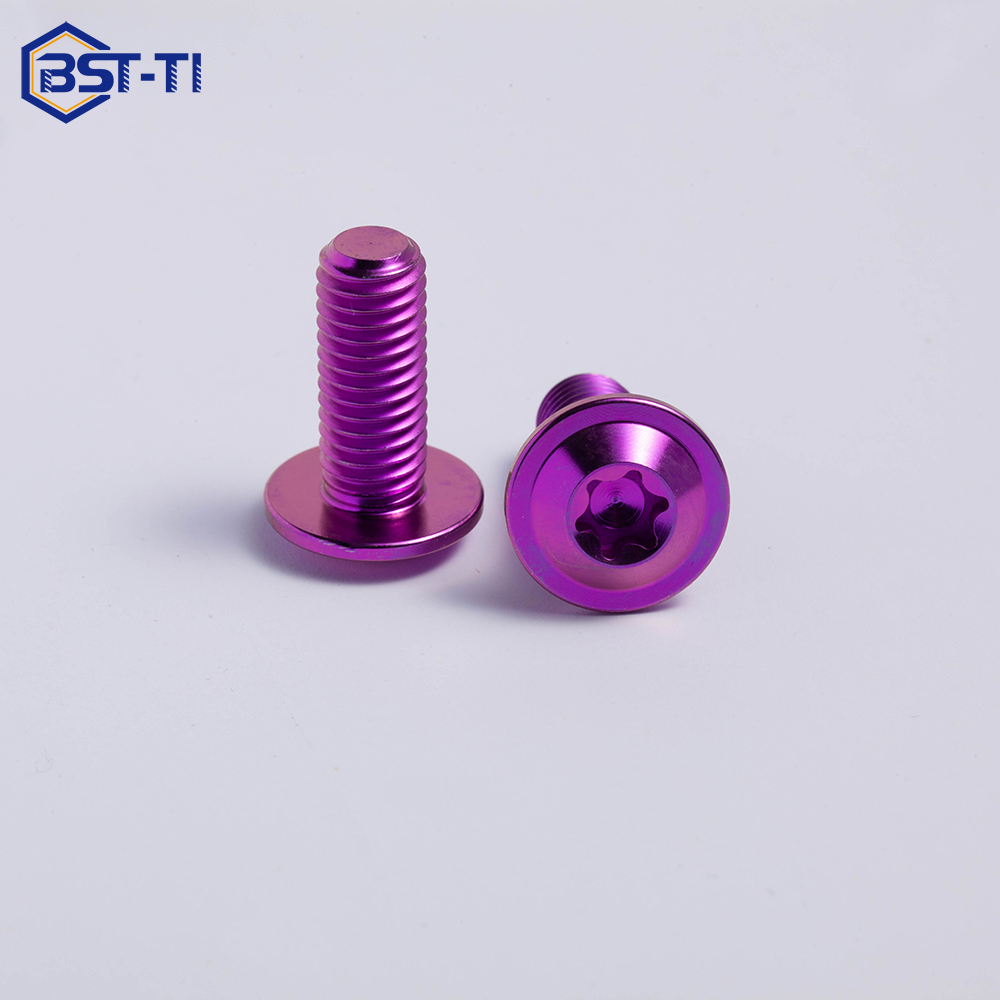
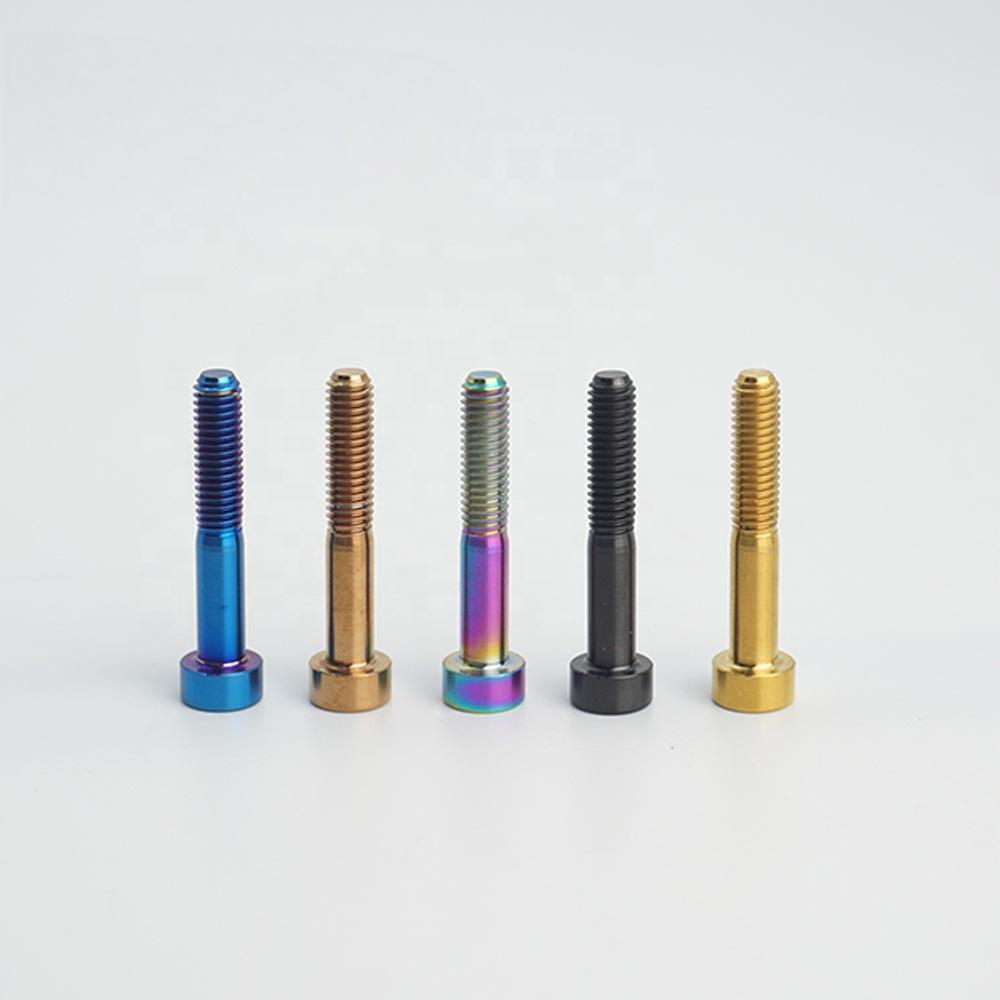
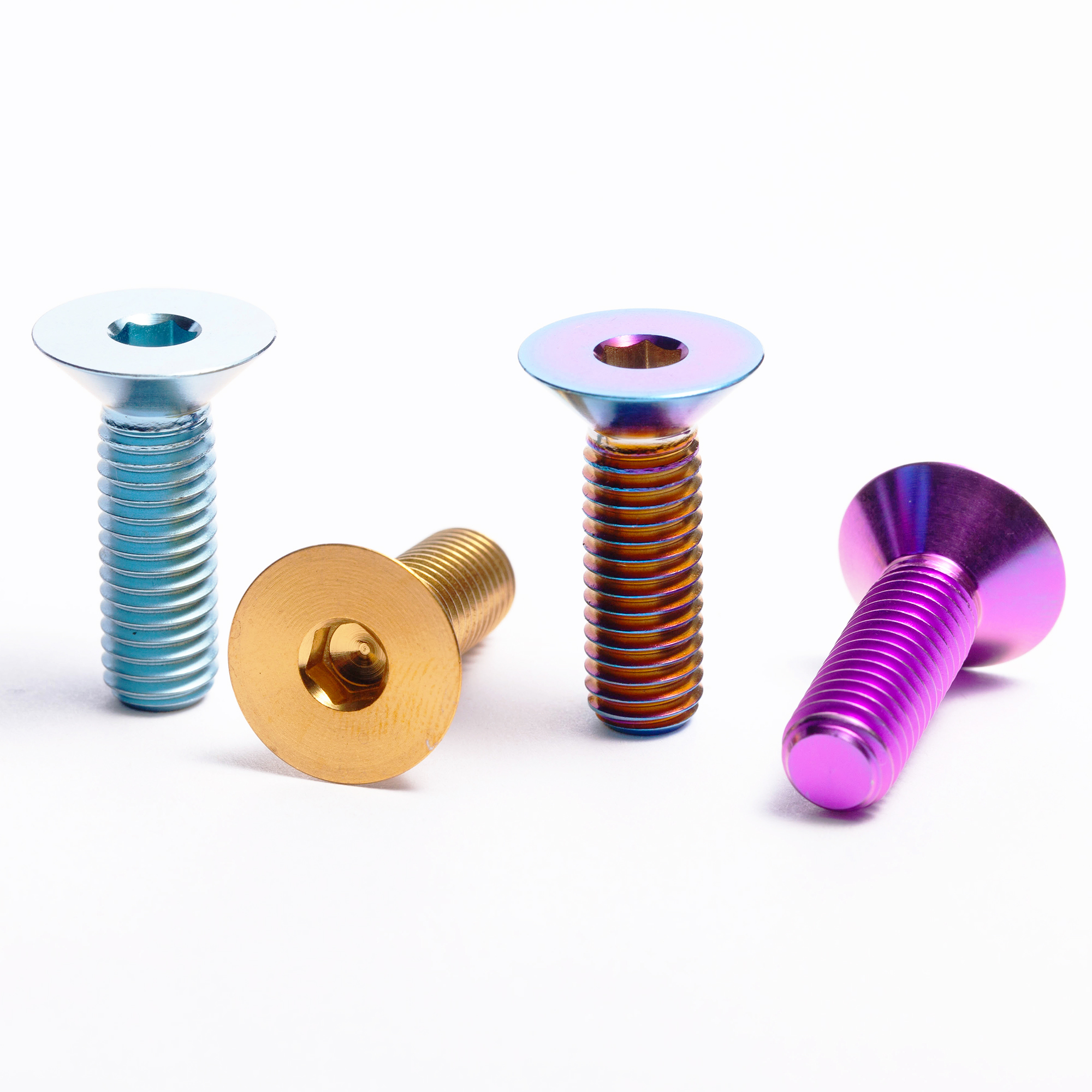
In-house capabilities include high-luster mirror polishing, micro-bead sandblasting, electrolytic color anodizing (gold, blue, purple, rainbow), PVD, and DLC wear-resistant surface treatments.
In addition to performance valvetrain hardware, Wexra Titanium offers comprehensive manufacturing across 9 core product categories: Titanium Fasteners, Motorcycle Custom Hardware, Cycling Components, Automotive Lug Fasteners, E-Scooter Parts, Titanium EDC Tools, Outdoor Gear, Raw Alloy Materials, and Full OEM/ODM Custom Machined Parts built directly from CAD drawings or physical samples.