OEM/ODM Precision Titanium Components Showcase
Directly sourced from advanced CNC turning and milling infrastructure in China. Engineered to ISO 9001:2015 and biocompatible medical-grade standards.
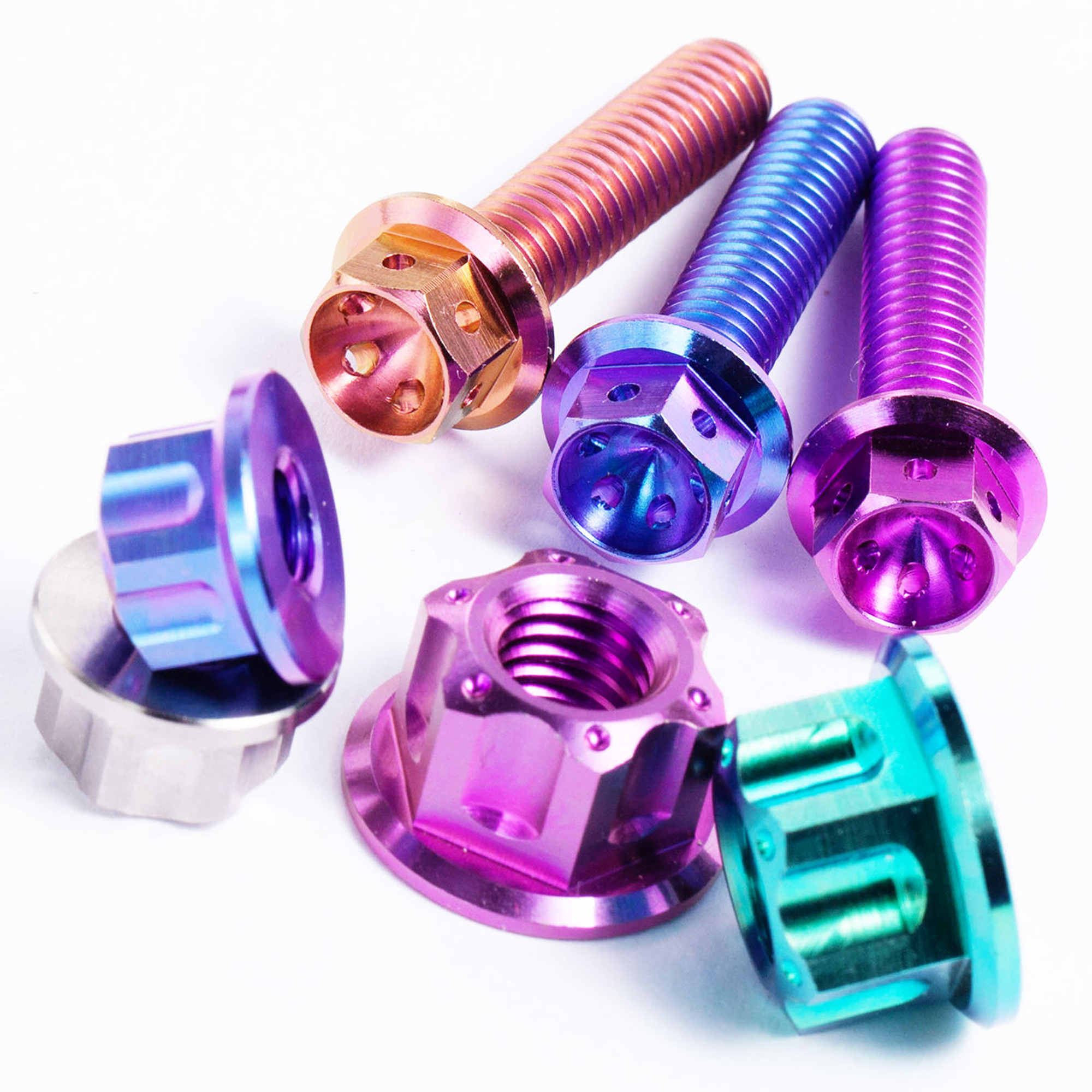
Titanium Alloy GR5 Hexagon Head Anodized Bolts and Nuts M6-M12 DIN6921
High tensile strength precision fasteners designed for structural sub-assemblies, surgical fixture mounts, and specialized equipment housing.
Send an Inquiry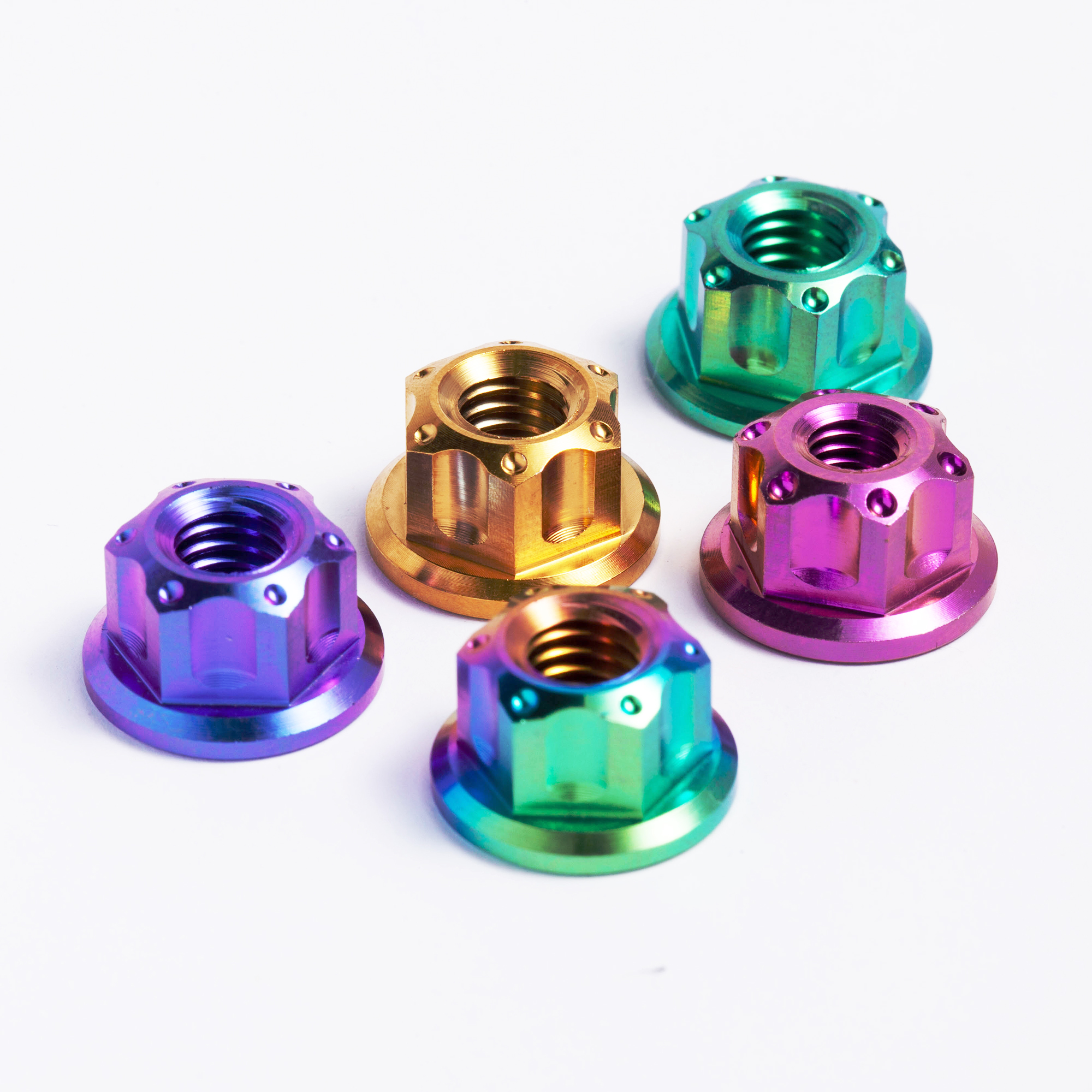
BST-TI MC-NUT-03 Titanium GR5 Self-Locking Hex Flanged Lug Lock Nuts
Micro-machined self-locking flanged nuts engineered for zero-vibration looseness and maximal fatigue endurance under cyclic loading.
Send an Inquiry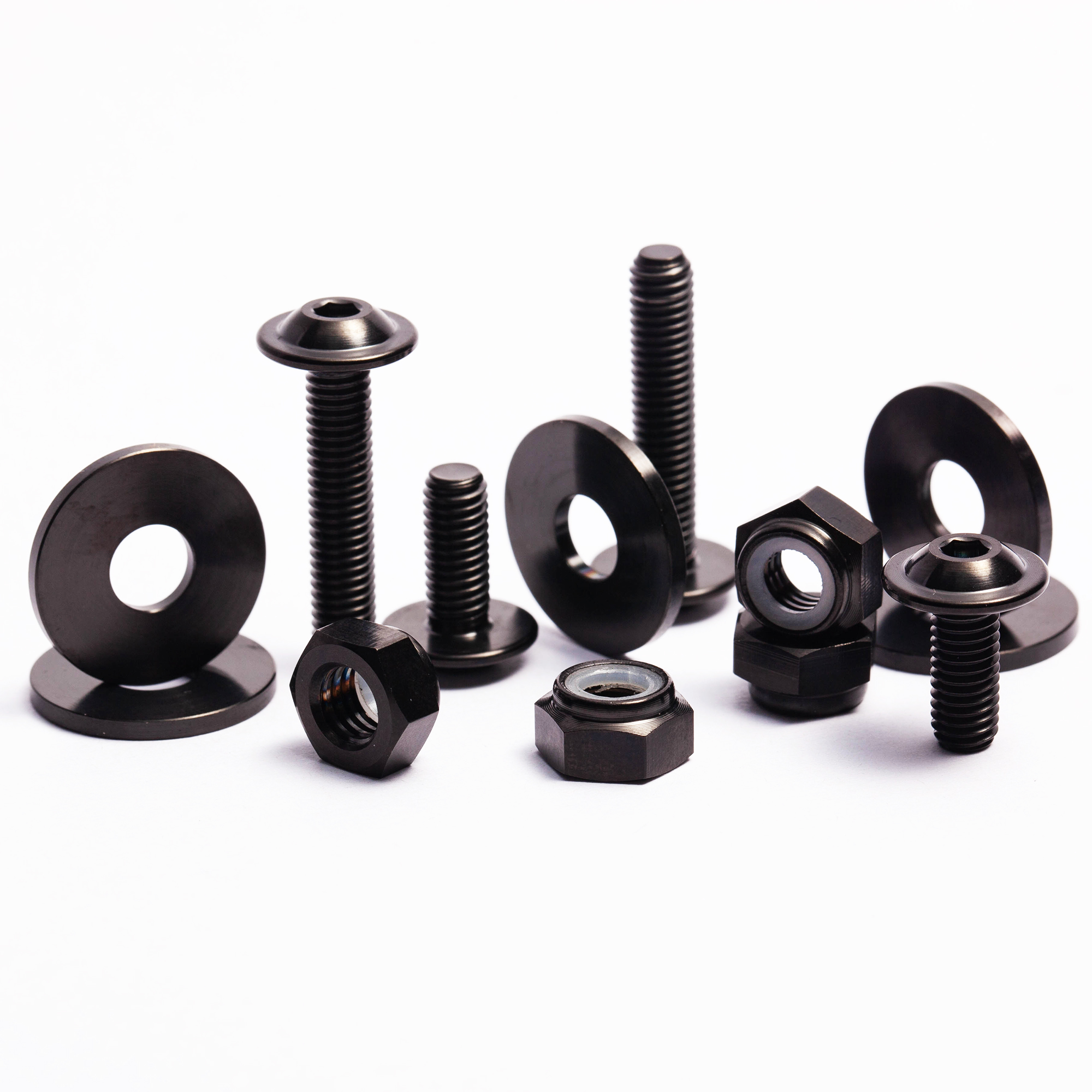
Customized Titanium Gr5 Alloy Torx Head Flange Bolts and Nuts
Precision Torx head geometry allowing high-torque retention without head stripping, ideal for dental lab instruments and custom implants.
Send an Inquiry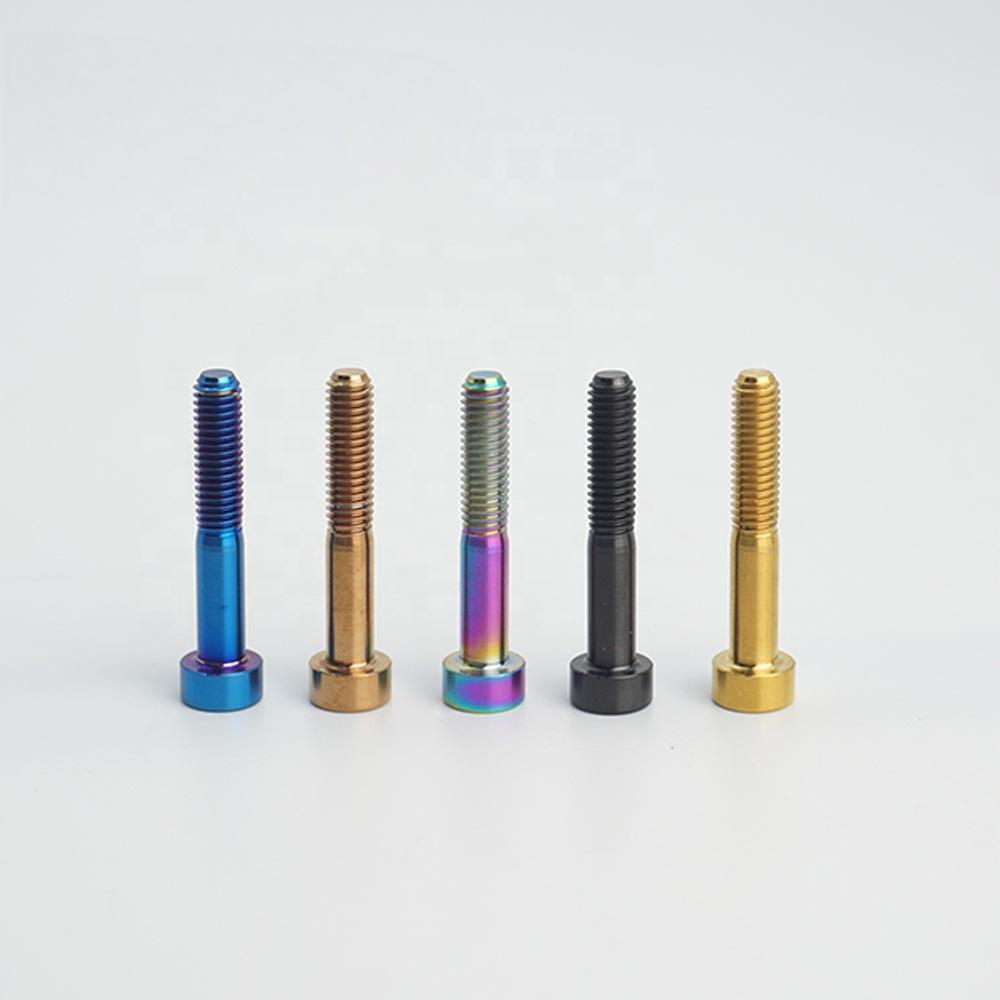
Titanium CNC Bolts Hex Button Head Black Oxide Finish Lightweight
Ultra-lightweight CNC-machined titanium screws with biocompatible surface passivations, manufactured to strict metric tolerances.
Send an Inquiry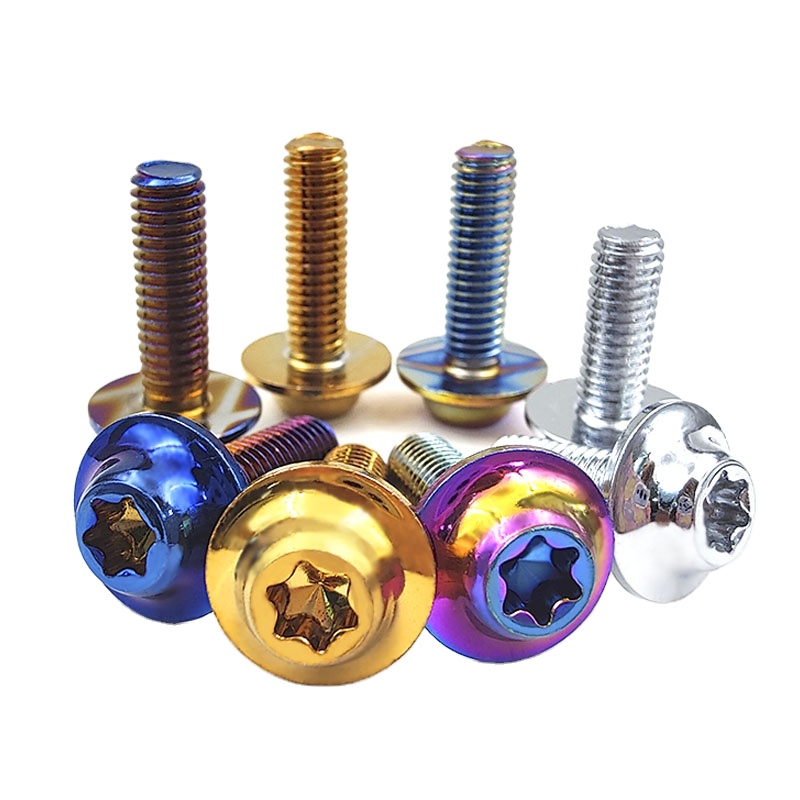
Titanium Alloy GR5 Disc Brake Rotor Bolts Polished ISO Standard
Polished titanium stud components designed with enhanced fatigue limit thresholds for critical mechanical force transfers.
Send an Inquiry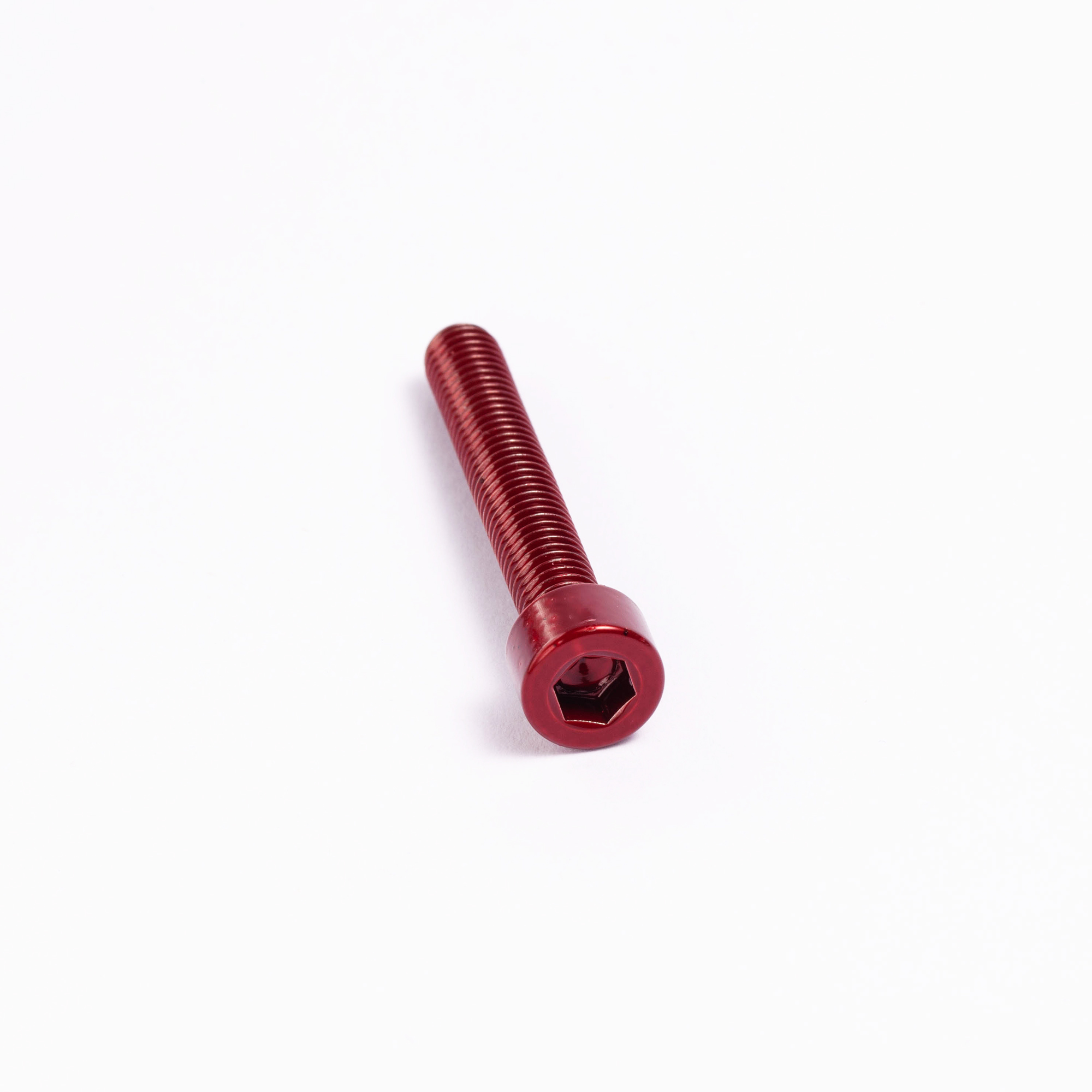
High Quality BST-TI Titanium Alloy Red Cylindrical Socket Bolts
Anodized color-coded titanium socket hardware suitable for customized dental laboratory equipment and precise identification.
Send an Inquiry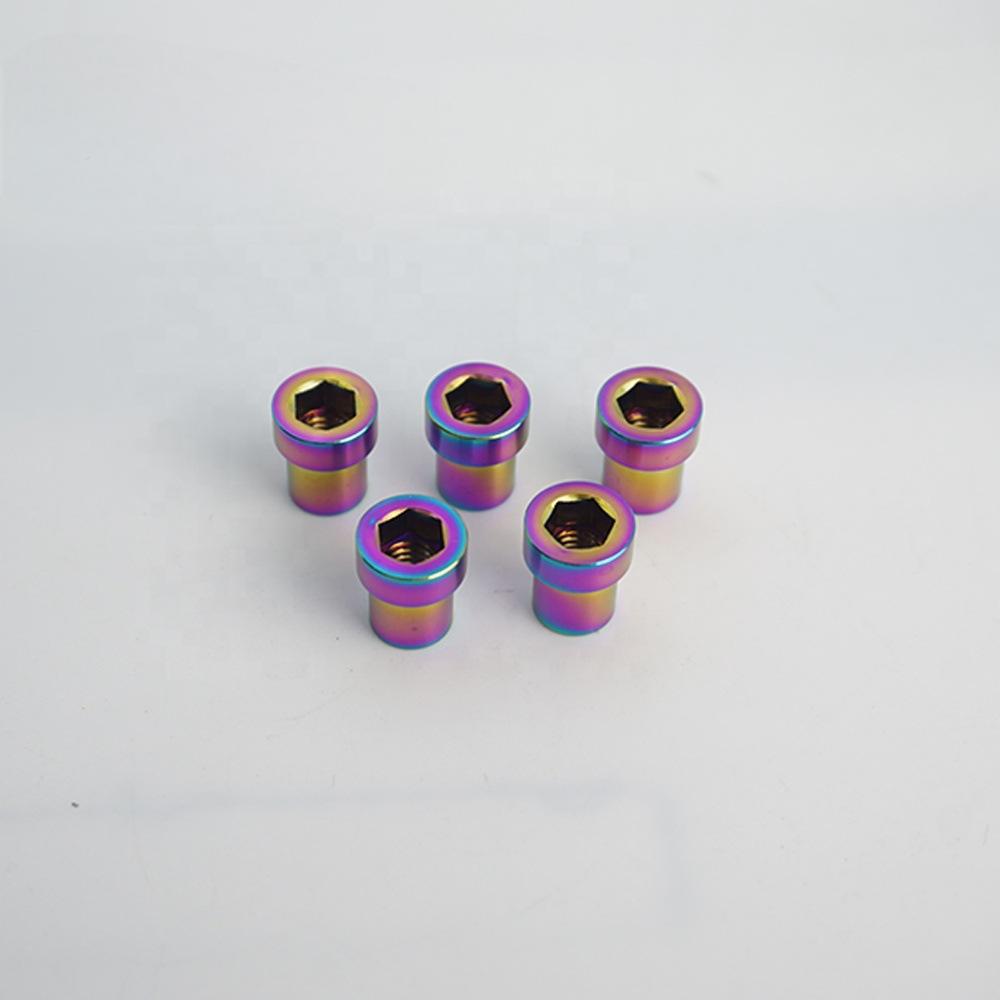
TC4 Titanium M5 Hex Locking Bolts Custom High Quality PVD
High-precision M5 thread geometry with rolled threads ensuring stress concentration reduction and long-term fatigue durability.
Send an Inquiry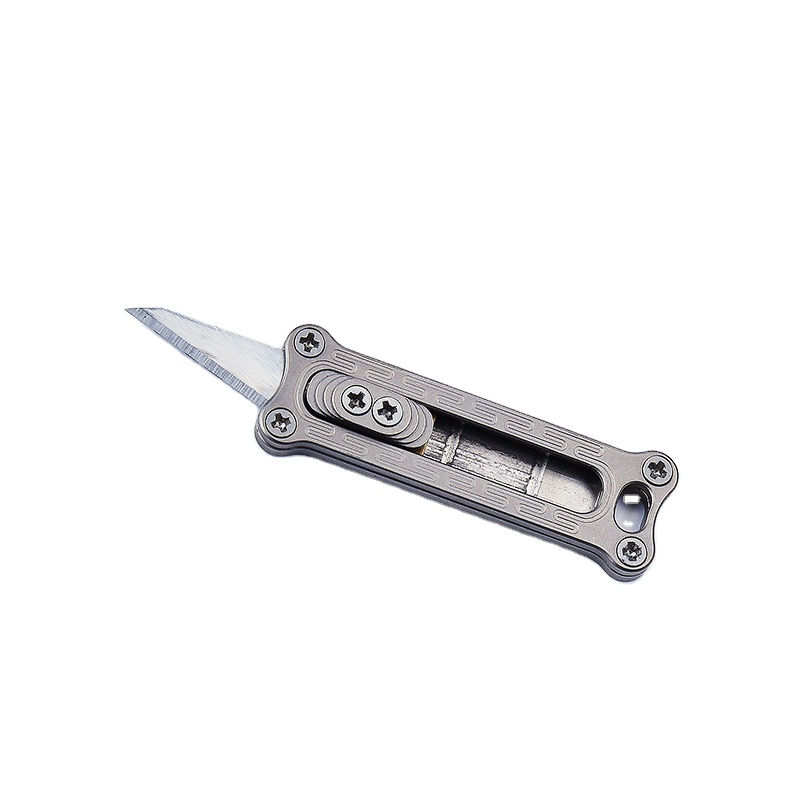
BST-TI Titanium Alloy Multi-Functional Precision Machined Hardware
Multi-axis custom CNC machined titanium assemblies tailored to exacting client drawings, 3D CAD models, and medical specifications.
Send an InquiryWhy Sourcing Titanium Hardware from Jiaxing Wexra Titanium Guarantees Superior Quality
Integrating ISO 9001:2015 certified quality systems, advanced Swiss-type CNC precision machining, and strict metallurgical traceability for global B2B buyers.
Certified ISO 9001:2015 Quality Controls
Our complete manufacturing pipeline—from raw titanium billet inspection to final passivated packaging—operates under rigorous ISO 9001:2015 protocols, ensuring full material lot traceability and RoHS/REACH compliance.
Micro-Precision CNC Tolerances (±0.005mm)
Utilizing high-speed multi-axis CNC turning and thread-rolling centers, we deliver complex geometric configurations, internal hex connections, and precision prosthetic abutment threads with micron-level consistency.
End-to-End OEM/ODM Customization
From initial DFM (Design for Manufacturability) engineering reviews based on 2D/3D CAD models to custom prototype development and high-volume production, we streamline your supply chain with speed and precision.
Engineering Excellence in Titanium Dental Implant Manufacturing
Understanding material science, surface modification physics, and mechanical fatigue endurance for next-generation implantology systems.
1. Material Science: Grade 4 Commercially Pure (CP4) vs. Grade 5 Ti-6Al-4V ELI
In modern dental implantology, selecting the ideal titanium substrate determines the structural integrity, bone-to-implant contact (BIC) velocity, and long-term fatigue limit under masticatory stress. Chinese titanium implant manufacturers utilize two main material classes compliance-tested to ASTM F67 and ASTM F136 standards:
Grade 4 Commercially Pure Titanium (CP4): Offering an ultimate tensile strength exceeding 550 MPa, CP4 provides maximum biocompatibility and corrosion resistance without alloying elements like vanadium or aluminum. It is preferred for standard endosteal root-form implants where natural bone density is optimal.
Grade 5 Ti-6Al-4V ELI (Extra Low Interstitial): Alloyed with 6% Aluminum and 4% Vanadium with reduced interstitial elements (oxygen, nitrogen, iron), Ti-6Al-4V ELI yields a ultimate tensile strength above 860 MPa and a yield strength exceeding 790 MPa. This superior mechanical profile prevents fatigue fractures in narrow-diameter implants, multi-unit abutments, and mini-dental implant fixtures under extreme occlusal loads.
| Titanium Grade | Standard Specification | Tensile Strength (MPa) | Yield Strength (MPa) | Elongation (%) | Primary Clinical Application |
|---|---|---|---|---|---|
| Grade 2 CP Titanium | ASTM F67 / ISO 5832-2 | ≥ 345 | ≥ 275 | ≥ 20% | Laboratory components, healing caps, impression copings |
| Grade 4 CP Titanium | ASTM F67 / ISO 5832-2 | ≥ 550 | ≥ 483 | ≥ 15% | Standard diameter dental implant bodies, biological roots |
| Grade 5 Ti-6Al-4V ELI | ASTM F136 / ISO 5832-3 | ≥ 860 | ≥ 790 | ≥ 10% | Narrow implants, prosthetic abutments, retaining screws |
| Ti-6Al-7Nb Alloy | ASTM F1295 / ISO 5832-11 | ≥ 900 | ≥ 800 | ≥ 10% | High-stress orthopedic & specialized implant fixtures |
2. Advanced Surface Modifications: SLA, RBM, and Hydrophilic Active Layers
The success of titanium implants depends on bio-integration speed. Raw turned titanium presents a relatively smooth surface that exhibits slow osteoblast adhesion. Leading Chinese suppliers employ advanced surface topography engineering to achieve optimal micro-roughness ($Ra = 1.0 - 2.0 \mu m$):
- SLA (Sandblasted, Large-grit, Acid-etched): Corundum ($Al_2O_3$) sandblasting creates macroscopic roughness, followed by severe acid etching with $HCl/H_2SO_4$ to form microscopic micro-pits. This dual-action topography accelerates bone cell attachment and increases BIC ratios by up to 40% in early healing phases.
- RBM (Resorbable Blast Media): Utilizing bio-compatible Calcium Phosphate (HA) blast media followed by mild passivation washes, RBM surfaces eliminate potential titanium fragment contamination while providing an osteoconductive matrix.
- Anodized Passivation & Hydrophilic Coatings: Electrochemical anodization creates controlled titanium oxide ($TiO_2$) ceramic layers. Modern Chinese manufacturing hubs are now integrating active nitrogen-sealed packaging to preserve surface energy, maintaining ultra-high hydrophilicity for immediate blood contact wetting.
3. Precision Thread Design & Micro-Gap Engineering
Mechanical stress distribution at the crestal bone level is directly governed by thread pitch, lead angle, and internal connection tolerances:
By employing cold thread-rolling techniques rather than subtractive cutting alone, thread roots retain continuous titanium grain flow lines, increasing mechanical fatigue endurance under ISO 14801 dynamic fatigue testing protocols (3 million cycles at 15 Hz). Furthermore, precision-milled internal Morse taper or deep conical connections (11° to 16°) eliminate micro-gaps (< 0.5 microns), mitigating bacterial leakage and crestal bone resorption around the implant neck.
Future Sourcing & Technological Trends in Titanium Implant Manufacturing
Key industry shifts shaping Chinese supply chains over the next decade.
1. Active Hydrophilic SLA Surfaces
The industry is rapidly shifting from conventional dry SLA implants toward chemically active, hydrophilic vacuum-sealed surfaces. Chinese manufacturers are investing heavily in protective saline solution packaging facilities, reducing osseo-integration healing periods from 8-12 weeks down to 3-4 weeks.
2. CAD/CAM Custom Titanium Abutments
Standard stock abutments are being replaced by customized CAD/CAM patient-specific titanium abutments. High-speed 5-axis titanium milling centers in hubs like Zhejiang and Guangdong offer sub-micron alignment accuracy for hybrid zirconia-titanium ceramic interface systems.
3. Automated Cleanroom Micro-Turning
To eliminate manual handling, top China suppliers are adopting fully automated robotic cell loading for Swiss-type lathes inside Class 10,000 (ISO Class 7) cleanrooms, delivering pristine implants ready for immediate gamma sterilization.
Global Buyer Procurement Roadmap: Evaluating China Titanium Suppliers
A step-by-step framework for dental brand owners, OEM distributors, and medical device purchasing managers.
Step 1: Metallurgical Certification
Verify that your supplier provides authentic Mill Test Certificates (MTC) conforming to EN 10204 3.1. Raw titanium bar stock must verify precise chemical analysis (low hydrogen and oxygen contents) and tensile yield benchmarks under ASTM F136 or ASTM F67 standards.
Step 2: DFM & Tooling Alignment
Engage with engineering teams during early DFM reviews. Assess thread root radiuses, internal hex geometry driving depth, and wall thickness around connection chambers to eliminate stress raisers under cyclic chewing forces.
Step 3: Quality Audits & Compliance
Ensure the manufacturer maintains comprehensive quality systems, dimensional inspection reports via optical profile projectors, and compliance for international export documentation across US, EU, UK, and Canadian markets.
Frequently Asked Questions for B2B Titanium Sourcing
Addressing key technical, regulatory, and commercial queries for international buyers.
Why is Grade 5 Titanium (Ti-6Al-4V ELI) preferred over Grade 4 for narrow implant abutments?
Grade 5 Titanium ELI provides a significantly higher tensile strength (≥860 MPa) and yield strength (≥790 MPa) compared to Grade 4 CP Titanium (≥550 MPa). In narrow-diameter implants (3.0mm - 3.5mm) or prosthetic retaining screws, this high strength prevents mechanical shearing, plastic deformation, or thread stripping under extreme lateral occlusal force.
What quality documentation is provided with OEM custom titanium shipments?
Full manufacturing documentation is supplied with every production lot, including EN 10204 3.1 Mill Test Certificates (MTC) detailing chemical composition and mechanical properties, CMM dimensional inspection records, anodization/surface finish compliance certificates, and RoHS / REACH material safety declarations.
Can Jiaxing Wexra Titanium manufacture custom components directly from CAD files?
Yes. We accept all major 3D CAD formats (STEP, IGES, SolidWorks .SLDPRT) and 2D engineering drawings (DWG, PDF with GD&T specifications). Our engineering team performs a thorough Design for Manufacturability (DFM) check before initializing multi-axis CNC tooling setups.
How does titanium surface anodization affect thread dimensions?
Type II and Type III anodization on titanium components creates an electrochemical oxide micro-layer ($TiO_2$) that alters color through optical light interference. Unlike heavy plating, titanium anodizing adds virtually zero physical dimensional thickness (<0.5 microns), ensuring tight pitch tolerance fitment remains unaffected.
What are the typical lead times for custom titanium OEM orders from China?
Initial prototype sampling and first-article inspections (FAI) are typically delivered within 10 to 15 working days. Full mass production runs generally require 20 to 30 days depending on component complexity, required surface passivations, and order volume.
How do you prevent thread galling on titanium fasteners and mating components?
Titanium-on-titanium friction can cause thread galling if torque limits are exceeded without lubrication. We mitigate this through micro-finished smooth thread roots, precise cold-rolling manufacturing, surface passivations, and recommending application-specific bio-compatible anti-galling compounds or controlled torque specs.
Ready to Accelerate Your Titanium Sourcing Pipeline?
Partner with Jiaxing Wexra Titanium Products Co., Ltd. for precision ISO 9001:2015 certified titanium hardware, micro-machined OEM components, and custom engineering support.
Send an Inquiry