Featured Titanium Hardware & Custom Mesh Components
Discover our high-precision CNC machined titanium fasteners, custom alloy components, and woven mesh materials engineered for maximum fatigue resistance and zero-corrosion service lives.
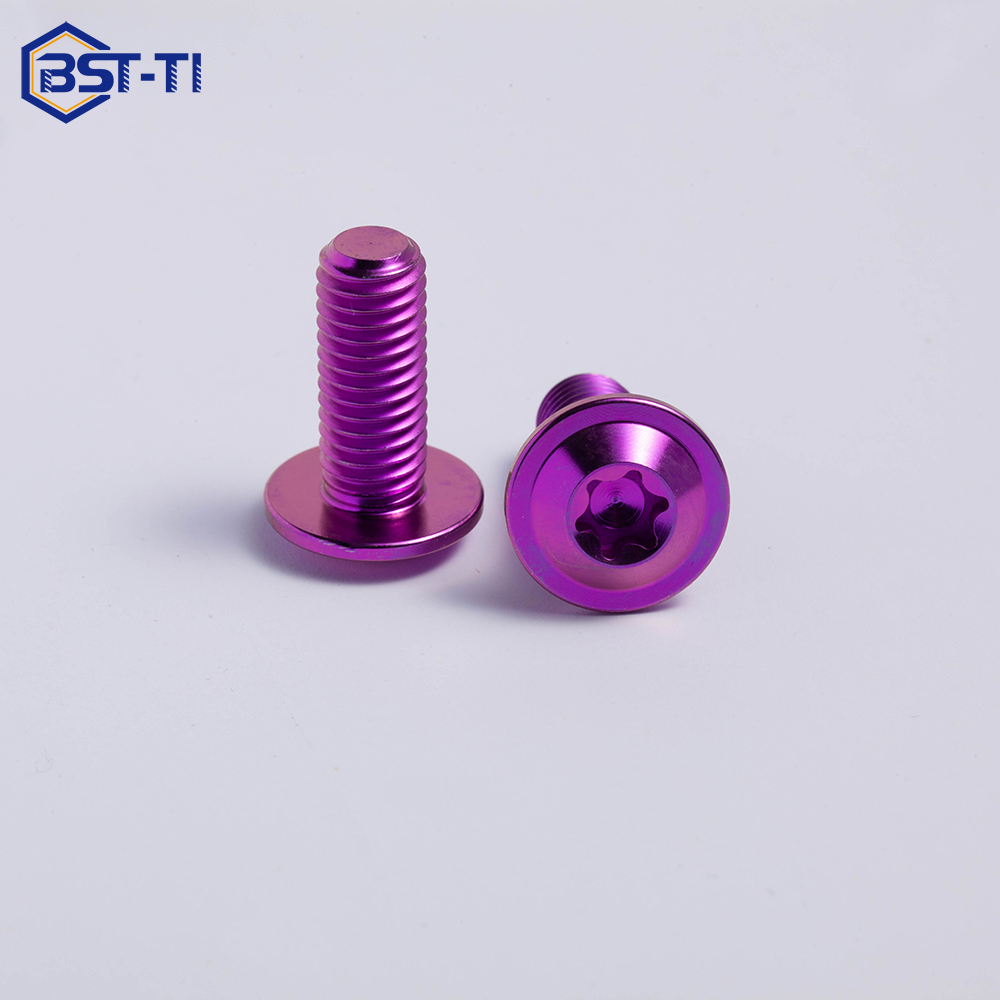
BST-TI Torx Head Titanium Alloy Disc Bolts ISO Standard Class 4.8/6.8 UNC Thread
View Details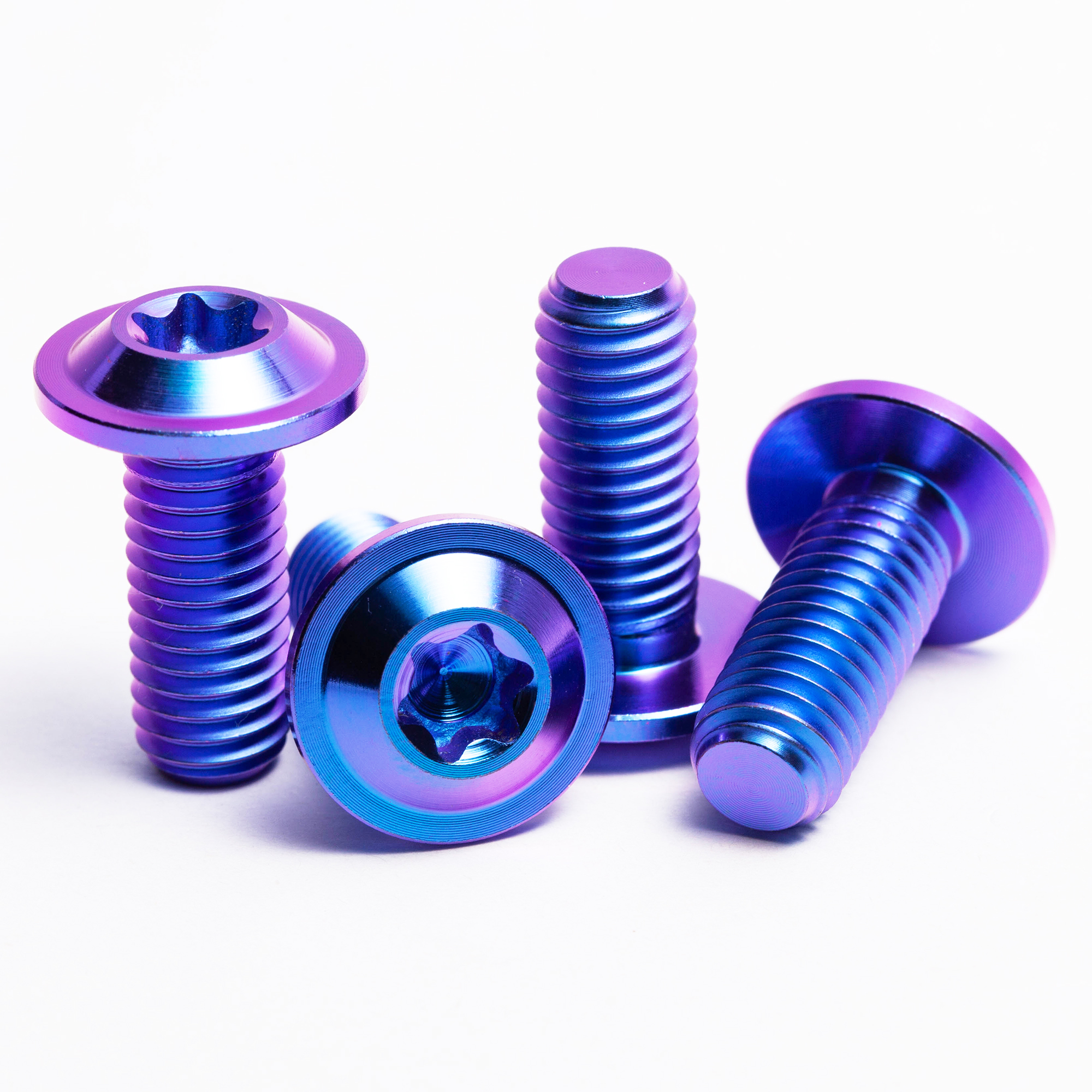
Customized Titanium Disc Head Bolts M6/M8/M10 Gr5 DIN6921 Screws
View Details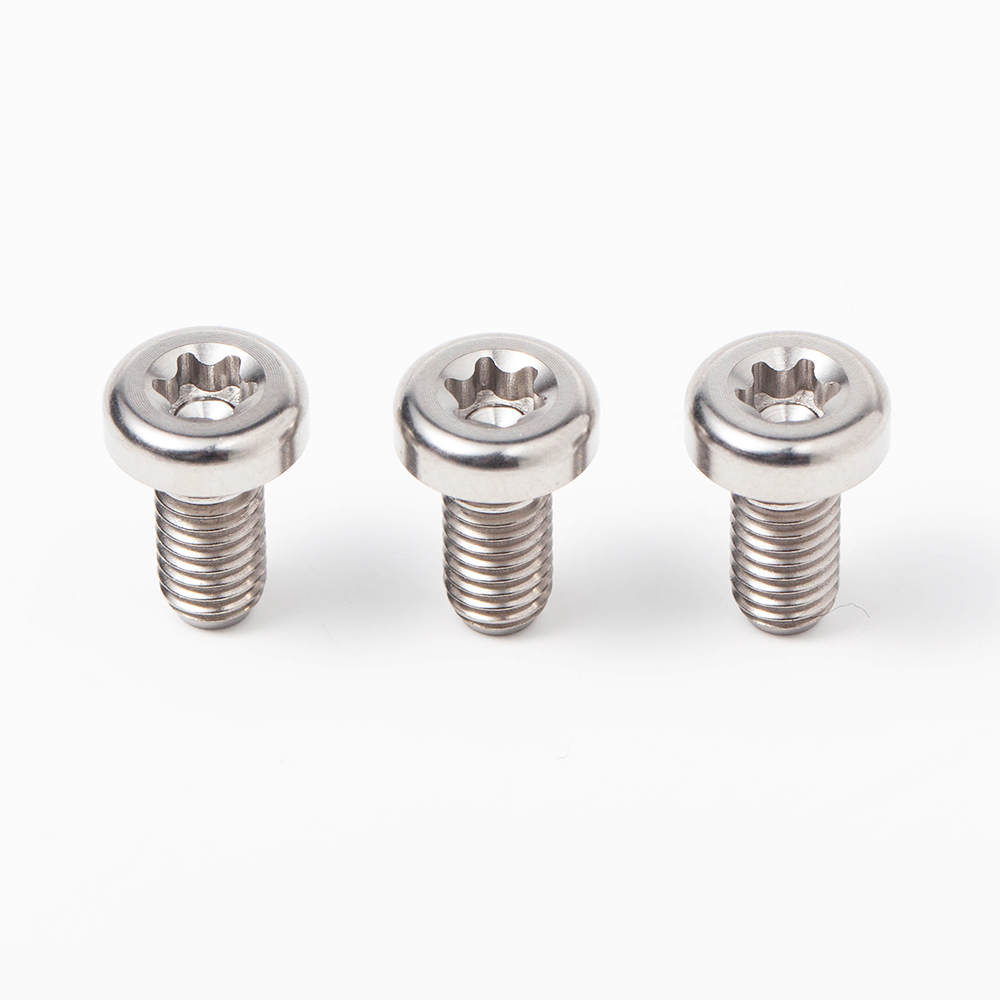
BST-TI M6 M8 Titanium Bolts Grade 9 DIN Standard High Strength Light Weight Screws
View Details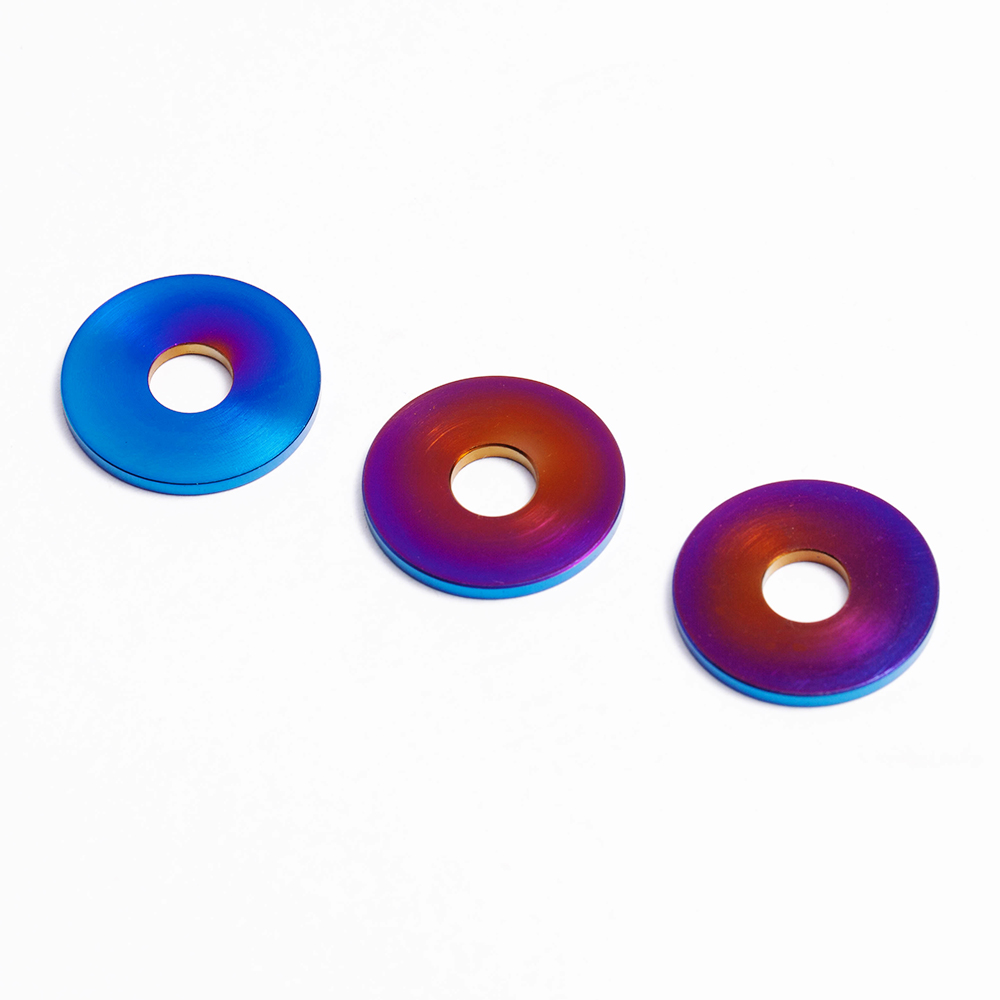
BST-TI Gr5 Titanium Burnt Blue Color Anodized 5mm Washer Spacer
View Details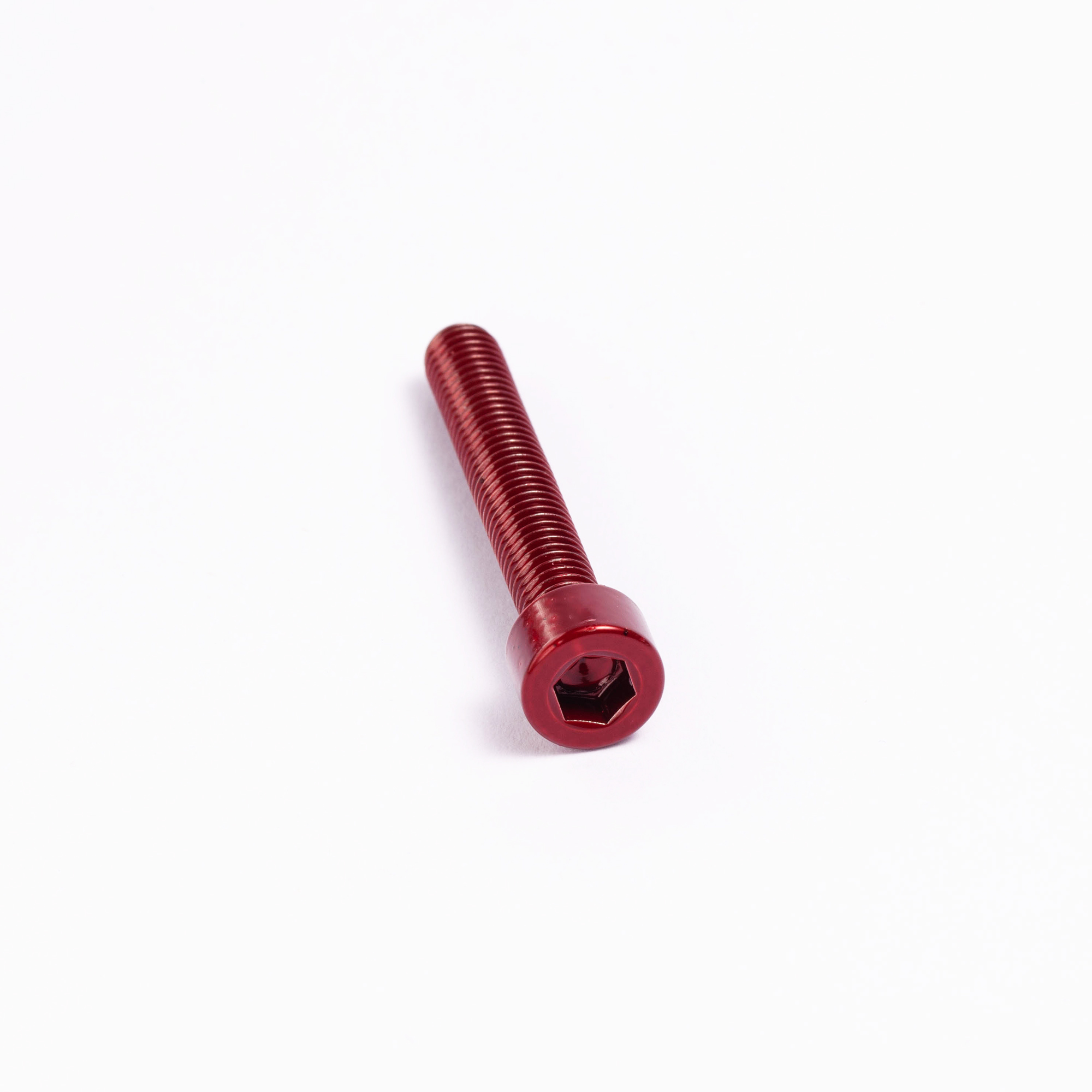
High Quality BST-TI Titanium Alloy Red Cylindrical Head Hexagon Socket Bolts
View Details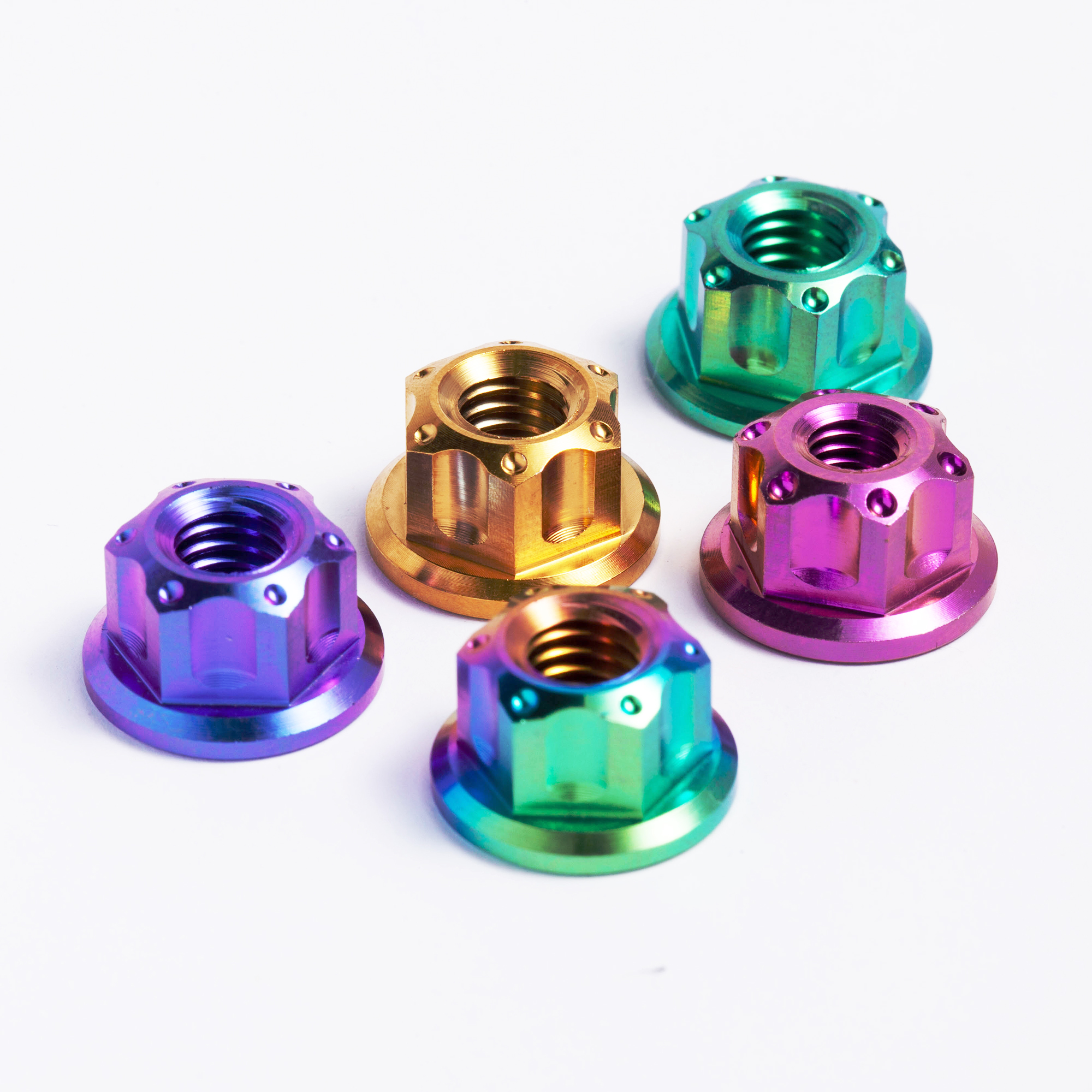
BST-TI MC-NUT-03 Titanium GR5 Self-Locking Hex Flanged Lug Lock Nuts
View Details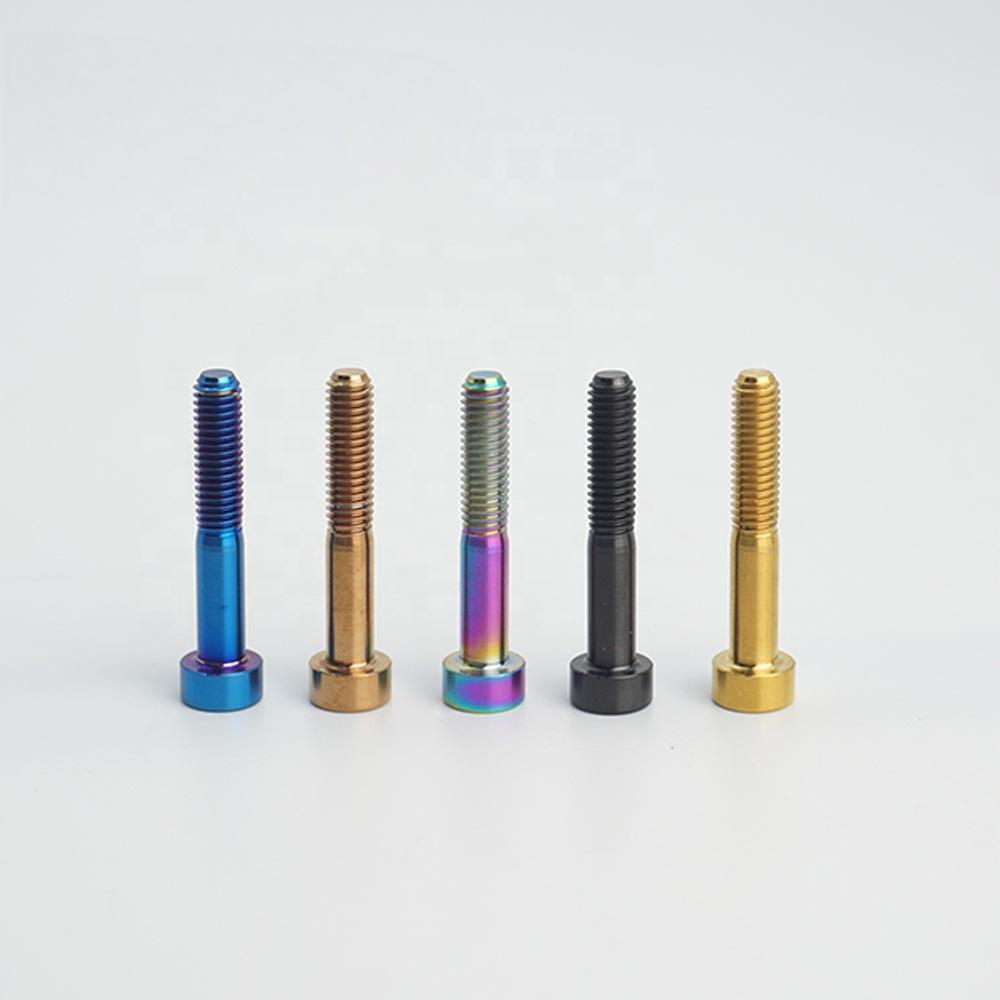
Titanium CNC Bolts Hex Button Head Black Oxide Finish Rustproof Lightweight
View Details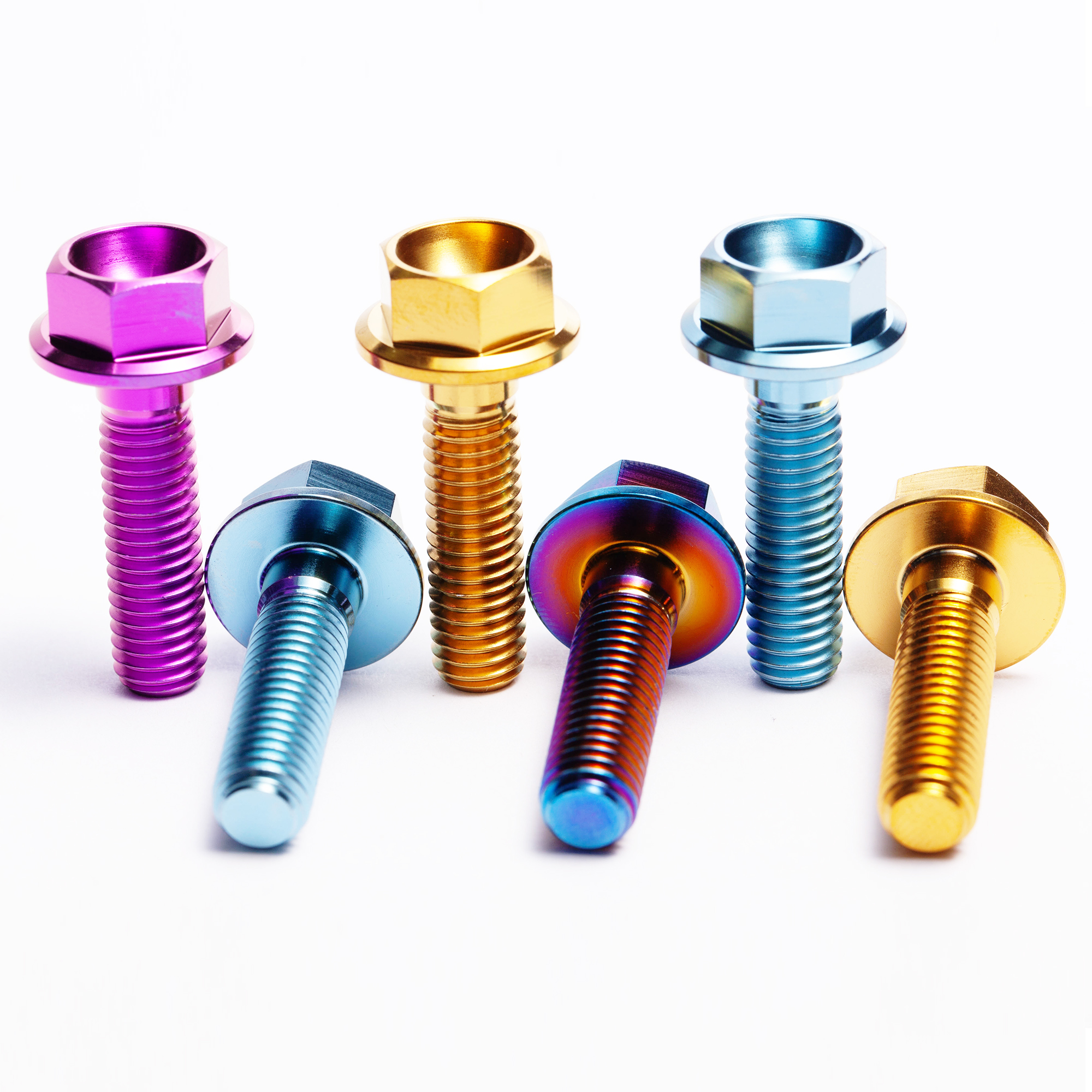
BSTTI DIN 6921 Titanium Alloy GR5 Hex Head Flange PVD Finish UNF Bolt
View Details1. Titanium Wire Mesh Metallurgy & Executive Engineering Overview
In modern industrial process engineering, titanium wire mesh represents the pinnacle of corrosion-resistant, high-strength porous media. Manufactured primarily from Commercially Pure Titanium (Grades 1, 2, 3, and 4) and specialized Titanium Alloys (such as Grade 5 Ti-6Al-4V and Grade 7 Ti-0.2Pd), titanium mesh delivers unparalleled chemical stability, lightweight structural integrity, and exceptional thermodynamic performance.
Unlike traditional stainless steel mesh (304/316L) or nickel-based alloy weaves, titanium spontaneously forms an ultra-tenacious, self-healing oxide film ($\text{TiO}_2$, rutile/anatase phase) when exposed to oxygen. This oxide film exhibits near-total passivity against highly aggressive media, including wet chlorine gas, chlorite solutions, nitric acid, chromic acid, organic acids, and marine seawater environments across elevated temperature thresholds.
As a leading China titanium wire mesh factory, Jiaxing Wexra Titanium Products Co., Ltd. integrates advanced wire drawing, precision shuttleless weaving, automated laser welding, and strict vacuum annealing to manufacture industrial mesh products adhering strictly to ASTM B348, ASTM B265, ASTM F67, and ISO 9001:2015 standards.
2. Comprehensive Titanium Material Grade Matrix & Selection Guide
Selecting the optimal titanium alloy grade is critical to balancing mechanical strength, formability, electrochemical potential, and total cost of procurement. Below is a comparative metallurgical analysis for engineering procurement teams:
| Titanium Grade | UNS Standard | Tensile Strength (MPa) | Yield Strength (MPa) | Corrosion Resistance Profile | Primary Industrial Applications |
|---|---|---|---|---|---|
| Grade 1 (CP Ti) | R50250 | ≥ 240 | 170 - 310 | Maximum ductileness, superior passivity in wet $\text{Cl}_2$ | PEM Electrolyser Anodes, Chemical Filtration |
| Grade 2 (CP Ti) | R50400 | ≥ 345 | 275 - 450 | Optimal balance of strength, weldability & corrosion immunity | Seawater Desalination, Chlor-Alkali Mesh, Heat Exchangers |
| Grade 5 (Ti-6Al-4V) | R56400 | ≥ 895 | ≥ 828 | High strength alloy; excellent fatigue & heat tolerance | Aerospace Strainers, High-Stress Fasteners, Motorsport |
| Grade 7 (Ti-0.2Pd) | R52400 | ≥ 345 | 275 - 450 | Exceptional resistance to reducing acids & crevice corrosion | Hydrometallurgy, Hot Dilute $\text{HCl}$ & $\text{H}_2\text{SO}_4$ Filtration |
| Grade 12 (Ti-Mo-Ni) | R53400 | ≥ 485 | ≥ 345 | Enhanced crevice corrosion resistance at high temperatures | High-temp Chemical Processing, Oil & Gas Processing |
Technical Insight: Pitting Resistance & Crevice Passivity
For applications involving warm chloride media, the Pitting Resistance Equivalent Number (PREN) and crevice passivity threshold govern material survival. Commercially Pure Grade 2 titanium maintains a pitting potential exceeding +10V vs SCE in seawater at ambient temperatures, rendering pitting corrosion virtually non-existent. In extreme acidic media where crevice corrosion is a concern, Grade 7 (palladium alloyed) shifts the corrosion potential electrochemically into the noble passive region, reducing corrosion rates by up to two orders of magnitude compared to standard alloys.
3. Titanium Wire Mesh Weave Architectures & Structural Mechanics
The structural geometry of titanium wire mesh determines its pore size distribution, open area percentage, hydraulic flow rate, and mechanical filtration efficiency. Wexra Titanium manufactures five primary structural weave architectures:
Each warp wire crosses alternately over and under each weft wire. Features stable pore dimensions, high structural uniformity, and excellent open area ratio (up to 65%). Ideal for standard chemical strainers and particle separation (1 to 200 mesh).
Warp and weft wires weave over two and under two consecutive wires. Allows for thicker wire diameters relative to mesh count, giving higher tensile load resistance and increased mechanical durability for fine mesh specifications (100 to 400 mesh).
Utilizes coarse warp wires combined with densely packed, smaller diameter weft wires. Produces a zero-open-area zero-gap tortuous path. Engineered for high-pressure fluid filtration, deep bed cake filtration, and micron ratings down to 5 microns.
Slit and stretched from titanium sheet coil to create a seamless, weld-free diamond pattern. Provides exceptional dimensional rigidity, uniform current distribution, and minimal electrical contact resistance for electrolytic cell anodes.
Diffusion-bonded multi-layer titanium woven wire mesh compressed under high vacuum and heat. Yields extreme pressure tolerance, precise pore control, and backwash cleanability for gas diffusion layers (GDL).
CNC punched titanium plate with round, staggered, or hexagonal perforations. Serves as heavy-duty support screens, turbine intake guards, and substrate frames for noble metal oxide coatings (MMO).
4. Strategic Global Procurement Trends in Titanium Wire Mesh (2025–2030)
As global industrial supply chains pivot toward decarbonization, green hydrogen production, and advanced chemical synthesis, the demand landscape for high-purity titanium mesh is experiencing unprecedented technological acceleration. Purchasing managers and B2B procurement directors must account for several mega-trends over the next decade:
A. Green Hydrogen & PEM Electrolyser Expansion
Proton Exchange Membrane (PEM) electrolysers require titanium porous transport layers (PTL) and porous titanium gas diffusion layers (GDL) at both anode and cathode interfaces. Titanium mesh coated with Pt/Ir oxide operates continuously at high anodic potentials (+2.0V vs RHE) in oxygen-saturated environments without degrading or releasing metal ions that poison the catalyst membrane. Global procurement for platinum-plated titanium mesh in hydrogen energy infrastructure is projected to register a 28.5% CAGR through 2030.
B. Chlor-Alkali Membrane Cell Modernization
The global chlor-alkali industry relies heavily on titanium expanded mesh and woven mesh as Dimensionally Stable Anodes (DSA). Modern zero-gap membrane cells utilize ultra-flat, high-conductivity Gr1 titanium mesh screens with Ru-Ir-Ti oxide coatings to minimize cell voltage, lower power consumption per ton of chlorine, and withstand aggressive wet chlorine gas environments up to 95°C.
C. Seawater Desalination & Marine Scrubbers
Thermal and reverse osmosis (RO) seawater desalination facilities are increasingly replacing cupronickel and duplex stainless steel strainers with Grade 2 titanium mesh. With stringent IMO 2020 sulfur emission regulations, exhaust gas cleaning systems (EGCS) installed on marine vessels utilize titanium mesh demisters to handle acidic marine condensate containing high sulfuric acid concentrations.
5. Enterprise Manufacturing Capabilities & Factory Advantages
Jiaxing Wexra Titanium Products Co., Ltd. stands as a premier direct-factory manufacturer in Zhejiang, China, specializing in precision titanium component manufacturing, CNC turning, laser cutting, and specialized wire mesh weaving. Our enterprise infrastructure offers unmatched value to international OEMs and B2B distributors:
100% of raw titanium wire rod is sourced from certified sponge titanium smelters with full EN 10204 3.1 Material Test Certificates (MTC). We conduct in-house PMI spectral analysis, chemical composition testing, and mechanical elongation verification for every batch.
Our quality assurance framework implements optical image measurement, microscopic weave aperture verification, vacuum stress relieving, and automated ultrasonic cleaning, ensuring zero oil contamination and strict pitch tolerance (±0.01mm).
From CAD/STEP 3D drawing reviews to rapid sample turnaround within 5-7 days, our engineering staff provides Design for Manufacturability (DFM) support, custom shearing, laser-cut mesh discs, and cylindrical mesh filter fabrication.
We provide full-spectrum surface treatments including sandblasting, chemical pickling, color anodizing (gold, blue, purple, burnt blue), vacuum PVD coating, and MMO catalytic active coatings (Ru-Ir, Pt, $\text{PbO}_2$).
All manufactured titanium mesh products and custom fasteners comply fully with EU RoHS, REACH chemical safety regulations, CE markings, UKCA standards, and German EPR packaging compliance guidelines for seamless customs import clearance.
By eliminating middleman traders and leveraging automated shuttleless heavy-duty looms, we provide factory-direct pricing, scalable bulk production volume, flexible MOQ thresholds, and fast delivery to North America, Europe, and Asia.
6. Frequently Asked Questions (Technical & Procurement FAQ)
Why should I choose Grade 1 or Grade 2 Titanium Mesh over Stainless Steel 316L?
Stainless steel 316L suffers from rapid pitting, crevice corrosion, and stress corrosion cracking (SCC) when exposed to chlorides, hypochlorites, or marine environments at temperatures exceeding 50°C. Pure titanium (Gr1/Gr2) maintains complete passivity up to 300°C in chloride solutions, eliminates media contamination, and reduces component weight by approximately 44% due to titanium's low density (4.51 g/cm³ vs 7.98 g/cm³ for steel).
Can you custom-manufacture titanium wire mesh according to CAD drawings or specific micron ratings?
Yes. We specialize in custom OEM fabrication. We can produce custom mesh counts from 1 mesh up to 400 mesh, wire diameters from 0.05mm to 3.0mm, and custom panel geometries. Additionally, we provide post-weaving processing such as CNC laser cutting into circular filter discs, deep-drawn mesh baskets, pleating, and TIG/laser seam welding per your exact CAD engineering specs.
What quality documentation and mill certificates accompany an export shipment?
Every shipment includes an official EN 10204 3.1 Material Test Certificate detailing chemical composition (Fe, C, N, H, O content and Ti balance) and mechanical properties (tensile strength, yield strength, elongation percentage). On request, we also supply third-party SGS/TÜV inspection reports, dimensional inspection logs, and RoHS/REACH compliance declarations.
How does titanium wire mesh perform in dry chlorine vs wet chlorine gas?
This is a critical safety consideration. Titanium exhibits exceptional corrosion resistance in wet chlorine gas (moisture content ≥ 0.5%). However, in completely dry chlorine gas, titanium reacts violently and can undergo exothermic ignition. If your application involves chlorine gas, moisture levels must be verified to maintain titanium's passive oxide protection.
What surface finish options are available for industrial titanium mesh and fasteners?
We offer mill finish, bright polished, pickled acid-etched, sandblasted, anodized color finishes (gold, blue, purple, green, burnt blue), PVD black titanium oxide coating, and noble metal active catalytic coatings (Platinum, Ruthenium, Iridium) depending on whether the mesh is used for physical filtration, aesthetics, or electrochemical reactions.
What are your export lead times and shipping capabilities to North America and Europe?
Standard catalog specifications and stock wire gauges ship within 3 to 7 business days. Custom woven specifications or complex CNC/fabricated mesh assemblies typically require 15 to 20 production days. We offer express air freight (DHL/FedEx/UPS), DDP door-to-door ocean freight, and consolidated container shipping with complete export packaging and customs clearance documentation.
Partner with China's Premier Titanium Manufacturing Experts
Whether you require custom mesh prototypes, high-volume expanded titanium anodes, or precision CNC-machined titanium fasteners, our engineering team is ready to evaluate your CAD drawings and chemical specification requirements.
Inquire Now