Featured Titanium Components & Precision Assemblies
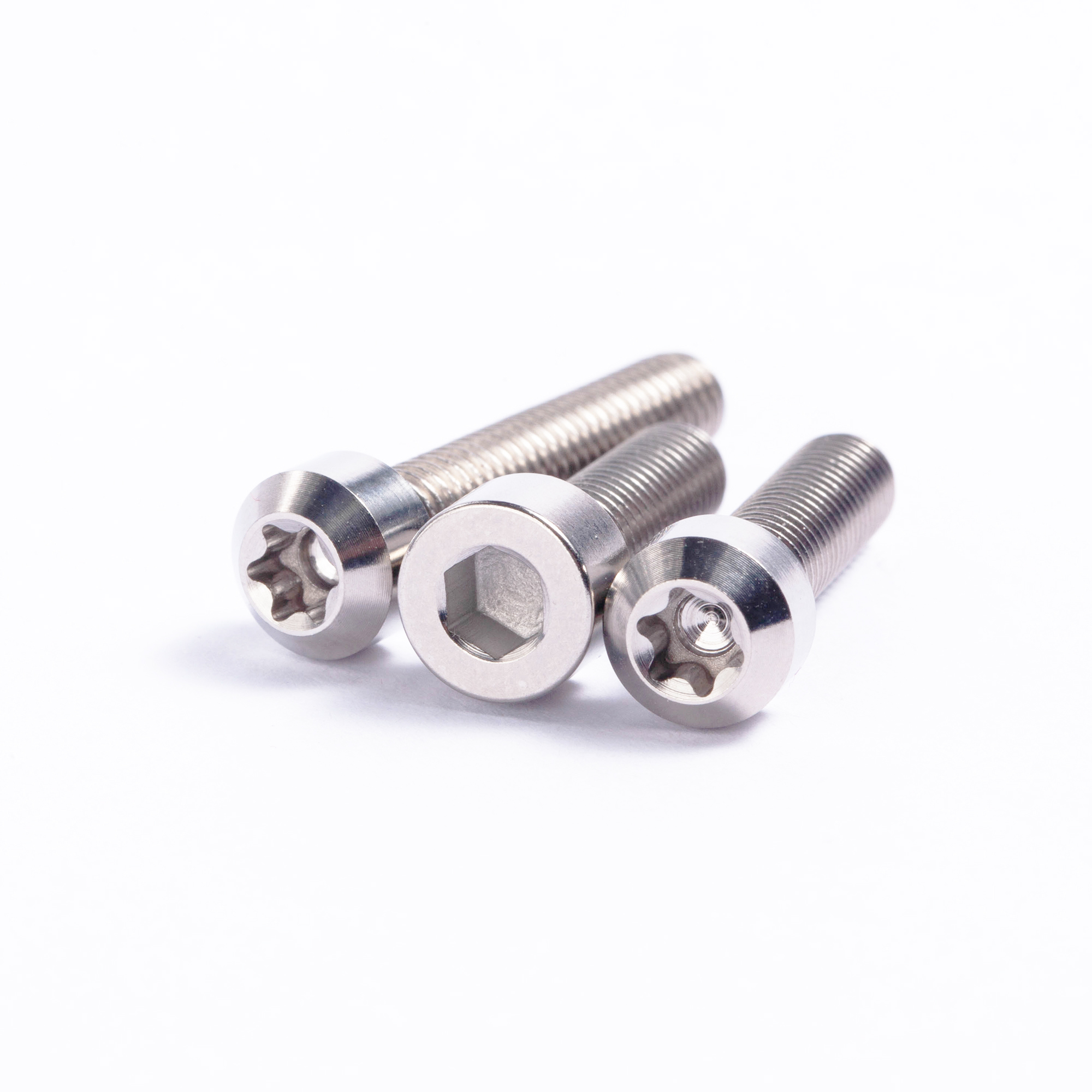
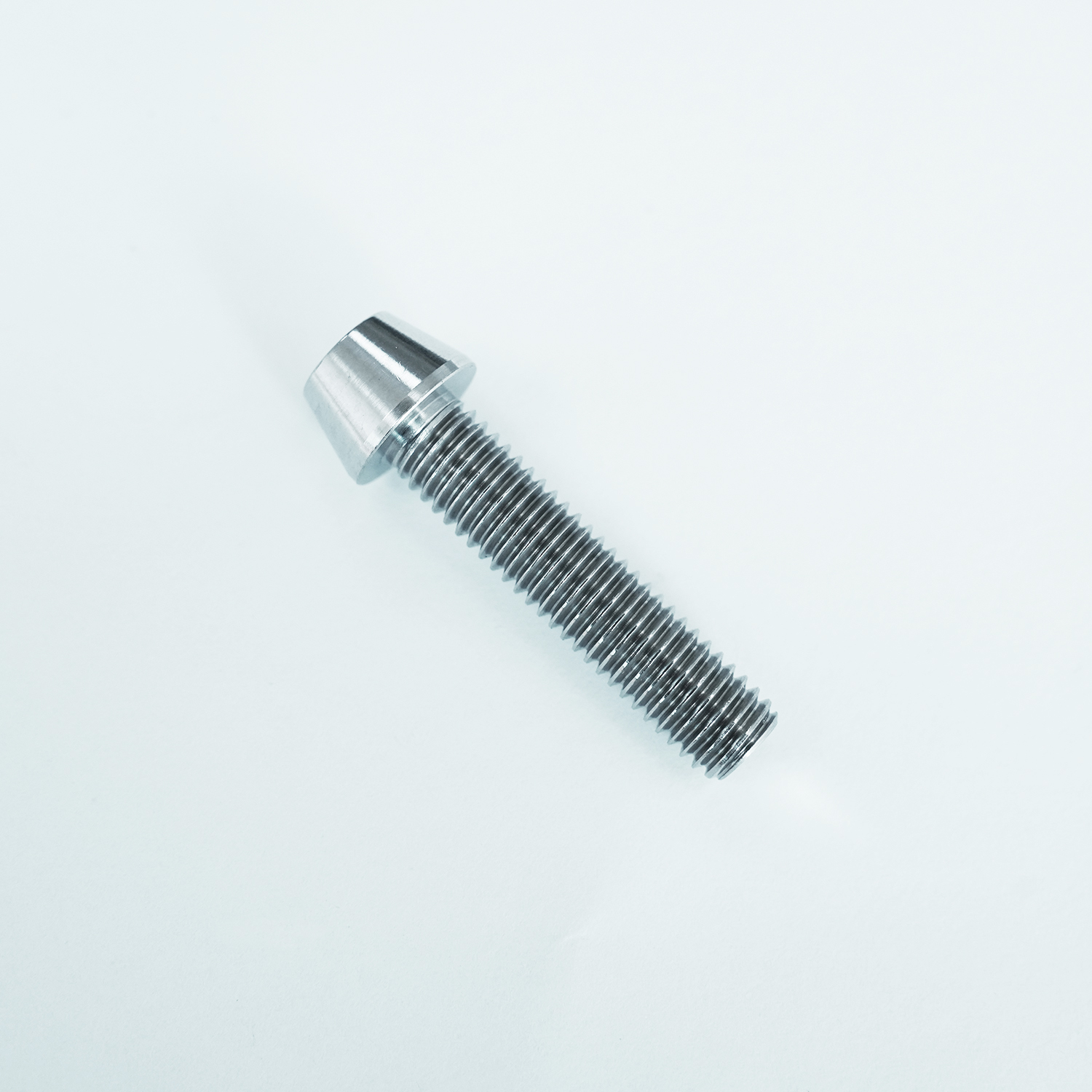
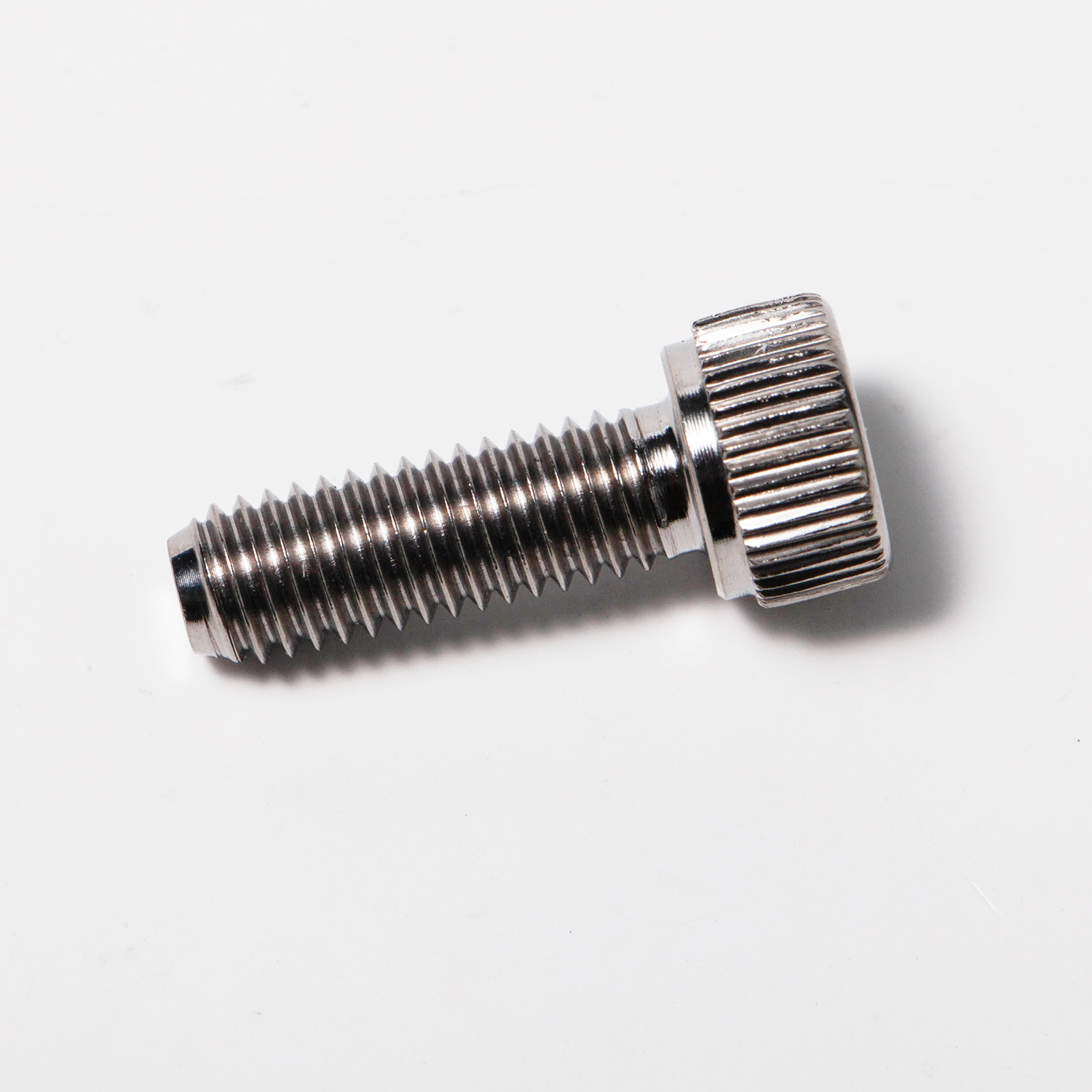
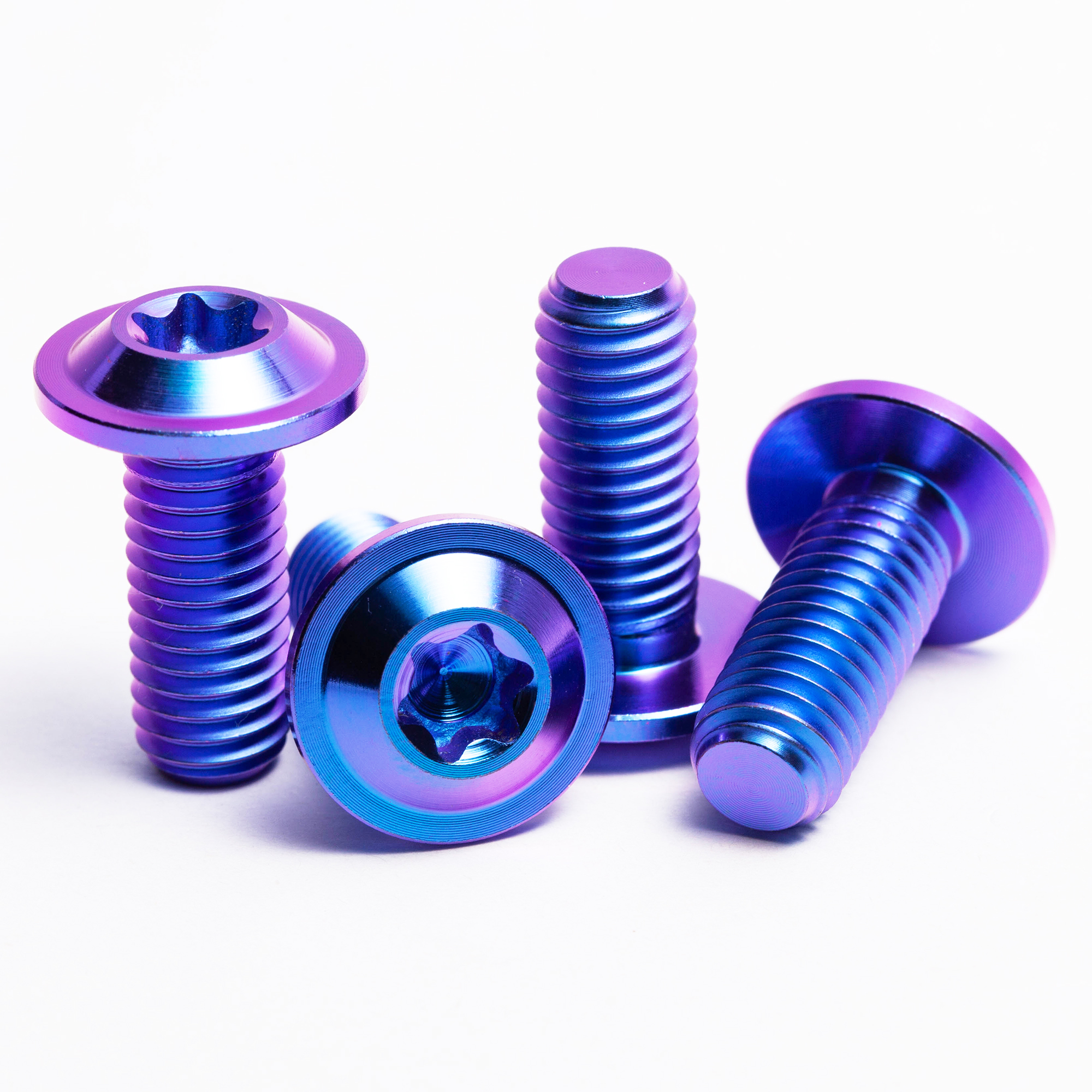
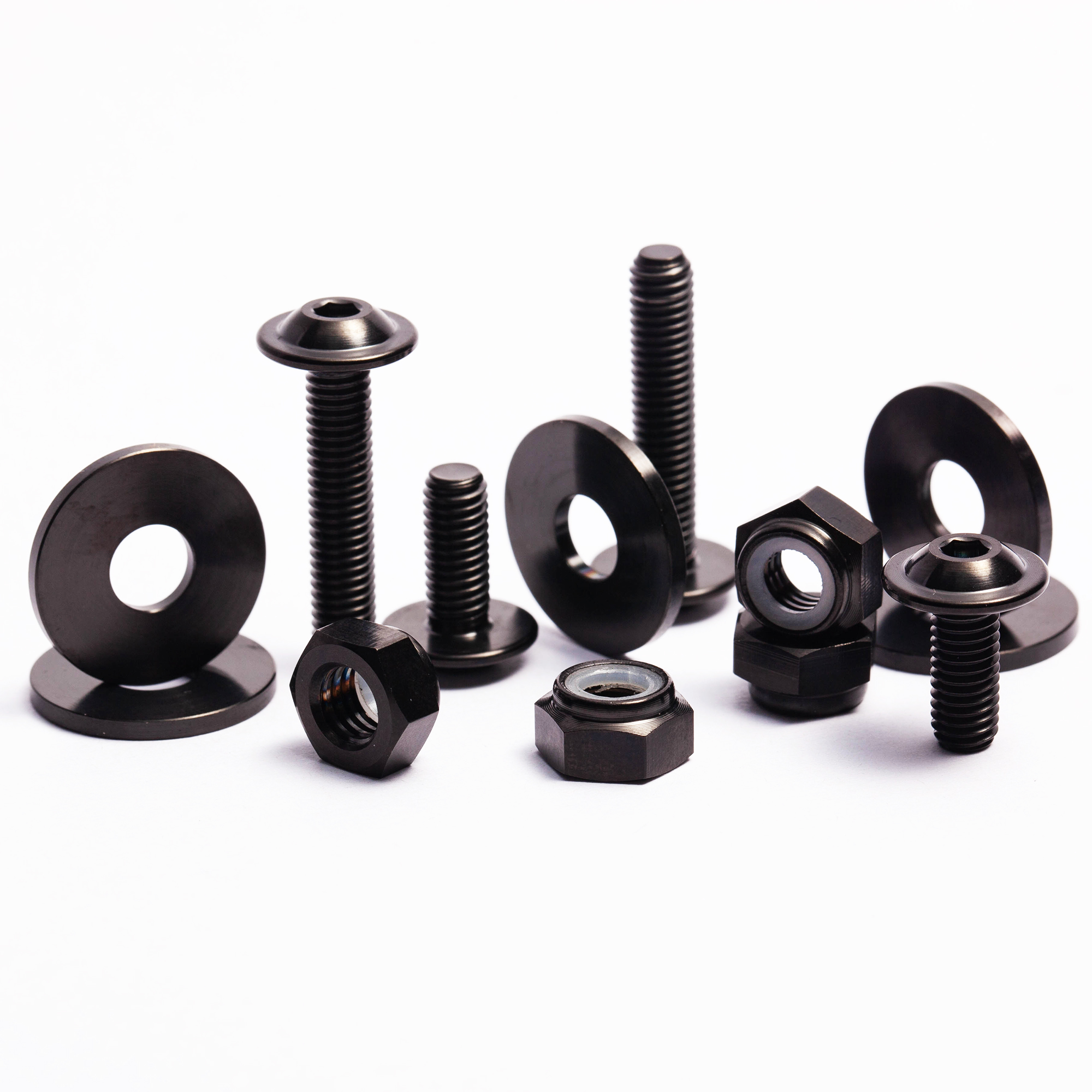
Manufactured from aerospace-grade Ti-6Al-4V (Grade 5) and commercial pure Grade 2 titanium alloys, combining high strength-to-weight ratios with exceptional corrosion immunity.
Evaluating Top Titanium 3D Printing Manufacturers: An Engineering Sourcing Framework
Additive manufacturing using reactive refractory alloys like titanium has shifted from rapid prototyping into mission-critical serial production. Selecting among the world’s top trusted titanium 3D printing manufacturers requires a nuanced understanding of metallurgical fidelity, thermal powder bed fusion kinematics, Hot Isostatic Pressing (HIP) thermal treatments, and secondary multi-axis subtractive tooling. Titanium alloys, predominantly Ti-6Al-4V Grade 5 (UNS R56400) and its extra-low interstitial variant Grade 23 (Ti-6Al-4V ELI), offer unmatched strength-to-weight ratios, operating capability at cryogenic to elevated temperatures (up to 400°C), and supreme galvanic isolation in saline environments.
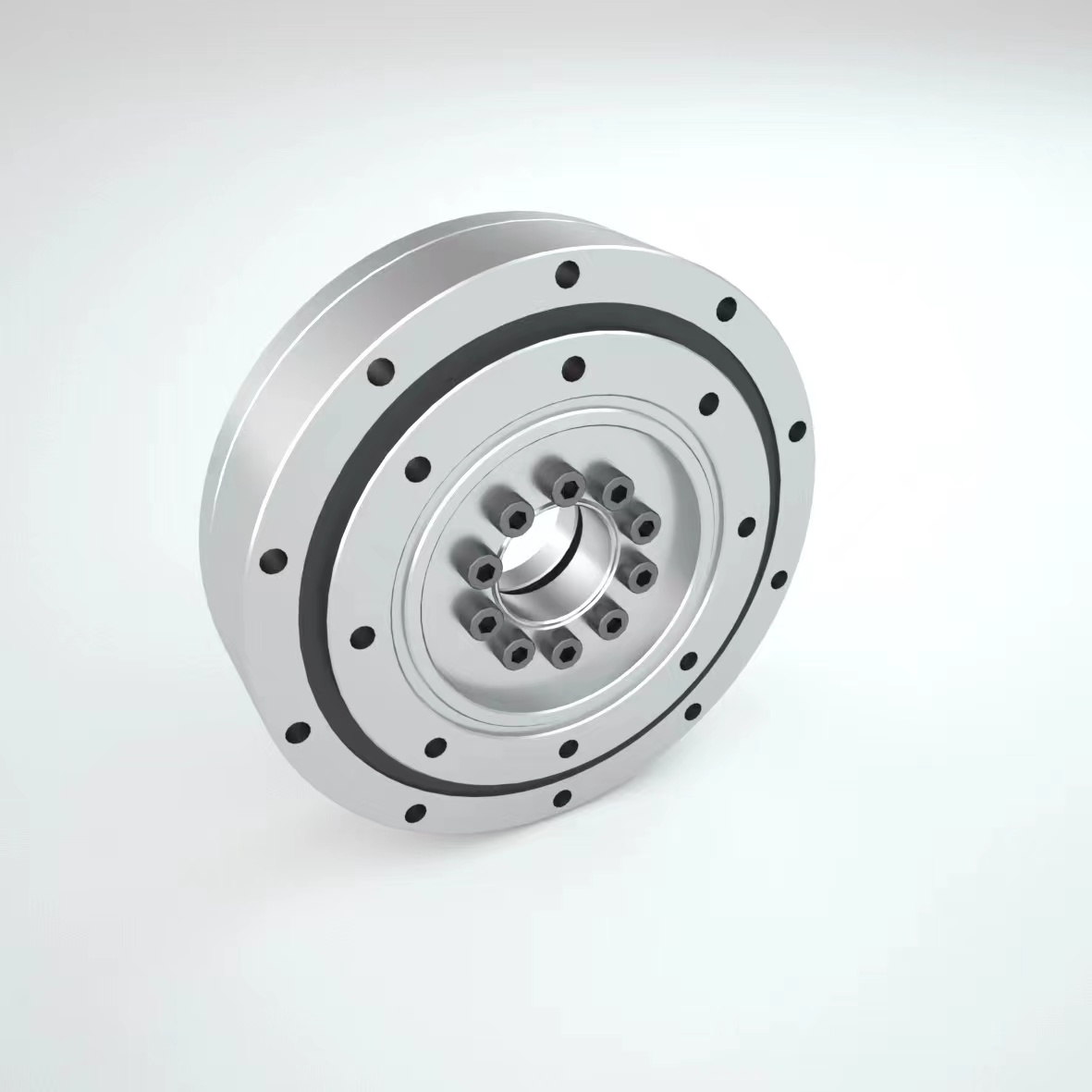
However, titanium is inherently reactive to atmospheric oxygen, nitrogen, and hydrogen at temperatures exceeding 427°C. An elite titanium 3D printing manufacturer must maintain strictly controlled inert atmospheric conditions (argon or vacuum) with oxygen levels under 100 parts per million (ppm) within the process chamber to prevent embrittling alpha-case layer formation. Furthermore, industrial components such as lightweight lattice disc brake bolts, hollowed race car fasteners, and harmonic reducer components require an unbroken digital thread from powder spherical morphology validation to post-build certified coordinate measuring machine (CMM) dimensional qualification.
Laser Powder Bed Fusion (LPBF / DMLS)
Delivers fine feature resolution (wall thicknesses down to 0.3mm) utilizing continuous wave ytterbium fiber lasers. Optimal for complex internal cooling channels, hydraulic manifold cores, and precision micro-lattice energy absorbers.
Electron Beam Melting (EBM)
Operates under high vacuum at elevated baseplate temperatures (650°C–700°C), virtually eliminating residual thermal stresses and minimizing the need for extensive support structures in bulky orthopedic and turbine blade geometeries.
Binder Jetting & Sintering (BJAM)
Enables ultra-high throughput batch production of small-to-medium parts. Although debinding and sintering cycles present volumetric shrinkage of 12% to 18%, digital sinter-compensation tools make it viable for commercial consumer EDC parts.
Material Mechanical Benchmark: 3D Printed vs. Wrought vs. CNC Machined
Engineers specifying titanium hardware must compare anisotropic mechanical properties across fabrication routes. Additively manufactured titanium components typically demonstrate higher yield strength than wrought equivalents in the as-built state due to rapid solidification creating a martensitic alpha-prime (α') micro-grain structure, but exhibit reduced elongation until subjected to annealing or Hot Isostatic Pressing (HIP).
| Alloy & Fabrication Route | Tensile Yield Strength (Rp0.2 MPa) | Ultimate Tensile Strength (Rm MPa) | Elongation at Break (A %) | Fatigue Endurance Limit (10^7 Cycles) | Post-Processing Mandate |
|---|---|---|---|---|---|
| LPBF Ti-6Al-4V (As-Built) | 1050 ± 50 | 1180 ± 60 | 7.5 ± 1.5% | 320 MPa | Stress Relief Required |
| LPBF Ti-6Al-4V (HIP Treated: 920°C, 100MPa) | 890 ± 30 | 980 ± 40 | 14.0 ± 2.0% | 580 MPa | Aerospace Standard (ASTM F2924) |
| EBM Ti-6Al-4V (Stress Relieved) | 840 ± 30 | 940 ± 30 | 12.5 ± 1.5% | 490 MPa | Annealed Microstructure |
| Wrought Bar & CNC Turned Gr5 (Annealed) | 828 Min | 895 Min | 10.0 Min | 510 MPa | Standard ASTM B348 / DIN 6921 |
| Pure Titanium Gr2 (Cold Formed / Turned) | 275 - 450 | 345 - 550 | 20.0 Min | 210 MPa | Chemical & Marine Hardware |
Future Procurement Trends in Titanium Additive Manufacturing
Procurement directors and mechanical systems integrators must align their supply chain architecture with major transformations occurring in the additive manufacturing ecosystem. Over the 2025–2030 horizon, titanium manufacturing will be defined by three critical purchasing vectors:
Multi-Laser Architecture & Larger Build Envelopes
Quad-laser and octo-laser LPBF systems have increased powder deposition rates from 20 cm³/h to over 150 cm³/h. This productivity shift reduces the per-gram manufacturing cost of titanium parts by 35% to 50%, transforming titanium 3D printing from an ultra-low-volume exotic process into a commercially feasible option for medium-volume automotive brake systems, chassis linkages, and bicycle frames.
Hybrid Manufacturing (AM Lattice + 5-Axis CNC Precision)
Raw 3D printed surfaces (Ra 6–15 μm) cannot fulfill the bearing journals, seal faces, or thread engagement tolerances needed in high-vibration applications. The gold standard for top suppliers is hybrid workcells: additive printing for organic topology optimization, paired with in-house 5-axis CNC machining centers to chase critical fits (±0.01 mm) and roll burnish thread roots to prevent fatigue crack initiation.
Recycled Powder Spherical Plasma Atomization
Closed-loop, argon-shielded powder recycling systems verify chemical composition (specifically tracking O2 and N2 ingress over 15 to 30 reuse cycles) through inert gas fusion testing. Advanced sourcing agreements now mandate explicit maximum re-use thresholds to protect against micro-porosity and brittle failure in dynamic structural components.
In-Situ Process Monitoring & AI Defect Detection
Modern selective laser machines feature on-axis melt-pool pyrometry and high-resolution optical tomography layer-by-layer. Top tier suppliers can provide buyers with a continuous digital quality twin of each serialized component, dramatically reducing third-party volumetric CT scanning expenses during procurement audits.
Why Partner with Wexra Titanium: Technical Advantages
Combining additive manufacturing flexibility with precision multi-axis CNC manufacturing, backed by ISO 9001:2015 quality management and complete metallurgical traceability.
ISO 9001:2015 Certified
Comprehensive lot traceability from virgin ingot / pre-alloyed powder to final surface passivations, verified with EN 10204 3.1 Material Test Reports (MTC).
±0.01 mm CNC Tolerances
Eliminate thread fit discrepancies and irregular surface roughness with in-house Swiss-lathe turning, 5-axis milling, and thread rolling equipment.
RoHS, REACH & UKCA
Export compliance ready for high-compliance jurisdictions across Germany, the United Kingdom, the United States, and Canada, including EPR registration.
Proprietary Surface Finishes
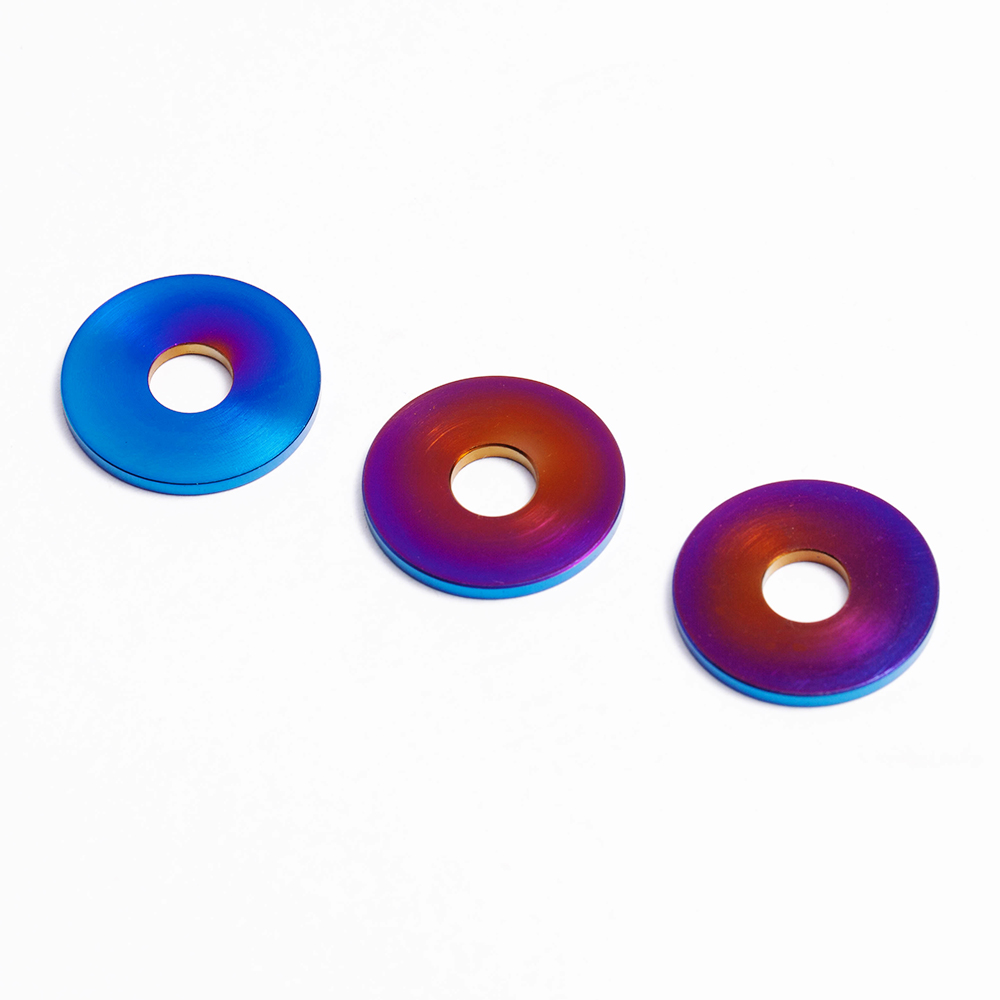
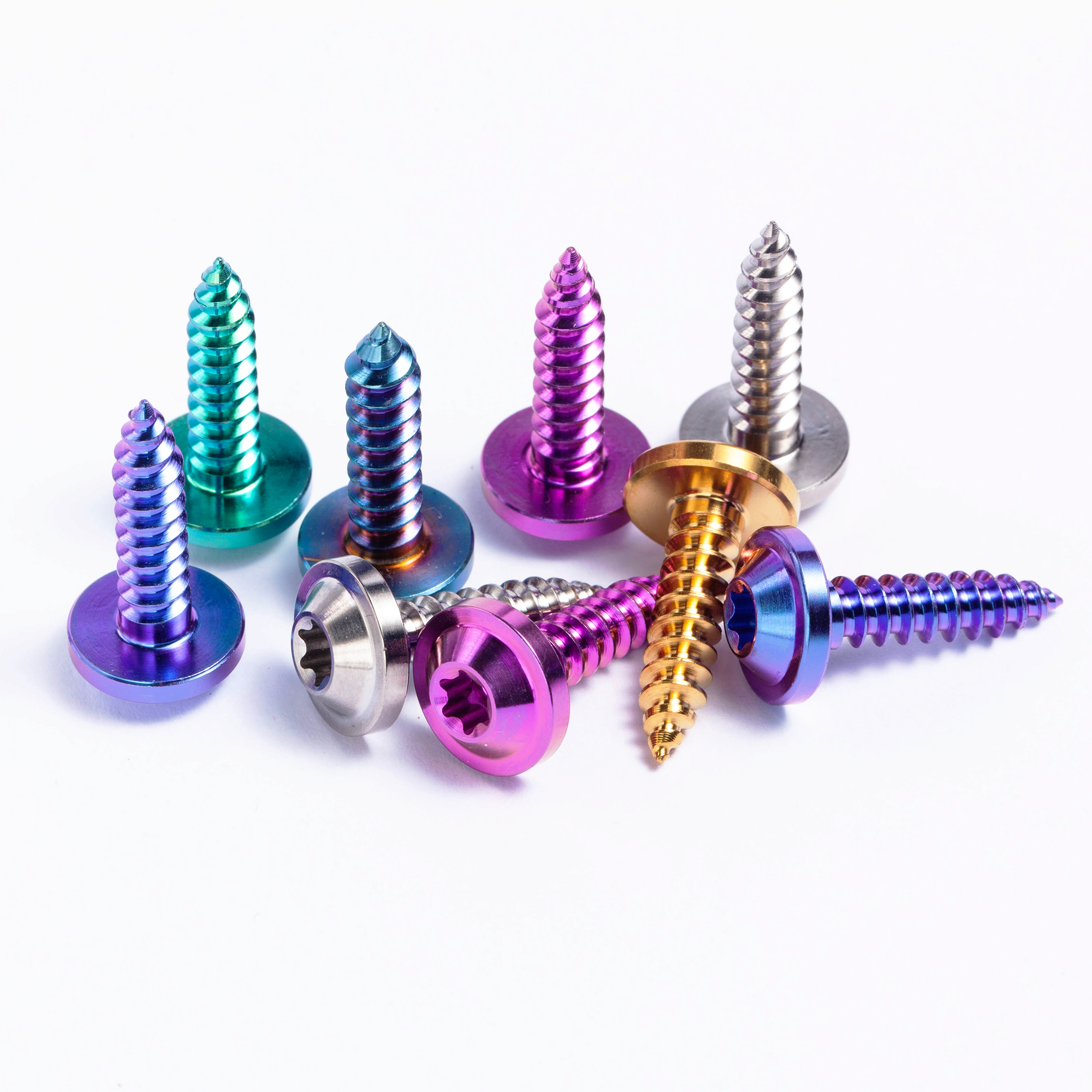
Electrochemical color anodizing (gold, violet, ice blue), micro-arc oxidation, bead-blasting, and vacuum vapor deposition (PVD) anti-galling coatings.
Frequently Asked Questions on Titanium 3D Printing & Custom Fasteners
Direct technical answers addressing porosity, fatigue resistance, material grades, and post-machining logistics.
Ready to Engineer Your Next-Gen Titanium Assemblies?
Submit your 2D drawings (DWG/PDF) or 3D STEP/IGES models. Our metallurgists and additive manufacturing engineers evaluate wall thicknesses, tolerance limits, and alloy choices within 8 hours.