Precision Titanium Fasteners & Hardware Components
Direct CNC-machined titanium components manufactured under strict ISO 9001:2015 quality parameters, CE compliance, and tested to endure aggressive saltwater spray environments.
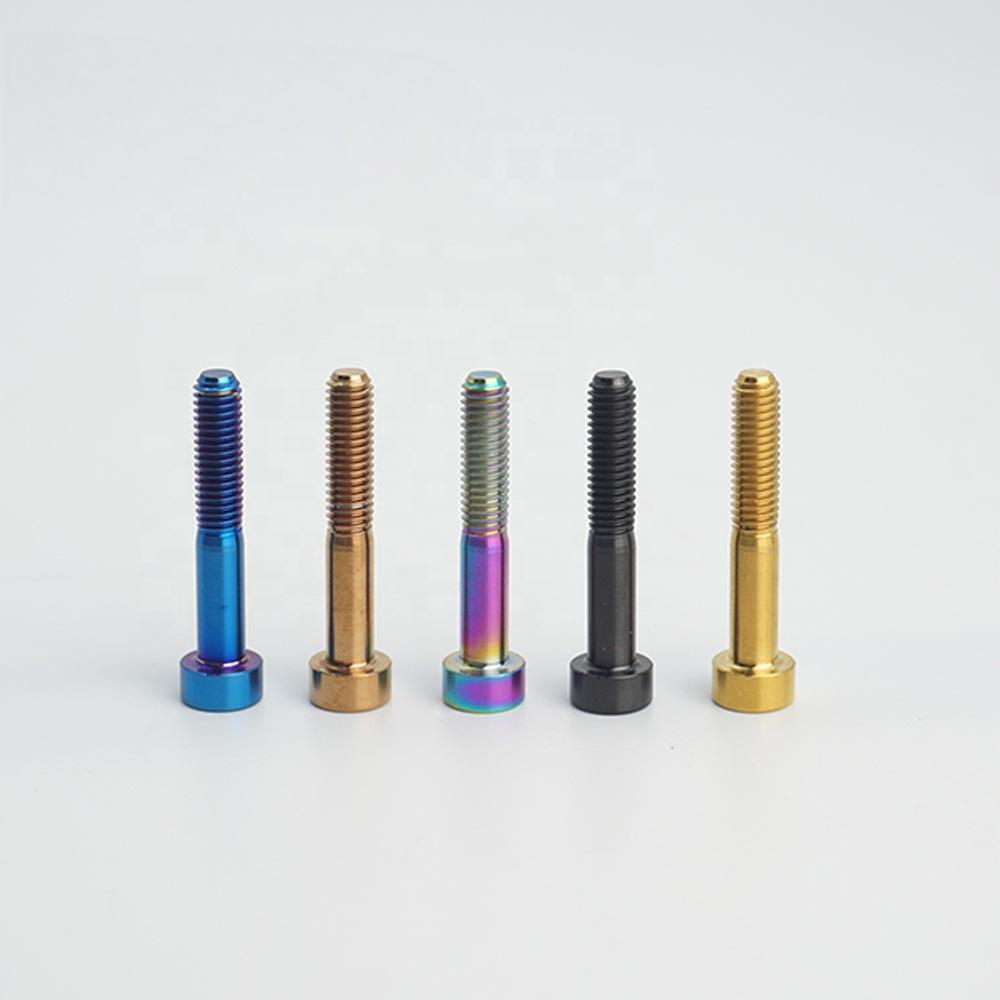
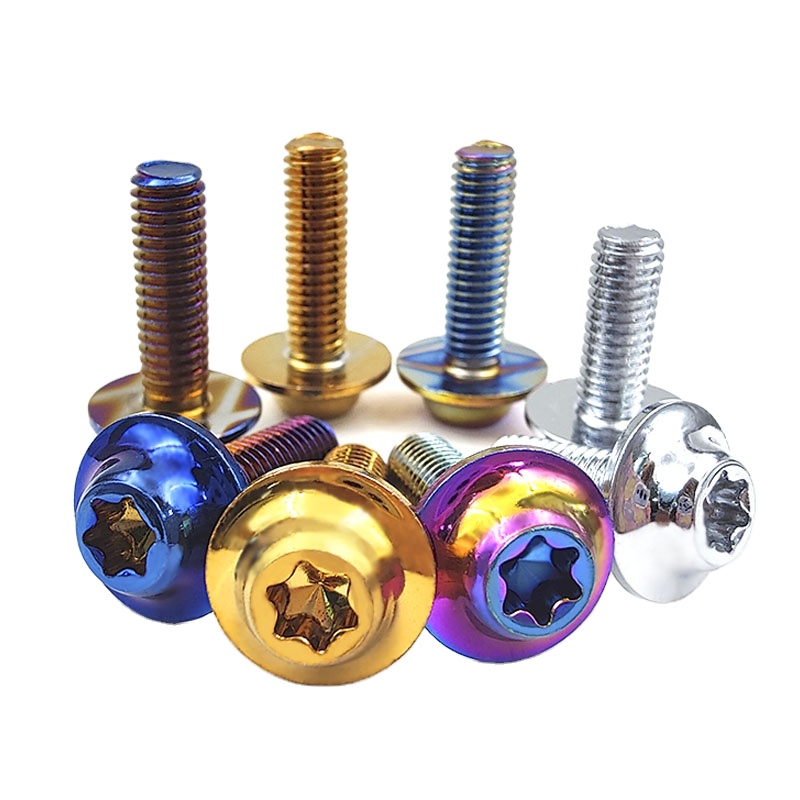
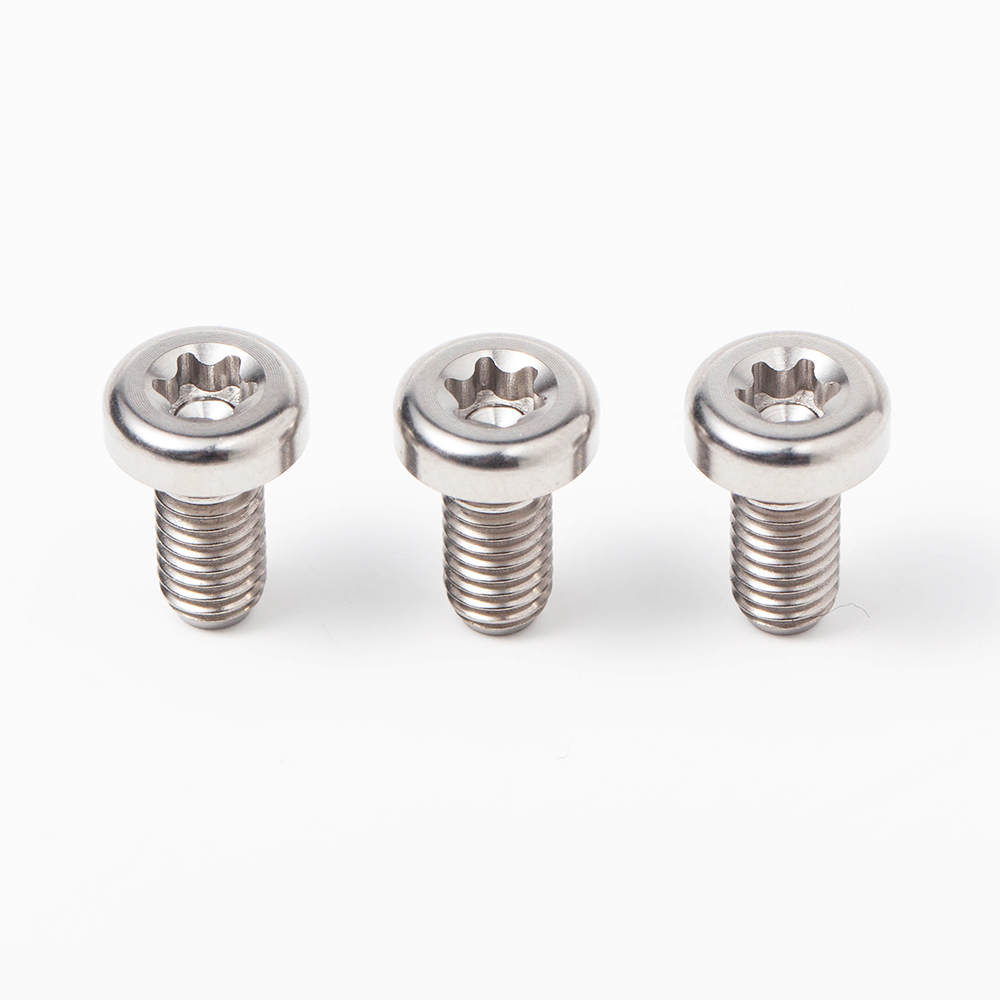
Marine Titanium Hardware Mechanics in Tropical High-Salinity Maritime Zones
Maritime operations originating from the southern coast of Antigua and Barbuda—anchored by the historic nautical and yachting infrastructure directly adjacent to Liberta, notably Falmouth Harbour and English Harbour—encounter some of the planet's most aggressive ambient marine environments. The convergence of year-round tropical sea surface temperatures exceeding 29°C (84°F), continuous trade-wind aerosolization of concentrated chlorides (35,000 to 38,000 ppm TDS), and persistent ultraviolet irradiation accelerates thermodynamic electrochemical attack on traditional marine-grade metals.
For decades, superyacht skippers, naval architects, and refit project directors operating out of Saint Paul Parish have battled the inherent metallurgical limitations of austenitic stainless steels (such as AISI 304 and AISI 316/316L) and nickel-aluminum bronzes. Under stagnant seawater conditions—commonly found underneath submerged deck washers, threaded chainplate bolts, rudder gland packings, and keel trunk fasteners—austenitic stainless steels suffer from rapid oxygen depletion. This disrupts their localized chromium oxide (Cr&sub2;O&sub3;) passive boundary layer, inducing catastrophic crevice corrosion pitting and chloride-induced stress corrosion cracking (SCC) without visible macroscopic warning.
Thermodynamic Stability of the Rutile/Anatase Passive Film (TiO&sub2;)
Titanium and its alpha-beta structural alloys—predominantly Grade 5 Titanium (Ti-6Al-4V, UNS R56400) and commercially pure Grade 2 Titanium (UNS R50400)—exhibit an entirely different thermodynamic relationship with warm seawater electrolytes. Upon mechanical exposure to dissolved oxygen or trace moisture, titanium spontaneously forms an adherent, dense, and chemically non-reactive titanium dioxide (TiO&sub2;, primarily in the rutile and anatase crystallographic forms) barrier layer.
Unlike stainless steels where pitting resistance is reliant on chromium content and vulnerable to chloride ion penetration, titanium's oxide film instantaneously self-heals within milliseconds even at low dissolved oxygen levels down to a few parts per billion. In long-term subsea exposure trials conducted across Atlantic and Caribbean basin waters, Grade 5 and Grade 2 titanium demonstrate a measurable corrosion rate of 0.0000 mm per year, surviving unaffected by continuous immersion, high-velocity seawater impingement, cavitation, and micro-fouling colonization.
Quantitative Comparison: Marine Fastener Materials
Direct structural and electrochemical performance data comparing Grade 5 Titanium against conventional marine stainless steels and marine structural alloys under warm hyper-saline conditions.
| Mechanical & Chemical Metric | Ti-6Al-4V (Grade 5 Titanium) | CP-Ti Grade 2 (Unalloyed) | AISI 316L Stainless Steel | Nitronic 50 (XM-19) | Silicon Bronze (C65500) |
|---|---|---|---|---|---|
| Density (ρ) | 4.43 g/cm³ | 4.51 g/cm³ | 8.00 g/cm³ | 7.88 g/cm³ | 8.53 g/cm³ |
| Yield Strength (Rρ0.2) | 880 - 950 MPa | 275 - 350 MPa | 220 - 290 MPa | 415 - 550 MPa | 240 - 380 MPa |
| Tensile Strength (Rm) | ≥ 950 MPa | ≥ 450 MPa | 500 - 650 MPa | 690 - 900 MPa | 450 - 580 MPa |
| Strength-to-Weight Ratio | 214 kN·m/kg | 77 kN·m/kg | 36 kN·m/kg | 70 kN·m/kg | 44 kN·m/kg |
| Seawater Crevice Pitting Immunity | Absolute (< 250°C) | Absolute (< 80°C) | Severe Risk (> 15°C) | Moderate Resistance | Susceptible to De-alloying |
| Galvanic Couple with Carbon Fiber | Compatible (Zero Gap ΔE) | Compatible (Zero Gap ΔE) | High Cell Potential (Pits) | Partial Galvanic Activity | Rapid Selective Attack |
| Magnetic Permeability (μ) | 1.00005 (Fully Non-Mag) | 1.00005 (Fully Non-Mag) | 1.008 (Increases cold-worked) | 1.004 (Low) | 1.000 (Non-Magnetic) |
| CE Scantling Directive Status | CE / ISO 12215-5 Compliant | CE / ISO 12215-5 Compliant | Standard CE Baseline | Custom Approval | CE Class Approved |
Localized Application Scenarios Across the Liberta Naval Hub
Connecting engineering design directly to the high-demand superyacht, catamaran, and racing yacht operations centered around Saint Paul Parish, Falmouth Harbour, and Nelson's Dockyard.
High-Modulus Carbon Rigging & Chainplates
Modern carbon-fiber composite masts and standing rigging systems frequently dock in Falmouth Harbour for mid-season tuning. Direct coupling between carbon composites and stainless steel hardware generates an aggressive galvanic corrosion cell (with an electrode potential differential > 0.6V). Our Grade 5 titanium deck chainplates, stay clevis pins, and toggle bolts feature an electrochemical rest potential closely aligned with conductive carbon graphite, completely neutralizing galvanic blistering, composite delamination, and pin seizure.
Below-the-Waterline Thru-Hulls & Gudgeons
Submerged structural fittings in the Caribbean operate continuously under severe thermodynamic stress. Commercial charter vessels and private mega-yachts utilizing Liberta engineering workshops specify our Grade 2 commercially pure and Grade 5 titanium sea cocks, engine raw-water intake scoops, rudder gudgeon pintles, and trim tab actuator pivots. Because titanium forms no galvanic battery against bronze props or stainless shafts when isolated correctly, it eliminates the necessity for zinc sacrificial anode renewal on surrounding hull hardware.
Grand Prix Racing Winch Anchors & Deck Tracks
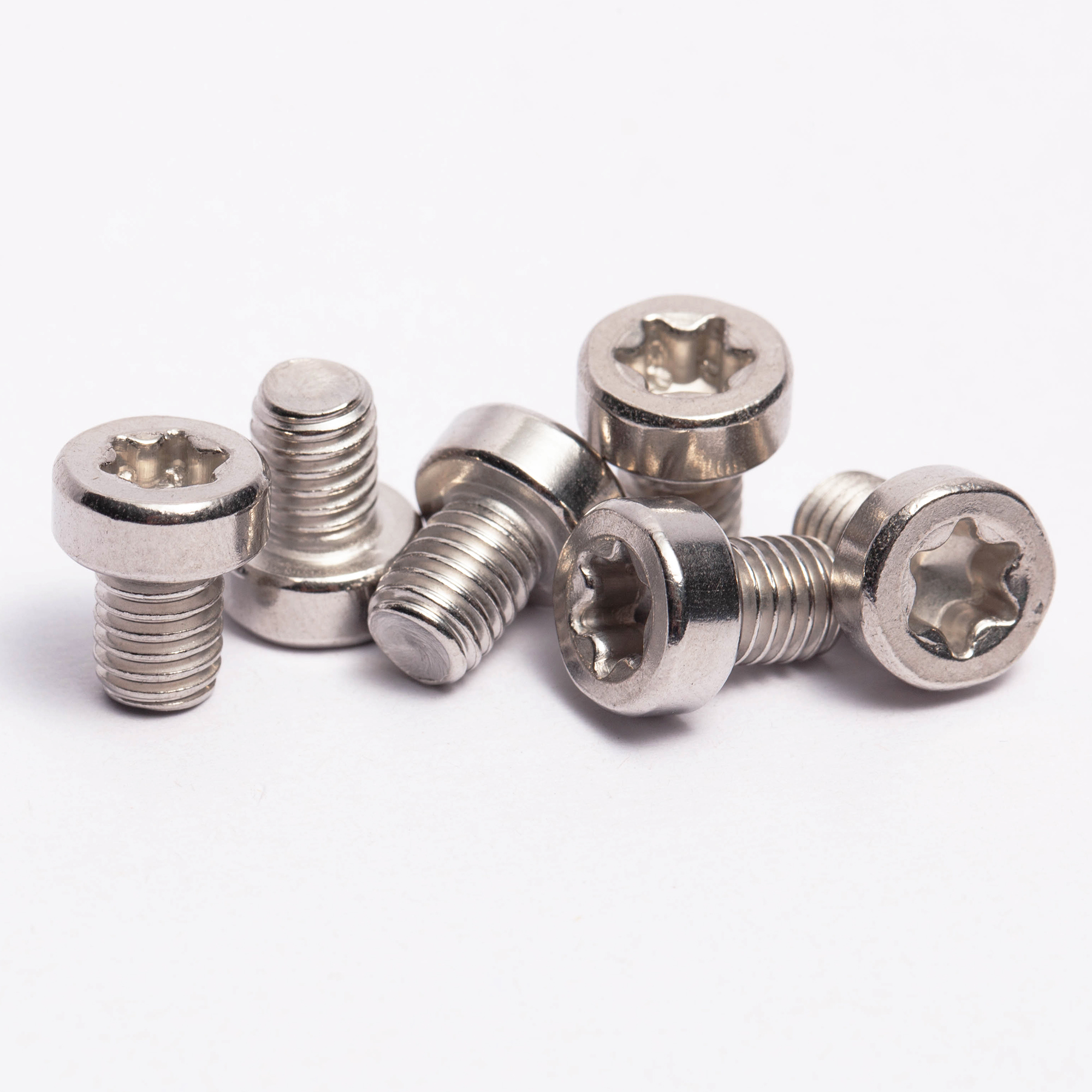
In preparation for marquee Caribbean racing circuits including Antigua Sailing Week and the RORC Caribbean 600, offshore racing syndicates seek aggressive weight optimization above the center of gravity. Wexra's precision CNC-machined Grade 5 button head and step torx flange fasteners provide class 12 structural holding torque on high-load deck winches, jib sheet tracks, and spinnaker pad-eyes while reducing topside hardware weight by 44% to 47% compared to traditional class 10.9 steel or 316 stainless equivalents.
Technological & Procurement Trends Shaping the Local Marine Sector
Understanding how decarbonization, mega-yacht retrofitting, and international classification rules drive titanium adoption across the Antigua and Barbuda yachting hub.
Zero-Maintenance Lifecycle Mandates
Yacht fleet managers and management companies headquartered around English Harbour and Falmouth are phasing out traditional 24-month stainless bolt inspection and dye-penetrant testing schedules. Transitioning primary load-path fasteners to Grade 5 titanium converts deck hardware into an installation that matches the hull's operational lifespan, vastly decreasing drydock downtime costs.
CE & ISO 12215 Harmonization
Recreational craft operating within European and British Caribbean territories increasingly demand CE marking under the Recreational Craft Directive (2013/53/EU). Our hardware adheres strictly to ISO 12215-5 scantling calculations for craft hulls and structural components, guaranteeing seamless surveyor sign-offs during mandatory annual flag-state maritime audits.
Advanced Surface Anodization
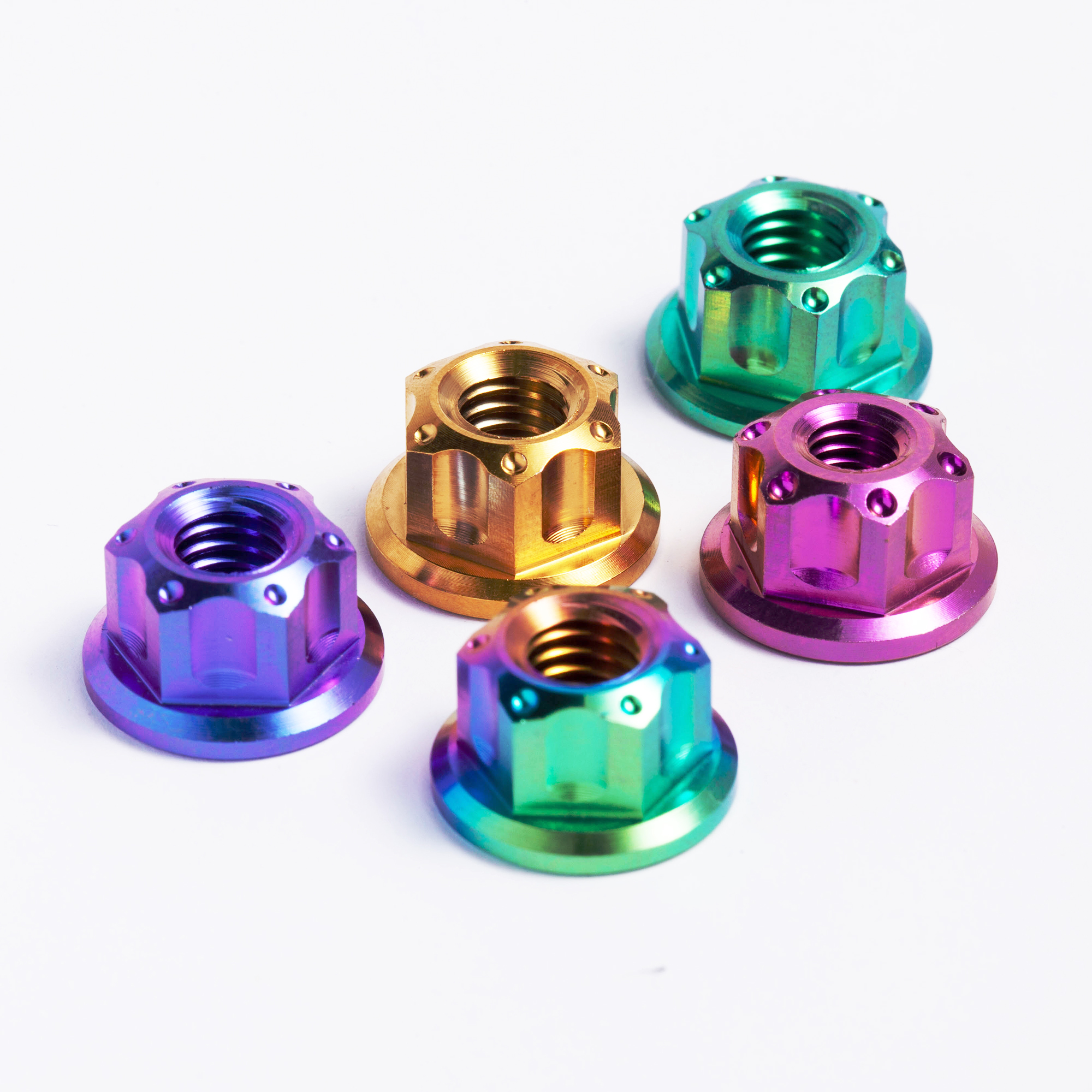
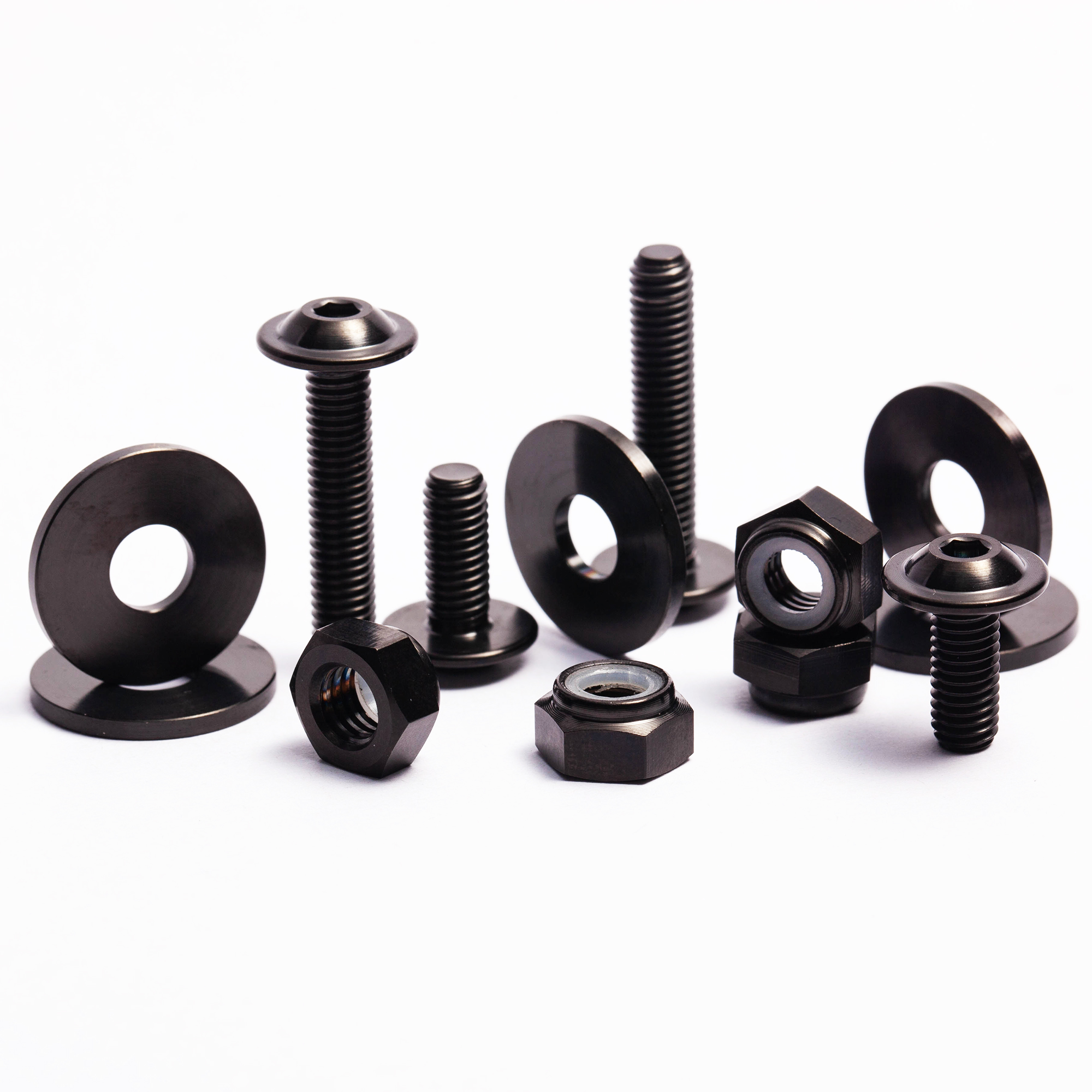
Beyond natural micro-milled and polished finishes, local captains and custom yacht designers are deploying electrochemical Type II and Type III titanium anodizing. Anodized oxide films—including violet, deep bronze, gold, and stealth black oxide—deliver enhanced micro-hardness against line abrasion while providing color-coded visual identification for quick rigging load ratings during offshore maneuvers.
Rapid Airfreight & Yard Delivery
With seasonal racing timetables permitting zero tolerance for supply-chain bottlenecks, shipwrights in Liberta require rapid dispatch capabilities. Wexra maintains direct air cargo integrations with V.C. Bird International Airport (ANU), ensuring that customized titanium CNC fasteners reach local boatyards within 72 to 96 hours of expedited production sign-off.
Frequently Asked Questions by Caribbean Marine Surveyors & Riggers
In-depth technical answers addressing installation mechanics, thread galling mitigation, certification, and shipping to the Saint Paul Parish and English Harbour maritime corridor.
How does titanium hardware mitigate galling during high-torque rigging installation?
Titanium alloys, like stainless steels, possess a cohesive native oxide layer that can lead to cold-welding (galling) under extreme contact pressure and dry friction. For marine installations across Liberta and Falmouth shipyards, Wexra recommends utilizing rolled-thread Grade 5 bolts combined with nickel-free marine fluoropolymer anti-seize lubricants (such as PTFE-based compounds or Tef-Gel). Additionally, our factory offers molybdenum disulfide (MoS&sub2;) micro-coatings and specialized surface passivation that increase thread surface lubricity by over 38%, ensuring accurate torque-to-tension conversion without thread seizure.
What CE and mill quality documentation accompany our marine titanium orders?
Every fastener batch dispatched to the Liberta market is accompanied by an authenticated EN 10204 3.1 Inspection Certificate. This dossier provides complete quantitative traceability back to the primary melt, detailing optical emission spectrometry (OES) chemical composition analysis, tensile yield testing, percent elongation, and ultrasonic defect screening results. Full compliance certificates under CE Machinery and Recreational Craft directives, as well as RoHS and REACH declarations, are furnished with your commercial export documentation.
Can titanium fasteners be safely isolated against existing bronze or aluminum components?
Yes. While titanium is cathodic (noble) compared to aluminum and bronze, galvanic coupling is easily neutralized through engineered isolation. When retrofitting titanium fasteners through aluminum mast spars or bronze thru-hull flanges in Caribbean waters, non-conductive dielectric isolating washers and sleeves manufactured from Delrin (POM), virgin PTFE, or glass-filled nylon must be installed. This physical barrier breaks the galvanic circuit, completely preventing galvanic corrosion on the adjoining base metals.
What are the typical lead times and logistics routes to Liberta, Antigua?
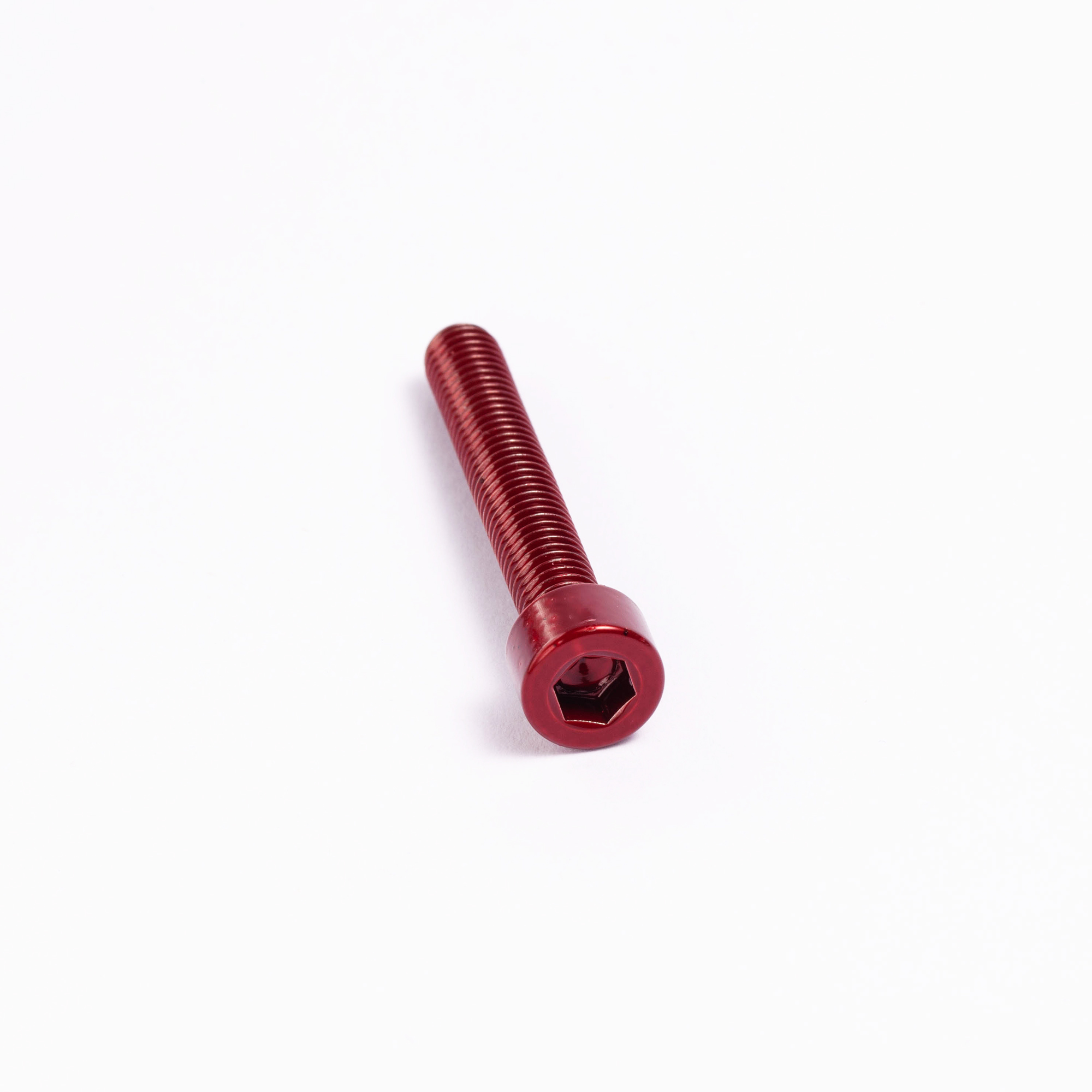
Standard catalog items—including DIN 912 socket head bolts, DIN 934 hex nuts, and ISO 7380 button head screws in metric and UNF threads—are maintained in continuous buffer inventory and ship within 24 to 48 hours. Custom CNC-machined components based on CAD drawings or physical boatyard samples require 10 to 18 business days for precision tooling, multi-axis machining, and passivation. Direct international courier air express connects directly into Antigua (ANU) with door-to-yard customs clearing support.
Why Marine Engineers & Refit Yards Rely on Wexra Titanium
Operating from our modernized manufacturing center, Jiaxing Wexra Titanium Products Co., Ltd. delivers aerospace-grade precision directly to global marine distributors and maritime repair yards.
ISO 9001:2015 Quality System
Founded in 2018 with a 100% dedicated focus on titanium and advanced alloy fabrication, our facilities operate under strict ISO 9001:2015 quality control parameters. Every fastener, nut, washer, and custom structural turning undergoes rigid incoming raw bar spectroscopy, in-process CMM inspection, and final thread profile gauging to guarantee zero dimensional deviations on critical yachting assemblies.
High-Precision CNC & Thread Rolling
Unlike conventional suppliers who machine threads by cutting (which severs grain structure and reduces fatigue endurance), Wexra utilizes heavy-duty cold thread-rolling processes. This continuous metal grain flow imparts extreme resistance to cyclic wave shock and vibration-induced loosening. Our multi-axis CNC centers consistently maintain tolerances down to ±0.01 mm across both metric and imperial thread profiles.
Export Track Record & Compliance
With an export delivery ratio exceeding 91%, Wexra Titanium ships regularly to high-specification marine and industrial buyers in the United States, Germany, the United Kingdom, and across the Caribbean yachting circuit. We participate actively in premier marine exhibitions such as EUROBIKE and international industrial expos, providing dedicated English-language technical support from qualified fastener engineers.
Initiate Your Marine Titanium Hardware Specification
Consult with our naval fastener engineering team to review 2D/3D CAD drawings, calculate scantling load capacities, request material test certificates (MTC), or secure bulk wholesale pricing tailored for Liberta and Caribbean refit projects.