Engineered Titanium Components & Fasteners Catalog
Precision-machined Grade 2 and Grade 5 (Ti-6Al-4V) components designed to withstand harsh chemical processing, high chloride salinity, and extreme mechanical pressures.
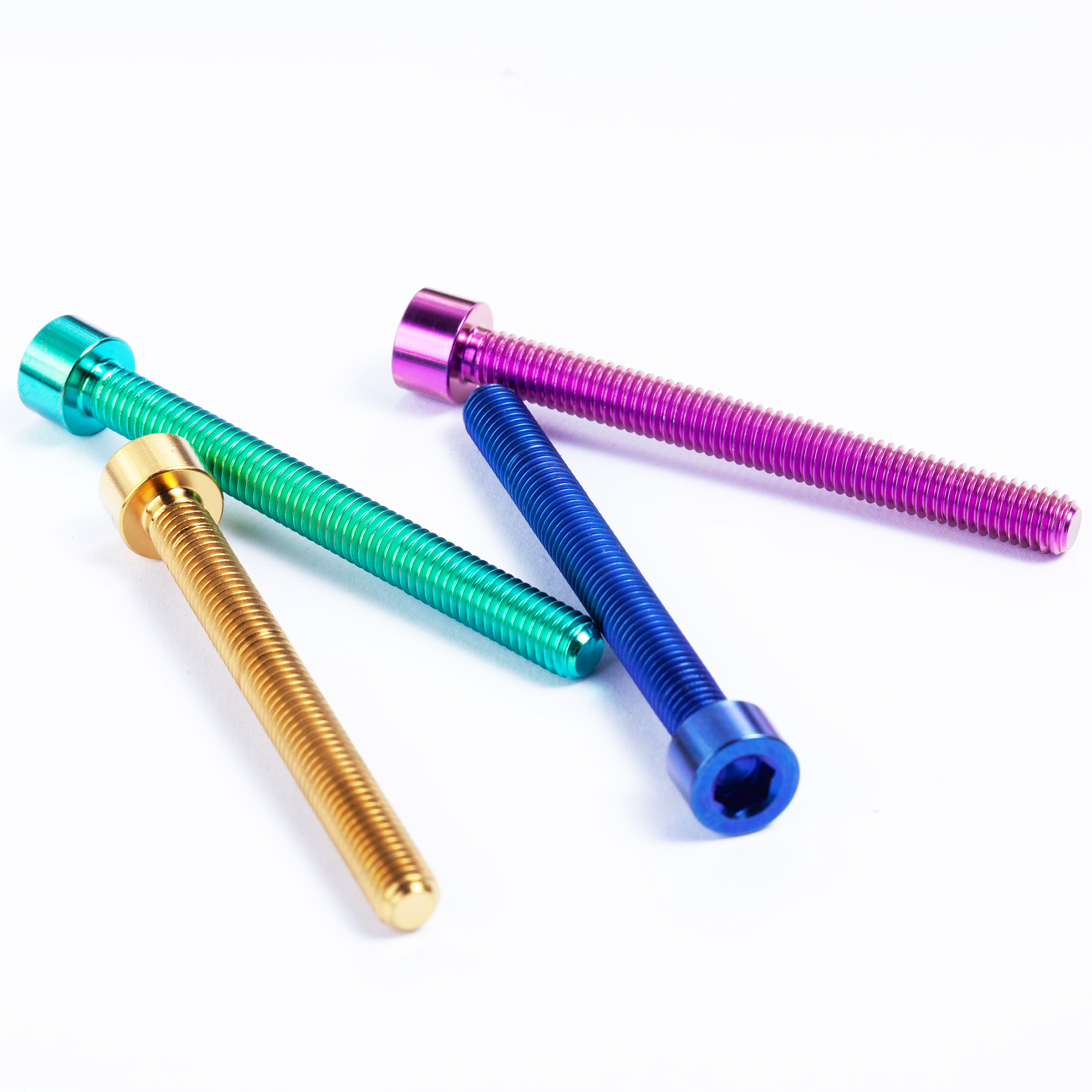
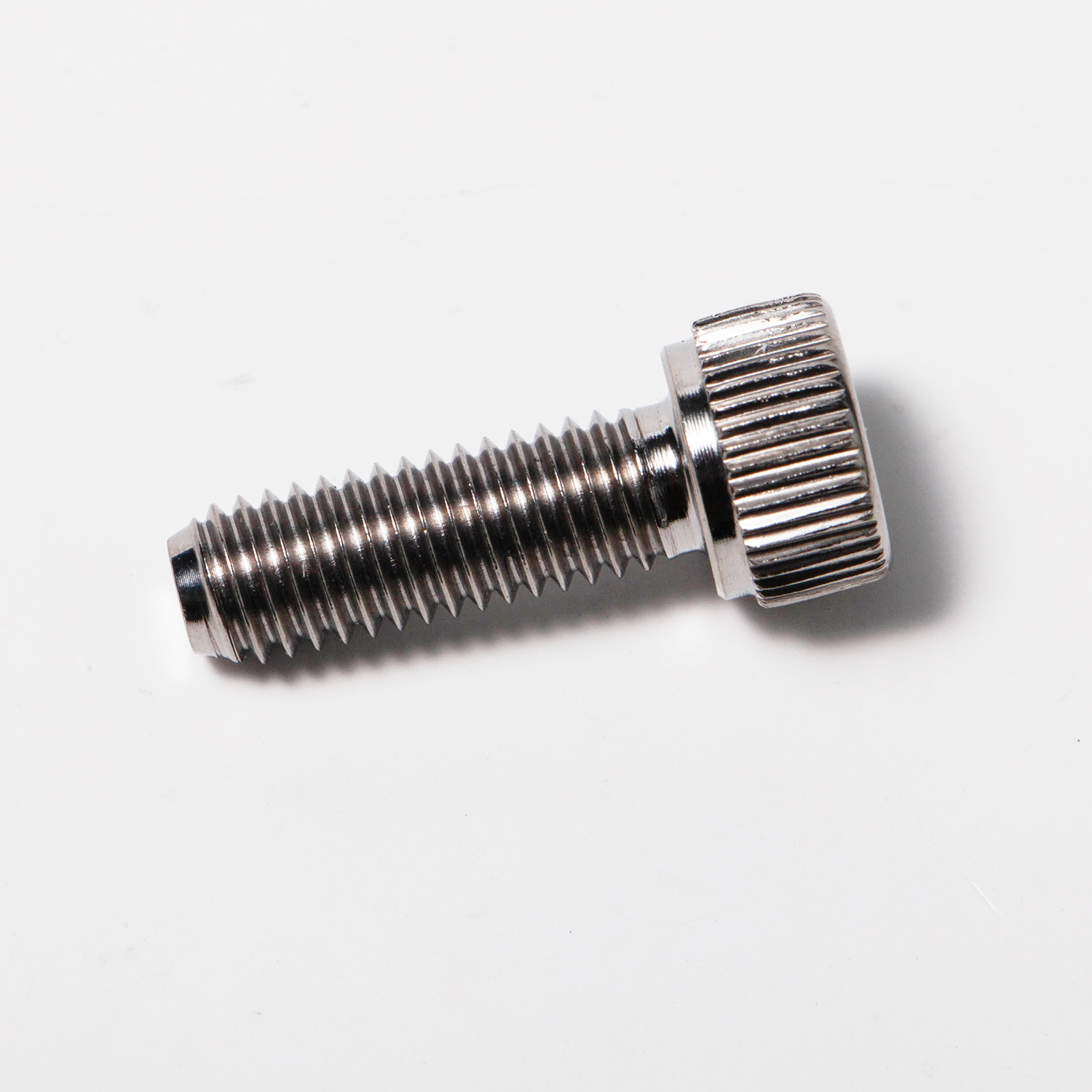
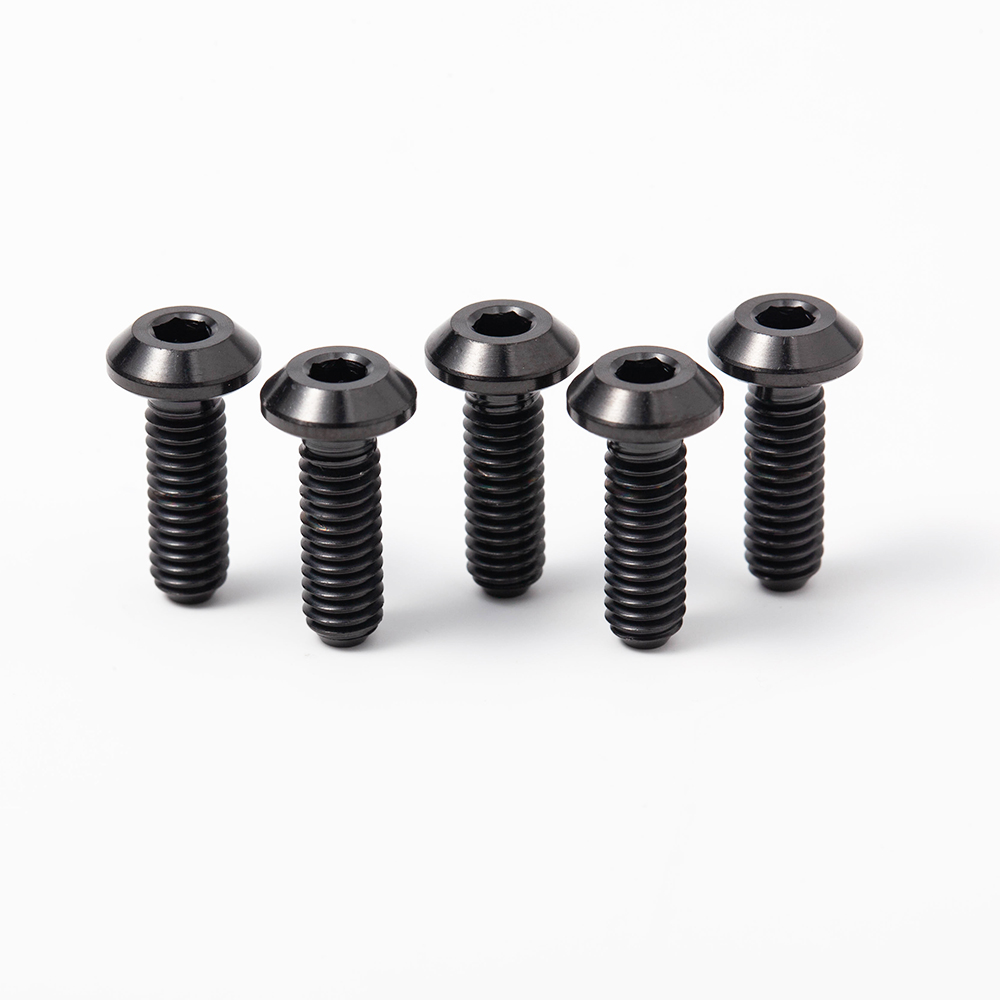
±0.01mm
CNC Valve Stem Precision
895+ MPa
Gr5 Ultimate Tensile Yield
100%
CE & ISO 9001:2015 Traceability
≤ 8 Hours
Engineering Response Window
Technical Whitepaper: Industrial Titanium Valve Engineering for the Portmore Industrial Axis
Operating within coastal industrial corridors such as the Portmore and Kingston Harbour industrial zones presents exceptional metallurgical demands. The confluence of high atmospheric salinity, severe humidity, and intense chemical processing—including petrochemical refining, alumina processing, wastewater reclamation, and commercial marine transshipment—renders conventional austenitic stainless steels (such as AISI 304 and 316L) vulnerable to stress corrosion cracking (SCC) and rapid pitting corrosion.
As a verified CE Certified Titanium Chemical Valve Manufacturer and Supplier, Jiaxing Wexra Titanium Products Co., Ltd. delivers high-integrity flow control solutions engineered from pure Grade 2 (ASTM B348 / B381) and alpha-beta Grade 5 (Ti-6Al-4V) titanium. Our chemical valves, shut-off assemblies, disc check systems, and pressure-rated flange bolting are precision-machined to mitigate catastrophic failures caused by aggressive acids, wet chlorine, bleach solutions, and high-velocity sea cooling water.
Metallurgical Superiority: Why Titanium Outperforms Stainless Steel & Nickel Alloys
Titanium derives its near-complete chemical passivity from the immediate, spontaneous formation of a tenacious, self-healing rutile-anatase titanium dioxide (TiO2) film upon exposure to oxygen or trace moisture. Unlike chrome-oxide passivated steels, this ceramic-like boundary layer remains stable across an exceptional pH window (ranging from pH 2 to 12) and resists localized breakdown under chloride concentrations exceeding 30,000 ppm at elevated operational temperatures.
| Material Specification | Yield Strength (MPa) | Density (g/cm³) | Resistance to Wet Cl2 & Sea Saline | Stress Corrosion Cracking (SCC) | Designated Portmore System Application |
|---|---|---|---|---|---|
| Titanium Grade 2 (CP-3) | 275 - 345 | 4.51 | Immune (<130°C) | Virtually Zero Risk | Chemical dosing lines, chlor-alkali systems, scrubber valves |
| Titanium Grade 5 (Ti-6Al-4V) | 828 - 895 | 4.43 | Immune (Ambient/Med) | Zero under designated torque | High-pressure hydraulic valves, actuator shafts, flanged manifolds |
| Stainless Steel 316L | 220 - 310 | 7.98 | Poor (Prone to crevice/pitting) | High vulnerability >60°C | Auxiliary water, non-critical low-saline lines only |
| Super Duplex (2507) | 550 | 7.80 | Moderate to High | Moderate under fatigue cycle | Offshore production, heavier structural pipelines |
When engineering chemical valves for continuous cycle lines, weight reduction is not merely an efficiency parameter—it directly dictates actuator longevity and seismic/vibration resilience. Titanium’s 4.43–4.51 g/cm³ density achieves roughly a 44% weight reduction compared to class 10.9 steel or 316 stainless valves, significantly reducing mechanical moments on welded manifold flanges during hydraulic water-hammer events.
Localized Application Scenarios in the Portmore & Southern Jamaica Region
Portmore’s unique positioning between Kingston Harbour’s maritime logistics network, extensive municipal infrastructure upgrades, and nearby southern manufacturing hubs makes durable fluid management vital. Engineering procurement specialists deploy our CE-marked titanium chemical valves and precision CNC hardware across four primary regional sectors:
Marine Transshipment & Desalination
Seawater reverse osmosis (SWRO) facilities and harbor vessel servicing systems utilize our Grade 2 titanium ball, check, and globe valves to counter cavitation, bio-fouling, and pitting caused by micro-aerated seawater and brackish harbor channels.
Chemical Dosing & Chlor-Alkali Plants
Sodium hypochlorite, caustic soda, and chlorine-rich bleaching streams degrade standard nickel and copper-based valves within months. Our solid titanium valve bodies guarantee zero leak rates and uninterrupted operation in harsh chemical environments.
Heavy Industrial Power & Refining
Thermal power units and industrial processing utilities in the Greater Kingston and Portmore area require high-strength Ti-6Al-4V stem bolts, high-pressure bypass trims, and flow regulating throttles capable of surviving steady cyclic thermal shifts up to 350°C.
Emerging Procurement Trends in Portmore's Industrial Valve Sector
Procurement strategies in the Caribbean basin have undergone a fundamental shift over the past half-decade. Engineering executives and facility maintenance directors are moving decisively away from initial-purchase-price calculations toward comprehensive Total Cost of Ownership (TCO) and lifecycle reliability frameworks:
1. Lifecycle Optimization over Recurrent Replacements: While initial capital expenditure for ASTM Grade 2 or Grade 5 titanium valves exceeds standard 316 stainless or brass alternatives, the replacement cycles in high-saline coastal settings average 12 to 18 years for titanium, compared to only 18 to 36 months for conventional alloys. In continuous process lines, the downtime expense of a single unscheduled valve changeout frequently dwarfs the initial valve purchase cost.
2. Tightening Environmental and Safety Compliance: Portmore’s proximity to sensitive coastal estuaries and urban residential zones has driven strict implementation of fugitive emission standards. CE-marked, pressure-tested titanium valves prevent toxic chemical line weepage, ensuring compliance with both local environmental protections and international safety protocols (ISO 15848 fugitive emissions).
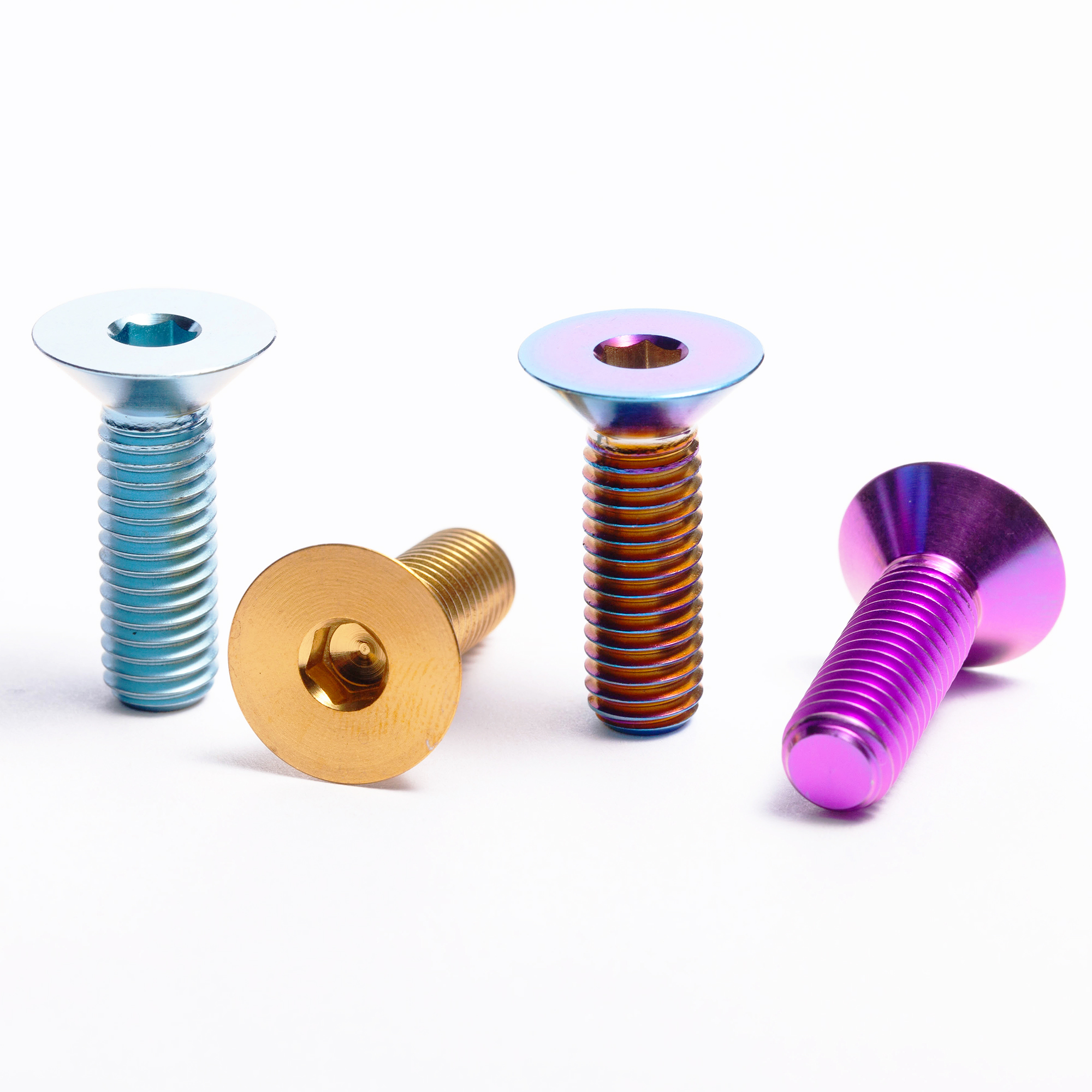
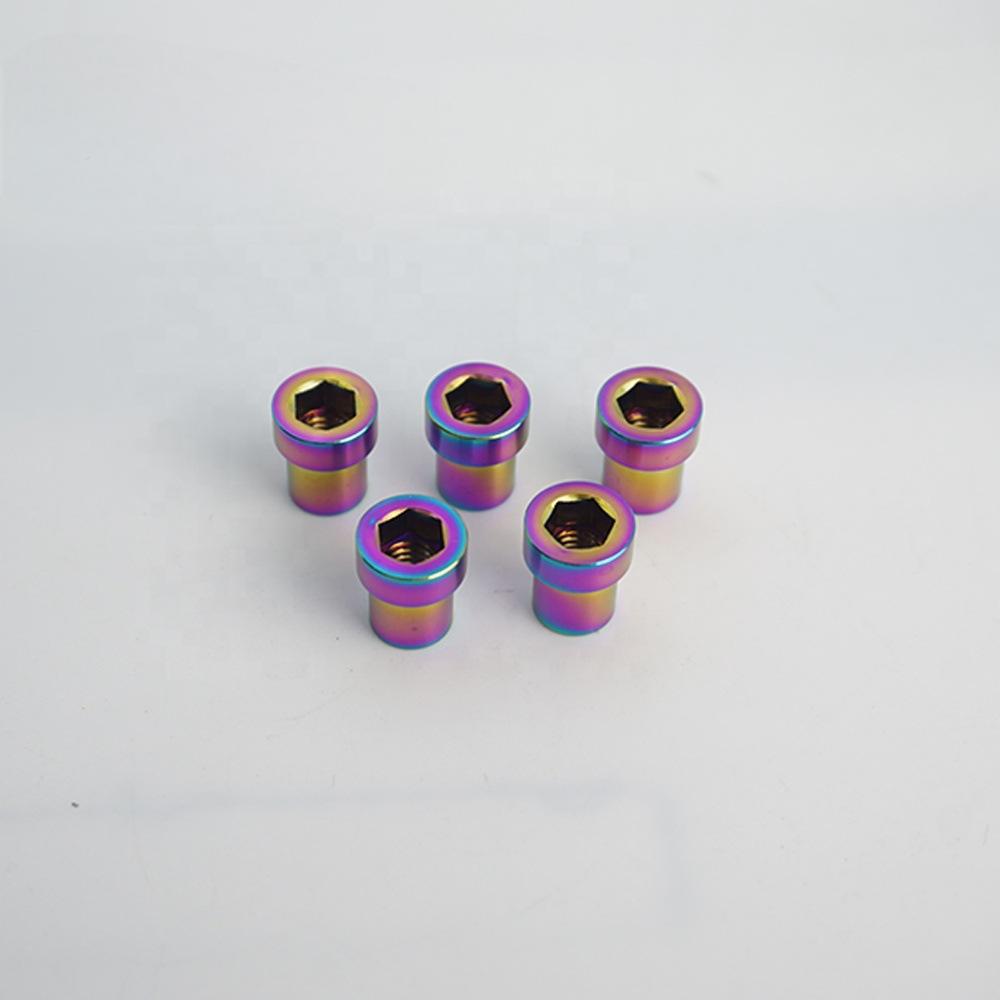
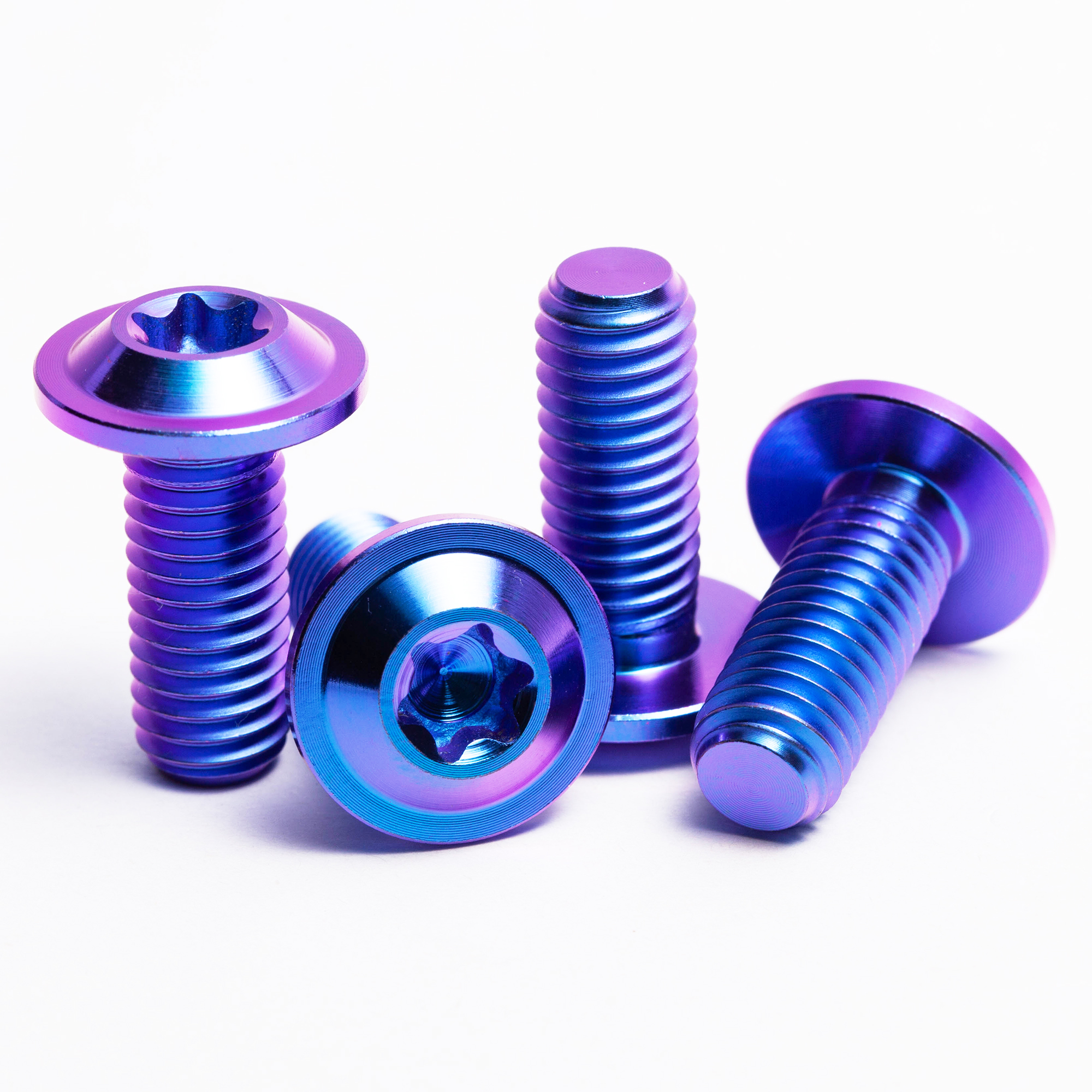
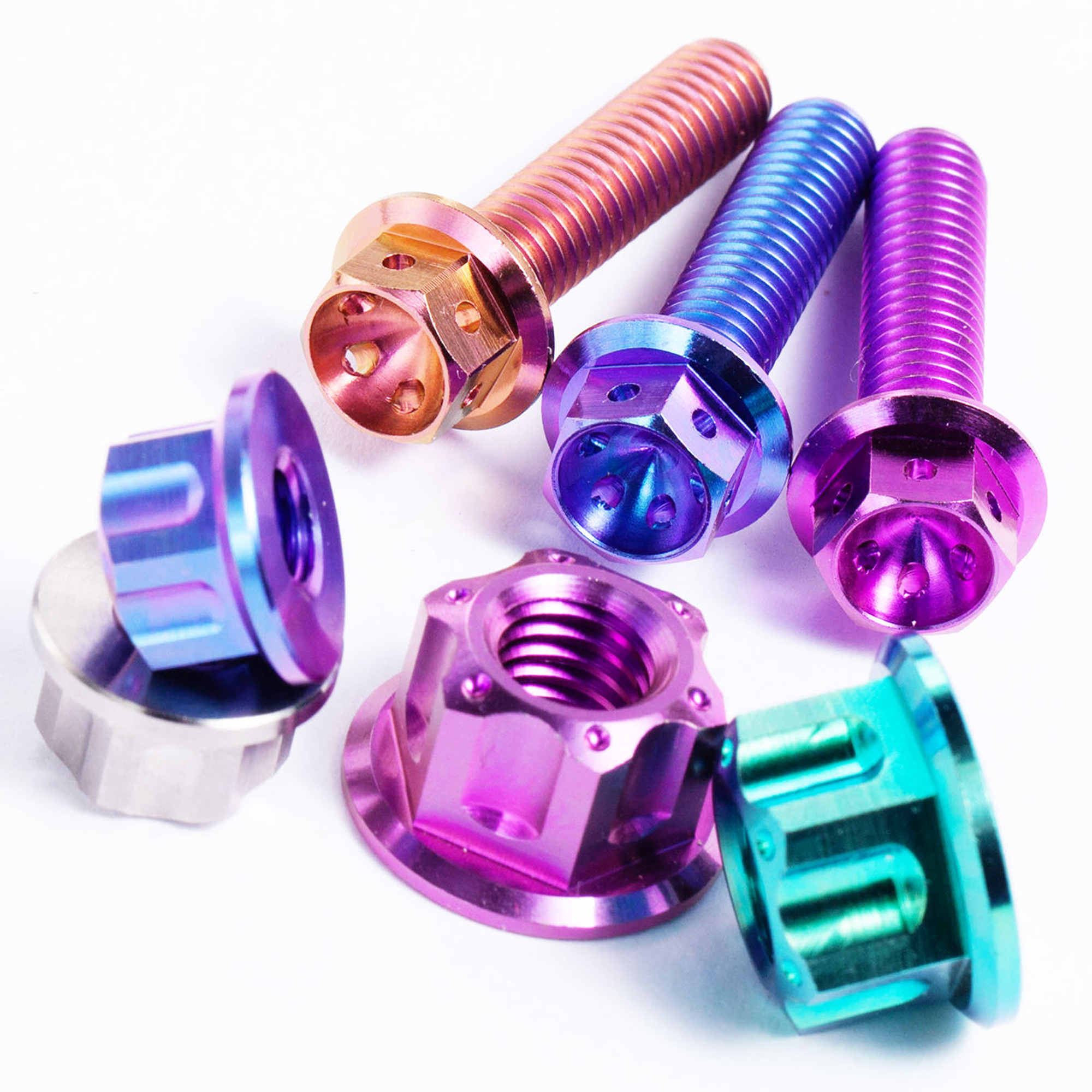
3. Demand for Integrated CNC Precision Fastening Systems: A chemical valve assembly is only as reliable as its flanged connections. Project engineers increasingly source matched-pair packages—securing valve bodies with our Grade 5 titanium DIN6921 hex flange bolts and precision lock nuts to completely eliminate galvanic corrosion cells between disparate metals.
Why Partner with Jiaxing Wexra Titanium Products Co., Ltd.
Established in 2018 in Jiaxing, Zhejiang, China, Wexra Titanium has established itself as an authoritative global manufacturer dedicated exclusively to pure titanium and specialized titanium alloys. We provide international B2B clients with seamless OEM/ODM services from digital 2D/3D blueprints to volume deliveries.
In-House Precision CNC Machining
Our facility hosts 1,000+ m² of advanced multi-axis CNC turning and milling centers, executing complex valve bodies, stems, and bonnet assemblies with micro-tolerances down to ±0.01 mm.
Full Metallurgical Traceability
Every titanium valve component and fastening batch is traced back to certified vacuum-arc remelted sponge titanium. We furnish Mill Test Certificates (EN 10204 3.1) and complete chemical composition profiles with every dispatch.
Certified Global Compliance
Our operations comply fully with ISO 9001:2015 quality frameworks, CE marking regulations, UKCA compliance, and European RoHS and REACH standards—trusted throughout the US, Germany, the UK, and Latin America.
Frequently Asked Questions: Sourcing Titanium Valves in Portmore
When should Portmore plants specify Grade 2 versus Grade 5 titanium for valve systems?
Titanium Grade 2 is commercially pure titanium with approximately 345 MPa tensile strength. It is the gold standard for chemical process wetted parts, heat exchangers, and chlorination manifolds due to its superior ductile formability and broad chemical corrosion resistance. Grade 5 (Ti-6Al-4V) delivers high yield strength (≥895 MPa) and is selected for load-bearing valve stems, actuator shafts, flanged bolting, and high-pressure hydraulic trims subject to mechanical stress.
How do titanium valves avoid galling during installation and actuation?
Titanium naturally exhibits a high coefficient of friction, which can cause thread galling under high contact pressure. We apply precision thread rolling rather than rough cutting, micro-polished sealing interfaces, and specialized PVD or hard anodizing surface treatments. When assembling flanged valve connections, the use of approved nickel-free anti-seize lubricants with calibrated torque controls ensures reliable torque-to-clamp efficiency without cold-welding.
What quality documentation and testing reports accompany chemical valve shipments?
Operating under an audited ISO 9001:2015 system, every order is supplied with comprehensive EN 10204 3.1 Mill Test Certificates verifying raw material melt chemistry, mechanical tensile and elongation properties, ultrasonic non-destructive testing (NDT) reports, hydrostatic shell and seat leak test data (API 598 / EN 12266), and CE / RoHS declarations.
Can Wexra produce custom OEM valve profiles from client CAD files?
Yes. We specialize in custom CNC fabrication from customer STEP, IGES, DXF, or physical reference samples. Our engineering team conducts full Design for Manufacturability (DFM) reviews to optimize geometry, wall thickness, and raw stock yields prior to production runs.
What are the lead times and air/ocean logistics arrangements for the Caribbean?
Standard prototype samples and small customization runs are dispatched within 12 to 20 business days. Full production quantities ship via ocean freight to Port Bustamante / Kingston terminal facilities, or via expedited priority air cargo for urgent maintenance shutdowns and scheduled overhauls.