Engineering White Paper: Integrating Precision Titanium Exhaust Flanges into the Tube Bending Ecosystem
In high-performance automotive fabrication, aerospace ducting, and marine racing architecture, the transition from heavy stainless steel (such as AISI 304 and 321) to Grade 2 commercially pure (CP) and Grade 5 (Ti-6Al-4V) titanium represents the gold standard in power-to-weight optimization. However, custom pipe fabrication demands strict dimensional synergy between the precision CNC machined titanium exhaust flange and the bent tube sections processed via mandrel benders and rotary draw tooling. As a certified manufacturer compliant with CE and ISO 9001:2015 frameworks, Wexra Titanium bridges this metallurgical gap, supplying CNC turned and milled exhaust flanges, slip-fit slip joints, and mounting hardware tailored directly for the bender market.
Metallurgical Synergies: Material Selection for Flanges and Bent Runners
When engineering exhaust manifolds and turbocharger collector assemblies, matching the thermal expansion and chemical purity of the flange with the bent tubing is imperative to avoid cracking under cyclic heat shocks. Most tube bending operations rely on Grade 2 titanium tubing due to its superior elongation (typically ≥20%) and cold ductility, which enables tight radius bends (down to 1.0D or 1.5D CLR) without excessive wall thinning or ovality. Conversely, the exhaust flange demands high mechanical stiffness and tensile strength at temperatures up to 800°C to maintain flat sealing against the cylinder head or turbine inlet, preventing exhaust gas leakage.
| Property Parameter | Grade 2 (CP Titanium) | Grade 5 (Ti-6Al-4V) | 304 Stainless Steel | Fabrication Consequence |
|---|---|---|---|---|
| Density (g/cm³) | 4.51 | 4.43 | 7.93 | ~44% mass reduction across header assembly |
| Yield Strength (MPa) | 275 - 450 | 828 - 910 | 205 - 310 | Gr5 flange resists warpage under high clamping torque |
| Tensile Strength (MPa) | 345 min | 895 min | 515 min | Prevents flange ear elongation and fatigue tearing |
| Thermal Expansion (10⁻⁶/K) | 8.6 | 8.6 | 17.2 | Low expansion reduces thermal stress on manifold studs |
| Primary Application | Mandrel Bent Runners | CNC Machined Flanges | Legacy Flange Stock | Ideal setup: Gr5 Flange TIG-welded to Gr2 bent pipes |
Addressing Springback, Ovality, and Fitment Challenges in the Bender Market
Bending thin-wall titanium exhaust tubing (typically 1.0mm to 1.2mm wall thickness) introduces high springback ratios compared to mild or stainless steels. Fabricators operating rotary draw CNC bending machines often face micro-variations in bend tangent concentricity. A standard off-the-shelf exhaust flange with loose tolerances will induce stepped weld lips, restricting exhaust velocity and creating turbulence zones.
To solve this, Wexra Titanium machines exhaust flanges with specialized counter-bored stepped recesses and transition chamfers matching specific tube bend tolerances. By maintaining CNC machining dimensional precision within ±0.01 mm, the flange port forms an exact slip-fit collar over the bent runner's tangent end. This eliminates interior gaps, minimizes argon purge contamination during automated orbital or manual pulsed TIG welding, and delivers clean laminar flow directly from the exhaust port.
Surface Passivation, Anodizing, and High-Temperature Oxidation Protection
Exhaust systems operate in demanding atmospheric and thermal conditions. While titanium forms a self-healing passivating titanium dioxide (TiO₂) film at ambient temperatures, prolonged exposure to exhaust gases above 500°C can initiate oxygen diffusion into the surface layer (forming brittle alpha-case). Our in-house chemical processing, fine bead-blasting, and controlled PVD color anodization provide a baseline protective surface that delays oxidation while yielding striking visual appeal for show-car builders and custom exhaust fabricators.
Machined Seal Groves
Integrated O-ring and copper gasket register grooves CNC-cut directly into the flange face prevent blow-outs in high-boost turbocharged systems.
Warp-Resistant Porting
Thick 10mm to 12mm Grade 5 base plates counter thermal deflection during welding, ensuring flange flatness without post-weld surface grinding.
Bender-Matched Transitions
CAD-matched transitional oval-to-round or D-shaped CNC cutouts facilitate clean fitment directly to tube bender outfeed geometries.
Localized Trends in the Tube Bending and High-End Exhaust Manufacturing Market
The global exhaust fabrication sector has undergone a paradigm shift over the past 36 months, influenced by regional motorsport regulations, emissions testing, and lightweighting directives:
- Adoption of Thin-Wall Exotic Alloys: Across North American and European performance markets, fabricators are phasing out heavy 16-gauge (1.5mm) stainless tubing in favor of 1.0mm-1.2mm Grade 2 titanium, requiring precision CNC flanges that match exact thin-wall bevel profiles.
- Rise of In-House Mandrel Bending: Custom exhaust shops are investing in compact electric CNC mandrel tube benders rather than using pie-cut welded segments. This development has driven demand for flanges featuring built-in alignment steps and slip-fit sockets to accelerate weld times.
- Strict Traceability & Emission Mandates: European fabricators are bound by stringent CE and environmental compliance directives. Supplying Mill Test Certificates (MTC) with full heat numbers for every titanium billet used in flange manufacturing has transitioned from a premium add-on to an essential procurement requirement.
Why Leading Fabricators Source from Wexra Titanium
Headquartered in Jiaxing, Zhejiang, Wexra Titanium Products Co., Ltd. operates a comprehensive modern production plant equipped with multi-axis CNC machining centers, high-power precision laser cutting systems, and clean-room polishing and anodizing lines. Unlike generalist fastener merchants, our sole manufacturing focus is on raw titanium and titanium alloy components.
We provide full DFM (Design for Manufacturability) audits for your engineering files (STEP, DXF, IGES, or DWG). Our quality assurance system enforces ISO 9001:2015 standards, and our products carry verified CE Marking, UKCA compliance, and RoHS/REACH chemical verifications. Whether you need a prototype run of 10 custom exhaust flanges for a development engine or a container shipment of DIN 6921 titanium flange bolts, our export logistics team ensures dependable delivery with complete customs compliance documentation across North America, Germany, the UK, and Australia.
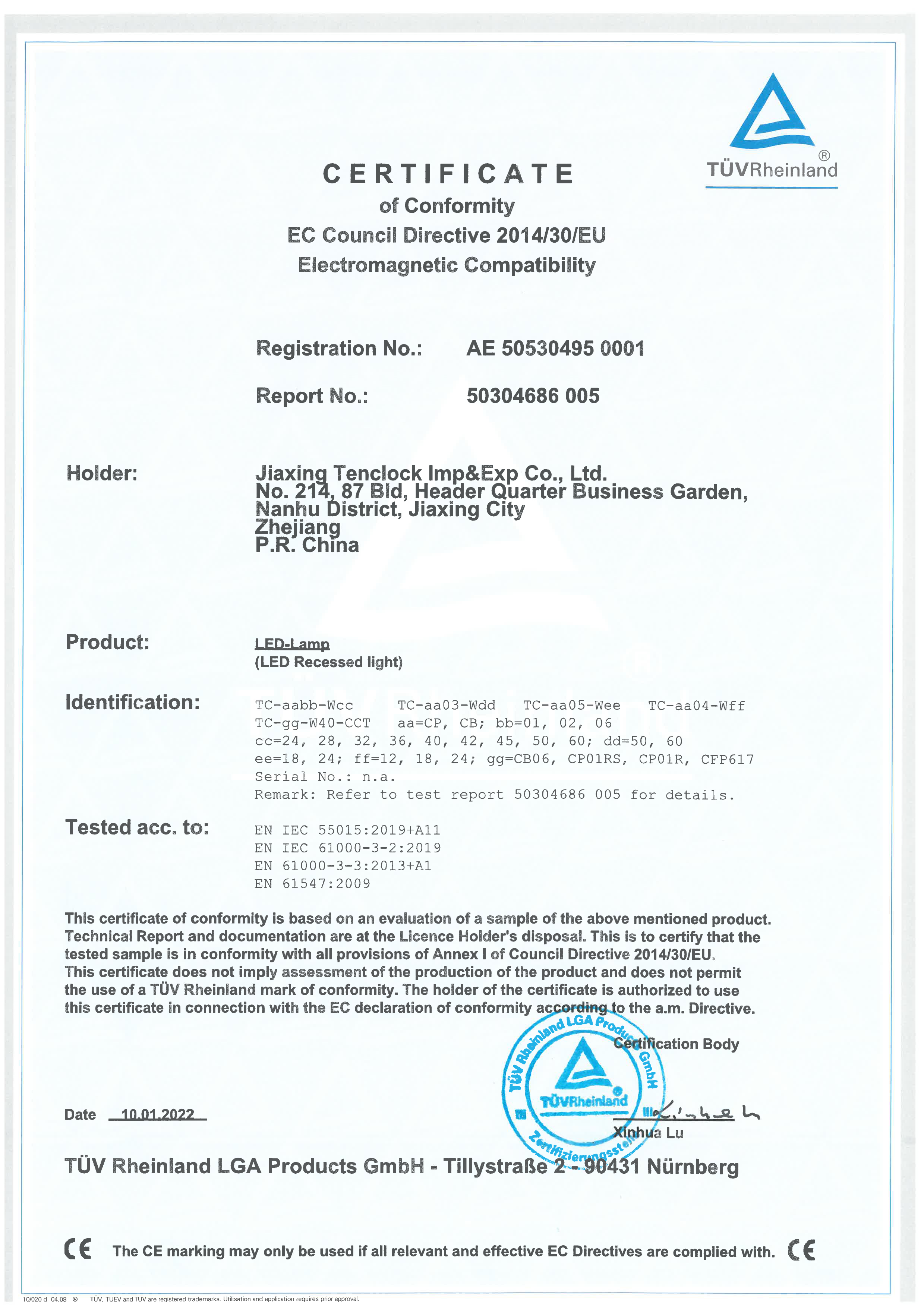 CE Marking (EU)
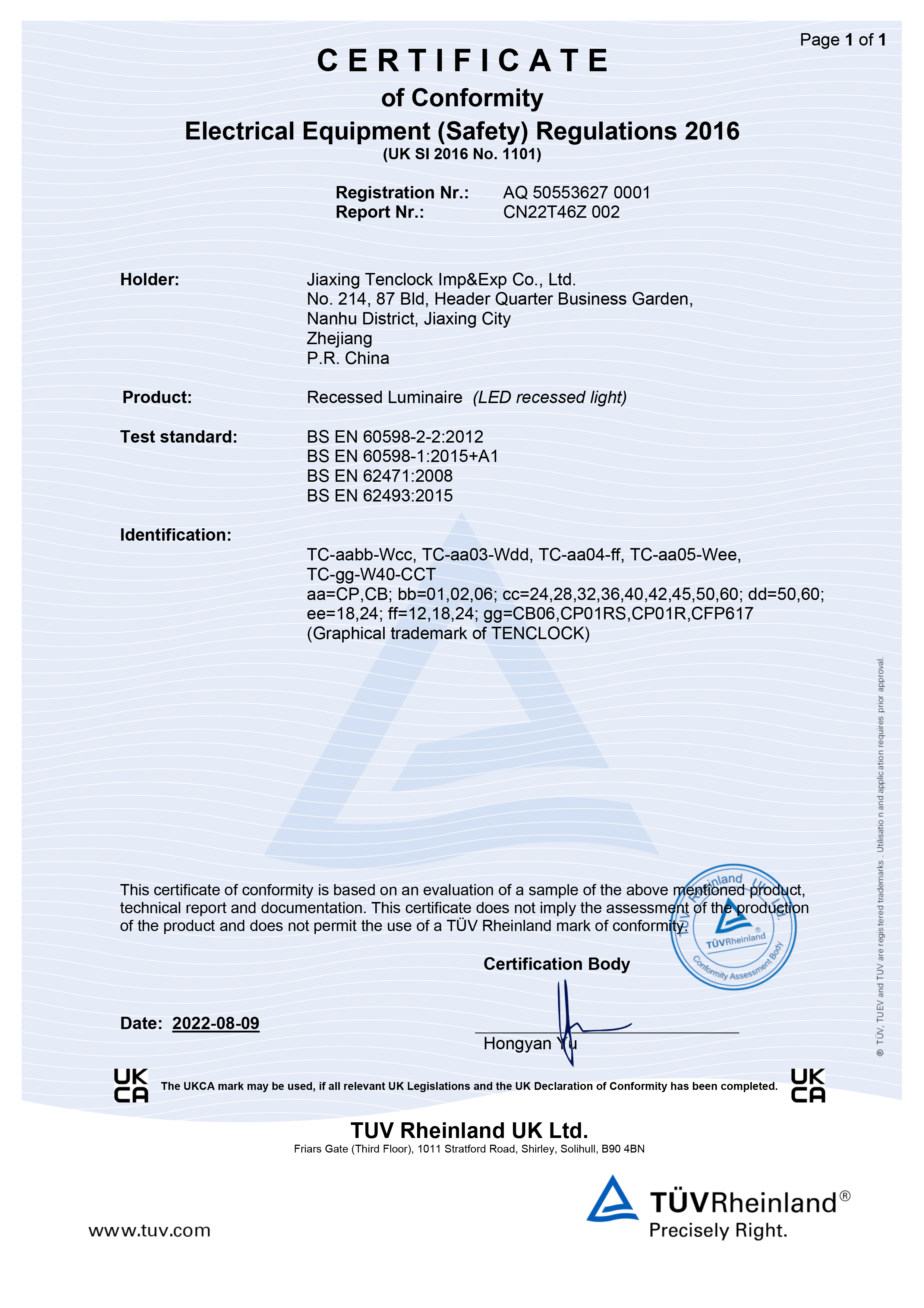 UKCA Marking
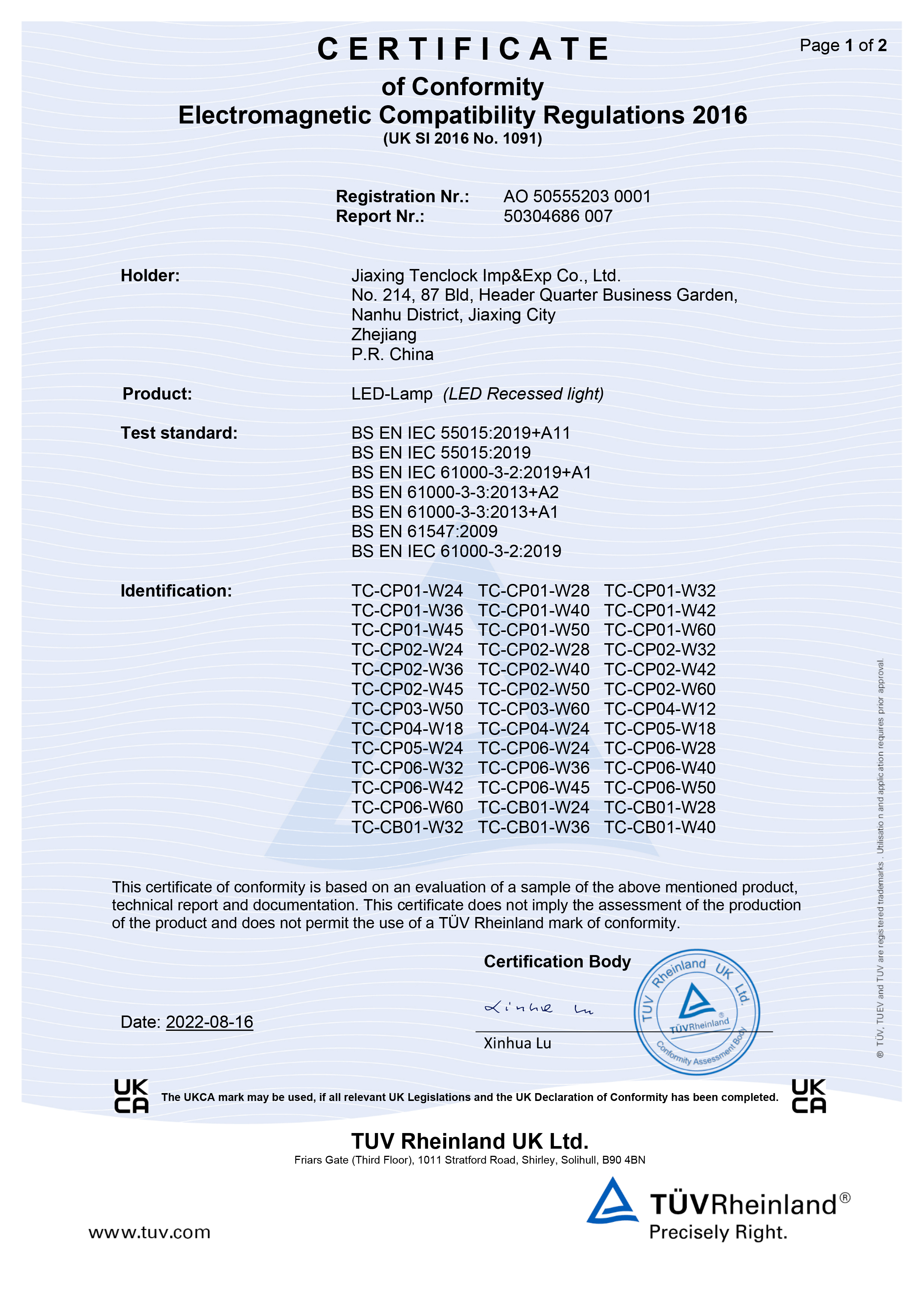 UKCA Compliance
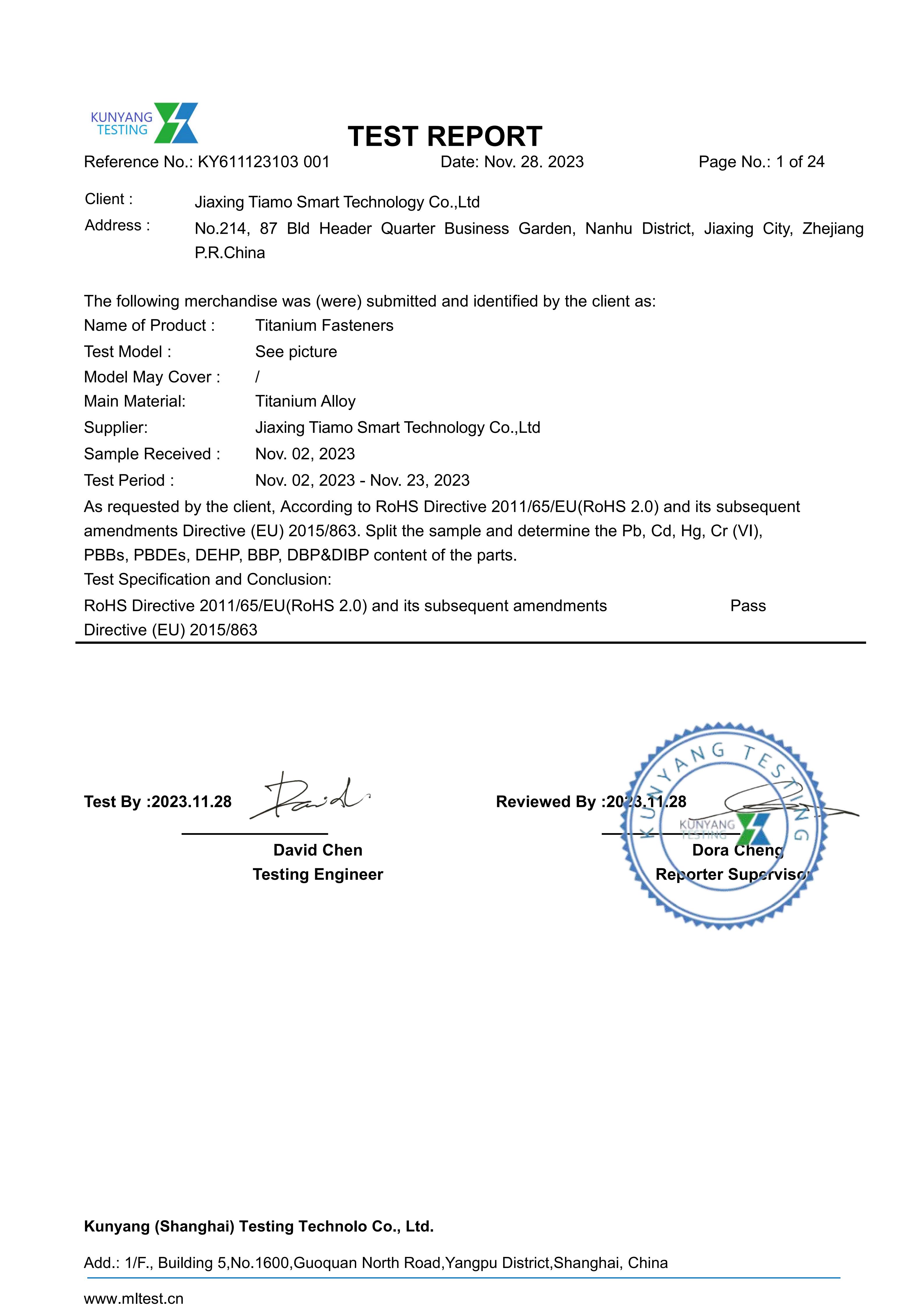 RoHS Directive
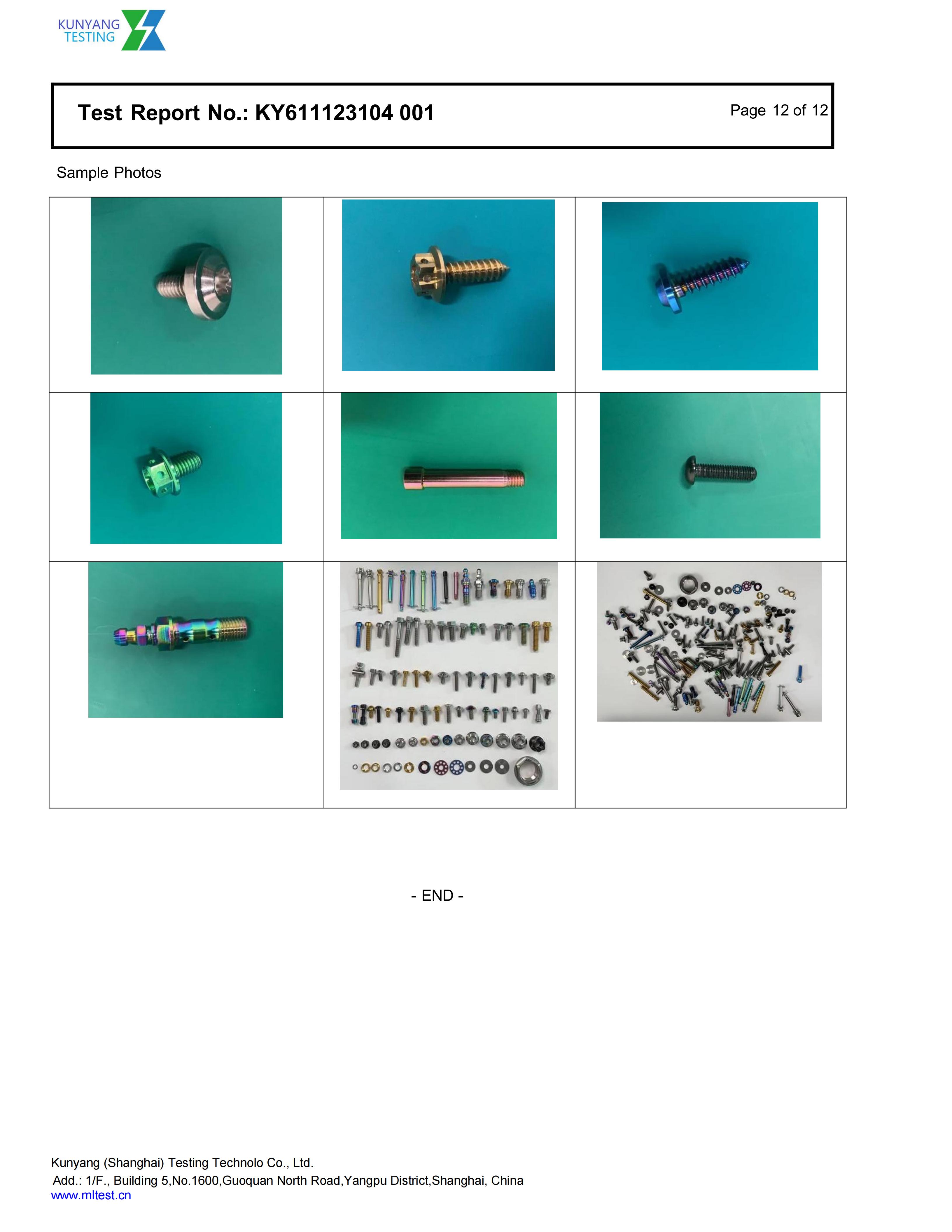 REACH Safety
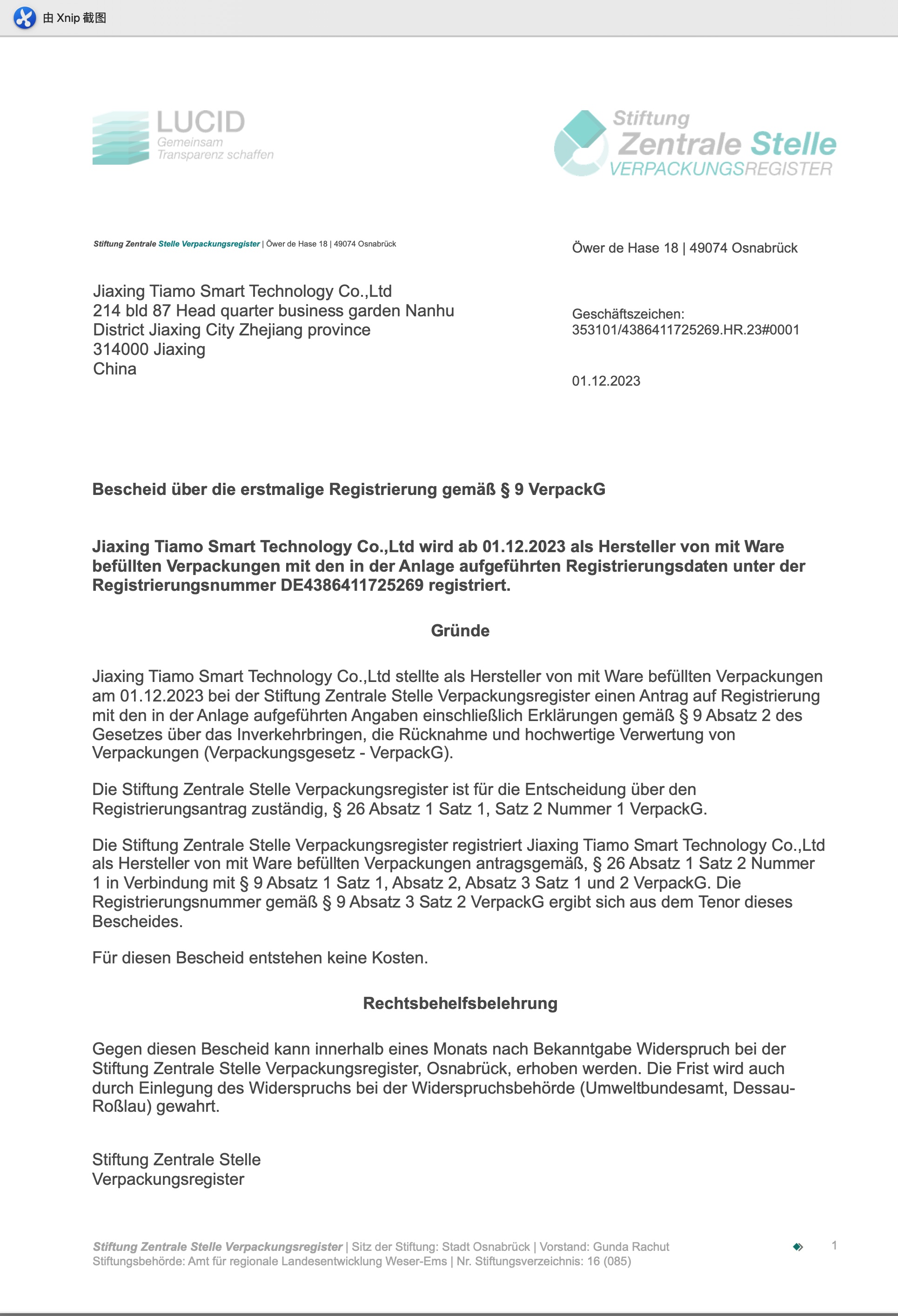 EPR Germany
Frequently Asked Questions by Tube Benders & Sourcing Engineers
1. What titanium alloy grade should be specified for exhaust flanges vs. bent tubes?
For exhaust flanges, Grade 5 (Ti-6Al-4V) is strongly recommended due to its high tensile strength (≥895 MPa) and yield strength (≥828 MPa), which prevents flange face distortion under thermal stress and high stud torque. For bent tubing runners, Grade 2 Commercially Pure (CP) titanium is the preferred choice because its high elongation (≥20%) allows rotary draw mandrel bending without split walls or excessive micro-fissuring.
2. How does Wexra ensure exhaust flanges do not warp during TIG welding?
We machine our flanges from stress-relieved, annealed Grade 5 titanium plate stock, retaining generous material thickness (typically 10mm to 14mm base thickness depending on engine displacement). Furthermore, we can machine stress-relief relief pockets and anti-warp clamping slots that dissipate heat uniformly during the manual or automated welding cycle.
3. What are the recommended torque specifications for titanium flange bolts?
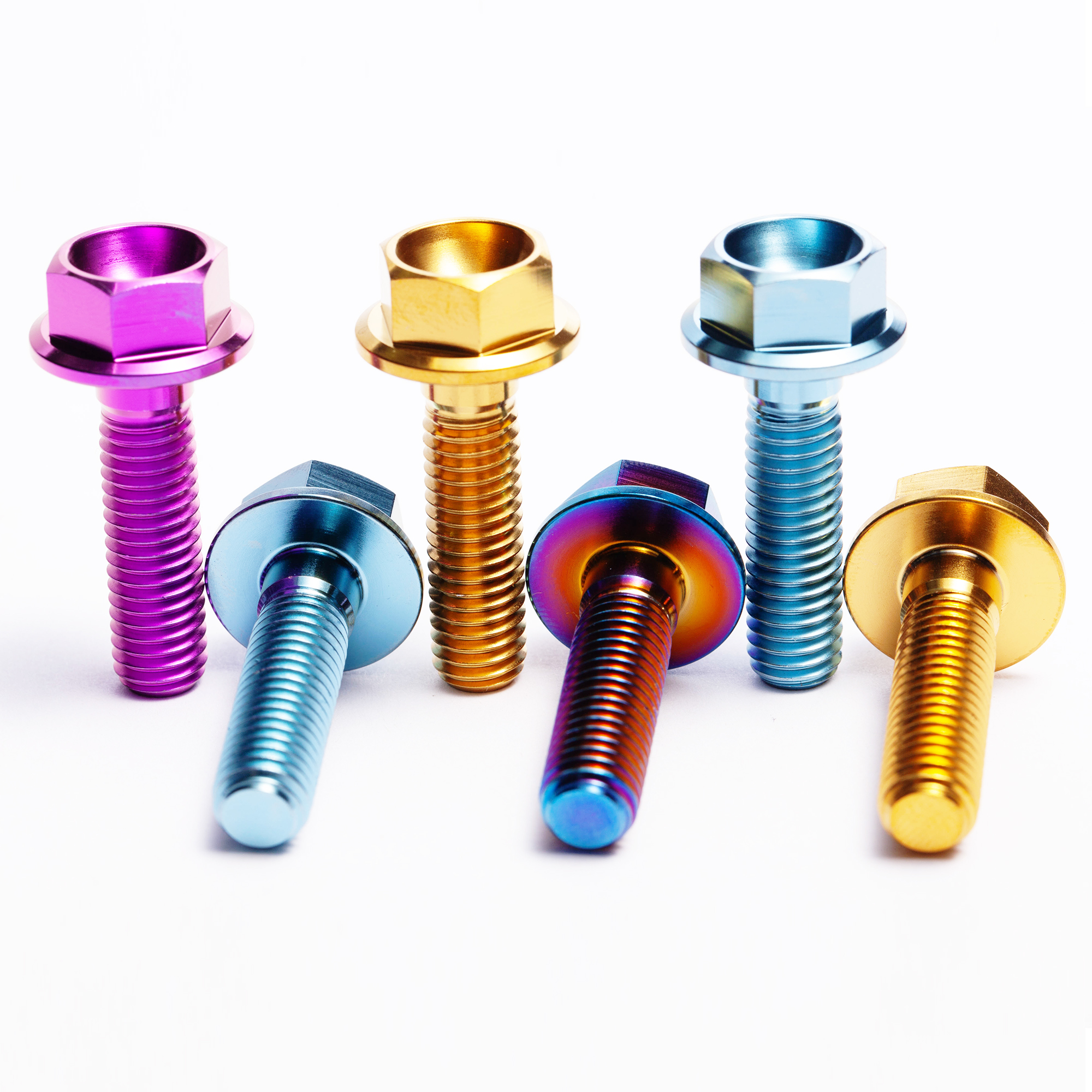
Because titanium fasteners have a lower modulus of elasticity than steel (approximately 114 GPa vs. 200 GPa for alloy steel), standard torque values must be reduced by 15% to 20% to prevent over-stretching. Always use high-temperature anti-seize paste (such as copper or nickel-based lubricant) to avoid thread galling under cyclic high-heat operation.
4. Can you manufacture custom flange shapes based on non-standard CAD bend geometries?
Yes. Wexra produces fully customized OEM/ODM components from 2D drawings, 3D STEP/IGES files, or physical cylinder head templates. We accommodate custom ovalized inlets, multi-bolt turbine flanges (T3, T4, V-band), and transitional ports matched precisely to your bend tooling diameters.
5. What material documentation is shipped with international orders?
Every batch shipped from our factory is backed by comprehensive quality records: an EN 10204 3.1 Mill Test Certificate (MTC) detailing complete chemical composition analysis (Carbon, Nitrogen, Hydrogen, Oxygen, Iron, Aluminum, Vanadium, Titanium balance), mechanical tensile inspection reports, and dimensional CMM check sheets.
Ready to Optimize Your Titanium Exhaust Production?
Send our engineering team your 2D/3D drawings or tell us about your tube bender setup. We deliver fast quotations, DFM guidance, and prototype samples built to your exact specifications.
Contact Us