Strategic Cross-Border Titanium Engineering for Mongolian Healthcare & Technology
Bridging China's premier metallurgical production bases with the rapidly advancing healthcare institutions, biomedical research labs, and harsh-environment technical operations across Ulaanbaatar and regional medical sectors.
The Shift Toward High-Performance Titanium Solutions
In modern medical implantology, surgical instrumentation, and heavy-duty diagnostic machinery, material failure is not an option. For medical device manufacturers, hospital clinical engineering departments, and procurement agencies serving Mongolia, procuring titanium components directly from specialized Chinese manufacturing clusters presents an unmatched combination of metallurgical mastery, scalable output, and rigorous regulatory adherence. Our manufacturing facilities utilize vacuum arc remelted (VAR) medical-grade titanium alloys including Ti-6Al-4V ELI (Extra Low Interstitial, Grade 23) and commercially pure titanium (Grades 1 through 4), guaranteeing inert biocompatibility, high strength-to-weight ratios, and superior resistance to biological corrosion.
Mongolia’s medical technology sector is undergoing extensive structural upgrades, modernizing both specialized surgical capabilities in clinical central centers and mobile emergency equipment designed to withstand extreme continental temperatures down to -40°C. Medical hardware installed in such environments demands zero cold-brittleness—a physical property where our specialized α+β phase titanium formulations dramatically outclass standard surgical stainless steels and cobalt-chrome superalloys.
Featured Precision Hardware & Electro-Mechanical Components
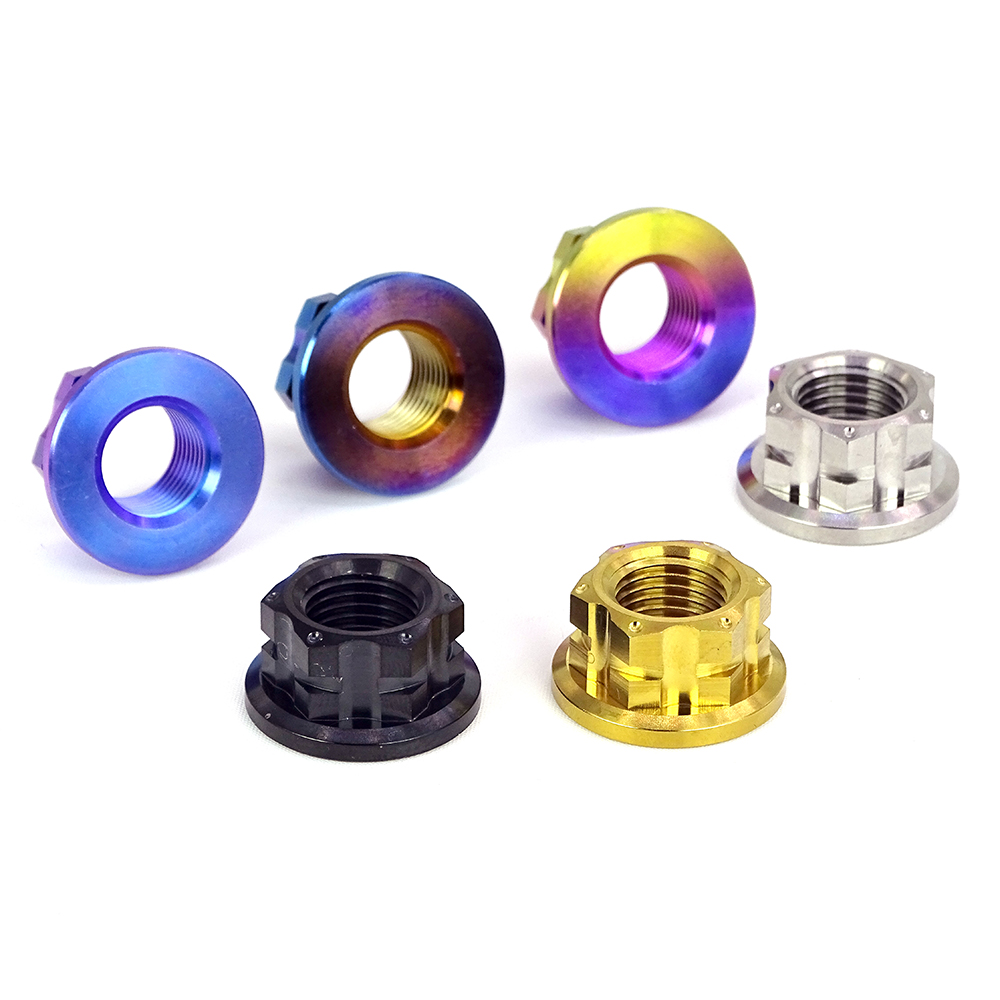
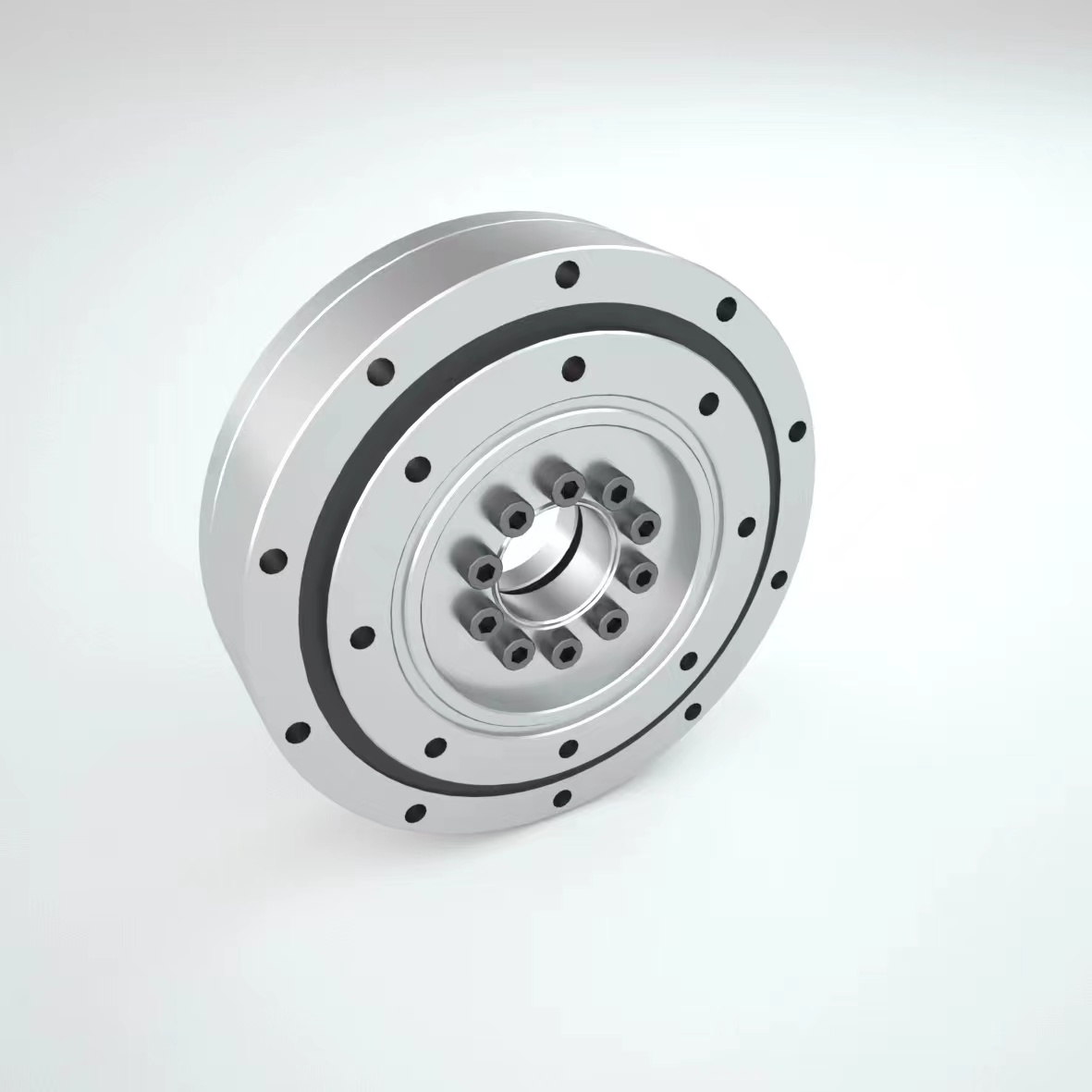
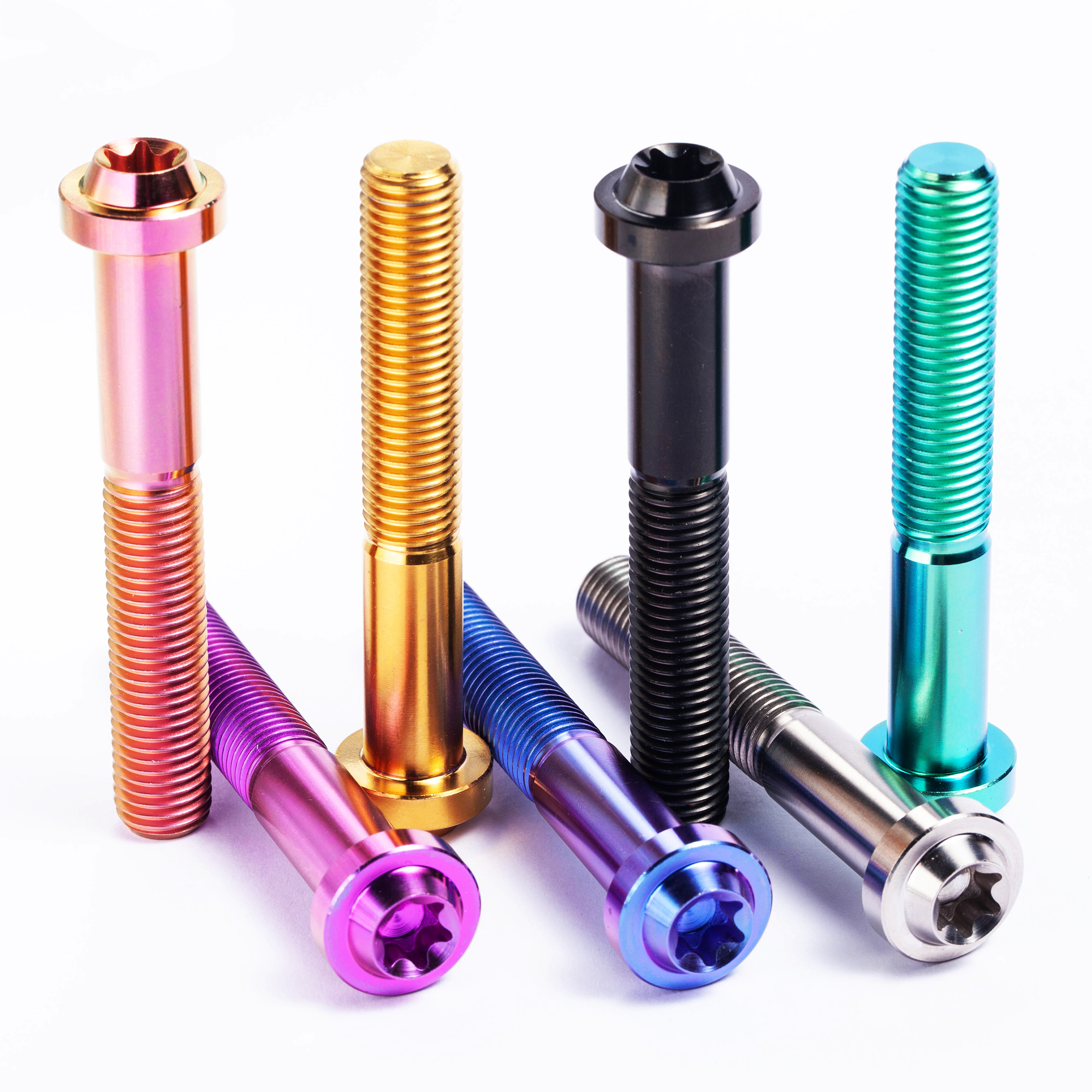
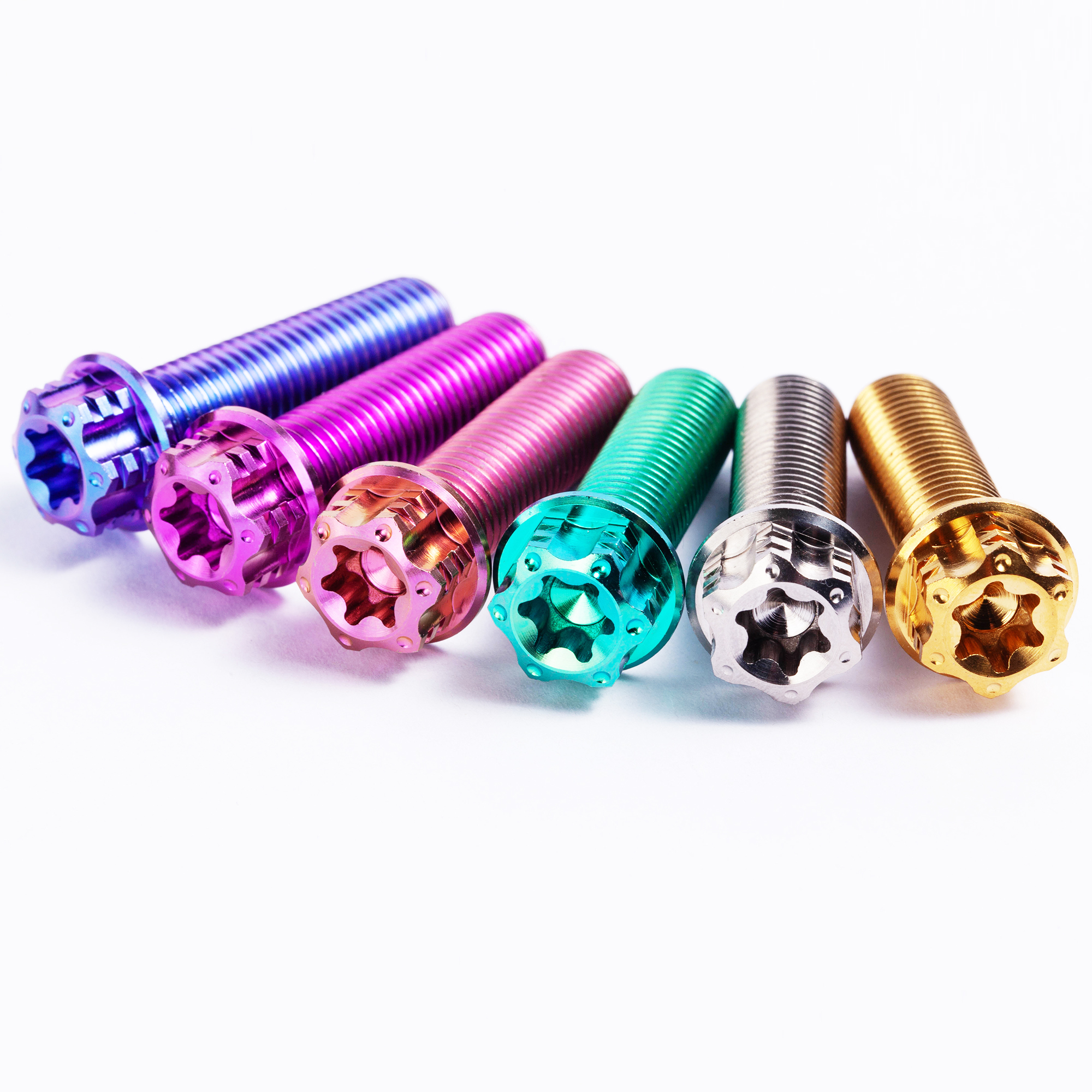
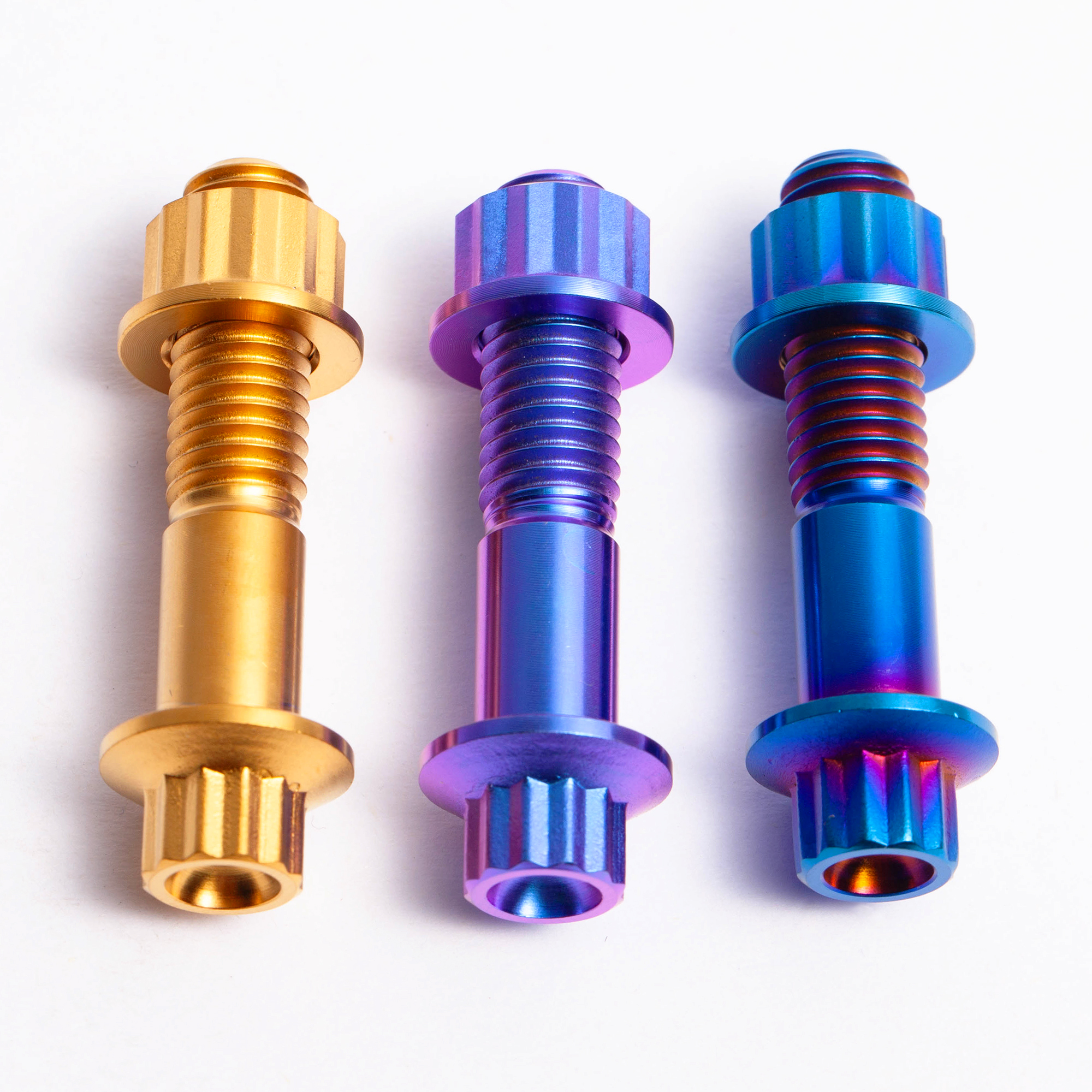
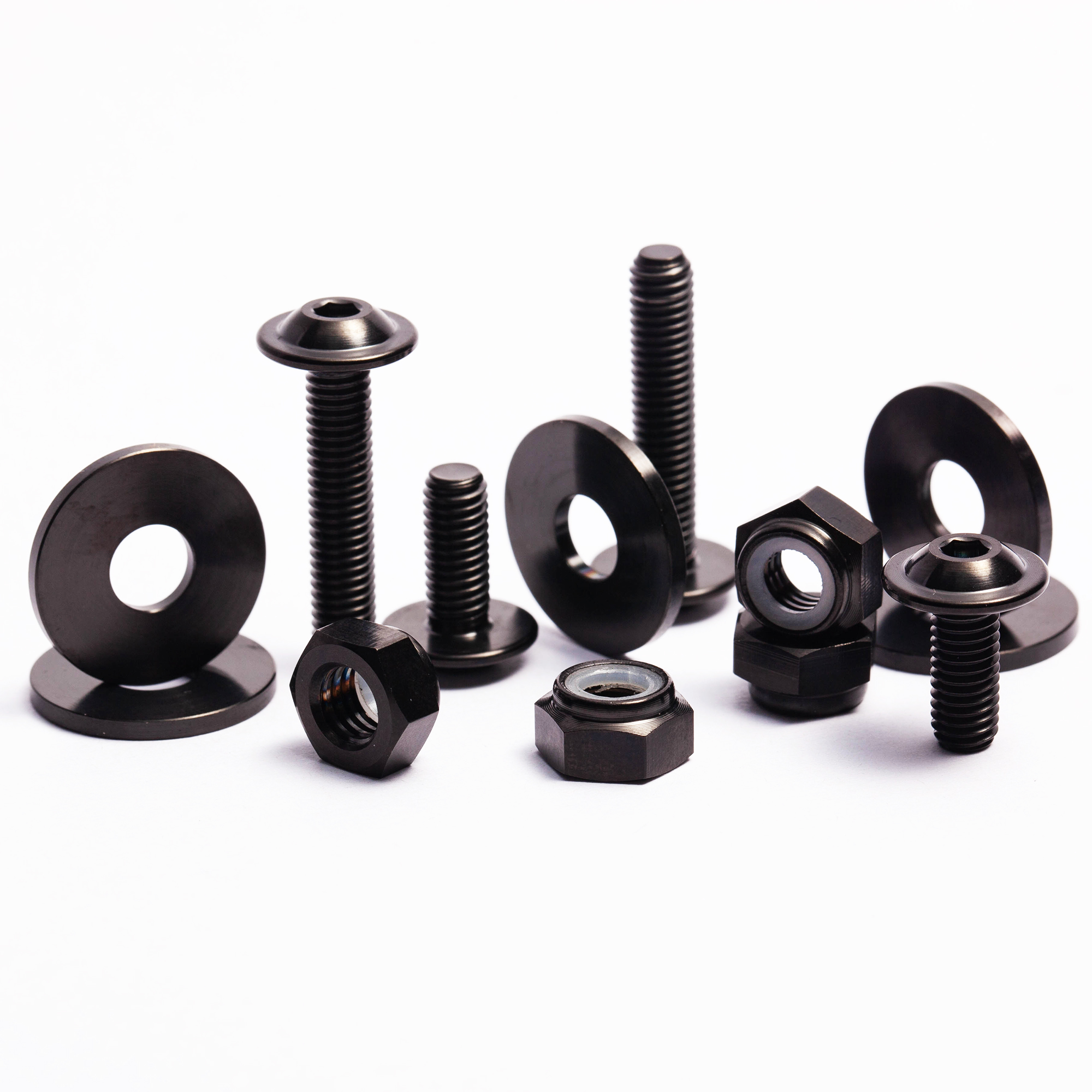
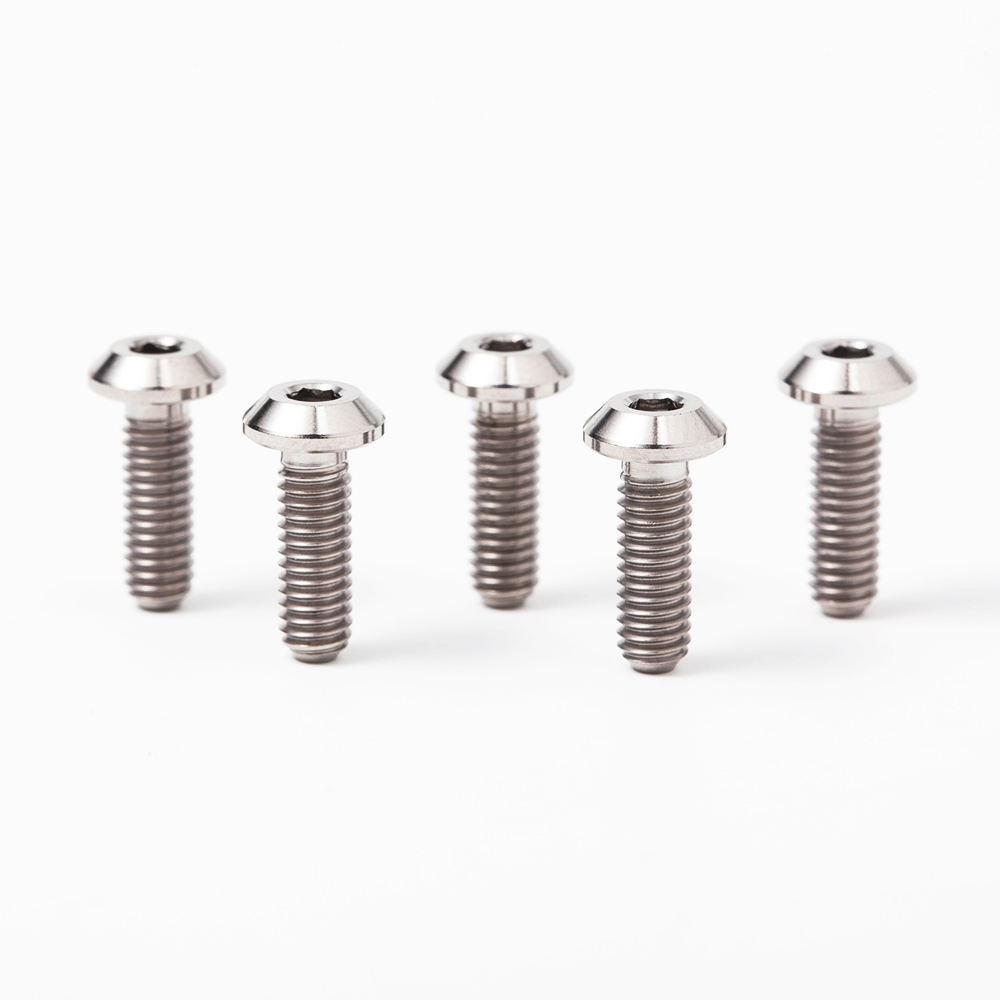
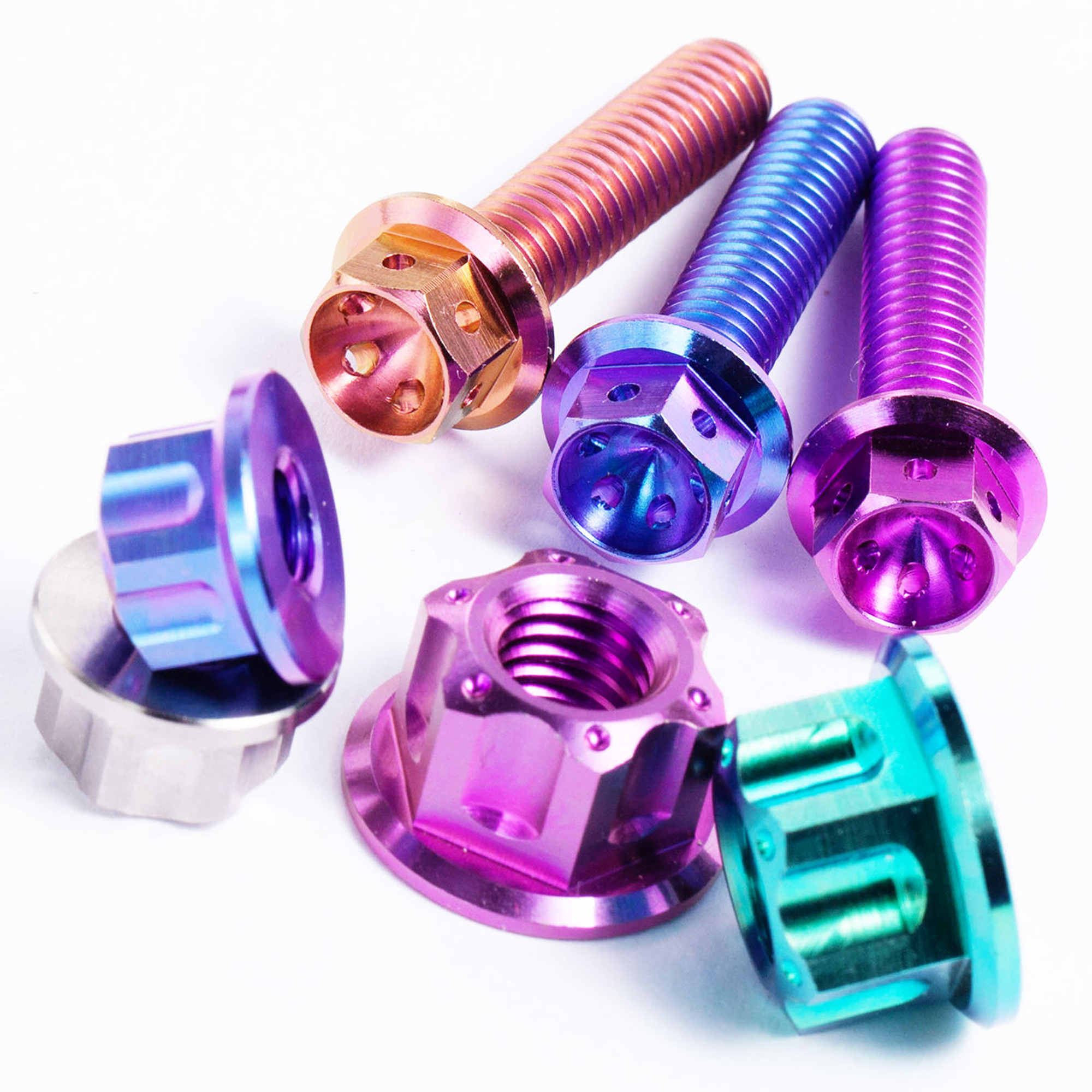
Explore our versatile catalog of ISO-certified precision fasteners, customized drive mechanisms, and structural components engineered for surgical instrumentation, mobility units, and mission-critical assemblies.
Comparative Metallurgy: Engineering Superiority for Critical Assemblies
A data-driven engineering evaluation illustrating why biomedical-grade titanium grades outperform traditional steel alloys in longevity, fatigue survival, and bio-environmental inertness.
| Material Designation | Tensile Strength (MPa) | Yield Strength (MPa) | Density (g/cm³) | Modulus of Elasticity (GPa) | Biocompatibility / Environmental Inertness |
|---|---|---|---|---|---|
| Ti-6Al-4V ELI (ASTM F136 / Gr23) | ≥ 860 | ≥ 790 | 4.43 | 114 | Exceptional (Implant Grade, Hypoallergenic) |
| Titanium Grade 5 (Ti-6Al-4V / Gr5) | ≥ 895 | ≥ 828 | 4.43 | 110 - 114 | High (Sterilizable, Highly Corrosion-Resistant) |
| Commercially Pure Titanium (Gr2) | ≥ 345 | ≥ 275 | 4.51 | 103 | Outstanding (Chemical, Fluid, Cryogenic Resistant) |
| Surgical Stainless Steel 316LVM | ≥ 580 | ≥ 220 | 7.95 | 193 | Moderate (Prone to nickel-leaching & stress corrosion) |
| Structural High-Tensile Steel 10.9 | ≥ 1040 | ≥ 940 | 7.85 | 210 | Zero (Requires surface plating, sub-zero embrittlement risk) |
Fatigue Life & Modulus of Elasticity Significance
In both human bone implant integration and high-repetition robotic linkages (such as high-torque harmonic gear wave generators), the Elastic Modulus (Young's Modulus) plays a fundamental physical role. Titanium’s modulus (~110 GPa) is nearly half that of stainless steel (~193 GPa). In orthopedic and traumatology reconstruction, this lower modulus significantly mitigates the critical "stress shielding" effect, promoting natural bone remodeling and mechanical loading. In electromechanical applications such as robotic surgery arms and prosthetics, the high specific strength translates into drastically lower inertia, allowing faster cycle times, micro-positional precision, and extended operating life under cyclical stress.
Localized Engineering Applications in Mongolian Operating Environments
Deploying medical and micro-precision titanium technology across municipal trauma care, extreme-weather rural emergency response, and heavy industrial clinical sites.
Orthopedic & Spinal Surgical Reconstruction
Hospitals such as the National Trauma and Orthopedic Research Center (NTORC) in Ulaanbaatar require defect-free, human-compatible internal fixation systems. Our ASTM F136 ELI precision titanium bone plates, cannulated screws, and intramedullary interlocking nails deliver zero magnetic deflection under 3.0T MRI diagnostics, non-reactive osseointegration, and zero nickel allergenic risk for postoperative pediatric and geriatric patients.
Extreme Continental Climate Mobile Medical Fleets
Mobile clinics navigating the vast provincial steppes (Aimags) and Gobi regions encounter intense mechanical vibration, unpaved terrain, and sub-zero thermal cycling down to -40°C. Incorporating our lightweight Grade 5 fasteners and CNC-machined structural connectors into onboard emergency ventilators, centrifuges, and portable X-ray arrays guarantees vibration lock-in without cryogenic brittle fractures common in ordinary ferritic steels.
Robotic Rehabilitation & Diagnostic Actuators
Emerging medical centers in Mongolia are investing in advanced robotic physical rehabilitation suites and automated laboratory handling devices. Utilizing precision harmonic drive wave generators combined with lightweight titanium rotary brackets ensures ultra-low backlash, smooth torque delivery, and non-lubricant-contaminating operation inside sterile clinical rehabilitation environments.
Macro-Trends Driving Titanium Adoption in Mongolia
An overview of infrastructural investments, mining healthcare mandates, and regional trade logistics accelerating demand for high-grade Chinese titanium components.
Modernization of Provincial Healthcare Infrastructure
Under the Mongolian Government's "Vision 2050" long-term development policy, provincial medical centers (Aimag hospitals) are receiving national funding to decentralize specialized surgical procedures from Ulaanbaatar. This decentralization necessitates local stocks of durable surgical equipment, sterilization-resistant surgical trays, and biocompatible orthopedic hardware capable of long-term shelf storage without oxidative degradation.
Rapid Cross-Border Transit & Supply Chain Resilience
Compared to transcontinental European or North American medical logistics with lead times exceeding 12 to 16 weeks, China’s direct proximity via the Erenhot–Zamiin-Uud border corridor provides Mongolian procurement agencies with unprecedented lead-time advantages. Standard components ship within days, while custom CNC components reach Ulaanbaatar rapidly via regular direct air and rail channels.
Rigorous Quality Validation & Auditing Protocols
Mongolian regulatory bodies, guided by the Ministry of Health, increasingly mandate full chemical composition tracking and third-party mechanical test reports for imported surgical components. Our direct integration of full Mill Test Certificates (MTC), ultrasonic flaw detection, and strict RoHS/REACH compliance assures seamless customs clearance and device registration.
Enterprise Strengths: World-Class Precision & Traceability
Backed by specialized facilities in Jiaxing, Zhejiang, Jiaxing Wexra Titanium Products Co., Ltd. delivers high-precision OEM/ODM production for the world's most demanding engineering clients.
Full-Spectrum In-House Manufacturing from Bar Stock to Finished Component
Headquartered in the advanced manufacturing hub of Jiaxing, Zhejiang, Wexra Titanium operates over 1,000 m² of cutting-edge production workshops. Our workshop is outfitted with high-rigidity multi-axis CNC machining centers, high-precision Swiss-type lathes, multi-station cold-heading and hot-forging systems, precision thread-rolling units, and automated laser-cutting stations. Rather than outsourcing secondary operations, our full-process flow—from raw ingot analysis to ultrasonic deburring, precision surface anodizing, and final coordinate measuring machine (CMM) dimensional verification—is kept strictly under one roof.
Operating under the globally recognized ISO 9001:2015 quality management system with CE, UKCA, RoHS, and REACH verified manufacturing routes, we guarantee an export-oriented standard of consistency. Having served elite sectors across the United States, Germany, the UK, and Canada, we offer Mongolian technical buyers the exact same zero-defect commitment, rapid engineering DFM evaluations, and traceable material documentation required by tier-one global OEMs.
Micro-Tolerance CNC Machining
Equipped with high-precision Swiss-type screw machines and 5-axis CNC machining centers capable of maintaining stable tolerances down to ±0.005mm to ±0.01mm on complex geometries, miniature medical bone screws, and specialized thin-walled implants.
Fatigue-Enhanced Thread Rolling
Unlike standard thread cutting that severs the metallurgical grain flow of titanium bar stock, our threads are fully rolled using precision carbide dies. This work-hardens the thread roots, improving fatigue performance by over 30% under cyclical loading.
Controlled Medical Anodizing
Offering ASTM F86 compliant surface passivation alongside Type II and Type III biocompatible color anodizing (gold, deep blue, magenta, charcoal). This process creates a dense, non-shedding TiO₂ layer ideal for visual surgical instrument size coding without altering dimensional tolerances.
Frequently Asked Questions (FAQ) for Mongolian Sourcing Engineers
Clear, actionable answers addressing regulatory paperwork, logistics routes, raw material chemistry, and prototyping protocols for procurement teams in Mongolia.
Accelerate Your Titanium Component Sourcing
Consult with our senior titanium engineering team today. Submit your drawings, material specifications, or procurement lists for a comprehensive quotation and DFM assessment within 8 business hours.
Contact Us