Precision Titanium Braking & Structural Components
Engineered from vacuum-melted Ti-6Al-4V Grade 5 titanium bar stock to withstand extreme hydraulic pressures and eliminate fluid vaporization across Vienna's competitive racing and alpine transport sectors.
Braking Thermodynamics: Why Austrian OEMs Are Transitioning to Titanium Caliper Pistons
In high-performance automotive and motorcycle braking architectures, the brake caliper piston serves as the critical mechanical barrier between extreme friction heat generated at the rotor pad interface (frequently exceeding 750°C during sustained high-speed mountain descents) and the hydraulic brake fluid reservoir. In the Austrian market—spanning automotive engineering specialists in the Vienna Basin, bespoke hypercar restomodders, and off-road motorcycle constructors in Upper Austria and Styria—conventional chrome-plated carbon steel and hard-anodized 6061/7075 aluminum pistons have repeatedly encountered fundamental physical limitations.
Steel pistons present substantial unsprung weight liabilities, while standard aluminum alloys possess an excessively high thermal conductivity (~130 to 170 W/m·K), rapidly conducting intense thermal spikes directly into hydraulic DOT 4 or DOT 5.1 fluids. When brake fluid surpasses its boiling threshold, fluid vaporization triggers sudden, catastrophic pedal compressibility—known technically as vapor lock or severe brake fade.
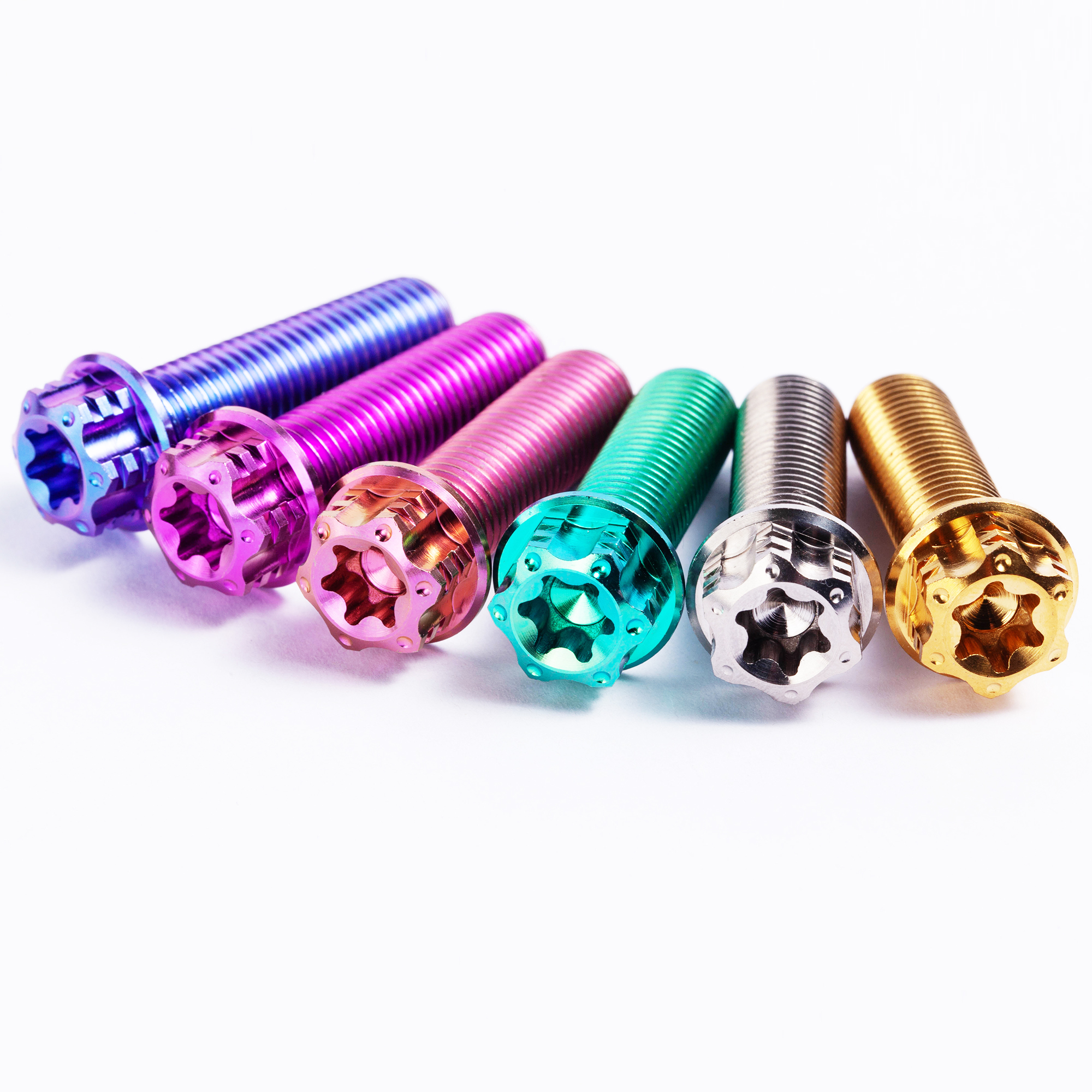
Jiaxing Wexra Titanium Products Co., Ltd. supplies Tier-1 and aftermarket performance caliper builders across Vienna with custom-machined Grade 5 Titanium (Ti-6Al-4V / AMS 4928) brake pistons engineered to resolve this thermodynamic vulnerability. Ti-6Al-4V demonstrates a uniquely low thermal conductivity of merely 6.7 W/m·K—nearly 20 times lower than aerospace aluminum and less than half that of standard carbon steel. By introducing our CNC-machined titanium pistons, the rate of conductive thermal transfer into the fluid chamber drops precipitously, safeguarding the hydraulic boiling threshold under sustained friction loads.
| Material Specification | Density (g/cm³) | Thermal Conductivity (W/m·K) | Tensile Strength (MPa) | Corrosion Immunity (CaCl2 Salt) | Fluid Boil Protection |
|---|---|---|---|---|---|
| Titanium Grade 5 (Ti-6Al-4V) - Wexra Standard | 4.43 | 6.7 | 895 - 1000 | 100% Inert (TiO2 Layer) | Superior Barrier |
| OEM Chrome-Plated Carbon Steel | 7.85 | 45.0 - 52.0 | 550 - 720 | Pits & Blisters (Corrosive) | Moderate Fluid Heating |
| Cast / Machined Aluminum 7075-T6 | 2.81 | 130.0 | 570 | Galvanic & Pitting Risk | High Vapor Lock Risk |
| Austenitic Stainless Steel (AISI 304/316) | 7.95 | 16.2 | 515 - 620 | Good Pitting Resistance | Acceptable Thermal Barrier |
Structural Geometry & Ventilated Crown Engineering
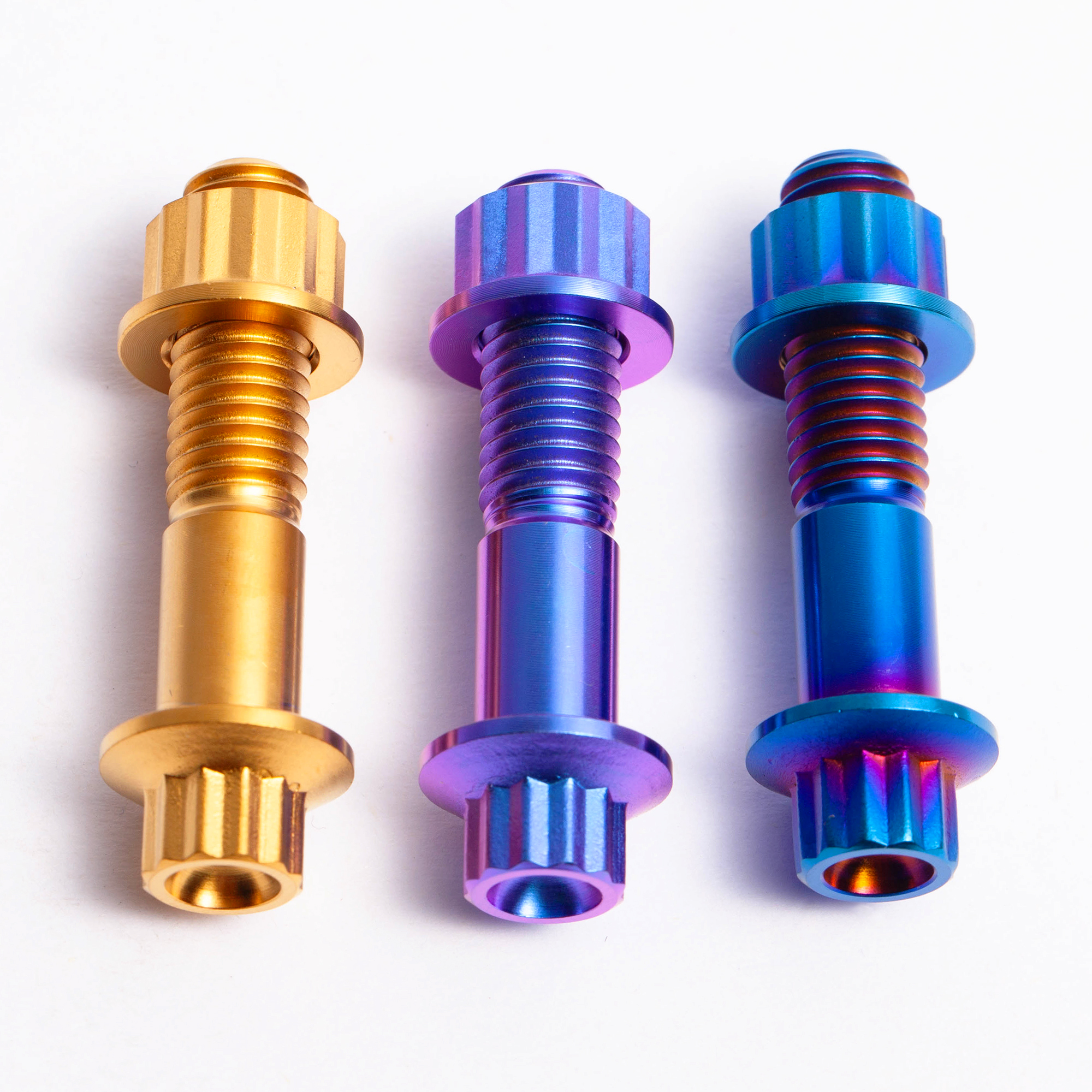
Standard solid pistons trap blistering radiant heat directly against the caliper oil seals. Wexra Titanium engineers incorporate precision castellations, laser-cut ventilation ports, and hollowed cylindrical cavities. This scalloped crown design facilitates natural airflow between the brake pad backing plate and the internal fluid contact surface. During high-speed deceleration on technical courses like the Red Bull Ring in Spielberg or the steep descents of the Austrian Alps, ambient aerodynamic vortexes draw radiant heat away through the crown cutouts, reducing seal degradation and preserving piston seal elastomer elasticity.
Severe Operating Conditions Across Eastern & Alpine Austria
How Jiaxing Wexra Titanium's bespoke components address localized operational stresses from alpine altitude down to the salt-saturated winter asphalt of Vienna's outer beltway.
Continuous Alpine Descents (Großglockner & Semmering)
Austria's mountainous terrain subjects commercial vans, sport motorcycles, and performance vehicles to non-stop hydraulic drag down 12% to 15% inclines. The ultra-low 6.7 W/m·K thermal barrier of our Grade 5 titanium pistons stops caliper fluid boiling and pedal sinking, guaranteeing emergency reserve stopping power even after kilometers of downhill brake dragging.
Vienna Municipal Winter De-Icing Brine Resistance
During Vienna's winter months, city municipal services heavily apply magnesium and calcium chloride de-icing brines along the A23 Autobahn and central Gürtel. Chrome steel pistons pit rapidly, generating abrasive flakes that shred silicone caliper dust boots and seize sliding pins. Titanium creates an instant, self-healing TiO2 passivation layer completely immune to salt-spray corrosion.
Austrian Track Days & Enduro Racing (Spielberg & Erzberg)
From KTM factory-replica supermoto builds to GT3 endurance cups at the Red Bull Ring, competitive racers in the Vienna metro region require instantaneous hydraulic bite and zero seal rollback binding. Our mirror micro-finished outer diameters (≤ Ra 0.2 μm) allow rapid fluid retraction without stick-slip resistance under lateral cornering g-forces.
Technological Evolutions in the Austrian Braking Industry
Navigating Austrian environmental regulations, Euro 7 emissions targets, and the surging electrification of the Vienna Basin automotive supply chain.
Euro 7 Non-Exhaust Brake Dust Mitigation
With Austrian cities introducing strict environmental zones, reducing micro-particulate brake pad wear is paramount. Titanium pistons ensure immediate, friction-free retraction after pedal release, eliminating residual brake drag that accounts for over 18% of urban friction dust emissions.
Rapid EV Weight Demands in Greater Vienna
Heavy electric vehicles demand immense braking power, placing unheralded thermal stress on calipers during emergency friction engagement after regenerative limits are exceeded. Titanium Grade 5 offers high strength at 44% lower mass, improving unsprung suspension dynamics.
Direct China-to-Vienna Freight Logistics
Austrian OEMs increasingly bypass middle-tier trading houses in Western Europe to source directly from Chinese precision machining clusters in Zhejiang. Airfreight connections into Vienna Schwechat (VIE) ensure sample validation within 5 to 7 days, backed by complete 3.1 MTCs.
Lightweight Titanium Hardware in Micro-Mobility
Vienna's municipal biking corridors (Radwege) have spurred a massive demand for premium e-cargo bikes and downhill MTBs. Premium Austrian bike builders incorporate our Grade 5 disc rotor bolts, caliper banjo bolts, and small-bore pistons for total lifecycle durability.
Why Austrian Engineers Choose Jiaxing Wexra Titanium
Headquartered in Zhejiang, China, Jiaxing Wexra Titanium Products Co., Ltd. combines an ISO 9001:2015 quality management framework with specialized high-speed CNC turning for Europe's most demanding Tier-1 sectors.
Certified Aerospace Stock
We manufacture exclusively from vacuum-melted Grade 5 (Ti-6Al-4V) and commercially pure Grade 2 titanium bars with full physical & chemical Mill Test Certificates (MTC EN 10204 3.1).
±0.008 mm CNC Precision
Multi-axis CNC turning centers achieve tight cylindrical tolerances down to ±0.008 mm, maintaining perfect seal groove concentricity and microscopic Ra 0.2 μm diamond-burnished sliding walls.
EU & UK Compliance
Fully compliant with EU REACH chemical directives and RoHS requirements. We provide complete EPR registration documents for European customs clearance with smooth Austrian importation.
OEM / ODM from CAD/Drawings
Rapid prototyping from 2D drawings, 3D STEP files, or physical Brembo, AP Racing, and Nissin samples. Batch pilot samples produced within 7 business days for dyno testing.
Austrian B2B Sourcing FAQ: Titanium Brake Pistons
Clear, technically rigorous answers to common questions asked by Austrian engineering directors, racing teams, and purchasing agents.
Why choose Grade 5 (Ti-6Al-4V) over Grade 2 for caliper brake pistons?
How do Wexra titanium pistons prevent hydraulic brake fluid boiling?
What surface treatments and anti-galling finishes do you provide?
Can we order custom dimensions according to Brembo, Nissin, or Magura calipers?
What documentation accompanies titanium shipments to Austria?
What are the lead times and shipping options for Vienna B2B orders?
Request an Engineering Quotation for Custom Titanium Pistons
Submit your 2D engineering drawings (PDF/DWG) or 3D STEP models. Our mechanical engineers will analyze your hydraulic tolerance requirements, thermal parameters, and batch production volumes within 8 hours.