±0.01 mm
Wire Sizing & CNC Precision Tolerance
ISO 9001
Quality Management Certified System
100%
Ultrasonic & Chemical Cleansed Feedstock
≤ 8 Hours
Direct Technical Engineering Response
High-Performance Catalog
Featured Industrial Titanium Consumables & Fasteners
Direct factory production lines supplying precision Grade 2, Grade 5 (Ti-6Al-4V), and specialized titanium weld joints for North American precision industries.
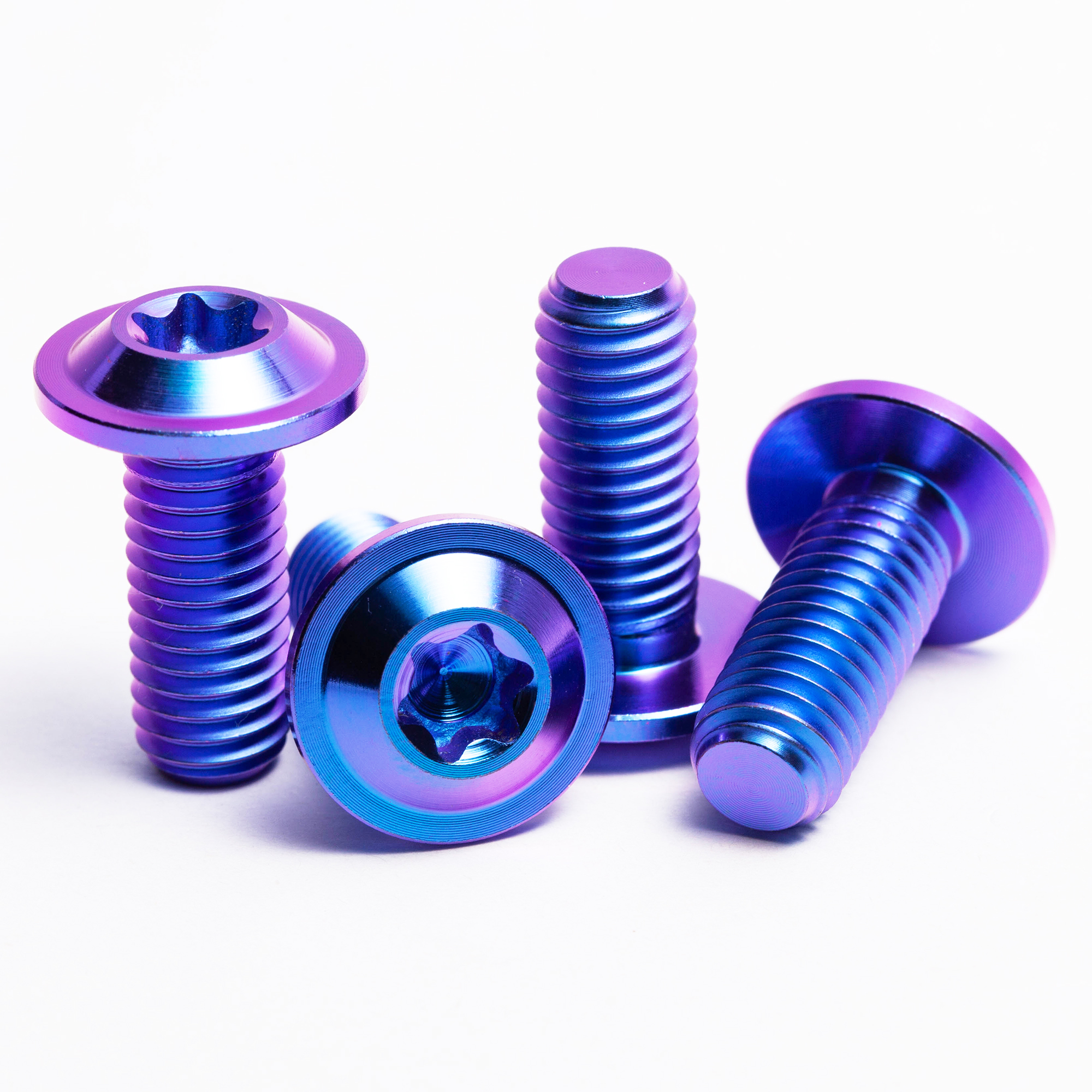
Motorsport Fasteners
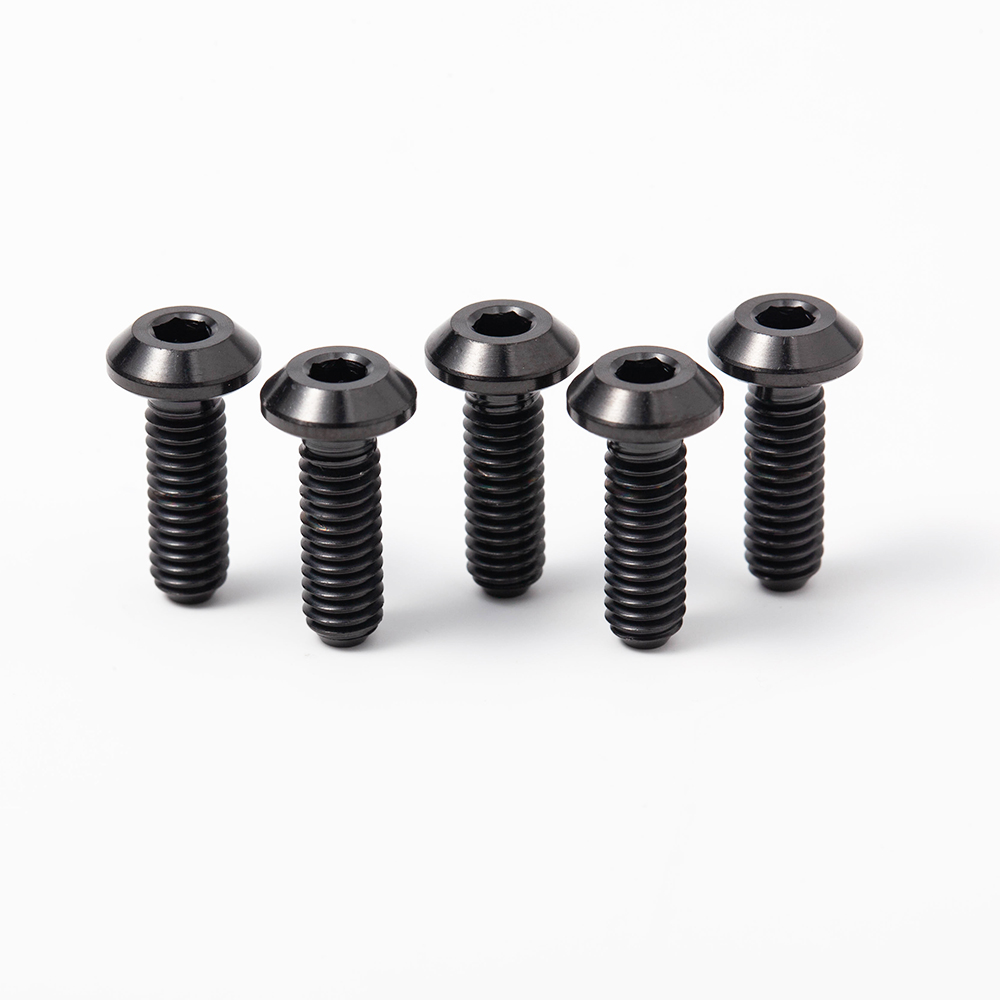
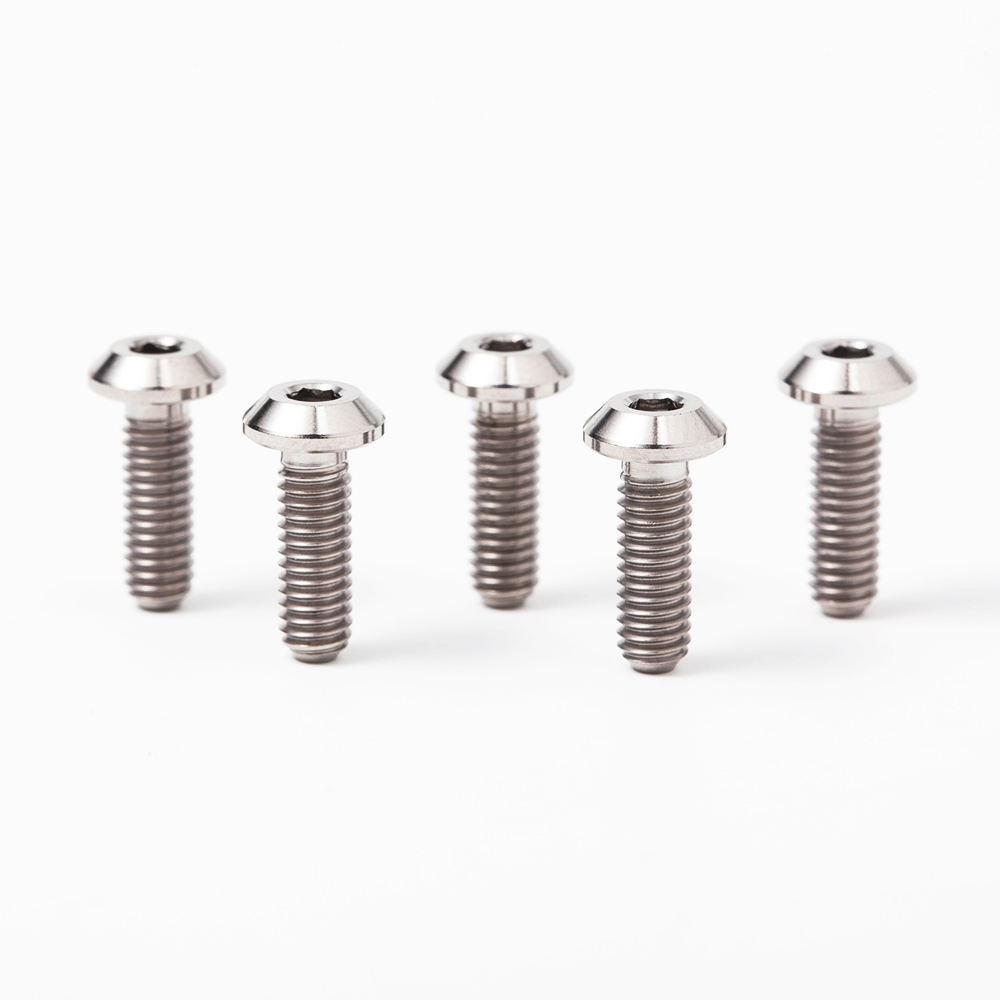
Customized Titanium Disc Head Bolts M6/M8/M10 Gr5 DIN6921 Motorcycle Screws
View Details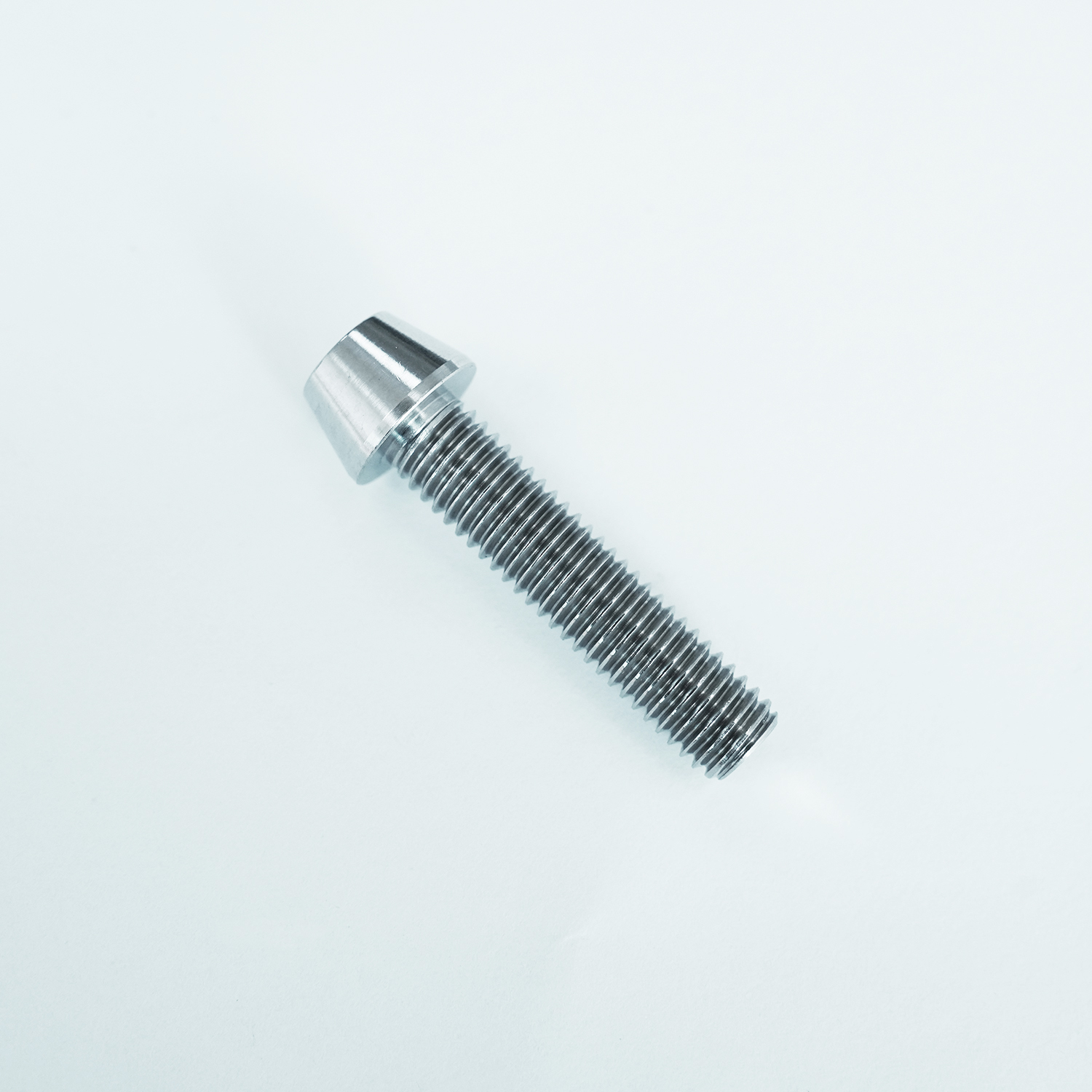
Technical Whitepaper
Engineering Metallurgy: Selecting Titanium Wire for Querétaro's High-Tech Hub
An authoritative technical guide on cross-continental metallurgical compliance, AWS A5.16 welding specifications, and local supply chain integration in central Mexico.
The Strategic Imperative of Titanium Wire Quality for Central Mexico
The State of Querétaro, anchored by the Querétaro Aerospace Park (Parque Aeroespacial Querétaro) and sprawling automotive tier-1 production hubs along the El Marqués and Bernardo Quintana corridors, has transformed into Latin America’s undisputed center for high-value manufacturing. Within this high-stress manufacturing theater, titanium welding is not simply a joining process; it is a critical-path structural operation where micro-porosity, interstitial hydrogen pickup, or thermal delamination leads to catastrophic mechanical failure.
Sourcing titanium welding wire—primarily ERTi-1, ERTi-2, and ERTi-5 (Ti-6Al-4V ELI)—from premier Chinese manufacturing facilities provides manufacturing directors in Querétaro with direct metallurgical control. Chinese titanium smelting infrastructure accounts for over half the world's titanium sponge production, offering unmatched raw material provenance, sophisticated vacuum arc remelting (VAR) systems, and strict draw-die cleanliness. However, navigating international procurement requires a thorough understanding of standard specifications such as AWS A5.16 / ASME SFA-5.16, AMS 4951, and AMS 4954 to satisfy both Mexican civil aviation authorities (AFAC) and global NADCAP accreditations.
| Titanium Wire Grade | AWS / AMS Spec | Density (g/cm³) | Ultimate Tensile (MPa) | Primary Industrial Application in Querétaro |
|---|---|---|---|---|
| ERTi-1 (CP Grade 1) | AWS A5.16 / AMS 4951 | 4.51 | ≥ 240 | Chemical heat exchangers, cathodic protection, cryogenic piping |
| ERTi-2 (CP Grade 2) | AWS A5.16 / AMS 4951 | 4.51 | ≥ 345 | Industrial exhaust manifolds, desalination, naval chemical reactors |
| ERTi-5 (Ti-6Al-4V Gr5) | AWS A5.16 / AMS 4954 | 4.43 | ≥ 895 | Aerospace structural brackets, jet engine ducts, motorsport suspensions |
| ERTi-23 (Ti-6Al-4V ELI) | AWS A5.16 / AMS 4956 | 4.43 | ≥ 825 | Medical implants, fracture-critical aerospace airframes, high-pressure fuel tanks |
Note on Interstitial Contamination: Titanium exhibits extreme chemical affinity for atmospheric oxygen, nitrogen, and hydrogen at temperatures exceeding 427°C (800°F). Our Chinese export facilities ensure that every spool and straight rod undergoes precision spooling under positive-pressure argon or nitrogen blanketing, paired with acid pickling or mechanical peeling, guaranteeing surface hydrogen levels strictly maintained below 30–50 ppm to prevent delayed cold cracking (hydrogen embrittlement) during robotic GTAW and PAW fabrication runs across Mexican assembly lines.
Regional Deployment
Localized Industrial Application Scenarios in Querétaro
Mapping factory-grade wire feedstocks directly to major industrial clusters throughout the Bajío industrial corridor.
Aerospace Turbine & Nacelle Ducts
Querétaro hosts tier-1 and OEM aerostructure facilities manufacturing environmental control systems (ECS), hydraulic tubing, and turbine engine exhaust cones. The deployment of ultra-low-hydrogen ERTi-23 straight lengths ensures weld zones achieve NADCAP-audited radiographic density without porosity or alpha-case embrittlement.
Automotive & Motorsport Exhaust Systems
In automotive tech centers in Silao, Celaya, and Querétaro, high-performance aftermarket fabricators rely on ERTi-2 titanium wire for TIG-welding thin-wall (0.8mm–1.2mm) titanium exhaust systems. Titanium provides a 45% weight savings over 304 stainless steel, with zero susceptibility to intergranular corrosion under thermal cycling.
Chemical Reactors & Desalination
Processing plants operating chlor-alkali reactors and corrosive liquid transfer units in central Mexico utilize Commercially Pure (CP) titanium welding wire. Grade 2 deposits exhibit phenomenal passive oxide layer (TiO2) kinetics, completely withstanding pitting in high-temperature chloride environments where super duplex steels fail.
Strategic Outlook
Querétaro Industry Trends: Additive Manufacturing & Nearshoring
The confluence of North American nearshoring, supply chain reshoring, and the rise of wire arc additive manufacturing (WAAM).
1. Explosive Growth in Wire Arc Additive Manufacturing (WAAM)
Machining massive structural aerospace bulkheads from solid titanium billets frequently results in buy-to-fly ratios exceeding 10:1—meaning 90% of expensive forged material becomes scrap chips. Advanced manufacturing institutes in Querétaro are aggressively implementing Wire Arc Additive Manufacturing (WAAM) cells.
This trend demands Chinese welding wire suppliers deliver extreme continuous spooling consistency (D300 and spool baskets) with cast-and-helix tolerances held strictly within AWS guidelines to eliminate wire feeding jams in multi-axis robotic KUKA and Fanuc welding cells.
2. T-MEC (USMCA) Nearshoring Dynamics
As Tier-1 American and European contractors relocate machining and sub-assembly contracts to Querétaro under the USMCA umbrella, procurement officers face unprecedented lead-time pressure. The traditional model of sourcing secondary titanium stock from expensive third-party North American master distributors is being replaced by direct OEM agreements with Chinese direct manufacturers.
Direct sourcing delivers up to a 35% reduction in consumable spend while providing EN 10204 3.1 certification packages directly traced back to vacuum-melt heats.
Enterprise Credentials
Why Querétaro Procurement Teams Choose Our Manufacturing Infrastructure
Comprehensive vertically integrated facilities operating under ISO 9001:2015, RoHS, and REACH protocols.
ISO 9001:2015 & Chemical Traceability
Established in 2018 with over 1,000 m² of specialized production floor, we manage strict quality control from raw titanium sponge through to finished wire drawing and CNC bolt threads. Full Mill Test Certificates (MTC) conforming to EN 10204 3.1 are supplied with every heat lot.
Ultrasonic Surface Finishing & Degreasing
Welding wire performance lives or dies by its surface cleanliness. Our continuous drawing lines feature multi-stage ultrasonic chemical degreasing, mirror diamond drawing dies, and rigorous micro-eddy current testing to eliminate draw-die residue, surface micro-fissures, and carbon contamination.
Rapid Querétaro Air & Maritime Logistics
With an export ratio exceeding 91% serving North America and Europe, our export team coordinates smooth bonded transport. Emergency aviation samples ship via air freight directly into Querétaro Intercontinental Airport (QRO), while bulk container loads land swiftly through Manzanillo port facilities.
Buyer Solutions
Querétaro Procurement FAQ: Titanium Welding Wire Sourcing
Direct answers to the regulatory, mechanical, and logistical questions asked by Mexican purchasing managers.
What specific quality documentation is required to clear Mexican Customs (SAT) and pass tier-1 aerospace audits in Querétaro?
Every shipment is dispatched with an authentic Mill Test Certificate (MTC) conforming to EN 10204 3.1. This includes full spectrographic chemical analysis (explicitly verifying O, N, C, H, and Fe contents within AWS A5.16 thresholds), mechanical tensile and yield metrics, and radiographic weld soundness reports. For aerospace Tier-1 operators, we provide ISO 9001:2015 traceability down to the vacuum arc remelt (VAR) sponge batch.
How do you prevent titanium wire surface oxidation and hydrogen pickup during maritime transit across the Pacific?
We utilize high-barrier, multi-layer vacuum heat-sealed foil packaging containing moisture-scavenging desiccant packs. Straight cut rods (TIG lengths) are packed in heavy-walled, impact-resistant PVC cylinders with sealed endcaps. Spools (MIG/WAAM) are sealed in vacuum bags before being placed into rigid cartons, ensuring zero exposure to saline maritime humidity between our factory floor and your warehouse in Querétaro.
Can your facility supply both precision welding wire and companion CNC-machined titanium fasteners under one consolidated order?
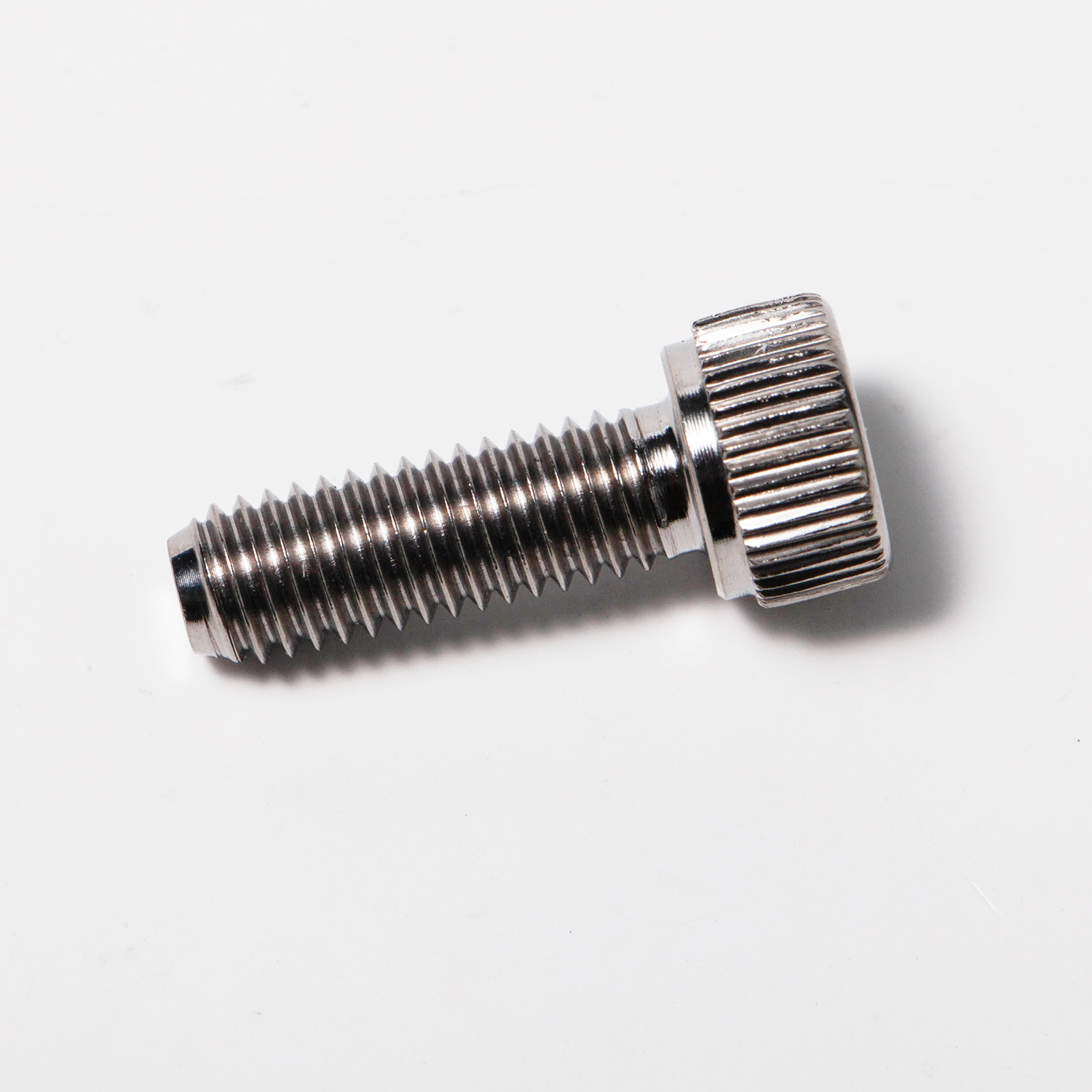
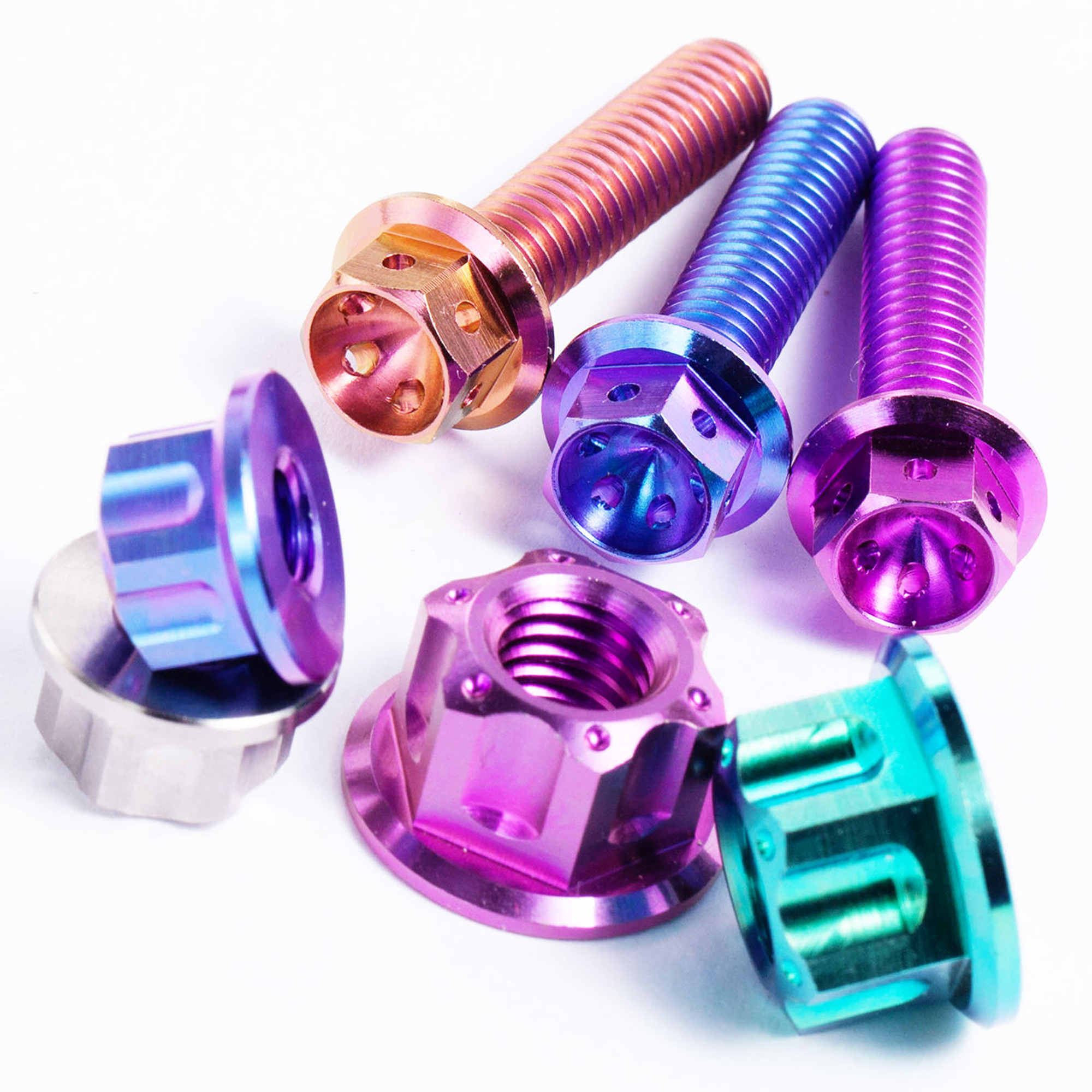
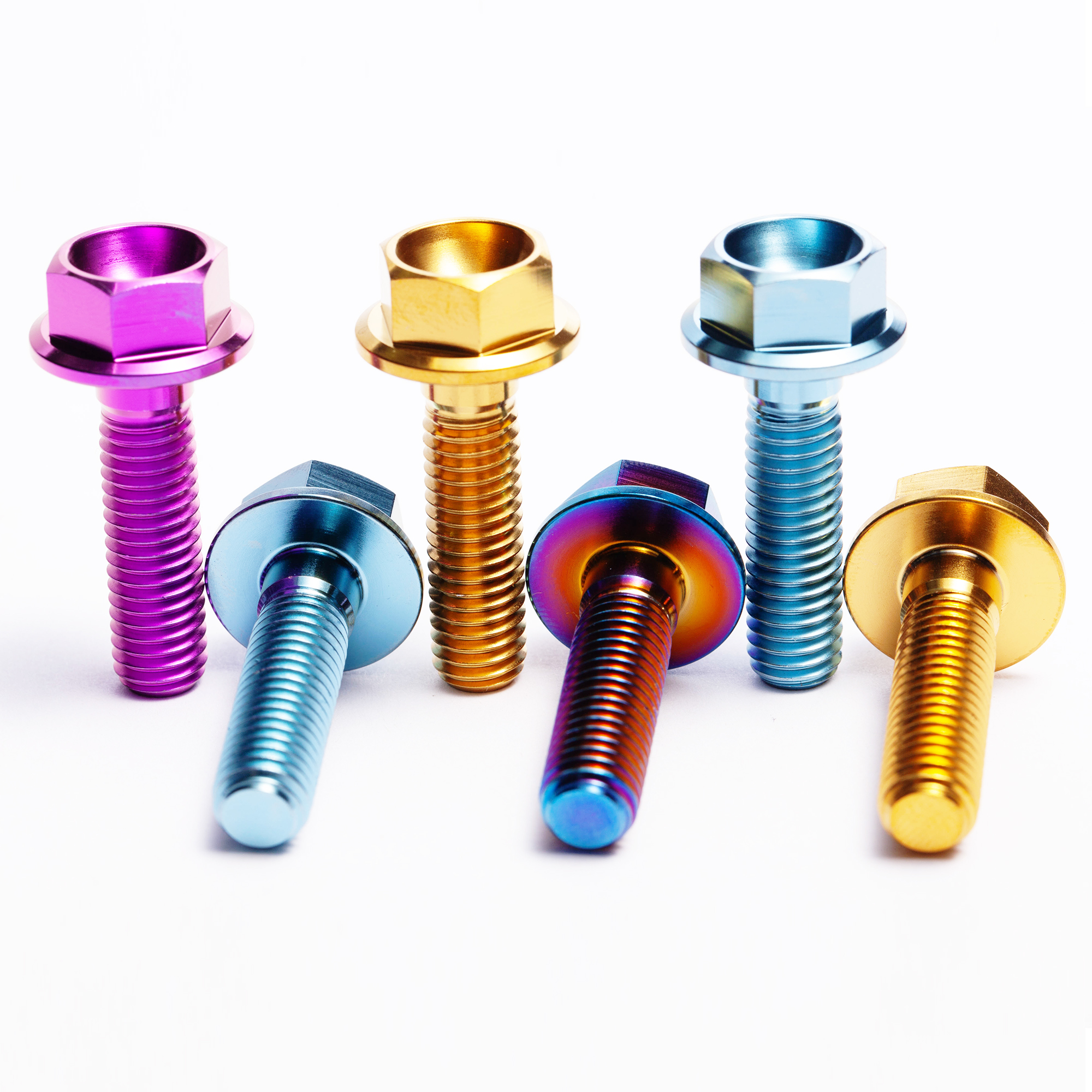
Yes. In addition to high-purity titanium welding wire in spools and straight lengths, our Jiaxing production plant operates precision CNC machining centers. We regularly supply Querétaro manufacturers with integrated shipments containing Grade 5 DIN6921 flange bolts, customized anodized suspension screws, CNC milled titanium brackets, and matching welding consumables to streamline vendor management.
What is the standard lead time for titanium wire shipments to Mexico?
Standard diameter wires (e.g., 1.6mm, 2.4mm, 3.2mm in ERTi-2 and ERTi-5) are frequently stocked in bulk feedstock condition and can be spooled or cut within 7 to 10 working days. Air freight via international carriers to Querétaro (QRO) takes approximately 5 to 7 days, whereas full pallet consignments routed by sea freight to Manzanillo or Lázaro Cárdenas have an average ocean transit time of 18 to 24 days.
What is the practical difference between Grade 5 (ERTi-5) and Grade 23 (ERTi-5ELI) for critical assemblies?
Grade 23 is the "Extra Low Interstitial" modification of Grade 5. It features strictly constrained maximum levels of oxygen (≤ 0.13%) and iron. This chemical adjustment significantly enhances fracture toughness, impact resistance, and ductility at cryogenic and sub-zero operating temperatures, making ERTi-23 the mandatory welding filler for flight-critical airframe joints and medical devices, whereas standard ERTi-5 is preferred for high-stress automotive exhaust and structural brackets.