Precision Titanium Solutions
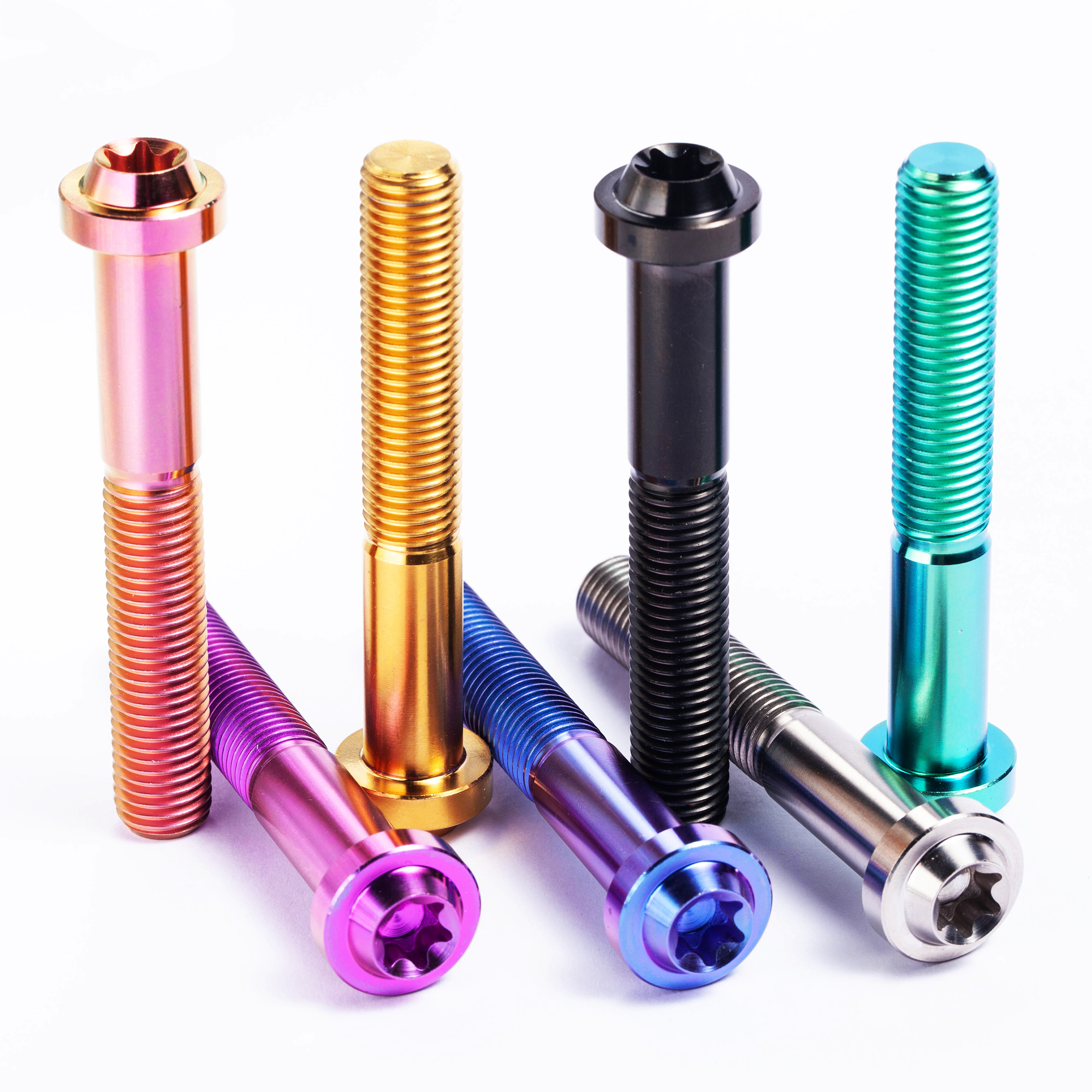
High-Performance Titanium Heat Exchanger Fasteners & Components
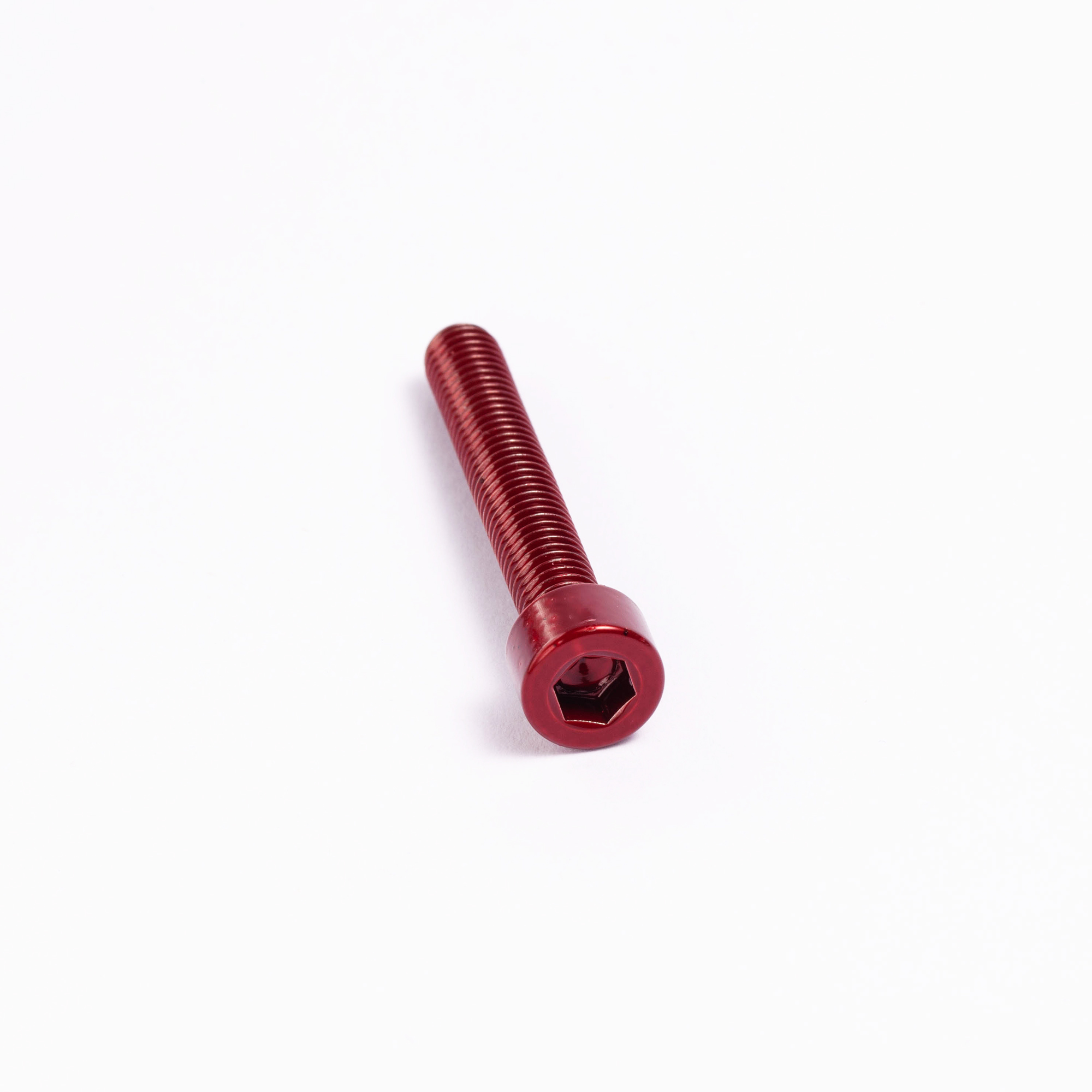
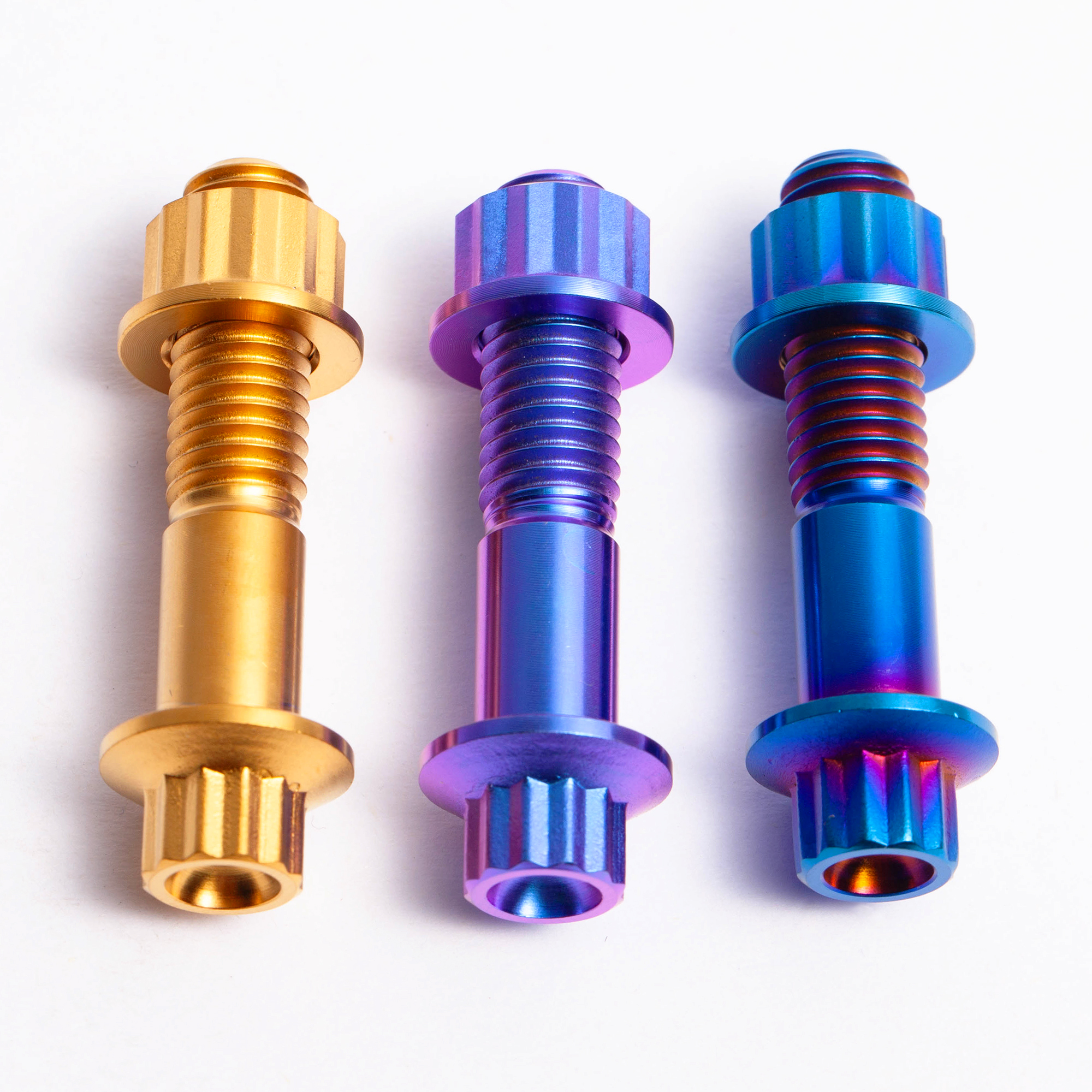
Essential Grade 2 and Grade 5 (Ti-6Al-4V) components for shell-and-tube assemblies, gasketed PHE tie-rods, marine chiller manifolds, and high-vibration geothermal piping frameworks.
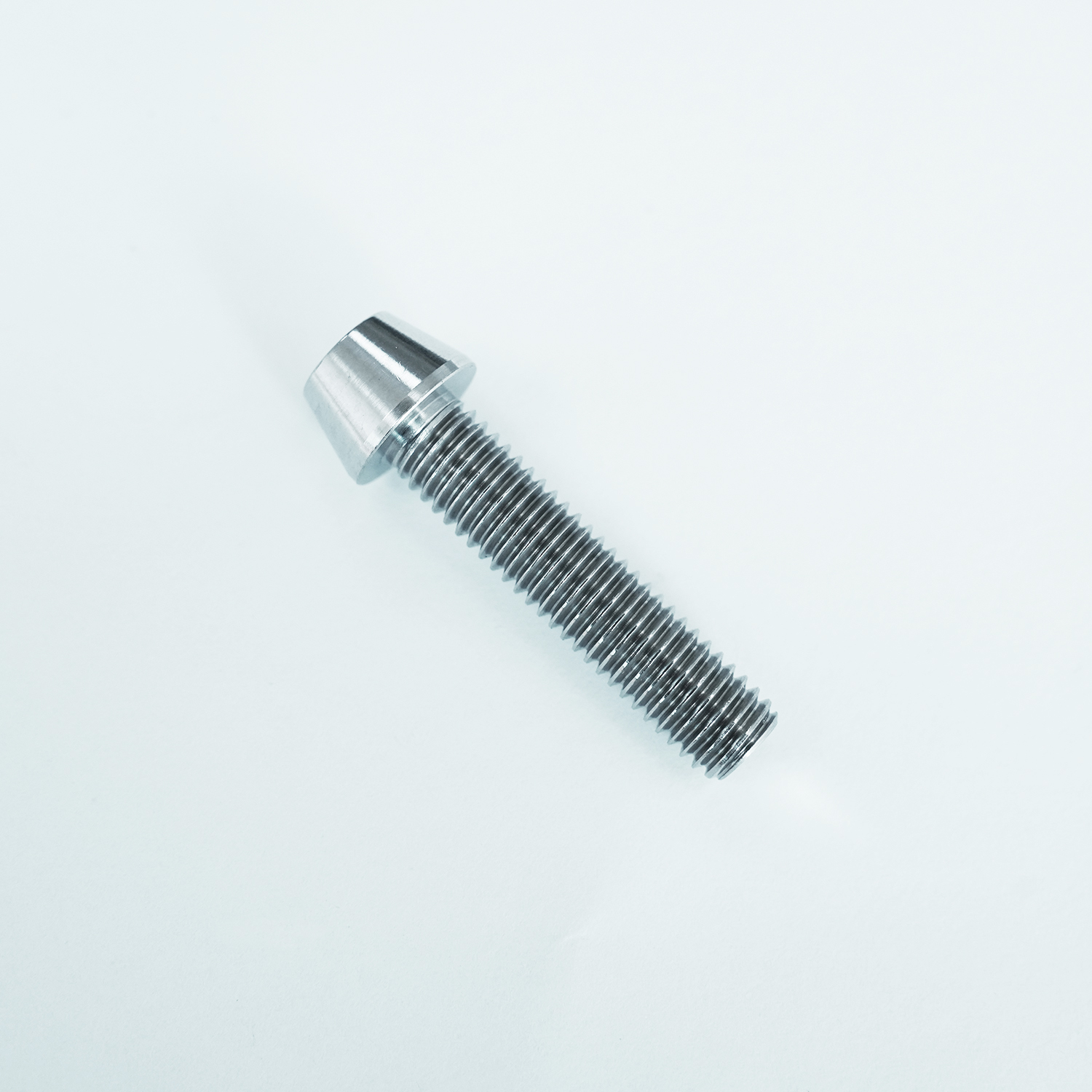
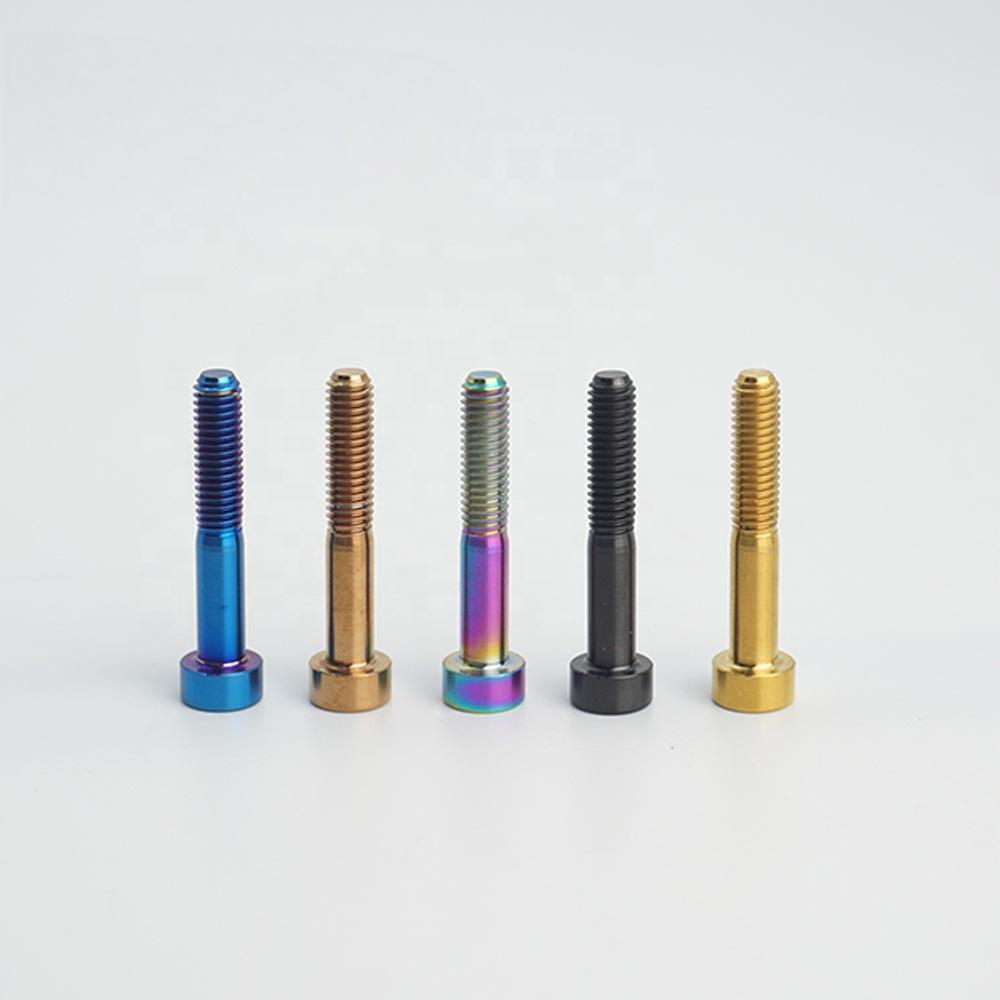
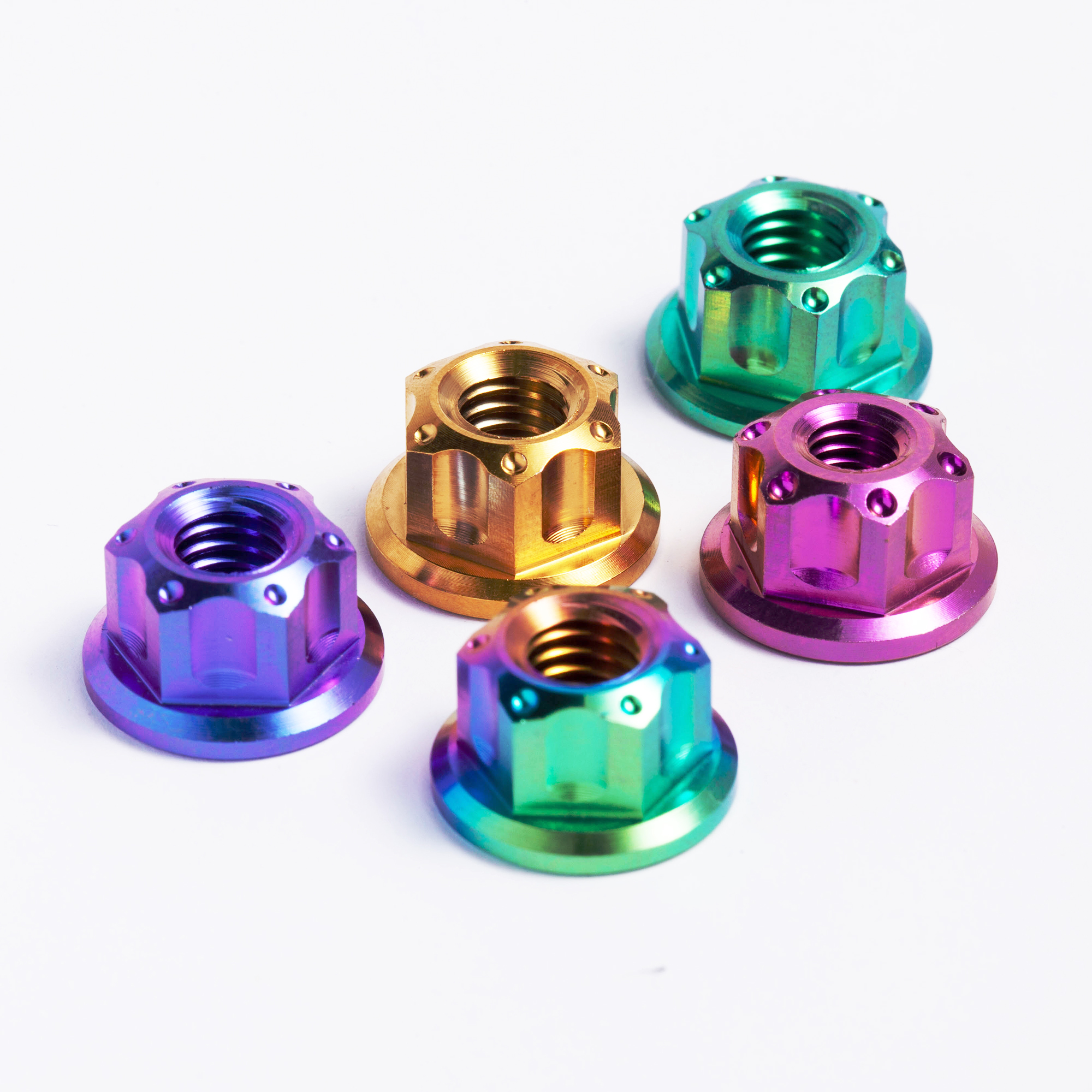
Engineering Whitepaper
Local Application Scenarios in Kópavogur & the Capital Region (Höfuðborgarsvæðið)
Analyzing thermal metallurgy challenges across Southwest Iceland’s unique thermodynamic, municipal, and maritime industrial interfaces.
As the second-largest municipality in Iceland, Kópavogur occupies a pivotal operational footprint within the Capital Region’s integrated district heating grid, maritime logistics, and emerging biotechnology zones. Nestled between Reykjavik and Garðabær, with commercial coastlines along Kársnes and extensive industrial developments around Smárinn, Kópavogur demands thermal exchange systems that can survive some of the world's most chemically aggressive geothermal fluids and North Atlantic saline microclimates.
Geothermal District Heating Sub-Stations
The municipal supply managed across Veitur and regional utilities draws water with volatile dissolved solids, gaseous hydrogen sulfide (H₂S), and elevated chloride ions. Traditional 316L stainless steel plates experience severe pitting and stress corrosion cracking (SCC) under operating temperatures above 60°C. Wexra Commercially Pure Grade 2 (UNS R50400) titanium plate heat exchangers build an instantaneous, self-healing rutile (TiO₂) passivation layer that completely neutralizes H₂S corrosion, delivering continuous heat transfer with zero wall degradation.
Kársnes Maritime & Pelagic Cold Chains
Kópavogur’s marine repair slips, fish handling facilities, and nearby harbor terminals require heavy-duty titanium shell-and-tube chillers and plate evaporators running direct North Atlantic seawater. While copper-nickel and super duplex alloys suffer impingement erosion at higher intake velocities, Wexra titanium tubes and Grade 5 double-stud flange bolts show zero erosion-corrosion even at flow velocities exceeding 6 m/s, preventing ammonia/refrigerant contamination into critical seafood processing lines.
Hydrothermal Energy Recovery & Data Centers
With high-performance computing centers scaling across the Capital Region, low-enthalpy geothermal return loops and oceanic water chillers are tapped for direct-to-chip and liquid immersion cooling. Wexra’s custom CNC-machined titanium manifolds and heat exchanger tie plates eliminate dielectric fluid cross-contamination while ensuring high thermal transfer efficiency across compact footprints that align with ISO 14001 green infrastructure requirements.
| Material Specification | Yield Strength (0.2% MPa) | Resistance to Geothermal H₂S | Seawater Velocity Limit | Risk of Stress Corrosion Cracking |
|---|---|---|---|---|
| Titanium Grade 2 (ASTM B265/B338) | 275 – 450 | Immune (Full Passivation) | > 20 m/s (Negligible Erosion) | Zero Risk < 250°C |
| Titanium Grade 5 (Ti-6Al-4V) | 828 – 910 | Immune (Structural Bolting) | > 25 m/s | Zero Risk < 300°C |
| Super Duplex SS (2507) | 550 | Moderate (Pitting Risk > 80°C) | ~ 3.5 m/s | Moderate under high H₂S partial pressure |
| Stainless Steel 316L | 220 | Poor (Severe pitting & sulfide cracking) | ~ 1.5 m/s | High Risk > 55°C in geothermal fluids |
Strategic Industry Horizon
Emerging Market Drivers in Kópavogur & Iceland
Macro-trends driving the conversion from legacy stainless equipment to specialized titanium heat transfer assets.
1. Geothermal Deep-Drilling Cascades
As Icelandic geothermal utilities drill deeper into higher temperature and supercritical steam fields, the extracted brine presents extreme mineral acidity. Standard heat exchangers require frequent acid cleaning that degrades base metals. Titanium's total resistance to nitric, organic, and sulfurous cleaning agents allows aggressive maintenance CIP (Cleaning-in-Place) regimes without metal thinning or premature pinhole failures.
2. Zero-Carbon Land-Based Aquaculture
The expansion of recirculating aquaculture systems (RAS) along the coastal peninsulas near Kópavogur requires massive temperature adjustments between volcanic boreholes and arctic ocean waters. Titanium plate heat exchangers provide non-toxic, 100% biocompatible surfaces that leach zero heavy metals (unlike copper-brass alloys), ensuring fish health and high bio-security standard compliance.
3. Decarbonized Marine Vessel Refits
With Icelandic fishing fleets modernizing their auxiliary propulsion and chilling architectures in line with national carbon-neutral mandates, saving top-deck and machinery room weight is critical. Titanium heat exchangers offer a 44% weight reduction over nickel-alloy or carbon-steel units, lowering auxiliary fuel consumption while resisting North Atlantic sea spray indefinitely.
Manufacturing Excellence
Why Icelandic Engineers & Contractors Rely on Wexra Titanium
Combining world-class metallurgy, tight CNC manufacturing tolerances, and full documentation to support major municipal and commercial procurement tenders.
Certified Metallurgy
Every titanium coil, bar, plate, and CNC fastener is backed by rigorous raw material tracing. We provide EN 10204 3.1 Mill Test Certificates, chemical composition spectral analysis, and mechanical tensile validation for every production batch.
Precision CNC Tolerancing
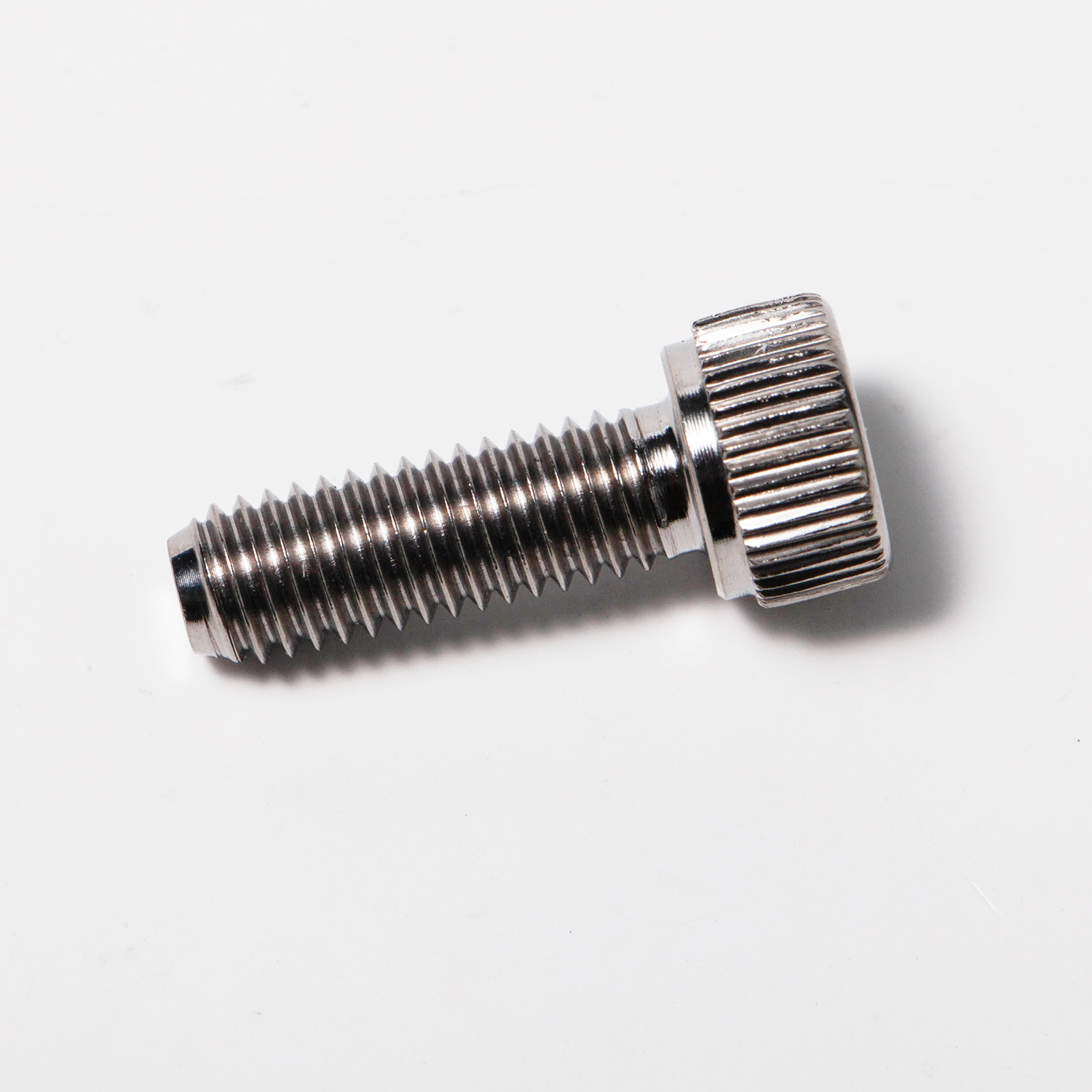
Our multi-axis turning and machining centers achieve repeatable tolerances down to ±0.01 mm. Whether fabricating specialized titanium tube sheets, threaded headers, or roll-threaded tie bolts, proper fit and gasket compression are guaranteed.
ISO 9001:2015 System
From initial DFM design consultations through multi-point CMM inspections and dye penetrant testing (PT) on titanium welds, Wexra follows strict quality protocols compliant with European PED (Pressure Equipment Directive) prerequisites.
Seamless Nordic Logistics
Exporting to Germany, the UK, the US, and across Northern Europe, Wexra coordinates full export crating, DDP/CIF delivery into Reykjavik and Sundahöfn ports, handling complete customs and hazardous-free declaration protocols.
Technical Clarifications
Frequently Asked Questions: Sourcing Titanium Heat Exchangers
Practical answers covering geothermal water chemistry, pressure ratings, customs delivery, and preventative maintenance.
Why is Commercially Pure Grade 2 titanium preferred over Grade 5 for plate heat exchangers?
Commercially Pure Grade 2 titanium (UNS R50400) provides an optimal balance of moderate yield strength (around 275–345 MPa), high elongation (over 20%), and cold ductility. This ductility is critical for stamping the intricate chevron corrugated patterns of heat exchanger plates without micro-cracking. In contrast, Grade 5 (Ti-6Al-4V) features double the tensile strength (~895 MPa) with reduced elongation, making it suited for pressure shell tie-bolts, flange fasteners, and high-stress structural studs rather than stamped foil plates.
How does Wexra prevent thread galling on titanium clamping hardware during plant overhauls?
Titanium has a relatively low friction coefficient variation that can result in cold-welding or galling under high preloads. Wexra employs precision CNC thread rolling rather than cut threads, producing smoother root-and-crest grain structures. We also offer specialized dry-film micro-coatings, anodized thread surfaces, and recommend specific nickel-free molybdenum disulfide (MoS₂) anti-seize lubricants for field assembly in Icelandic geothermal environments.
What documentation accompanies our wholesale shipments into Iceland?
All shipments arrive with comprehensive documentation packs: EN 10204 Type 3.1 inspection certificates verifying melt heat chemical analysis and tensile test performance; dimensional verification records; dye-penetrant weld inspection logs; and proof of ISO 9001:2015 factory compliance. We also coordinate commercial invoices and packing declarations mapped to Icelandic Directorate of Customs tariff requirements.
Can Wexra fabricate drop-in replacement bundles for existing Alfa Laval, GEA, or Sondex PHE frames?
Yes. Through our OEM/ODM custom reverse-engineering services, we can stamp replacement titanium Grade 1 and Grade 2 plates, build custom port manifolds, and machine high-tensile Gr5 tie bolts matching the exact dimensions and compression specifications of legacy heat transfer frames across your Kópavogur or regional installations.
What is the typical manufacturing lead time for custom titanium heat exchanger components?
Standard prototype lots and CNC fastener orders are typically finished within 10 to 15 business days. Scaled wholesale production of stamped plates or custom-machined shell tube-sheets generally ships in 25 to 35 calendar days from drawing sign-off, backed by express air or consolidated sea-freight routing into Iceland.
Ready to Upgrade Your Thermal Systems to Long-Life Titanium?
Connect directly with our engineering team in China to review your technical drawings, fluid compositions, and delivery schedules for the Kópavogur industrial area.