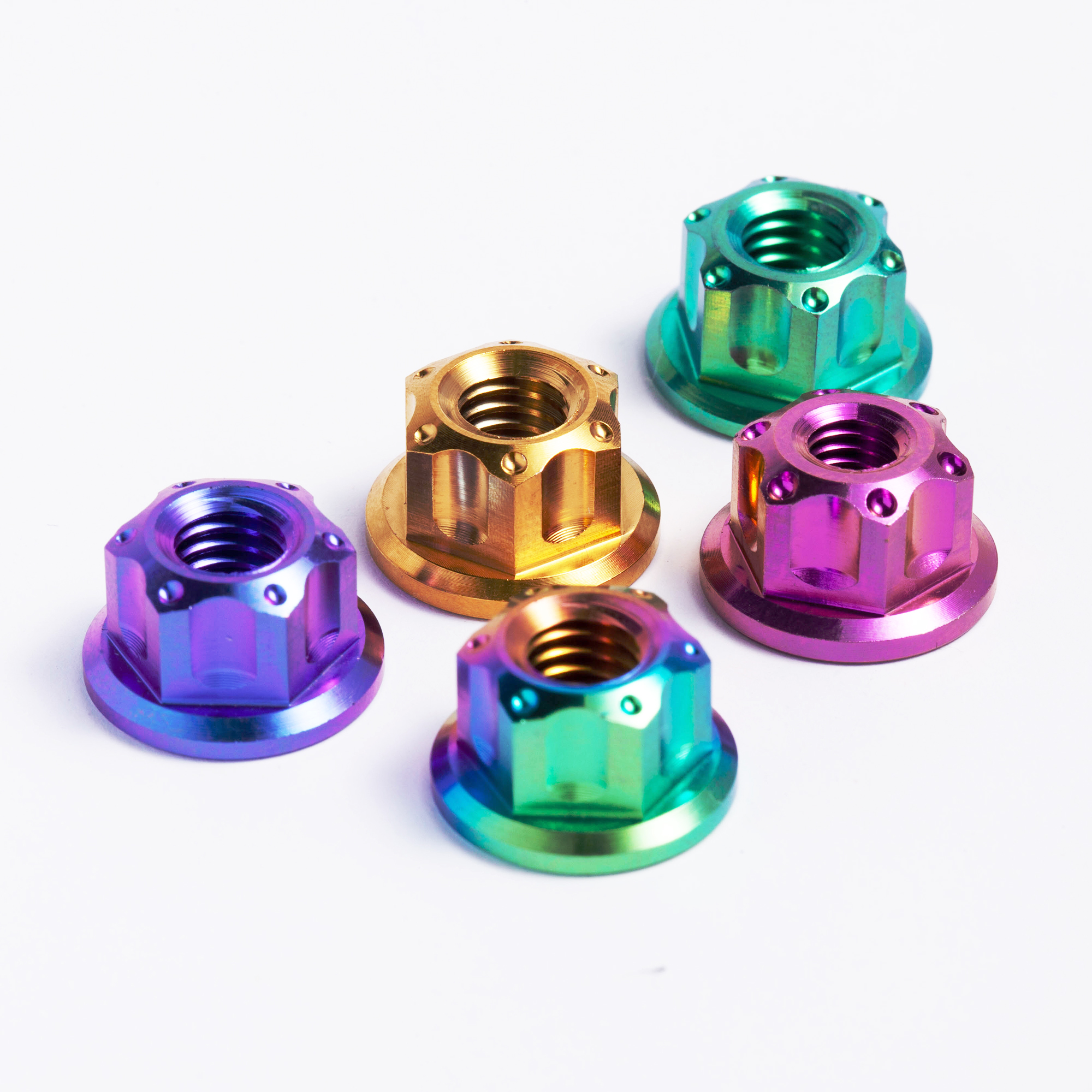
Precision Catalog
High-Tolerance Fasteners & Retaining Solutions
Manufactured under strict ISO 9001:2015 frameworks with full lot traceability, high tensile strength, and extreme corrosion resistance for international heavy machinery and performance sectors.
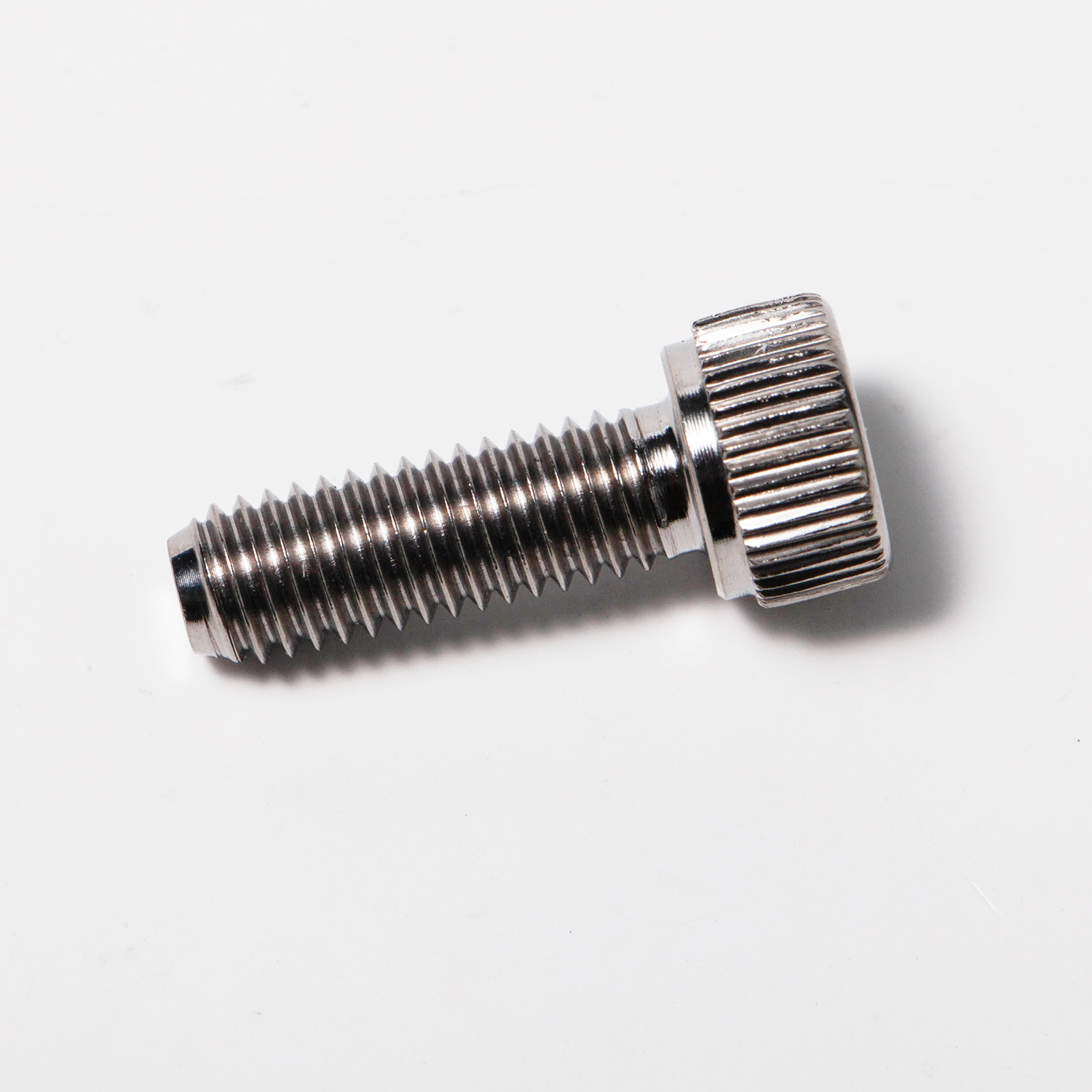
CNC Precision Machined
Titanium Alloy Hexagon Socket Head Cap Screws CNC Machined Lightweight Bolts
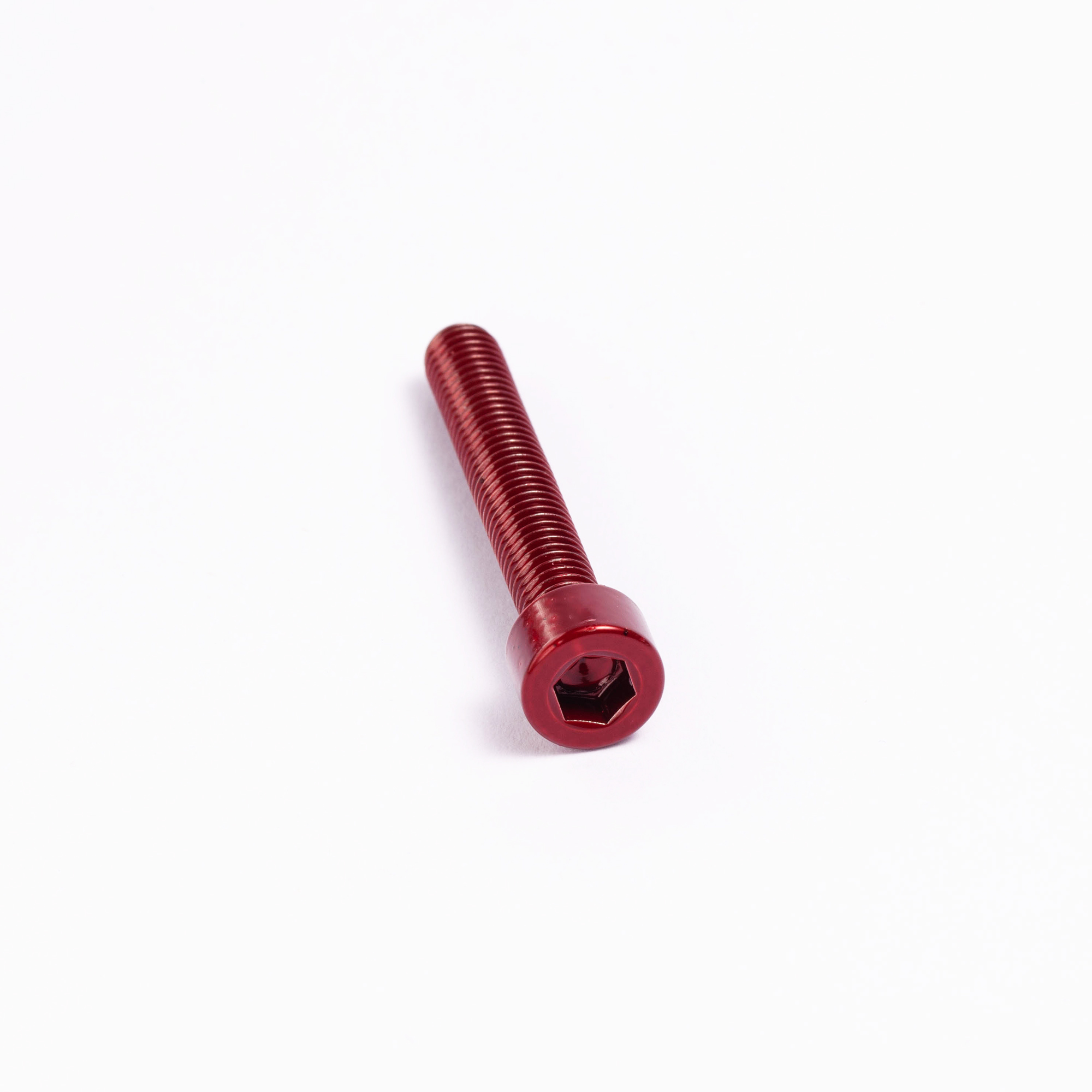
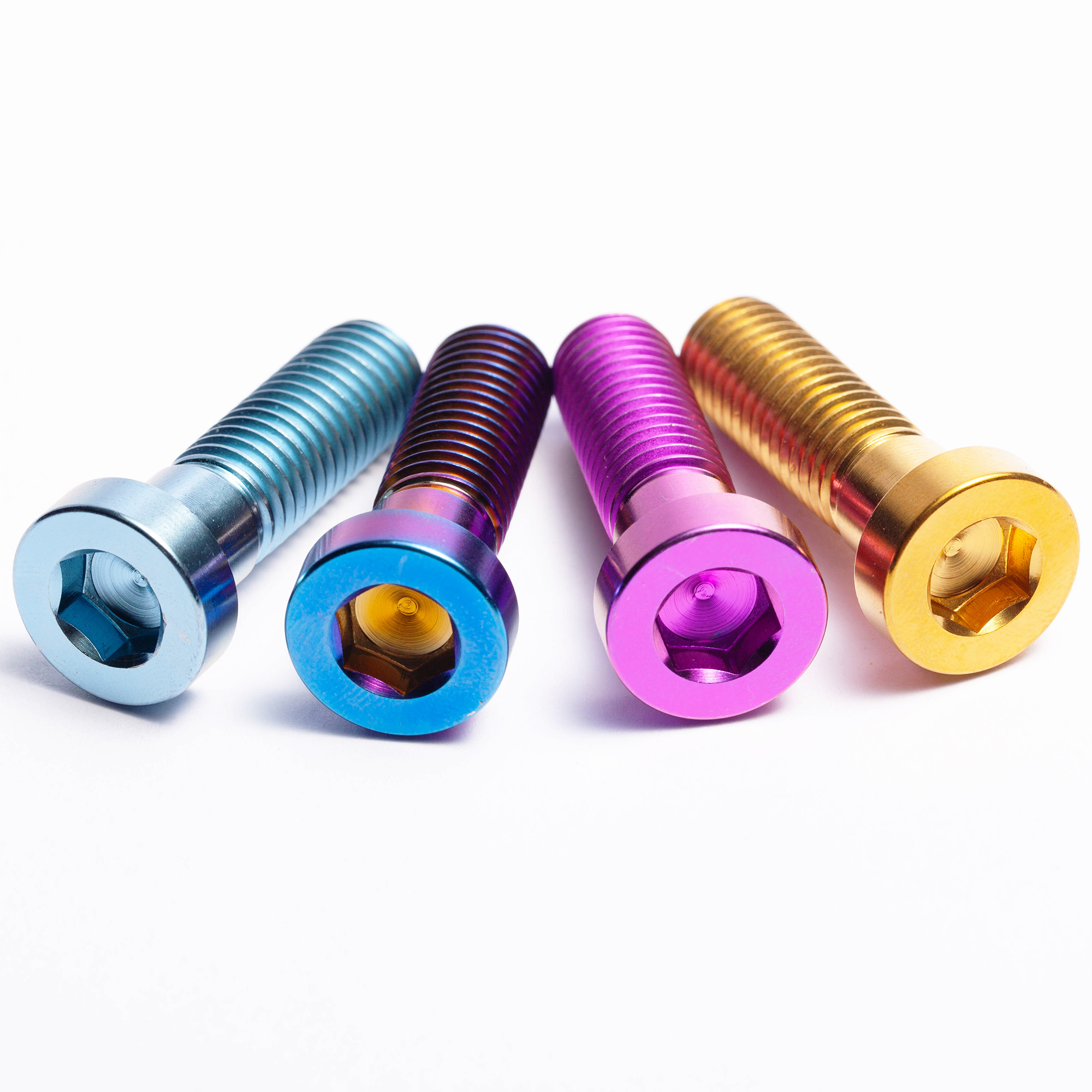
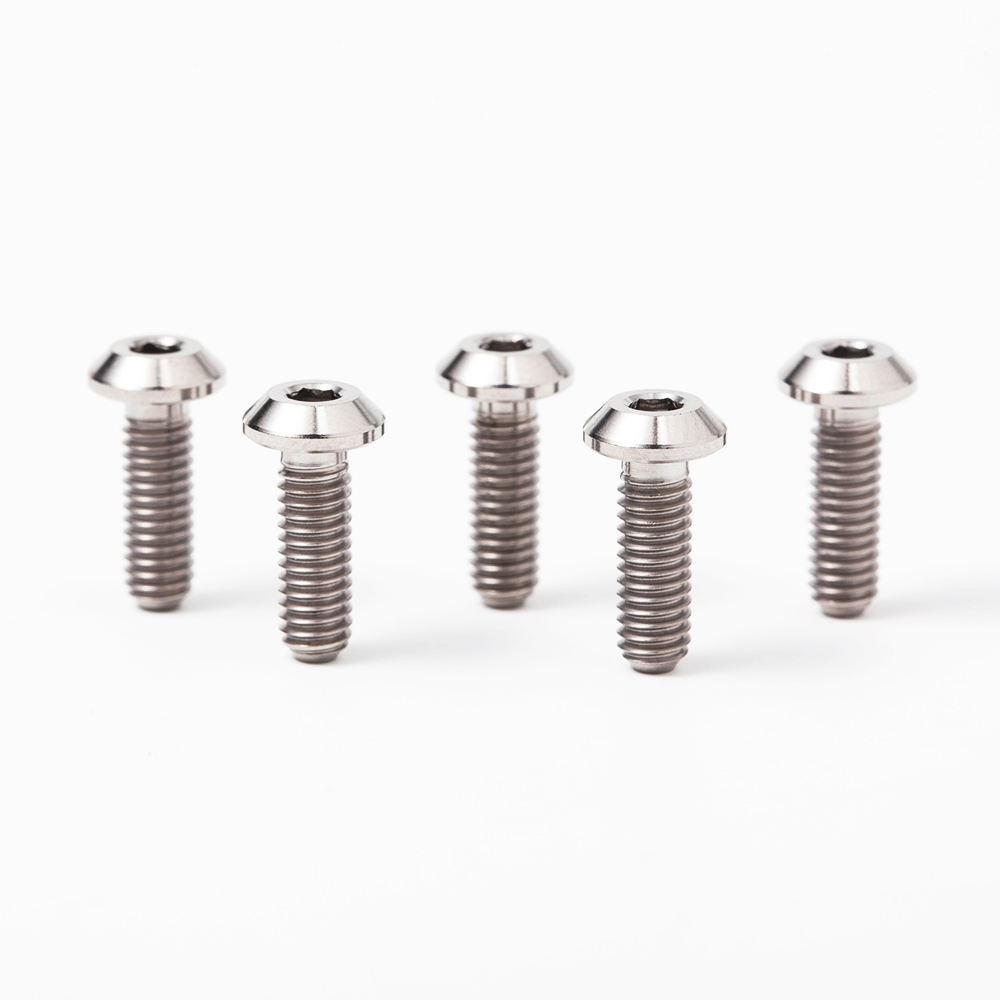
ASTM F136 Certified
M5 M6 Metric Titanium Oval Head Disc Brake Screws Grade 5 Anti-Corrosive Screws
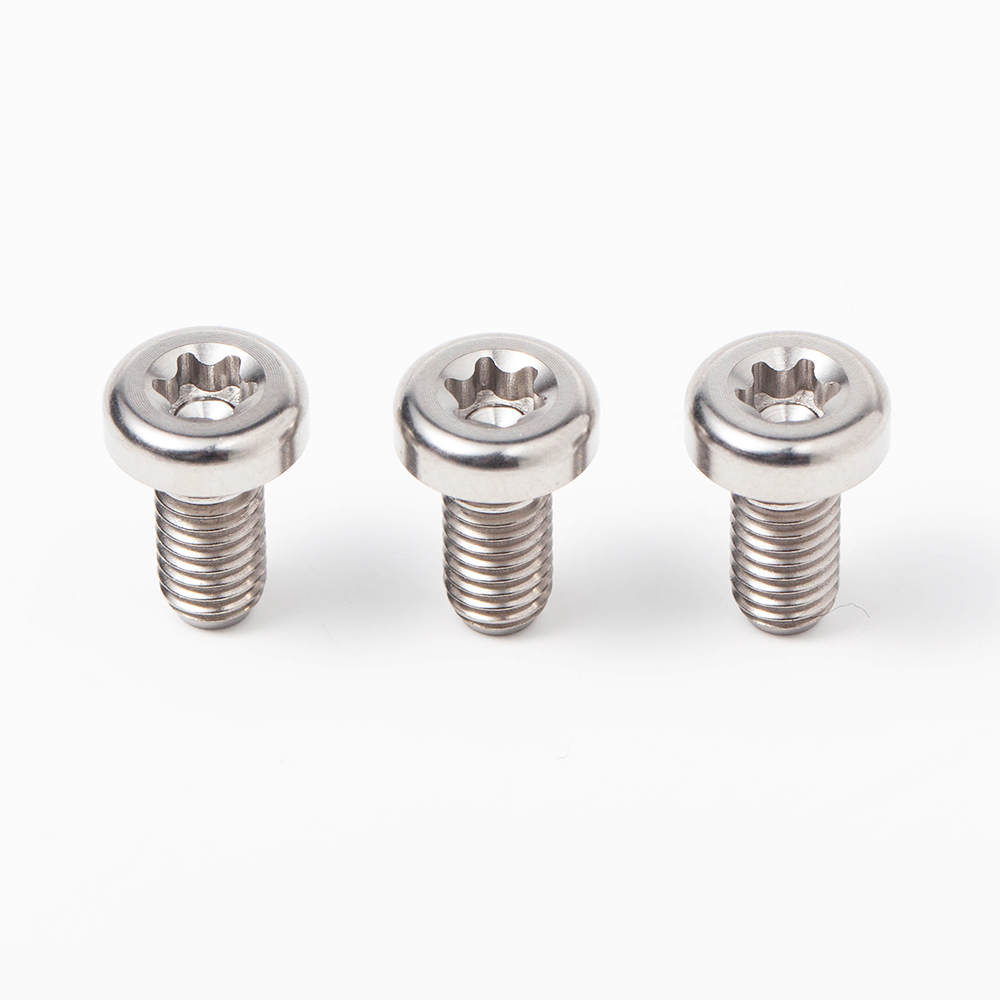
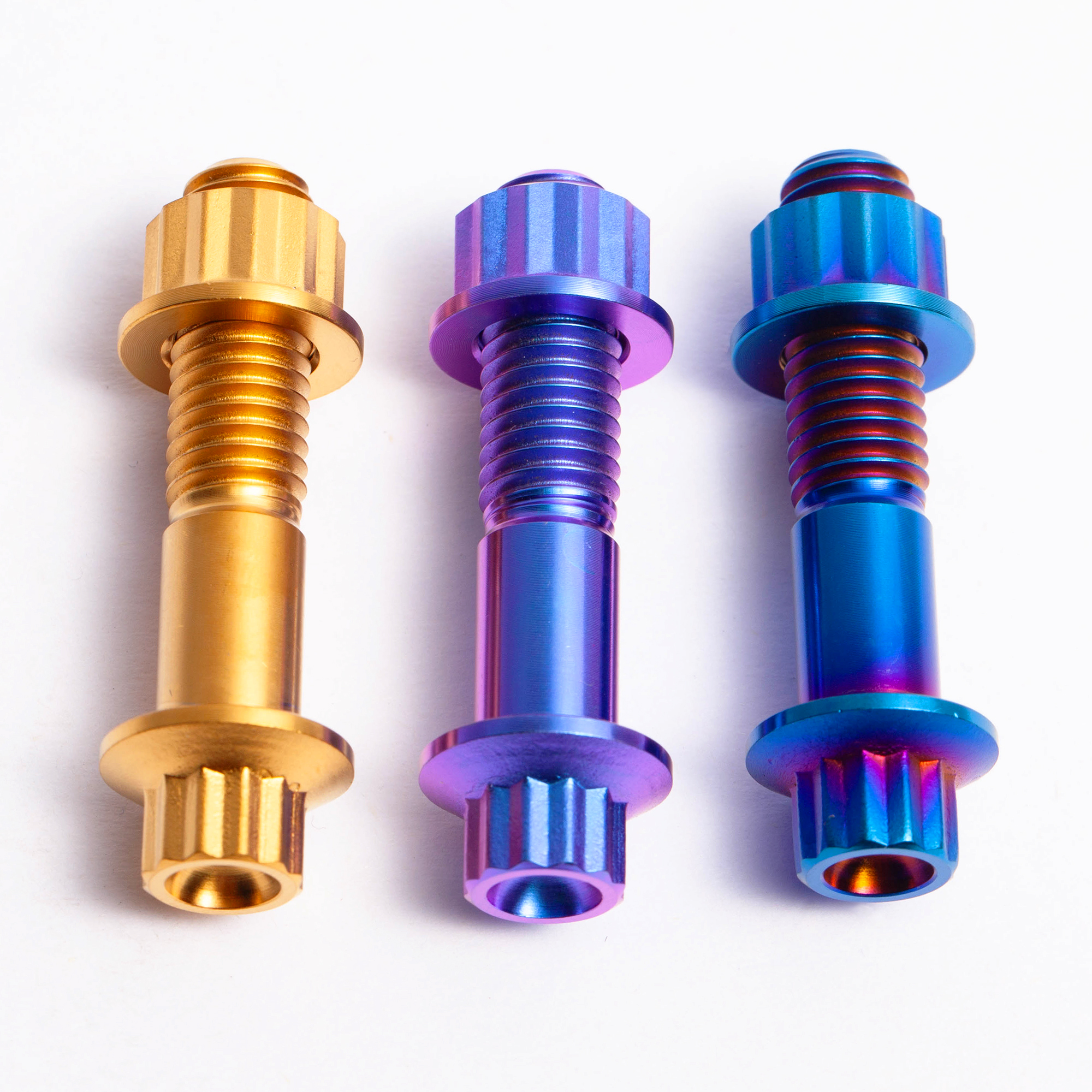
Thermal Shock Proof
GR5 Titanium Alloy Double Stud Fastener CNC High-Temp Exhaust Hardware M8/M10
Precision Manufacturing Framework
Engineered In-House for Uncompromising Reliability
Combining multi-axis CNC turn-mill stations, optical gauging, and certified metallurgy to supply global and regional enterprise projects.
2018
Established Focus
Dedicated exclusively to titanium and advanced alloy fabrication
±0.01mm
Machining Tolerance
High-precision retainers, internal/external circlips, and threaded rings
≤ 8h
Response Latency
Rapid engineering reviews, DFM evaluations, and quoting cycles
91%
Global Export Ratio
Strict compliance with ISO 9001:2015, CE, RoHS, and REACH guidelines
Technical Whitepaper
Engineering Evaluation: Titanium Retaining Rings in Heavy Industry and Tiraspol's Regional Dynamics
Retaining rings, circlips, and axial thrust retainers serve a non-negotiable role in rotating assemblies, fluid transmission gearboxes, power-generation stations, and performance transport systems. While conventional spring steel (such as 65Mn or standard carbon steels) has historically dominated mechanical assemblies, extreme environmental conditions—marked by aggressive electrochemical exposure, cyclic thermal expansion, and mechanical vibration—demand superior materials. In high-demand operating zones, titanium Grade 5 (Ti-6Al-4V) and Grade 2 (unalloyed CP titanium) provide critical mechanical advantages that reduce total cost of ownership (TCO) and prevent cataclysmic shear failures.
Key Engineering Finding: Replacing carbon steel circlips with cold-rolled and CNC-machined Grade 5 titanium retainer rings reduces rotational inertia by approximately 44% while completely eliminating stress corrosion cracking (SCC) caused by sulfide-rich atmospheric moisture, agricultural ammonia compounds, and hydraulic mineral oils.
Localized Industrial Applications in the Tiraspol Sourcing Market
The Transnistrian/Moldovan industrial corridor, centered around Tiraspol and neighboring production hubs, exhibits an engineering profile distinct from pure consumer-oriented markets. The region's manufacturing backbone revolves around three primary demanding pillars:
1. Thermal Power, Hydro-Turbines, and Grid Infrastructure: Large installations along the Dniester River basin (including facilities such as the Moldavskaya GRES power complexes) require constant maintenance of circulating pumps, cooling system valve manifolds, and high-pressure steam actuator linkages. Titanium Grade 2 and Grade 5 retaining rings are increasingly specified as retrofit components inside centrifugal slurry pumps and control valves. Unlike carbon steel rings that rust and freeze into their housing grooves—destroying adjacent shafts during extraction—titanium's stable rutile oxide film (TiO₂) guarantees easy disengagement during preventive maintenance schedules.
2. Heavy Machinery, Casting, and Metallurgy Equipment: Tiraspol's legacy in casting and agricultural machinery fabrication places heavy demands on shock-resistant bearing retainers. In vibratory sieves, gearboxes, and automated harvesting shafts subjected to mud, moisture, and variable torque loads, titanium retaining rings exhibit superior elasticity limits. The lower Young's Modulus of titanium (~110-114 GPa compared to 205 GPa of structural steel) enables retainer rings to absorb micro-deflections and high axial impact pulses without plastic deformation or fatigue-induced snap rupture.
3. Food Processing, Agro-Chemical Manifolds, and Wineries: As food and beverage processing facilities modernize their bottling automation and distillation plants, sanitation requirements prohibit heavy plating or zinc coatings that could flake into product streams. Uncoated, chemically inert titanium retainers comply naturally with strict hygienic protocols while resisting high-strength CIP (clean-in-place) nitric acid sanitizers and acidic fruit juices.
| Material Category | Yield Strength (MPa) | Elastic Modulus (GPa) | Electrochemical Rust Risk | Optimal Retention Use-Case |
|---|---|---|---|---|
| Titanium Gr5 (Ti-6Al-4V) | 828 - 910 | 114 | Immune to natural media | High-RPM shafts, turbine valves, critical axial loads |
| Titanium Gr2 (CP Grade) | 275 - 350 | 103 | Immune to natural media | Aggressive chemical baths, fluid meters, low-load snap rings |
| Stainless 304 / 316 | 205 - 290 | 193 | Prone to pitting in chlorides | General food processing, light machinery |
| Spring Carbon Steel | 900 - 1200 | 205 | High (requires zinc/phosphate) | Enclosed, lubricated low-humidity automotive drives |
Localized Sourcing Trends: The Shift Toward Direct OEM Fabrication
Industrial procurement managers in Eastern European centers like Tiraspol face real logistics challenges: complex supply chains, regional trade re-routing, and the risk of counterfeit alloy supply. The prevailing trend among plant engineers is a decisive shift away from third-party trading intermediaries in favor of direct engagement with accredited Asian manufacturing specialists. By partnering directly with specialized factories equipped with in-house spectrographic testing, three-coordinate CMM dimensional tracking, and international certification compliance (ISO 9001:2015, CE, RoHS, and REACH), procurement teams secure unadulterated titanium stock verified via EN 10204 3.1 Mill Test Certificates.
Furthermore, standard off-the-shelf snap rings rarely accommodate custom shaft depths or non-standard metric tolerances common in specialized agricultural and hydraulic modifications. Wexra Titanium bridges this technical gap by executing rapid OEM/ODM prototyping, precision EDM wire-cutting, fine CNC micro-turning, and rolled-groove engineering directly from 2D/3D CAD datasets.
Full-Cycle Engineering
Comprehensive Custom Retainer Production
Engineered to resolve real assembly problems: preventing galling, handling dynamic runout, and delivering long operating life in challenging environments.
Advanced Metallurgical Verification
Every titanium billet undergoes rigorous chemical composition analysis and mechanical tensile testing. Certified compliant with ASTM B348, ASTM F136, and AMS aerospace-grade specifications, ensuring consistent hardness across production runs.
Custom Geometric & Edge Profiling
Precision stamping or wire-EDM cutting often leaves micro-burrs that damage delicate shaft housings. Our components feature automated tumble-deburring, cryogenic edge radiusing, and chamfer micro-finishing to ensure reliable seating into tight snap ring grooves.
Custom Anodizing & Surface Passivation
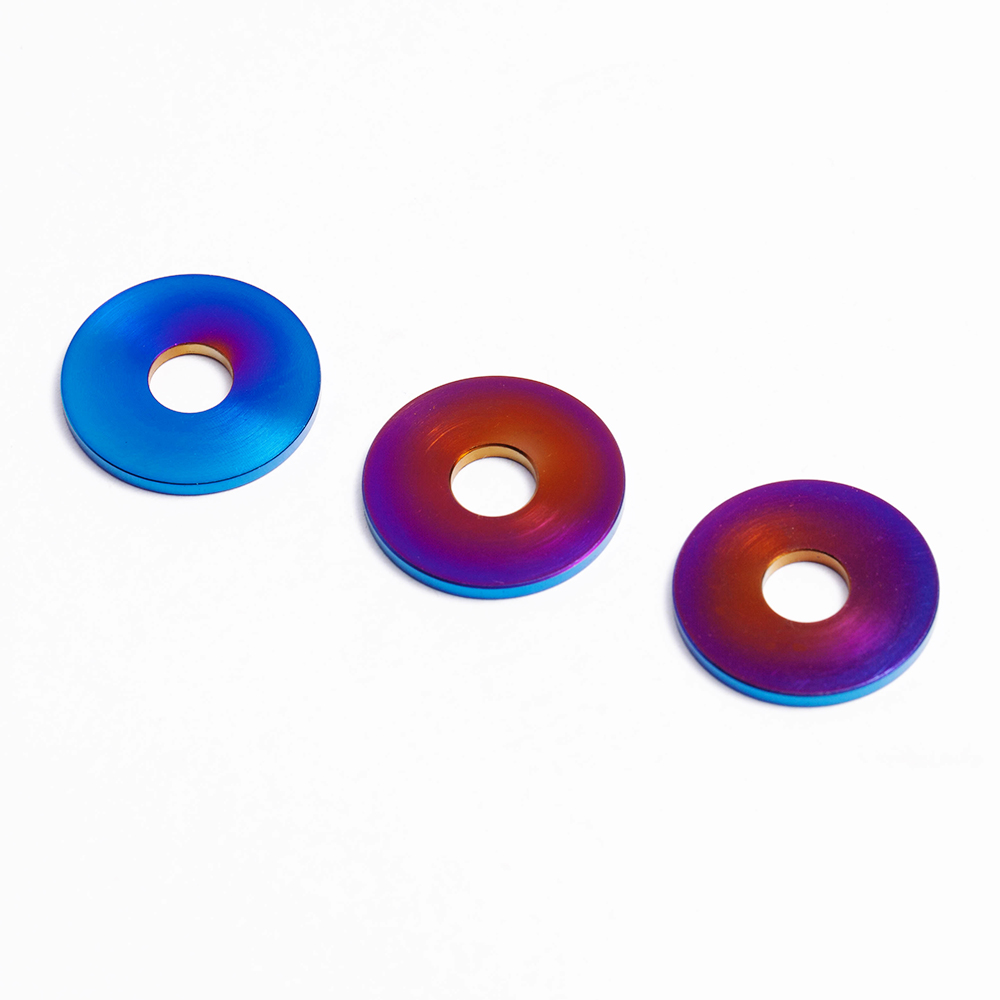
Enhance wear characteristics and facilitate line assembly through color-coded oxide anodizing (gold, violet, ice blue, or high-durability hard passivation). Zero dimensional thickness buildup ensures true thread and groove seating tolerance.
Procurement Intelligence
Frequently Asked Questions by Industrial Sourcing Teams
Addressing common queries regarding export compliance, logistics to the Tiraspol/regional corridor, quality certification, and custom prototyping.
What export shipping solutions and transit times apply to deliveries to the Tiraspol region?
We regularly ship to Eastern Europe and the Moldovan/Transnistrian industrial perimeter. For urgent prototypes, critical replacement circlips, or small-batch components, express air courier (DHL, FedEx, UPS) typically arrives within 5 to 9 business days via regional logistical gateways. For volume industrial shipments, consolidated multimodal ocean freight to regional European ports with bonded road transit provides balanced freight costs. All export-grade packaging is wooden-crate reinforced and fully moisture-barrier sealed.
Can Wexra fabricate retaining rings and fasteners to non-standard, custom drawings or obsolete plant samples?
Yes. Many installations in heavy industrial zones operate equipment requiring non-standard DIN/ISO dimensions or obsolete replacement sizes. We routinely manufacture from standard 2D drawings (DWG, PDF), 3D parametric models (STEP, IGES), or worn physical samples sent to our engineering center. Our reverse engineering team performs spectrographic alloy checks, edge profiling, and spring tension calculations to build direct-fit titanium replacements.
How do you resolve thread galling and friction when titanium retainers mate with stainless or titanium shafts?
Titanium has a relatively high coefficient of dry friction, which can cause micro-welding or galling under excessive contact stress. For threaded retaining rings, we recommend anti-seize pastes (such as molybdenum disulfide or copper-free anti-seize) or specify surface treatments like hard-anodizing or micro-arc oxidation (MAO). For internal/external spring circlips, our tight mechanical tolerances and burnished edge finishes eliminate sharp burrs that score mating grooves during snap-fit installation.
What quality certifications and material trace documents are provided with each production lot?
Our company operates strictly within an audited ISO 9001:2015 Quality Management System. Each shipment includes complete documentation: a certified EN 10204 Type 3.1 Mill Test Certificate (MTC) stating precise chemical percentages (Ti, Al, V, Fe, C, N, H, O) and mechanical yield/tensile values, dimensional inspection records, and full RoHS/REACH compliance declarations for environmental compliance.
What is your Minimum Order Quantity (MOQ) for custom-engineered titanium retaining rings?
To support pilot testing and plant maintenance overhauls, our prototype MOQ starts as low as 50 to 100 pieces for custom CNC-turned or laser-cut rings. For standard metric fast-moving fasteners, lug nuts, and spacers, we maintain raw stock and can supply both trial batches and scaled industrial runs of 10,000+ units with predictable lead times.
Request an Engineering Consultation & OEM Quote
Provide your dimensional requirements, alloy grade (Gr2 / Gr5 / Gr9), or technical drawings. Our application engineering team will deliver a comprehensive DFM assessment and formal quotation within 8 working hours.
Send an Inquiry