Featured Titanium Automotive Hardware & Assemblies
Standard DIN/ISO and bespoke CNC manufactured Ti-6Al-4V (Grade 5) components engineered for maximum unsprung mass reduction, thermal resilience, and zero galvanic corrosion.
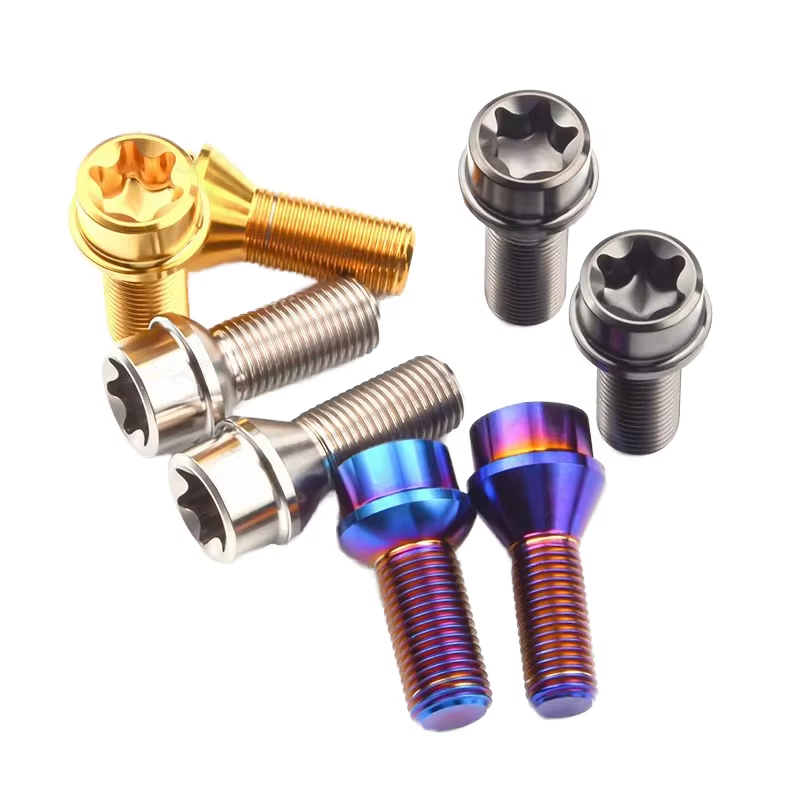
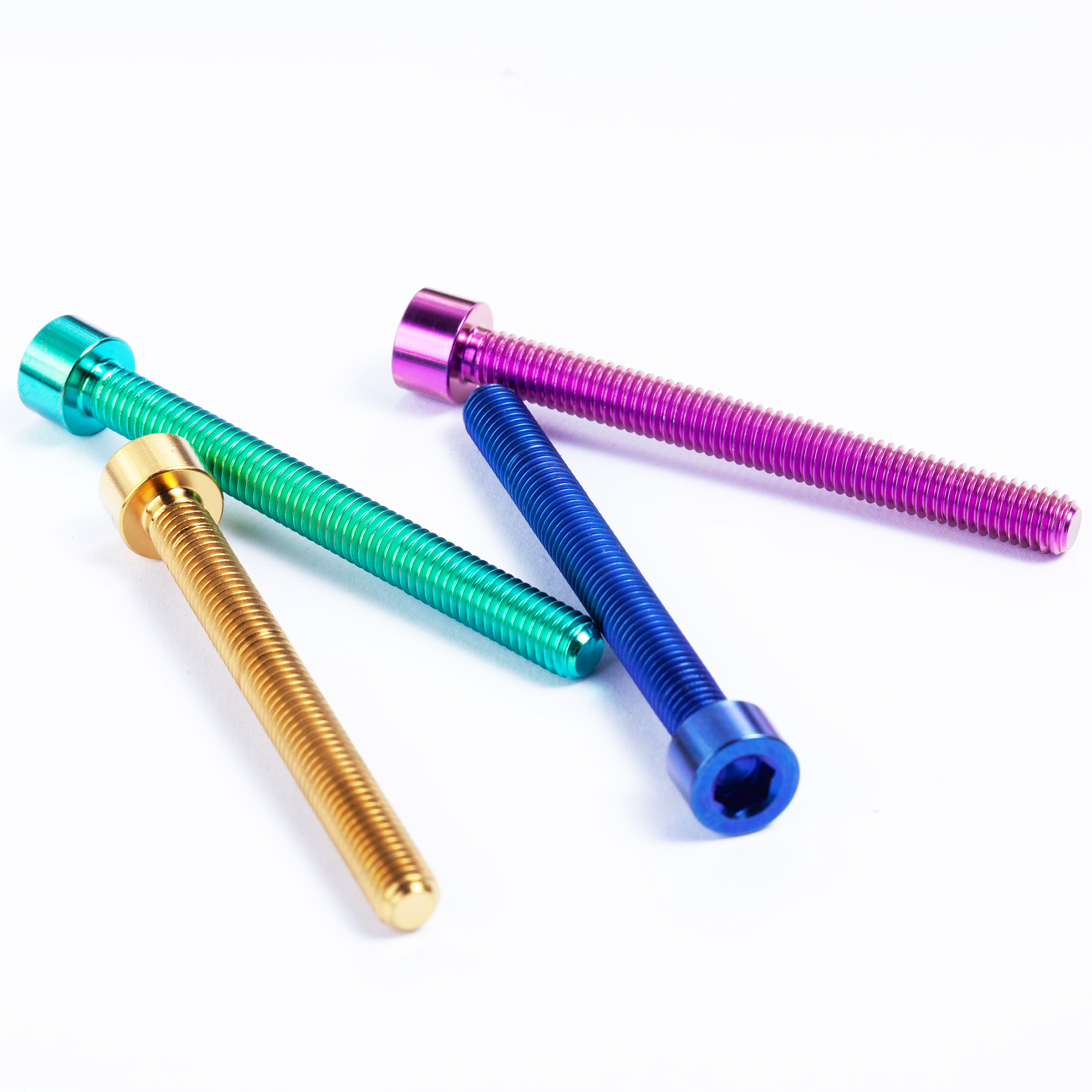
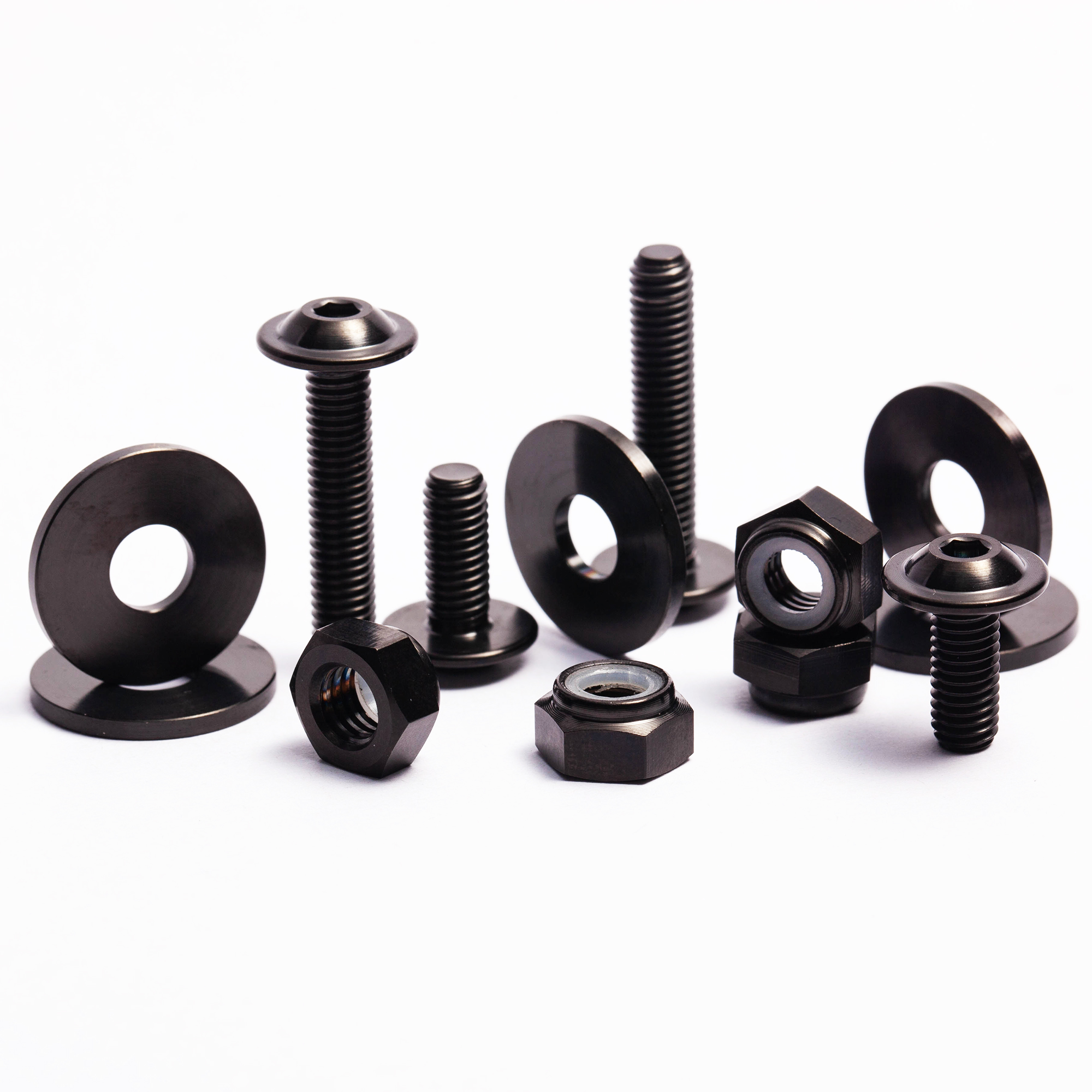
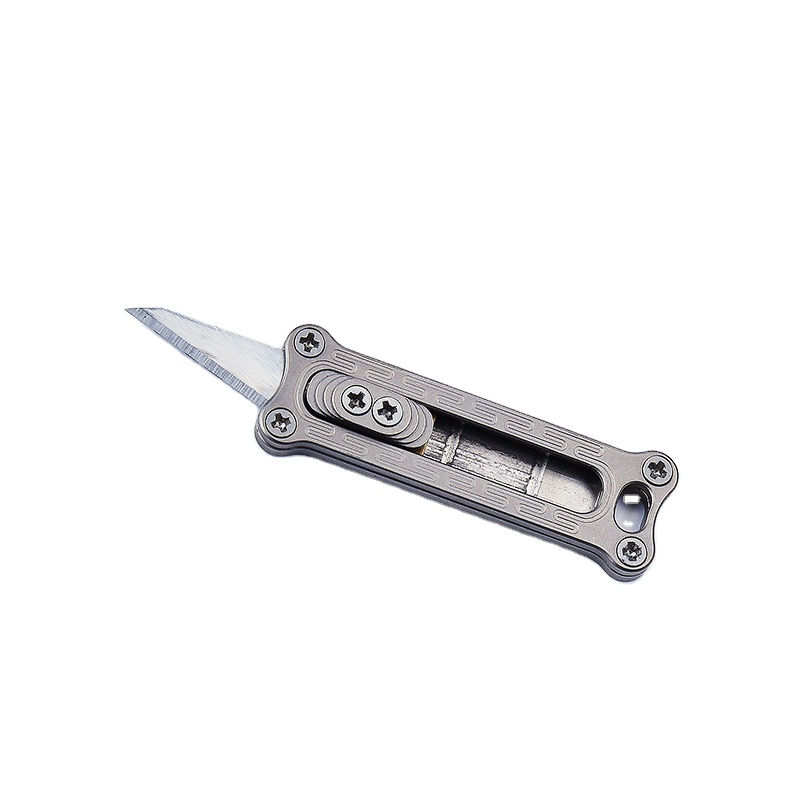
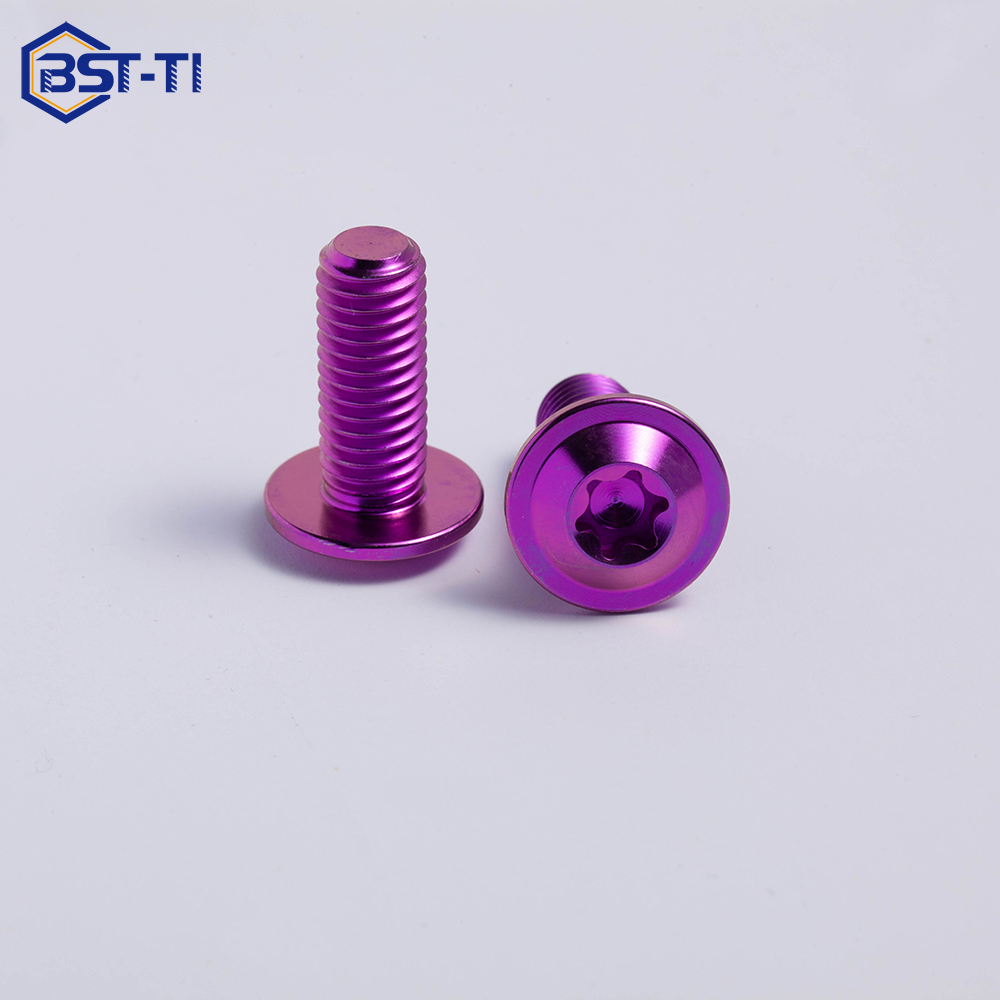
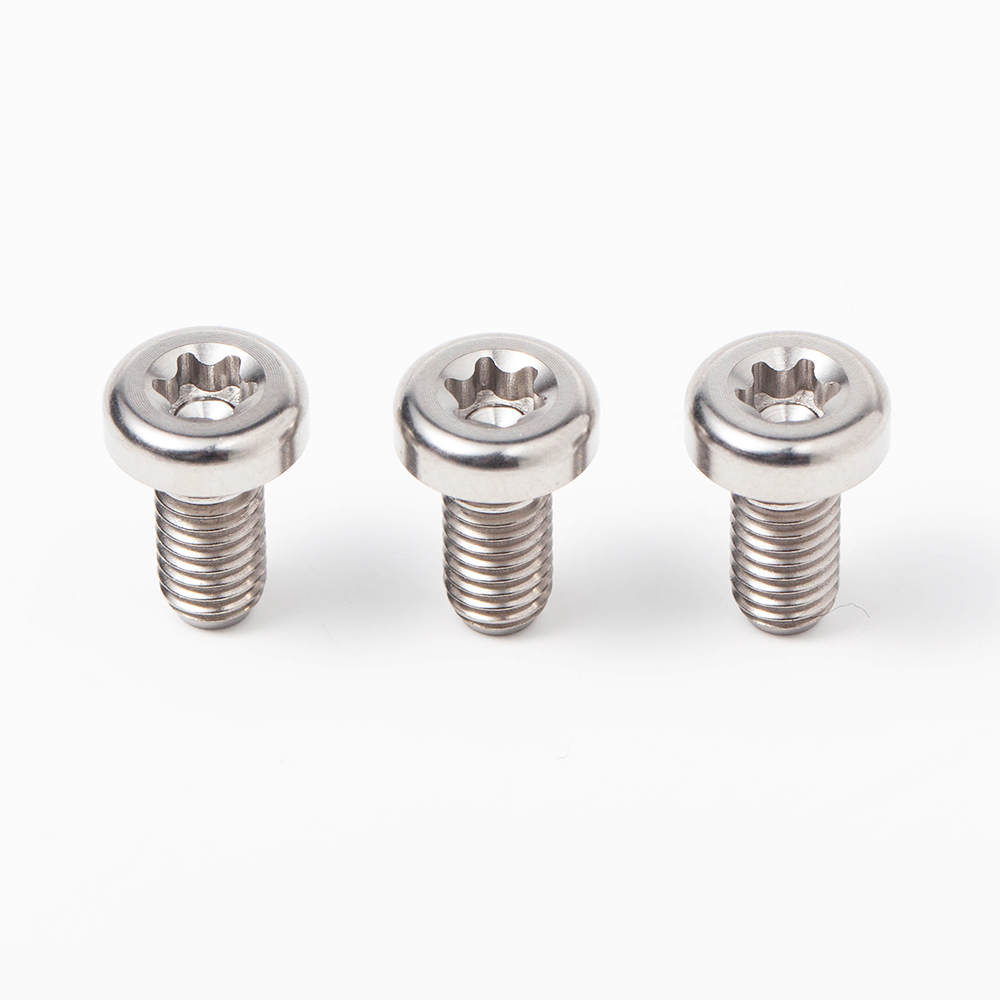
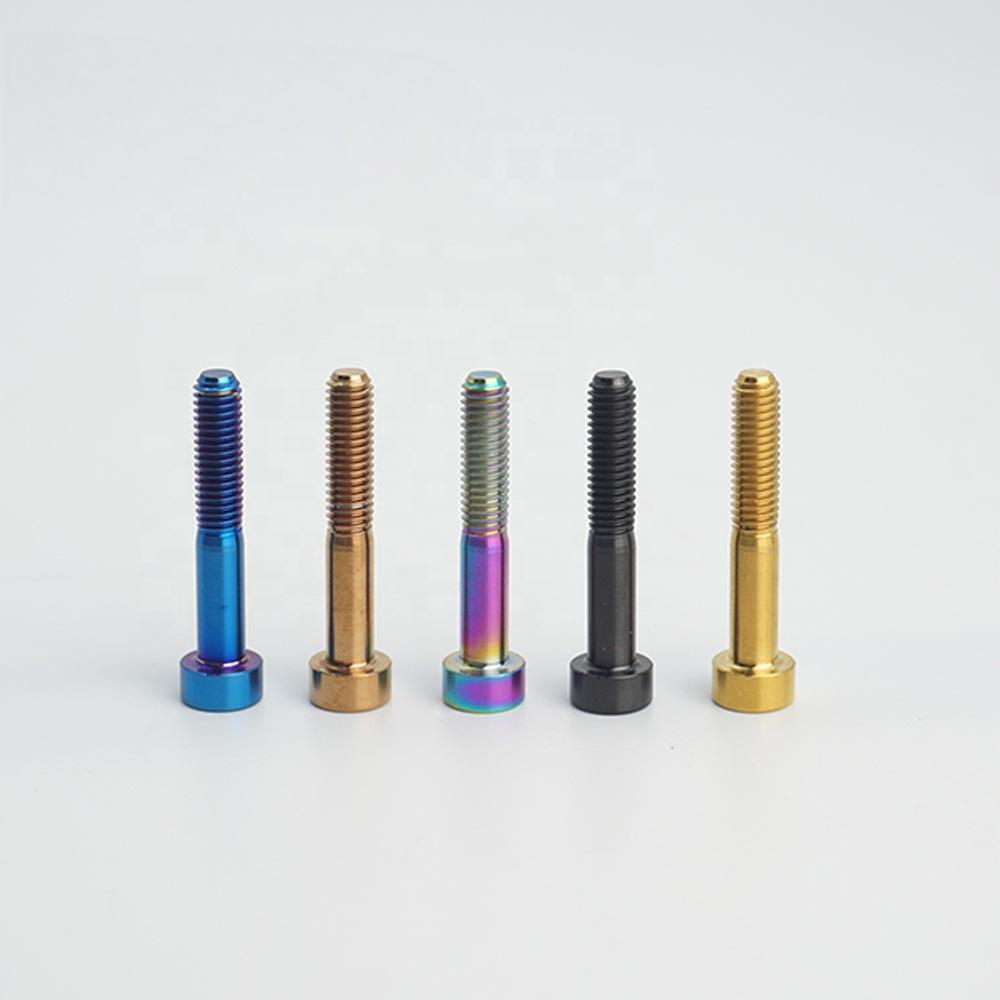
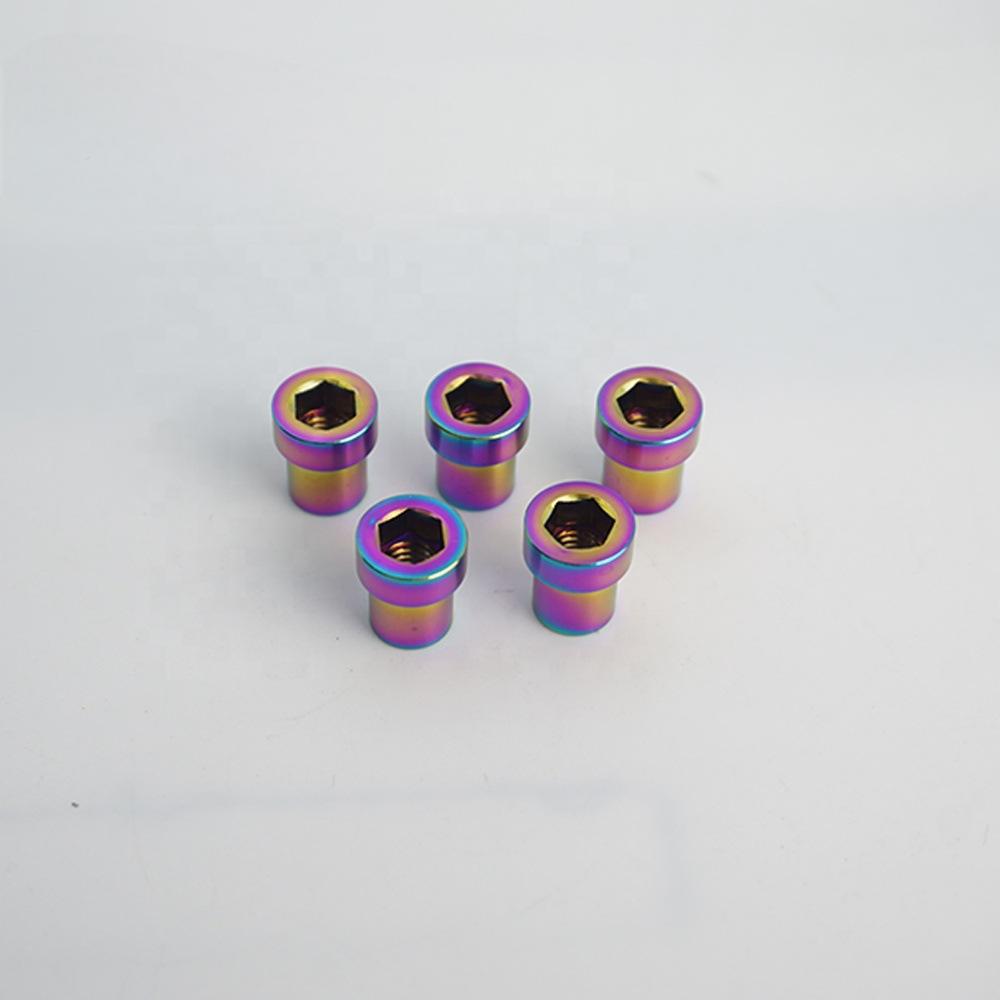
Engineering Principles of Titanium Fasteners & Kinematic Chassis Components
As the automotive sector undergoes rapid technological transformation driven by battery electrification, lightweighting imperatives, and extreme-performance motorsport demands, mechanical engineers across Luxembourg and Western Europe are systematically reassessing structural bill-of-materials (BOM). Titanium, specifically alpha-beta alloy Ti-6Al-4V (Grade 5, UNS R56400 / Werkstoff 3.7165), represents the engineering benchmark for critical applications where high strength-to-weight ratios, elevated cyclic fatigue limits, and imperviousness to environmental degradation are mandatory prerequisites. Compared to conventional ISO 898-1 Class 10.9 alloy steel, Grade 5 titanium offers an instantaneous structural weight reduction of approximately 42% to 45% while preserving equivalent or superior yield tensile thresholds (reaching upwards of 950 to 1,050 MPa following cold thread rolling).
Thread integrity under severe vibrational harmonics represents a core focus of our manufacturing process. Wexra Titanium implements CNC rolled thread profiles rather than single-point cut threads for all structural automotive fasteners. Thread rolling reorganizes the internal austenitic/ferritic metallurgical grain flow along the bolt root contours rather than shearing through the alloy fibers. This metallurgical continuity diminishes localized notch stress concentrations, escalating fatigue cycle limits past 2,000,000 cycles under variable stress loading. Furthermore, our internal vacuum PVD (Physical Vapor Deposition) and micro-arc oxidation anodizing treatments establish dense, chemically inert barrier layers that eradicate galling risks and prevent galvanic reactions when pairing titanium fasteners directly with lightweight carbon-fiber-reinforced polymers (CFRP) or aluminum suspension knuckles.
| Material Designation | Density (g/cm³) | Tensile Strength (MPa) | Yield Strength (MPa) | Thermal Expansion (×10⁻⁶/K) | Galvanic Compatibility (CFRP) |
|---|---|---|---|---|---|
| Titanium Ti-6Al-4V (Gr5 / TC4) | 4.43 | 950 - 1050 | 880 - 920 | 8.6 | Impervious (Zero Galvanic Risk) |
| Titanium Grade 2 (CP Titanium) | 4.51 | 345 - 480 | 275 - 350 | 8.6 | Impervious (Zero Galvanic Risk) |
| Alloy Steel Class 10.9 (Quenched) | 7.85 | 1040 | 940 | 11.7 | Severe Corrosion / Sacrificial Reaction |
| Stainless Steel A2-70 / 304 | 7.93 | 700 | 450 | 16.0 | Moderate Pitting & Crevice Attack |
| Aluminum 7075-T6 (Aerospace) | 2.81 | 572 | 503 | 23.4 | Highly Anodic / Accelerated Degradation |
Localized Applications Across Luxembourg's Automotive Sector
Strategically aligning tier-1 supply capabilities with the precision engineering hubs of Bissen, Colmar-Berg, and international motorsport development circuits.
Bissen Automotive Campus R&D
Luxembourg's national mobility innovation hub at Bissen concentrates on cutting-edge powertrain electrification, sensor integration, and structural optimization. Our custom-machined titanium sensor bosses, non-magnetic brackets, and lightweight actuator rods provide engineers with components that resist magnetic interference while drastically curbing front-axle mass in prototype battery-electric platforms.
Circuit Goodyear & Motorsport Testing
Situated near Colmar-Berg, extensive tire testing, high-velocity kinematics validation, and chassis endurance trials demand hardware that withstands repetitive high-thermal cycles. Our Grade 5 wheel lug bolts, titanium disc bobbins, and brake caliper anchor hardware dissipate localized heat gradients efficiently without undergoing thermal creep or embrittlement under continuous threshold braking.
Ardennes Winter De-Icing Resilience
Vehicles traversing the northern Éislek (Oesling) Ardennes highlands encounter severe chloride-heavy road de-icing salts during prolonged continental winter freezes. Grade 5 and Grade 2 titanium fasteners naturally generate an instantaneous, self-healing titanium dioxide (TiO₂) passivation layer that completely prevents crevice corrosion, intergranular attack, and seized threads typical of plated zinc or passivated steels.
Market Trends Driving Titanium Adoption in the Grand Duchy
BEV Range Offsetting via Mass Optimization
With Luxembourg boasting one of Europe's highest per-capita EV adoption rates, automotive engineering teams are compelled to strip auxiliary chassis mass to balance substantial lithium-ion traction battery weights. By substituting structural suspension fasteners, steering column pivots, and anti-roll bar end links with custom titanium, OEMs recover valuable kilograms that directly translate to extended range and compliant axle-load distributions.
CFRP Monocoque & Multimaterial Assemblies
High-end performance vehicles engineered across the Benelux and neighboring German manufacturing corridors increasingly utilize full carbon-composite subframes. Unlike aluminum or carbon steel—which prompt aggressive galvanic degradation in the presence of conductive carbon fibers—titanium exhibits virtually matching electrochemical potential with carbon, establishing it as the only dependable structural fastening metal.
Rigorous SNCH & TÜV Compliance Standards
Homologation procedures governed by the Société Nationale de Circulation Automobile (SNCH) in Sandweiler demand uncompromising quality records. Wexra supplies mill-certified titanium stock alongside complete EN 10204 3.1 chemical composition analysis, optical coordinate measuring machine (CMM) dimensional logs, and lot-traceable mechanical proof-load testing reports required for European vehicle technical passports.
Wexra Titanium: Advanced Industrial Manufacturing Infrastructure
Headquartered in Jiaxing with specialized export channels supplying premier automotive buyers across Europe and North America, Wexra Titanium operates a unified production environment designed specifically for hard-metal aerospace and automotive fabrication. Machining titanium necessitates profound institutional knowledge: its low thermal conductivity can rapidly overheat cutting edges, its lower modulus of elasticity requires meticulous dampening to avoid deflection chatter, and its strain-hardening characteristics require optimized chip clearance geometries.
Our facility houses high-rigidity multi-axis CNC turn-mill machining centers, automated hydraulic cold thread rolling lines, continuous fiber laser profile systems, and precision vibratory finishing bays. All components are monitored across production stages: from ultrasonic flaw detection of raw cylindrical billet stock to digital optical comparator thread verification (±0.01 mm tolerance band adherence). We provide custom laser serialization, bespoke thread lead-in chamfers for rapid automated assembly line integration, and specialized micro-finishes including vacuum PVD black nitride, burnt flame heat-treatment, and aerospace-spec chemical etch polishing.