High-Performance Titanium Hardware & Micro-Engineered Fasteners
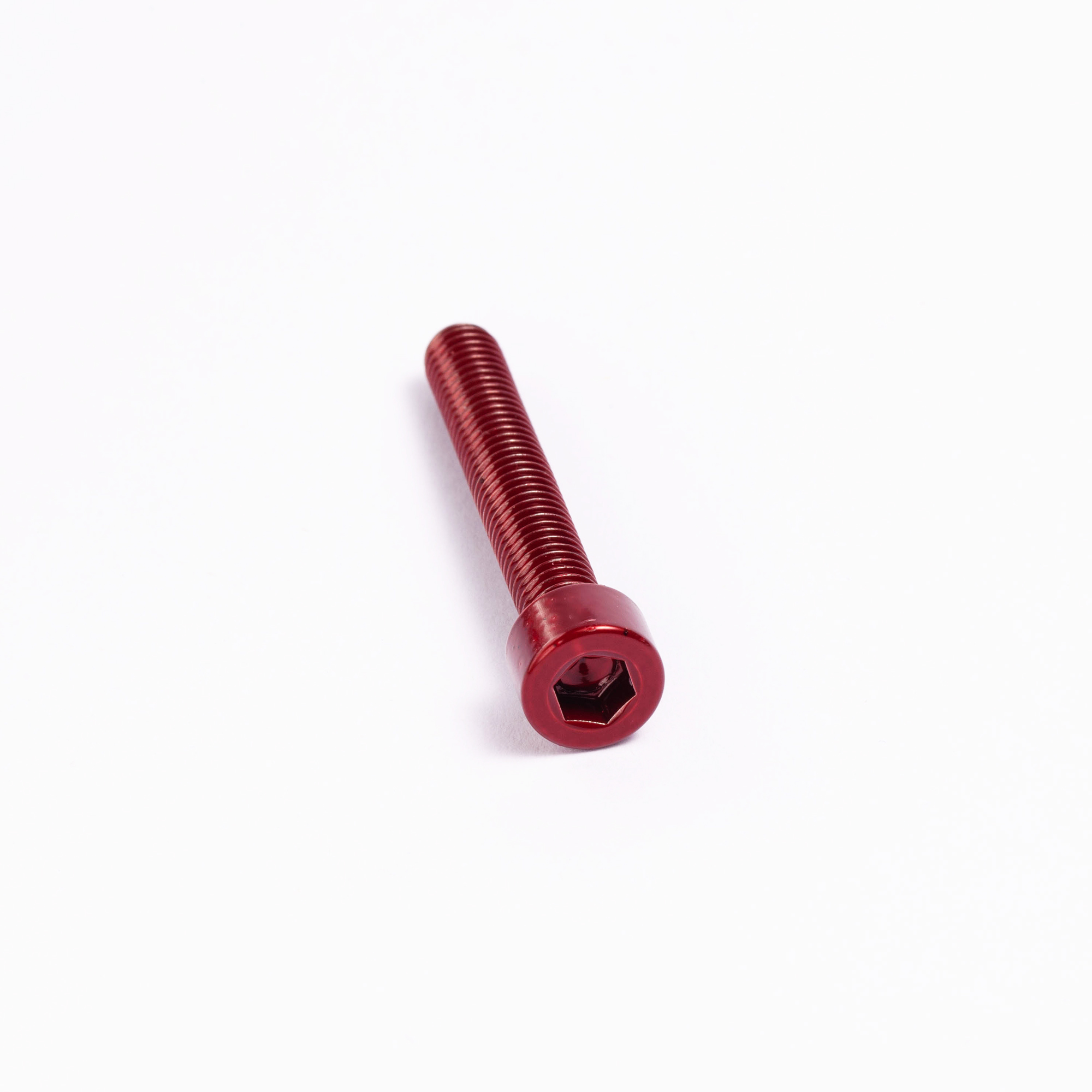
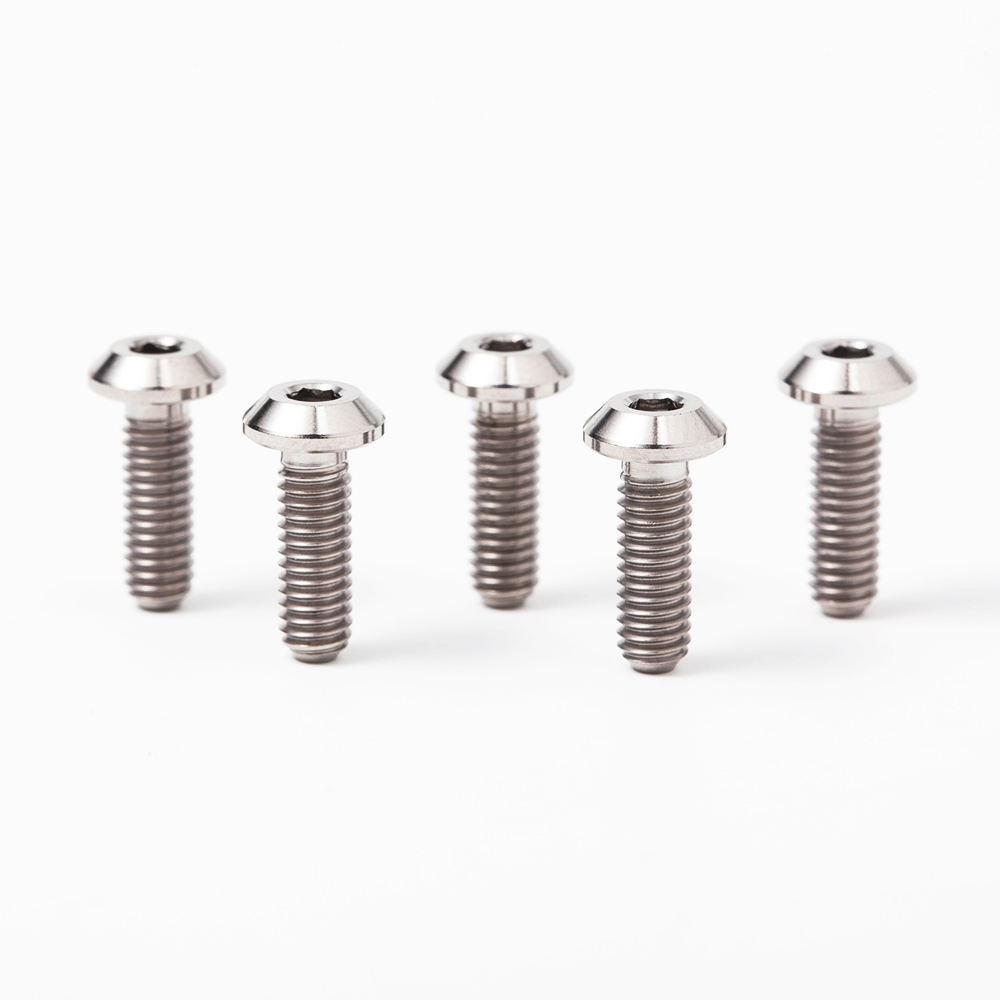
Engineered from certified Grade 5 (Ti-6Al-4V) and Grade 2 titanium. Our CNC-machined components deliver superior tensile strength, extreme biocompatibility, and zero-corrosion longevity for medical assembly fixtures, surgical instruments, and performance sub-tier assemblies.
Biomedical Titanium Engineering: Microstructural Integrity, Passivation, and Tribology
In modern medical device manufacturing, titanium and its advanced alloys have superseded medical-grade 316L stainless steel and cobalt-chromium alloys as the material of choice for load-bearing, fatigue-critical applications. For design engineers and plant managers operating across the Soyapango manufacturing hub, understanding the metallurgical divergence between commercially pure (CP) titanium grades and alpha-beta titanium alloys like Ti-6Al-4V ELI (Grade 23, ASTM F136) is paramount to preventing premature in-vivo mechanical fatigue, stress shielding, or crevice corrosion.
Titanium possesses an intrinsic biocompatibility stemming directly from the spontaneous formation of a tenacious, chemically passive titanium dioxide (TiO₂) dielectric film upon contact with oxygen. This passive layer, typically between 3 and 10 nanometers thick, renders the substrate thermodynamically inert to biological saline environments, blood plasma, and aggressive chemical sterilants such as glutaraldehyde, ethylene oxide (EtO), and superheated steam autoclaving. Furthermore, with an elastic modulus of approximately 110 GPa—roughly half that of surgical stainless steel (200 GPa)—Grade 5 titanium drastically decreases the risk of bone resorption caused by stress-shielding phenomena in orthopedic osteosynthesis plates, spinal fusion cages, and dental implant abutments.
| Alloy / Specification | Yield Strength (MPa) | Tensile Strength (MPa) | Elastic Modulus (GPa) | Biocompatibility Tier | Primary Medical Assembly Sector |
|---|---|---|---|---|---|
| ASTM F136 Ti-6Al-4V ELI (Gr23) | ≥ 795 | ≥ 860 | 110 - 114 | Implantable Class III | Orthopedic screws, spinal rods, bone plates, trauma fixation |
| ASTM B348 Grade 5 (Ti-6Al-4V) | ≥ 828 | ≥ 895 | 114 | Class I & II Medical Tools | Surgical instruments, robotics chassis, autoclave frames |
| ASTM F67 Grade 2 (CP Titanium) | ≥ 275 | ≥ 345 | 103 | Direct Tissue Contact | Pacemaker enclosures, maxillofacial mesh, fluid cannulas |
| ASTM F138 (316LVM Steel) | ≥ 690 | ≥ 860 | 193 - 200 | Temporary Implantation | Surgical retractors, guide wires, temporary pins |
Micro-Broaching, Thread Rolling & CNC Surface Roughness Control
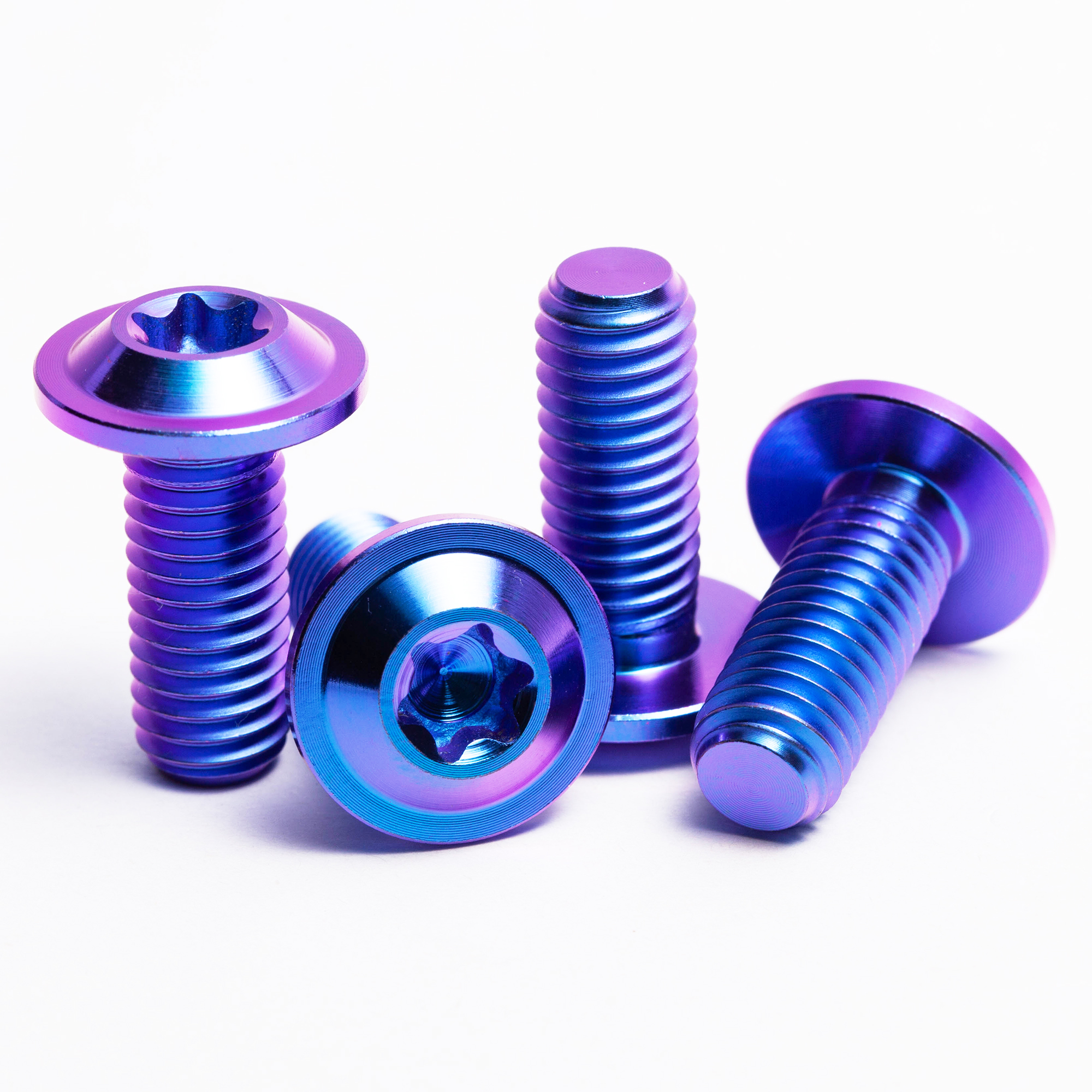
Precision medical fasteners and components demand strict manufacturing controls that go far beyond commercial fasteners. The presence of sharp root notches, micro-burrs, or torn thread crests can induce localized stress risers, leading to catastrophic cyclic fatigue failure inside cyclic testing apparatuses or biological host systems. Wexra Titanium implements cold thread rolling rather than single-point thread cutting. Thread rolling grain structures follow the contour of the fastener's thread envelope, increasing shear resistance by up to 25% and providing a work-hardened, mirror-smooth root radius with surface finishes consistently below Ra 0.4 µm.
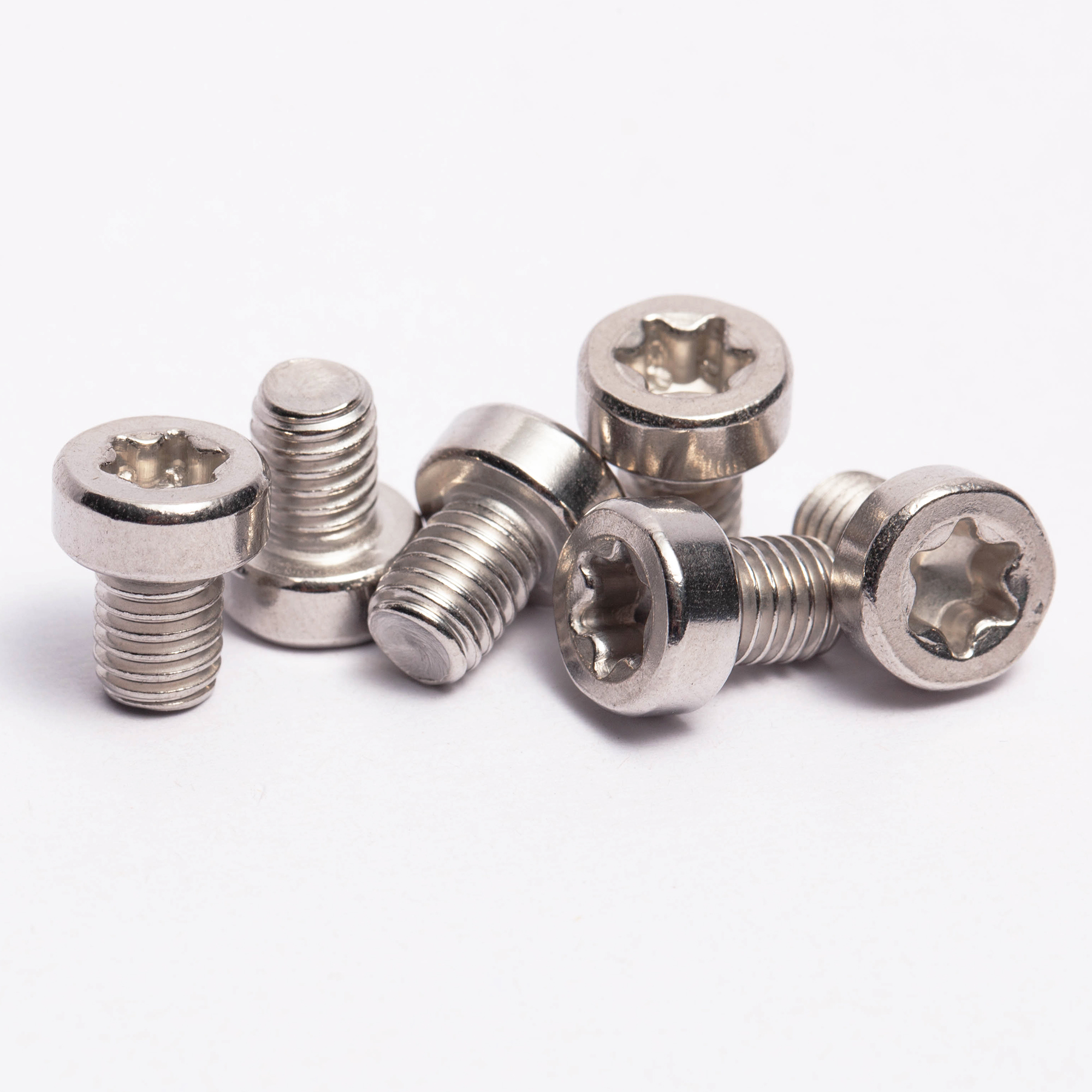
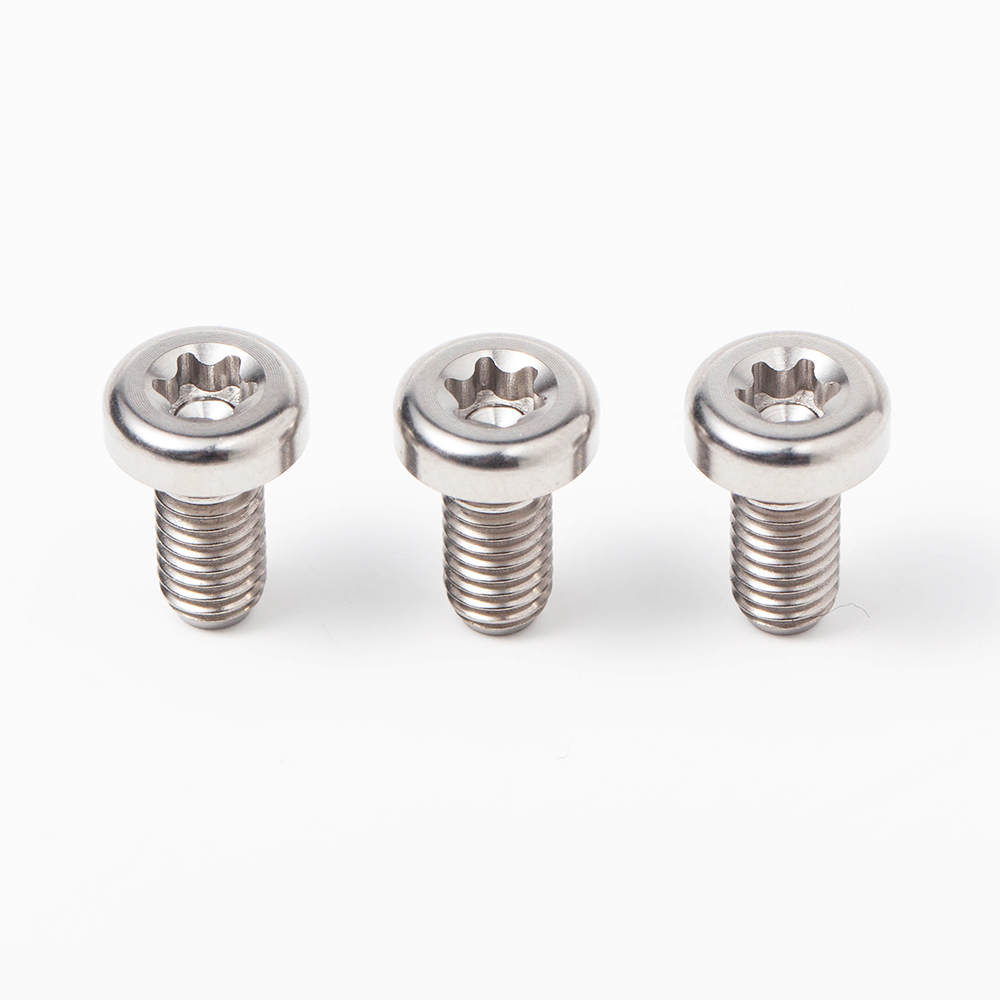
Furthermore, internal drives such as Torx (hexalobular), socket head, and multi-spline geometries are precision-machined via micro-broaching and Swiss high-speed turning to ensure an exact H7 fit with surgical driver bits. This completely prevents cam-out and metallic particulate shedding during high-torque bone fixation or endoscopic calibration routines.
Soyapango as Central America’s Emerging Precision MedTech & Sub-Tier Assembly Hub
Located immediately adjacent to San Salvador, the municipality of Soyapango has evolved into an essential operational corridor for advanced light manufacturing, logistics distribution, and free trade zone operations in El Salvador. Supported by favorable regulatory mechanisms under the Law of Free Trade Zones and Industrial Zones (Zonas Francas), industrial parks around Soyapango and along the Boulevard del Ejército are transitioning from traditional apparel maquilas toward high-complexity contract assembly, precision electromechanical instruments, and specialized medical device packing operations.
Orthopedic Trauma & External Fixation
Local contract manufacturers assemble external stabilization frames, pin clamps, and distraction devices. Our Grade 5 titanium pins and cross-bolts provide maximum rigidity while dropping device weight by 45%, offering patient mobility and non-ferromagnetic MRI safety.
Surgical Robotic Sub-Assemblies & Tools
As cleanroom kit packing and precision mechanical instrumentation expand in the San Salvador metropolitan area, our titanium micro-pins, step screws, and miniature bushings ensure low rotational inertia and high wear resistance in articulating robotic end-effectors.
Clinical Sterilization Fixtures & Trays
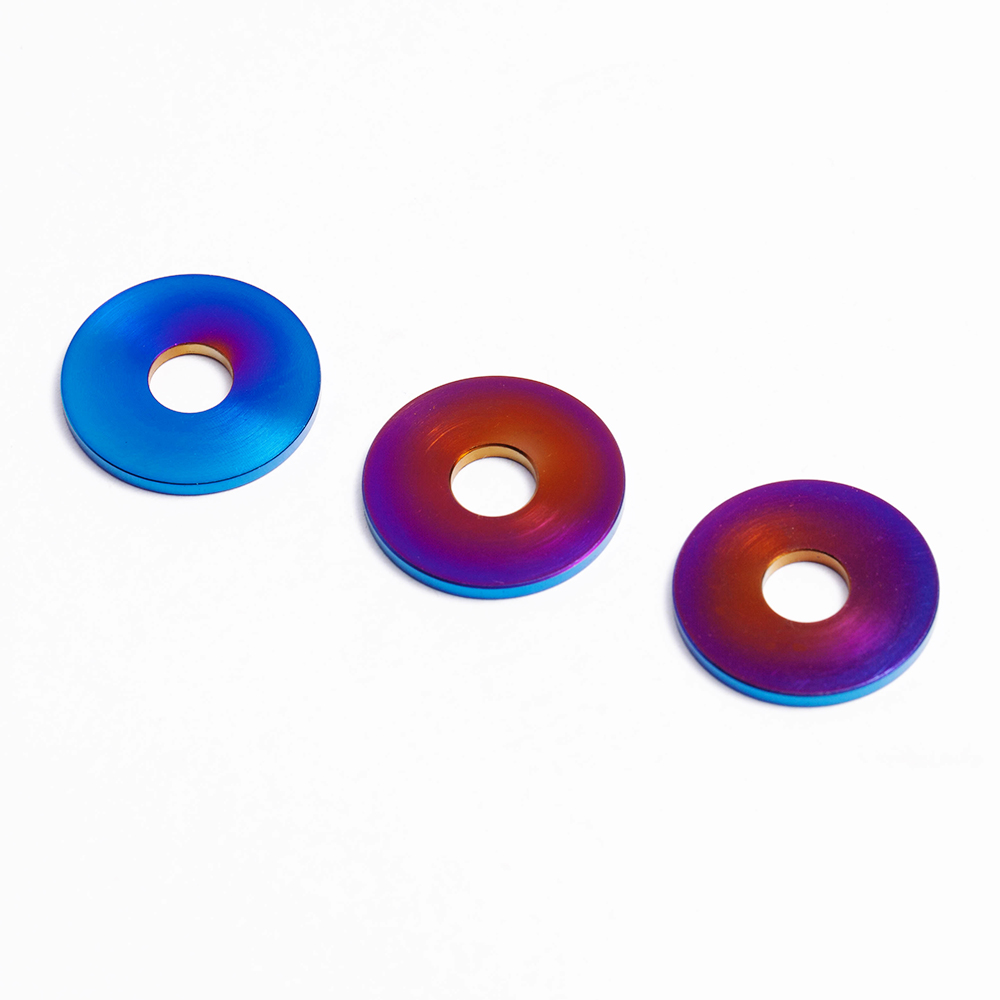
Hospitals, regional clinics, and sterilization contract centers throughout El Salvador utilize custom titanium baskets, brackets, and anodized spacer washers. Unlike coated aluminum, solid titanium resists repeated exposure to aggressive steam, hydrogen peroxide plasma, and UV cycles without surface degradation.
By supplying certified precision-machined titanium components directly to engineering facilities, maquiladora operators, and equipment developers in Soyapango, Jiaxing Wexra Titanium bridges the technological gap between high-volume primary titanium refinement and localized Central American final-stage device fabrication.
Nearshoring Momentum: Integrating Soyapango into the North American MedTech Value Chain
The global medical device sector is undergoing a profound geographical recalibration. The drive toward supply chain redundancy, combined with the logistical bottlenecks observed across trans-Pacific routes over recent years, has elevated Central America—and specifically El Salvador—as a natural beneficiary of nearshoring initiatives targeting the United States, Mexican, and Latin American healthcare markets.
CAFTA-DR Tariff Efficiencies
Integration under the Dominican Republic-Central America Free Trade Agreement enables manufacturers in Soyapango to re-export high-value electromechanical and biomedical assemblies duty-free into the US market once local value-add thresholds are achieved.
Stringent ISO 13485 Alignment
Soyapango sub-tier contractors are actively upgrading quality systems to satisfy European MDR and FDA 21 CFR Part 820 requirements, accelerating demand for Tier-1 raw material traceability and complete Mill Test Certificates (MTC).
Reshoring Critical Buffer Stock
Procurement directors in El Salvador are moving away from unpredictable single-source models toward structured safety stock agreements with certified Asian precision partners, securing direct maritime deliveries via the Port of Acajutla.
Transition from Stainless to Titanium
Medical OEMs in the Americas are systematically replacing stainless steel 316L hardware with titanium Ti-6Al-4V fasteners across both wearable and surgical product lines to reduce weight, eliminate nickel allergies, and avoid galvanic corrosion.
Enterprise Advantages: Jiaxing Wexra Titanium Products Co., Ltd.
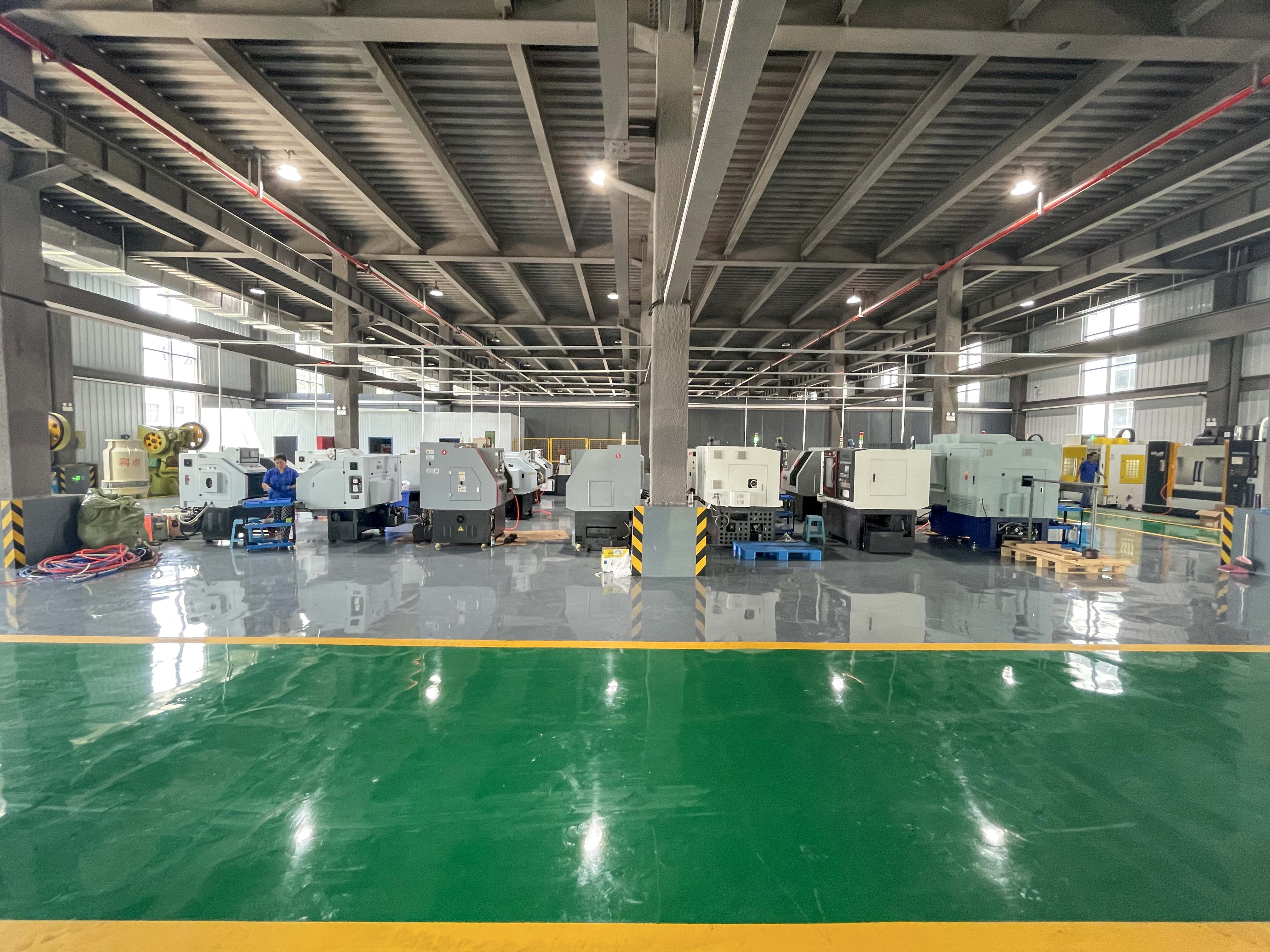
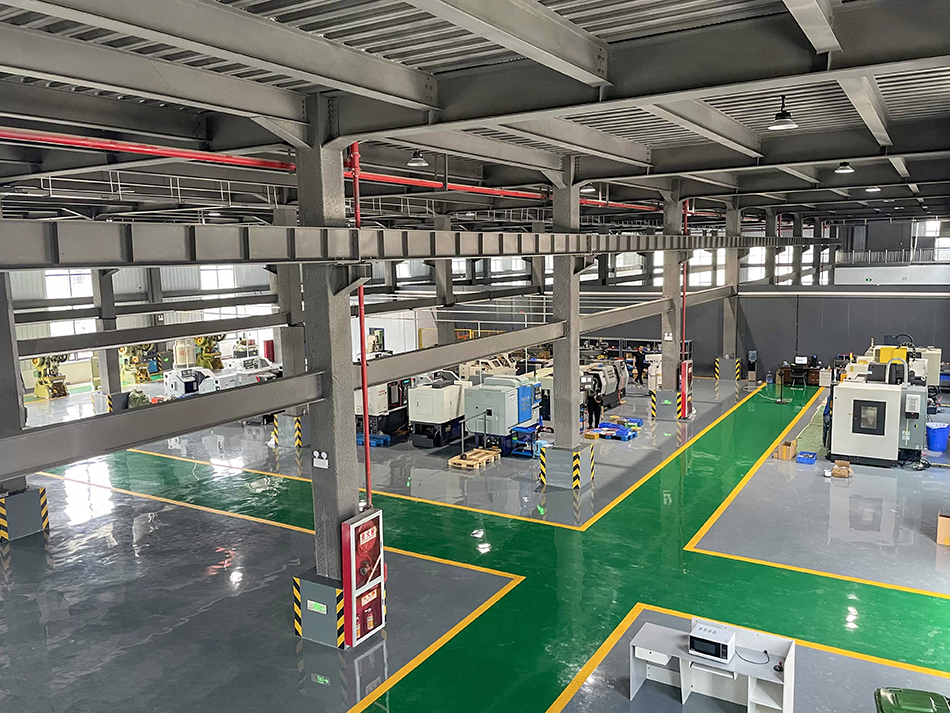
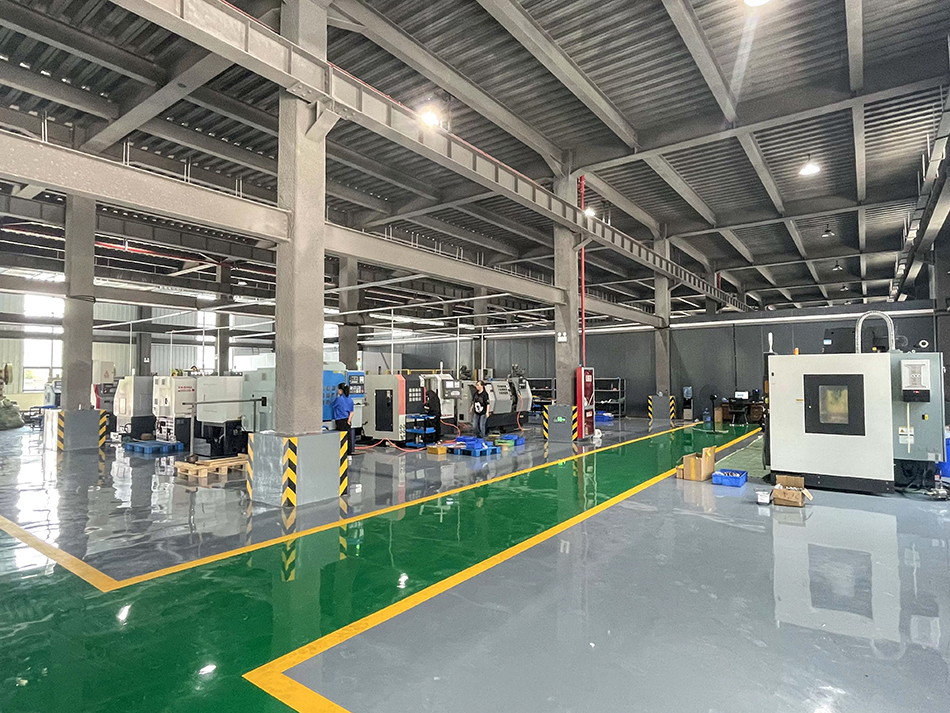
As a specialized manufacturer founded in 2018 with dedicated R&D and production facilities in Jiaxing, Zhejiang, China, Jiaxing Wexra Titanium Products Co., Ltd. stands as a benchmark for high-integrity titanium engineering. Our facility spans over 1,000 square meters of high-density precision equipment, operating under a rigorous ISO 9001:2015 quality management system alongside full RoHS and REACH chemical compliance certifications.
In-House Production Capabilities & Process Control
Unlike trading intermediaries, Wexra handles all critical production phases in-house—from raw titanium ingot verification to Swiss CNC turning, multi-axis milling, thread rolling, laser profiling, and multi-spectral surface anodization. We control every parameter to ensure our fasteners and components perform without variance under demanding medical and industrial conditions.
Technical Highlights for Soyapango Engineering Teams:
- Swiss Precision Lathes & 5-Axis Centers: Continuous production of complex micro-screws, stepped pins, and cannulated shafts with tolerances maintained down to ±0.01 mm.
- Non-Contaminating Surface Passivation: ASTM F86-compliant chemical passivation and ultrasonic degreasing lines ensure parts are delivered free of iron residue, cutting fluid hydrocarbons, or microscopic particulates.
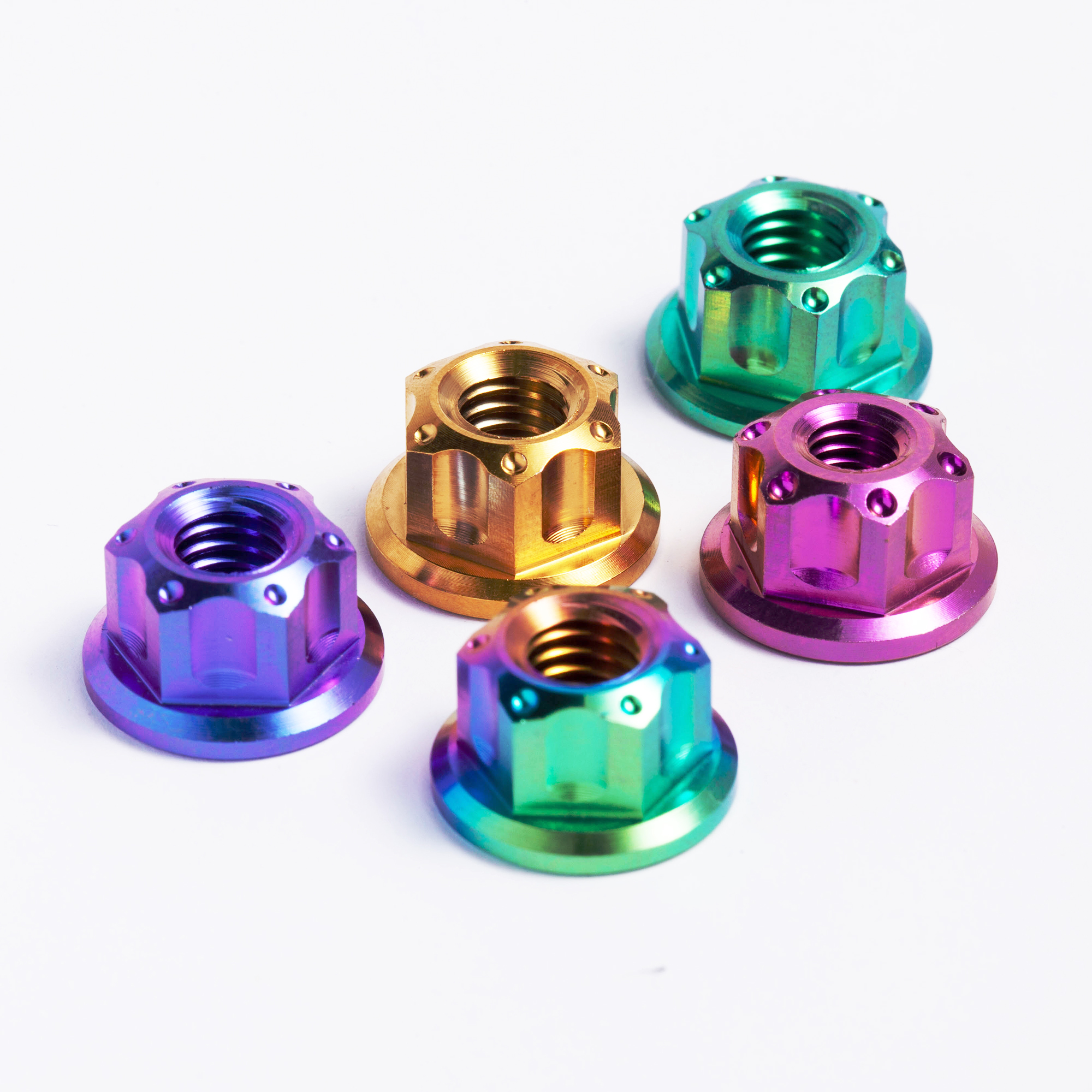
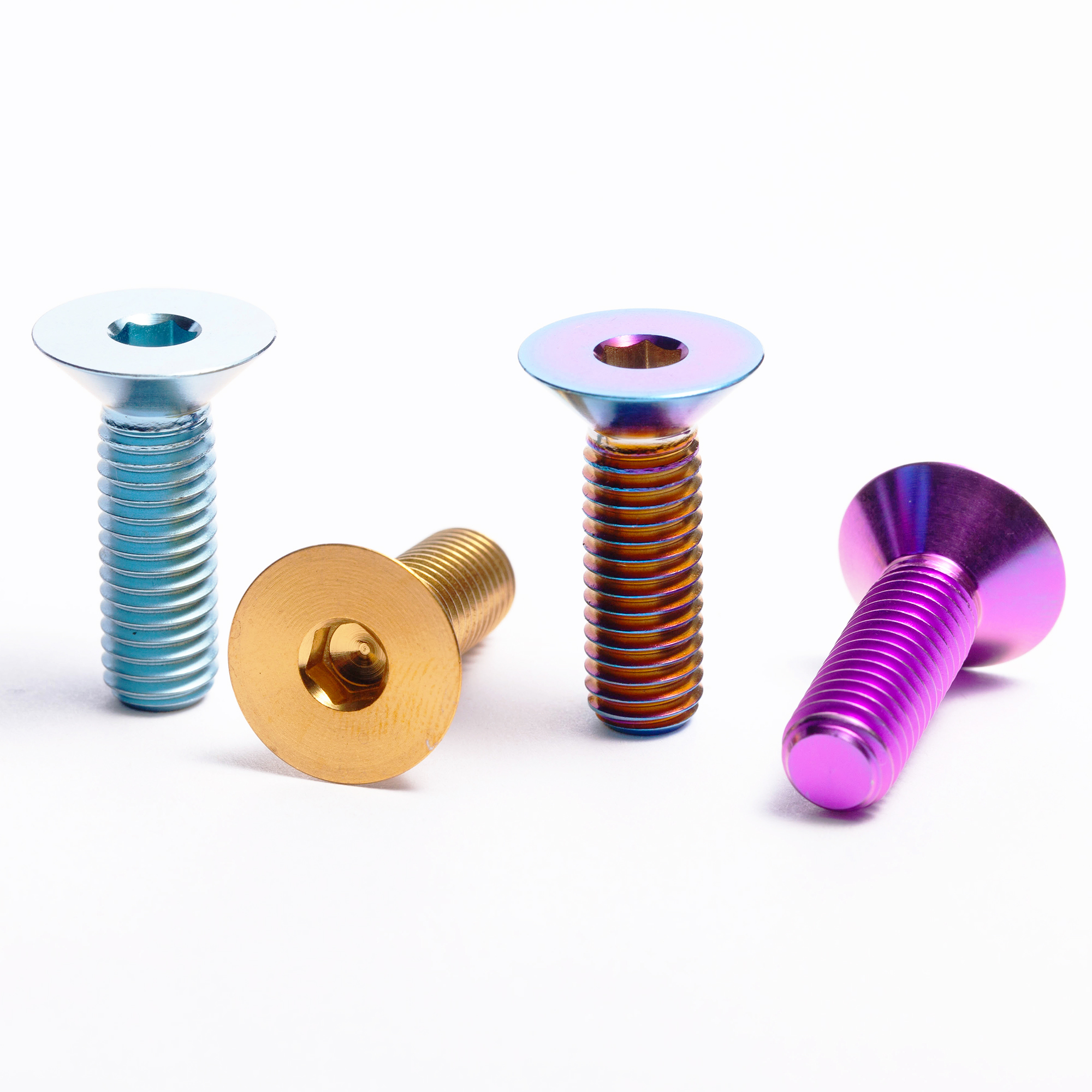
- Electrolytic Anodizing (Type II & Type III): Broad color-coding spectrum (blue, purple, gold, rose, green) accomplished strictly via light refraction across the surface oxide layer—involving no dyes or organic pigments, preserving absolute biological purity.
- Comprehensive Export Documentation: Full Mill Test Reports (MTR) according to EN 10204 3.1 detailing chemical composition (O, Fe, C, N, H levels) and mechanical tensile testing for every shipment.
With an export ratio exceeding 91% serving mission-critical markets in the United States, Germany, the United Kingdom, and Canada, Wexra provides technical consultation directly to engineering departments in Soyapango seeking OEM/ODM prototypes or container-load contract manufacturing.
Frequently Asked Questions: Sourcing Titanium Components to Soyapango, El Salvador
Direct technical answers addressing customs regulations, metallurgical standards, shipping corridors, and testing documentation for purchasing managers and mechanical engineers.
What are the shipping routes and average delivery lead times from your facility to Soyapango? +
For urgent engineering prototypes, pilot runs, and critical maintenance orders, we dispatch via expedited air freight (DHL, FedEx, UPS) directly to Monseñor Óscar Arnulfo Romero International Airport (SAL) in San Salvador, with customs arrival typically achieved within 4 to 7 business days. For volume manufacturing consignments, sea shipments are routed from Ningbo or Shanghai port directly to the Port of Acajutla (El Salvador) or Puerto Quetzal (Guatemala), followed by bonded overland transfer directly into your designated Zona Franca in Soyapango within 24 to 32 days.
Can Wexra supply raw material certificates conforming to ASTM F136 or ISO 5832-3? +
Yes. Every production run is backed by an EN 10204 3.1 Inspection Certificate directly traceable to the originating melt lot. This document certifies strict compliance with chemical composition maximums—especially interstitial elements like oxygen (max 0.13%), iron (max 0.25%), and hydrogen (max 0.012%) as specified by ASTM F136 / Ti-6Al-4V ELI (Extra Low Interstitial) and ISO 5832-3—guaranteeing compliance for your internal regulatory filings and customer audits.
How do anodized titanium components resist autoclave and chemical sterilization? +
Titanium anodization is an electro-chemical oxidation process that grows a controlled titanium dioxide (TiO₂) ceramic film on the surface of the metal. Because it relies purely on light interference rather than pigment or paint, there is no organic coating that can chip, leach, or degrade. Anodized parts withstand repeated high-pressure steam autoclaving (134°C / 273°F), gamma radiation sterilization, and ethylene oxide (EtO) exposure without peeling or inducing cytotoxic reactions.
What documentation is required to clear titanium parts under El Salvador’s Free Trade Zone regimes? +
For entities operating under El Salvador's Ley de Zonas Francas Industriales y de Comercialización, we provide comprehensive commercial invoices with declared HS Tariff Codes (typically Chapter 81: 8108.90 for wrought titanium articles, or Chapter 73/81 for precision fasteners), detailed packing lists with net/gross weights per carton, certificates of origin, and inspection reports. These documents allow your authorized customs broker (Agente Aduanero) to clear materials with suspended import tariffs and VAT exemptions into your Soyapango bonded facility.
What are your minimum order quantities (MOQ) for custom OEM medical components? +
For standard metric and imperial titanium fasteners in Grade 5 (Ti-6Al-4V) and Grade 2, our MOQ is flexible—often starting at 100 to 500 units for standard stock items. For custom OEM micro-machined parts manufactured from customer-supplied CAD models, STEP files, or 2D technical drawings, prototype batches can start as low as 50 units for dimensional and functional validation before ramping up to mass volume contracts of 10,000+ units.