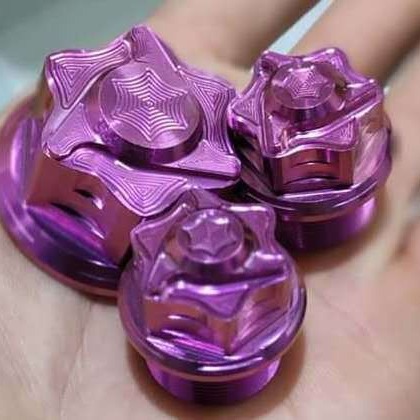
Grade 10.9 M24/M22 Titanium Alloy Motorcycle Oil Cap Screw
Tensile: 1,040+ MPa equiv. | Material: High-Strength Ti Alloy | High-Temp Thermal Seal & Anti-Corrosion
Get Catalog
Precision-turned, cold-forged, and 5-axis CNC machined titanium hardware built for extreme strength-to-weight performance, fatigue endurance, and unyielding corrosion resistance.
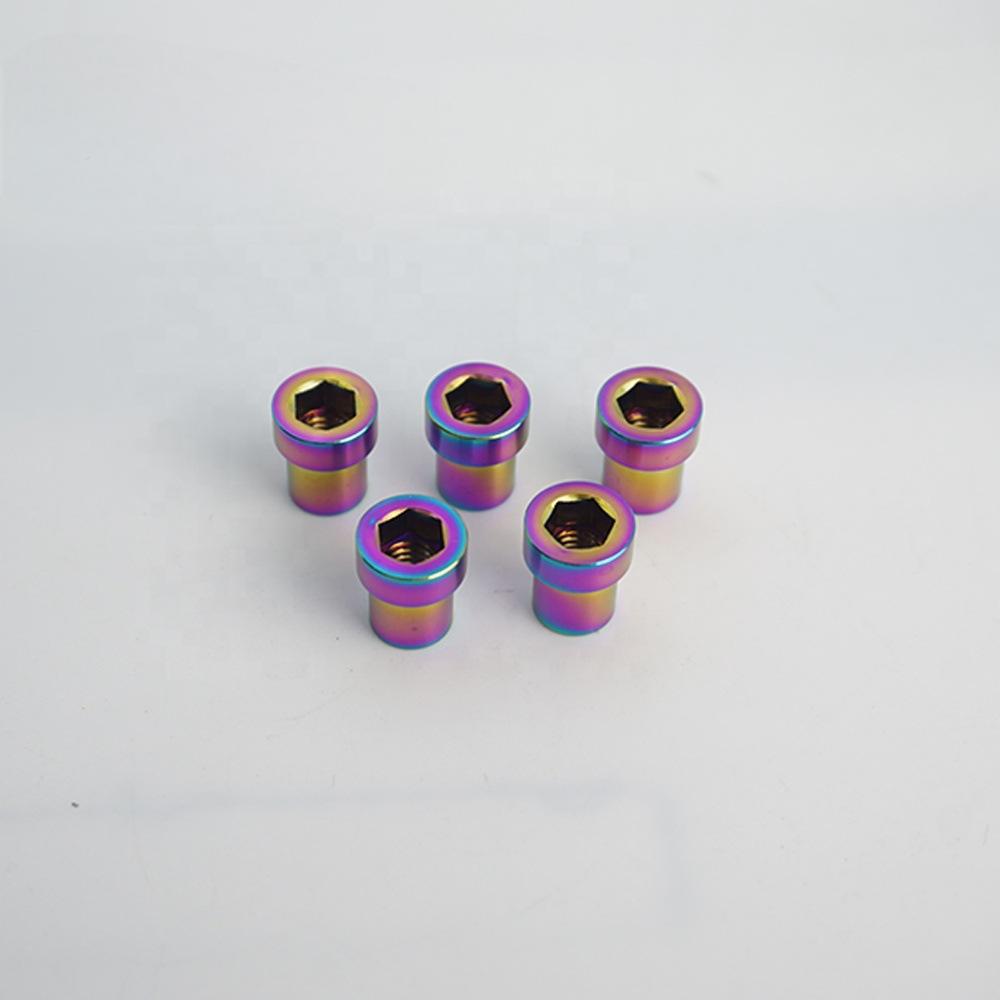
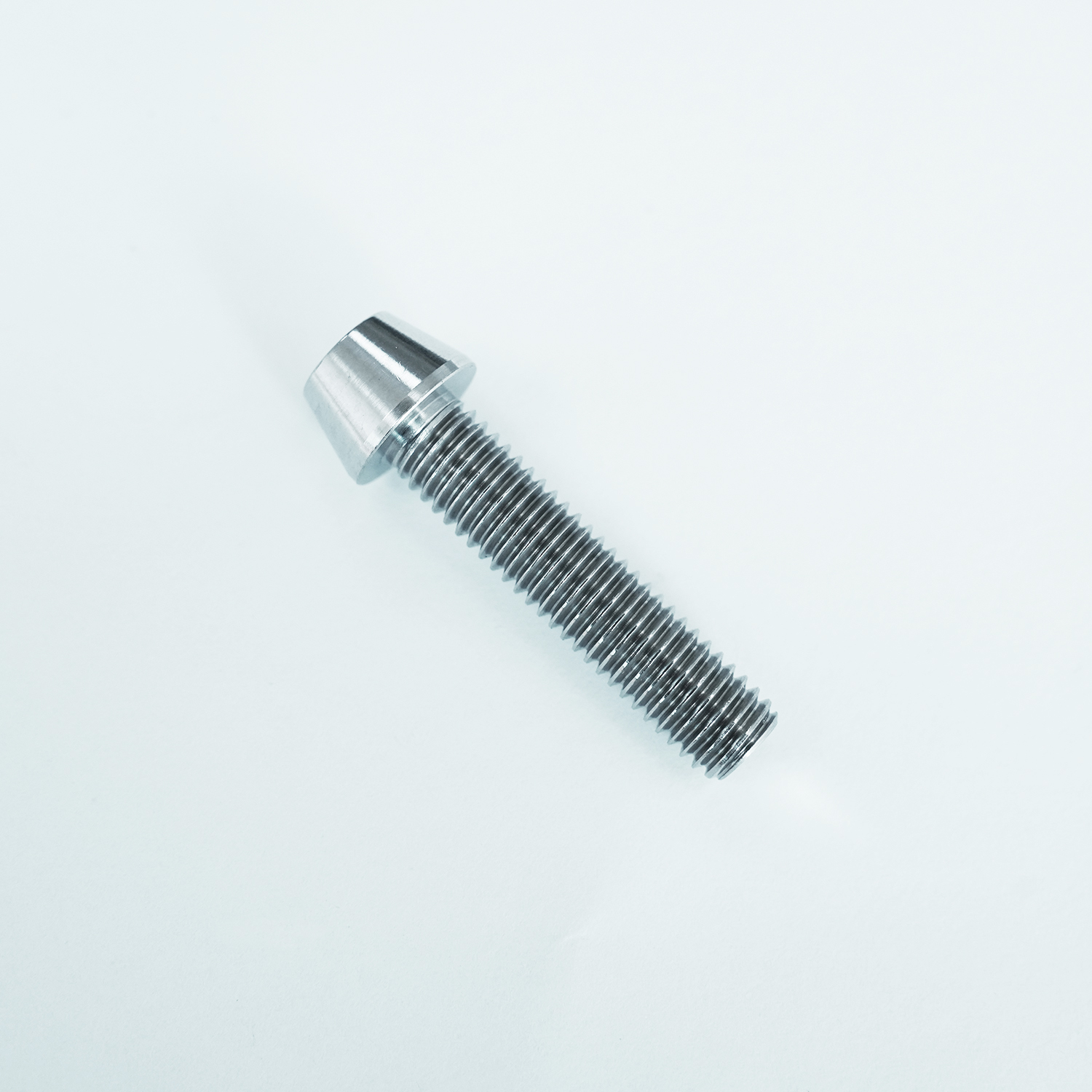
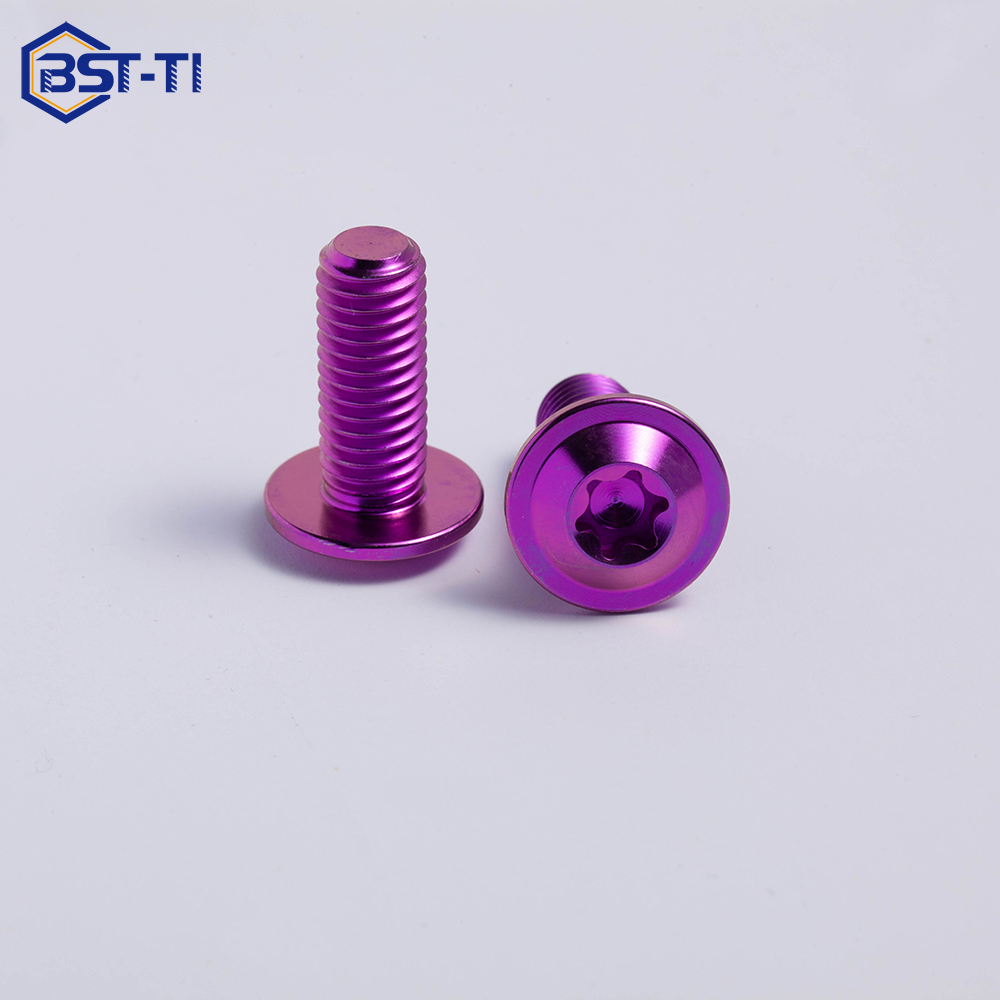
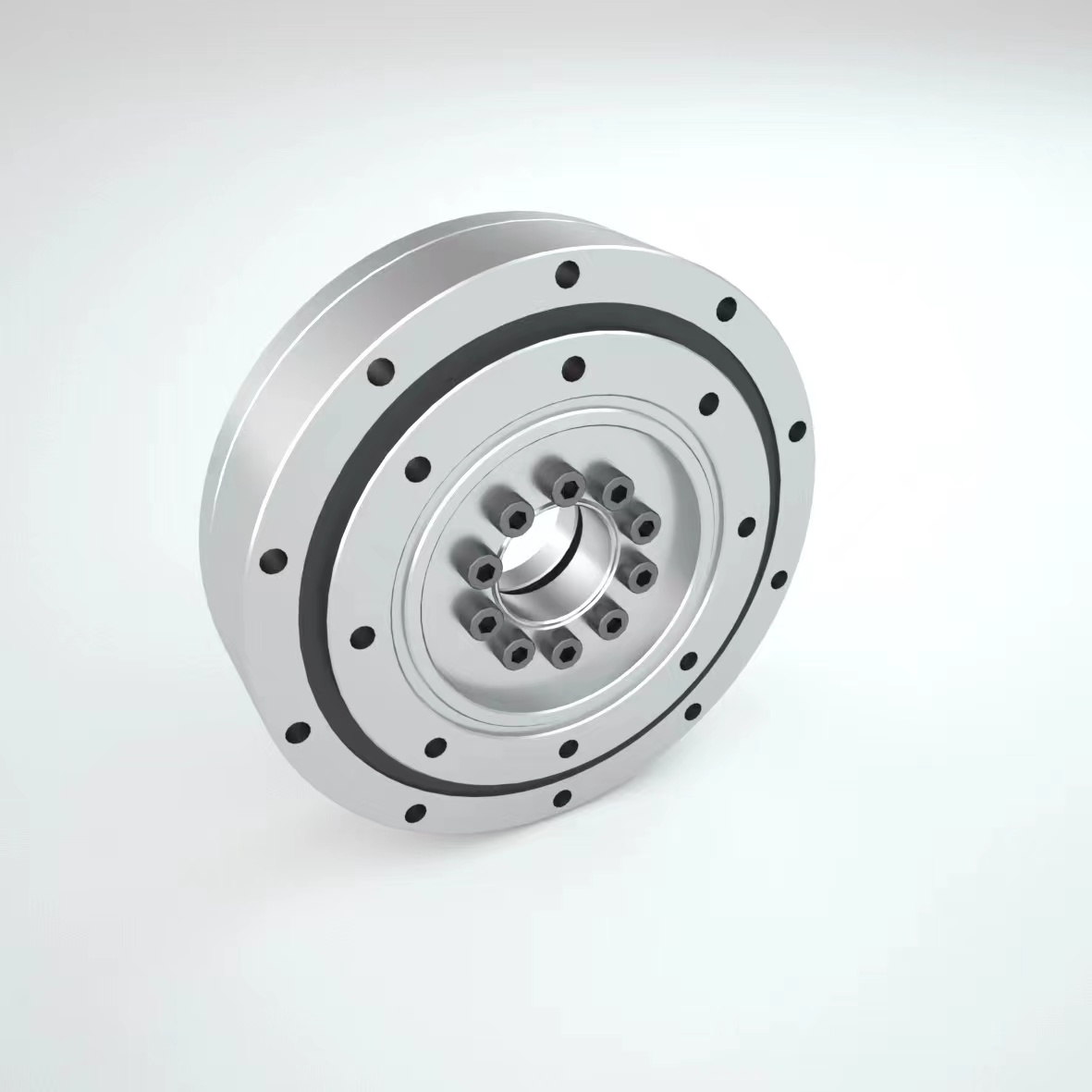
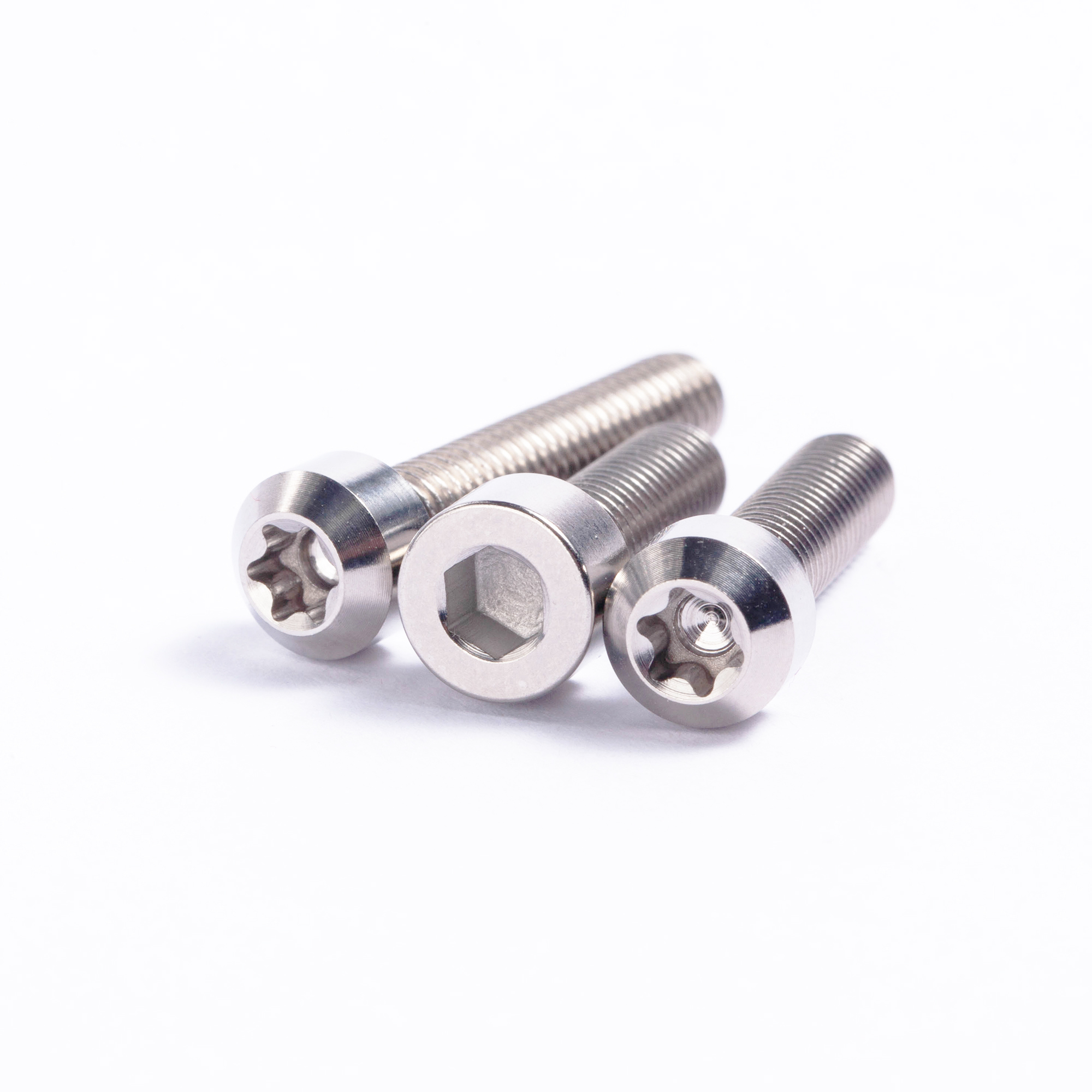
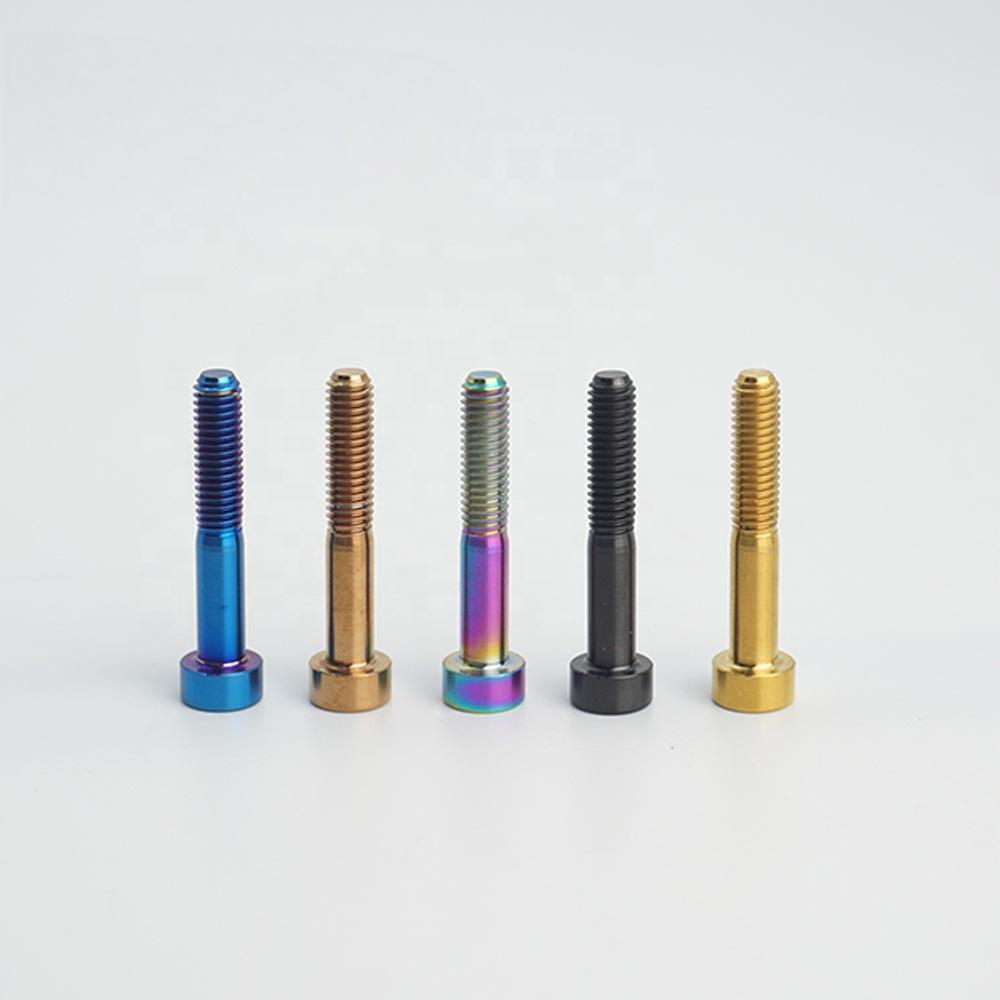
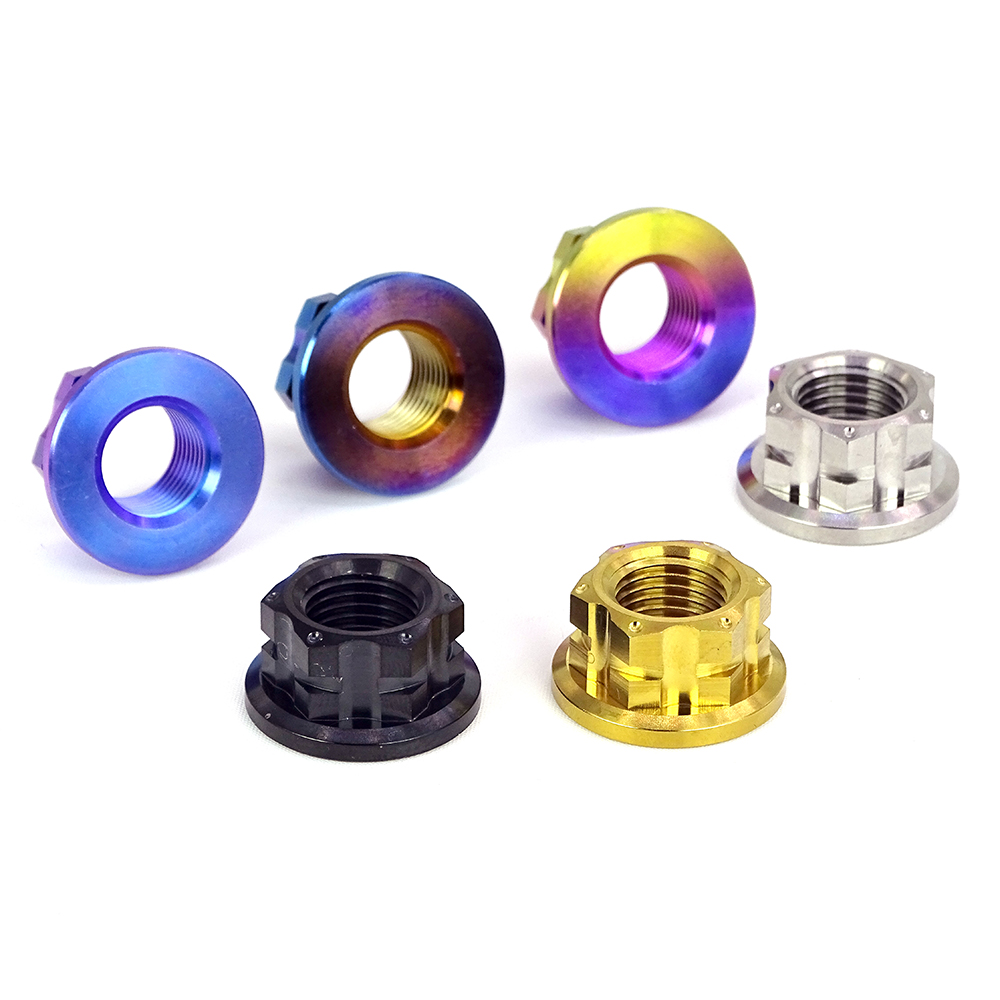
In high-performance industrial equipment, micro-mobility engineering, cleanroom robotics, and marine systems across the Pacific Northwest, mechanical engineers have historically balanced a painful compromise: the raw tensile rigidity of alloy steel versus the oxidation resistance of austenitic stainless steels. Traditional 304 and 316 stainless fasteners avoid moisture-induced rust but suffer from low yield thresholds (around 205 to 240 MPa) and severe vulnerability to chloride stress corrosion cracking. Alloy steels deliver structural strength (Class 8.8 to 12.9) but require zinc, cadmium, or nickel surface barrier treatments that eventually flake, pit, and cause catastrophic galvanic failure under cyclic marine or chemical exposure.
OEM titanium fabrication completely resolves this paradigm. By leveraging commercially pure Grade 2 (CP-Ti) and alpha-beta Grade 5 (Ti-6Al-4V, UNS R56400), mechanical designers attain exceptional structural metrics. Grade 5 titanium offers an ultimate tensile strength exceeding 895 to 950 MPa and a yield strength over 828 MPa, matching or exceeding Grade 10.9 tempered steel, yet carries a material density of just 4.43 g/cm³—an immediate 44% mass reduction across every bolt, chassis bracket, flange nut, and harmonic driveshaft.
| Metallurgical Property | Grade 5 Titanium (Ti-6Al-4V) | Grade 2 Titanium (CP-Ti) | Stainless Steel (AISI 316) | Alloy Steel (Class 10.9) |
|---|---|---|---|---|
| Density (g/cm³) | 4.43 (Ultralight) | 4.51 | 8.00 | 7.85 |
| Tensile Strength (MPa) | 895 – 1,000 | 345 – 480 | 515 – 620 | 1,040 |
| Yield Strength 0.2% (MPa) | ≥ 828 | ≥ 275 | ≥ 220 | ≥ 940 |
| Corrosion Mechanism | Self-Healing TiO² Film | Self-Healing TiO² Film | Passivated Chromium Oxide | Sacrificial Galvanic Plating |
| Marine Salt-Fog (ASTM B117) | Immune (>5,000 hrs) | Immune (>5,000 hrs) | Pitting Risk in Chlorides | Severe Rust if Scratched |
| Magnetic Permeability | Non-Magnetic (μ ≈ 1.00005) | Non-Magnetic | Slightly Magnetic when Cold-Worked | Ferromagnetic |
The superior durability of titanium industrial components arises from its spontaneously generating passive oxide layer. Upon oxygen contact, titanium instantaneously forms an inert, chemically continuous titanium dioxide (TiO²) ceramic barrier. This micro-film resists nitric acid, moist chlorine gases, hypochlorites, and high-velocity salt water. It prevents the pitting corrosion that routinely undermines marine deck bolts, high-performance disc rotors, and chemical valve stems. When produced using high-precision CNC thread rolling instead of cut threading, grain flow lines remain continuous along the entire tooth profile, enhancing thread fatigue thresholds by up to 35% under severe vibrational oscillation.
Portland, Oregon is an epicenter of forward-thinking industrial ingenuity—spanning the Columbia River maritime corridors, the high-tech Silicon Forest, clean-tech micromobility innovators, and aerospace tier suppliers.
Portland & Hillsboro's semiconductor semiconductor wafer fabrication clusters mandate zero-particulate, non-ferromagnetic hardware. Our vacuum-degreased Grade 2 and Grade 5 bolts, harmonic drive reducers, and custom end-effector components eliminate magnetic interference and magnetic flux leakage near electron microscopy apparatus and wafer transport robots.
Commercial workboats, aluminum hull patrol craft, research vessels, and dockside infrastructure operating in the Columbia River Estuary face brutal brackish salinity and turbulent currents. Custom Grade 5 flanged studs, underwater sensor chassis, and rudder pintle fasteners endure indefinitely without crevice corrosion or galvanic deterioration.
Recognized globally as North America's bicycle and micro-mobility capital, Portland demands obsessively engineered, lightweight hardware. Leading bike builders and e-mobility innovators replace heavy steel screws with our TC4 stem bolts, brake rotor Torx bolts, and hot-forged flange lock nuts to drop unsprung rotational mass while resisting rain-slicked winter road salts.
Heavy chemical processors and pulp mills along the Oregon-Washington border handle aggressive sulfurous liquors, bleach solutions, and caustic washes. Our Grade 2 commercially pure titanium pipe fittings, threaded valve studs, and hex flange nuts prevent sudden stress corrosion failures where nickel alloys and duplex steels experience premature pitting.
Oregon's advanced manufacturing subcontractors require tight, verifiable quality standards for unmanned aerial vehicles (UAVs) and aircraft assemblies. Wexra provides complete 3.1 Mill Test Certificates (MTC), full chemical lot breakdowns, and precision 5-axis CNC turning within ±0.01 mm tolerances to meet rigorous aerospace procurement audits.
From Portland International Raceway (PIR) track setups to custom performance builders across Multnomah and Clackamas counties, unsprung weight directly impacts acceleration and brake dissipation. Our 12-point disc brake bolts and Grade 10.9-equivalent wheel studs endure continuous high-thermal cycling without galling or warping.
Purchasing dynamics among OEM mechanical part buyers in Portland and the Pacific Northwest are fundamentally changing due to geopolitical reshoring, stricter environmental mandates, and rapid electrification:
Raw titanium scrap rates are costly. Progressive Northwest engineering bureaus are transitioning away from hogging massive solid billets. Instead, they specify cold-forged and precision-formed near-net blanks combined with finish 5-axis CNC threading, significantly curbing raw material consumption and carbon footprint.
Driven by ISO 9001:2015 frameworks and aerospace traceability directives, Portland procurement specialists routinely reject blind-sourced inventory. Certified material origins, chemical composition spectroscopy, ultrasonic flaw detection, and accredited 3.1 MTC verification are now standard prerequisites.
While colorful anodized titanium has historically led consumer styling, industrial OEMs prioritize physical vapor deposition (PVD) DLC (diamond-like carbon), micro-arc oxidation (MAO), and vacuum thermal nitriding to deliver rockwell surface hardnesses over 65 HRC—completely eliminating titanium thread galling during automated high-speed torque installation.
Headquartered in Jiaxing, Zhejiang, Jiaxing Wexra Titanium Products Co., Ltd. serves tier-one distributors, custom fabricators, and engineering brands worldwide with dedicated titanium specialization.
Every fastener and CNC part is produced under rigorous documented process controls. We maintain comprehensive optical sorting, thread go/no-go ring gauge inspections, coordinate measuring machine (CMM) dimensional checks, and RoHS/REACH environmental compliance.
Equipped with precision CNC turning centers, 4-axis and 5-axis machining systems, automated high-speed thread rolling units, laser profiling machines, and in-house vibratory finishing, we consistently hit ±0.01 mm tolerances on intricate custom designs.
With an export ratio exceeding 91% into core markets across the United States, Germany, the UK, and Canada, we maintain dedicated English-speaking technical sales support, rapid DFM sample turnarounds within 7–10 days, and seamless DDP air/sea customs freight handling direct to Portland logistics hubs.
Direct technical and commercial answers addressing common engineering specifications, logistics, and metallurgical questions.
Grade 5 (Ti-6Al-4V, TC4) is an alpha-beta alloy heat-treatable material delivering tensile strength above 895–1000 MPa and yield strength over 828 MPa, making it mandatory for dynamic, load-bearing applications like brake caliper bolts, stem bolts, vehicle wheel lugs, and structural aerospace brackets. Grade 2 is commercially pure (CP) titanium with a lower tensile strength (~345–480 MPa) but superior ductility and unmatched corrosion resistance against raw chemical solutions, seawater immersion, and decorative anodized components where extreme clamping shear is not critical.
Thread galling occurs when titanium's thin oxide layer breaks under friction and contact pressure, micro-welding opposing threads together. Wexra prevents this through precision thread rolling (producing micro-burnished, ultra-smooth thread flanks with Ra < 0.4 μm) and specialized surface engineering: vacuum PVD nitriding, DLC hard-coating, or molybdenum disulfide (MoS²) dry lubricants. Furthermore, we provide Portland engineering assembly teams with exact anti-seize paste specifications and revised torque coefficients (typically 15–20% lower than standard dry zinc-plated steel torques).
Every commercial production batch is accompanied by comprehensive documentation: complete EN 10204 3.1 Mill Test Certificates (MTC) outlining heat batch chemical spectroscopy and mechanical pull-test results, coordinate measuring machine (CMM) dimensional verification sheets, optical comparator inspection reports, and formal RoHS/REACH compliance certifications. Full traceability is logged from raw ingots to packaged crates.
Yes. Our core engineering strength is OEM/ODM custom production. We accept 2D schematics (PDF, DWG, DXF) and native 3D CAD files (STEP, IGES, SLDPRT). Our design-for-manufacturability (DFM) team performs full tolerance analyses, machine tool path simulations, and material yield optimizations before initiating pilot prototype runs. Small evaluation batches can be delivered to Portland within 7 to 12 business days.
Standard prototype and pilot sample lead times range from 7 to 10 days. Mass production orders generally ship within 20 to 28 days depending on secondary coating or PVD treatments. For rapid transit, express air cargo (FedEx, DHL, UPS) delivers to Portland International Airport (PDX) customs clearing in 3–5 business days. Bulk ocean shipments route directly into West Coast ports (Portland or Seattle/Tacoma) with complete DDP customs and duty clearance handled directly by our forwarding team.
Whether you require race-spec brake rotor hardware, cleanroom non-magnetic actuators, or custom-turned marine assemblies, our engineering staff provides immediate DFM feedback and competitive manufacturing quotes within 8 hours.
Get Catalog