Gr5 Ti-6Al-4V
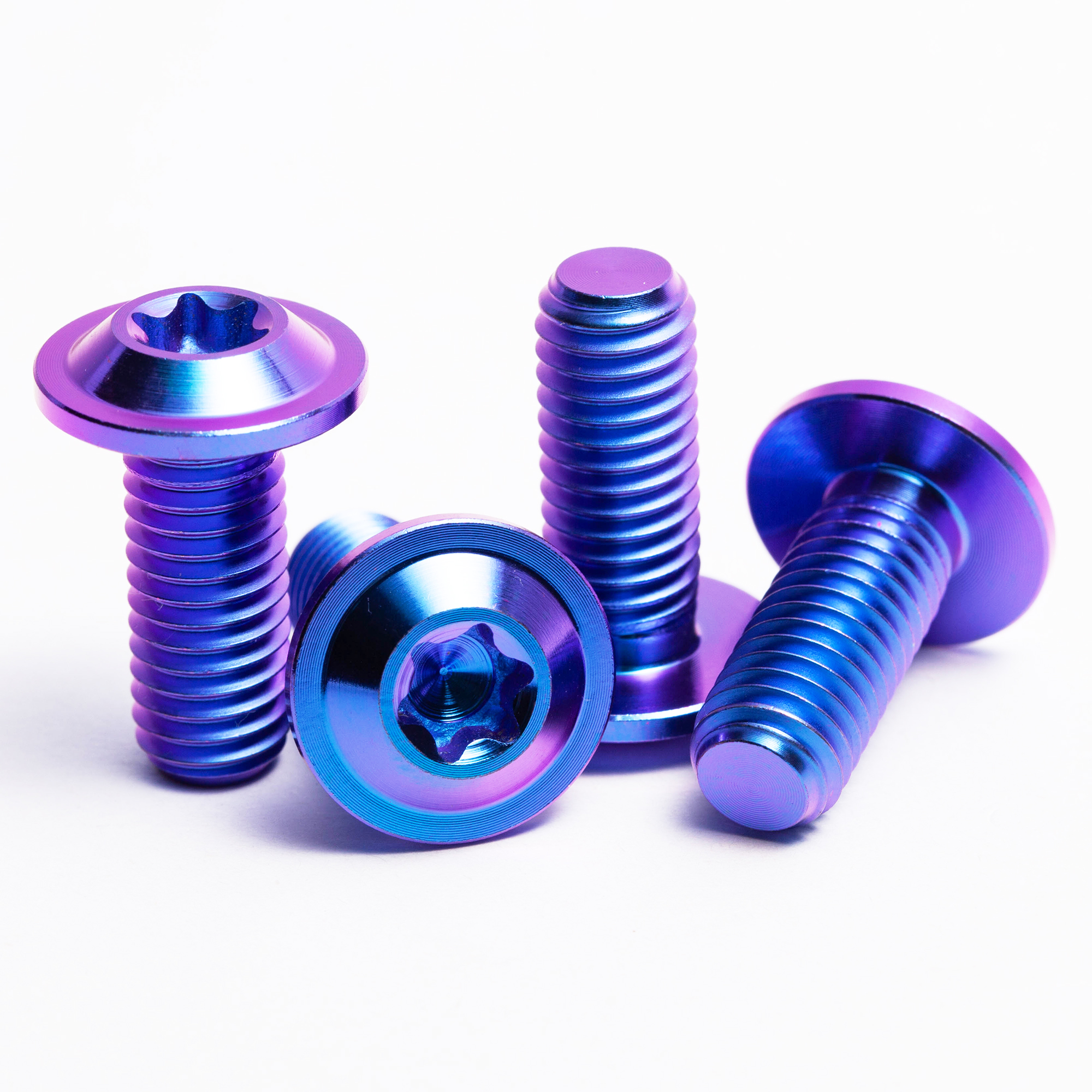
Manufactured from premium vacuum-arc remelted (VAR) billet stock under ISO 9001:2015 controls. Configured for severe cyclic loading, low-temperature ductility down to -50°C, and complete galvanic isolation.
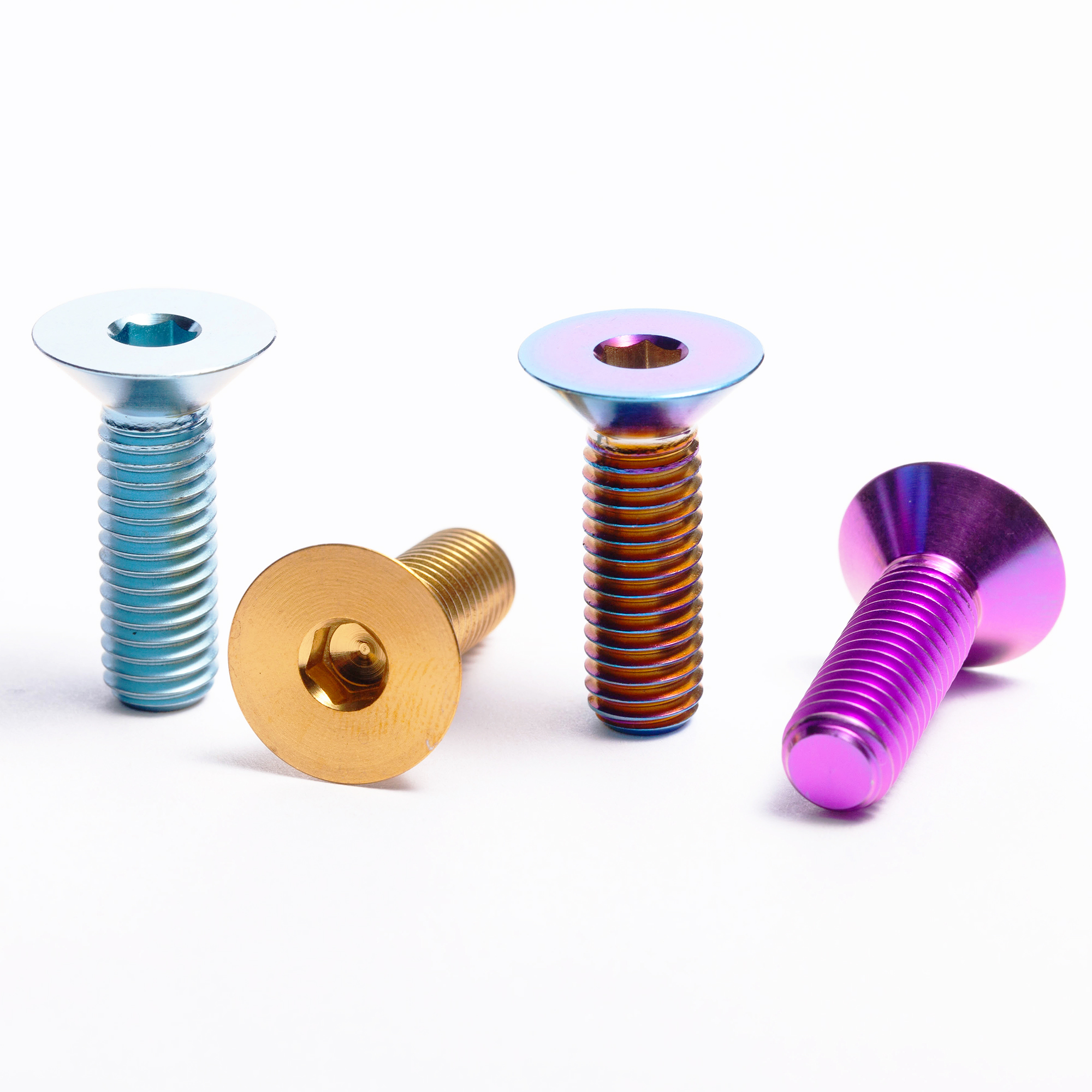
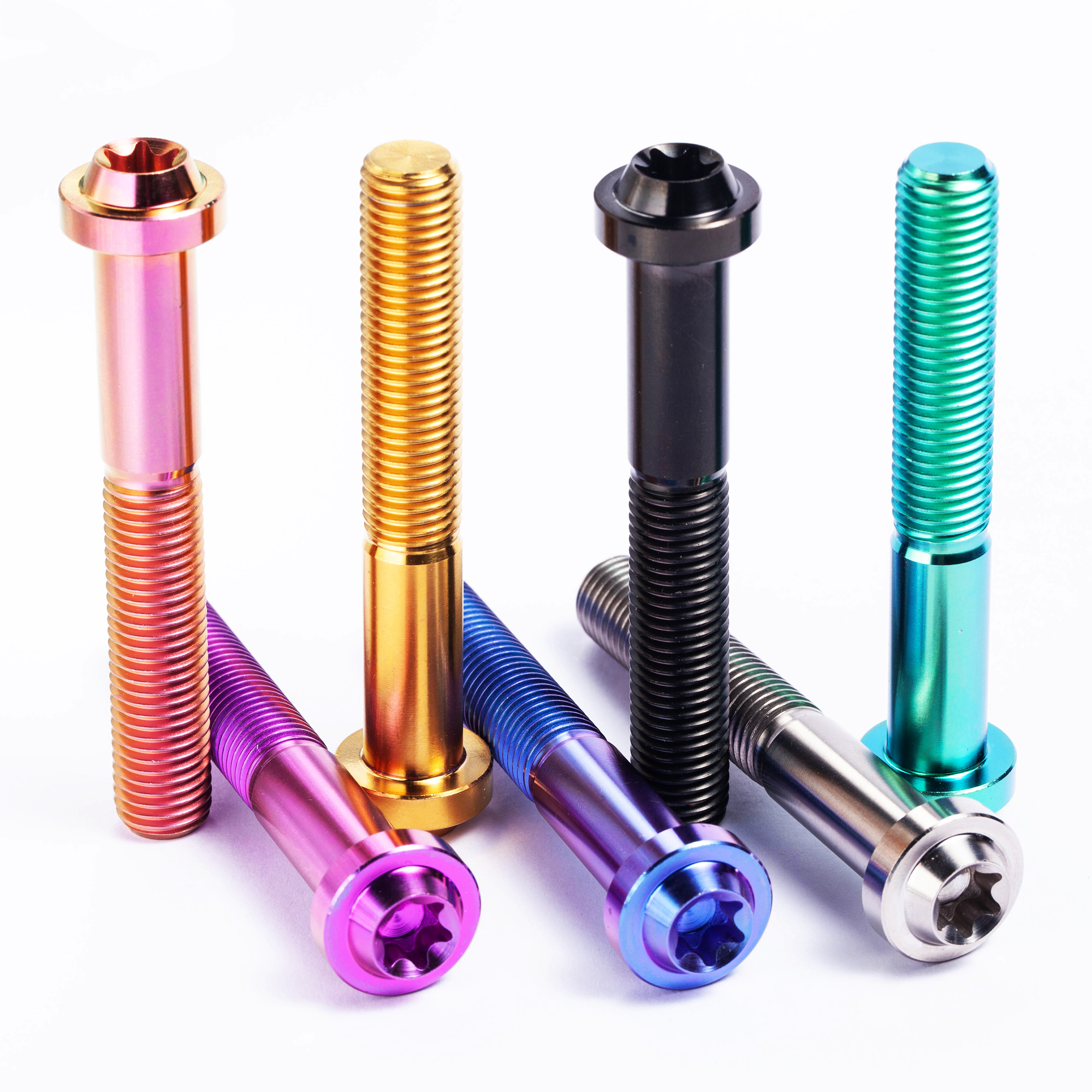
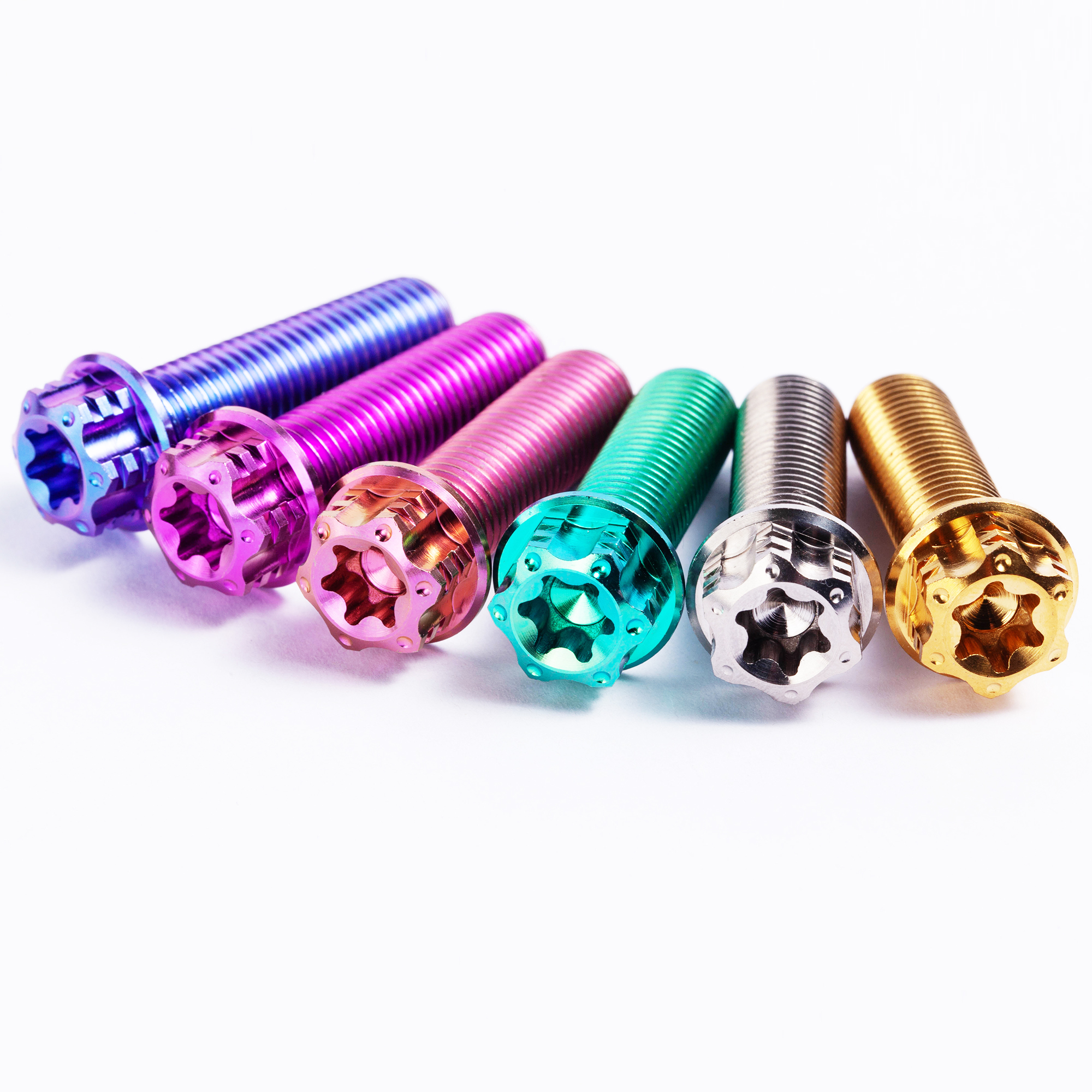
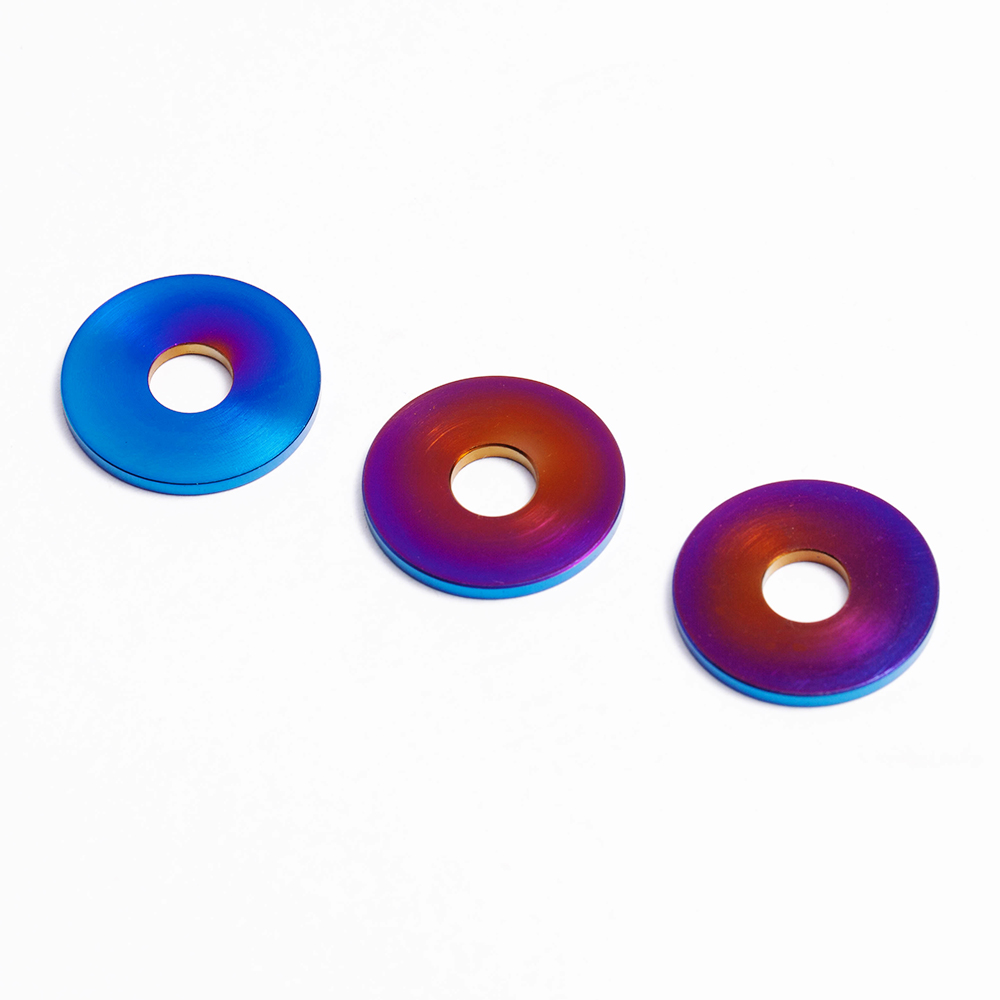
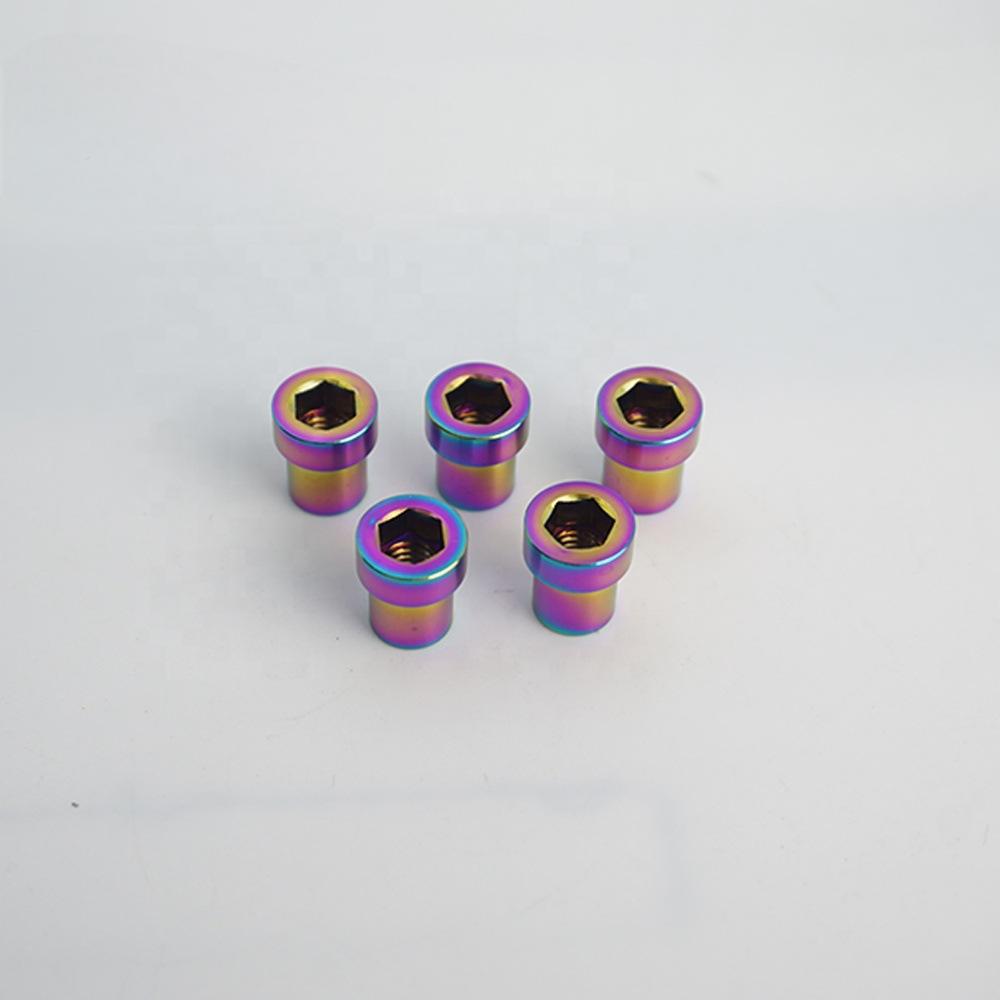
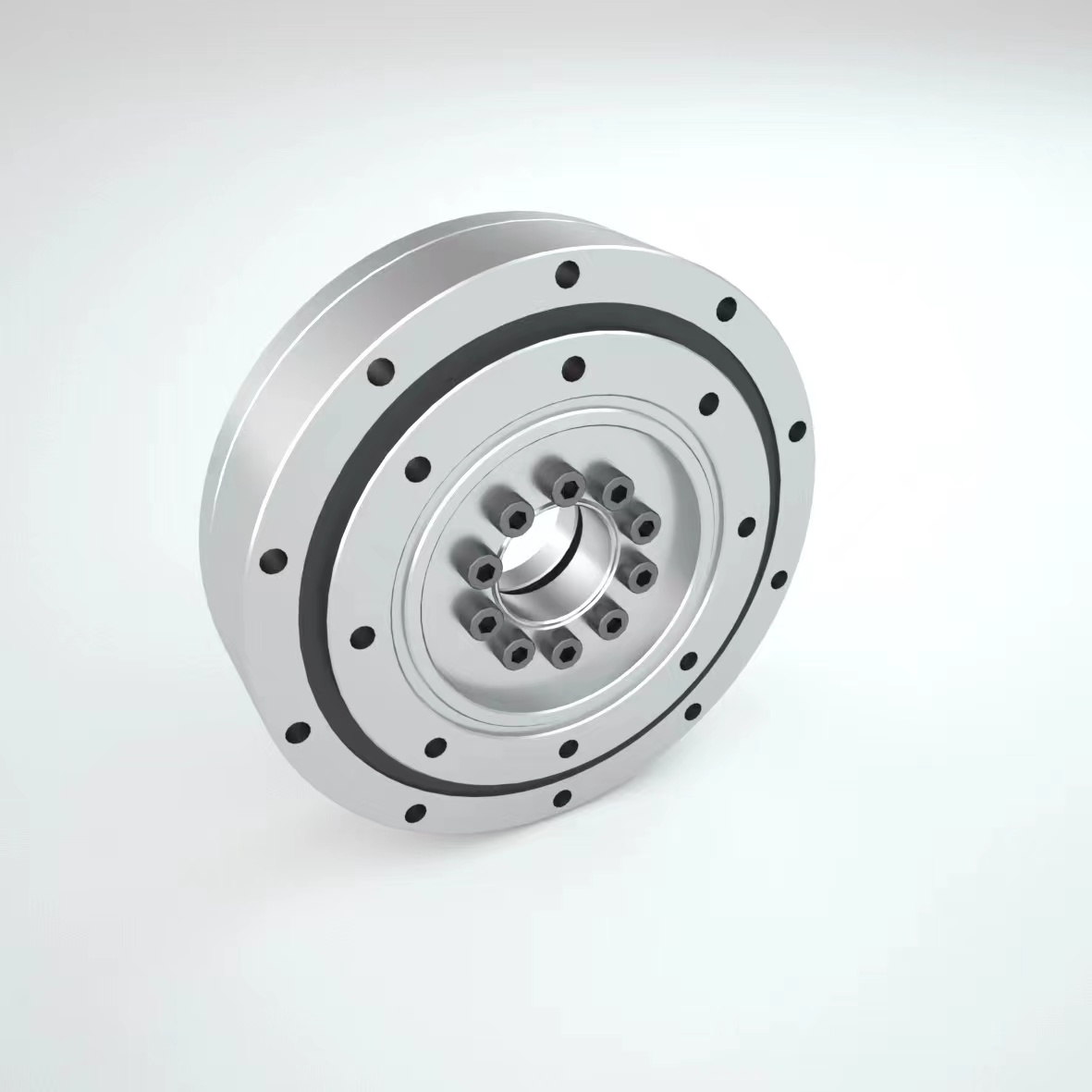
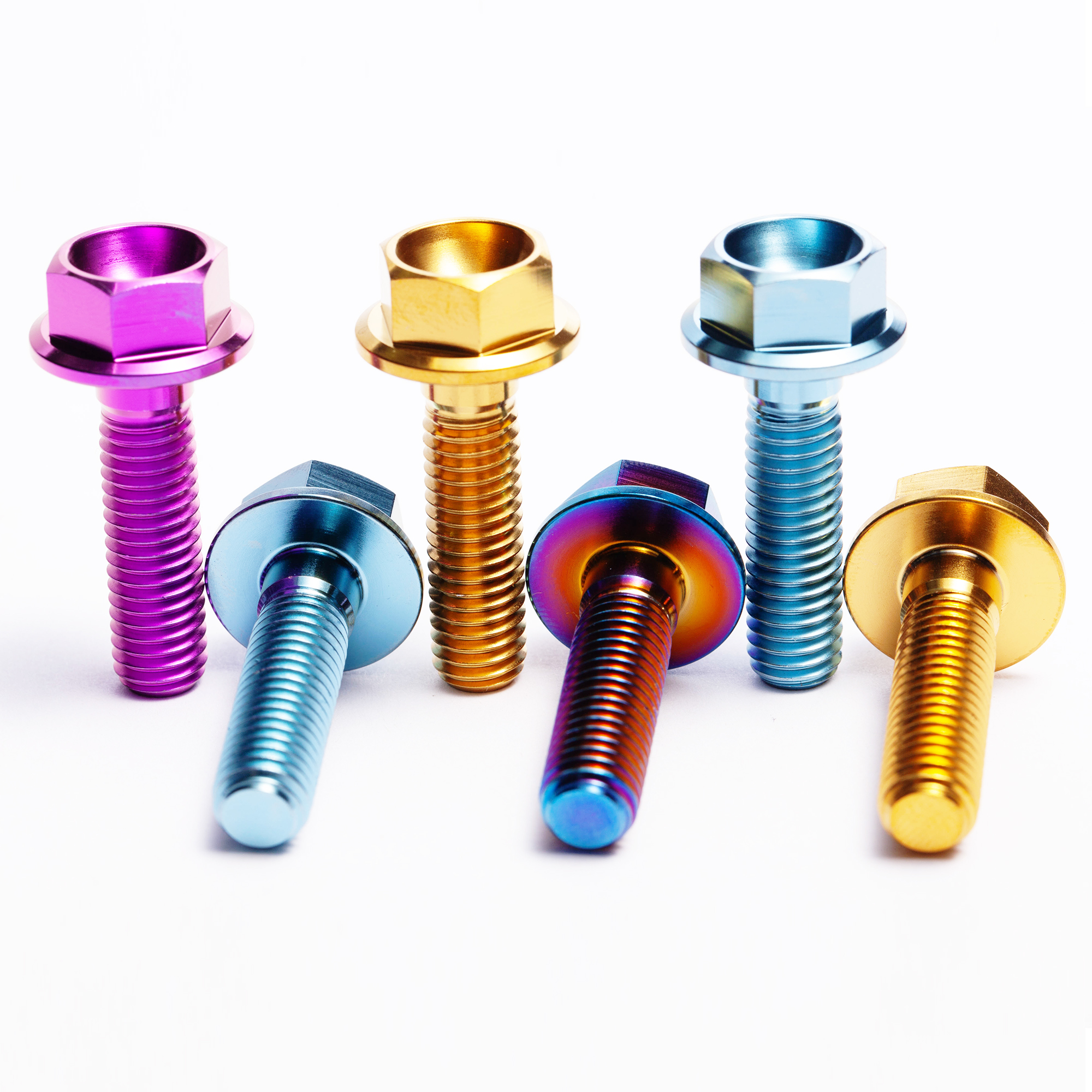
Edmonton represents Northern Alberta's heavy manufacturing, hydrocarbon processing, and cold-region technology staging corridor. Wexra Titanium supplies raw billet, precision plate, and machined fasteners tailored to withstand the province's demanding operating envelopes.
Edmonton's Heartland Industrial Zone hosts world-scale refining, cracking, and fertilizer complexes. Wexra Grade 2 commercially pure titanium raw bars and ASTM B348 Grade 5 forged components deliver absolute resistance against wet chloride stress corrosion cracking (SCC), boiling organic acids, and hydrogen sulfide sour gas streams where austenitic stainless steels (316L, duplex 2205) suffer catastrophic pitting.
Oil sands surface extraction in the Athabasca Basin and downhole directional drilling assemblies demand metals that do not experience a sharp ductile-to-brittle transition temperature (DBTT). Ti-6Al-4V ELI (Grade 23) and Grade 5 maintain exceptional Charpy impact toughness and high fracture toughness (K_IC) at -45°C sub-arctic surface temperatures, preventing brittle structural failures during cyclic shock loads.
Alberta's aerospace precision manufacturing cluster relies on titanium alloys to achieve strict strength-to-weight targets. Our precision CNC turned parts, custom titanium flanged nuts, and raw round bars feed Edmonton machine shops manufacturing unmanned aerial vehicles (UAVs), remote pipeline inspection rovers, and optical positioning housings requiring thermal expansion matching to carbon fiber reinforced plastics (CFRP).
Procurement directors across Edmonton fabrication yards routinely evaluate whether to upgrade from high-tensile structural steels (Grade B7, Class 10.9) or super-alloys (Inconel 625, Hastelloy C-276) to titanium alloys. The quantitative engineering trade-offs below govern life-cycle return on investment:
| Alloy Designation | Density (ρ, g/cm³) | Tensile Strength (MPa) | Yield Strength (0.2%, MPa) | Chloride Pitting Resistance (CPT) | Toughness at -40°C (Charpy V-Notch) |
|---|---|---|---|---|---|
| Titanium Gr5 (Ti-6Al-4V) | 4.43 | ≥ 895 | ≥ 828 | Immune (>250°C) | ≥ 38 J (Maintains Ductility) |
| Titanium Gr2 (Unalloyed) | 4.51 | ≥ 345 | ≥ 275 | Immune (<80°C) | ≥ 50 J (High Impact Absorpt.) |
| Super Duplex Stainless 2507 | 7.80 | ≥ 750 | ≥ 550 | High (CPT ∼ 42°C) | Significant DBTT drop-off |
| Alloy Steel Class 10.9 (ASTM A193 B7) | 7.85 | 1040 | 940 | Vulnerable to rapid sulfide/chloride SCC | Severe embrittlement risk |
| Nickel Alloy Inconel 625 | 8.44 | ≥ 827 | ≥ 414 | Exceptional | ≥ 60 J (Excessive Mass Penalty) |
A transformation is taking place across Western Canada's industrial supply chains, driving accelerated adoption of non-ferrous, corrosion-free, and high-specific-strength alloys.
The Edmonton Hydrogen Hub and regional CCUS (Carbon Capture, Utilization, and Storage) trunklines are shifting metallurgy away from standard carbon steels. Supercritical CO2 transport and wet sour synthesis processes demand Grade 5 and Grade 12 titanium valve trims, flanges, and piping sub-components to eliminate localized galvanic failure modes during high-pressure cyclic decompression.
Maintenance shutdowns (turnarounds) in Fort Saskatchewan's industrial basin cost operators millions per day in lost output. Engineering teams increasingly specify Wexra titanium hardware for heat exchanger tube sheets, cooling water pumps, and exposed structural fasteners, achieving 25+ year zero-maintenance lifespans that dramatically surpass coated steel replacements.
Edmonton has emerged as a design nexus for heavy-duty autonomous haulage, aerial pipeline monitoring drones, and downhole sonic imaging instruments. With payload capacities constrained by battery energy density, switching chassis hardware, fasteners, and dynamic shafts to titanium allows local manufacturers to double operational endurance.
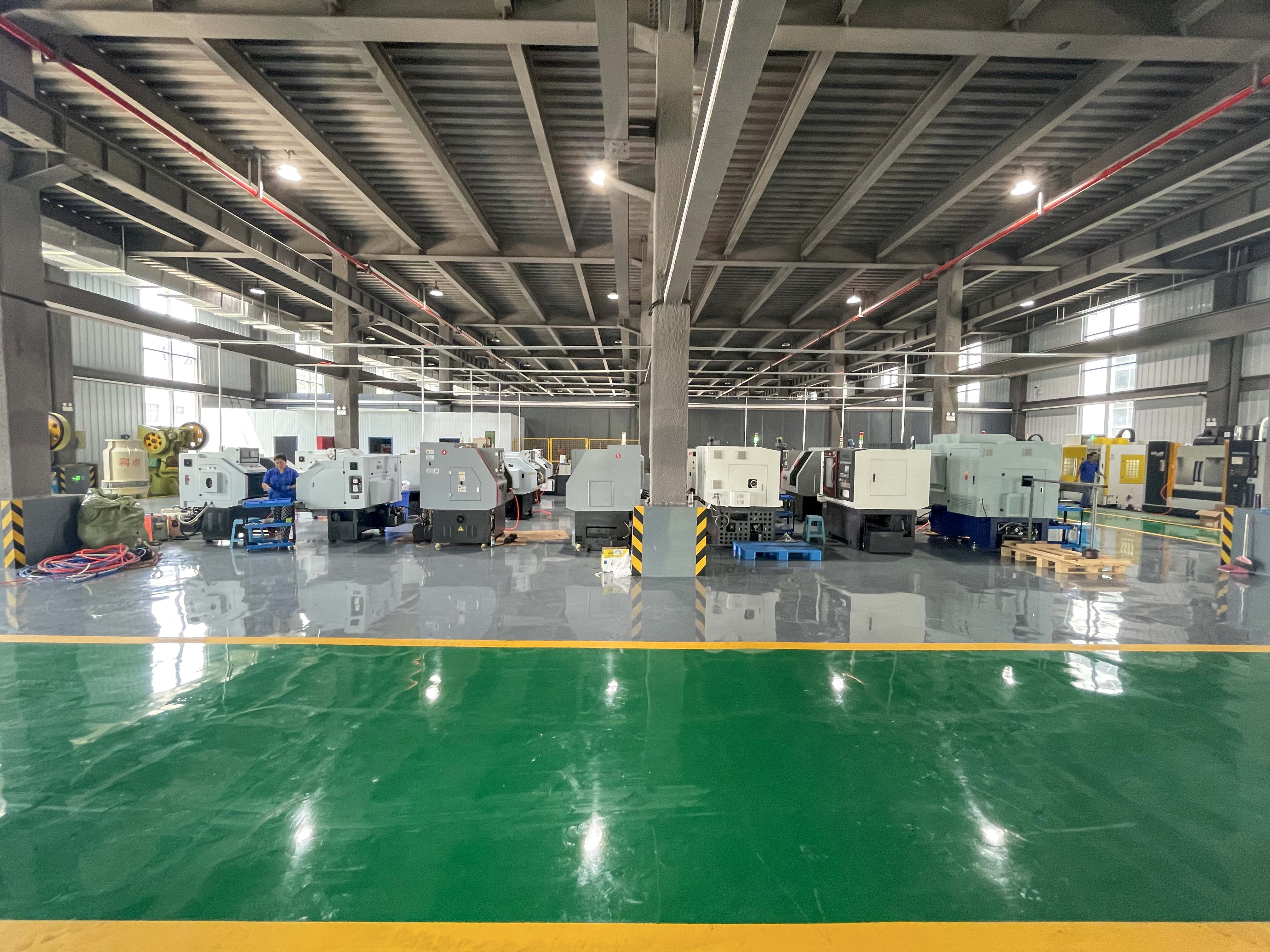
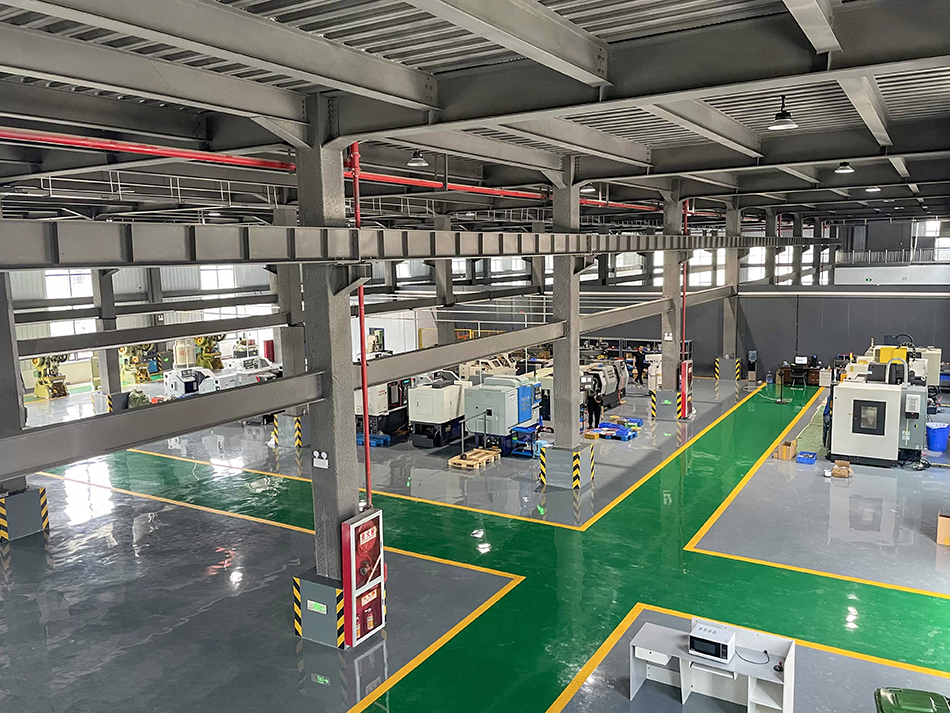
Jiaxing Wexra Titanium Products Co., Ltd. operates a vertically integrated titanium manufacturing and precision CNC machining complex. We control every stage of fabrication from verified billet stock to certified export packaging.
Certified operational workflows ensure complete chemical composition verification, PMI optical emission spectroscopy, ultrasonic defect screening, and full thread micro-comparisons on every production lot.
Direct ingestion of native SolidWorks, STEP, and AutoCAD drawings. Our engineers conduct pre-machining DFM assessments, recommending optimized titanium tooling pathways, cold-heading routes, and rolled thread form tolerances.
Every shipment to Edmonton ports of entry or direct air freight comes standard with fully traceable Mill Test Certificates (MTC) detailing mechanical yield/tensile values, elongation percentages, and interstitial elements (O, C, N, H, Fe).
With an established trade bridge into Canada and North America, we handle custom export crating, vapor-corrosion barrier packing, customs classification (HS Codes), and multimodal express air or maritime routing directly into Alberta distribution hubs.
Technical and logistical insights addressing the core concerns of Alberta supply managers, metallurgists, and machine shop superintendents.
Grade 2 is commercially pure (CP) titanium with a minimum yield strength of 275 MPa and ultimate tensile strength of 345 MPa. It offers maximum ductility and superior resistance in aggressive chemical environments such as hot nitric acid, wet chlorine, and caustic wash systems found in fertilizer production. Its high impact toughness makes it immune to low-temperature shock fractures.
Grade 5 (Ti-6Al-4V) is an alpha-beta alloy heat-treatable to tensile strengths exceeding 895 MPa with a yield strength over 828 MPa, matching or exceeding tempered alloy steel bolts (like ASTM A193 B7) at 44% less weight. For severe northern conditions (such as open-pit mining in sub-zero winters), we also supply Ti-6Al-4V ELI (Grade 23, Extra Low Interstitials), which significantly enhances fracture toughness and impact resilience down to cryogenic temperatures.
Titanium naturally develops a tenacious, microscopic titanium oxide (TiO2) passive layer. However, under high contact pressures without proper lubrication, metal-to-metal rubbing can shear this oxide film, causing microscopic micro-welds known as galling or thread seizing.
To eliminate galling in Alberta field assemblies: (1) Always specify rolled threads rather than cut threads, as rolled root radiuses are smoother and work-hardened; (2) Apply an approved anti-seize paste containing molybdenum disulfide (MoS2), nickel flake, or PTFE; (3) Take advantage of our custom surface treatments, such as Physical Vapor Deposition (PVD) coatings, micro-arc oxidation, or titanium anodizing, which harden the surface layer without modifying critical thread pitch diameters.
All materials exported from our Jiaxing manufacturing facility are supplied with complete, traceable inspection packages. This includes EN 10204 Type 3.1 Inspection Certificates containing full chemical ladle analysis (verifying compliance with ASTM B348, ASTM B265, ASTM F136, or AMS 4928) and mechanical testing results (Tensile, Yield, Elongation, Area Reduction).
Dimensional CMM inspection reports, thread pitch gauge verifications, hardness test values (Rockwell C / Vickers), and RoHS/REACH declarations are provided with every batch, facilitating frictionless audits by quality assurance inspectors in Edmonton.
For standard raw material shapes (bars, rods, sheets, plates) and standardized DIN/ISO fasteners in stock, dispatch occurs within 3 to 5 business days. For custom OEM/ODM CNC machined components or specialized fasteners from custom blueprints, production lead times average 12 to 20 business days depending on tooling complexity and surface finishing requirements.
We provide two shipping pathways to Edmonton: Express Air Freight (via DHL/FedEx/UPS or chartered cargo into Edmonton International Airport YEG) with transit times of 4 to 7 business days, or Ocean Freight via the Port of Vancouver with intermodal rail transit directly into Edmonton CN/CP intermodal yards (typical transit 22 to 30 days), optimizing either urgent turnaround deadlines or bulk inventory container costs.
Yes. If engineering CAD files are unavailable for legacy industrial machinery operating across Alberta refineries or remote sites, our metrology team can reverse-engineer physical components sent to our facility. Using high-precision coordinate measuring machines (CMM) and optical profile projectors, we generate accurate 3D CAD models, recommend optimized tolerances, and produce prototype samples for testing prior to initiating mass production.
Whether you require precision Gr5 titanium socket cap bolts, high-purity Gr2 heat exchanger sheets, or custom CNC turned components built to strict tolerances, our engineering team is ready to analyze your technical specifications and provide a competitive, factory-direct quotation within 8 hours.