DIN 912 / Gr9
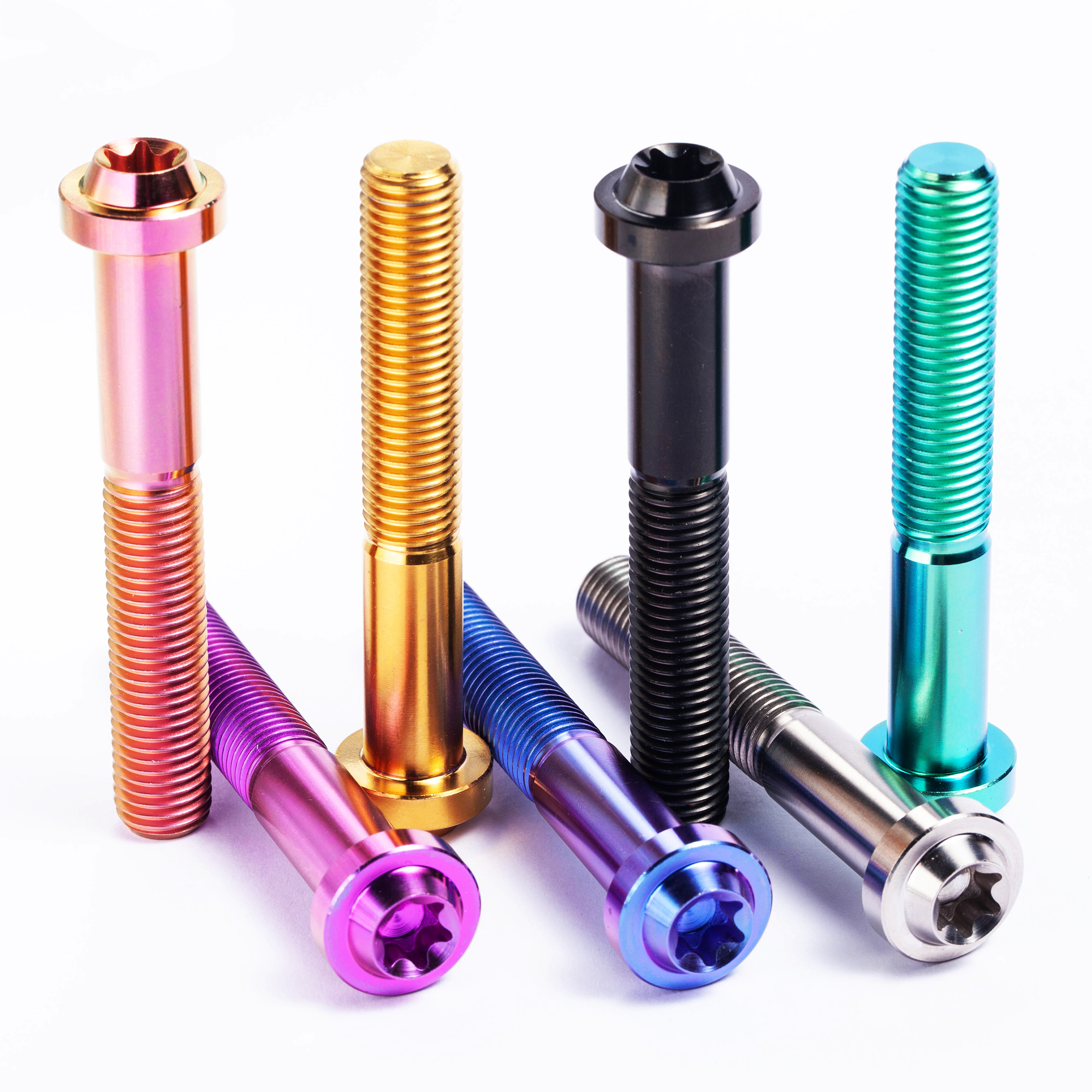
Engineered for high-stress cyclic vibration, corrosive maritime air, and critical assembly tolerances across Kawasaki's Keihin Industrial Zone.
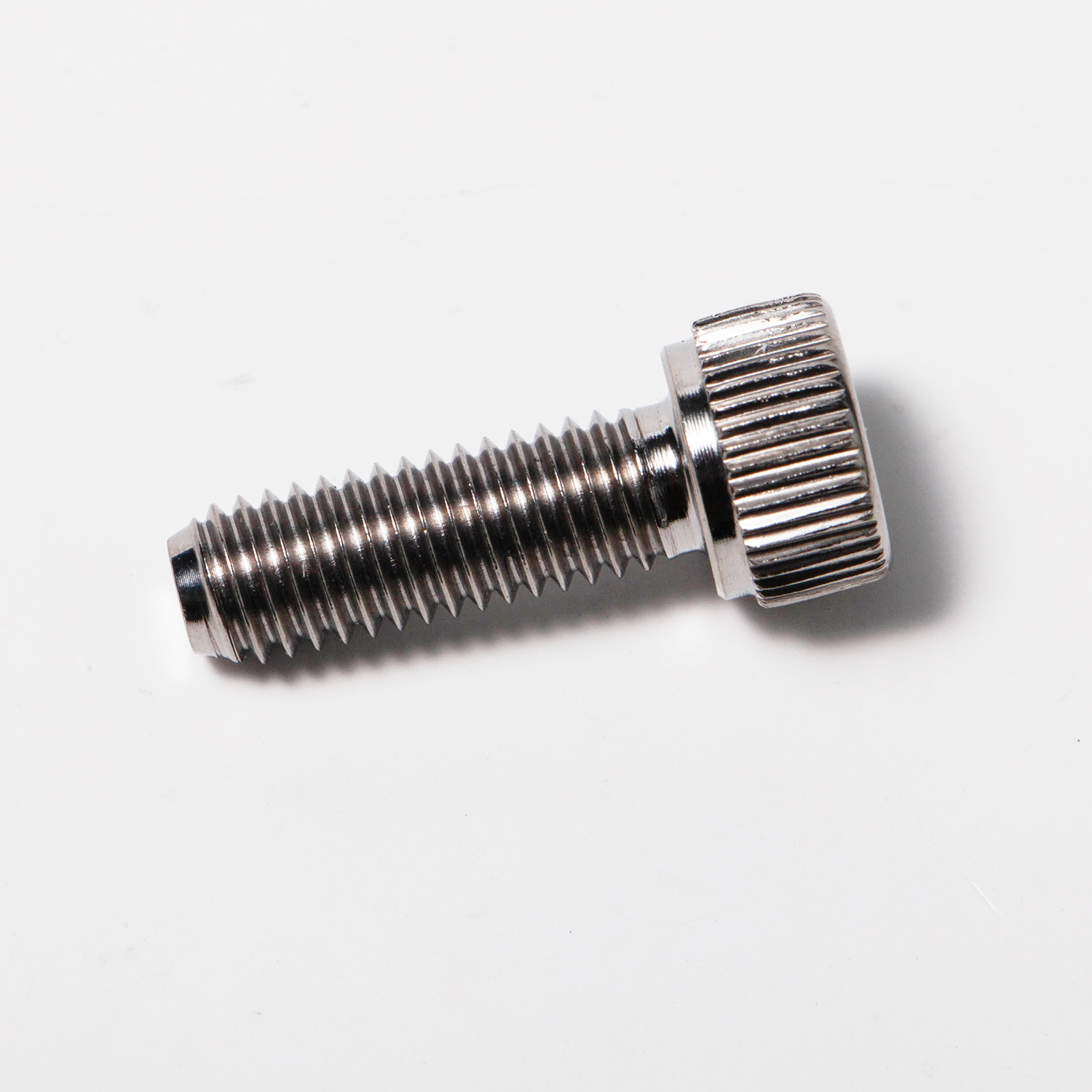
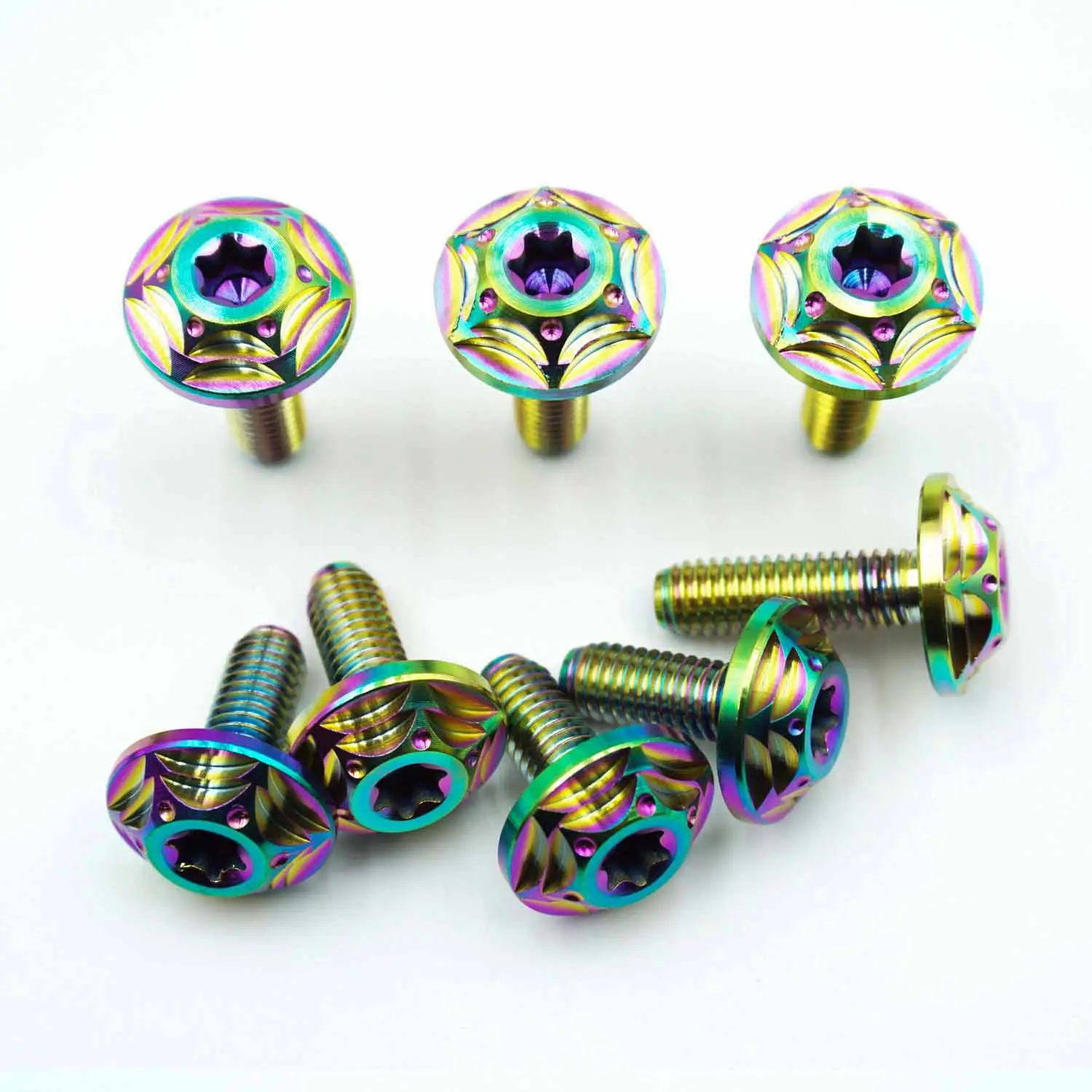
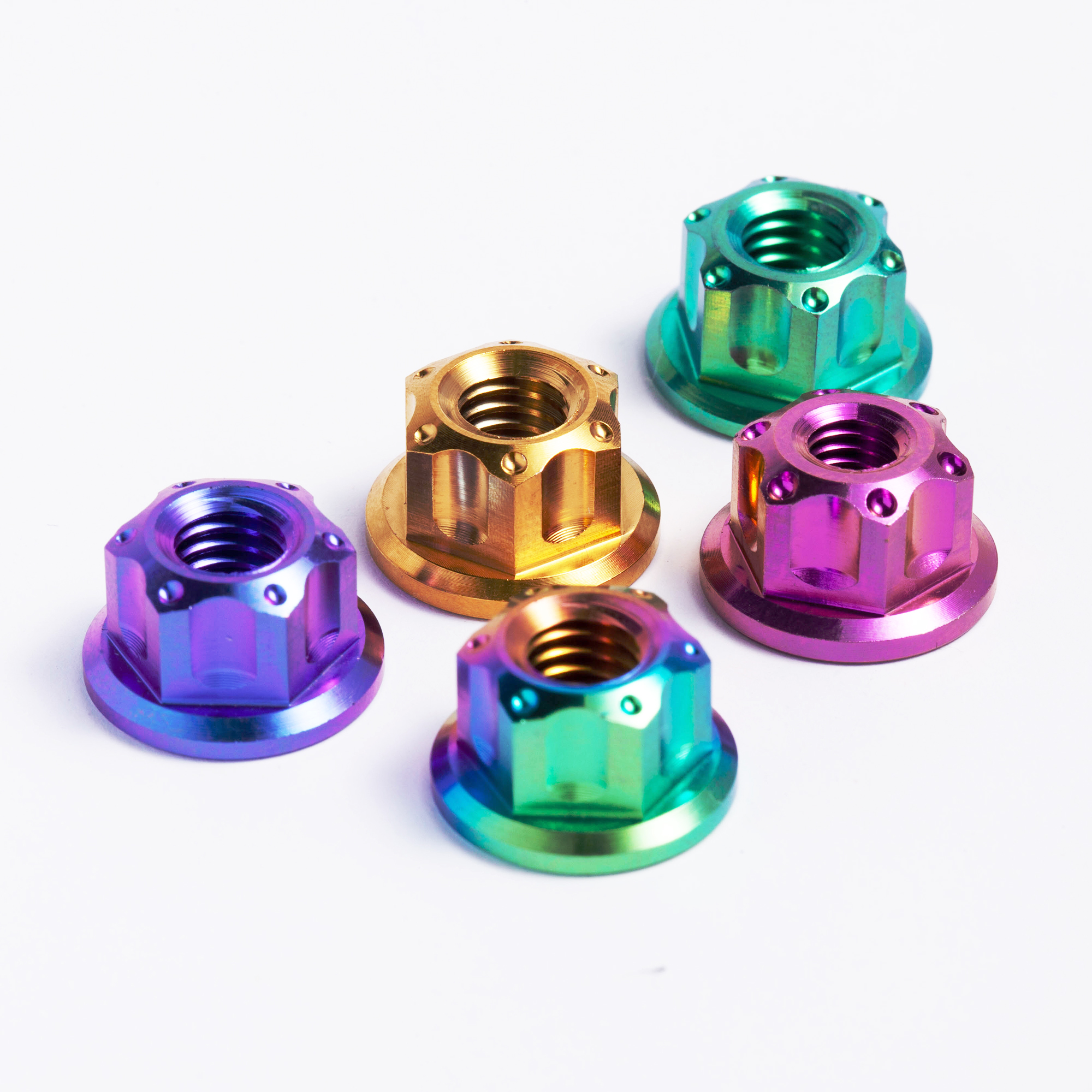
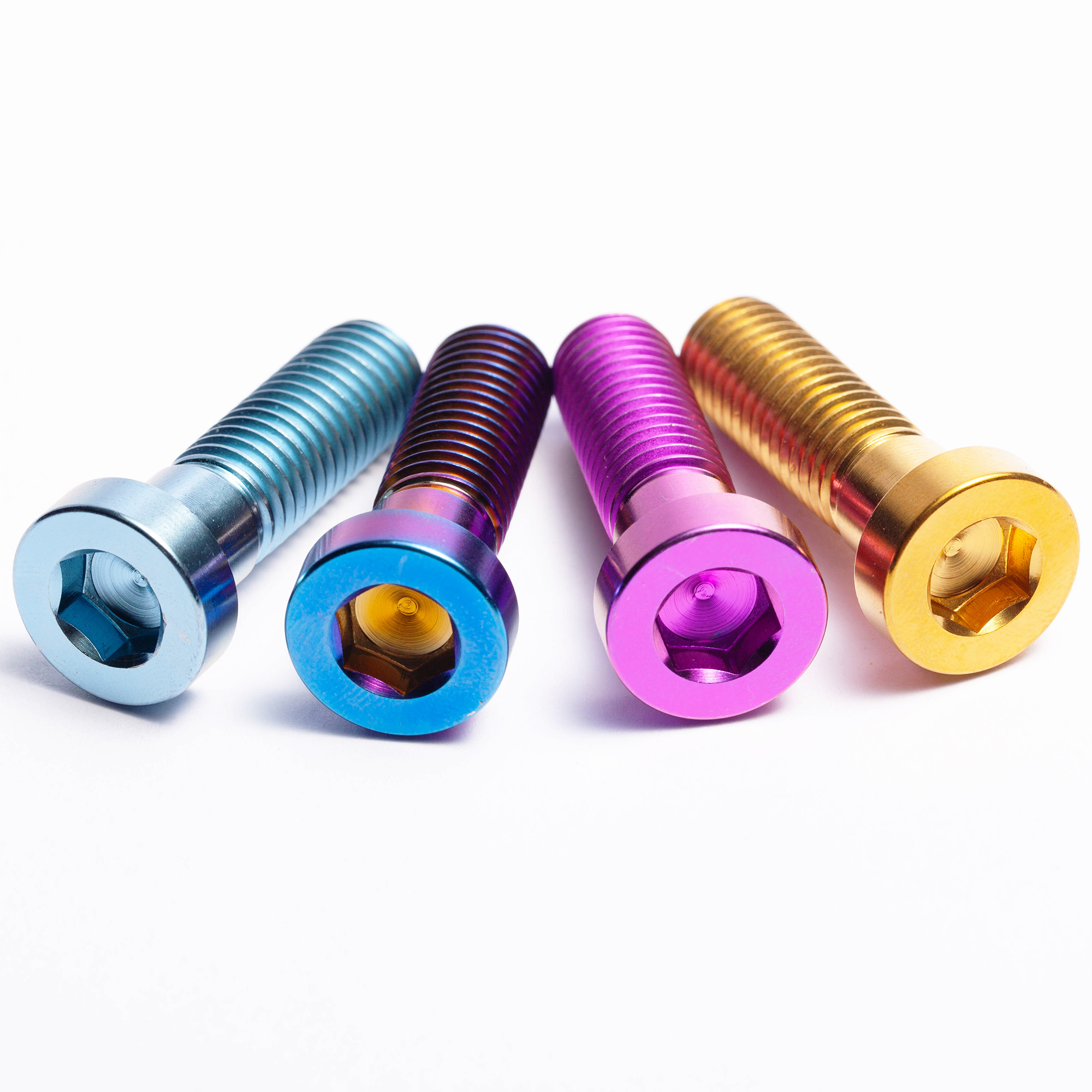
Strategic deployment of commercially pure (Gr2) and alpha-beta alloy (Gr5 / Ti-6Al-4V) ingots and machined bars across the coastal industrial complexes of Kanagawa Prefecture.
The coastal belt of Kawasaki hosts major petroleum refineries and chemical processing facilities exposed continuously to chlorinated marine environments and elevated process temperatures. Standard austenitic stainless steels (SUS304/SUS316) frequently succumb to chloride-induced stress corrosion cracking (SCC) and pitting corrosion.
Our vacuum-arc remelted (VAR) Grade 2 titanium ingots and ASTM B348 hot-rolled bars provide an inert, naturally regenerating titanium dioxide (TiO2) passivation film, ensuring exceptional life expectancy in shell-and-tube heat exchangers, reaction vessels, flanged nozzle bars, and corrosive slurry pumps.
Kawasaki is historically renowned for leading energy engineering corporations and heavy power systems. Advanced steam turbines, gas turbine generation subsystems, and hydrogen transmission compressors demand materials that resist cyclic high-frequency fatigue without excessive centrifugal load.
Custom-forged Grade 5 (Ti-6Al-4V) round bars delivered in solution-treated and aged (STA) states maintain superior tensile strength (greater than 895 MPa) combined with low density (4.43 g/cm3), lowering inertia on spinning rotors, stator mounting hardware, and cryogenic liquefaction valve stems.
Adjacent to the high-tech R&D centers in Shin-Kawasaki and the surrounding Kanagawa automotive design corridor, robotic automation arms and custom motorcycle builders mandate ultra-low unsprung mass and lightning-fast kinematic responsiveness.
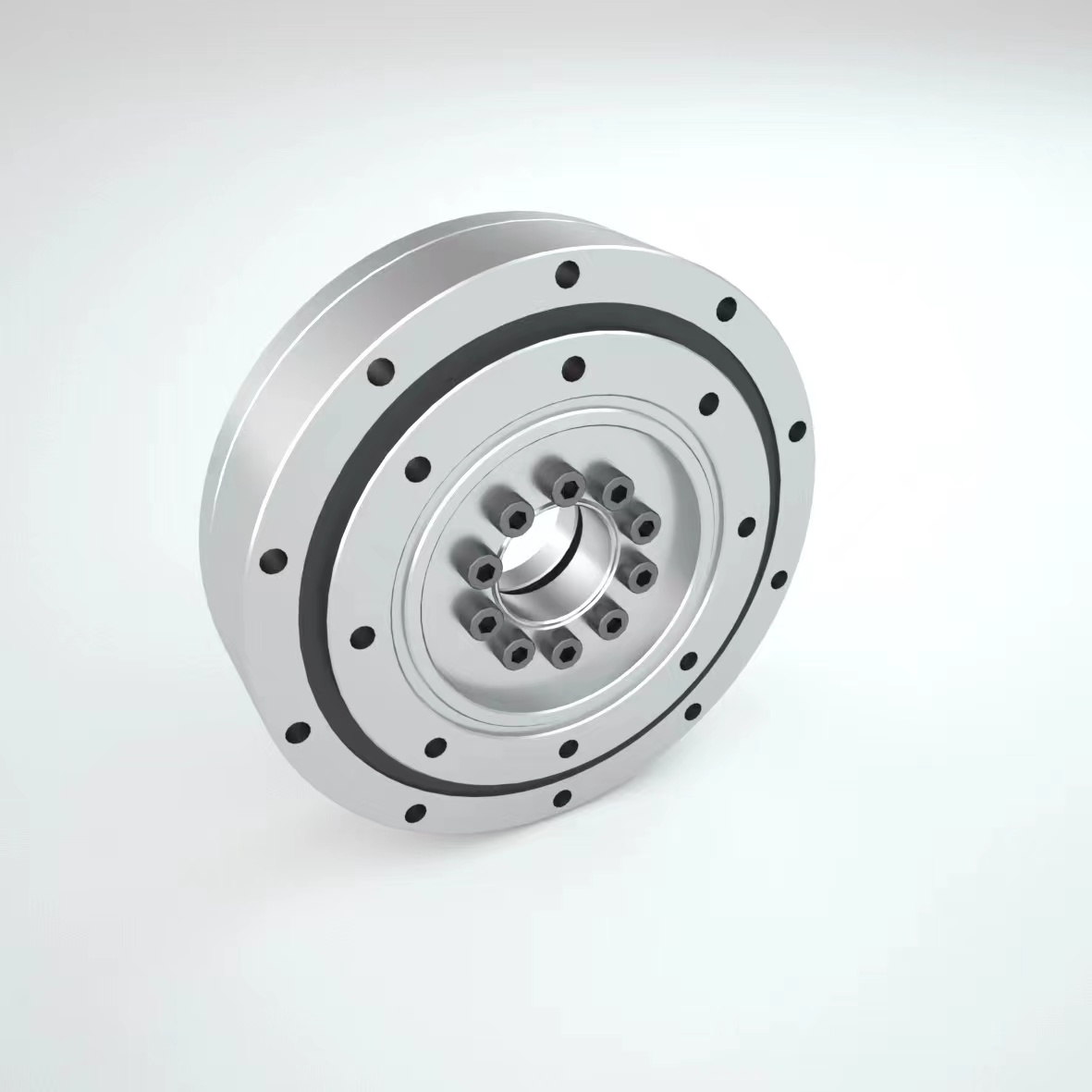
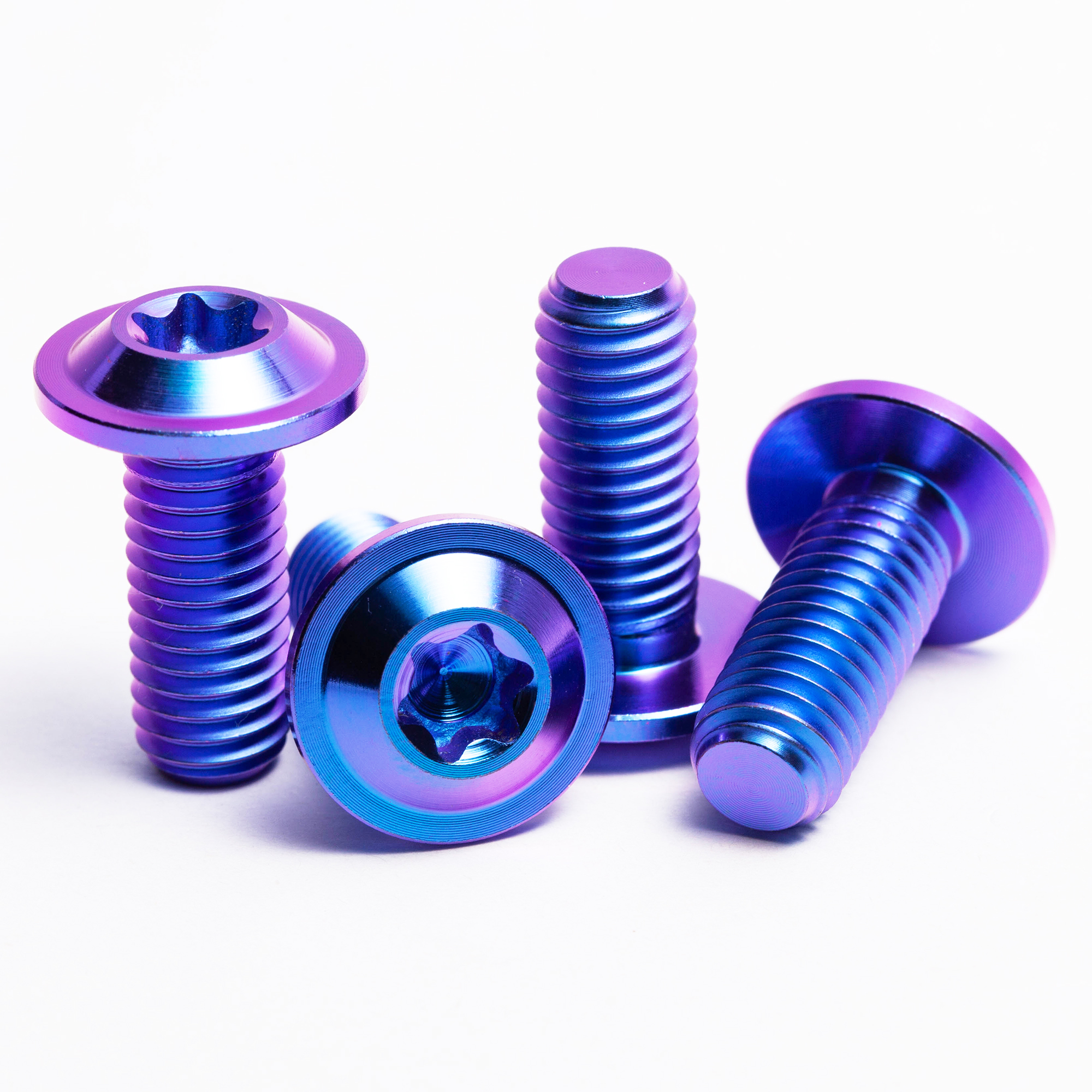
Our centerless-ground titanium bars and high-torque precision components (including harmonic drive wave generator rings and disc-head brake carrier bolts) deliver decisive dynamic weight savings of up to 44% compared with heat-treated alloy steel, while withstanding violent vibrational shearing and thermal shock.
Comprehensive physical and mechanical properties benchmarked to guide procurement decisions for structural engineers in Kawasaki.
| Material Designation | Standard Spec | Density (g/cm³) | Yield Strength (MPa) | Tensile Strength (MPa) | Thermal Expansion (10⁻⁶/K) | Chloride SCC Resistance |
|---|---|---|---|---|---|---|
| Titanium Grade 5 (Ti-6Al-4V) | ASTM B348 / AMS 4928 | 4.43 | 828 | 895 - 1000 | 8.6 | Immune |
| Titanium Grade 2 (CP Titanium) | ASTM B348 / JIS H4650 | 4.51 | 275 - 450 | 345 - 510 | 8.9 | Immune |
| Austenitic Stainless (SUS316L) | JIS G4303 | 7.98 | 220 | 520 | 16.0 | Moderate (Pitting Risk) |
| Alloy Steel SCM435 (Class 10.9) | JIS G4053 | 7.85 | 940 | 1040 | 11.5 | Low (Rapid Oxidation) |
How next-generation carbon-neutral manufacturing and hydrogen initiatives are reshaping the titanium supply chain for Japanese enterprises.
As the Kawasaki Carbon Neutral Port concept accelerates, local power generation facilities are converting test pipelines and burner assemblies to handle pure hydrogen and ammonia fuel mixes. Hydrogen embrittlement is a decisive concern when choosing metals.
Properly treated titanium alloys with controlled interstitial elements (low iron, low oxygen, ELI grades like Ti-6Al-4V Grade 23) are emerging as preferred materials for specialized valve blocks, flow metering housings, and balance-of-plant sensor wells where high strength and zero embrittlement degradation are required.
With volatile raw ingot pricing on the international market, Japanese purchasing officers are shifting from bulk billet subtractive machining toward near-net-shape forged titanium blocks and precision wire-cut bars.
Wexra's OEM capabilities provide customized billet preforms, precision extruded bar stocks, and pre-machined hexagonal bar sections that reduce customer machining time by up to 55%, directly slashing scrap rates and electrical utility costs during five-axis CNC profile milling.
Kanagawa's compact industrial layout demands frequent, lean shipments rather than maintaining massive on-site storage. Warehousing space along Kawasaki port is at a premium, requiring strict schedule synchronization.
Wexra Titanium maintains continuous ingot melt runs and standard bar inventories with guaranteed rapid export corridors through Shanghai/Ningbo directly into Yokohama Port or Haneda Air Cargo, achieving lead-time dependability for scheduled factory overhauls.
Addressing the core quality verification, standards compliance, and fabrication questions commonly raised by local industrial procurement directors.
While our standard manufacturing is certified under ASTM B348, ASTM B265, and AMS 4928, our metallurgical formulations fully cross-reference to JIS H4650 (Class 2 and Class 3 commercially pure titanium) and JIS H4657 (for forged Grade 5 Ti-6Al-4V alloys). Full elemental composition reports, ultrasonic testing (UT) certifications conforming to Class A/AA, and dual-certified Mill Test Certificates (EN 10204 3.1) accompany every delivery batch.
Our cold-drawn and centerless-ground titanium bars achieve precision dimensional limits down to ISO h7, h8, and h9 tolerances, with surface roughness controlled to Ra ≤ 0.4 μm. For custom CNC turned bolts and aerospace-grade shaft pins, our multi-axis Swiss CNC turning equipment easily holds linear tolerances of ±0.01 mm, ready for automated feeding in Japanese robotic production lines.
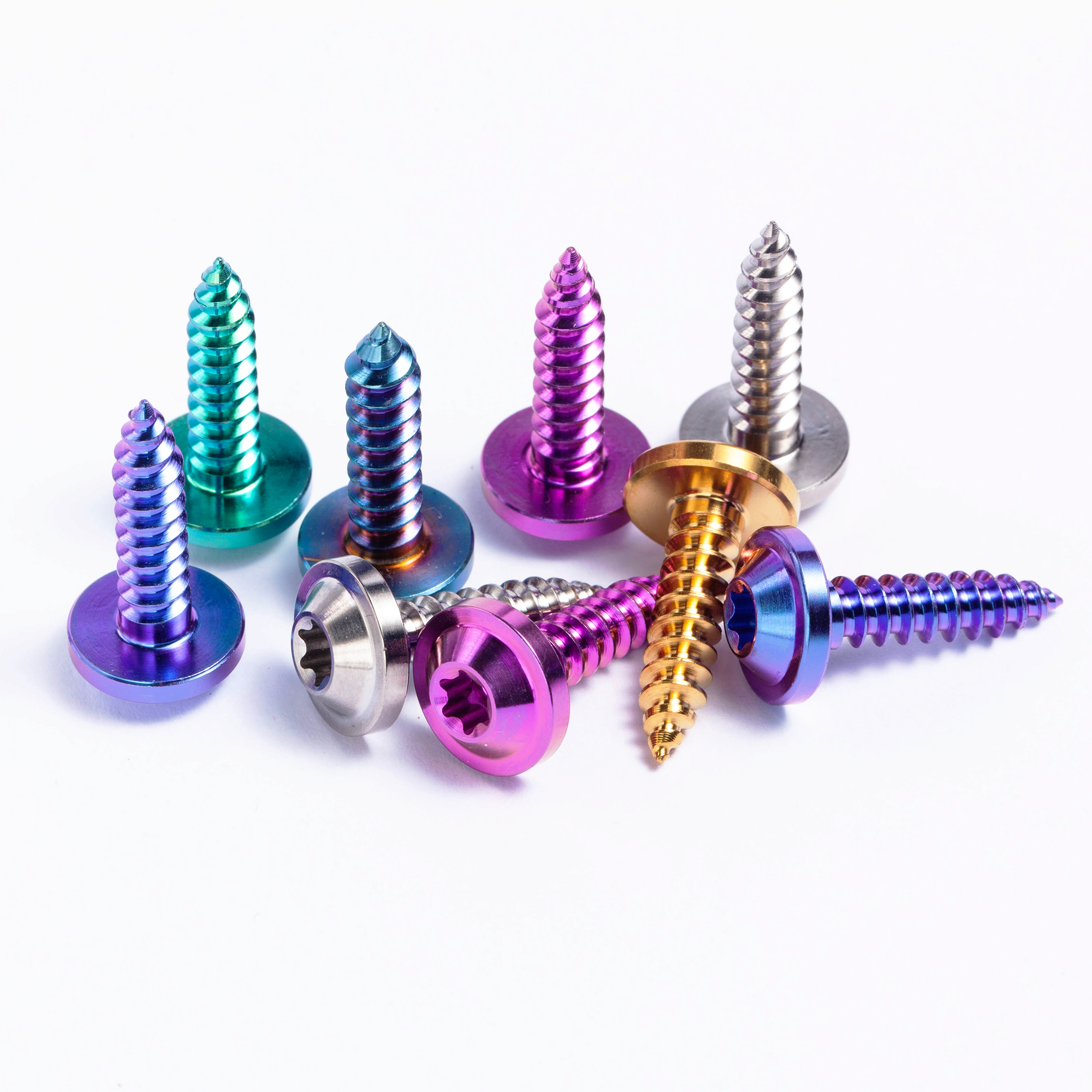
Titanium fasteners can suffer from cold micro-welding (galling) under high pre-load torque. We combat this using specialized cold-rolled threads (which improve surface hardness compared to cut threads), combined with optional surface modifications: micro-arc oxidation, hard PVD coatings, anti-galling zinc-tin plating, or micro-bead blasting. We also supply exact torque lubrication guidelines customized to your substrate alloy (e.g., cast iron, aluminum 6061, or titanium).
Yes. Through our vacuum consumable electrode electric arc furnace (VAR) and vacuum induction skull melting facilities, we can supply pilot ingot melt heats as small as 500 kg for custom alloy formulation trials. Furthermore, we draw, forge, and mill square bars, flat blocks, hexagonal stock, and custom hollow tubes per your technical engineering drawings.
From our manufacturing plants in Zhejiang, regular sea freight container shipments to Yokohama Port take approximately 3 to 5 days on water, facilitating swift customs clearance into Kawasaki. For urgent prototype batches, expedited door-to-door air freight via Tokyo Haneda (HND) or Narita (NRT) arrives in 48 to 72 hours, backed by full export documentation, RoHS, and REACH verification.
Jiaxing Wexra Titanium Products Co., Ltd. is an ISO 9001:2015 certified manufacturer specializing exclusively in the research, melting, extrusion, and precision CNC fabrication of commercial pure and alloy titanium products. Serving mission-critical industries across North America, Europe, and East Asia, we bridge raw metallurgical processing with micron-level finished component engineering.
From custom VAR ingot casting and precision bar stock peeling to high-speed CNC turning of DIN/ISO bolts and harmonic reducers, our integrated facility guarantees zero material compromise, strict dimensional consistency, and transparent metallurgical testing.
Have specific ingot dimensions, bar diameters, or 2D/3D component drawings? Our engineering team reviews DFM feasibility within 8 hours.
Send an Inquiry