Featured Titanium Components & Fastener Assemblies
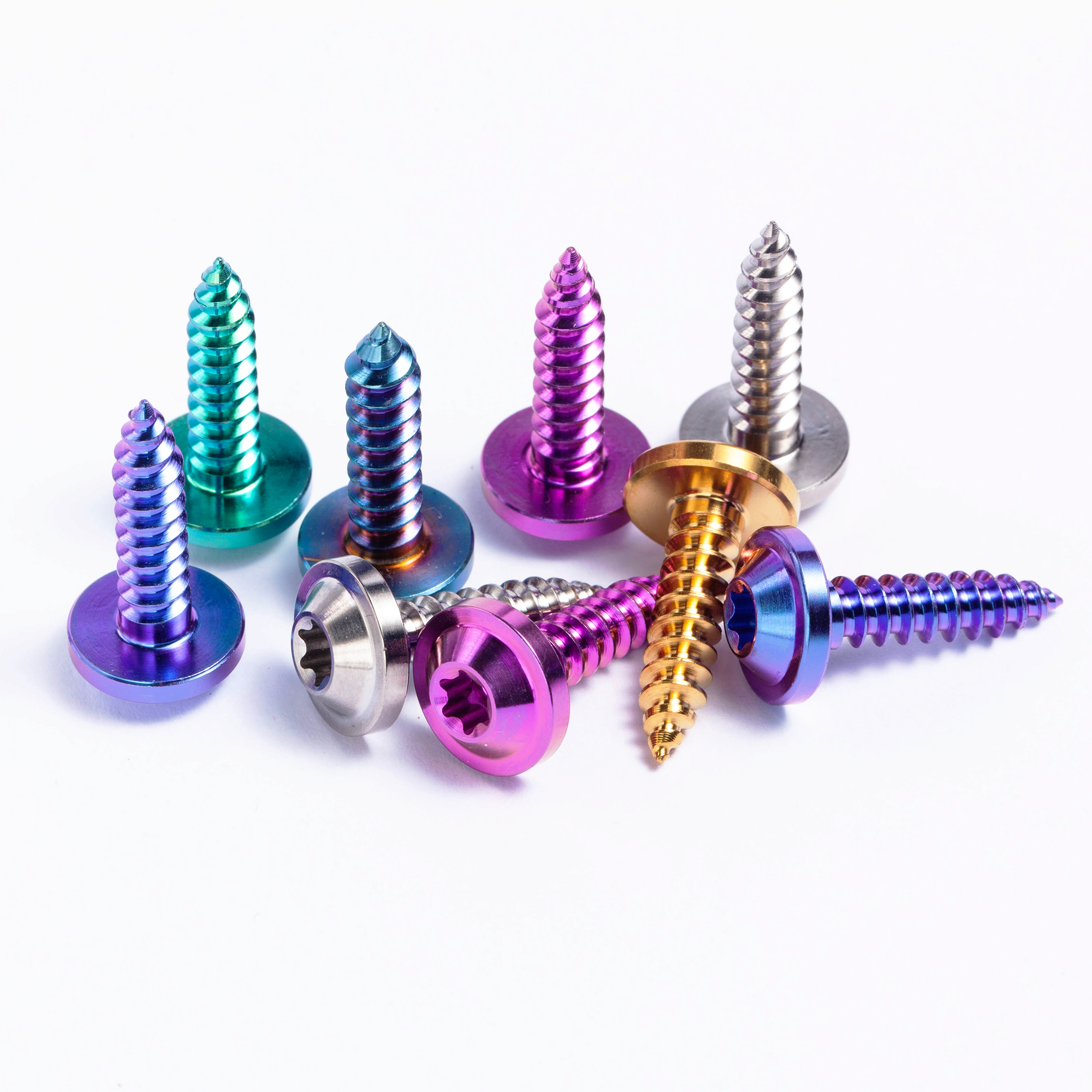
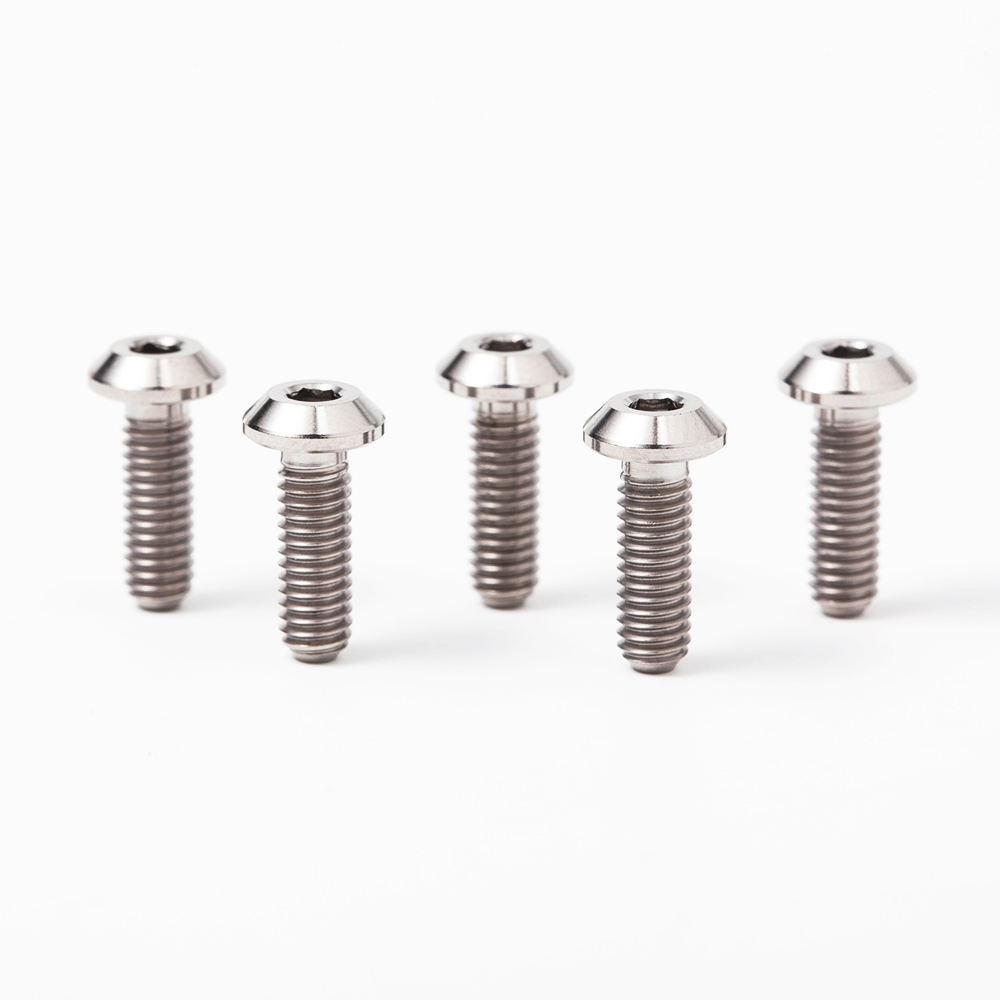
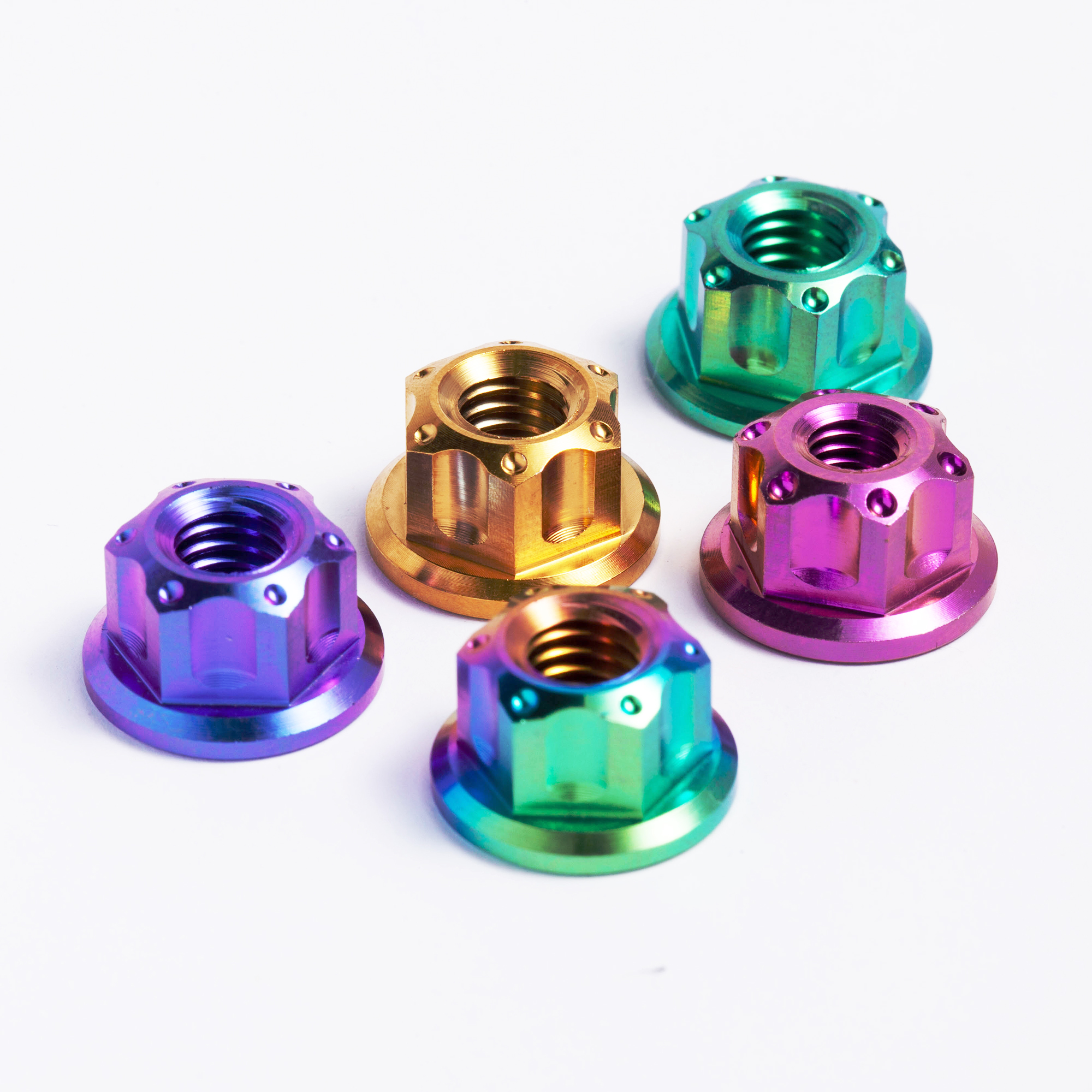
Seamlessly bridging Selective Laser Melting (SLM) / Direct Metal Laser Sintering (DMLS) 3D printing and micron-tolerance CNC multi-axis turning for Tier-1 automotive, cycling, and aerospace systems.
Industrial Additive Titanium: Metallurgy, LPBF Process, & Mechanical Integrity
A rigorous examination of powder bed fusion parameters, microstructural evolution, and secondary processing for German engineering procurements (*Maschinenbau & Automobilindustrie*).
Gas Atomized Ti-6Al-4V Powders
Our additive manufacturing units utilize premium vacuum-gas-atomized (VGA) Grade 5 (Ti-6Al-4V) and Grade 23 (Ti-6Al-4V ELI) spherical powders conforming strictly to ASTM F2924 and ASTM F3001. Particle size distributions (PSD) between 15–53 μm are screened via laser diffraction to secure optimal powder flowability, tap density, and zero internal gas entrainment during continuous layer recoating.
Selective Laser Melting (SLM/LPBF)
Utilizing high-power multi-laser ytterbium fiber optics under high-purity recirculating Argon shielding atmospheres (O₂ ppm < 100), we achieve complete liquid-phase metallurgical bonding across 30–60 μm layer thicknesses. Precise volumetric energy density calibration eliminates micro-porosity, keyhole defects, and balling phenomena to ensure part densities exceeding 99.85% prior to downstream conditioning.
HIP & Vacuum Stress Annealing
As-printed martensitic α' structures exhibit high yield strengths but restricted ductility. We apply Hot Isostatic Pressing (HIP) according to ASTM F3301 at 920°C ± 10°C under 1000 bar Argon pressure. This closes internal sub-surface microvoids, transforms the matrix into a ductile lamellar α+β basket-weave microstructure, and guarantees dynamic fatigue performance matching forged billet specifications.
| Mechanical / Metallurgical Property | LPBF Additive Ti-6Al-4V (Post-HIP) | Wrought Ti-6Al-4V Gr.5 (ISO 5832-3) | Stainless Steel 1.4404 (316L) | High-Tensile Steel 42CrMo4 |
|---|---|---|---|---|
| Density (ρ) | 4.43 g/cm³ | 4.43 g/cm³ | 7.98 g/cm³ | 7.85 g/cm³ |
| Yield Strength (Rp0.2) | 980 - 1,050 MPa | 895 - 930 MPa | 220 - 290 MPa | 900 - 1,000 MPa |
| Ultimate Tensile Strength (Rm) | 1,080 - 1,180 MPa | 950 - 1,050 MPa | 520 - 650 MPa | 1,000 - 1,200 MPa |
| Elongation at Fracture (A5) | 12 - 16 % | 10 - 14 % | 40 - 50 % | 11 - 14 % |
| Modulus of Elasticity (E) | 114 GPa | 110 - 115 GPa | 193 GPa | 210 GPa |
| Weight Reduction vs. Steel | ~ 44% Savings | ~ 44% Savings | Baseline (0%) | Baseline (0%) |
| Corrosion Resistance (PREN / Neutral Salt) | Exceptional (>1000 hrs ASTM B117) | Exceptional | High (PREN 23-25) | Low (Requires galvanizing/paint) |
Localized Strategic Applications Across German Engineering Ecosystems
Targeted manufacturing solutions tailored to the regional technological priorities of the Federal Republic of Germany.
Baden-Württemberg & Bavaria: Automotive & Motorsport
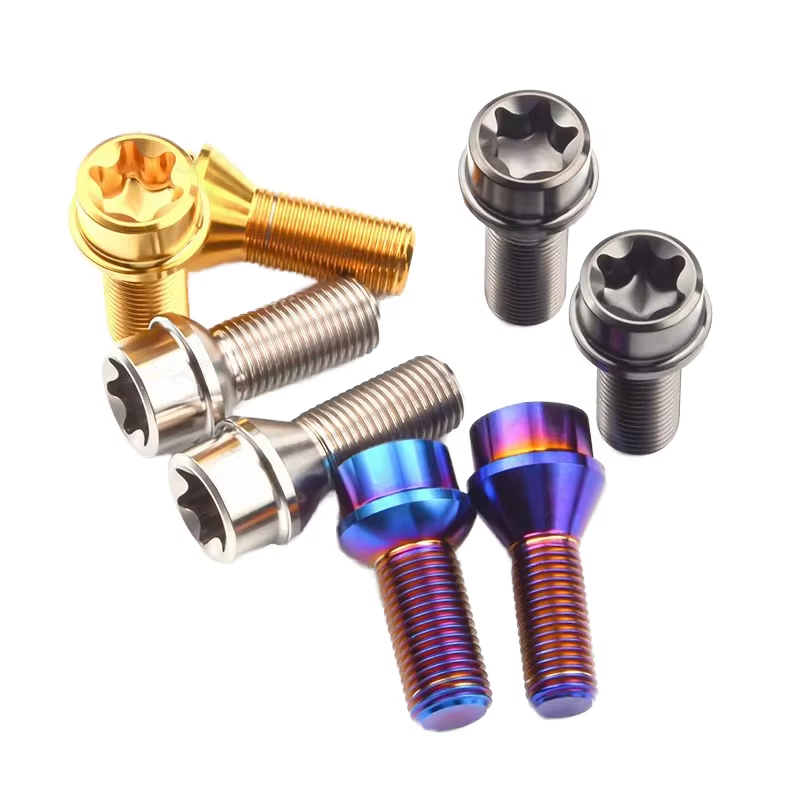
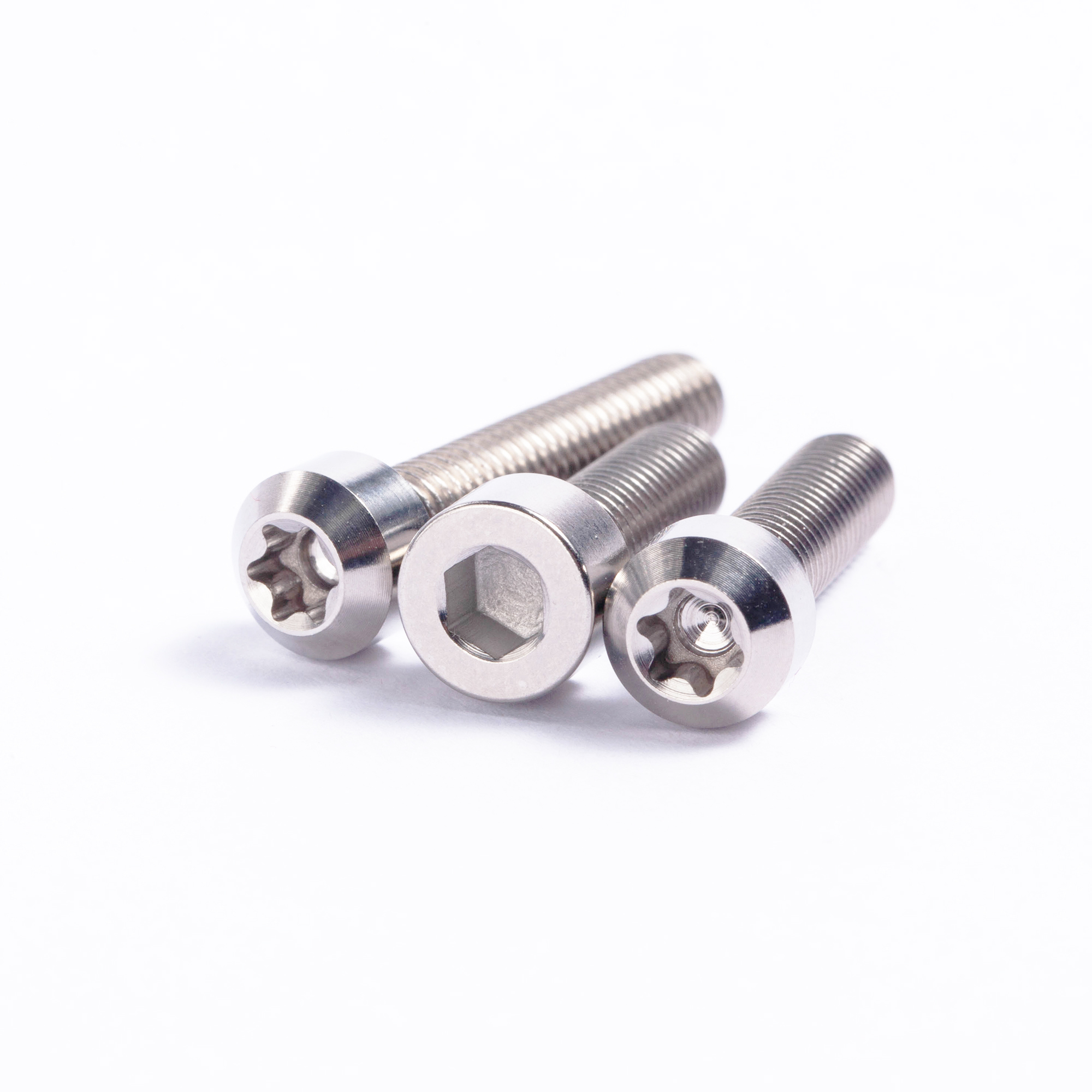
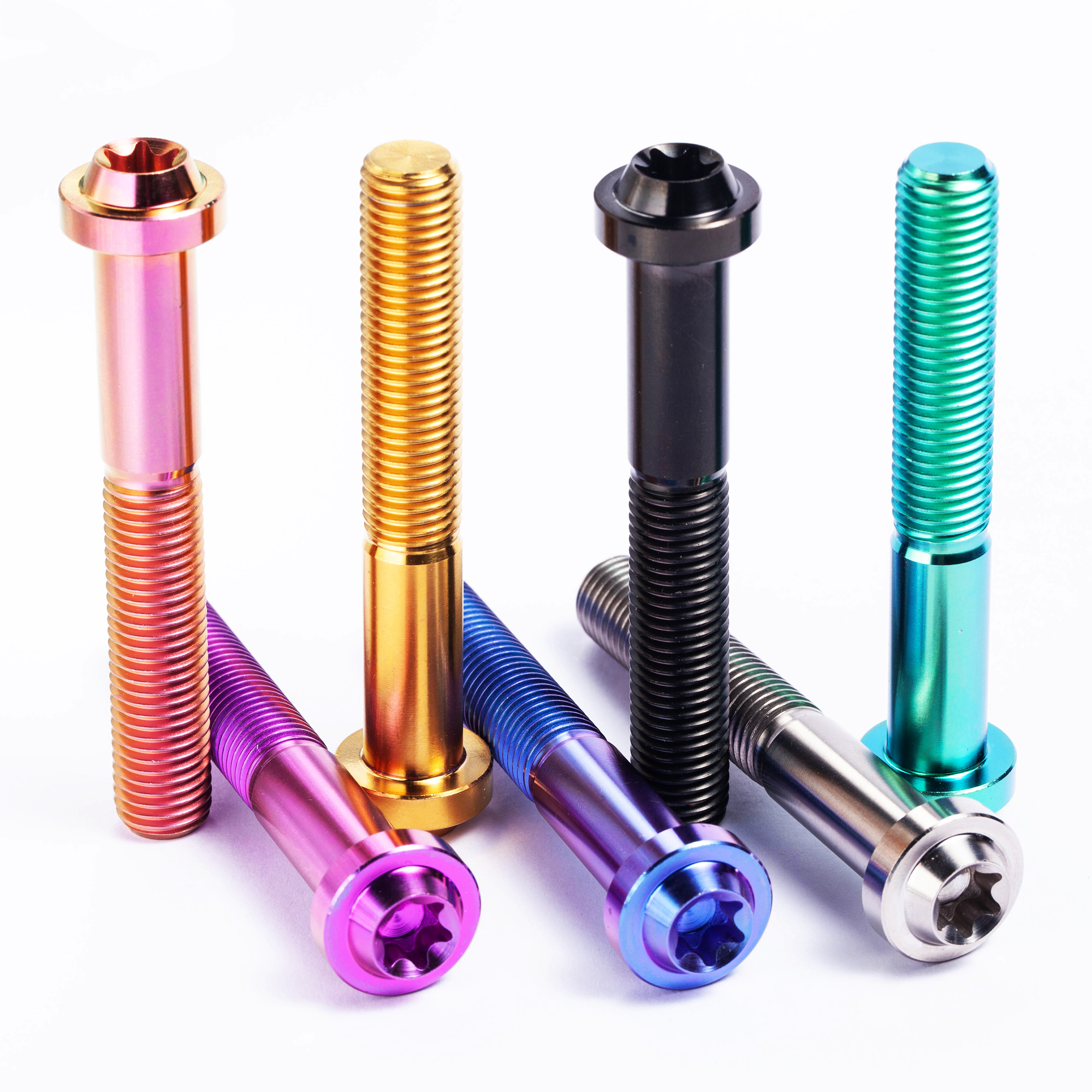
In the automotive heartlands of Stuttgart, Munich, and Ingolstadt, weight optimization (*Leichtbau*) dictates suspension kinematics and EV battery range. We supply structural LPBF titanium wheel uprights, topology-optimized brake calipers, and Grade 5 wheel lug hardware (M6-M12 Flanged Lug Bolts) providing 45% un-sprung rotating mass reduction with zero corrosive degradation from de-icing winter salts.
Tuttlingen Medical Valley: Surgical & Orthopedic Devices
Aligning with world-class MedTech standards in Tuttlingen and Nuremberg, our additive capabilities manufacture open-cell trabecular porous titanium scaffolds engineered for optimal osseointegration. We produce bespoke orthopedic implants, cranial reconstruction plates, and specialized surgical clamp assemblies in ASTM F136 / ISO 5832-3 certified titanium with comprehensive cytotoxicity and bio-burden validations.
Hamburg & Bremen: Aerospace & Marine Technology
Serving northern German aviation hubs and North Sea maritime hubs, our 3D printed titanium brackets, heat exchanger conduits, and valve manifolds offer uncompromised resistance against chloride stress-corrosion cracking (SCC). We produce internal lattice hydraulic manifolds that combine fluid lines into single leak-proof monolithic printed blocks, cutting weight by up to 55%.
NRW & Saxony: Mechanical Automation (*Maschinenbau*)
High-speed pick-and-place robotics and automated packaging lines throughout North Rhine-Westphalia and Dresden rely on low-inertia titanium end-effectors. Replacing stainless steel and extruded aluminum with high-modulus SLM titanium linkages eliminates dynamic flex, dampens resonant vibrations, and enhances throughput acceleration cycle rates by over 30%.
Decarbonization, Circular Economy, & German Regulatory Frameworks
Seamless procurement requires absolute conformity with stringent German and European industrial regulations.
DIN EN ISO / ASTM 52900 Standards
Additive manufacturing across the German Mittelstand must adhere strictly to verified standardized norms. Wexra operates under continuous compliance with DIN EN ISO / ASTM 52900 (General Principles), DIN EN ISO 52910 (Design for Additive Manufacturing - DfAM), and DIN EN ISO 52920 (Manufacturing Site Requirements). In-process multi-sensor melt-pool monitoring ensures complete digital traceability from raw powder batch to dispatch.
REACH (EC 1907/2006) & RoHS Compliance
All delivered titanium fasteners and 3D printed components are certified fully non-hazardous, containing no Substances of Very High Concern (SVHC) exceeding 0.1% w/w. Our production workflows operate completely free of toxic hexavalent chromium coatings, lead additives, or restricted aromatic solvents, enabling immediate uninhibited customs clearance and deployment in closed cleanroom or consumer-facing environments.
EPR Germany Packaging Act (*VerpackG*)
As an experienced direct exporter to German commercial entities, Jiaxing Wexra Titanium is officially registered with the Central Agency Packaging Register (ZSVR LUCID) under the German Packaging Act (Verpackungsgesetz). Every wooden crate, moisture-barrier ESD bag, and recyclable cushioning material is dual-system licensed, shielding our German procurement partners from regulatory liabilities or import embargoes.
Why German Procurement Directors Partner with Wexra Titanium
Combining additive freedom with subtractive machining precision under a unified ISO 9001:2015 certified infrastructure.
Dedicated In-House Titanium Specialization
Unlike generalist job shops running tool steel, brass, and aluminum alongside exotic metals, Wexra focuses exclusively on titanium (CP Grade 2, Grade 5 Ti-6Al-4V, Grade 9 Ti-3Al-2.5V, and Ti-6Al-4V ELI). This titanium-pure operating environment prevents cross-metal galvanic contamination, preserves tool path thermal equilibrium, and guarantees optimized feed rates tailored to titanium's low thermal conductivity.
Hybrid Additive-Subtractive Finishing
While LPBF printing generates complex organic topologies unreachable by traditional cutting tools, functional bearing seats, O-ring sealing surfaces, and precision threads require subtractive finishing. Our secondary workshop is equipped with 5-axis CNC machining centers and cold thread rolling machinery capable of holding ±0.01 mm tolerances and surface finishes down to Ra 0.4 μm.
EN 10204 Type 3.1 Metallurgical Certification
Every shipment sent to German ports or freight hubs includes comprehensive quality documentation: full chemical heat composition analysis via Optical Emission Spectrometry (OES), tensile testing strain stress curves, microscopic porosity evaluation reports, and Coordinate Measuring Machine (CMM) dimensional inspection sheets verified against customer 3D CAD step files.
Frequently Asked Questions: Sourcing Titanium Parts from China to Germany
Direct technical and operational answers to support purchasing directors (*Einkaufsleiter*) and mechanical project engineers.
How do you ensure mechanical property parity between LPBF printed titanium and forged DIN/ISO titanium?
Can you deliver fully machined interface surfaces and rolled threads on 3D printed components?
What Incoterms and customs handling options are available for delivery into Germany?
How does Wexra comply with the German Packaging Act (VerpackG) and EU environmental directives?
What are your Minimum Order Quantities (MOQ) and production lead times for prototypes versus serial production?
How is thread galling (*Fressen*) prevented on titanium fasteners and mating threaded assemblies?
Ready to Accelerate Your Titanium Engineering Project?
Upload your 3D CAD data (.STEP / .IGES) or technical 2D prints. Our metallurgical and additive engineering team will deliver a comprehensive Design for Additive Manufacturing (DfAM) analysis and competitive B2B quote within 8 hours.
Contact Us