Featured Titanium Fasteners & Precision Components
Explore our precision hot-forged and multi-axis CNC-machined titanium hardware. Every lot is manufactured under ISO 9001:2015 quality control with optical dimensional verification and material test certification (MTC) to ASTM/AMS standards.
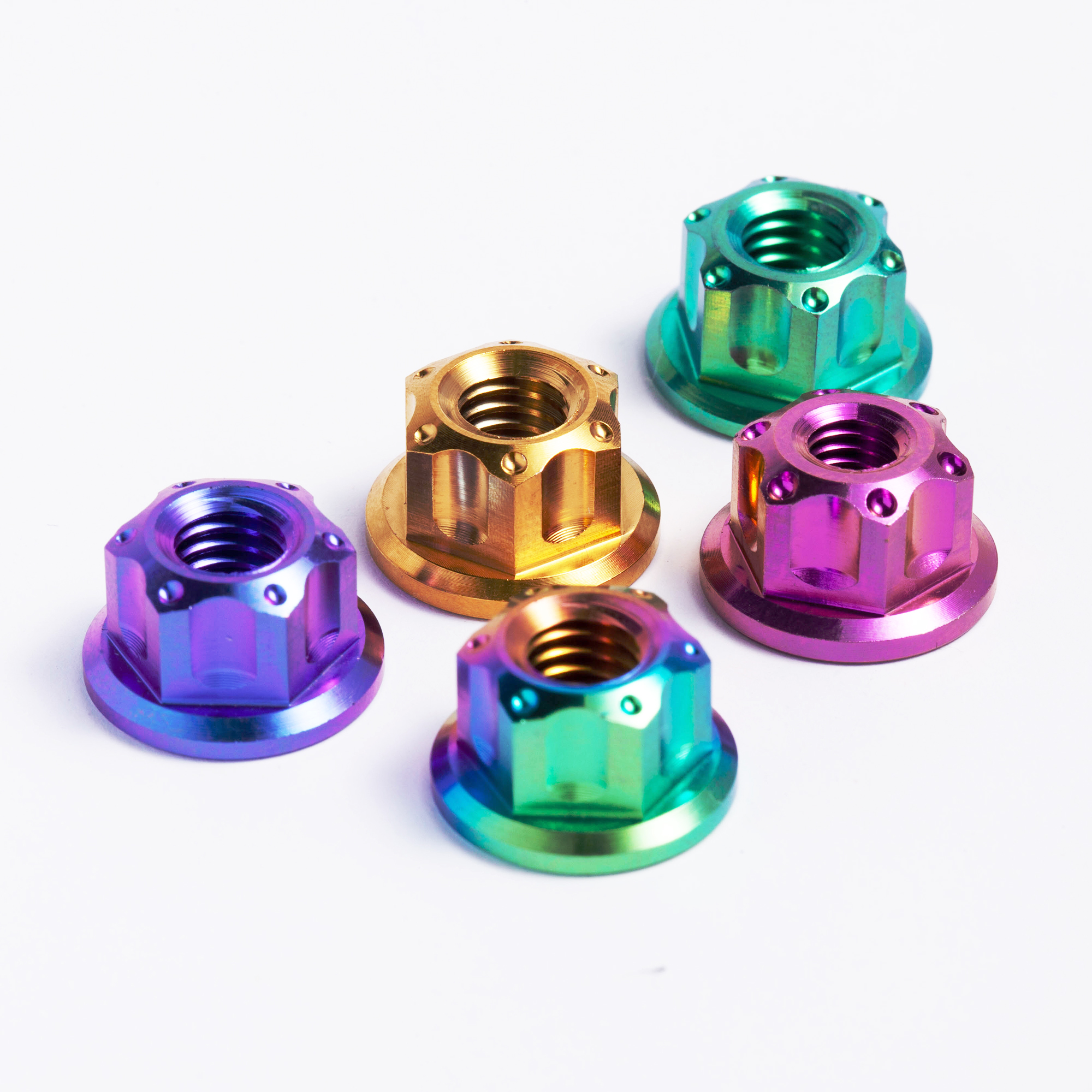
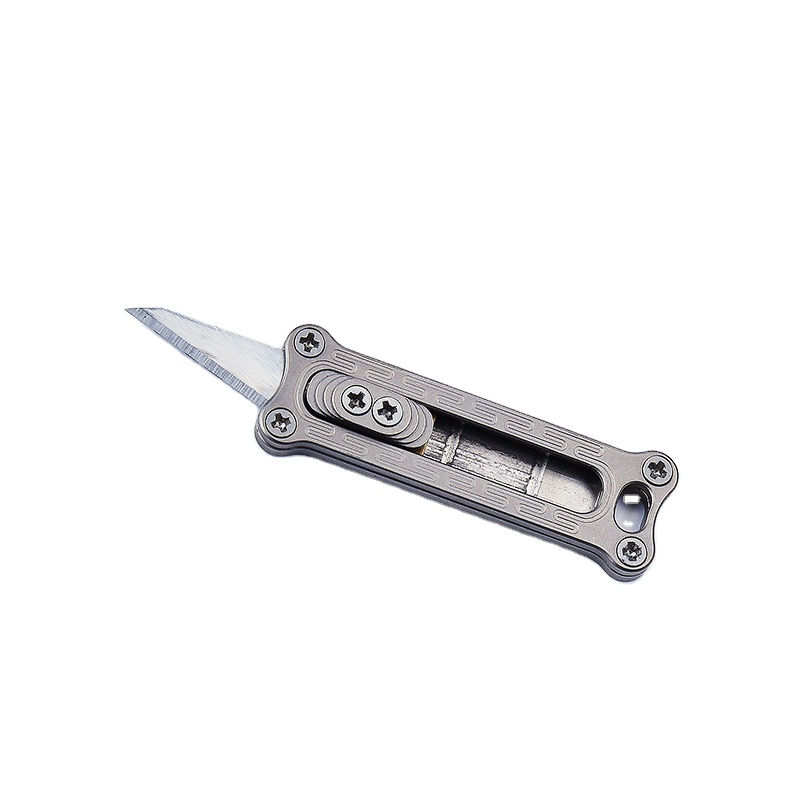
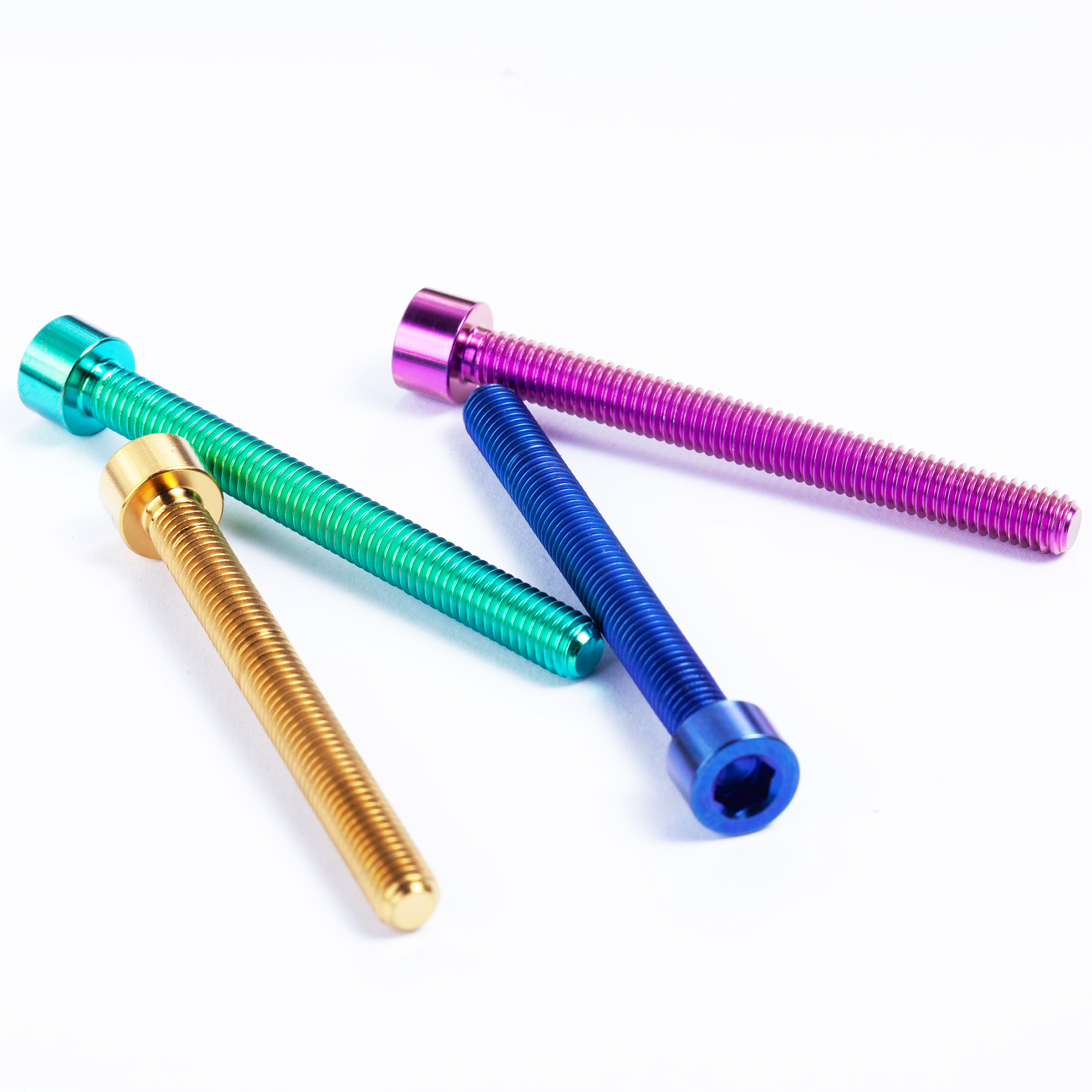
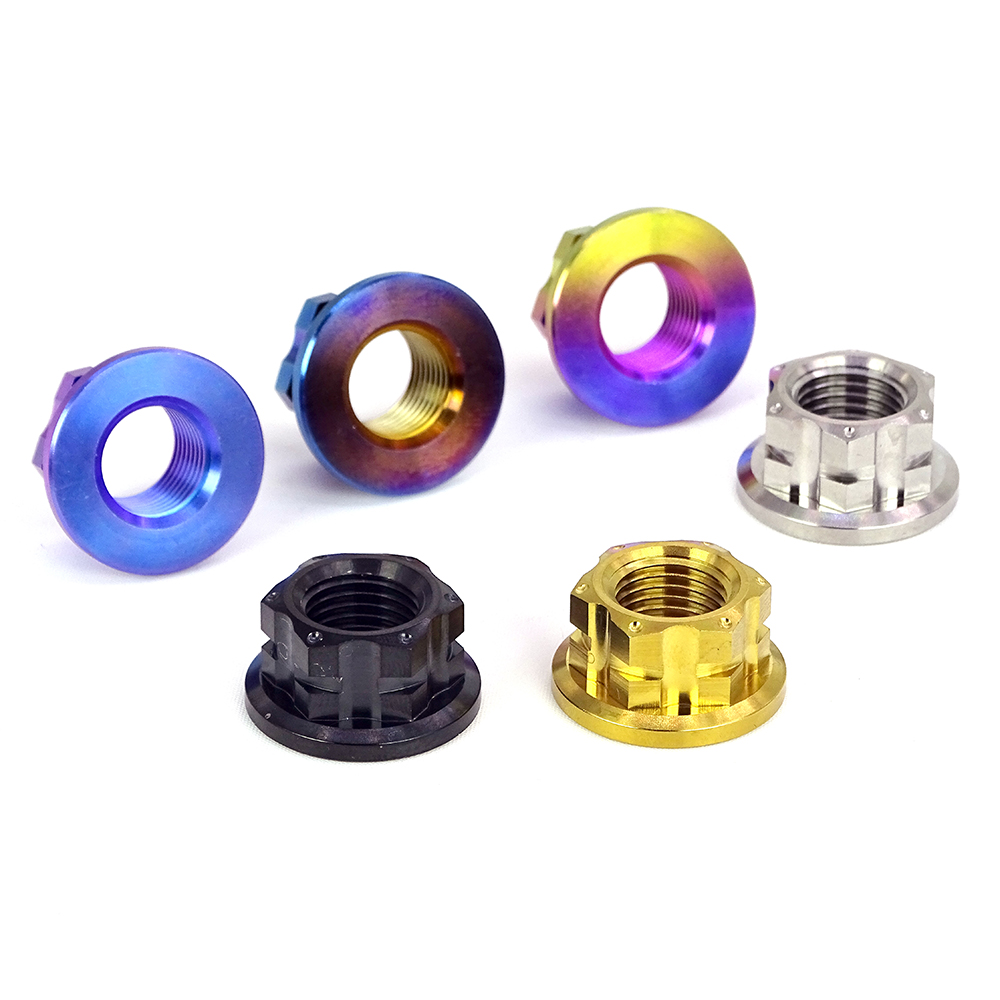
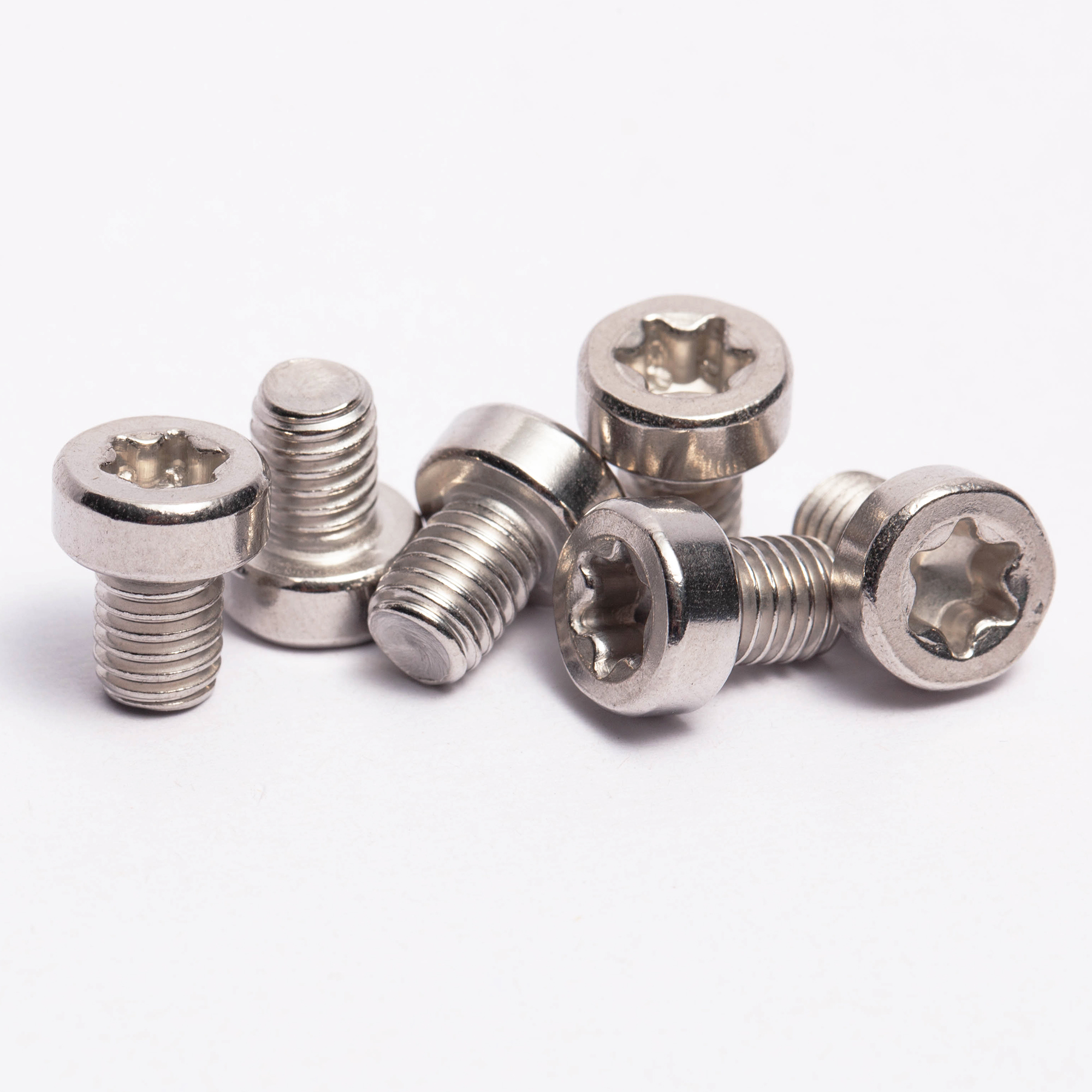
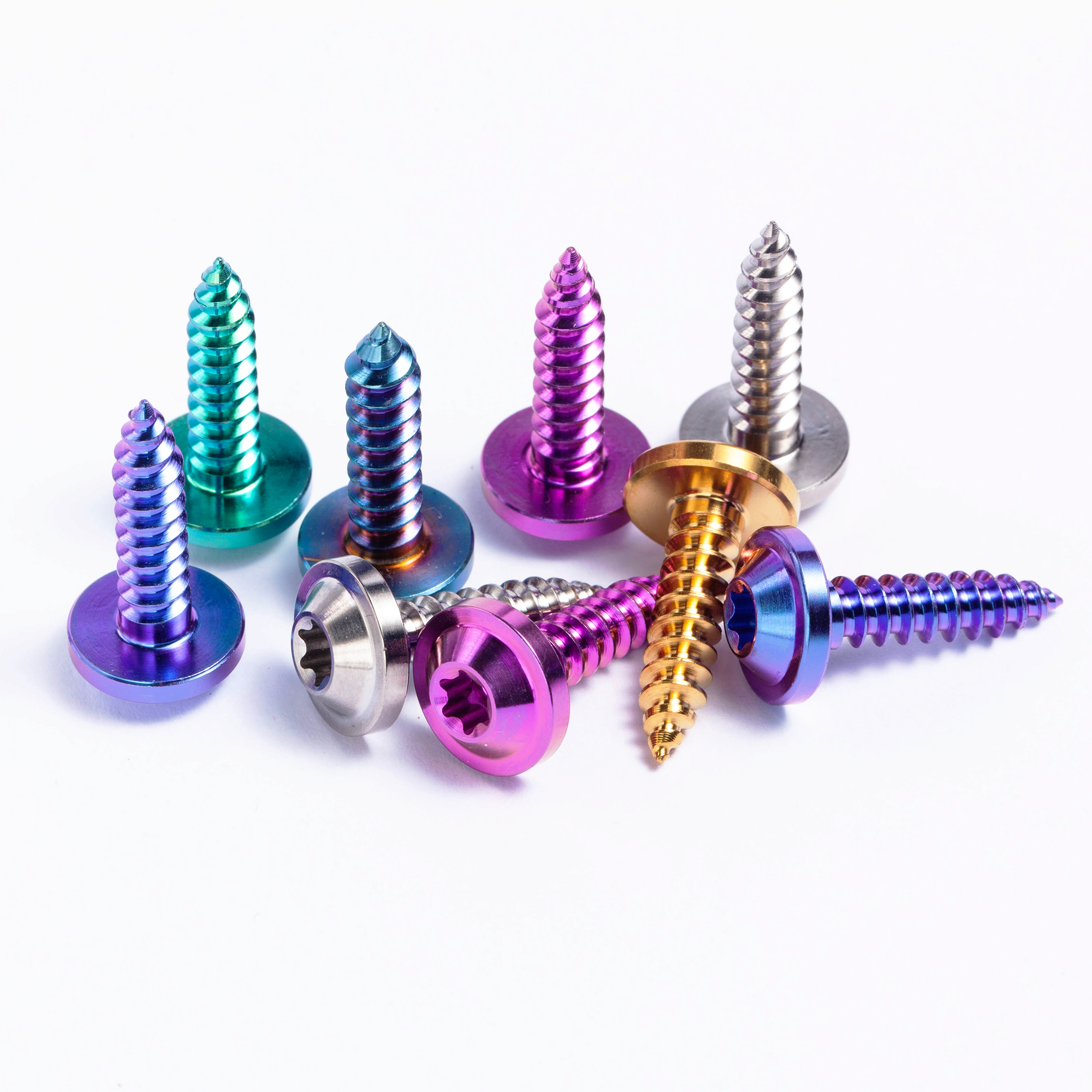
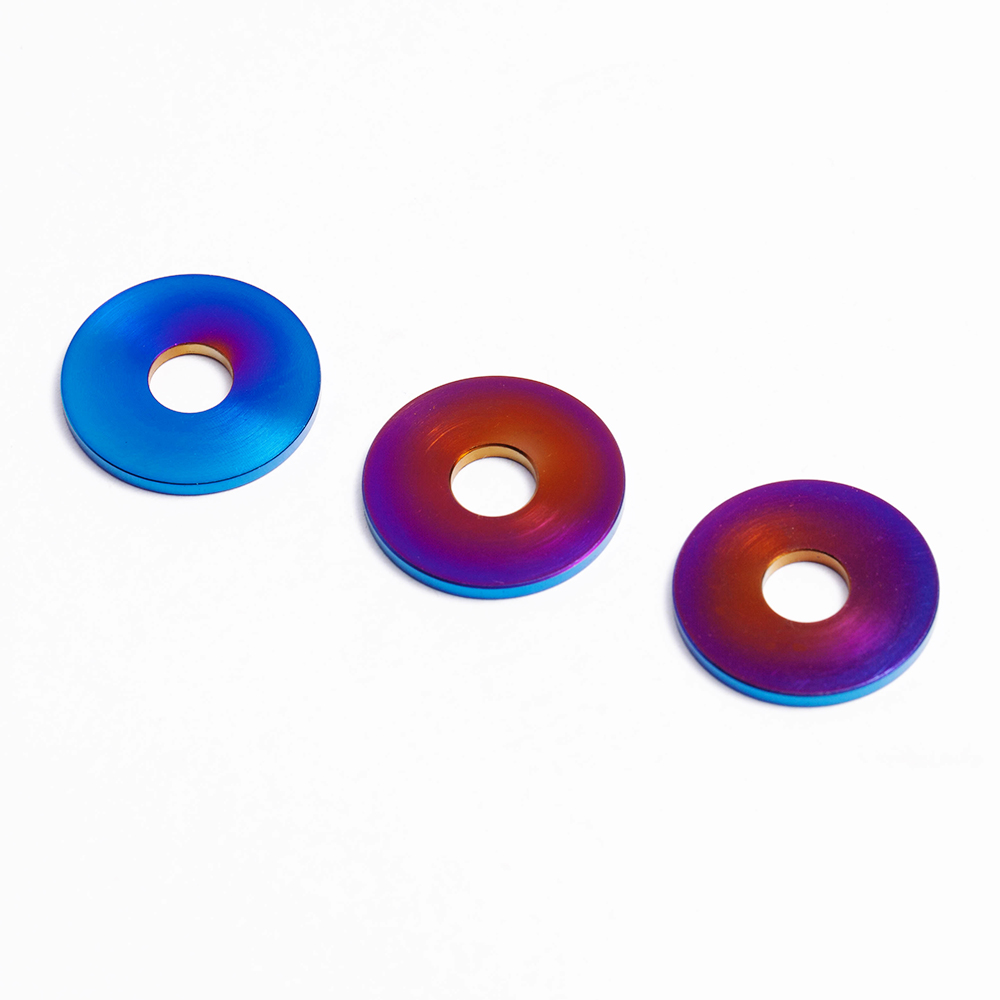
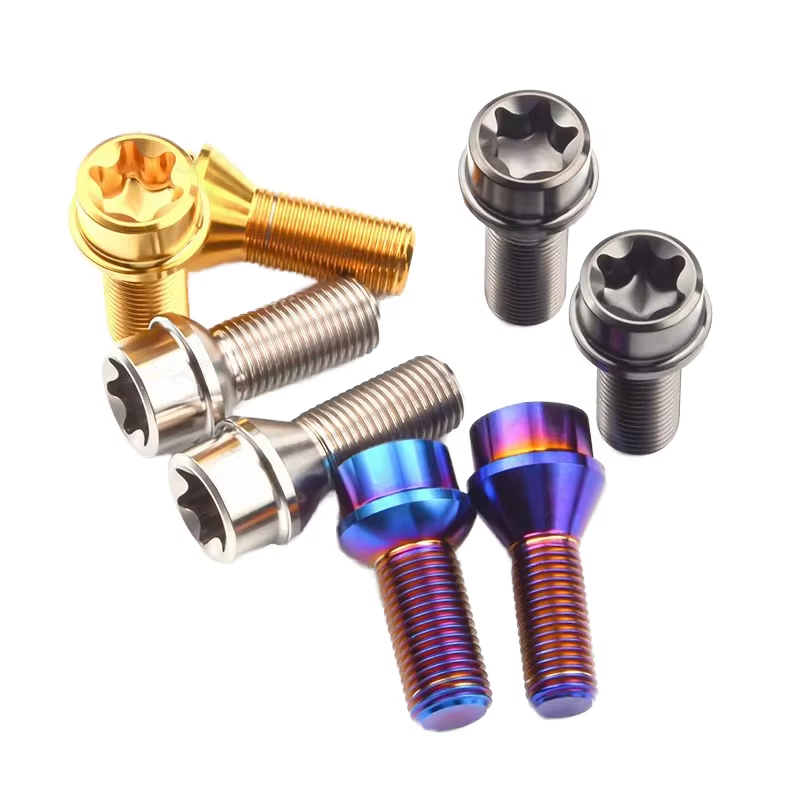
Minimum Tensile Strength (Gr5)
CNC Machining Tolerance
Density vs. 10.9 Carbon Steel
EN 10204 3.1 Mill Test Certified
Why Denver's Mile-High Operating Environment Demands Titanium Fasteners
Operating at an altitude of 5,280 feet in the Front Range corridor presents severe engineering variables: low atmospheric air density, accelerated thermal cycling, intense UV degradation, and aggressive corrosive road salts on mountain corridors like I-70.
Sub-Zero Mountain Thermal Cycling
Denver experiences rapid diurnal temperature swings from 70°F down to -10°F within hours during Rocky Mountain winter cold fronts. Standard alloy steel fasteners suffer brittle ductile-to-brittle transitions under cryogenic alpine conditions. Ti-6Al-4V Grade 5 maintains high fracture toughness down to -320°F (-196°C) without embrittlement, ensuring that critical joint clamping preloads remain stable across harsh high-altitude temperature inversions.
Resistance to Front Range De-Icing Salts
The Colorado Department of Transportation (CDOT) heavily utilizes liquid magnesium chloride (MgCl2) and complex chloride salts to keep mountain transit routes passable. While magnesium chloride rapidly pits, rusts, and stress-cracks cadmium-plated or black-oxide steel bolts, Grade 5 titanium instantaneously regenerates an impervious self-healing titanium dioxide (TiO2) passive film, completely neutralizing galvanic pitting and road chemical degradation indefinitely.
Rotational Inertia & Grade Climbing
Conquering the steep grades of Loveland Pass, Berthoud Pass, and Lookout Mountain places enormous demands on dynamic powertrains. Titanium boasts a high strength-to-density ratio (density of 4.43 g/cm³ vs 7.85 g/cm³ for alloy steel). Replacing rotating wheel lug nuts, brake disc hardware, and suspension fasteners with Wexra titanium slashes unsprung rotating mass by up to 45%, sharpening throttle response, reducing brake fade, and conserving battery energy on high-elevation EV ascents.
Engineers in Denver's aerospace, motorsport, and defense clusters evaluate material performance based on yield strength under dynamic fatigue and resistance to atmospheric chloride corrosion. Review the empirical benchmark figures below:
| Alloy Specification | Density (g/cm³) | Tensile Strength (MPa) | Yield Strength (MPa) | Chloride Stress Corrosion | Magnetic Permeability | Common Front Range Application |
|---|---|---|---|---|---|---|
| Titanium Grade 5 (Ti-6Al-4V) | 4.43 | 895 - 1050 | 828 | Immune (Passive TiO2) | < 1.00005 (μ) | Aerospace brackets, wheel lugs, brake calipers, MTB pivots |
| Titanium Grade 2 (CP-Ti) | 4.51 | 345 - 485 | 275 | Immune (Seawater/Salt) | Non-magnetic | Mining chemical lines, low-load brackets, instrumentation |
| Class 10.9 Alloy Steel | 7.85 | 1040 | 940 | Requires Plating / Rusts | Ferromagnetic | Standard automotive chassis (heavy un-sprung weight) |
| Stainless Steel 316 (A4-80) | 8.00 | 800 | 600 | Moderate Pitting Risk | Very Low (Cold-worked) | Marine fittings, architectural cladding |
| 7075-T6 Billet Aluminum | 2.81 | 572 | 503 | Galvanic Attack Risk | Non-magnetic | Fairings, low-stress covers (insufficient shear for brakes) |
Localized Application Scenarios Across the Denver Metro & Rocky Mountains
From aerospace corridors in Centennial and Littleton to high-velocity hill climbs in Colorado Springs and extreme gravel terrain in Boulder, our titanium fasteners satisfy rigorous regional demands.
Denver Aerospace & Suborbital Space Systems
Denver, Centennial, Aurora, and Boulder form one of North America's dense aerospace clusters. Wexra supplies custom CNC-turned Ti-6Al-4V fasteners to avionics, radar payload, satellite housing, and high-altitude unmanned aerial vehicle (UAV) systems that operate in sub-vacuum conditions.
In low-orbit and upper-stratosphere altitudes, material outgassing, magnetic interference, and extreme thermal gradients make traditional fasteners unacceptable. Our Grade 5 titanium bolts maintain absolute dimensional stability, non-magnetic neutrality (μ < 1.00005), and compliance with AS9100-aligned quality thresholds.
- Low-profile socket button-head screws for satellite sensory housings.
- Rolled-thread hex flange bolts resisting vibration loosening in rocket booster payloads.
- Full lot serialization and optical surface profiling down to Ra 0.4 μm.
Pikes Peak International Hill Climb & Track Motorsport
Colorado is legendary for extreme racing environments, highlighted by the annual Pikes Peak International Hill Climb (PPIHC) and racing at High Plains Raceway. Race cars tackle 156 hair-raising turns over a 4,720-foot elevation climb, ending at the 14,115-foot summit where thin air impairs engine and brake cooling.
Wexra's M6 to M14 hot-forged titanium lug bolts, caliper mounting bolts, and exhaust studs dissipate heat far better than steel while cutting unsprung wheel assembly mass. This reduction in gyroscopic resistance directly improves turn-in agility through rapid switchbacks.
- Grade 5 wheel lug nuts and studs with M12x1.25 and M12x1.5 rolled threads.
- Burnt-blue and PVD-coated high-temperature turbocharger manifold studs.
- Self-locking flange nuts preventing back-out under severe brake-rotor thermal shock.
Front Range Custom Cycling & Bikepacking Engineering
The Denver-Boulder corridor represents the epicenter of North American gravel and mountain bike development. High-end frame builders and component manufacturers replace standard steel hardware with Wexra titanium to withstand punishing Rocky Mountain singletrack, steep gravel ascents, and sub-zero bikepacking over the Continental Divide.
Unlike aluminum bolts that snap under high torsional stem loads, our Grade 5 DIN-standard rotor, stem, and bottle cage bolts offer 895 MPa tensile strength, complete carbon-frame compatibility, and zero galvanic corrosion during spring snow-melt crossings.
- T25 Torx button head disc rotor screws (M5x10mm) with precision threads.
- Lightweight hollowed headset and stem faceplate clamping bolts.
- Custom anodized violet, gold, and oil-slick finishes matching custom frame builds.
Rocky Mountain Mining, Tunneling & Infrastructure
Colorado's legacy of heavy mining and high-altitude infrastructure tunneling (such as the Eisenhower-Johnson Memorial Tunnels on I-70) relies on robust extraction and ventilation hardware exposed to acidic mine drainage, sulfuric fumes, and pervasive road brine.
Wexra manufactures heavy-duty Grade 2 and Grade 5 threaded rods, hex nuts, and anchoring studs up to M24. Our titanium alloys eliminate the downtime associated with premature steel fastener snapping in deep subterranean shafts and mountain water treatment plants.
- High chemical resistance against sulfuric and acidic water run-off.
- Threaded rod and structural hex bolts resisting dynamic tunnel shock waves.
- Custom CNC flanges engineered to custom CAD blueprints and DIN/ISO specs.
Denver Industrial Trends: The Shift to Lightweight High-Performance Alloys
Over the past five years, the Colorado procurement landscape has transitioned from conventional steel and aluminum hardware toward additive and CNC-machined titanium fasteners. Here are the three driving industrial megatrends:
1. EV Truck Lightweighting for Mountain Grades
Denver's rapid adoption of electric trucks and SUVs has exposed a major engineering hurdle: towing heavy loads up a 7% mountain grade rapidly depletes battery pack reserves. OEM EV engineers in the Front Range are aggressively targeting un-sprung chassis weight reduction. Switching high-volume suspension links, hub carriers, and motor mounts to Grade 5 titanium slashes critical kilograms without compromising the yield threshold required for heavy off-road use.
2. Satellite Constellation Expansion
With commercial space enterprises establishing engineering headquarters from Longmont down through the Denver Tech Center (DTC) and Colorado Springs, demand for sub-gram mass optimization has skyrocketed. Fasteners represent up to 3% of dry satellite structure weight. Titanium's density-to-shear ratio makes it the industry standard for lightweight solar deployment hinges and ion thruster structural mounts.
3. Hydrogen & Clean Energy Storage Systems
Colorado's clean tech initiatives in Golden and Fort Collins are pioneering mobile hydrogen storage and carbon sequestration equipment. Hydrogen embrittlement destroys conventional carbon steel bolts under high pressures. Grade 5 titanium offers exceptional interstitial resistance to gaseous hydrogen penetration, making Wexra's specialized flange bolts a vital safety barrier for pressurized mountain fuel-cell pipelines.
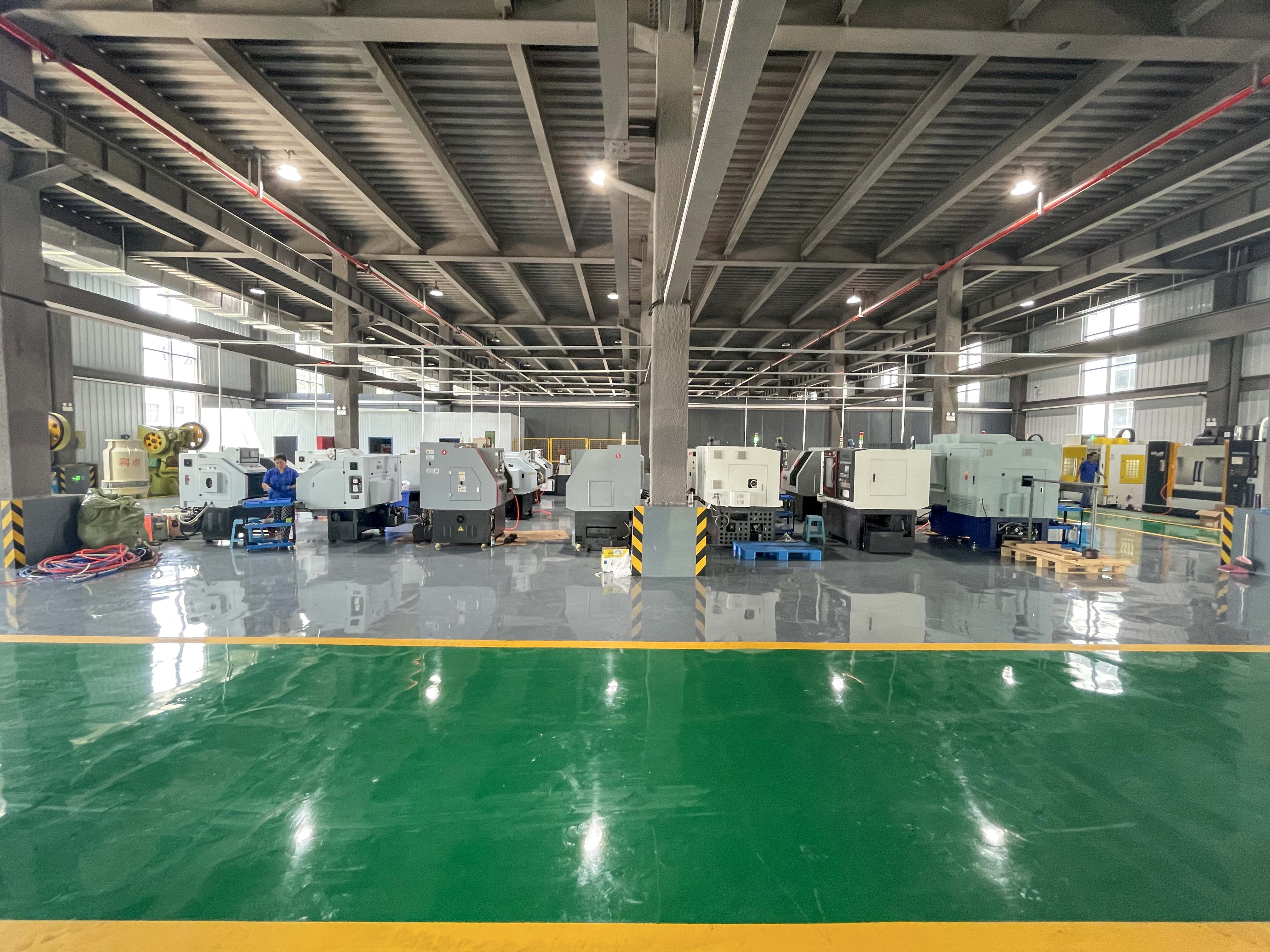
Jiaxing Wexra Titanium Products Co., Ltd.
Founded in 2018 in Jiaxing, Zhejiang, China, Wexra Titanium has grown into a dedicated international precision manufacturer specializing solely in titanium and titanium alloy hardware. Operating under a certified ISO 9001:2015 Quality Management System, we combine multi-axis CNC turning and milling centers, automated thread rolling machinery, and vacuum electrochemical surface treatment lines under one roof.
We maintain an export ratio exceeding 91%, serving precision engineering teams, distributor networks, and OEM manufacturers across the United States, Germany, the United Kingdom, and Canada. Unlike general fastener job shops, we specialize exclusively in Grade 2 commercially pure titanium and Grade 5 (Ti-6Al-4V) aerospace alloys.
- Tight Machining Tolerances: Precision turning down to ±0.01 mm for aerospace avionics and high-precision motorcycle hubs.
- Thread Rolling Superiority: Thread profiles rolled rather than cut, creating uninterrupted grain flow that increases dynamic fatigue life by over 30%.
- Complete Quality Documentation: EN 10204 3.1 Mill Test Certificates (MTC), full chemical spectroscopy analysis, and RoHS / REACH / CE / UKCA compliance on demand.
- Fast Direct Logistics to Denver: Seamless DDP/DAP express and air cargo routing into Denver International Airport (DEN) logistics hubs.
Frequently Asked Questions by Denver Engineers & Purchasing Teams
Get clear, authoritative answers to the mechanical, chemical, and logistics questions most commonly asked by Front Range manufacturing and racing engineers.
How does Denver's altitude and dry climate affect titanium fastener torque specs and galling risk?
Titanium alloys possess a thin, protective surface oxide film that can experience micro-friction galling (cold-welding) if driven dry into matching titanium or stainless steel tapped holes under high clamping loads. In Denver's low-humidity climate (frequently below 20% relative humidity), atmospheric moisture cannot assist in boundary lubrication. We recommend applying a molybdenum disulfide (MoS2) anti-seize paste, nickel-based anti-seize, or selecting our PTFE/electrolytic anodized bolt options. Anti-seize reduces thread friction, allowing torque specifications to be accurately translated into consistent clamping preload without thread galling.
Why should Front Range motorsport teams choose Grade 5 (Ti-6Al-4V) over 7075-T6 aluminum or Grade 10.9 steel?
While 7075-T6 aluminum is light, its ultimate shear strength (approx. 330 MPa) and low fatigue limit make it dangerous for critical structural applications like wheel hubs, brake caliper mounts, and steering racks. Grade 10.9 steel delivers high tensile strength (1040 MPa) but weighs 7.85 g/cm³ and rapidly corrodes in CDOT winter de-icing chemicals. Grade 5 titanium offers an optimal balance: tensile strength exceeding 895-1000 MPa, an endurance fatigue limit superior to aluminum, complete corrosion immunity, and a density of only 4.43 g/cm³—cutting weight by 44% compared to steel.
Can Wexra manufacture fasteners according to American Unified threads (UNC / UNF) as well as Metric standards?
Yes. Although the majority of our European and cycling hardware follows metric DIN/ISO specs (M3 through M24), our CNC multi-axis lathes and thread rolling machines are fully programmed for American Unified coarse (UNC) and fine (UNF) thread standards (such as 1/4"-20, 5/16"-24, 3/8"-16, and 1/2"-20) to Class 2A and 3A flight-grade tolerances, widely required by aerospace contractors across Arapahoe and Jefferson counties.
What documentation accompanies OEM batches shipped to Denver manufacturing facilities?
Every production lot ships with complete technical quality dossiers, including: EN 10204 3.1 Mill Test Certificates (MTC) documenting chemical composition (Fe, O, C, N, H, Al, V, Ti balance), mechanical tensile and yield test data, optical comparator dimensional inspection reports (±0.01 mm verification), and RoHS / REACH compliance certifications. Full heat lot traceability guarantees zero counterfeit or recycled sponge scrap contamination.
How does electrochemical color anodization affect thread fit and pitch dimensions?
Unlike aluminum anodizing, which builds up a thick dimensional oxide coating (often 10 to 25+ microns), titanium anodization is an electrochemical passivation process that alters the thickness of the natural titanium oxide layer via light refraction (interference coloring). The resulting layer is microscopically thin (typically 20 to 200 nanometers). It adds virtually zero dimensional thickness to the thread pitch, ensuring that tight 6g and 6H metric or Class 3A pitch fits remain 100% true to drawing tolerances without thread binding.
What is the typical transit lead time from your factory to the Denver metropolitan area?
For custom CNC prototyping and urgent production orders, express air courier (DHL, FedEx, UPS) delivers directly to Denver, Aurora, Boulder, and Colorado Springs within 4 to 7 business days following final dimensional inspection. For scalable volume orders, consolidated air freight into Denver International Airport (DEN) or sea-to-rail intermodal container freight via West Coast ports provides cost-effective supply chain fulfillment.
Can you machine custom geometries based on proprietary STEP / CAD files from Denver engineering teams?
Yes. We specialize in OEM and ODM contract manufacturing. Front Range engineers can provide 3D CAD files (.STEP, .IGS) alongside 2D engineering blueprints (.PDF, .DWG) with designated GD&T tolerances. Our technical team conducts a thorough Design for Manufacturability (DFM) review prior to turning bar stock, advising on optimal tool paths, chamfers, and thread relief grooves to maximize structural strength while keeping unit costs low.
Accelerate Your Denver Engineering Project with Wexra Titanium
Whether you need immediate prototypes for a satellite avionics chassis in Centennial, high-shear wheel studs for Pikes Peak racing, or scalable OEM fastener supply for a cycling brand in Boulder, our metallurgy team is ready to assist. Contact our engineers today for rapid quotes, DFM evaluations, and sample requests.