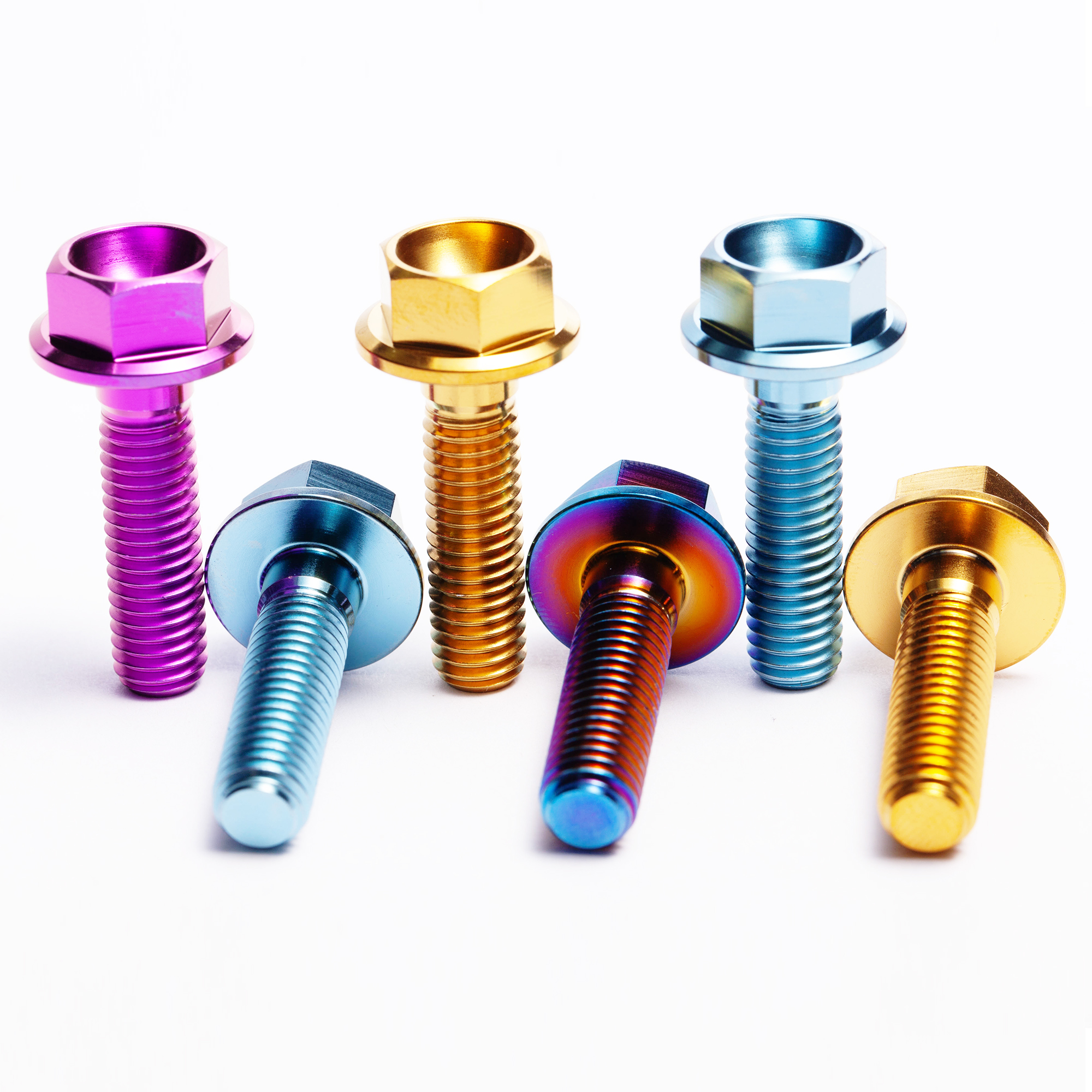
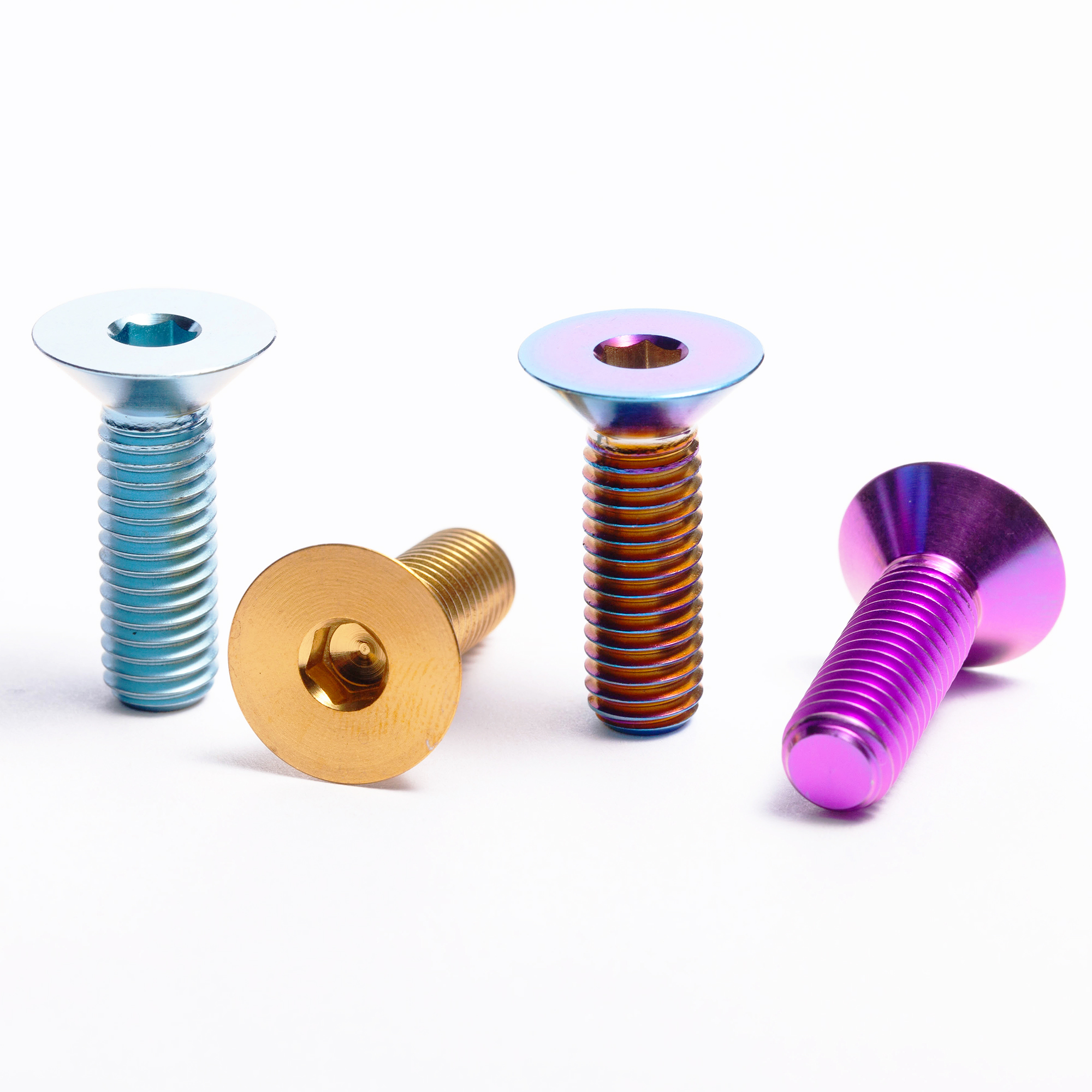
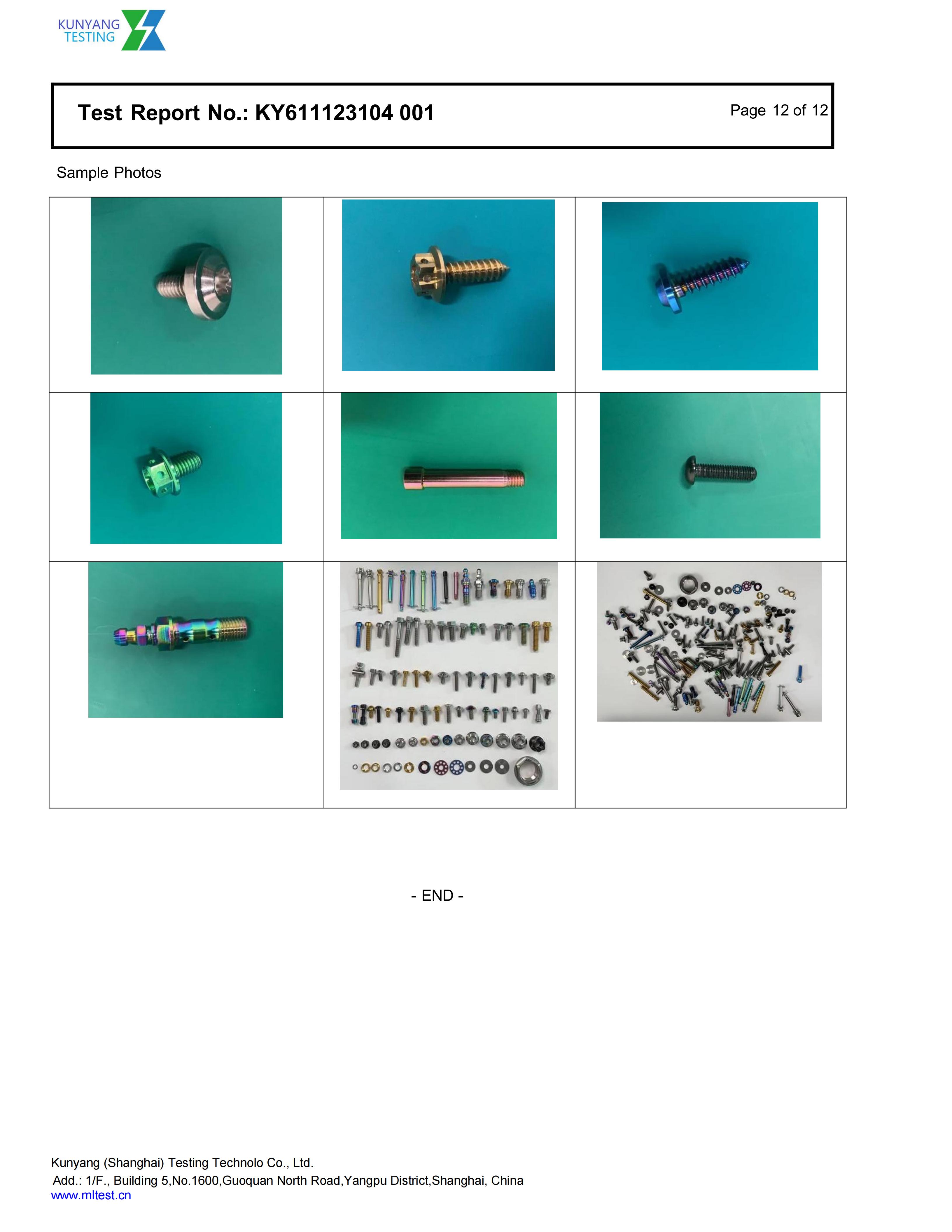
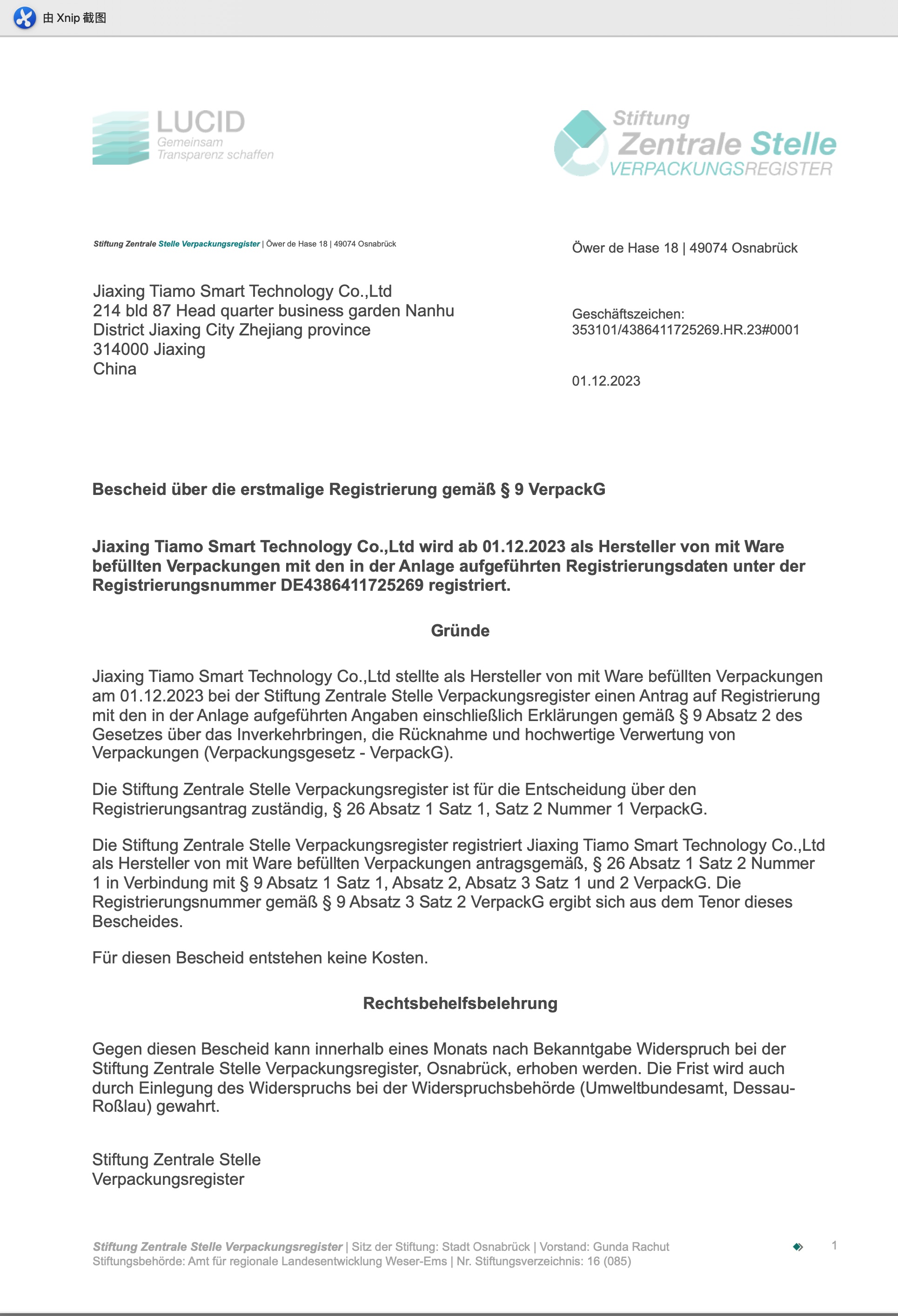
DIN912 Titanium Alloy Hex Head Metric Bolts (M2-M8)
Grade 9 titanium alloy, precision zinc plated/natural hex head fasteners built for severe industrial vibration and lightweight machinery assemblies.
High-performance titanium fasteners and components engineered to DIN, ISO, UNC, and UNF standards, delivering extreme corrosion resistance and strength-to-weight optimization for Western Canadian industrial buyers.
Grade 9 titanium alloy, precision zinc plated/natural hex head fasteners built for severe industrial vibration and lightweight machinery assemblies.
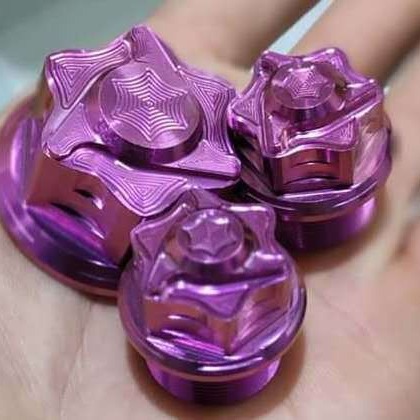
Solid-billet CNC machined heavy-duty titanium alloy oil caps and plugs designed for high hydraulic pressure containment and thermal stability.
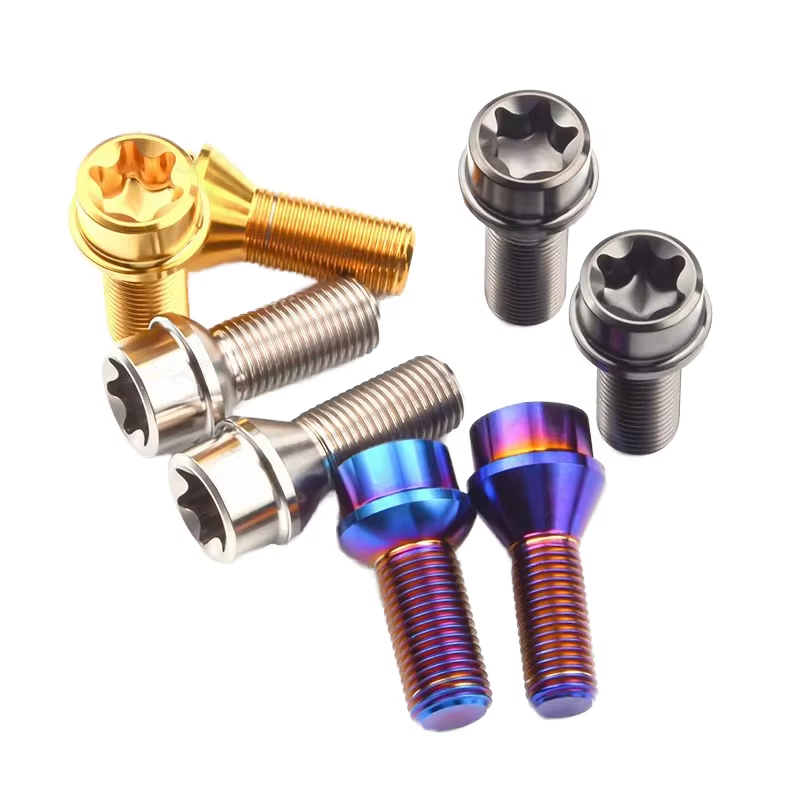
Anodized corrosion barrier, rolled external threads, engineered for structural load distribution in automotive hubs and extreme industrial rotating mounts.
PVD hard-wearing finish, UNF/Metric thread specs, high fatigue resistance under multi-axis cycling loads and acidic downhole atmospheres.
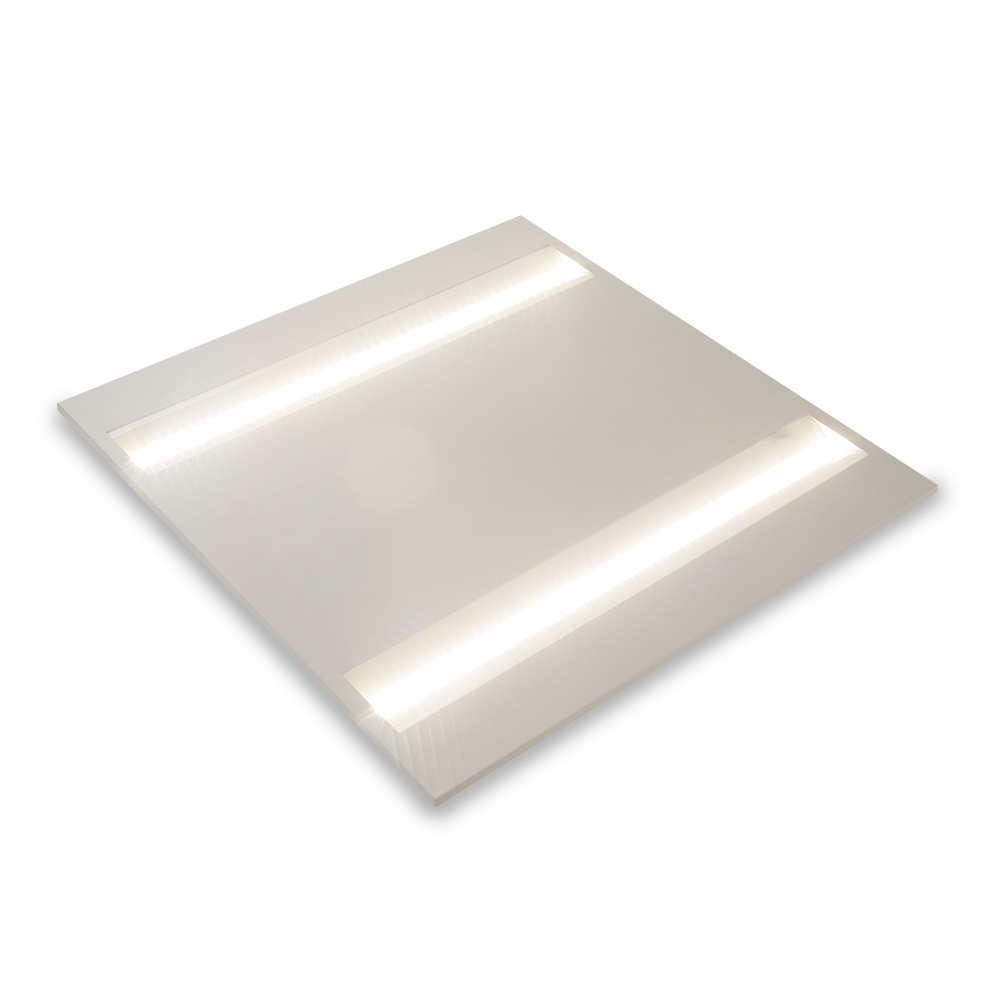
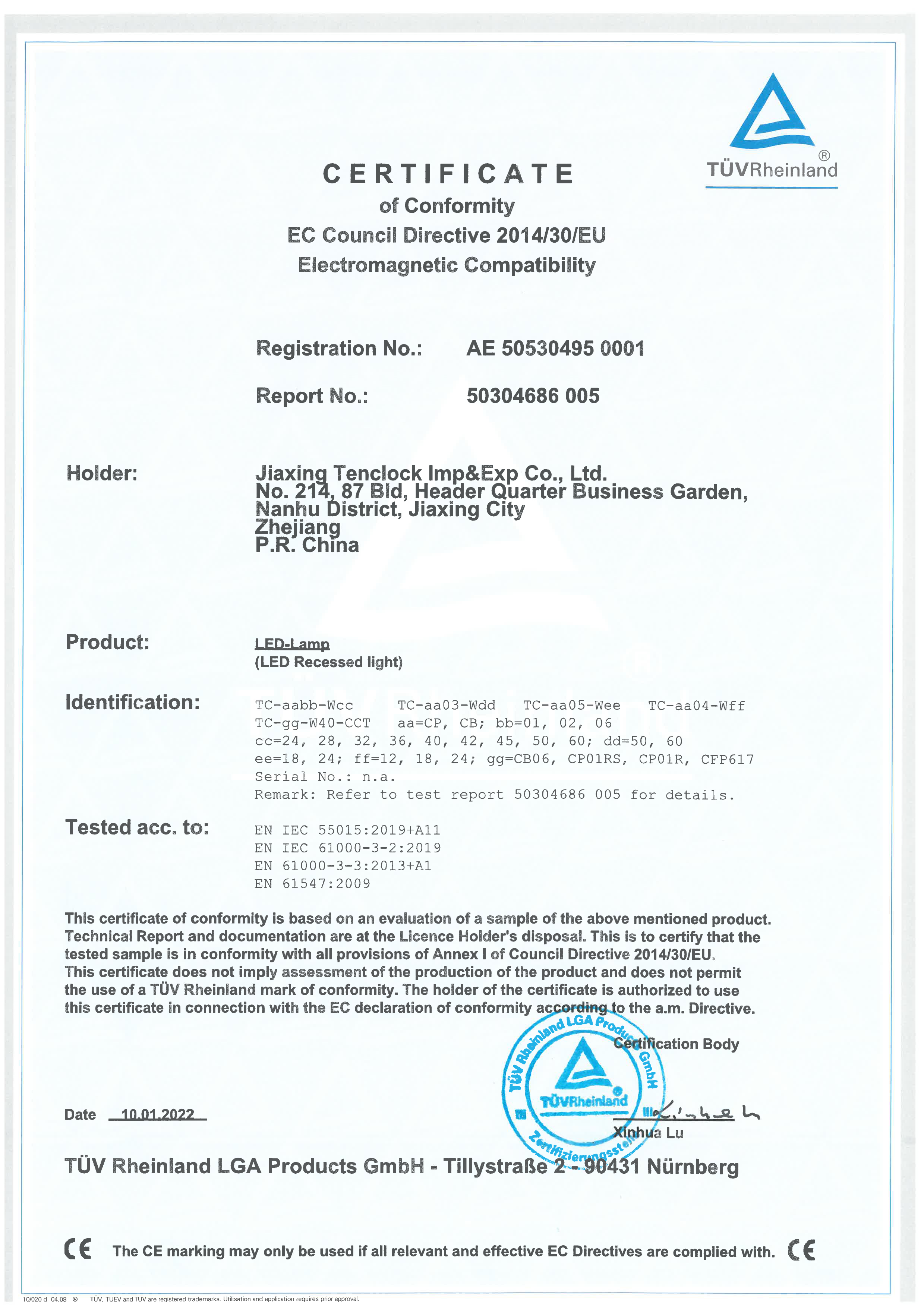
Optimum performance sealed lighting unit for manufacturing workshops, testing suites, and inspection booths with a durable 5-year operational warranty.
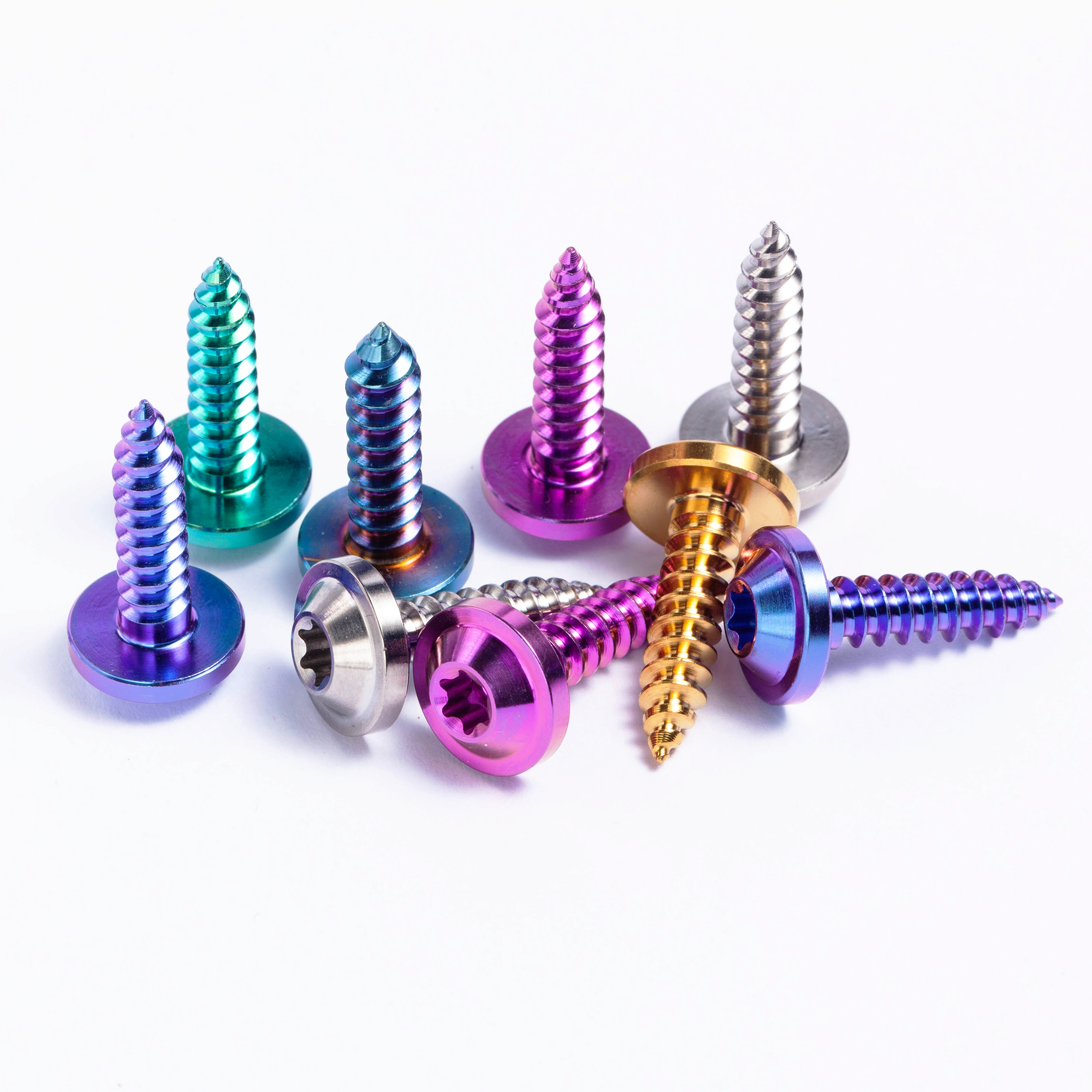
Precision flat head self-tapping screws for housing assemblies, filtration covers, downhole monitoring instruments, and high-purity enclosures.
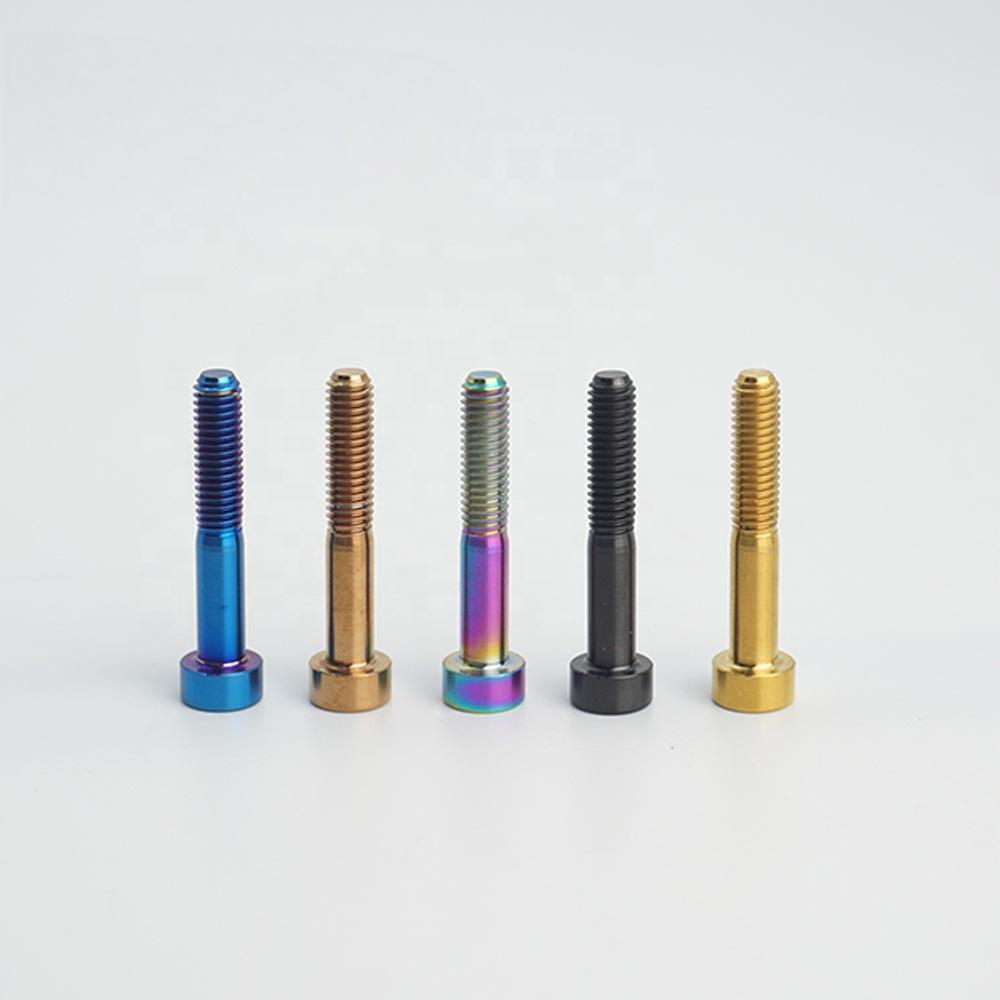
Lightweight Class 6 UNC thread M5-M6 button head bolts with high anti-seize black oxide passivation, optimized for severe atmospheric salt and moisture.
Corrosion-proof, high shear load fasteners machined from premium billet raw stock, supporting custom diameters, thread pitches, and length configurations.
Calgary serves as the corporate, engineering, and logistics nucleus of Western Canada’s resource corridor. How our titanium alloy raw materials resolve critical operational challenges across the province:
In Western Canada’s resource-intensive economy, conventional alloys continually succumb to severe degradation mechanisms. Souring gas streams, elevated chloride brine concentrations in SAGD (Steam-Assisted Gravity Drainage) operations, and cold-weather induced brittle fractures in the Athabasca oil sands necessitate high-performance metallurgy. Jiaxing Wexra Titanium Products Co., Ltd. supplies mill-direct raw titanium bars, billets, plates, and CNC machined sub-assemblies specifically engineered to address the sour gas (H₂S) sulfide stress cracking (SSC) and chloride stress corrosion cracking (CSCC) that cost Alberta operators millions in downtime annually.
ASTM B348 Grade 5 (Ti-6Al-4V) and Grade 7 (Ti-0.15Pd) round bars provide zero corrosion in H₂S and CO₂ rich hydrocarbon reservoirs. NACE MR0175/ISO 15156 compliant stock prevents hydrogen embrittlement in deep sour gas extraction wells.
Steam-Assisted Gravity Drainage produces corrosive, high-temperature brine blowdown. Our commercially pure Grade 2 titanium plates and heat exchanger tubing eliminate pitting and crevice attack where 316L stainless steel fails in months.
Unlike carbon and martensitic steels that undergo ductile-to-brittle transition below -20°C, Grade 5 titanium maintains superior impact toughness down to -50°C during Northern Alberta winters, critical for heavy oil sands transport equipment.
Empirical property validation for Calgary engineering teams assessing weight reduction, tensile loads, and lifecycle costs.
| Alloy Specification | Density (g/cm³) | Tensile Strength (MPa) | Yield Strength (MPa) | Wet H₂S Resistance | Sub-Zero (-40°C) Ductility |
|---|---|---|---|---|---|
| Titanium Gr5 (Ti-6Al-4V) | 4.43 | 895 - 1000 | 828 | Immune / Optimal | Superior Impact |
| Titanium Gr2 (CP Unalloyed) | 4.51 | 345 - 450 | 275 | Immune / Optimal | High Ductility |
| 316L Stainless Steel | 8.00 | 485 - 580 | 220 | Susceptible to SCC | Adequate |
| AISI 4140 Alloy Steel | 7.85 | 655 - 1000 | 415 - 850 | Severe Pitting Risk | Brittle Transition |
By substituting Grade 5 titanium for heavy alloy steels in structural and downhole tooling applications, Calgary engineers capture an immediate 44% reduction in assembly deadweight without conceding tensile capacity. More critically, titanium's spontaneously forming, tenacious titanium dioxide (TiO₂) oxide film repairs itself instantly in the presence of trace oxygen or moisture, rendering it completely inert to wet chlorine, chlorides, sulfides, and organic acids prevalent across Alberta refining circuits.
Strategic shifts shaping raw titanium demand, warehouse logistics, and carbon-transition engineering across Western Canada.
The industrial procurement landscape in Calgary is undergoing a decisive shift. While historically centered exclusively on conventional fossil extraction, major capital deployment in the Calgary–Edmonton corridor is pivoting toward clean tech, CCUS (Carbon Capture, Utilization, and Storage), hydrogen transport infrastructure, and commercial aerospace ventures.
1. Expansion of CCUS & Supercritical CO₂ Transport: Alberta’s leadership in carbon capture networks requires materials capable of withstanding the extreme corrosive action of supercritical CO₂ containing residual sulfur and moisture. As localized infrastructure moves into deeper pressure regimes, project specifications for valve internals, metering orifices, and high-pressure fasteners are increasingly specifying Ti-6Al-4V raw materials to secure thirty-year asset integrity without corrosion allowance over-engineering.
2. Direct Mill-to-Facility Supply Chains: Calgary procurement managers are actively mitigating the risk of extended North American service center markups. By establishing direct contracts with certified primary producers like Jiaxing Wexra Titanium Products Co., Ltd., local fabrication shops secure certified billet and rod stock with guaranteed EN 10204 3.1 chemical and mechanical inspection documents at factory pricing, bypassing domestic warehousing markups of 35% to 55%.
3. Hydrogen Embrittlement Mitigation: With Alberta actively piloting commercial hydrogen blending in natural gas trunklines, metallurgical failure through atomic hydrogen absorption has become an acute design concern. Unlike high-strength ferritic steels, select titanium alloys exhibit virtually zero embrittlement under ambient hydrogen partial pressures, accelerating their adoption in pipeline monitoring nodes and injection instrumentation.
Why Western Canadian EPCs, precision CNC machine shops, and equipment OEMs partner directly with our Jiaxing manufacturing facility.
We manage titanium bar stock, hot forging, vacuum annealing, and precision peeling under one roof across our 1,000+ m² facility, guaranteeing continuous metallurgical consistency from ingot to final billet.
Equipped with modern CNC turning, milling, and thread-rolling machinery maintaining tolerances to ±0.01 mm. Unlike cut threads, our rolled threads ensure uninterrupted grain flow lines for vastly enhanced fatigue limits.
Every delivery arrives with certified Mill Test Certificates (MTC) detailing complete chemical composition (O, N, H, C, Fe) and mechanical properties per ASTM B348, ASTM B265, AMS 4928, and ASME Section II specifications.
Detailed engineering answers covering customs, cold-temperature metallurgy, NACE specs, and factory lead times for Canadian procurement teams.
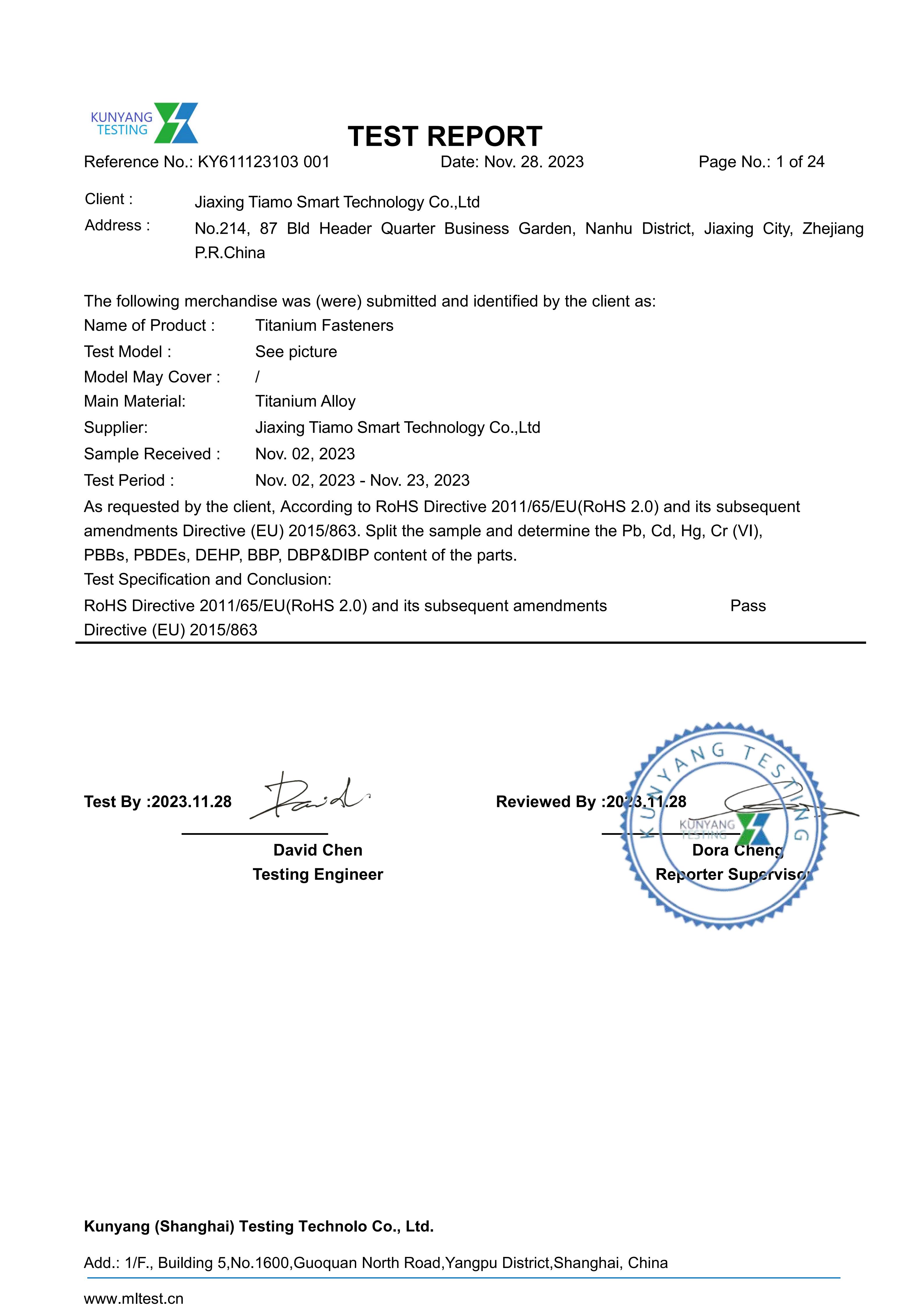
Our raw materials and forged stock strictly adhere to ASTM B348 (titanium bar and billet), ASTM B265 (titanium strip, sheet, and plate), and ASME SB-348 for pressure boundary equipment. For aerospace and defense-related machine tooling in Alberta, we provide material certified to AMS 4928 (Ti-6Al-4V bar and forgings). Every batch is accompanied by an EN 10204 Type 3.1 inspection certificate recording heat numbers, chemical composition analysis, and tensile, yield, and elongation test verifications.
Unlike carbon, low-alloy, and martensitic stainless steels which experience a well-defined ductile-to-brittle transition temperature (DBTT) often leading to catastrophic brittle fractures at temperatures below -20°C, titanium possesses a hexagonal close-packed (HCP) alpha crystal lattice structure. Both Grade 2 unalloyed titanium and Grade 5 Ti-6Al-4V retain outstanding Charpy V-notch impact energy, ductility, and fracture toughness at temperatures far exceeding Western Canadian cold extremes, maintaining safe structural ductility down to cryogenic thresholds (-196°C).
Yes. Grade 5 (Ti-6Al-4V), Grade 7 (Ti-0.15Pd), and Grade 12 titanium alloys are explicitly recognized by NACE MR0175 / ISO 15156 for use in sour gas and oilfield production environments. In high-pressure, high-temperature downhole conditions containing wet hydrogen sulfide (H₂S), elemental sulfur, and high-chlorinity brines, titanium alloys are immune to sulfide stress cracking (SSC) and stress corrosion cracking (SCC), rendering them the ultimate replacement for nickel alloys and super duplex stainless steels.
Standard raw material stock orders (bars, rods, standard plates) typically ship within 7 to 14 business days from our factory in Jiaxing, Zhejiang. Custom CNC machining, thread rolling, or specific forgings require approximately 18 to 25 production days. For Canadian logistics, air freight shipments transit directly into Calgary International Airport (YYC) within 4 to 7 transit days. Consolidated ocean container cargo ships via the Port of Vancouver with direct rail intermodal transit into Calgary CP/CN yards within 18 to 24 days. We provide comprehensive export documentation, including Commercial Invoices, Packing Lists with HS codes (7228.00 / 8108.90), Certificates of Origin, and MTCs for smooth CBSA customs clearance.
Absolutely. We specialize in agile prototype validation for Canadian engineering houses. Whether you require single-piece pilot test runs from STEP/IGES 3D models or small-batch custom bolt threads (M2 to M36 or 1/4" to 1-1/2" UNC/UNF), our technical team conducts complete Design for Manufacturability (DFM) reviews to identify tool path optimizations, cycle time savings, and proper raw bar alloy selection before full-scale production batches commence.