Engineered Fastening & Precision Titanium Showcase
Supplying biomedical implant manufacturers, specialized research clinics, and high-performance mechanical assemblies across the Community of Madrid with ultra-precision CNC turned components.
Clinical & Biomedical Applications Across the Community of Madrid
Madrid functions as Spain’s primary nucleus for specialized tertiary hospital networks, private health groups, and medical research institutes. Our titanium osteosynthesis screws and precision hardware serve vital surgical, biomechanical, and prosthetic applications.
Trauma & Fracture Osteosynthesis Fixation
Supplying specialized OEM manufacturers that partner with tertiary clinical referral complexes such as Hospital Universitario La Paz and Hospital 12 de Octubre. Our Ti-6Al-4V ELI (Grade 23) and Grade 5 titanium cortical, cancellous, and malleolar screws provide high torsional fatigue limits and secure osseous compression in complex distal radius, femoral shaft, and tibial plateau reconstruction procedures.
Craniofacial & Maxillofacial Reconstruction
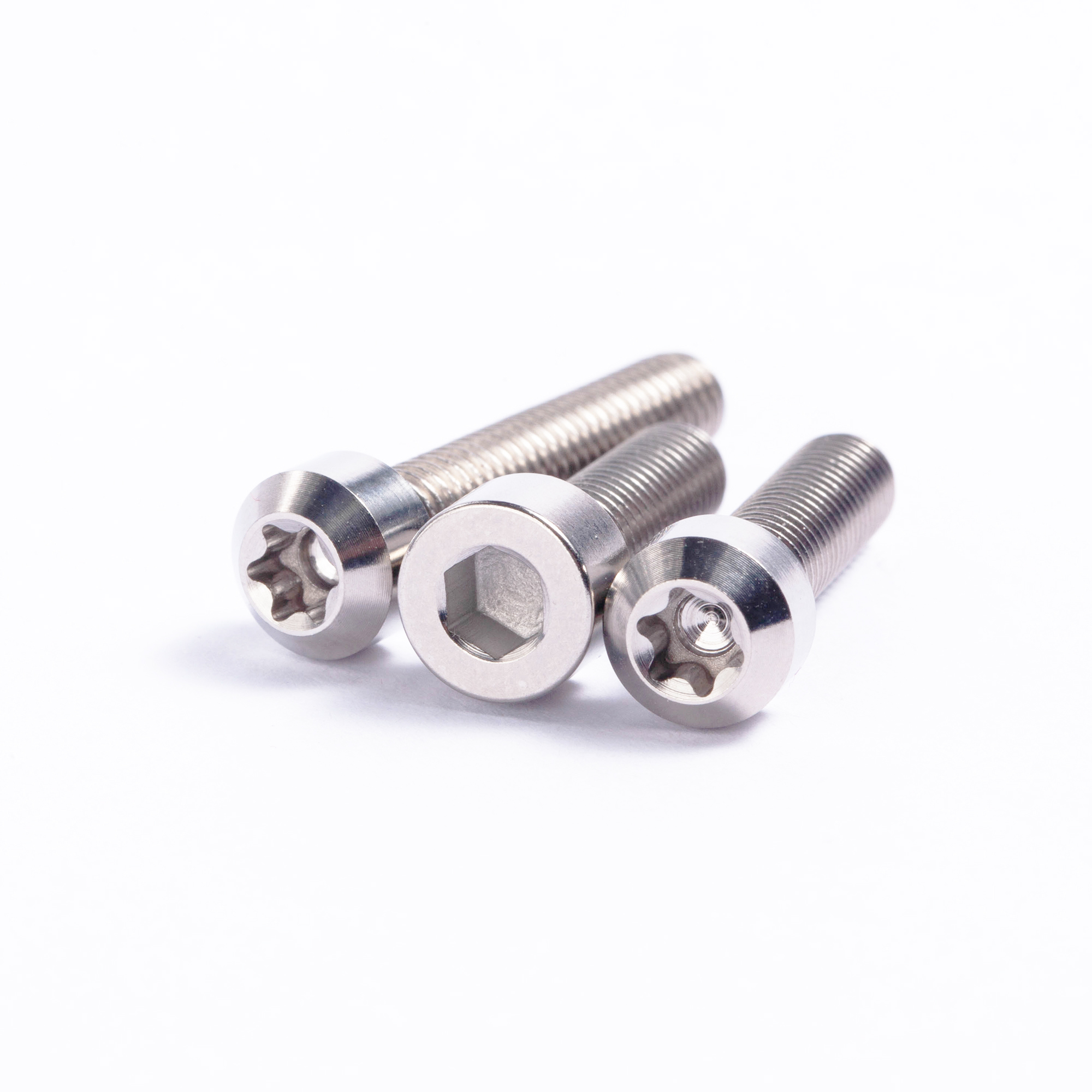
Madrid’s specialized oral surgery centers require micro-screws (diameter ranges Ø1.0mm to Ø2.0mm) featuring precision Torx (hexalobular) and cross-drive recesses. Engineered with clean, self-tapping flutes under low rotational drag, our screws minimize bone micro-fracturing during reconstructive orthognathic interventions at leading surgical units across Moncloa and Chamartín.
Spine Pedicle & Cervical System Fasteners
In cooperation with medical engineering clusters located along the Tres Cantos and Alcobendas technology corridor, we produce cannulated screws, set-screws, and cross-link lock fasteners. These components offer exact pitch uniformities compatible with high-yield polyaxial pedicle screw heads used in lumbar arthrodesis and scoliosis stabilization systems.
Sports Orthopedics & Arthroscopic Anchors
Supporting private sports medicine hospital facilities like Quirónsalud Madrid and Sanitas La Moraleja. We export precision-machined cannulated interference screws designed for anterior cruciate ligament (ACL) reconstruction, combining low-profile head profiles with smooth countersink geometries to prevent suture abrasion.
Veterinary Orthopedic Trauma Systems
Catering to Madrid’s expanding veterinary clinical market, including the Veterinary Hospital of the Universidad Complutense de Madrid (UCM). We manufacture miniature locking plate screws (1.5mm, 2.0mm, 2.4mm, 2.7mm) crafted from biocompatible CP Grade 2 and Gr5 titanium, ensuring non-magnetic, corrosion-free performance for small-animal fracture repairs.
Custom Patient-Specific Implant (PSI) Synergy
Bridging the gap between additive manufacturing (3D printed titanium trabecular cages) and subtractive CNC machining. We produce ultra-precise threaded interfaces, retaining screws, and locking caps that Madrid-based biomedical design studios integrate directly into customized pelvic, oncological, and cranial implant reconstructions.
Biomedical Grade Titanium vs. Surgical Stainless Steel
A rigorous metallurgical comparison showing why Madrid surgical procurement teams and implant manufacturers are phasing out austenitic stainless steels in favor of Ti-6Al-4V Grade 5 and Grade 23 ELI formulations.
| Material Class | Density (g/cm³) | Elastic Modulus (GPa) | Yield Strength (MPa) | Corrosion Resistance | MRI Compatibility | Osseointegration Index |
|---|---|---|---|---|---|---|
| Titanium Grade 5 (Ti-6Al-4V) | 4.43 | 110 - 114 | ≥ 825 - 895 | Exceptional (TiO&sub2; Passivated) | Artifact-Free / Non-ferromagnetic | High (Bio-inert Matrix) |
| Ti-6Al-4V ELI (Grade 23 / ISO 5832-3) | 4.43 | 105 - 110 | ≥ 795 - 860 | Superior (Reduced Interstitials) | Complete Magnetic Neutrality | Superior Histocompatibility |
| Commercially Pure Ti (Grade 2 / ASTM F67) | 4.51 | 100 - 105 | ≥ 275 - 345 | Maximum Chemical Passivation | Complete Magnetic Neutrality | Optimal Bone Contact Rate |
| Surgical Stainless Steel (316L / ASTM F138) | 7.95 | 193 - 200 | ≥ 290 - 450 | Susceptible to Fretting/Pitting | Induces Significant Magnetic Artifacts | Fibrous Encapsulation Risk |
Mitigating Stress Shielding
With an elastic modulus of ~110 GPa (close to human cortical bone at 10-30 GPa), titanium screws significantly limit the stress shielding phenomenon compared to 316L stainless steel (200 GPa), encouraging physiological bone remodeling along the fixation line.
Interference-Free Medical Imaging
Madrid’s modern diagnostic imaging centers rely on high-field 1.5T and 3.0T MRI platforms. Non-ferromagnetic titanium bone screws eliminate radiographic scatter and destructive artifact distortion, giving radiologists crisp views of soft-tissue union.
Passivated Biocompatibility
Titanium instantly creates a coherent, self-healing titanium dioxide (TiO&sub2;) dielectric film. This stable passive barrier blocks ion exchange with physiological saline fluids, preventing metallosis, localized inflammation, and patient sensitization.
Sourcing Trends Across the Madrid MedTech & Healthcare Corridor
Madrid is undergoing major transformations across its public hospital tendering process, European regulatory certifications, and orthopedic design ecosystems.
EU MDR 2017/745 Compliance
Following the full transition to EU MDR, hospital procurement authorities under SERMAS (Servicio Madrileño de Salud) require rigorous supply chain transparency. Exporters must provide comprehensive chemical trace heat-lot verification, bioburden mitigation data, and full conformity files.
Shift to Minimally Invasive (MIS) Screws
Surgical units across the capital prioritize cannulated self-drilling and self-tapping screws for percutaneous fixation. These screws allow guide-wire assisted insertion, resulting in smaller surgical incisions, less periosteal stripping, and faster patient ambulation.
Consolidated Procurement Hubs
Private hospital operators like HM Hospitales, Vithas, and Hospiten are centralizing their surgical hardware purchasing across Madrid. They favor direct contract relationships with certified titanium exporters to avoid domestic distributor markups and secure custom head forms.
Electrochemical Surface Color-Coding
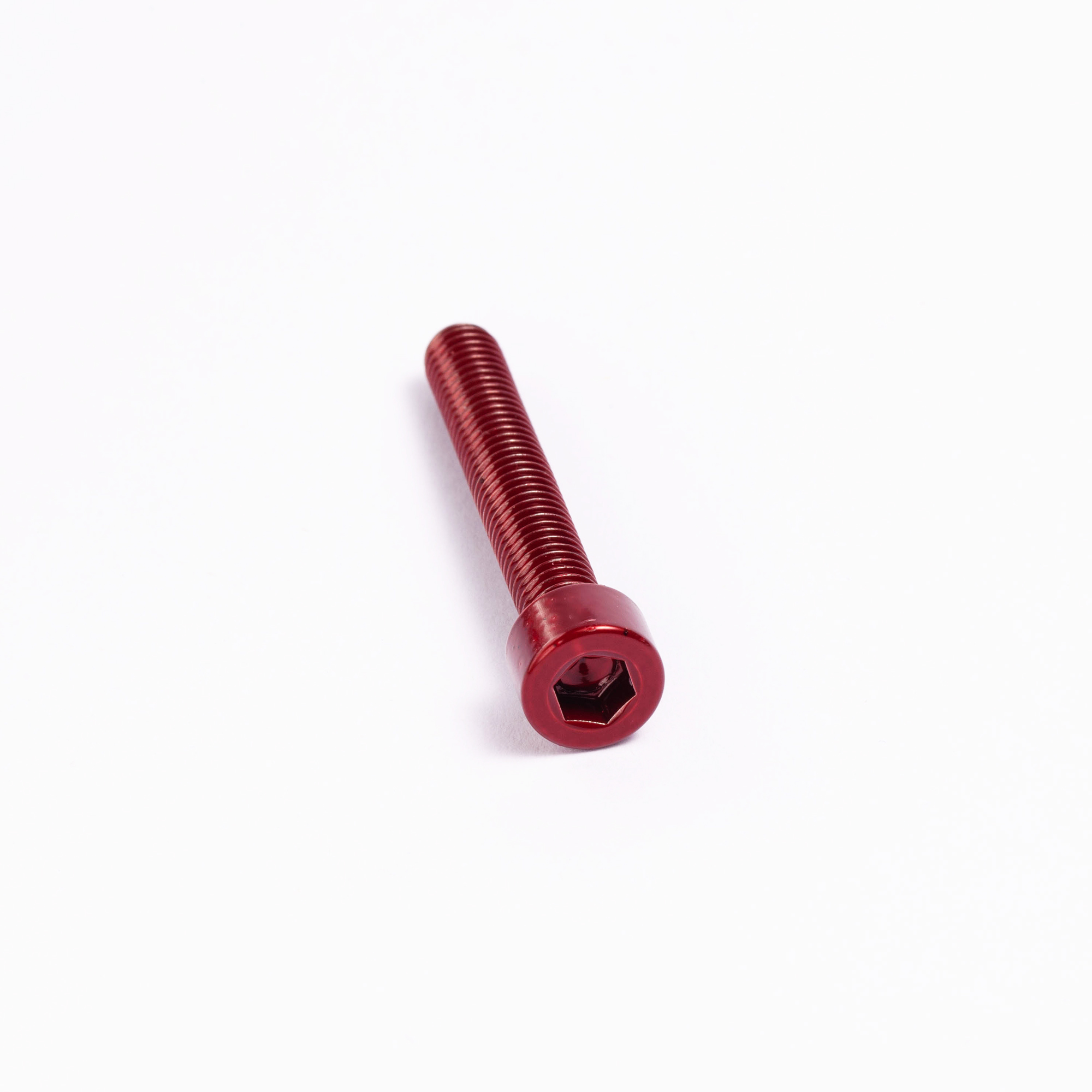
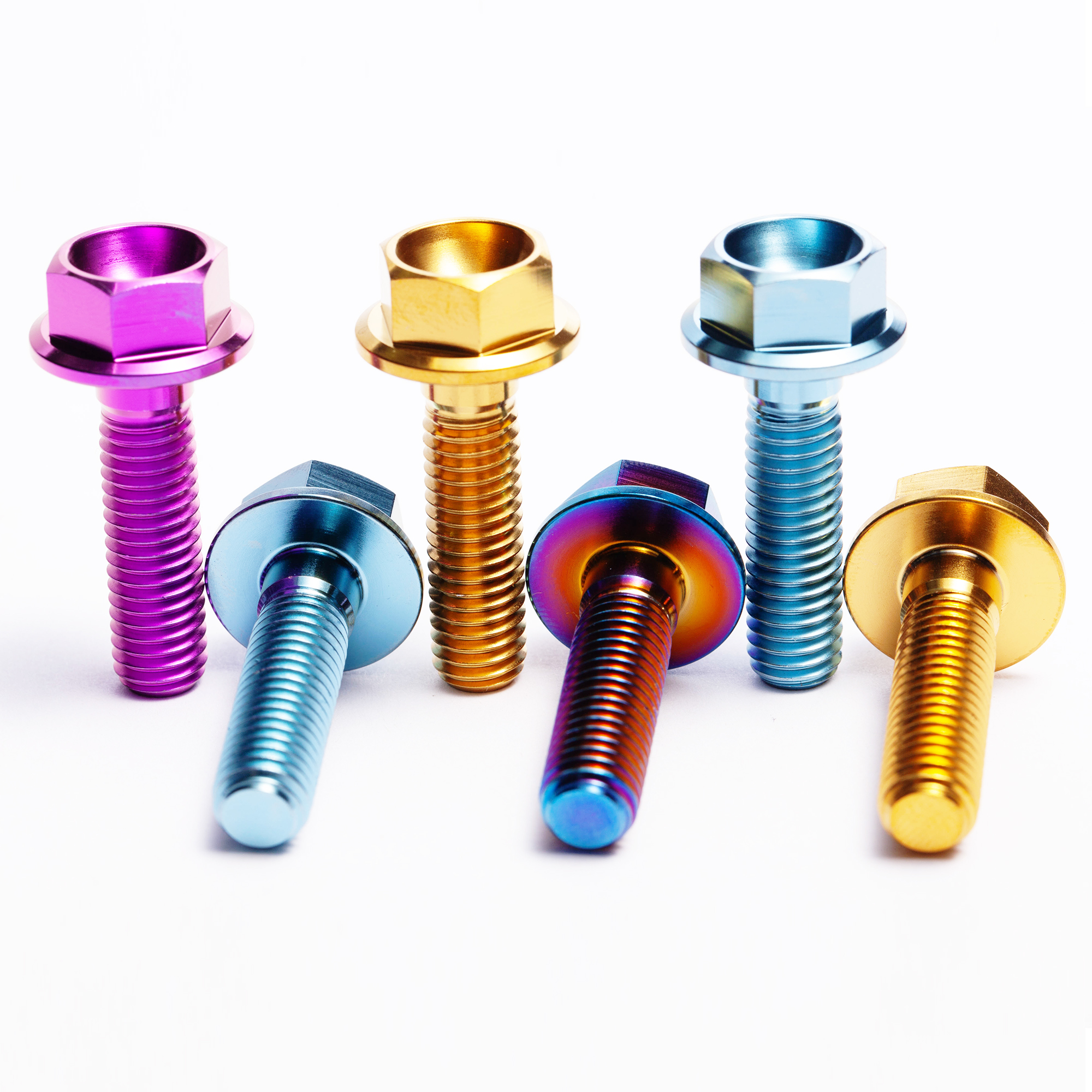
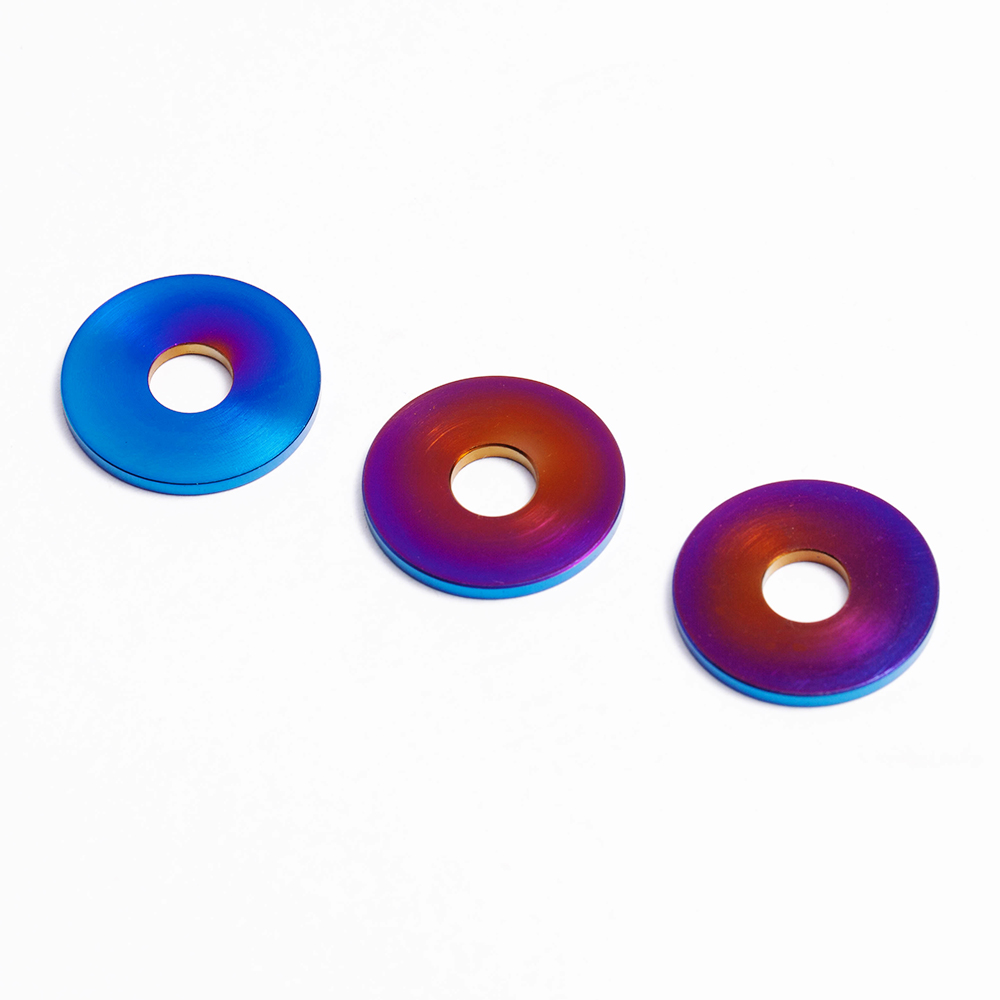
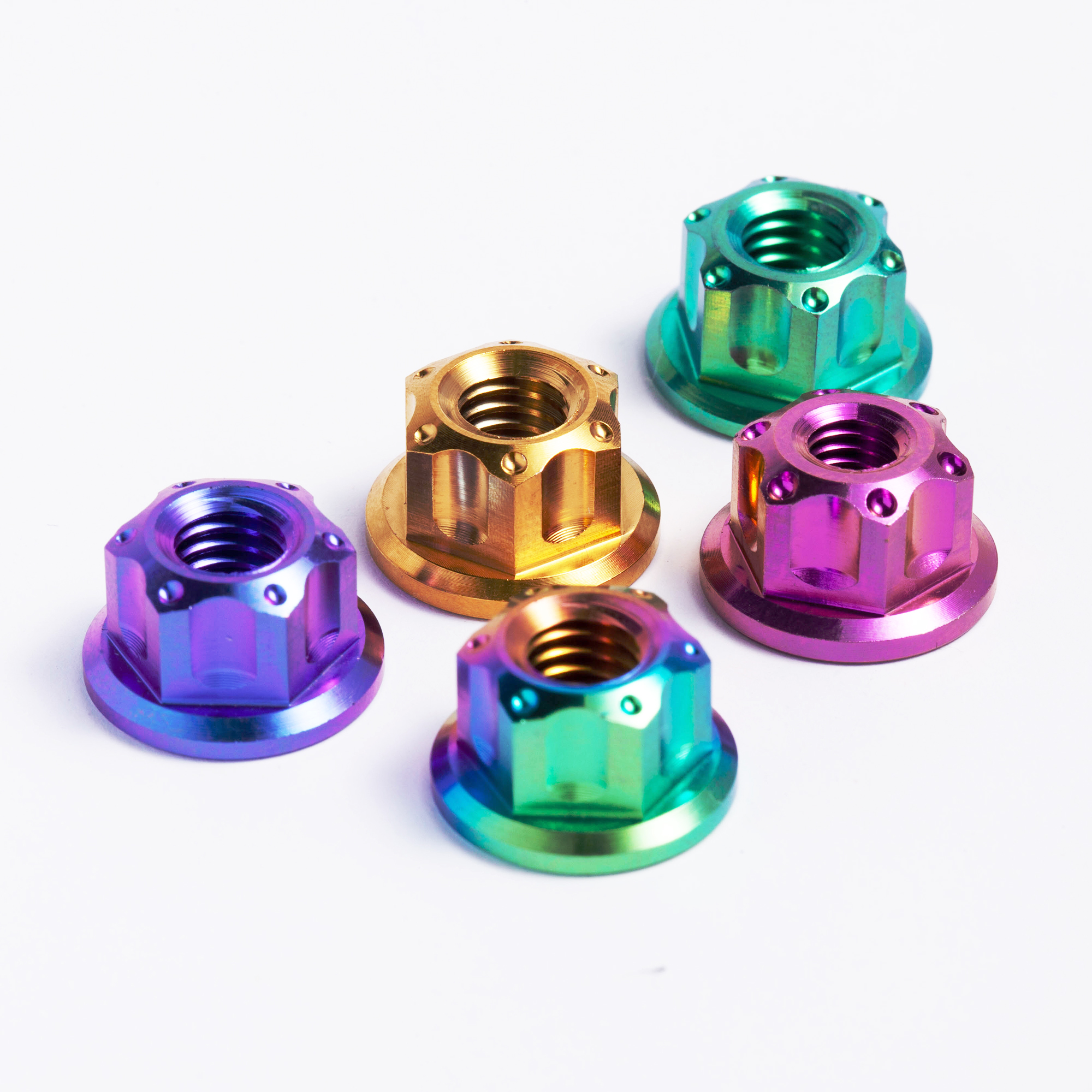
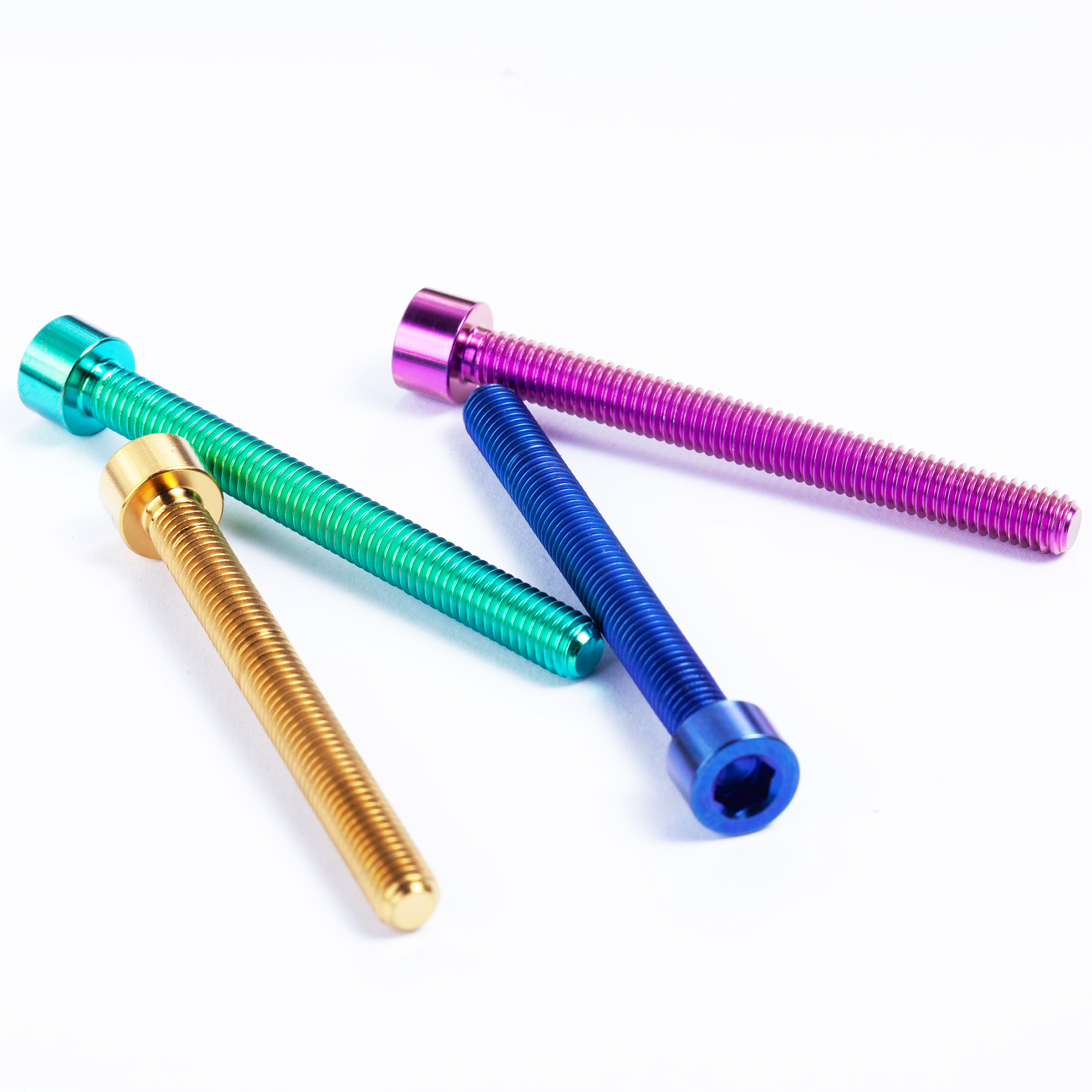
Standardizing surgical trays across busy Madrid operating rooms demands distinct anodic color-coding (gold, deep blue, magenta, teal) to immediately distinguish screw diameters (e.g., Ø2.4mm vs Ø2.7mm vs Ø3.5mm), reducing intraoperative instrument handling errors.
Why Madrid Medical & Precision Engineers Partner With Us
Building on proven manufacturing experience since 2018, Jiaxing Wexra Titanium Products Co., Ltd. delivers high-precision OEM/ODM titanium machining backed by an ISO 9001:2015 quality framework.
±0.01 mm Tolerance
Using advanced multi-axis Swiss-type turning centers, we reliably machine micro-screws, complex drive sockets (Torx, Hex, Cruciate), and rolled pitches down to sub-millimeter scales.
Certified Raw Stock
All titanium ingots and bars are sourced with verifiable chemical and mechanical test certificates (MTC), adhering strictly to ASTM B348, ASTM F136, and ISO 5832-3 standards.
Precision Thread Rolling
Rather than cutting threads, we employ thread-rolling dies to maintain continuous metallurgical grain flow, delivering up to 30% higher shear and fatigue resistance under cyclic loads.
Ultrasonic Decontamination
Every batch goes through multi-stage ultrasonic degreasing, acid pickling, passivation, and cleanroom vacuum packaging, minimizing particulates and bioburden on export shipments.
Direct Madrid Transit
Experienced exporting across the EU, UK, and US. We offer streamlined air freight routes into Adolfo Suárez Madrid-Barajas Airport (MAD) with complete DDP or DAP customs paperwork.
Frequently Asked Questions: Sourcing Titanium Screws in Madrid
Detailed insights on technical specifications, Spanish customs clearance, and quality assurance for Madrid purchasing directors and biomedical design engineers.
We supply medical and surgical hardware primarily in Ti-6Al-4V Grade 5 (ASTM B348) and Ti-6Al-4V ELI Grade 23 (ASTM F136 / ISO 5832-3). Grade 23 features extra-low interstitial elements (oxygen, carbon, nitrogen, and iron), delivering increased fracture toughness and superior elongation for critical orthopedic osteosynthesis applications. For non-load-bearing maxillofacial plates or suture clamps, Commercially Pure Grade 2 (ASTM F67) is also available.
Shipments destined for Madrid are prepared with comprehensive export documentation, including detailed commercial invoices with correct EU TARIC harmonized tariff codes (e.g., 8108.90 or 9021.00), Packing Lists, Certificates of Origin, and complete chemical/mechanical Mill Test Certificates (MTC). We work with DHL Express, FedEx, and specialized air cargo handlers, offering both DDP (Delivered Duty Paid) and DAP terms to make customs processing effortless.
Yes. We specialize in precision OEM/ODM CNC contract manufacturing. Madrid design firms and surgical device R&D departments can provide STEP, IGES, SolidWorks, or 2D technical drawings. Our engineering team conducts full Design for Manufacturability (DFM) reviews, confirming runouts, lead-in angles, thread profiles (buttress, cortical, or sponge-cancellous), and drive sockets down to ±0.01 mm tolerance limits before launching sample runs.
No. Unlike heavy powder coats or thick zinc electroplating, titanium anodizing is an electrochemical process that grows the natural titanium oxide (TiO&sub2;) layer. The resulting film thickness is measured in nanometers (or very low microns for Type II hardcoat anodizing), creating rich interference colors without altering thread fit, root dimensions, or pitch tolerances.
To support clinical research teams, university labs, and orthopedic startups in Madrid, we accommodate small pilot verification runs starting from 50 to 100 units. For commercial orthopedic production and continuous supply contracts, we scale seamlessly to hundreds of thousands of units with volume-tiered manufacturing discounts.
Ready to Engineer Your Titanium Fixation Solution for Madrid?
Whether you require pilot batch prototypes for biomechanical bench testing or ongoing high-volume delivery of medical-grade fasteners, our precision CNC specialists are ready to review your CAD files.
Send an Inquiry