Standard & Custom Fastener Series
Manufactured with medical-grade metallurgical traceability, high shear endurance, and CNC micro-tolerances down to ±0.01 mm.
Clinical Biomechanics of Titanium Bone Screws in Modern Traumatology
In rigid internal fixation (RIF) and open reduction internal fixation (ORIF), orthopedic bone screws serve as fundamental mechanical vectors. They are tasked with transforming rotational insertion torque into compressive axial clamping force across fracture planes. For healthcare practitioners and medical device procurement authorities in Cần Thơ (Thành phố Cần Thơ), the metallurgical foundation of internal fixation implants represents the critical difference between rapid osteosynthesis and catastrophic implant fatigue or non-union.
As an established titanium precision machining factory, our manufacturing lines utilize certified ASTM F136 Grade 23 (Ti-6Al-4V ELI – Extra Low Interstitial) and medical-grade ISO 5832-3 alloy bar stock. Interstitial elements—specifically oxygen, nitrogen, and carbon—are meticulously regulated below 0.13% oxygen limits to ensure superior fracture toughness (KIC ≥ 75 MPa·m1/2) and enhanced elongation ductility under dynamic mechanical load. Unlike commercial grade fasteners, bone screws deployed in human osseous tissue must withstand multidirectional flexural, tensile, and shear vectors without suffering structural notch-sensitivity cracking.
| Biomaterial Benchmark | Elastic Modulus (GPa) | Tensile Strength (MPa) | Yield Strength (MPa) | Stress Shielding Risk | Galvanic Passivation |
|---|---|---|---|---|---|
| Ti-6Al-4V ELI (ASTM F136) | 110 – 114 | ≥ 860 – 965 | ≥ 795 – 895 | Minimal | TiO2 Dielectric Native |
| Commercially Pure Ti (Gr4) | 105 | ≥ 550 | ≥ 480 | Lowest | Spontaneous Passivation |
| Stainless Steel 316LVM | 200 – 210 | ≥ 620 | ≥ 310 | High Risk | Pitting Prone in Saline |
| Human Cortical Bone | 12 – 18 | 90 – 140 | 100 – 130 | Baseline | Physiological Tissue |
A central challenge in surgical traumatology is stress shielding. When an implant has an excessively high modulus of elasticity—such as stainless steel 316LVM (~210 GPa)—it absorbs the majority of physiological loads, depriving surrounding bone tissue of necessary mechanical stimuli according to Wolff's Law. This frequently causes secondary peri-implant bone resorption, loosening, and revision surgical failure. Ti-6Al-4V ELI exhibits a modulus of approximately 110 GPa, cutting stiffness nearly in half compared to steel. This substantially decreases peri-prosthetic demineralization while maintaining an ultimate tensile strength exceeding 895 MPa, offering optimal load sharing to stimulate cortical remodeling.
Micro-Geometry: Thread Pitch, Flutes, and T-Drive Engineering
Our Swiss-type 7-axis CNC turning and dedicated medical thread-whirling centers manufacture specialized configurations covering the full spectrum of orthopedic interventions:
1. Cortical Bone Screws (Diaphyseal Fixation): Characterized by a fine thread pitch (typically 1.0 mm to 1.25 mm) and a shallow thread profile with a higher core-to-outer diameter ratio. This geometry maximizes thread purchase within dense, compact cortical bone, generating high radial resistance and pull-out strength in shaft fractures of the femur, tibia, humerus, and forearm.
2. Cancellous Bone Screws (Metaphyseal & Epiphyseal Fixation): Engineered with an aggressive, deep thread pitch (1.75 mm to 2.75 mm) and a slender core diameter. The enlarged outer-to-core diameter ratio provides a wide contact area against spongy, trabecular osseous architecture, securing reliable mechanical anchor points in condylar, plateau, and pelvic trauma.
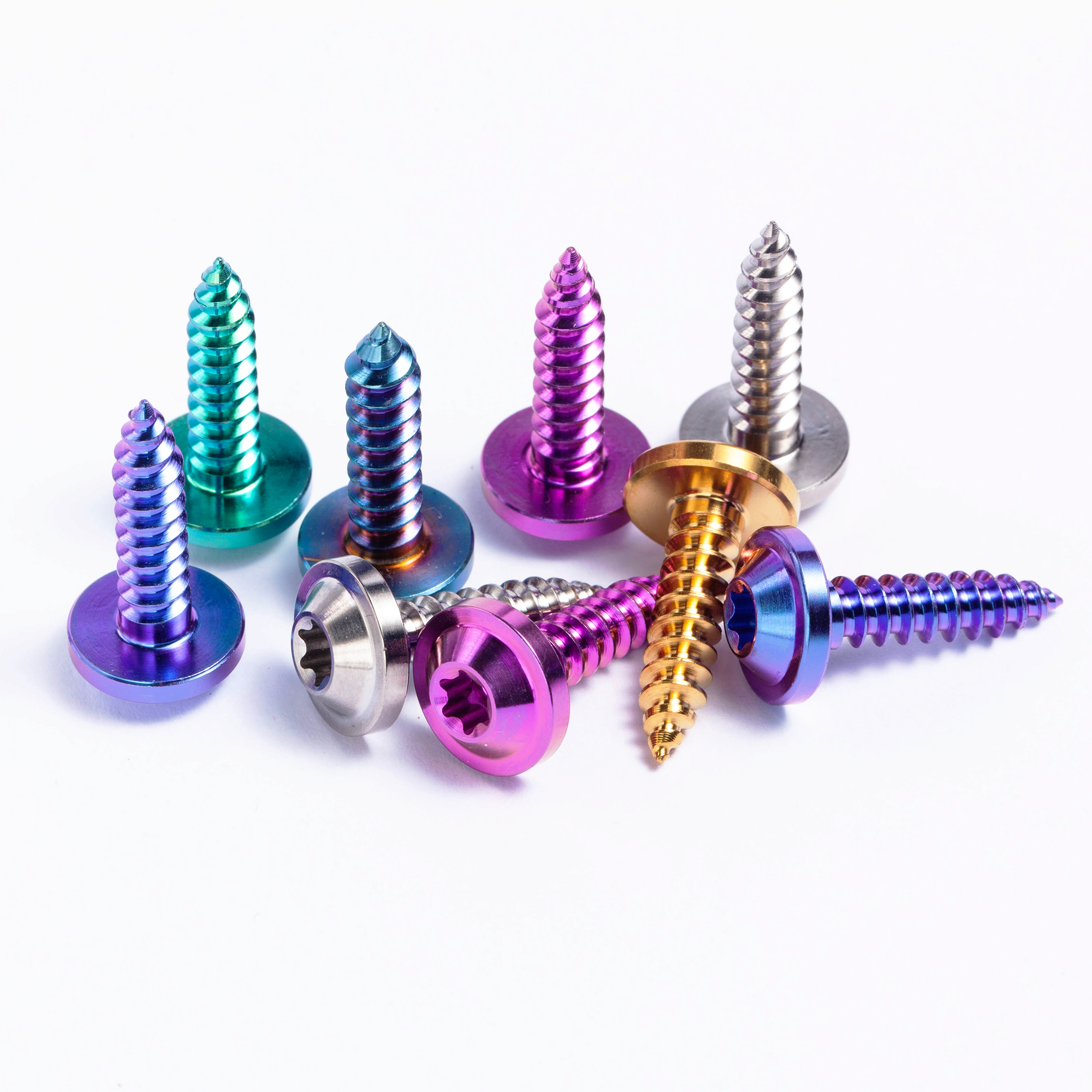
3. Cannulated Screws & Self-Tapping Flutes: Built with central guide-wire axial bores (concentricity within ±0.008 mm) for minimally invasive percutaneous fluoroscopic insertion. Reverse cutting flutes at the screw apex facilitate chips collection without thermal necrosis, enabling direct engagement without prior pre-tapping steps.
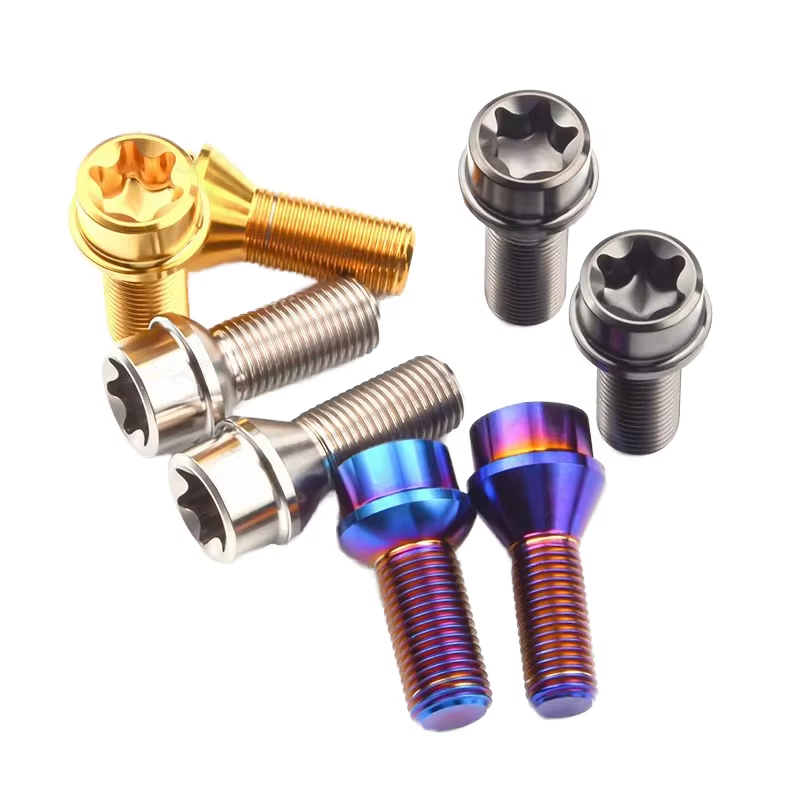
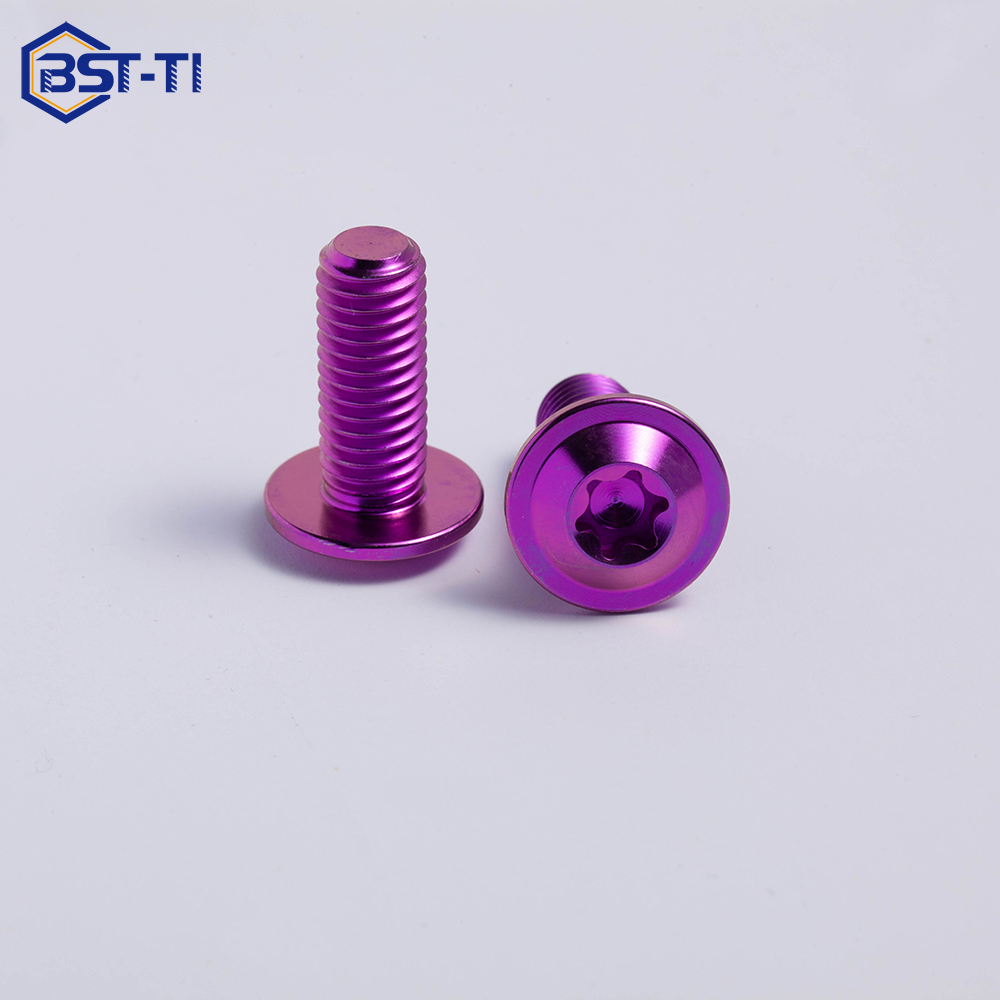
4. Star-Drive (Torx / Hexalobular) Recess: Precision-broached to prevent intraoperative stripped heads ("cam-out"). Torx drive designs distribute torque evenly across six radial lobes, allowing surgeons to reach ultimate locking plate torque thresholds safely.
Localized Clinical Application Scenarios in Can Tho's Healthcare Network
Cần Thơ serves as the socio-economic and clinical epicentre of Vietnam's Mekong Delta region (Đồng Bằng Sông Cửu Long), providing tertiary-level trauma, orthopedics, and surgical referrals for over 17 million residents across 13 provinces. The demand for reliable, biocompatible, and structurally sound titanium bone screws is shaped by distinctive local clinical and environmental realities.
Trauma & Traffic Reconstruction
At regional centers like Can Tho Central General Hospital (Bệnh viện Đa khoa Trung ương Cần Thơ), high-energy motorbike collisions on national routes (QL1A, QL91) result in complex comminuted limb fractures. Titanium locking screws and reconstruction plates are vital to achieving anatomical reduction without secondary displacement.
Aquatic & Agricultural Occupational Trauma
Mekong Delta farmers and fishery workers experience open fractures exposed to muddy, brackish river environments. Stainless steel implants carry heightened risks of micro-crevice corrosion and bio-film bacterial adherence. Grade 5 titanium's non-reactive dielectric oxide passive film minimizes infectious osteolytic complications.
Maxillofacial & Dental Surgery
Clinics across Ninh Kiều and Cái Răng districts are scaling up cosmetic maxillofacial adjustments and dental restorations. Micro titanium bone screws (1.5mm / 2.0mm) facilitate stable mandibular osteotomies and rigid bone graft membrane retention without palpable soft-tissue irritation.
Furthermore, leading teaching institutions such as the Can Tho University of Medicine and Pharmacy Hospital (Bệnh viện Trường Đại học Y Dược Cần Thơ) are advancing Minimally Invasive Plate Osteosynthesis (MIPO) protocols. MIPO requires cannulated, self-drilling titanium screws that can be introduced through small subcutaneous incisions under intraoperative C-arm guidance. This minimizes periosteal blood supply stripping and supports accelerated fracture healing in tropical hospital environments.
Emerging Healthcare Development Trends Across Can Tho (2025–2030)
The medical landscape in southwest Vietnam is undergoing a deliberate structural transformation driven by national healthcare policies and private sector capital investment:
1. Regional Decentralization of Trauma Care: Under the guidance of Vietnam's Ministry of Health (Bộ Y tế), Cần Thơ is mandated to expand its specialized surgical capacity to alleviate patient load on tertiary facilities in Ho Chi Minh City (such as Chợ Rẫy and the Hospital for Traumatology and Orthopaedics). Local hospitals are procuring dedicated orthopedic fracture kits, creating sustained demand for direct-from-factory titanium bone screw assortments with stable, traceable supply lines.
2. Shift from Stainless Steel to Biocompatible Titanium: Historical institutional procurement in public tender processes favored 316LVM stainless steel due to initial acquisition cost. However, high rates of cold welding between screw heads and plates, galvanic tissue staining (metallosis), and patient requests for single-stage surgery (avoiding secondary removal operations) have driven surgeons across Cần Thơ to systematically prioritize titanium alloys.
3. Stringent Regulatory Harmonization (Decree 98/2021/NĐ-CP): Medical device distributors in Vietnam face rigorous compliance standards governing Class C and Class D invasive implantable devices. Foreign manufacturing partners must supply clean Mill Test Certificates (MTC), verifiable chemical analysis reports (spectroscopy), biocompatibility validation (ISO 10993 cytotoxicity, sensitization, systemic toxicity data), and ISO 13485:2016-aligned cleanroom quality guarantees.
Why Leading Medical Importers Partner with Our Titanium Manufacturing Facility
Established in 2018 in Zhejiang, China, Jiaxing Wexra Titanium Products Co., Ltd. (BSTTI) operates a dedicated manufacturing and testing facility focused exclusively on titanium and titanium alloys. By pairing high-volume fastener production with micro-precision CNC engineering, we offer medical device brand owners, orthopedic OEMs, and regional distributors in Vietnam a dependable manufacturing backbone.
Our facility maintains an ISO 9001:2015 certified quality management framework, complemented by full compliance with RoHS and REACH environmental directives. Every shipment bound for Cần Thơ or Tan Son Nhat International Hub includes complete heat-traceable Mill Test Certificates detailing exact chemical element proportions (Al, V, Fe, O, C, N, H) to protect clinical supply chains against sub-standard sponge titanium contamination.
Can Tho Medical Procurement FAQ: Technical & Commercial Answers
Direct, technically rigorous answers for hospital purchasing boards, medical distributors, and biomedical engineers sourcing titanium bone screws in the Cần Thơ market.
What is the key difference between Ti-6Al-4V ELI and standard Grade 5 for bone screws?
Standard Grade 5 (Ti-6Al-4V) allows oxygen content up to 0.20%, which can decrease fracture toughness under repeated intraoperative torsional loads. Grade 23 (ASTM F136 ELI) lowers oxygen to ≤0.13% and reduces interstitial elements (iron, carbon, nitrogen). This yields superior resistance to fatigue micro-cracking and higher plastic deformation limits, preventing head shearing during high-torque bone plate locking.
Can bone screws be supplied pre-sterilized, or are they shipped clean for local autoclave?
We provide clean bulk OEM packaging and validated medical cleanroom double-blister packaging. Most distributors in Vietnam receive ultrasonically passivated, non-sterile components packed in dust-free antistatic bags for terminal sterilization (Steam Autoclaving at 134°C or Ethylene Oxide EtO) at local surgical sterilization departments prior to clinical use.
What logistics routes are used to supply distributors in Can Tho?
Shipments typically route via express air freight directly into Tan Son Nhat International Airport (SGN) in Ho Chi Minh City, with customs clearance typically completed within 24–48 hours. Goods are then transferred via temperature-controlled highway logistics along the Trung Lương – Mỹ Thuận – Cần Thơ Expressway, arriving directly at your facility in Ninh Kiều, Bình Thủy, or Cái Răng in approximately 2.5 hours.
Do your color anodized screws maintain thread tolerances and biocompatibility?
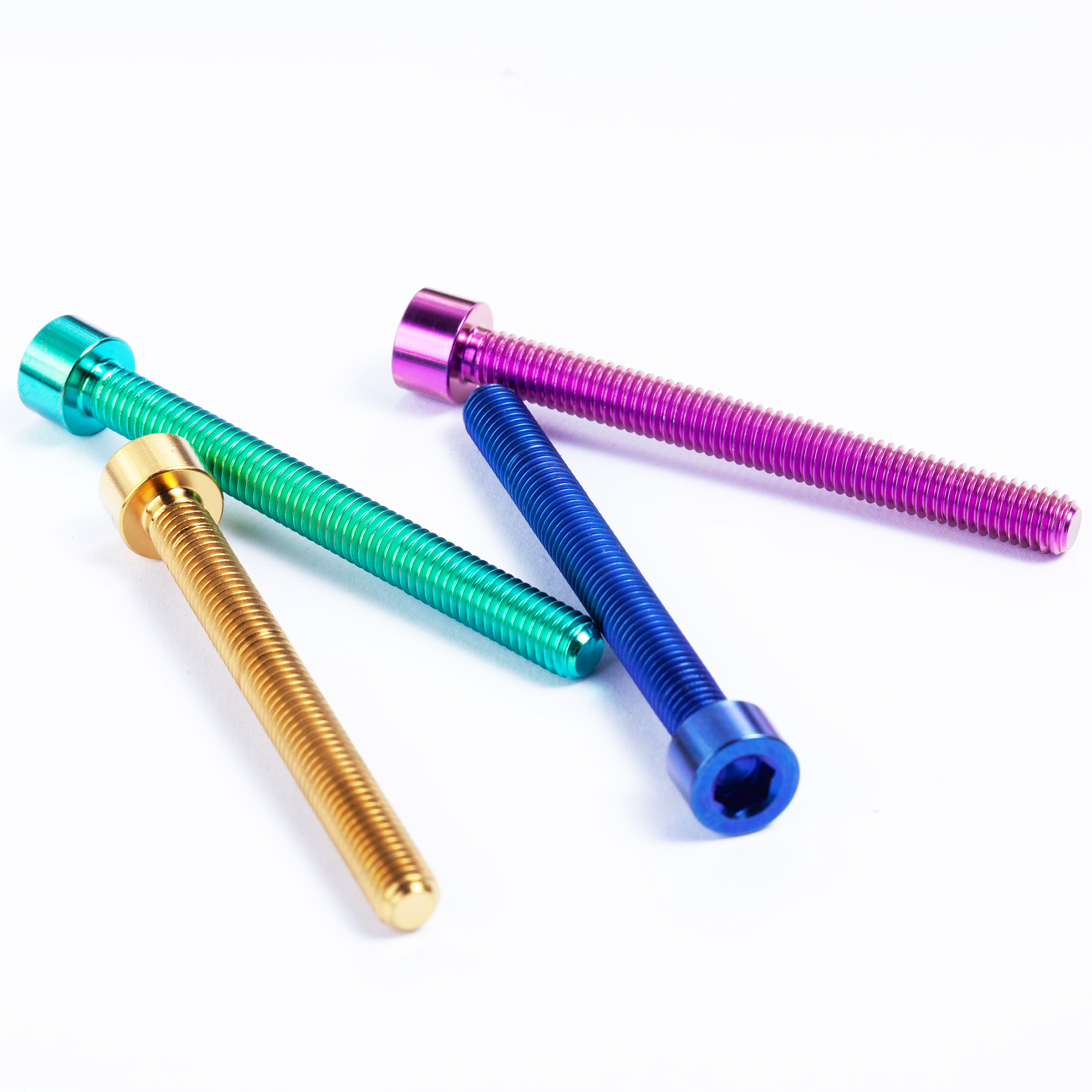
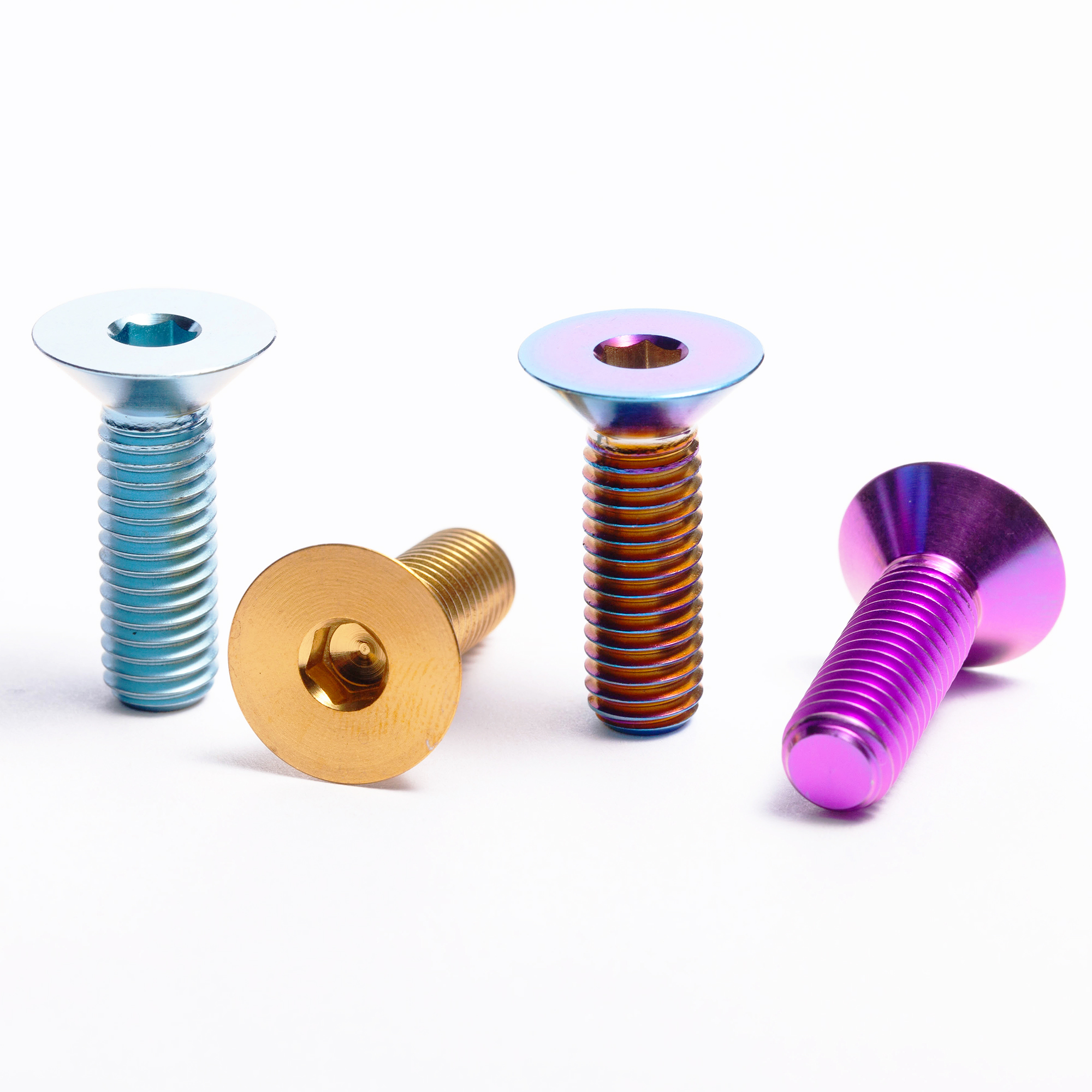
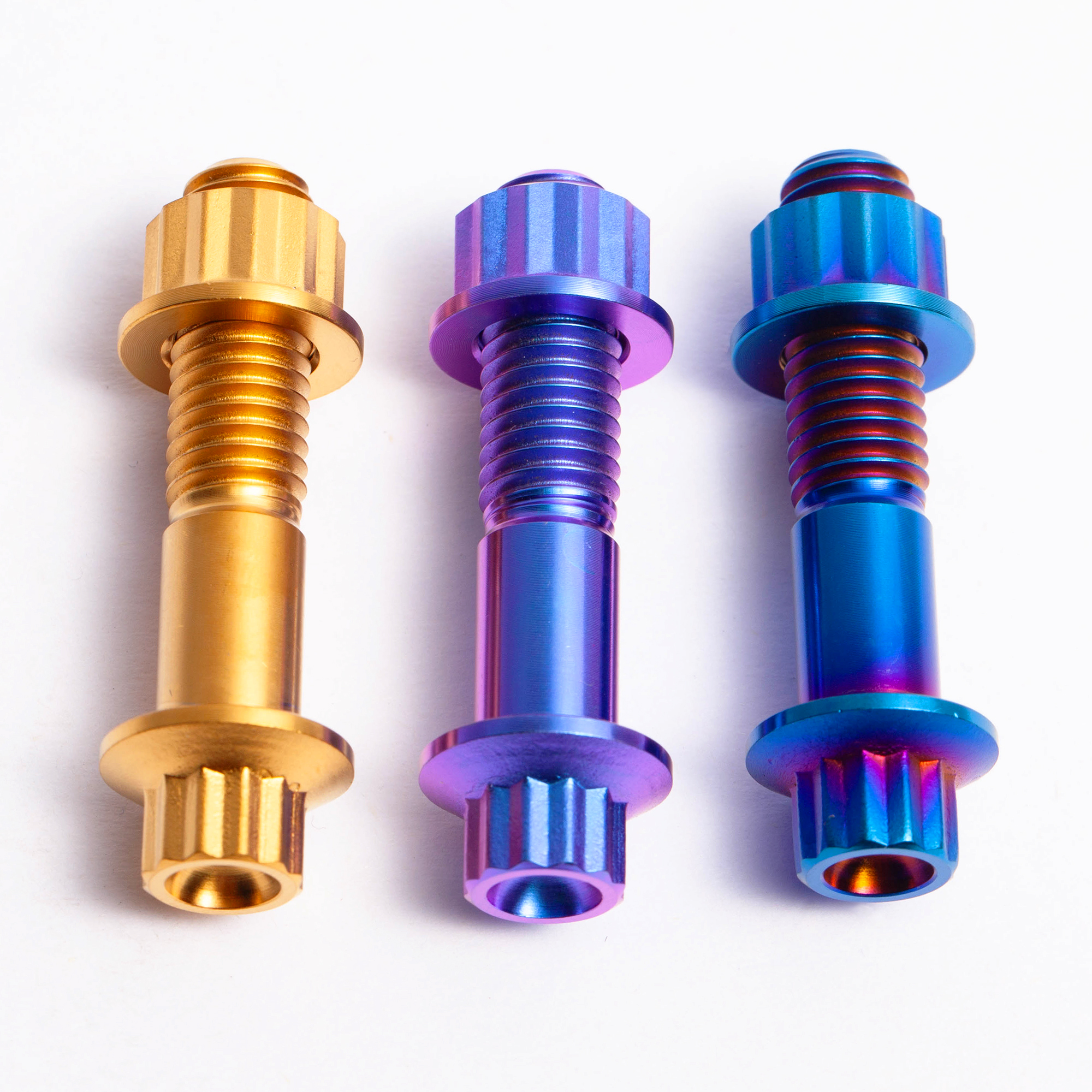
Yes. Titanium anodization is an electrochemical passivation process that grows a microscopic titanium dioxide (TiO2) layer without adding dye pigments or paint. The colors are created by light refraction interference through the controlled oxide thickness (40 nm to 120 nm). The dimensional impact on thread profiles is negligible (<0.001 mm), preserving thread fit and biological inertness.
Can you manufacture custom bone screw geometries from 2D or 3D files?
Yes. Our engineering department works with SolidWorks, STEP, IGES, and DWG formats. Whether your team requires custom low-profile screw heads, specialized variable pitch compression threads (Herbert screw style), or micro-cannulated geometries, we deliver initial prototype samples within 12 to 15 business days for functional validation.
What documentation is provided to support Vietnamese Ministry of Health registration?
We provide comprehensive supplier qualification documentation packages, including ISO 9001:2015 certification, Mill Test Certificates (EN 10204 3.1), dimensional CMM inspection sheets, surface roughness (Ra) verification, and Certificate of Origin (CO Form E) to optimize local import tariffs under the ACFTA framework.
Connect Directly with Our Titanium Medical Engineering Team
Whether you are developing specialized orthopedic trauma kits, expanding your private-label surgical brand, or seeking a certified OEM supplier for hospitals across Cần Thơ and the Mekong Delta, our technical specialists are ready to review your CAD files and production tolerances.
Get a Quote