Engineered Grade 5 & Grade 9 Titanium Caliper & Kinematic Components
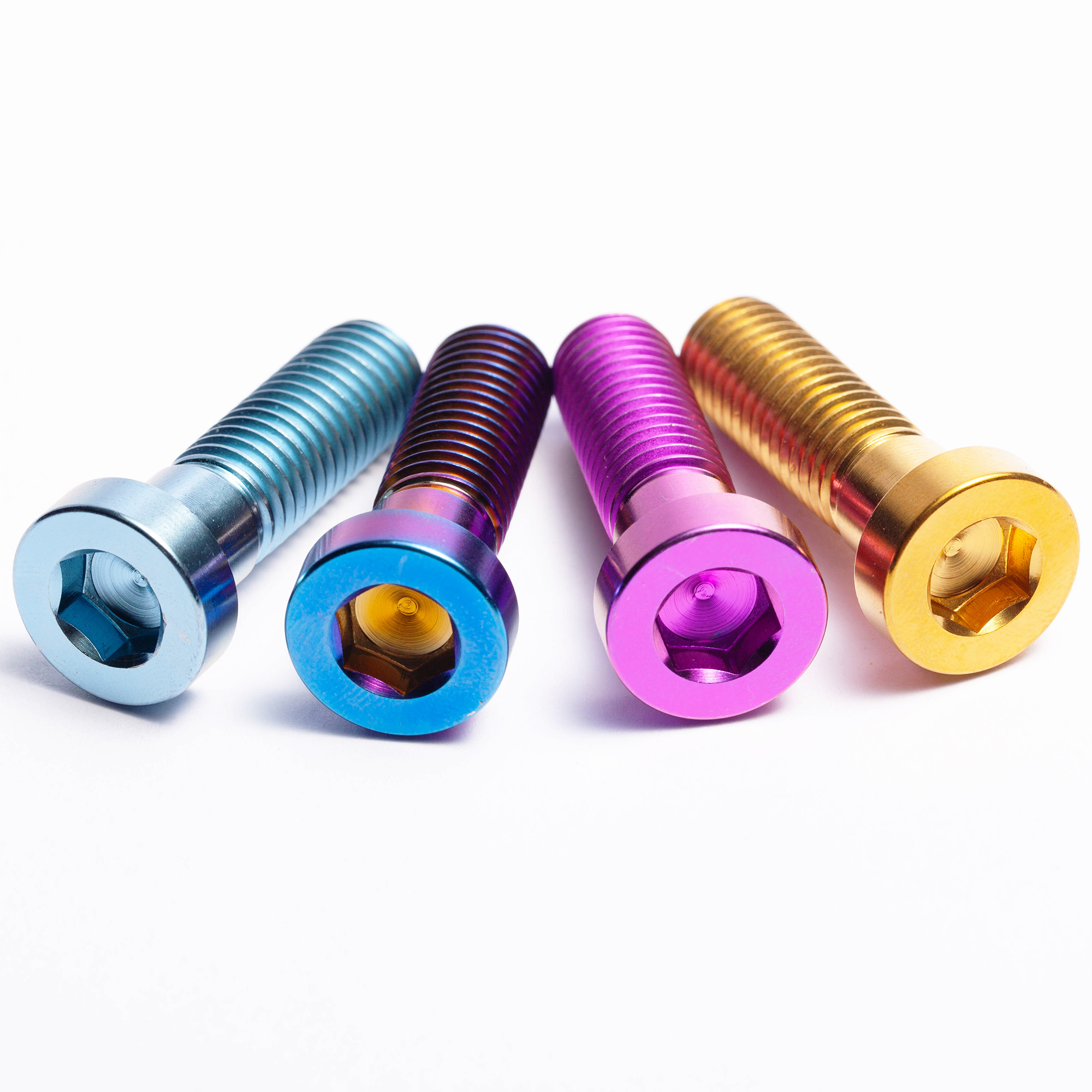
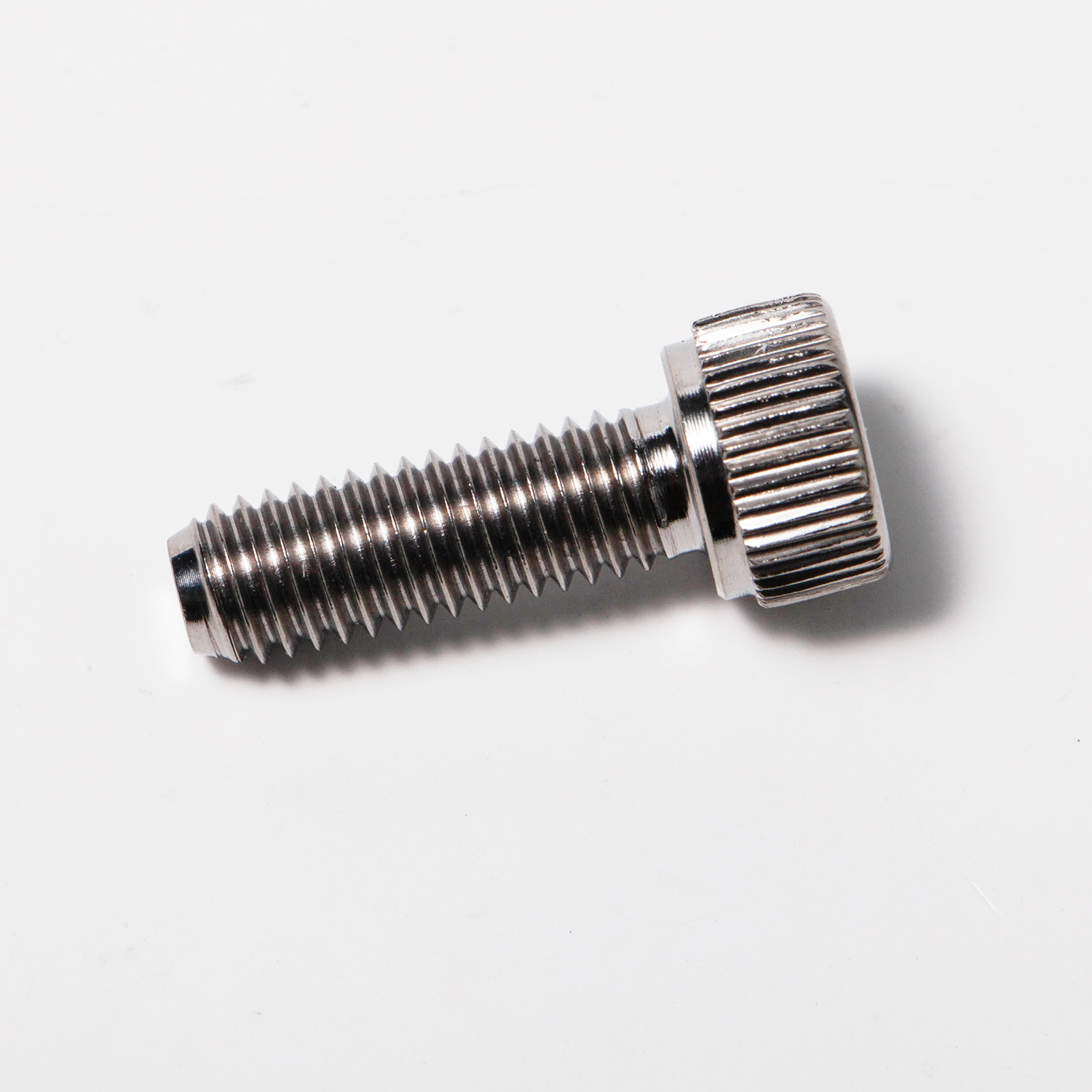
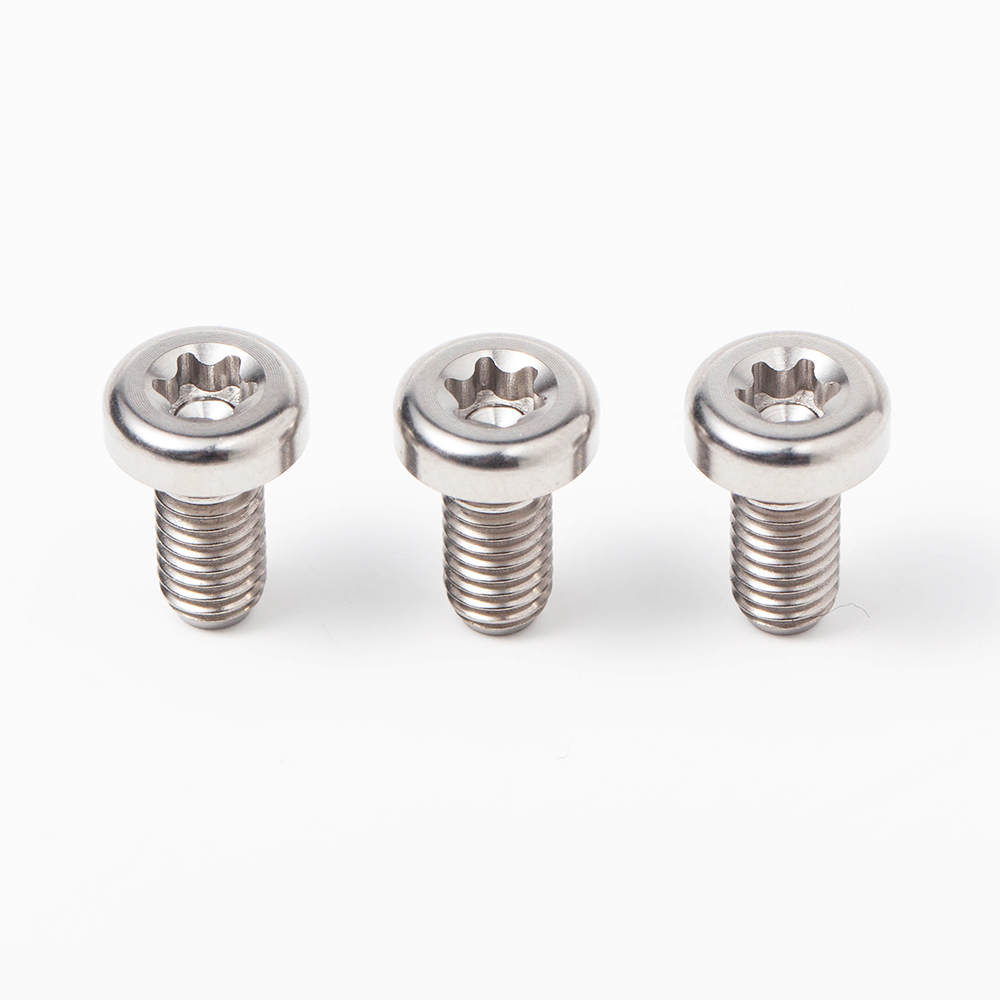
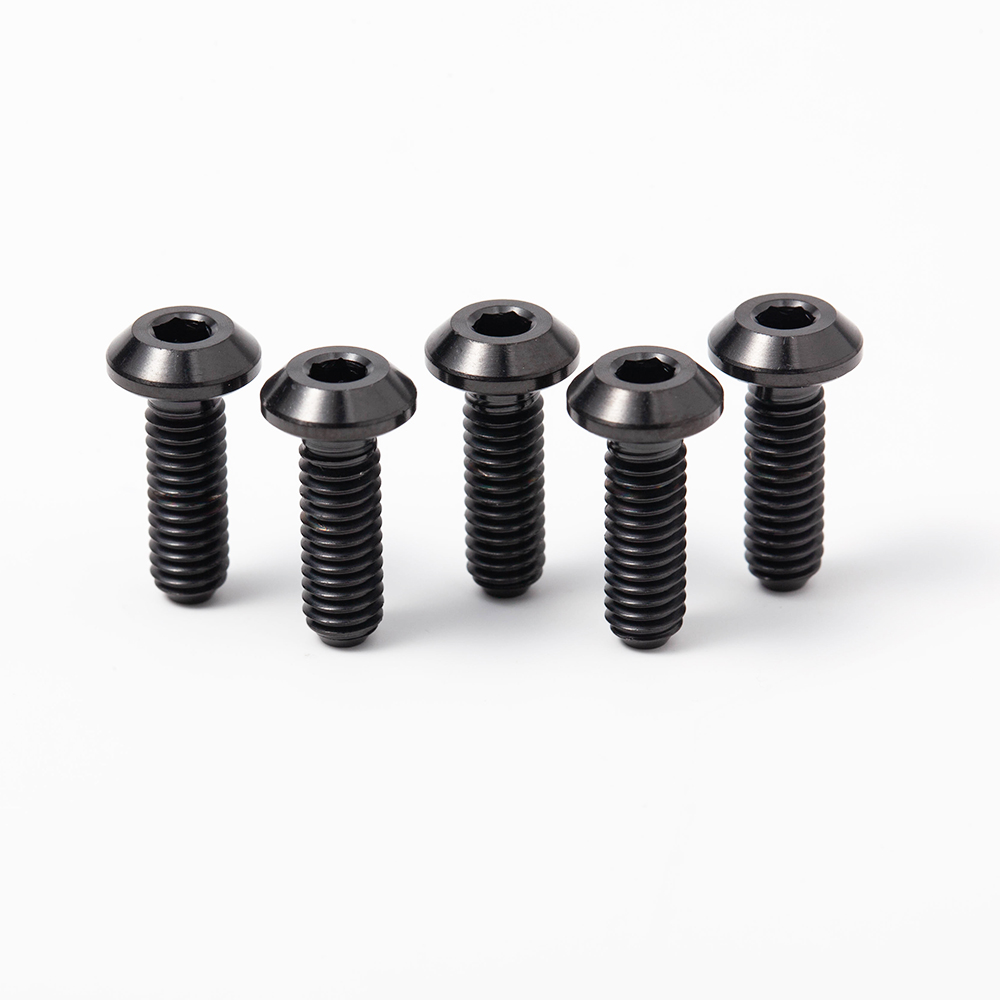
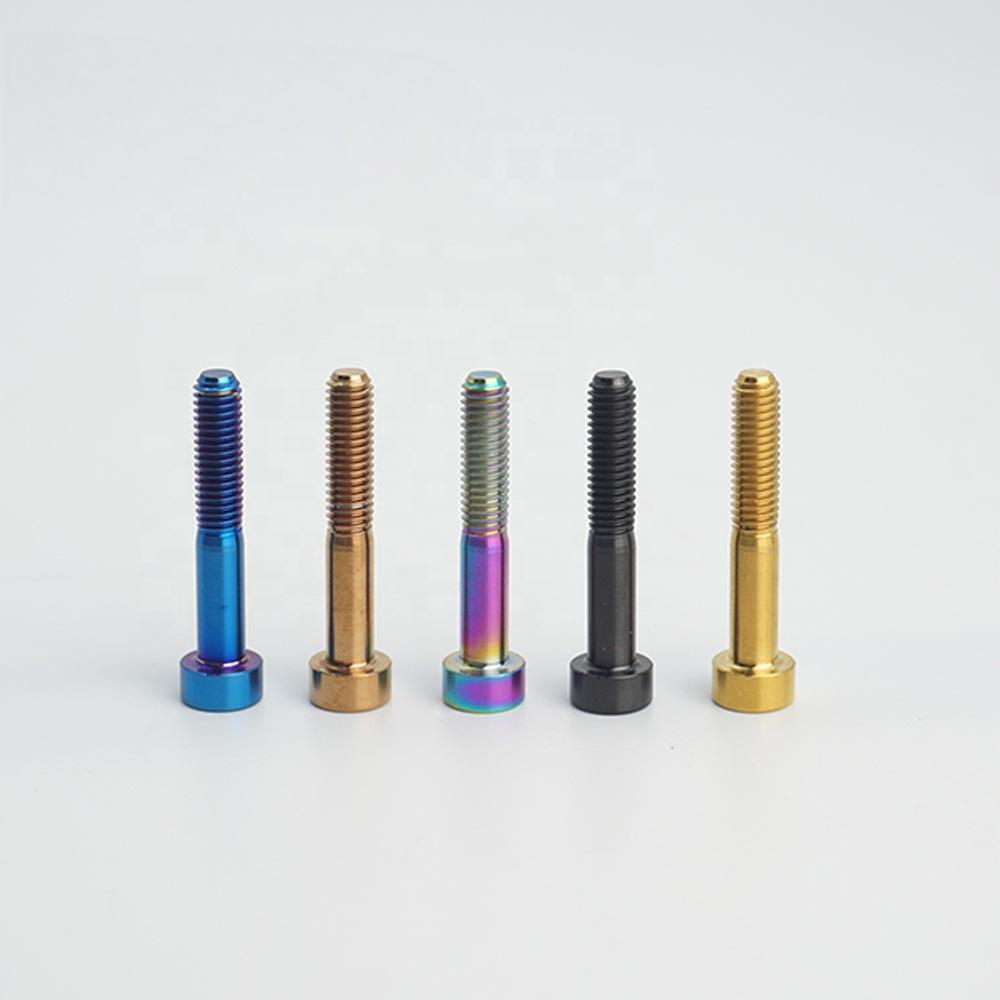
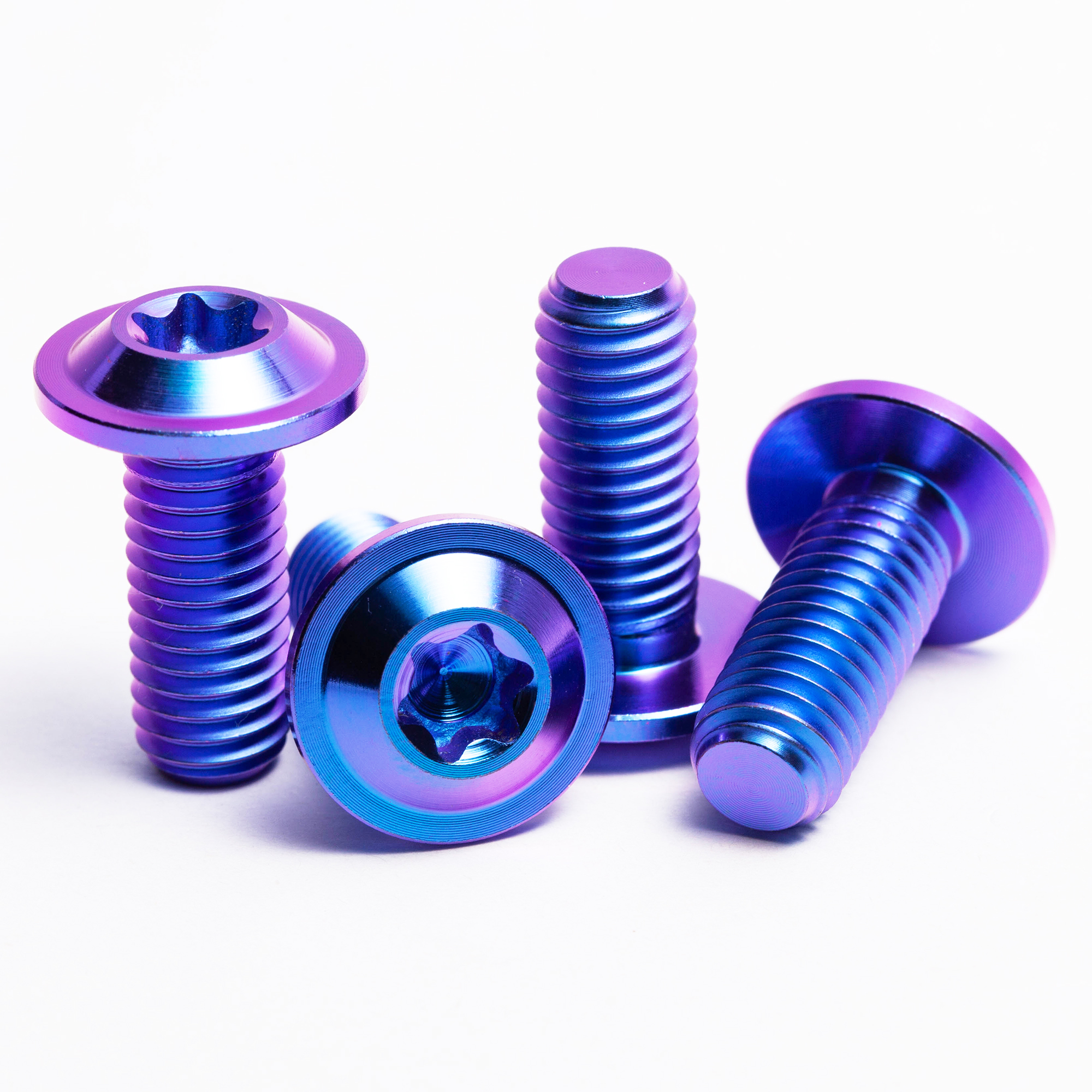
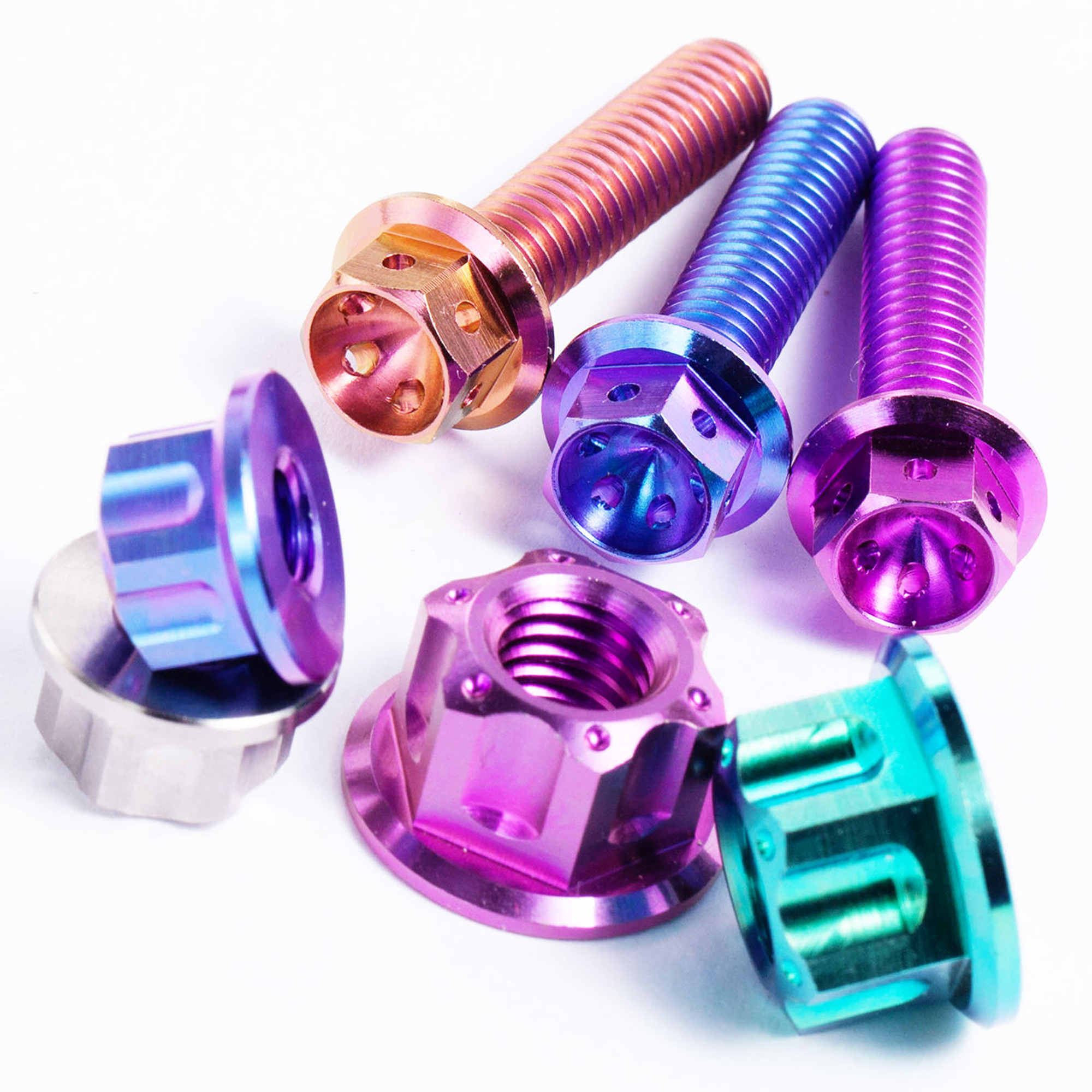
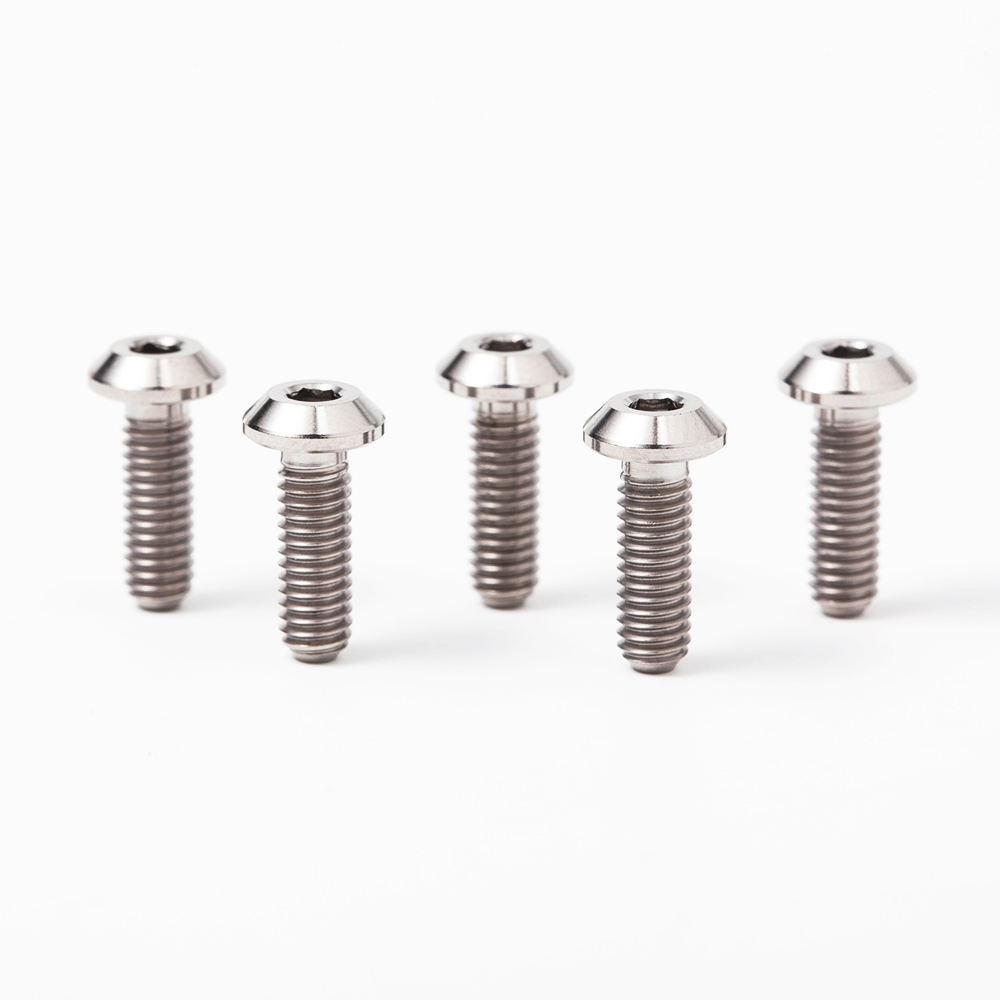
Complementing titanium brake piston systems: CNC machined structural fasteners, rotor hardware, and mounting anchors tested for zero thermal galling and uncompromised shear strength.
The Engineering Shift: Why Detroit OEMs and Caliper Foundries Are Replacing Stainless Steel and Aluminum with Titanium Pistons
In Metro Detroit's automotive and motorsport testing hubs—from Warren's GM Technical Center to Auburn Hills and Dearborn—braking system architects have continually fought hydraulic fluid boiling. Traditional aluminum brake pistons exhibit elevated thermal conductivity (~160–200 W/m·K), acting as immediate heat conduits between the friction pad backing plate and DOT 4/5.1 brake fluids. When brake fluid boils, kinetic pedal compressibility spikes, resulting in catastrophic brake fade.
While 304 or 400-series stainless steel pistons provide lowered thermal transmission (~16 W/m·K), their heavy unsprung mass counteracts suspension response. This is precisely why Tier-1 braking system providers across southeastern Michigan specify Wexra's precision-turned Ti-6Al-4V (Grade 5) brake pistons. Delivering an ultra-low thermal conductivity of just 6.7 W/m·K, Grade 5 titanium creates an innate physical thermal barrier that keeps fluid reservoir temps well within design boundaries during repetitive 160-to-0 mph deceleration cycles.
- Unsprung Mass Reduction: Titanium (4.43 g/cm³) provides an approximate 44% mass reduction compared to stainless steel (7.9 g/cm³), directly diminishing wheel-assembly kinetic inertia across curb strikes and rough track curbstones.
- Elimination of Thermal Bore Seizure: The coefficient of thermal expansion (CTE) of Ti-6Al-4V is roughly 8.6 × 10⁻⁶/K, preventing the excessive diametrical expansion that causes conventional billet aluminum pistons to stick inside forged monobloc calipers at 600°C friction face thresholds.
- Integrated Castellated Fluid Heat Vents: Wexra's custom multi-axis turning lines enable crown castellated venting. These perimeter notches break conductive contact surfaces between the pad backing plate and piston face, inducing boundary-layer air circulation.
Empirical Thermal & Mechanical Benchmarks for Caliper Designers
Material properties verified under ASTM B348 and ISO 9001:2015 production quality gates.
| Material Specification | Thermal Conductivity (W/m·K) | Density (g/cm³) | Yield Strength (MPa) | Thermal Expansion (µm/m·K) | Brake Fluid Safety Margin |
|---|---|---|---|---|---|
| Grade 5 Titanium (Ti-6Al-4V Annealed) | 6.7 | 4.43 | 880 – 950 | 8.6 | Optimal / Zero Vapor Lock |
| Grade 2 Commercially Pure Titanium | 16.4 | 4.51 | 275 – 350 | 8.9 | High Anti-Corrosive Barrier |
| Stainless Steel (AISI 304 / 316) | 16.2 | 7.95 | 290 – 310 | 17.3 | Sub-optimal (Excess Mass) |
| Billet Aerospace Aluminum (6061-T6 / 7075) | 167.0 | 2.70 | 276 – 503 | 23.2 | Critical Vapor Lock Risk |
Detroit Regional Use Cases & Thermal Demands
From dynamometer cells in Troy and Warren to the Waterford Hills Road Racing circuits and endurance testing at Michigan International Speedway.
Trans-Am & IMSA Track Rigs
Detroit racing engineers face extreme heat build-up where cast iron or carbon-ceramic rotors reach temperatures above 750°C. Wexra Grade 5 ventilated pistons act as thermal isolators, preserving caliper seal integrity and eliminating pedal travel softening over 12-hour endurance stints.
Heavyweight Electric Vehicle Platforms
EV architectures engineered by southeastern Michigan automakers exhibit heavy curb weights (5,000–7,000 lbs). The friction brakes handle acute emergency stop duties where brake pad contact heats up instantly. Titanium pistons stop thermal shock waves from damaging sensitive hydraulic regenerative integration units.
Midwest Winter Road Salt Resistance
Harsh Michigan road de-icing salts chemically erode chrome-plated steel pistons, resulting in surface pitting that shreds square-cut EPDM fluid seals and binds calipers. Wexra's self-passivating titanium oxide surface makes pistons completely immune to pitting, road brine, and corrosion.
Detroit Sourcing Dynamics: The Shift Toward Dual-Sourced Precision Manufacturing & Global Engineering Support
Automotive supply chain managers throughout Oakland, Wayne, and Macomb counties are navigating a fundamental transition in braking system development. Traditional domestic tier-level machining vendors are constrained by high machine-hour backlogs, making low-to-mid volume high-precision runs cost-prohibitive. As a consequence, forward-thinking American powertrain, brake engineering, and custom caliper manufacturing companies rely on specialized ISO 9001:2015 partners like Wexra.
Wexra bridges this gap by offering precision turning down to ±0.005 mm diametral runout, dedicated mirror-burnished cylindrical surfaces (Ra < 0.2 µm) to prevent micro-abrasion of internal caliper quad-rings, and comprehensive raw material tracing via ASTM standard Mill Test Certificates (MTC). By holding inventory reserves and providing agile prototype-to-volume delivery schedules, Wexra supports Detroit-area technical centers from early proof-of-concept dynamometer testing directly through to assembly-line deliveries.
Enterprise Capabilities & Rigorous Quality Assurance
Trusted by industrial, motorsport, and bicycle tier manufacturers across the United States, Germany, the UK, and Canada.
ISO 9001:2015 Standardized Control
Every titanium component batch is tracked through documented chemical composition analysis, ultrasonic void checks, dimensional CMM verifications, and complete RoHS and REACH compliance.
Advanced CNC & Superfinishing
Multi-axis turning centers paired with cylindrical OD micro-grinding deliver flawless piston skirts. This minimizes sliding friction against caliper seals, preventing piston stick-slip and premature seal wear.
Bespoke OEM / ODM Prototyping
Direct engineering review from your 2D prints, 3D STEP files, or physical production samples. We advise on wall-thickness optimization, mass relief recesses, and castellated crown ventilation patterns before production cuts begin.
Frequently Asked Questions by Detroit Engineering & Sourcing Teams
Direct, engineering-backed answers addressing tolerances, coatings, galvanic reactions, and lead times.
How does titanium interact galvanically with aluminum caliper bodies?
In the presence of an electrolyte (such as winter road brine), differing noble potentials between titanium (passive) and aluminum can theoretically induce galvanic acceleration if left untreated. However, high-performance calipers run hard-anodized bores (MIL-A-8625 Type III), which serve as a continuous dielectric non-conductive barrier. Additionally, brake fluid is non-aqueous and non-conductive. For external exposed environments, Wexra provides physical vapor deposition (PVD) DLC (Diamond-Like Carbon) coatings or precise anodization to ensure complete electrical and electrochemical isolation.
Why choose Ti-6Al-4V Grade 5 over commercially pure Grade 2 for brake pistons?
Grade 2 titanium is ductile and suitable for lower-load chemical fittings. In contrast, Grade 5 (Ti-6Al-4V) is an alpha-beta alloy with a minimum tensile yield of 880 MPa. Caliper pistons endure massive clamping pressures exceeding 100 bar (1,450 psi) across severe pedal compression. Grade 5 resists micro-flexing under high hydraulic pressure, preventing piston skirt deflection and uneven tapered brake pad wear.
What surface roughness (Ra) tolerances do you maintain for fluid seal faces?
Caliper square-cut seals require precise surface finishes: if the surface is too smooth, fluid lubrication cannot form; if too rough, it abrades the seal upon actuation. Wexra CNC precision turns and micro-finishes piston outer diameters to Ra 0.2–0.4 µm, ensuring optimal fluid retention, seal roll-back, and consistent brake pad retraction.
Can you manufacture castellated vents directly onto the piston crown?
Yes. Our multi-axis CNC milling centers profile precision castellated cutaways, radial ventilation cross-holes, and mass-reduction internal cavities directly from your drawings. This design minimizes the contact footprint against the brake pad shim while allowing thermal radiation to dissipate away from the caliper bridge.
What quality verification documents accompany our North American shipments?
Every shipment is accompanied by complete documentation: EN 10204 3.1 Material Test Certificates (MTC) stating verified chemical composition and tensile mechanical properties, complete coordinate measuring machine (CMM) dimensional inspection reports, and RoHS/REACH material safety compliance sheets.
What is the typical prototype-to-production turnaround time for custom runs?
DFM feedback on CAD drawings is returned within 8 hours. Prototype batches (typically 4 to 24 units) are machined and dispatched via expedited air freight within 10 to 14 working days, allowing your development team to meet tight dynamometer and testing schedules without delay.
Accelerate Your High-Performance Braking Program
Consult with Wexra Titanium's machining engineers today. Whether you require custom castellated piston prototypes or volume contract production for advanced automotive applications, we deliver certified precision.
Get a Quote