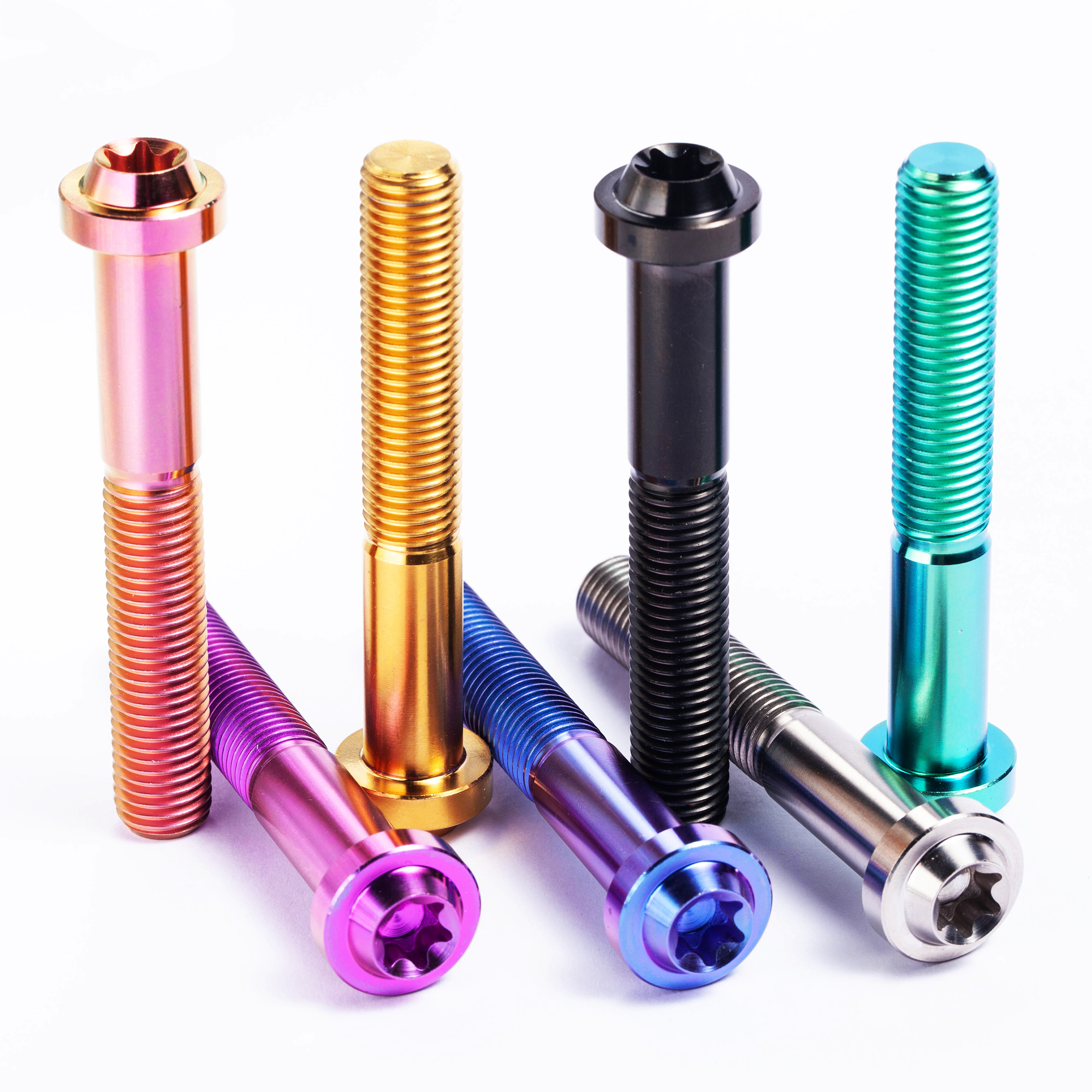
Engine & Head Fasteners
Manufactured from aerospace-certified titanium bar stock via multi-axis CNC turning and hot forging. Engineered specifically for high reciprocating speeds, minimal mass, and extreme resilience against corrosive thermal loads across Canadian motorsport, marine, and power systems.
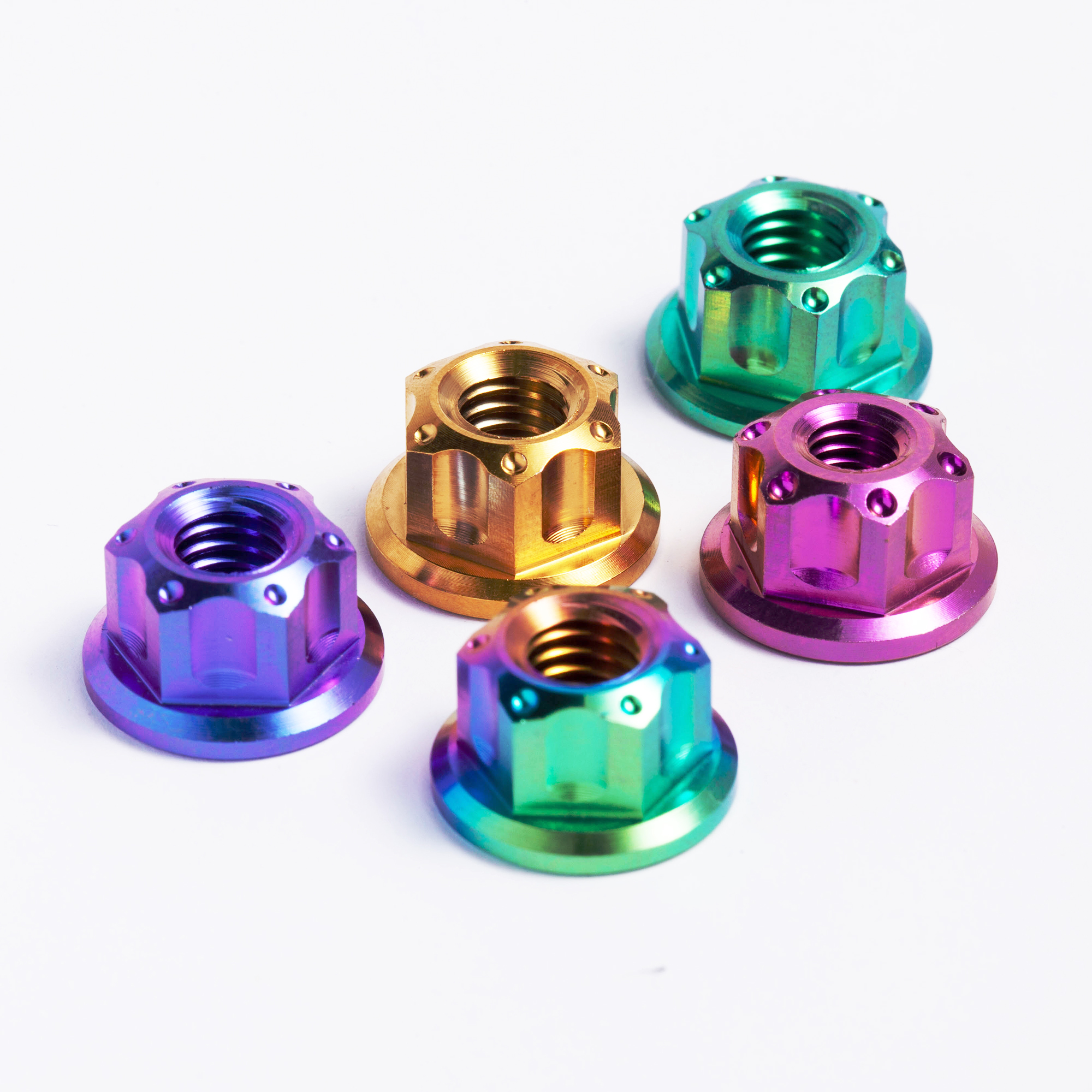
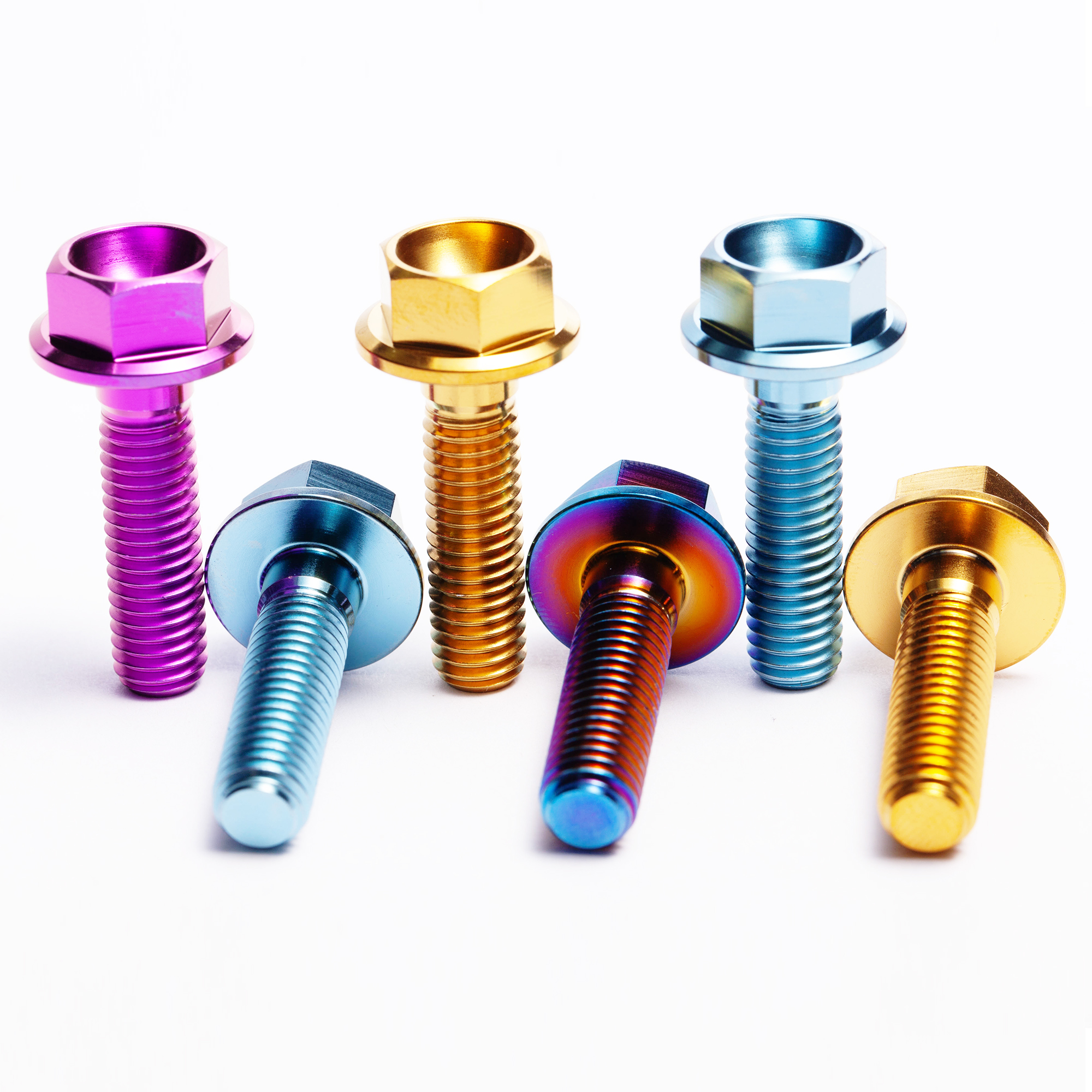
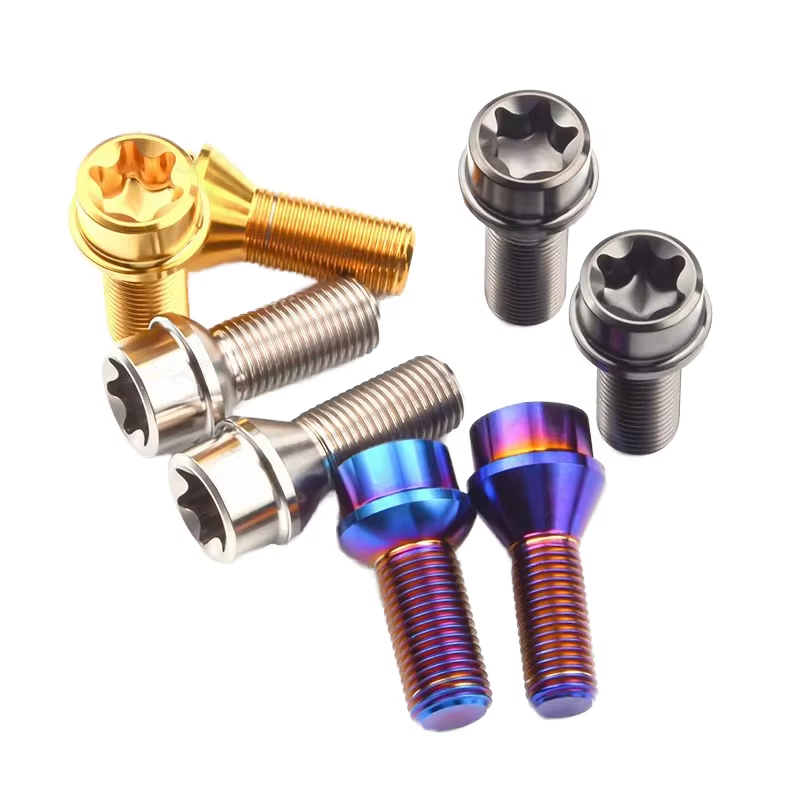
Modern internal combustion architecture demands higher engine speeds, elevated boost pressures, and reduced valvetrain inertia. Replacing conventional austenitic/martensitic steel valves with aerospace-grade Ti-6Al-4V and specialized Intermetallic Titanium Aluminide (TiAl) yields dramatic gains in volumetric efficiency, throttle response, and harmonic stability.
Valvetrain inertia is the single largest constraint on safe engine redlines. A titanium valve reduces reciprocating valvetrain mass by 40% to 45% compared to 21-4N stainless steel. This dynamic weight reduction eliminates valve float at high RPM, enables the use of lower-rate valve springs (reducing parasitic camshaft friction), and prevents seat bounce that can crack cylinder heads under high boost pressures.
While titanium boasts phenomenal strength-to-weight properties, unprotected titanium stems are susceptible to micro-galling against bronze, cast iron, or sintered valve guides. Wexra applies high-density Chromium Nitride (CrN), Diamond-Like Carbon (DLC), or Physical Vapor Deposition (PVD) micro-coatings. These surface treatments yield a surface hardness exceeding 2,500 HV and an ultra-low friction coefficient (μ < 0.1), preventing stem wear and scuffing.
The valve stem tip endures continuous high-frequency impacts from rocker arms or bucket tappets. To prevent premature stem deformation and tip mushrooming, our performance titanium engine valves integrate a precision inertia friction-welded hardened martensitic steel or Stellite™ cap. Combined with induction-hardened valve faces, our valves deliver factory-like endurance in high-compression track and industrial scenarios.
| Material Specification | Density (g/cm³) | Tensile Strength (MPa) | Max Continuous Temp (°C) | Reciprocating Mass Rating | Corrosion Resistance |
|---|---|---|---|---|---|
| Titanium Grade 5 (Ti-6Al-4V) - Wexra Standard | 4.43 | 950 – 1050 | 550°C (Intake / Marine) | Superior (-44%) | Immune to Ethanol / Sea Salt |
| Titanium-Aluminide (Gamma TiAl) | 3.90 | 650 – 850 | 850°C (Turbo Exhaust) | Ultralight (-50%) | Exceptional High-Temp Oxidation |
| Austenitic 21-4N Stainless Steel | 7.85 | 820 – 980 | 750°C | Baseline (0%) | Moderate (Prone to Pit Corrosion) |
| Inconel 751 (Nickel-Based Superalloy) | 8.25 | 1000 – 1200 | 870°C | Heavy (+5%) | High (Excessive Valve Float Mass) |
From the freezing sub-zero wilderness of Northern Ontario and Alberta to the competitive circuits of Quebec and coastal marine waterways of British Columbia, Canadian powertrain operators face unique mechanical and environmental challenges.
In Canadian winter operations where ambient temperatures plunge below -40°C, ordinary carbon and alloy steels suffer from severe ductile-to-brittle transition temperature (DBTT) shifts, leading to catastrophic stem cleavage during cold cranking. Grade 5 titanium retains excellent notch toughness, fracture energy, and structural ductility across sub-zero conditions, making it an exceptional choice for utility equipment, snowmobile racing, and arctic power generation.
Whether powering Superbike racers competing in the Canadian Superbike Championship (CSBK), snowcross performance builds, or NHRA-sanctioned drag racing in Mission Raceway Park, BC, engine builders rely on titanium valves to reliably exceed 13,000+ RPM. Lower valvetrain inertia allows for more aggressive cam profiles with rapid ramp angles, maximizing CFM air velocity without risking valvetrain separation or mechanical failure.
Marine engine applications in British Columbia and Atlantic Canada contend with salt-spray ingestion, stagnant moisture condensation, and corrosive exhaust vapors. While conventional steel valves face pitting corrosion across the valve margins and stems, titanium's naturally forming passive TiO2 (titanium dioxide) oxide barrier ensures complete immunity against chloride pitting, stress corrosion cracking, and sulfurous fuel condensation.
The Canadian mechanical engineering ecosystem is transforming under rigorous emissions targets, aggressive electrification transitions, and alternative fuel exploration. Valvetrain components must evolve alongside these industry shifts.
With Canada's federal push toward clean-combustion hydrogen and synthetic E-fuels, engines operate under significantly higher dry cylinder temperatures and zero-carbon fuel matrices. Hydrogen engines lack the natural lubricating carbon deposits of gasoline, which accelerates valve seat recession. Our specialized titanium alloys paired with diamond-hard coatings provide the friction protection and thermal dissipation demanded by dry-combustion hydrogen systems.
Heavy commercial transport and Canadian mining sectors are adopting hybrid powertrains that combine electric drive axles with high-output, compact range-extender internal combustion engines. These smaller displacement engines run continuously at elevated RPM sweet-spots, placing unprecedented cyclical fatigue on the valvetrain. Ultralight titanium valves allow engineers to downsize valvetrain enclosures without sacrificing operational longevity.
Canadian procurement directors are actively migrating away from multi-tier brokerage models in favor of direct relationships with certified titanium manufacturers. By partnering directly with ISO 9001 certified CNC manufacturing facilities that provide complete Raw Material Test Reports (MTRs) and verifiable 3.1 chemical composition certificates, Canadian procurement managers avoid intermediary markups while locking in traceable component quality.
Combining modern multi-axis CNC turn-mill machining, ISO 9001:2015 strict quality control, and specialized metallurgic finishing, Jiaxing Wexra Titanium Products Co., Ltd. delivers performance-critical valvetrain hardware engineered to client specifications.
Our machine centers operate high-precision Japanese and Swiss-type CNC tooling capable of achieving valve stem concentricity and dimensional tolerances down to ±0.005mm to ±0.01mm, ensuring drop-in compatibility with tight-tolerance beryllium copper and bronze valve guides.
We produce engine valves from your 2D CAD prints, 3D STEP files, or physical baseline samples. From custom head dishing (tulip vs. flat head designs), proprietary stem undercut reliefs, to personalized laser part serialization, our engineering team assists with DFM validation before mass production.
Every single production batch is traceable to vacuum-arc remelted (VAR) titanium ingots. We provide certified Mill Test Certificates (EN 10204 3.1), mechanical property confirmations (tensile, yield, elongation), and complete dimensional inspection reports to satisfy demanding quality audits.
Clear, direct technical answers regarding logistics, alloy suitability, coatings, and customs clearance for Canadian buyers.
Grade 5 (Ti-6Al-4V) titanium delivers optimum performance in engine temperatures up to 500°C - 550°C, making it suitable for all intake valve positions as well as naturally aspirated, moderate-duty exhaust positions. However, on high-boost turbocharged, supercharged, or nitrous-injected Canadian drag and road racing engines, continuous exhaust gas temperatures (EGTs) can exceed 800°C.
For these extreme thermal regimes, we engineer valves using specialized intermetallic Titanium Aluminide (Gamma TiAl) or recommend pairing our titanium intake valves with Inconel exhaust valves to deliver the optimum balance of weight savings and high-temperature oxidation safety.
Titanium valves must not run directly against raw cast-iron valve guides, as galling will occur rapidly. We recommend pairing our PVD/CrN coated titanium valves with Manganese Bronze, Aluminum Bronze, or Beryllium Copper valve guides.
For cylinder head valve seats, ductile iron, powdered metal, or copper-beryllium inserts are ideal. The enhanced thermal conductivity of copper-beryllium seats further aids in pulling heat out of the titanium valve head into the cylinder head cooling jackets.
We routinely dispatch high-priority sample batches and commercial wholesale runs to Canadian buyers across Ontario, Quebec, Alberta, and British Columbia via air express (DHL, FedEx, UPS) with transit times typically ranging from 3 to 7 business days. For volume manufacturing orders, sea freight to Port of Vancouver or Port of Montreal is fully supported.
We supply complete commercial documentation, including standard HS Code classifications (e.g., HS 8409.91 / 8409.99 for engine parts; HS 8108 for titanium articles), Certificate of Origin, and packing lists to ensure smooth CBSA (Canada Border Services Agency) customs release.
For standard catalog items and fastener lines, MOQs start as low as 50-100 units. For fully bespoke custom titanium engine valves manufactured directly from customer CAD drawings or samples, our typical prototype pilot run starts at 8 to 16 pieces (enabling testing in a full engine set).
Following prototype dynamometer sign-off and validation, scalable mass-production contracts range from small batches of 200 units up to recurring runs of tens of thousands of pieces for engine builders and distributors.
We address titanium's tribological characteristics through controlled surface engineering. Valve stems receive micro-finishing down to Ra 0.2 μm followed by advanced Physical Vapor Deposition (PVD) Chromium Nitride (CrN) or DLC coatings, imparting a glass-smooth, ultra-hard protective layer.
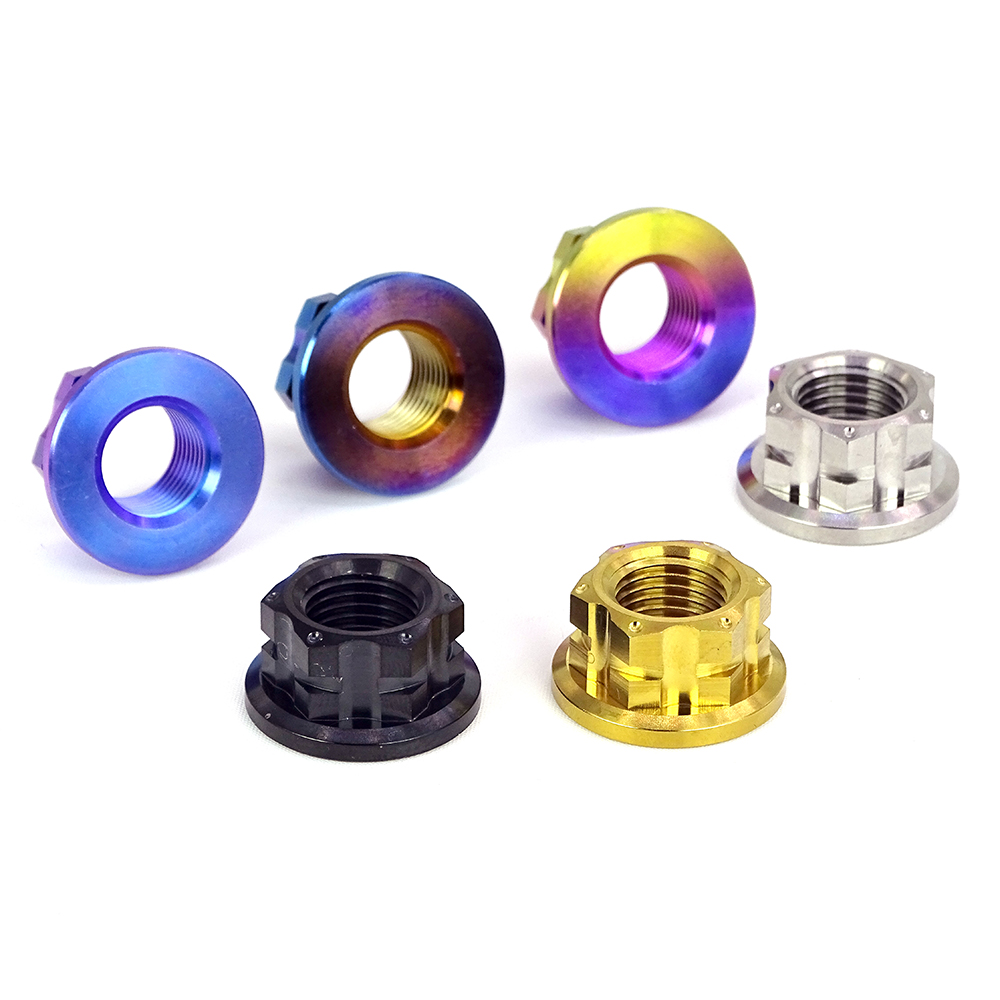
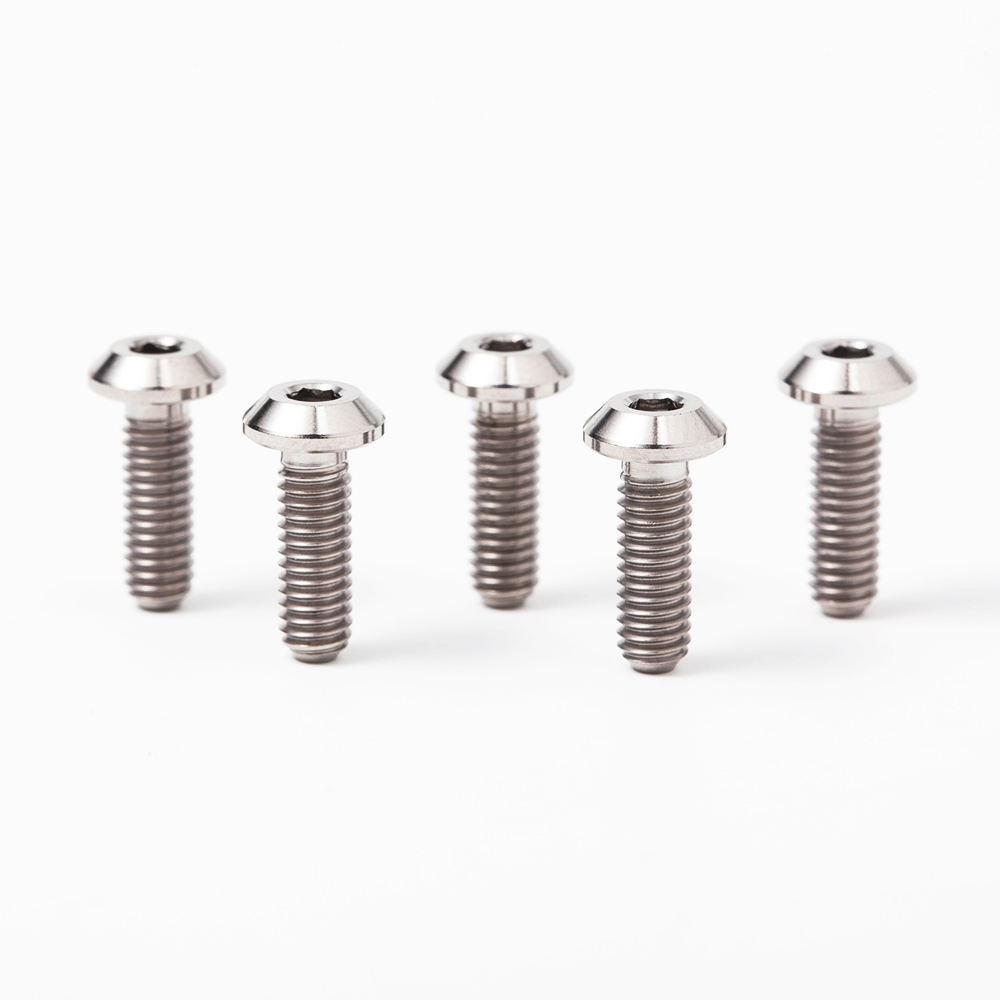
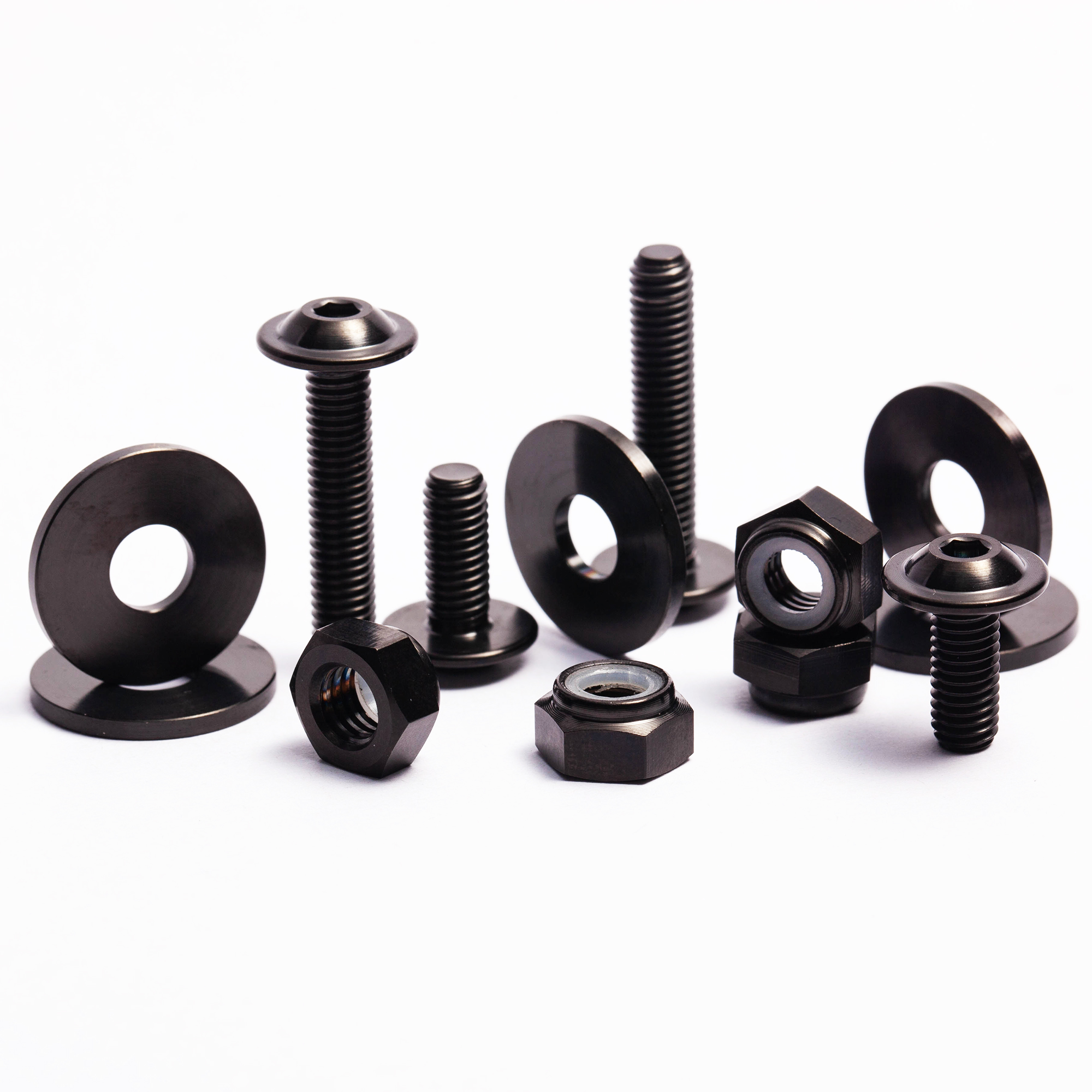
For mating engine hardware such as our Grade 5 flange bolts and locking nuts, precision thread rolling (as opposed to thread cutting) preserves continuous internal metal grain lines, yielding superior fatigue resistance. We also supply molybdenum or anti-seize paste specifications for threaded assemblies.
Submit your 2D/3D engineering drawings or part specifications. Our titanium engineering team will deliver a comprehensive DFM evaluation, material certification overview, and direct factory pricing within 8 hours.