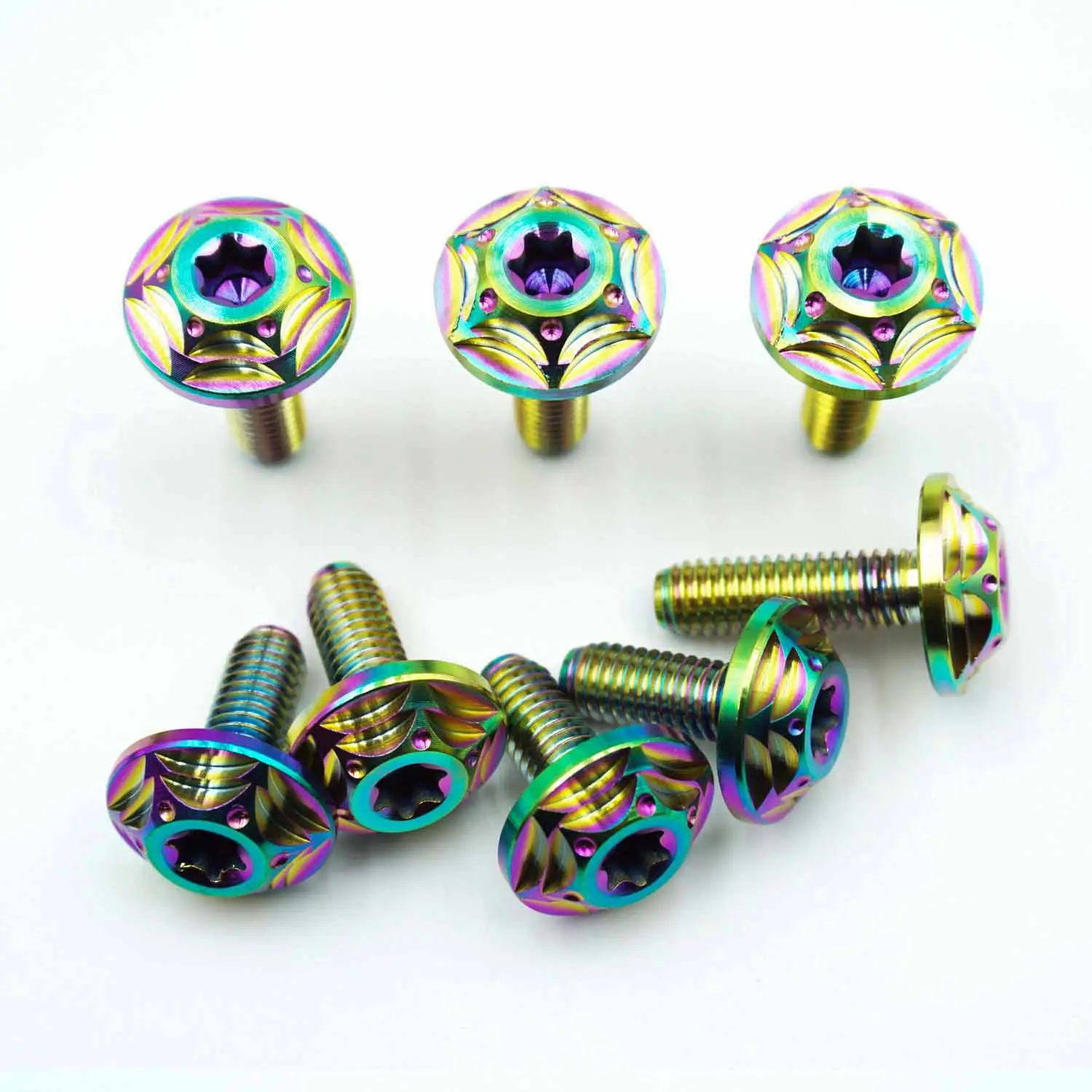
Engineered Fastening Solutions Ready for Vancouver Marine & Performance Projects
Precision CNC-turned and thread-rolled fasteners manufactured strictly to DIN, ISO, and motorsport-grade UNC/UNF tolerances.
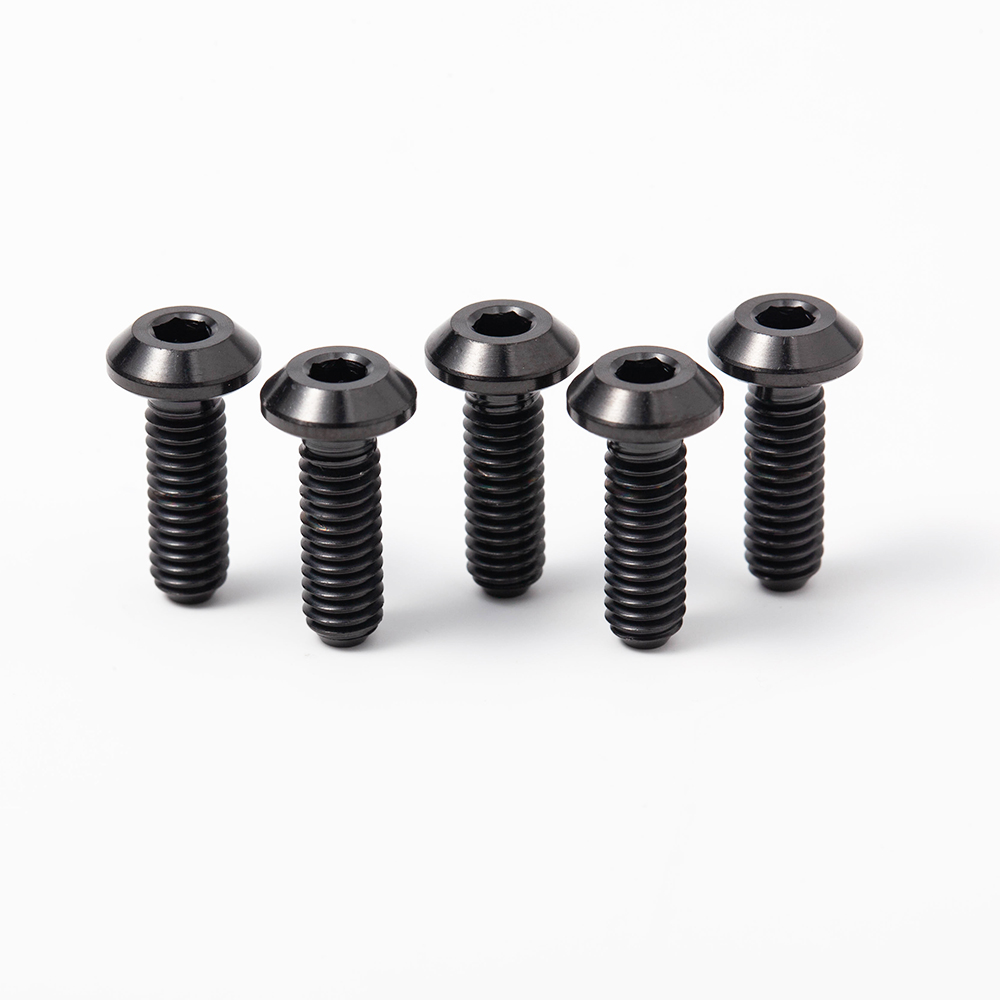
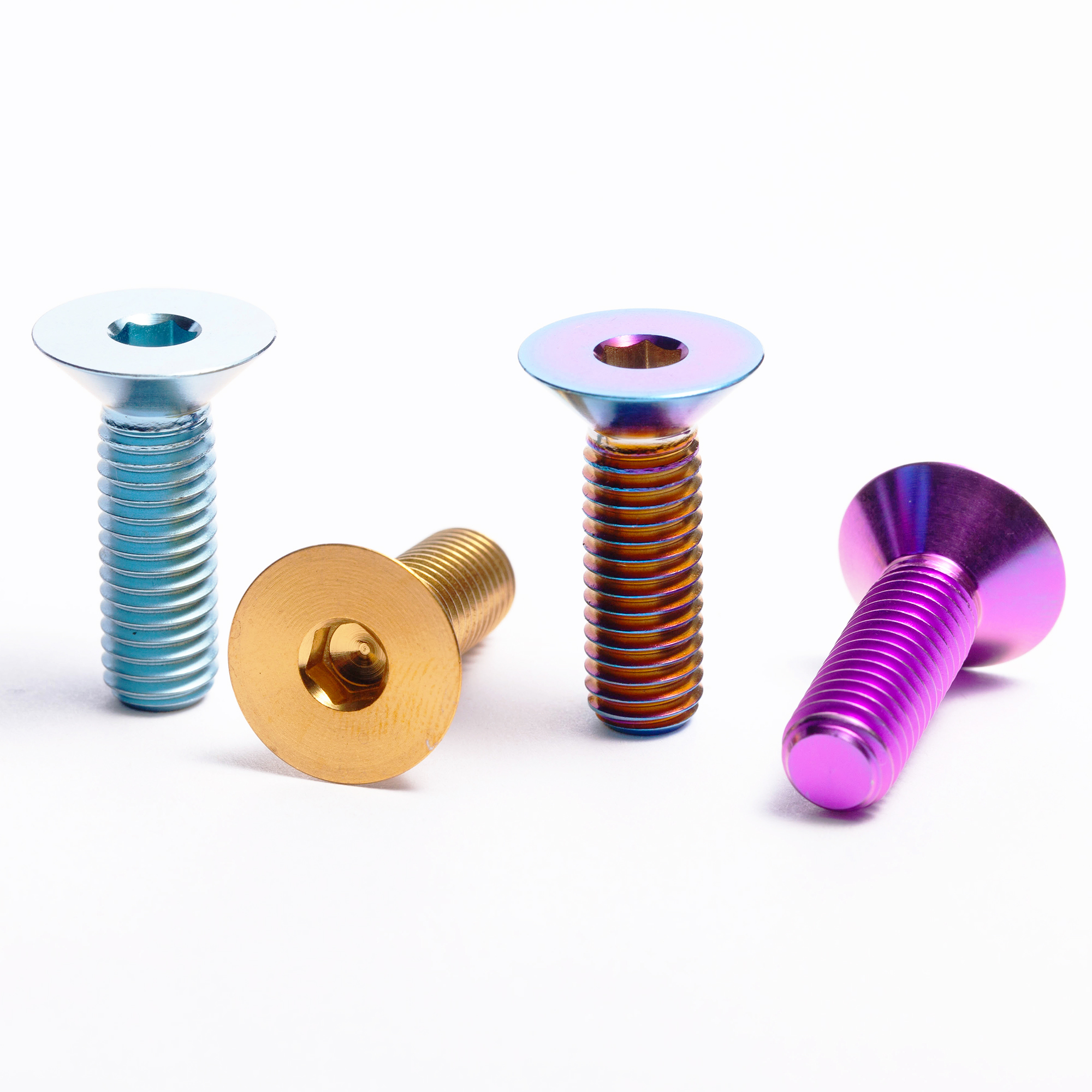
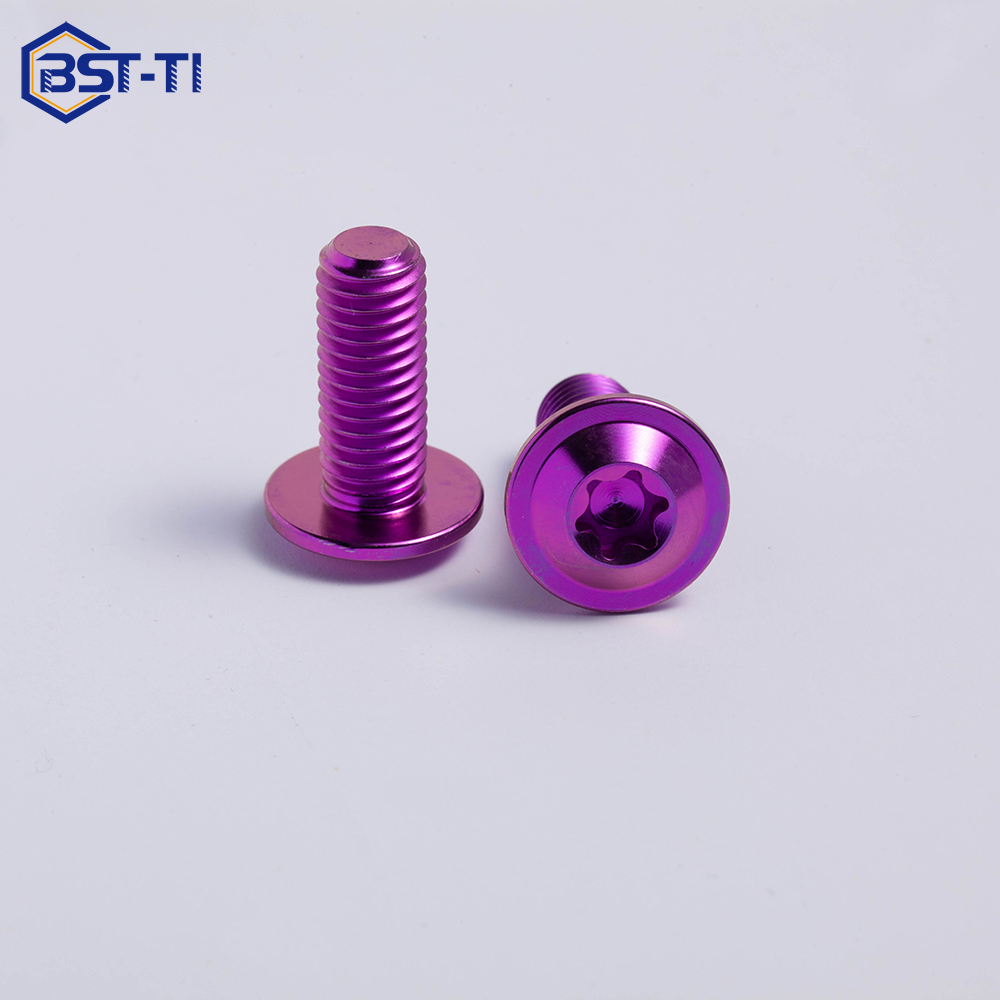
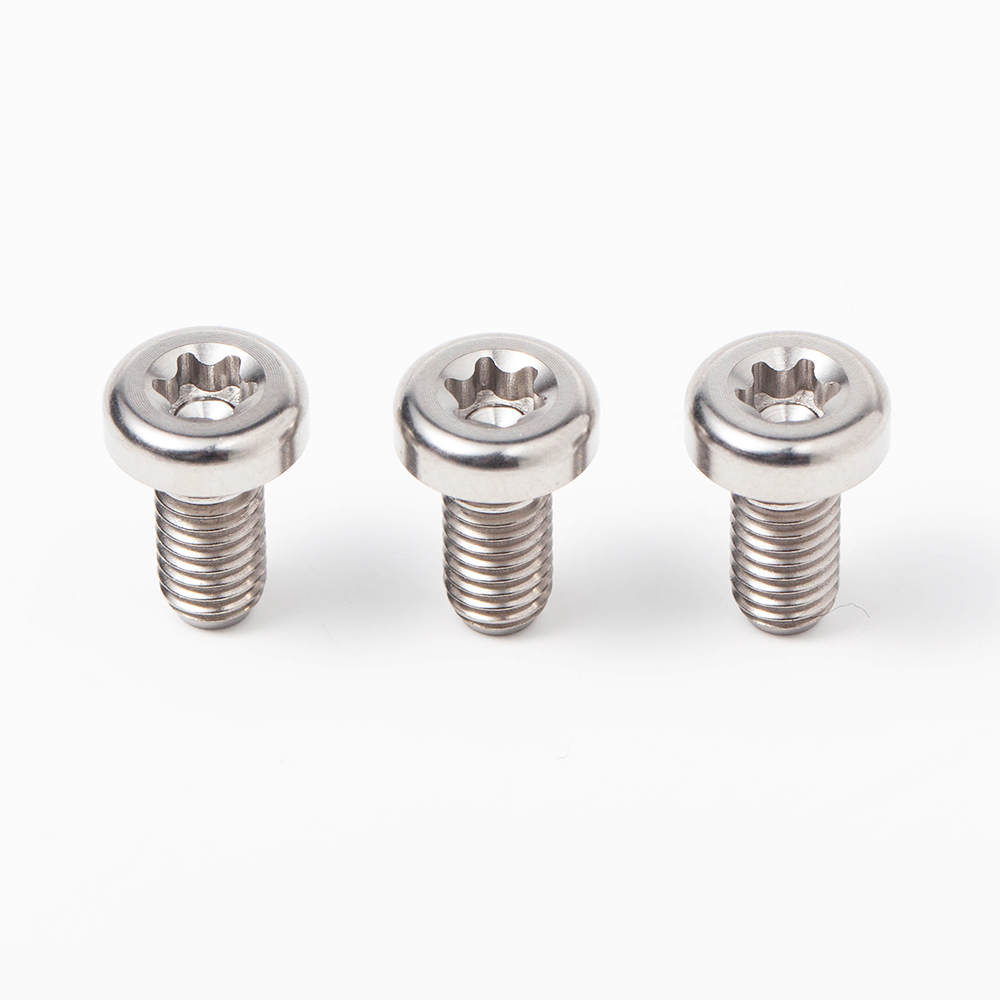
±0.01 mm
CNC Turning & Thread Rolling Tolerance
950+ MPa
Ti-6Al-4V Ultimate Tensile Yield
45%
Weight Reduction vs Class 10.9 Steel
100%
Salt-Spray Immersion Resistance
Metallurgical White Paper
Engineering Titanium Exhaust Fasteners for Vancouver’s Challenging Environments
Overcoming the twin challenges of cyclic thermal shock and aggressive coastal sodium chloride exposure in the Lower Mainland and Salish Sea marine basins.
Thermal Cycling & Relaxation Resistance
Exhaust manifolds undergo dramatic temperature swings from sub-zero coastal winters up to 850°C during full-boost operation. While Grade 8.8 and 10.9 structural steels suffer from embrittlement and thermal relaxation, rolled-thread Grade 5 Ti-6Al-4V maintains continuous clamp torque without stretching or backing out under cyclic expansion loads.
Immunity to Sea Air & Winter Road De-icers
The Port of Vancouver, Burrard Inlet, and winter highways treated with magnesium and sodium chloride create an intensely corrosive environment. Unlike coated carbon steels whose protective layers fail after repeated thermal cycles, titanium develops an instantly regenerating TiO2 passive film, entirely eliminating rust-welded studs and catastrophic head shear.
Precision Thread Rolling & Anti-Galling
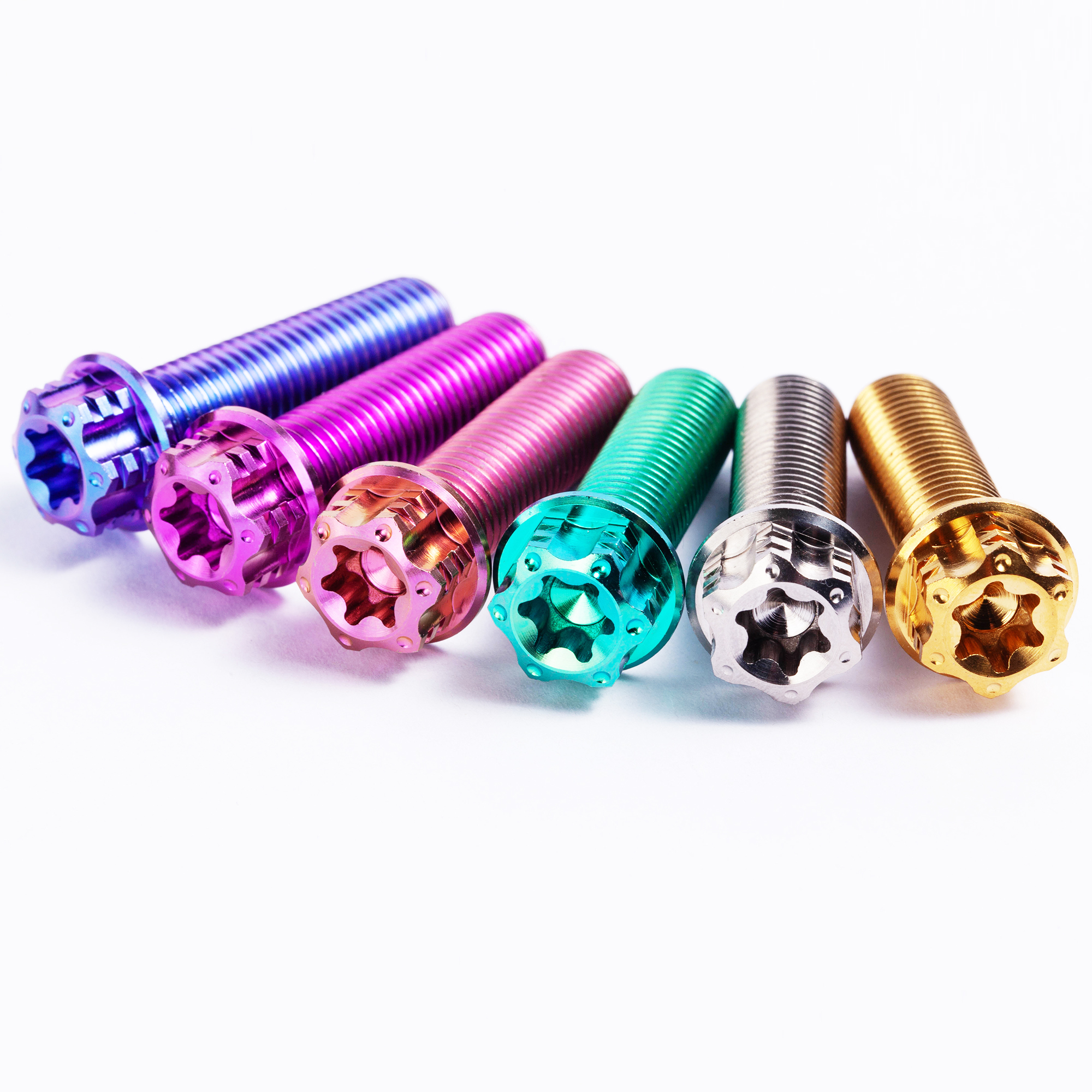
Cutting threads fractures the structural grain of raw titanium. Wexra exclusively utilizes high-precision cold thread rolling, burnishing the thread root to eliminate notch sensitivity and extend cyclic fatigue life by more than 300%. Machined hex or 12-point drive sockets ensure precise, zero-slip torque installation even in ultra-tight engine compartments.
Material Mechanics
Comparative Metallurgy: Titanium vs High-Tensile Steels
Evaluating physical and mechanical characteristics relevant to high-performance exhaust, turbocharger, and marine manifold applications.
| Material Designation | Density (g/cm³) | Tensile Strength (MPa) | Coeff. Thermal Expansion (10⁻⁶/K) | Corrosion Mechanism | Optimal Marine / Auto Use |
|---|---|---|---|---|---|
| Titanium Gr5 (Ti-6Al-4V) | 4.43 | 895 – 1000+ | 8.6 | Immune (Spontaneous TiO2 Passivation) | Turbos, Exhaust Studs, Rigging, Disc Rotors |
| Class 10.9 Carbon Steel | 7.85 | 1040 | 11.7 | Severe Pitting, Rust-Bonding, Flaking | Heavy Machinery (Dry Internal Engines) |
| Grade 316 Marine Stainless | 8.00 | 580 | 16.0 | Crevice Corrosion in Low Oxygen / Hot Brine | Low-Stress Coastal Fixtures, Deck Railings |
| Inconel 718 Superalloy | 8.19 | 1240 | 13.0 | Extremely High Resistance | Aerospace Combustion, F1 Extreme Heat Chambers |
Localized Case Applications
High-Value Applications Across Greater Vancouver & British Columbia
Supplying specialized builders, marine drydocks, and motorsport engineering centers throughout the BC region.
Coastal Marine Inboards & Wet Exhausts
Recreational fishing fleets and commercial tugs operating out of Richmond, North Vancouver, and Delta routinely battle catastrophic stud failure on cast manifolds. Our Gr5 titanium studs completely prevent saltwater-induced galvanic seizing into aluminum cylinder heads, saving shipwrights thousands of dollars in stripped-thread extractions.
Forced Induction Street & Track Tuners
Vancouver’s vibrant performance automotive sector—spanning import tuning in Richmond to track preparation for Mission Raceway Park—requires exhaust hardware capable of handling 20+ PSI turbo pressures without backing out or stretching, maintaining a permanent airtight gasket seal under sustained track load.
Pacific Northwest Heavy Haul & Overlanding
Trucks and overland vehicles climbing the Sea-to-Sky Highway and Coquihalla pass undergo severe thermal duty cycles compounded by sub-zero temperatures and chemical road treatments. Upgrading to Wexra Grade 5 exhaust hardware eliminates warped flange leakage and shearing during high-altitude climbs.
Strategic Industry Outlook
Vancouver Procurement Trends: The Transition to Superalloys
Market dynamics pushing automotive workshops and marine fabricators away from zinc-plated consumables toward lifecycle-engineered titanium hardware.
Rising Shop Labor Costs
With Vancouver machine shop hourly rates exceeding $140/hour, drilling out snapped steel studs from an aluminum cylinder head is an unsustainable cost center. Fleet operators now mandate titanium studs at initial overhaul to guarantee indefinite maintenance reuse.
Marine Electrification Hybrids
BC’s shift toward hybrid marine craft requires aggressive component lightweighting to offset heavy lithium battery banks. Upgrading exhaust, mounting, and structural bracket hardware yields immediate unsprung and chassis mass reduction.
Stricter Emissions Testing
Exhaust header leaks throw false lean codes on pre-cat oxygen sensors, causing vehicles to fail modern OBD-II readiness tests. Thermal-matched titanium fasteners guarantee uniform torque clamping, maintaining leak-free seal integrity over thousands of heating cycles.
Direct-to-Port Supply Chains
Vancouver’s strategic position as the primary Pacific Gateway allows direct ocean and air freight shipments from our ISO 9001:2015 manufacturing facility in Jiaxing, cutting intermediate North American warehouse markups and expediting custom batch turnaround.
Why Partner With Wexra
Direct Manufacturer Strengths: Jiaxing Wexra Titanium Products
Delivering end-to-end metallurgical expertise, in-house CNC multi-axis production, and verified global certifications directly to Vancouver procurement teams.
100% Titanium Dedicated Focus
Since 2018, Wexra has focused entirely on pure titanium (Grade 2) and titanium alloy (Grade 5 Ti-6Al-4V) components. Unlike general bolt distributors who resell generic catalog lines, our facility is engineered specifically to eliminate cross-contamination and tool wear inherent to titanium machining.
Certified ISO 9001:2015 & Full Traceability
Every single production batch ships with complete Mill Test Certificates (MTC) providing exact spectrographic chemical composition and physical tensile/yield validation. We maintain comprehensive CE, UKCA, RoHS, and REACH documentation ready for demanding Canadian compliance standards.
Custom OEM/ODM CNC & Thread Rolling
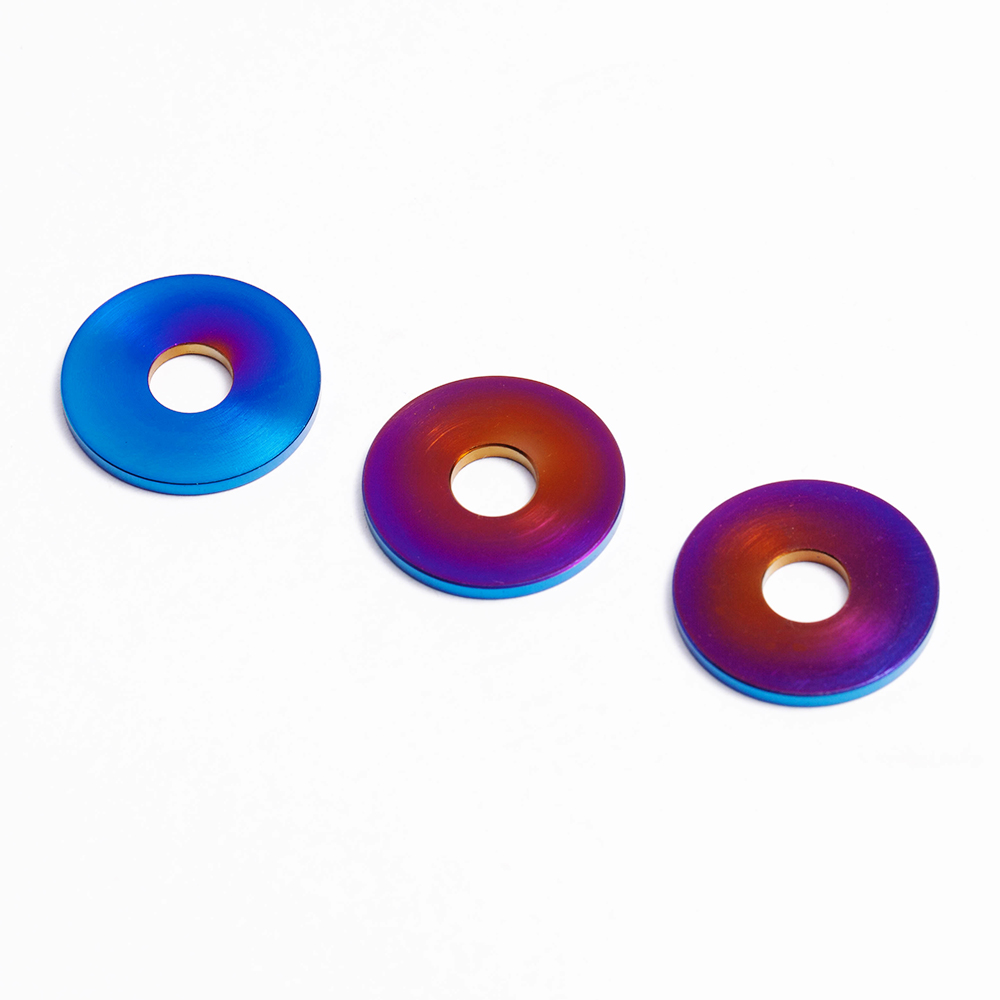
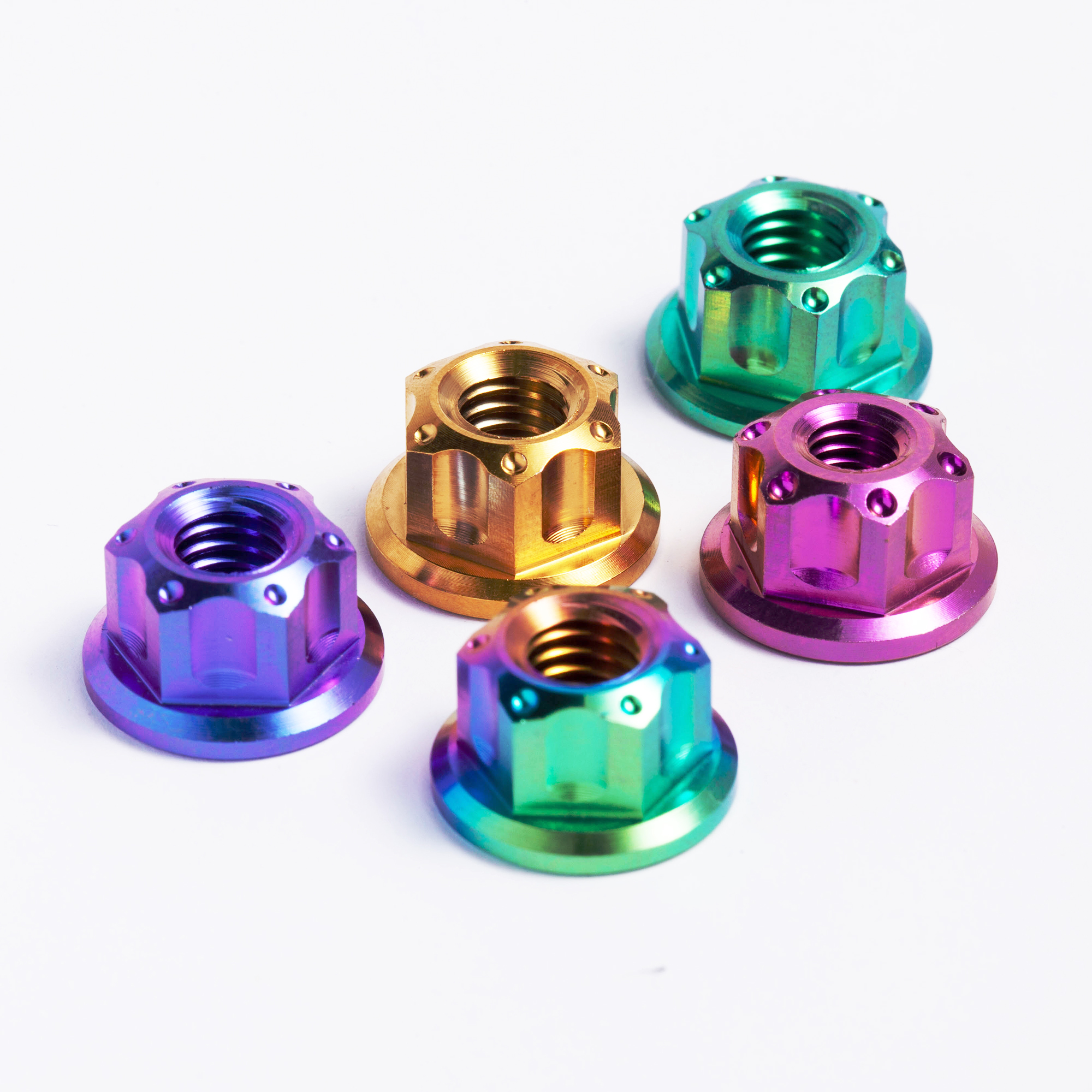
From CAD blueprints or physical customer samples to finished parts, we support M6, M8, M10, and M12 exhaust studs in custom lengths, step-down threads, and broached internal hex/torx ends. Multiple surface finishes include natural polished, burnt blue, gold, and hard PVD coatings.
Purchasing FAQ
Frequently Asked Questions by Vancouver & BC Engineering Buyers
Critical mechanical and logistics details for engine builders, parts managers, and marine fabricators.
How do Titanium Exhaust Studs prevent galvanic corrosion in aluminum heads?
Titanium naturally forms an exceptionally stable and electrically passive titanium dioxide (TiO2) oxide film. While steel creates an aggressive galvanic cell with aluminum in moist Pacific coastal environments (resulting in sacrificial aluminum oxidation and seized threads), Grade 5 titanium exhibits near-neutral galvanic reactivity, preventing thread-bonding entirely.
What torque values should be used when installing into automotive cylinder heads?
Because titanium has different surface friction characteristics than dry carbon steel, we always recommend applying a high-temperature nickel- or copper-based anti-seize paste during installation. As a baseline, torque specifications can typically be reduced by 10% to 15% compared to factory dry steel values to achieve the exact designed clamp preload without thread deformation.
Why are rolled threads essential compared to cut threads for exhaust studs?
Machined or lathe-cut threads introduce microscopic tearing and interrupt the natural metallurgical grain structure of titanium, creating microscopic stress risers that easily propagate into fatigue cracks under exhaust heat cycling. Cold thread rolling displaces the material without cutting fibers, producing work-hardened root fillets and vastly superior fatigue resistance.
What are the lead times and shipping logistics to Vancouver, BC?
Standard catalog configurations (such as M8x1.25 and M10x1.25 turbo studs with matching 12-point nuts) ship within 48 to 72 hours via expedited air freight (DHL/FedEx), reaching Vancouver within 4 to 6 business days. Custom CNC batch runs typically require 15 to 20 working days, with consolidated sea-freight available directly through the Port of Vancouver for bulk orders.
Ready to Upgrade Your Exhaust Hardware Reliability?
Connect directly with Wexra’s titanium application engineers for bulk quotes, custom drawing reviews, or sample evaluations.