Precision Titanium Products & Hardware Catalog
Ultra-lightweight, non-magnetic, corrosion-proof Grade 5 (Ti-6Al-4V) and Grade 9 metric components produced with cold-rolled microthreads for heavy-duty operational stability in Milan's mechanical engineering sectors.
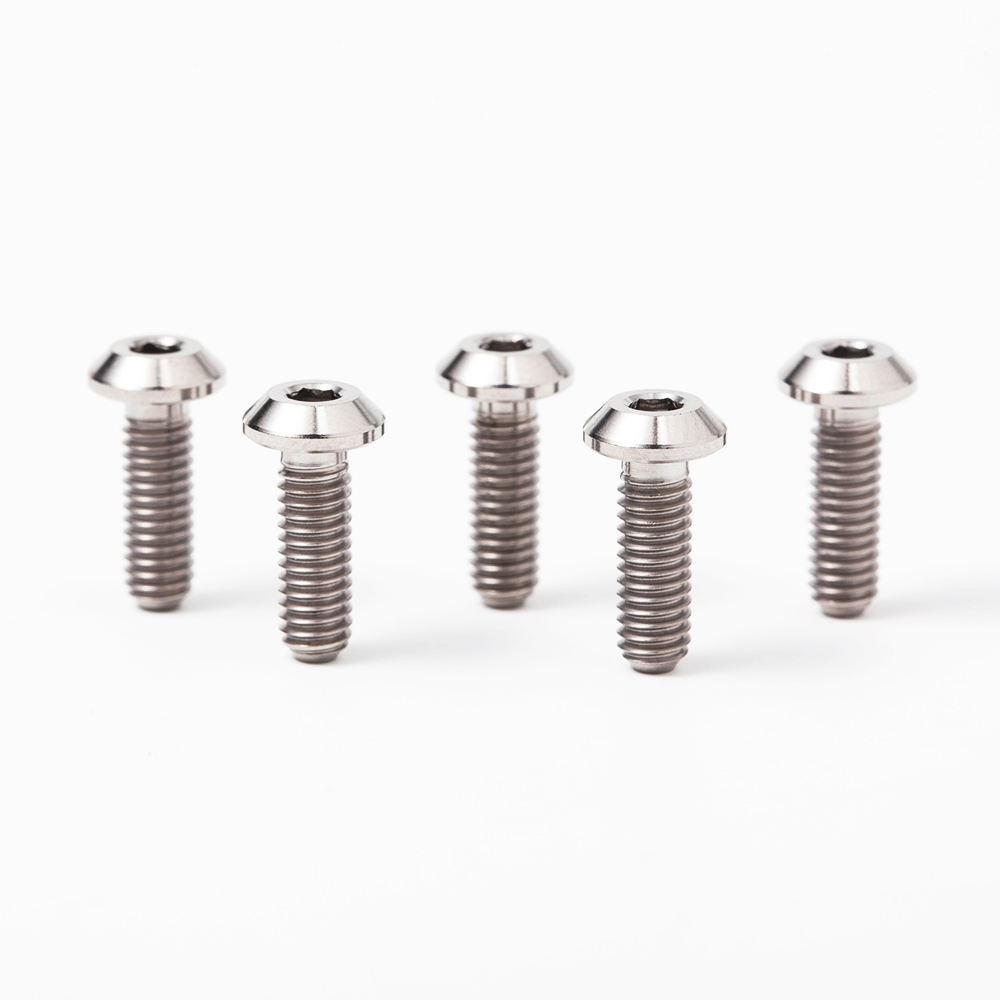
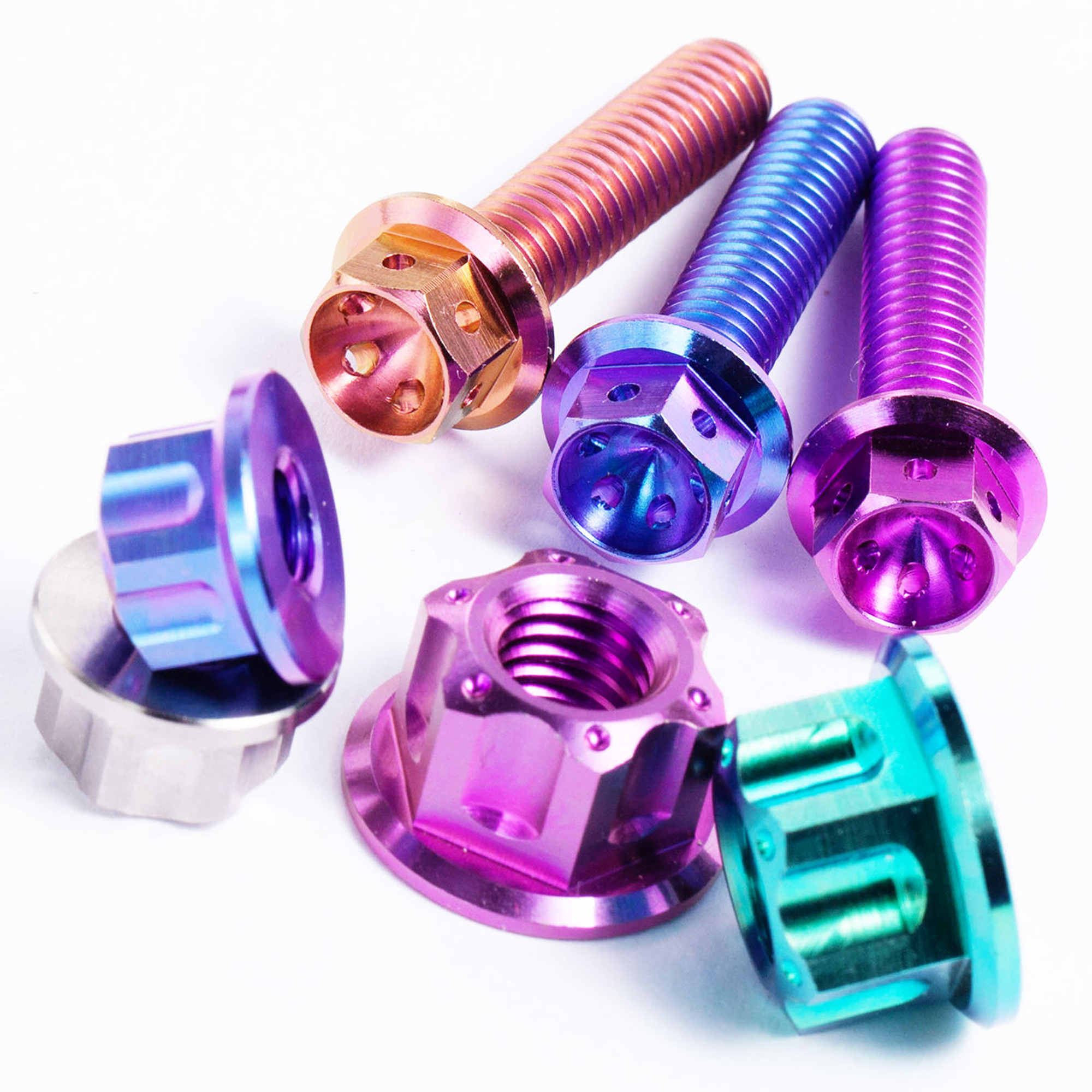
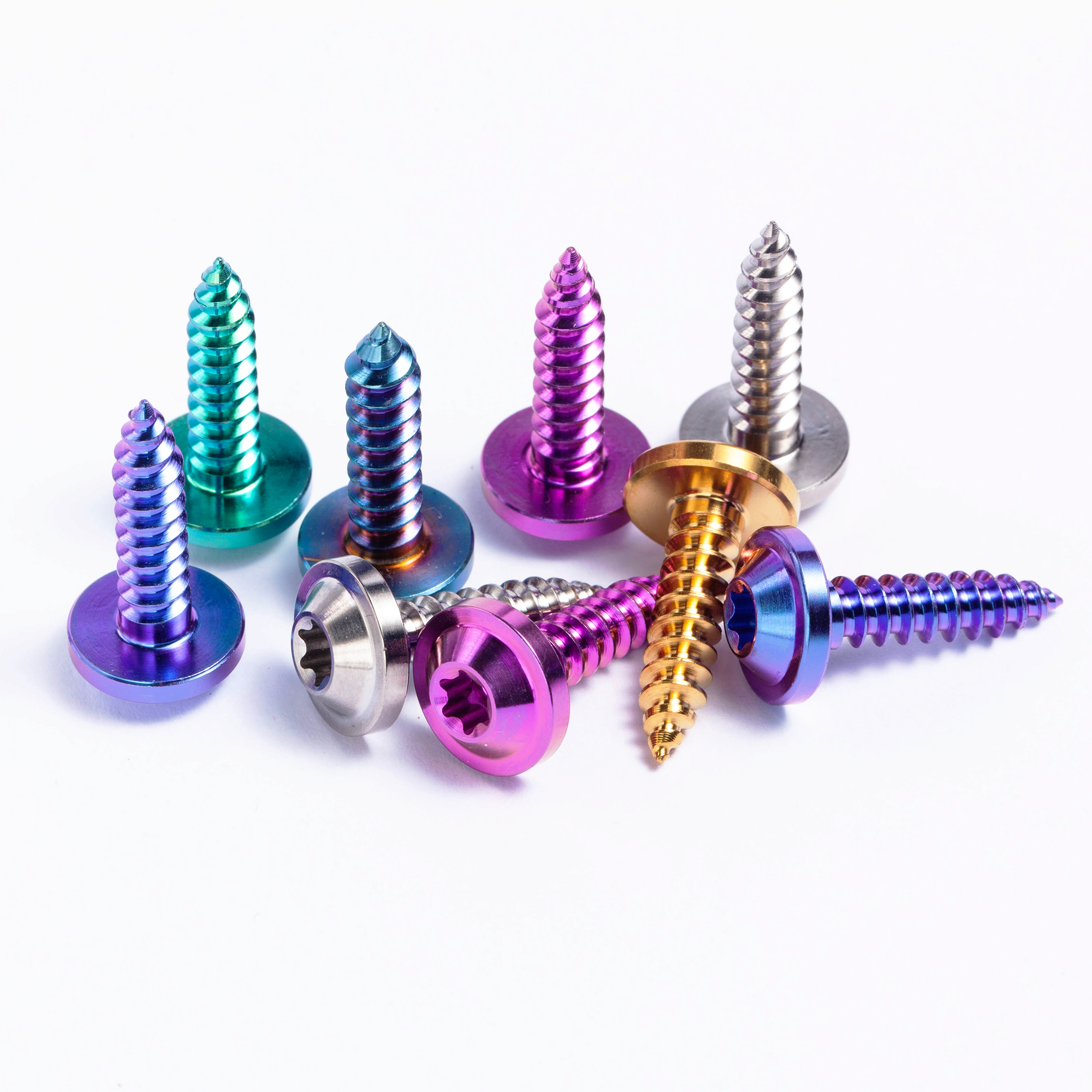
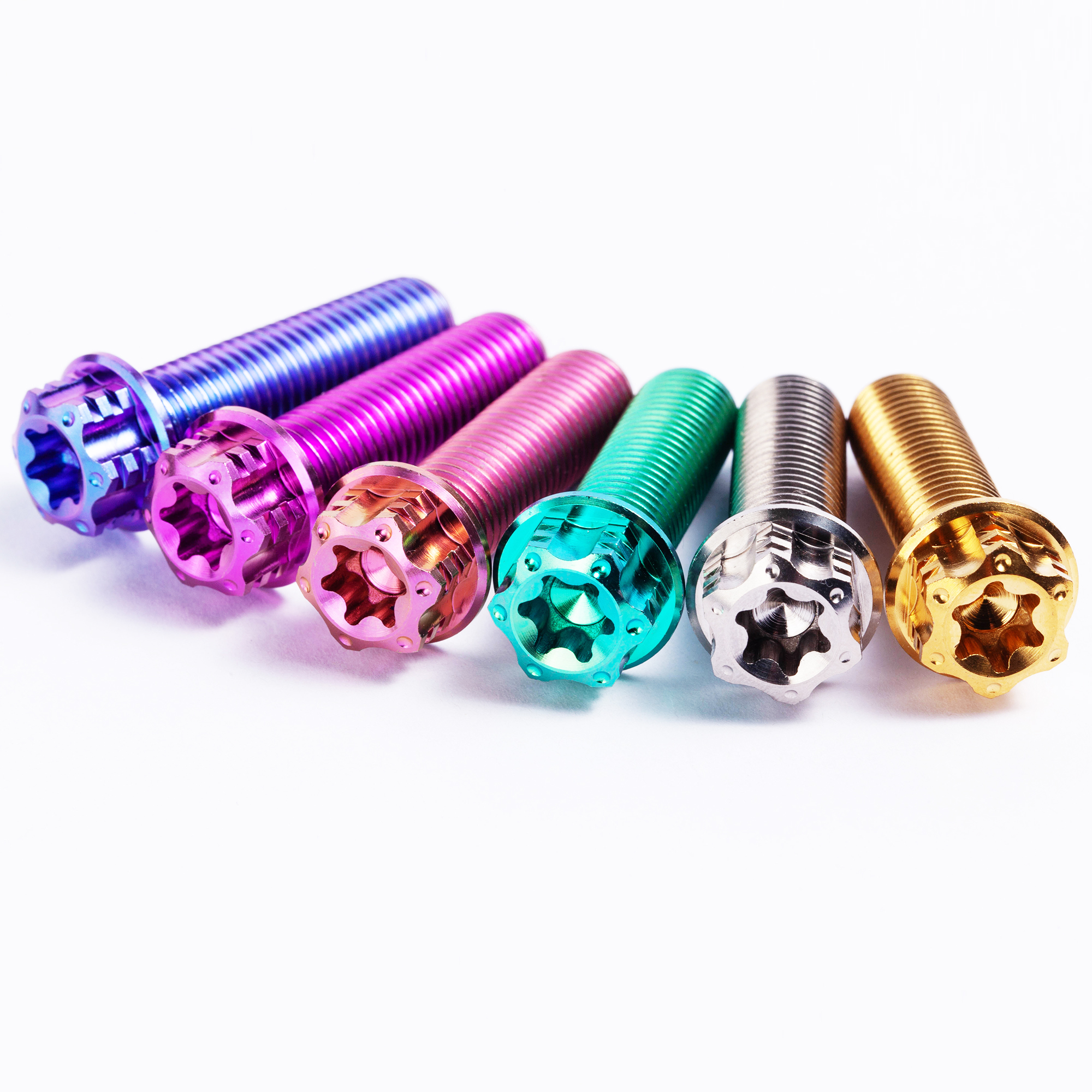
Supplying Milan’s Precision Manufacturing & High-Tech Corridors
The Metropolitan City of Milan and the greater Lombardy region form the industrial powerhouse of Southern Europe. We align titanium ingot purity, drawn bar dimensional tolerances, and CNC fastener manufacturing specifically with regional demands.
Lombardy Aerospace & Defense Cluster
From Varese to Milan, the Lombardia Aerospace Cluster demands raw material validation that exceeds standard commercial profiles. We export Vacuum Arc Remelted (VAR) titanium ingots and ASTM B348 Grade 5 titanium bars intended for engine components, avionics chassis, and landing gear subassemblies.
- Rigorous ultrasonic testing (AMS 2631 Class A/AA)
- Complete interstitial gas verification (H, O, N, C)
- Full conformity with EN 9100 manufacturing criteria
Monza Motorsport & Supercar Tuning
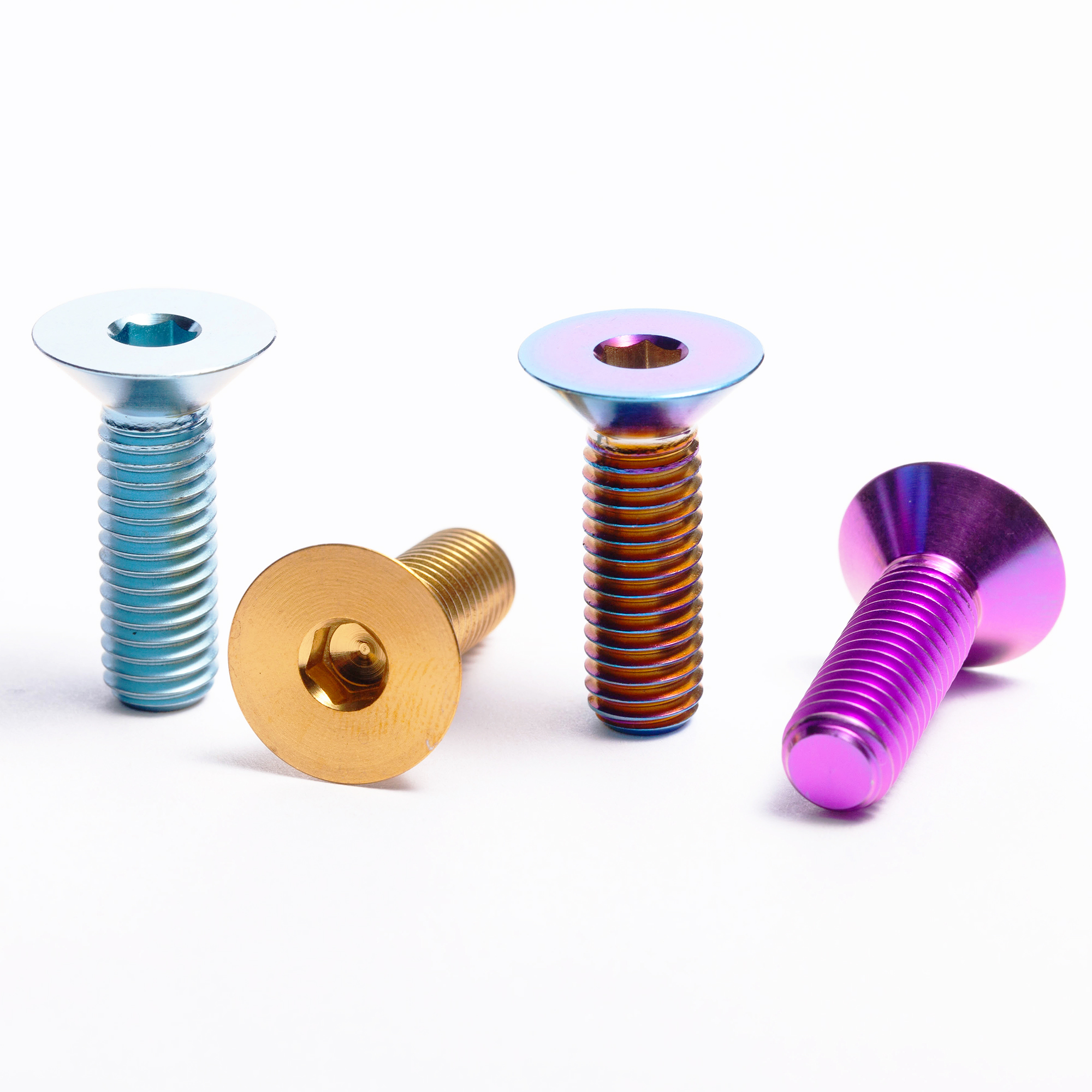
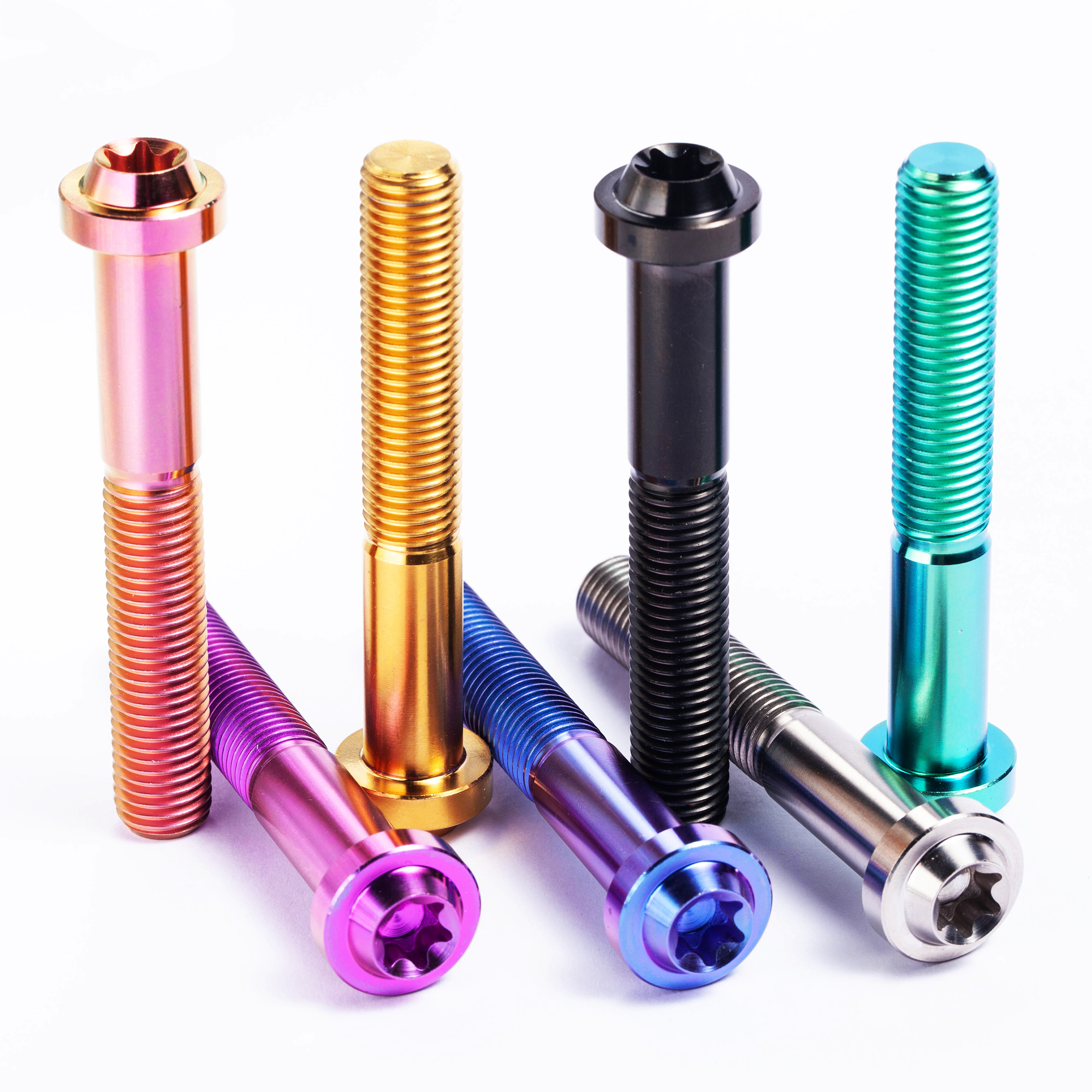
Surrounding the Monza autodrome and Milan's specialist tuning ateliers, unsprung mass reduction is the primary performance bottleneck. Our precision Grade 5 forged-head bolts cut assembly mass by up to 45% compared to alloy steel class 10.9, while offering absolute immunity to chloride attack and road-deicing salts.
- Cold-rolled threads preventing galling under track heat
- Vibration-dampening titanium wheel stud configurations
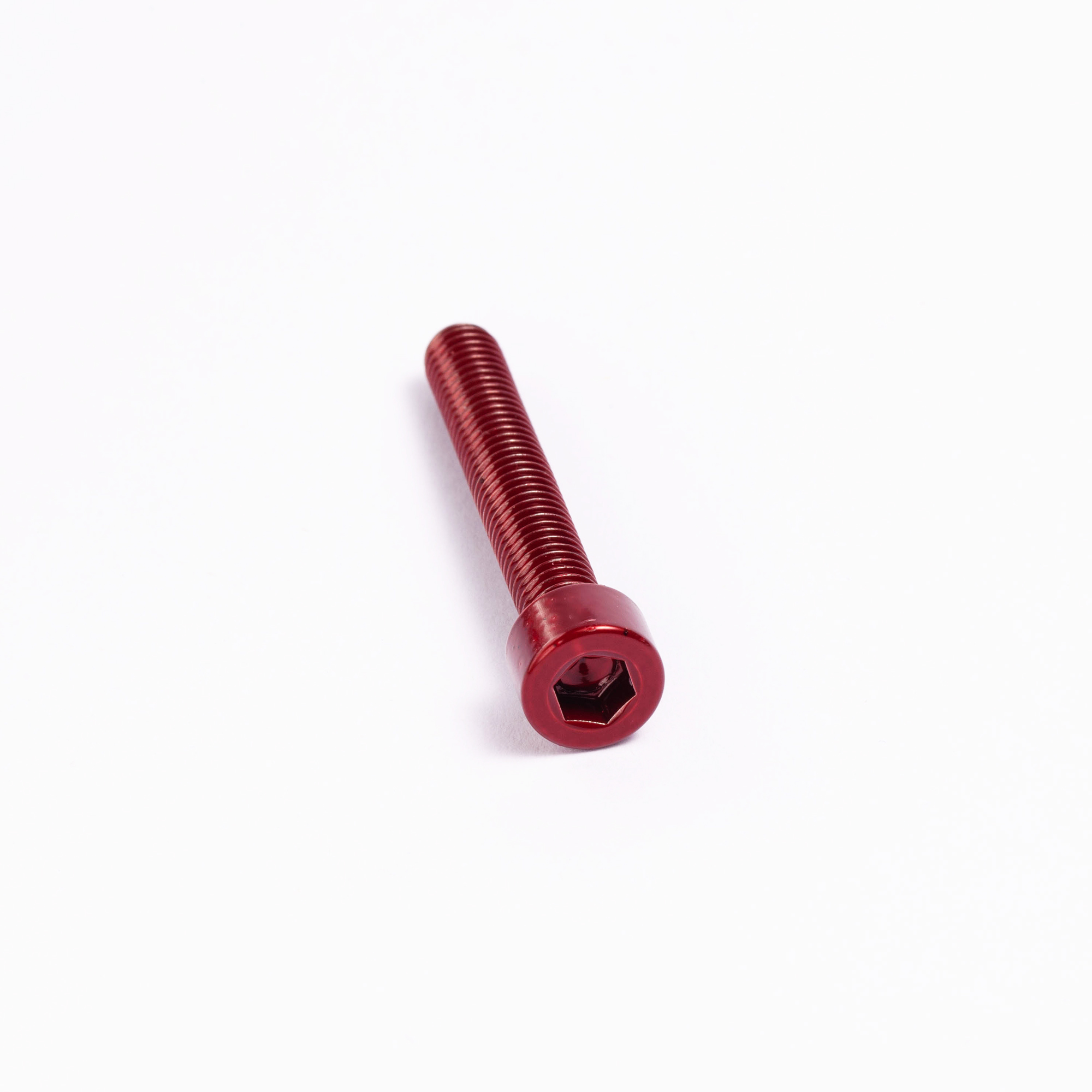
- Customized PVD and anodized surface engineering
Medical Device Engineering & Orthopedics
Milan's research hospitals and med-tech fabrication houses rely on biocompatible, hypoallergenic Grade 2 CP and Grade 5 ELI (ASTM F136) titanium bars for surgical tooling, orthopedic internal fixation plates, dental implant rods, and non-magnetic hospital robotic assemblies.
- Ultra-low interstitial chemistry (ASTM F136 ELI)
- Zero cytotoxicity and seamless tissue integration
- Defect-free centerless ground tolerance h7 to h9
Comparative Metallurgy: Titanium Ingot/Bar vs. Engineering Steels
A rigorous metallurgical comparison designed for Lombardy procurement engineers evaluating strength-to-weight efficiency, thermal expansion, and galvanic compatibility.
| Material Designation | Density (g/cm³) | Tensile Strength (MPa) | Yield Strength (MPa) | Modulus of Elasticity (GPa) | Corrosion Rate (Seawater / Acid) | Biocompatibility |
|---|---|---|---|---|---|---|
| Ti-6Al-4V (Grade 5 / BSTTI) | 4.43 | 895 - 1050 | 828 | 114 | <0.001 mm/year (Immune) | High (ISO 10993) |
| Commercial Pure Titanium (Grade 2) | 4.51 | 345 - 480 | 275 | 103 | <0.001 mm/year (Immune) | Total Non-reactive |
| Ti-3Al-2.5V (Grade 9 Metric) | 4.48 | 620 | 483 | 105 | Immune | High |
| Stainless Steel 316L (AISI 316L) | 8.00 | 580 | 290 | 193 | Moderate Pitting Risk | Moderate (Nickel Leach) |
| Alloy Steel Grade 10.9 (Quenched/Tempered) | 7.85 | 1040 | 940 | 210 | Severe Rusting without Plating | Zero (Toxic) |
Lombardy Manufacturing Whitepaper Extract: Mitigating Galling in Titanium Fastener Joints
When integrating titanium fasteners into aluminum or carbon fiber structures in performance machinery, procurement teams must account for galling (friction welding of mating threads) and galvanic potential differences. Because pure and alloyed titanium immediately form a self-healing passivating titanium oxide (TiO2) film, high contact loads can shear this film in dry running conditions. BSTTI fasteners resolve this by utilizing specialized anti-friction micro-coatings, molybdenum disulfide dry films, and cold-rolled threads that retain lubricants under extreme torquing values. When bolted into carbon fiber composites, titanium acts as the gold-standard fastener because its galvanic potential sits adjacent to graphite in the galvanic series, eliminating the rapid galvanic corrosion that destroys ordinary steel and aluminum bolts.
Cold-Rolled Grain Alignment
Unlike cut threads that tear crystal structures, our thread rolling preserves continuous grain flow lines, increasing thread fatigue limits by 30%.
Thermal Conductivity Advantage
With a low thermal expansion coefficient (8.6 × 10⁻⁶/K), titanium joints maintain clamping tension through high thermal cycling in engine bays.
Non-Magnetic Security
Zero magnetic permeability (µr ≈ 1.00005) ensures complete transparency inside MRI medical suites, sensitive electronics, and avionics bays.
Macro Trends Driving Titanium Demand in Milan & Southern Europe
Strategic structural shifts across EU directives, Industry 4.0 initiatives in Lombardy, and clean energy transport mandates are reshaping the supply chain requirements for raw titanium ingots and custom CNC parts.
Urban Micro-Mobility & E-Bikes
Milan's push toward low-emission transport has turned Lombardy into Europe's hub for premium cargo bikes and performance e-bikes. Heavy lithium battery packs demand structural weight reduction elsewhere on the frame. Titanium fasteners, thru-axles, and structural bolts compensate for battery weight while resisting winter street deicers.
Strict EU REACH & RoHS Compliance
Environmental packaging rules (such as Germany's EPR and Italy's strict environmental labeling under Legislative Decree 116/2020) mandate clean, non-toxic manufacturing. Our factory implements 100% compliant chemical anodization, non-cyanide polishing baths, and fully recyclable wooden or mono-material export crates.
Supply Chain Reshoring & Hybrid Sourcing
European OEMs are moving away from unpredictable raw material brokers in favor of direct mill partnerships. Wexra Titanium bridges this with comprehensive Mill Test Certificates (EN 10204 3.1), fast air freight directly into Milan Malpensa (MXP), and seamless DDP customs clearance into Northern Italian plants.
Enterprise Strengths: Wexra Titanium Factory Capabilities
Combining primary melting, precision secondary machining, and international trade compliance under one rigorous quality management umbrella.
ISO 9001:2015 Certified
Every titanium ingot, forged billet, and CNC fastener batch is manufactured in accordance with strict ISO quality management protocols, verified by third-party auditors and fully traceable from sponge to shipped goods.
Multi-Axis CNC Precision
Equipped with high-rigidity CNC turning centers, automatic swiss lathes, and 5-axis machining stations capable of sustaining micro-tolerances down to ±0.01 mm on intricate titanium medical and motorsport components.
MTC & Batch Traceability
Orders are accompanied by comprehensive EN 10204 3.1 inspection certificates, detailing spectral chemical analysis, tensile testing, yield elongation, and ultrasonic NDT flaw-detection documentation.
Dedicated EU Logistics
Decades of combined export experience serving the European Union, the US, Germany, and the UK. Standard air shipments arrive at Milan Malpensa within 3 to 5 business days, with customs clearance pre-managed.
Frequently Asked Questions by Milan Purchasing Managers
Clear, direct answers regarding custom drawings, export logistics, alloy selections, and quality compliance for Italian and European B2B clients.