Certified Titanium Wheel, Hub & Structural Fasteners
Precision-machined from Grade 5 (Ti-6Al-4V) and Grade 9 alloy bars with rolled threads, yielding an outstanding strength-to-weight profile, absolute resistance to marine chloride pitting, and uncompromised fatigue endurance.
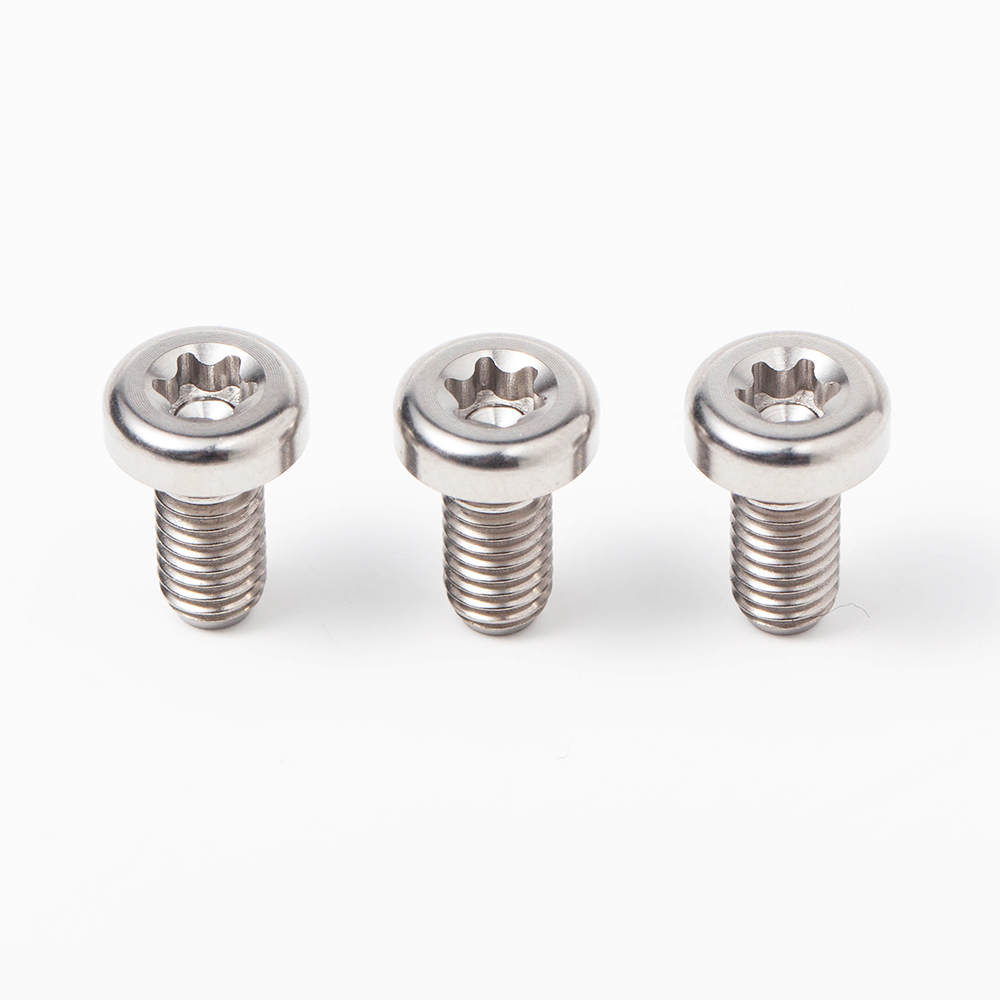
BST-TI M6 M8 Titanium Bolts Grade 9 DIN Standard Metric
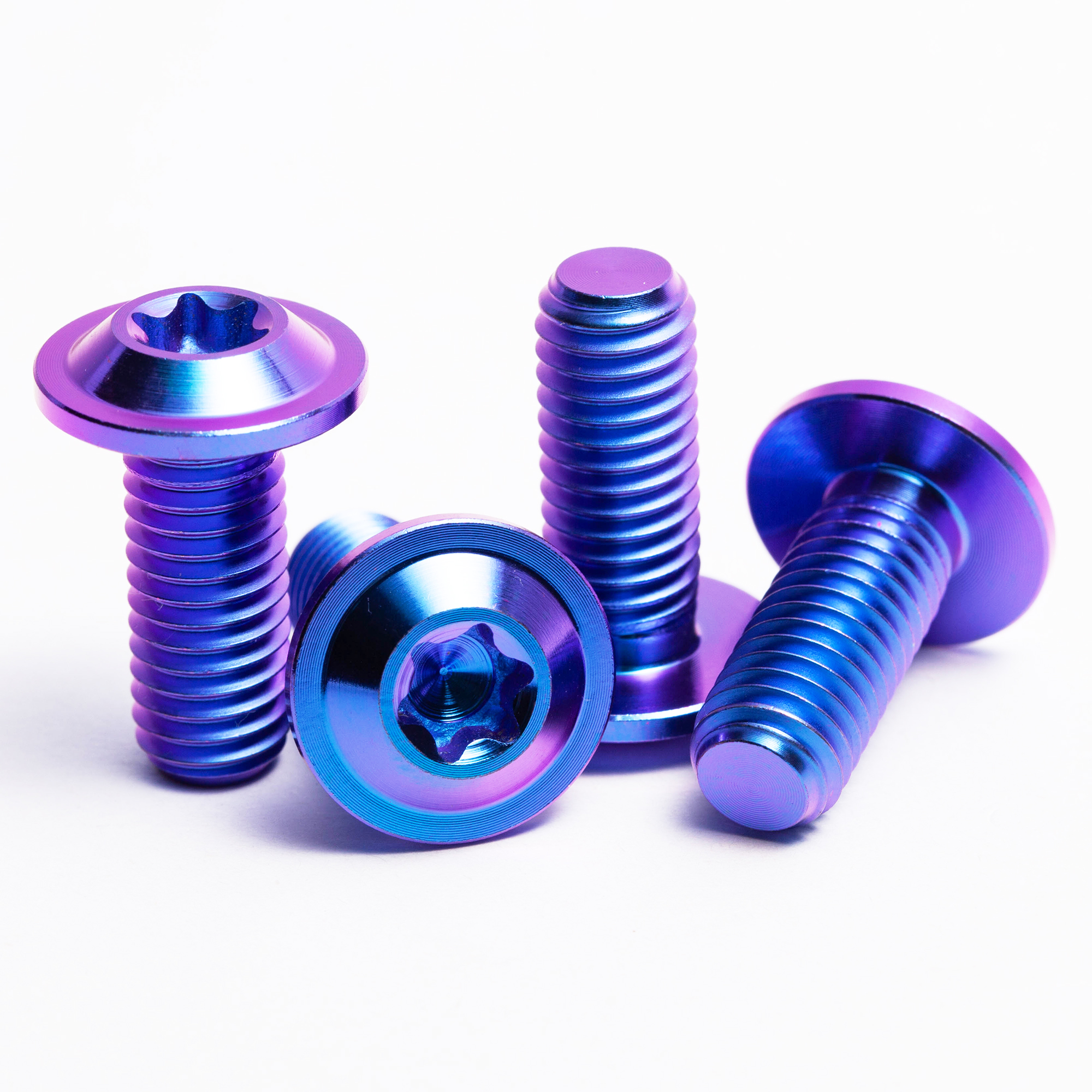
Customized Titanium Disc Head Bolts M6/M8/M10 Gr5 DIN6921
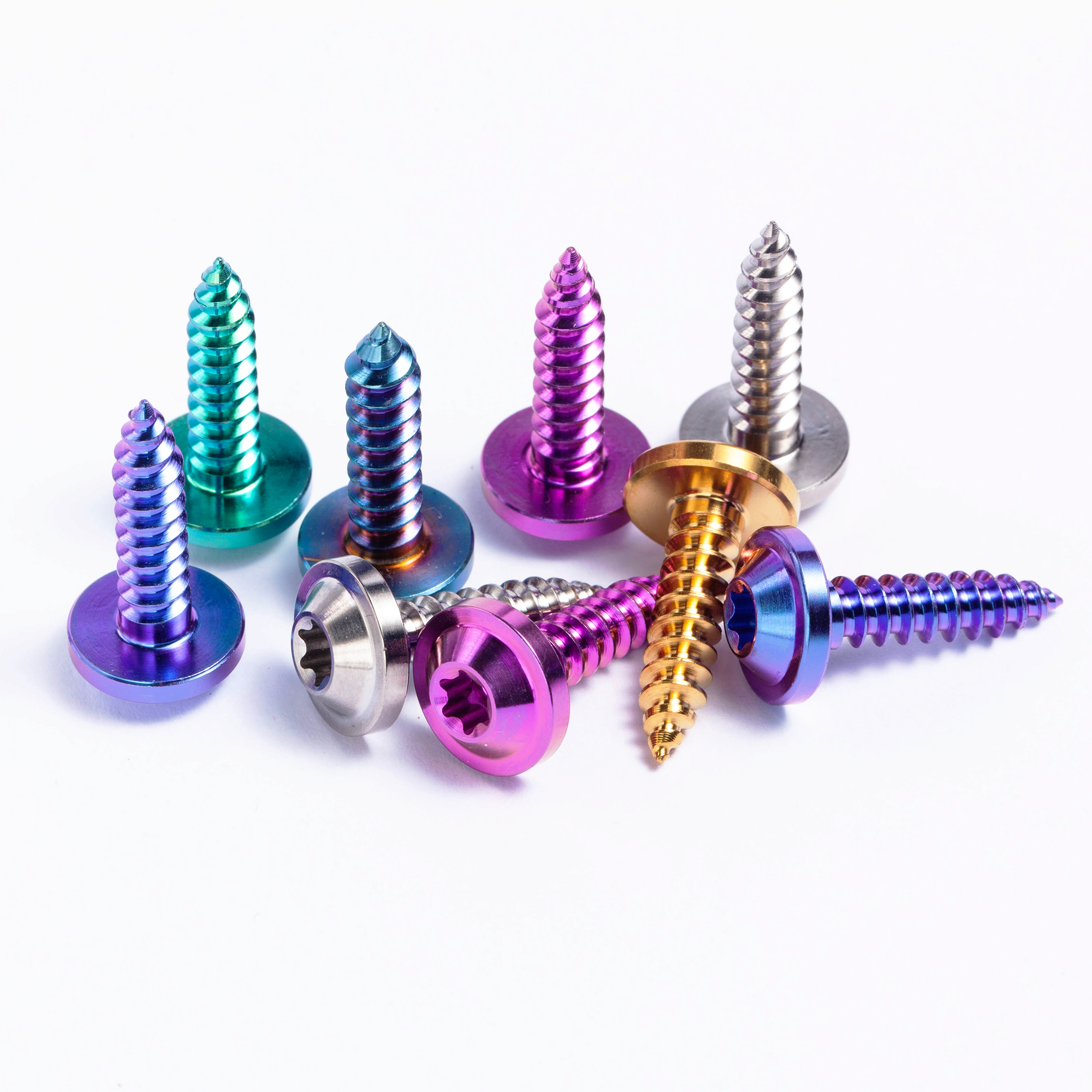
BSTTI TMJ UNC Thread Polished Titanium Flat Head Fasteners
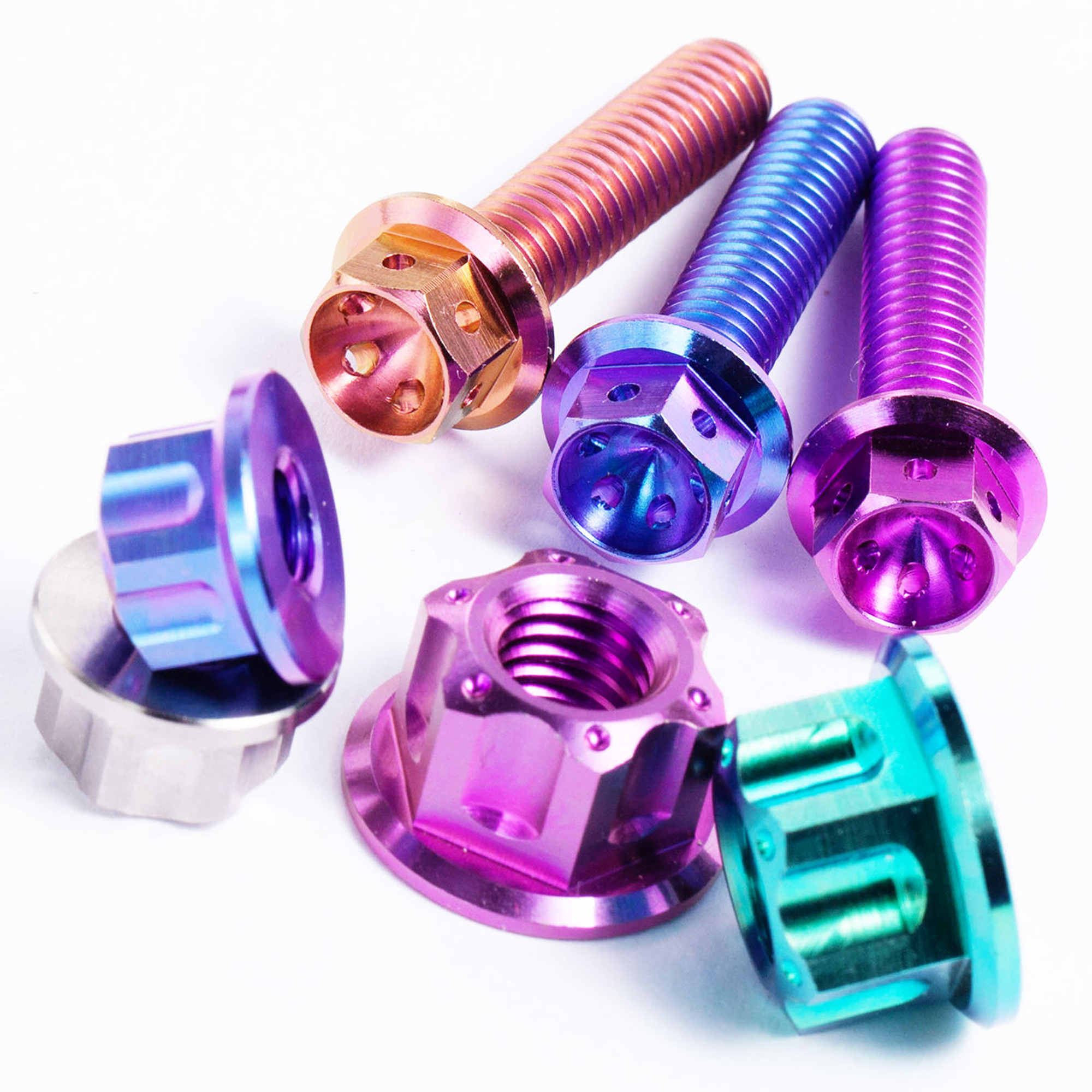
Titanium Alloy GR5 Hexagon Head Anodized Bolts & Nuts M6-M12
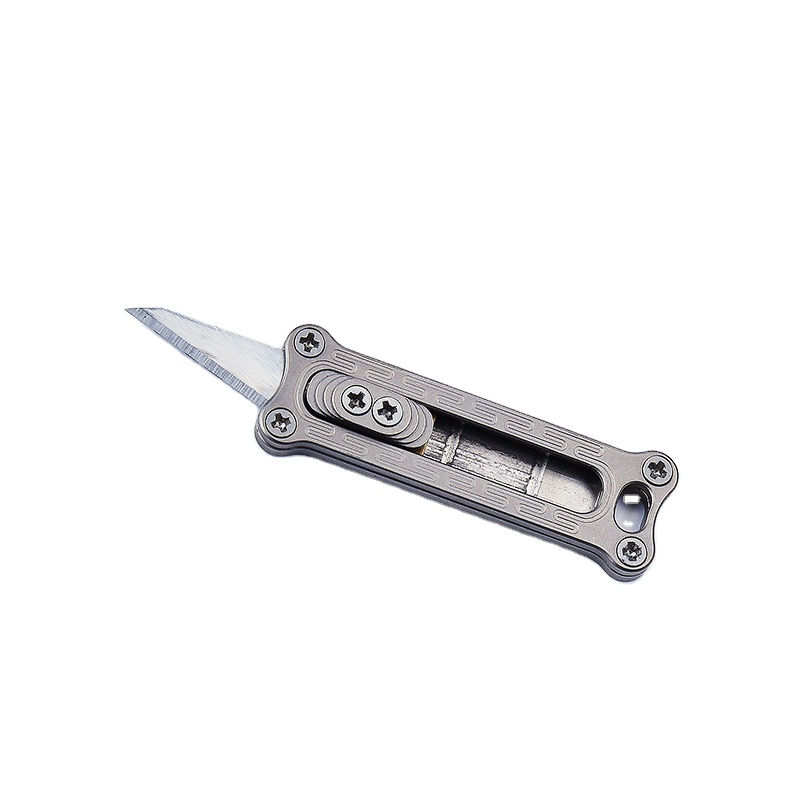
BST-TI Titanium Alloy Multi-Functional Field Assembly EDC
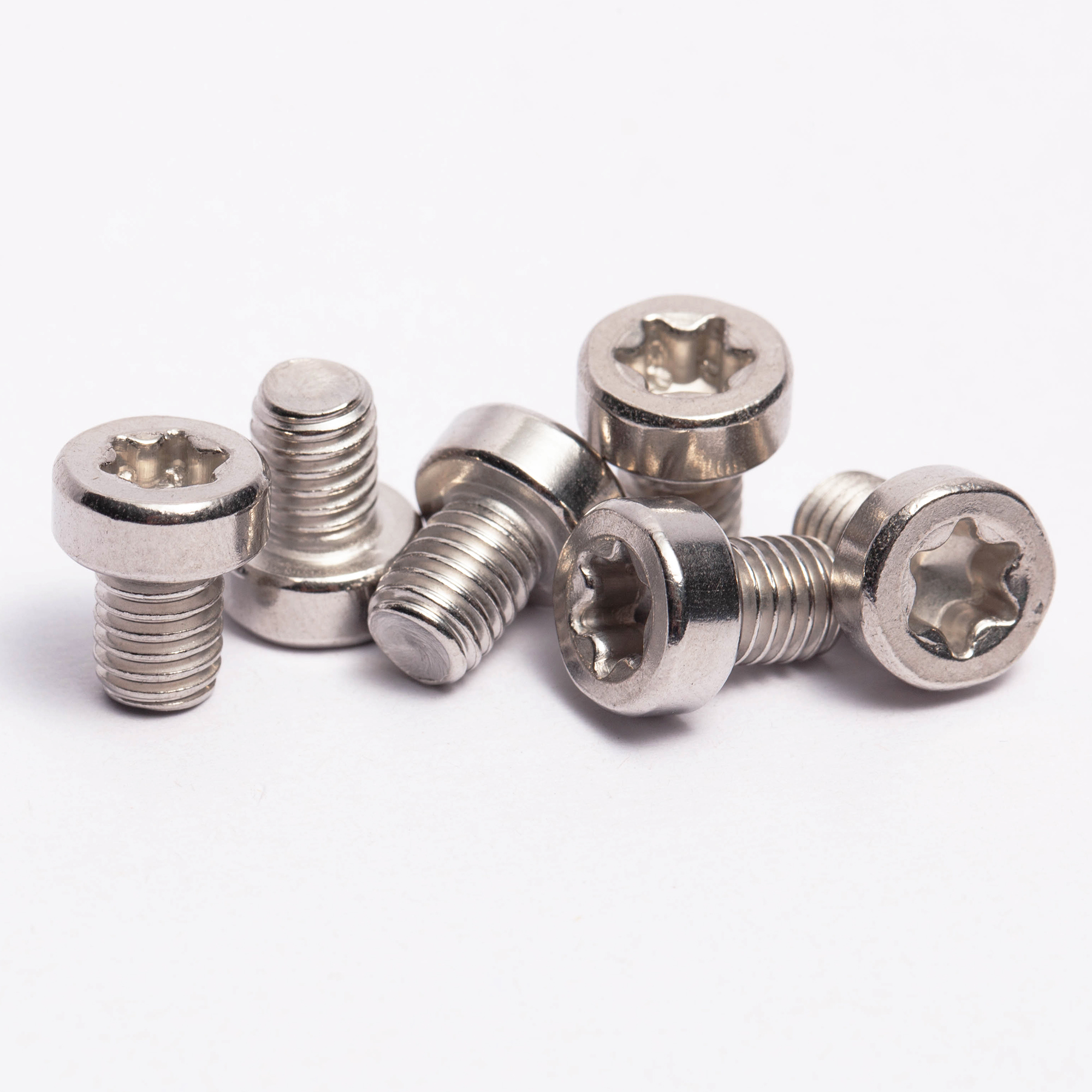
BSTTI Violet Step Torx Head ISO Certified Titanium Gr5 Bolts
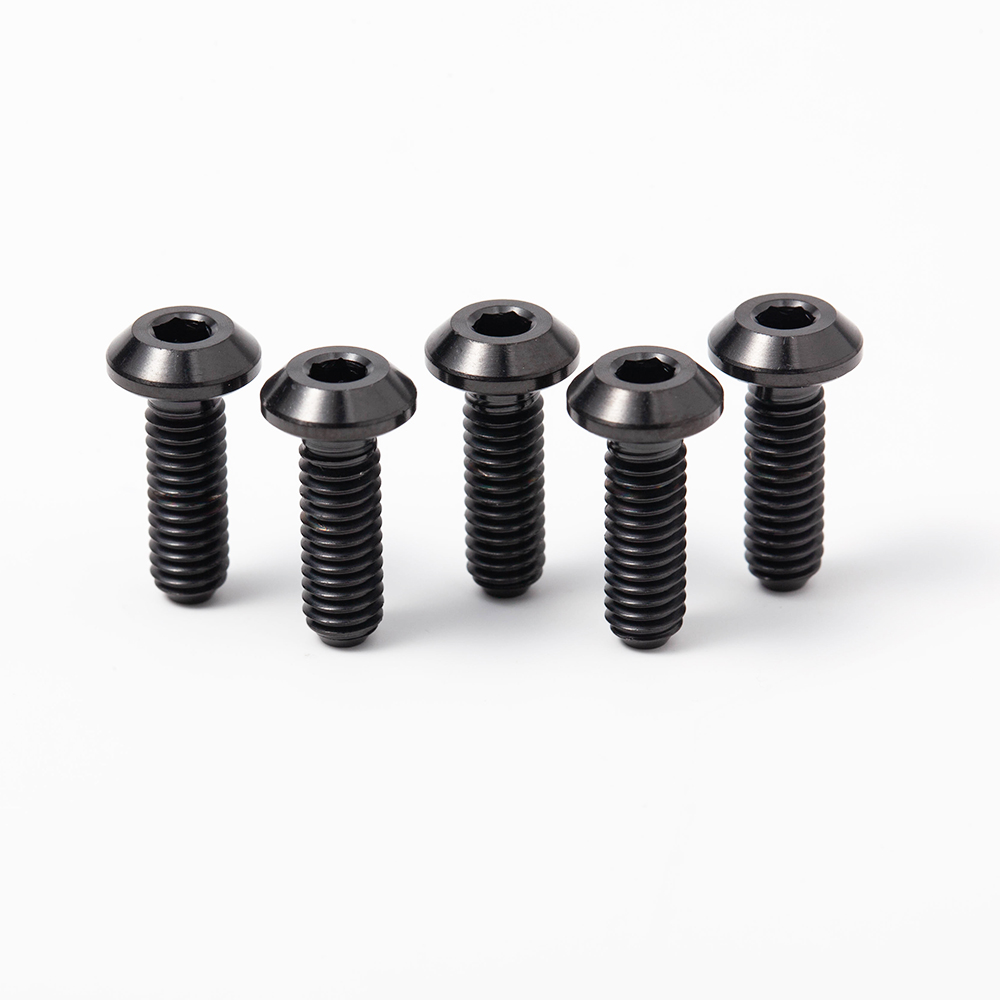
BST-TI Countersunk Wheel & Sprocket Titanium Bolts M8*25
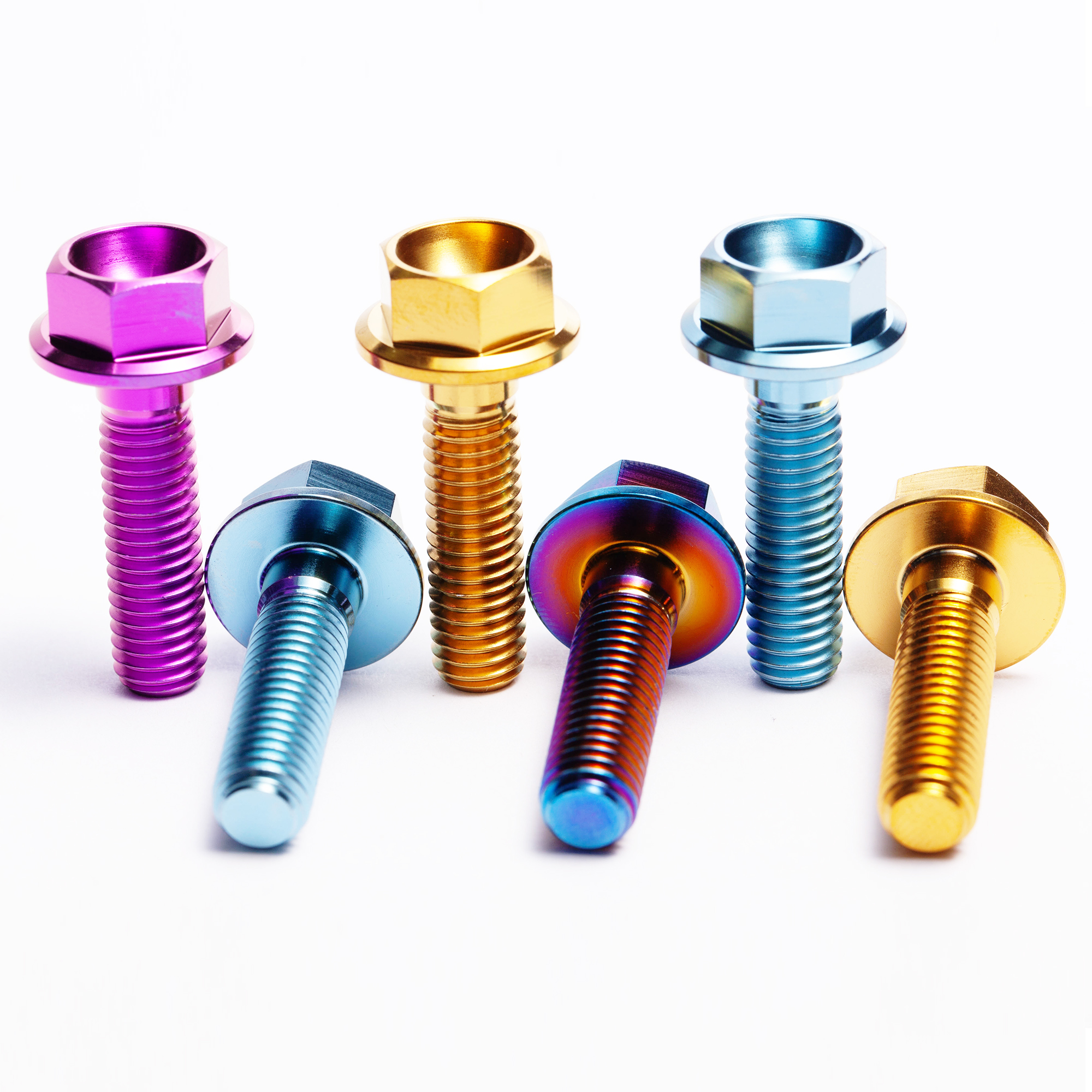
BSTTI DIN 6921 Titanium Alloy GR5 Hex Flange Hardware
1. Metallurgical Rationale: Why Ti-6Al-4V Dominates Automotive Hub Fasteners
In vehicle dynamics, un-sprung rotational mass at the wheel assembly exerts a disproportionate effect on kinetic suspension response, rotational inertia, and braking thermal absorption. Wheel lug nuts and stud assemblies represent peripheral mass located on the rotational axis. When mechanical engineers replace conventional Class 10.9 structural steel wheel hardware with Grade 5 Titanium (Ti-6Al-4V, UNS R56400), they achieve an approximate 45% reduction in individual fastener mass while elevating tensile threshold capacity up to 950–1050 MPa.
Unlike common 7000-series billet aluminum nuts, which suffer from acute cyclic micro-fatigue, thread galling, and dangerous galvanic degradation when paired with steel wheel hubs, Grade 5 titanium demonstrates an endurance fatigue limit superior to mild carbon steel. Its shear modulus and thermal expansion coefficient (α = 8.6 × 10⁻⁶/K) match closely with forged alloy and composite wheels, maintaining critical pre-load clamping force across extreme thermal cycles generated by track braking and heavy payload hauling.
| Material Metric | Ti-6Al-4V (Grade 5) Titanium | Class 10.9 Carbon Steel | 7075-T6 Billet Aluminum | 316L Stainless Steel |
|---|---|---|---|---|
| Density (ρ) | 4.43 g/cm³ | 7.85 g/cm³ | 2.81 g/cm³ | 8.00 g/cm³ |
| Yield Strength (0.2%) | 880 - 950 MPa | 940 MPa | 505 MPa | 290 MPa |
| Ultimate Tensile Strength | 950 - 1050 MPa | 1040 MPa | 570 MPa | 580 MPa |
| Elastic Modulus (E) | 114 GPa | 210 GPa | 72 GPa | 193 GPa |
| Black Sea Chloride Pitting Rate | 0.000 mm/year (Immune) | Active Corrosion >0.12 mm/yr | Severe Pitting Attack | Localized Crevice Pitting |
2. Localized Engineering & Operational Scenarios in Burgas, Bulgaria
Burgas holds a preeminent economic position as Bulgaria's eastern commercial gateway on the Black Sea coast. Boasting the expansive deep-water terminals of the Port of Burgas, modern petrochemical refining clusters, specialized intermodal freight networks, and an active regional motorsport culture, hardware failures in this operational theater carry significant financial and safety penalties.
Operating wheel assemblies along the Burgas Gulf subjects fasteners to a perpetual micro-climate of maritime salt fog, airborne chlorides, road-deicing brines utilized in the Balkan mountain passes during winter, and abrasive port dust. Traditional zinc-plated and Dacromet-coated carbon steel lug nuts inevitably suffer protective coating compromise via socket tool impact. Once the barrier coating is breached, catastrophic rust bleeding seizes the thread interface, necessitating destructive extraction and endangering hub integrity.
Marine Port Transshipment
Heavy container haulers, marine reach stackers, and specialized trailers traversing Burgas docks operate in 24/7 salt-spray conditions. Grade 5 titanium lug bolts resist chloride-induced stress corrosion cracking, completely mitigating thread seizure during urgent roadside tire swaps.
Balkan Coastal Motorsport
Regional racing teams, hill-climb participants, and high-performance tuning shops across Burgas and southeastern Bulgaria demand unsprung mass reduction for sharper turn-in transient response, rapid rotational acceleration, and lower brake-rotor thermal transfer.
Chemical Logistics Transport
Transport fleets serving the petrochemical complex adjacent to Burgas frequently handle aggressive chemical vapors and wash-down protocols. Wexra titanium fasteners offer passive oxide film regeneration (TiO2), guaranteeing total resistance to chemical degradation.
3. Strategic Industry Trends in the Southeastern European Automotive Hub
Bulgaria's automotive manufacturing ecosystem has expanded rapidly over the past decade, evolving from simple sub-assembly manufacture to high-precision structural integration. In Burgas and the wider Thrace industrial corridor, four major engineering trends are driving the procurement transition toward aerospace-grade titanium fastening solutions:
1. Electric Commercial Vehicle Fleet Optimization: With the accelerated deployment of battery-electric transit vans and regional delivery vehicles operating out of Burgas logistics parks, excessive battery curb weight has forced fleet operators to scrutinize every ounce of rotating chassis hardware. Titanium lug nuts yield rotational inertia savings that translate directly into reduced watt-hour consumption per kilometer.
2. Total Cost of Ownership (TCO) Re-Evaluation: While the upfront capital expense of Grade 5 titanium fasteners exceeds standard carbon steel, the lifecycle replacement frequency drops to absolute zero. Maintenance crews in marine transit hubs no longer lose billable hours drilling out snapped studs or rusted lug nuts, dramatically curbing fleet downtime.
3. PVD and Micro-Arc Surface Hardening: Modern tuning enthusiasts and OEM premium programs require aesthetic resilience alongside mechanical strength. Physical Vapor Deposition (PVD) finishes—delivering intense metallic blacks, burnt blues, and gold hues—provide a ceramic-like surface hardness (HV > 2200) that prevents impact damage from pneumatic impact guns used in coastal workshops.
4. Stringent Traceability Standards Across the EU: In compliance with European market surveillance, automotive enterprises in Bulgaria require full metallurgical traceability. Mill Test Certificates (MTC EN 10204 3.1), ultrasonic flaw detection reports, and spectroscopic chemical analysis are now baseline prerequisites for commercial procurement.
4. Wexra Titanium Industrial Advantages: The Manufacturer Edge
As an internationally recognized titanium engineering manufacturer operating under a rigorous ISO 9001:2015 Quality Management System, Jiaxing Wexra Titanium Products Co., Ltd. serves tier-one distributors, specialized racing teams, and industrial procurement channels across Europe, North America, and beyond. When sourcing titanium lug nuts and specialty fasteners for the Burgas market, Wexra offers verified manufacturing strengths:
Continuous Thread Rolling
We do not cut threads via lathe tooling. Our threads are cold-rolled using hardened circular dies. This process forms continuous, uninterrupted grain flow along the root and flank, boosting dynamic fatigue lifespan by over 30%.
±0.01 mm CNC Turning
Our workshops deploy high-rigidity multi-axis CNC Swiss-type automatic turning centers. From 60-degree cone seats to ball and flat mag seats, our seating surfaces guarantee 100% true concentric contact with the wheel rim.
Complete EU Compliance
All production batches ship accompanied by EN 10204 3.1 Material Certificates verifying chemical composition (Ti, Al, V, Fe, C, N, H, O) and tensile testing. Full compliance with RoHS, REACH, and CE safety standards.
Frequently Asked Questions for Burgas Buyers
Direct metallurgical and logistical clarifications for engineering directors, procurement officers, and automotive specialists.
How does Grade 5 Titanium prevent galvanic corrosion on cast iron or steel hubs in marine environments like Burgas? +
What torque specifications should be utilized when installing titanium lug nuts on alloy wheels? +
Can Wexra supply custom seat profiles (Cone 60°, Ball/Radius R12-R14, Flat Mag) for customized fleet rims? +
What is the standard shipping lead time and customs transit process for consignments delivered to Burgas? +
Why are cold-rolled threads superior to lathe-cut threads on titanium automotive lug nuts? +
Request Technical Quotations & Custom Drawing Evaluations
Connect directly with our senior fastener application engineering team. Whether you need standard metric wheel hardware for a coastal logistics fleet in Burgas or bespoke CNC lug nuts for motorsport racing, we provide precision quotes within 8 hours.