Standard & Custom Precision Fastening Hardware
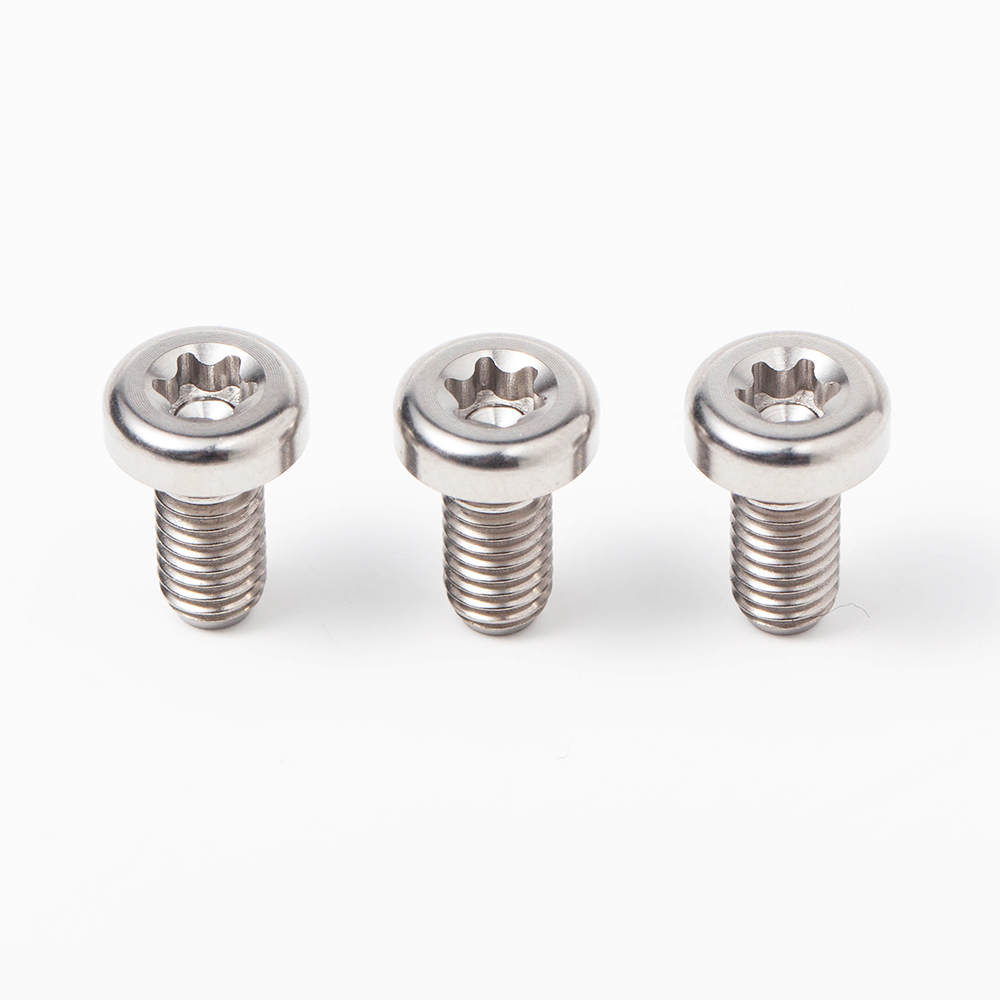
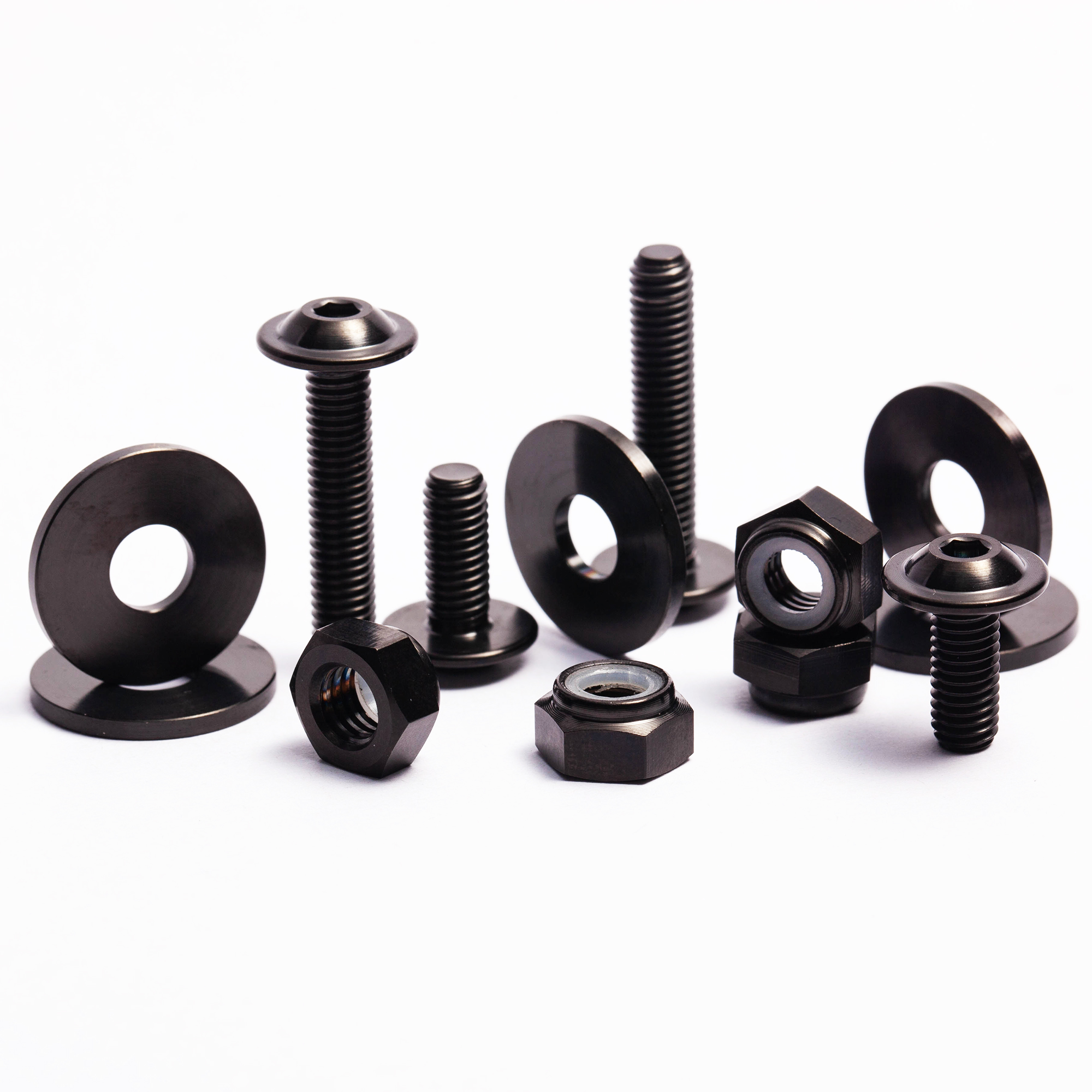
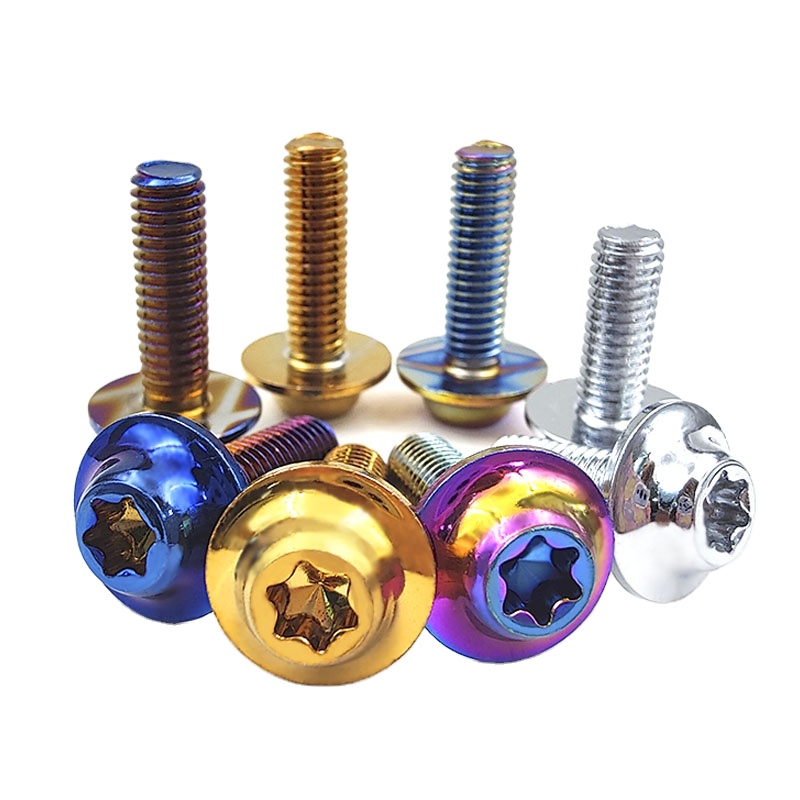
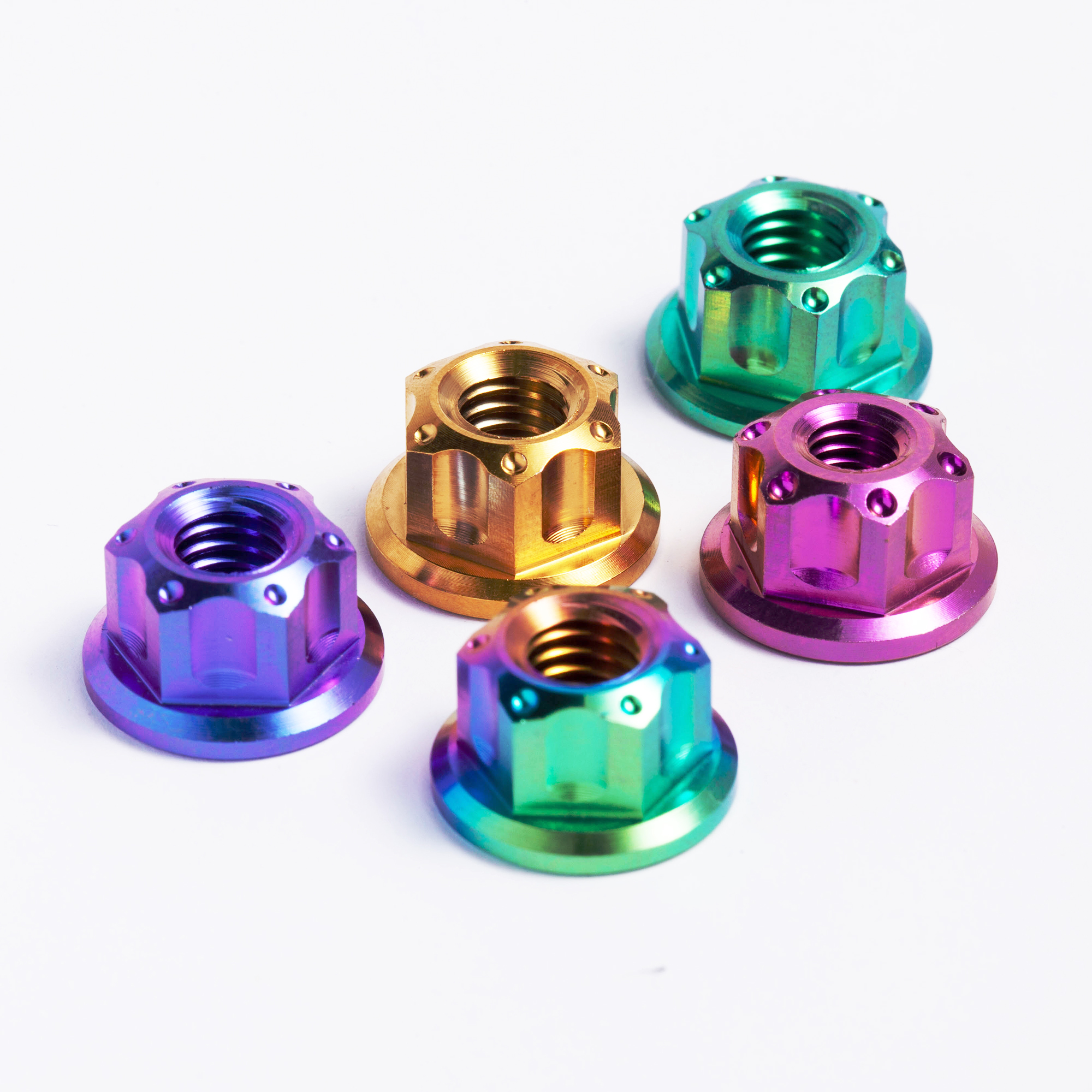
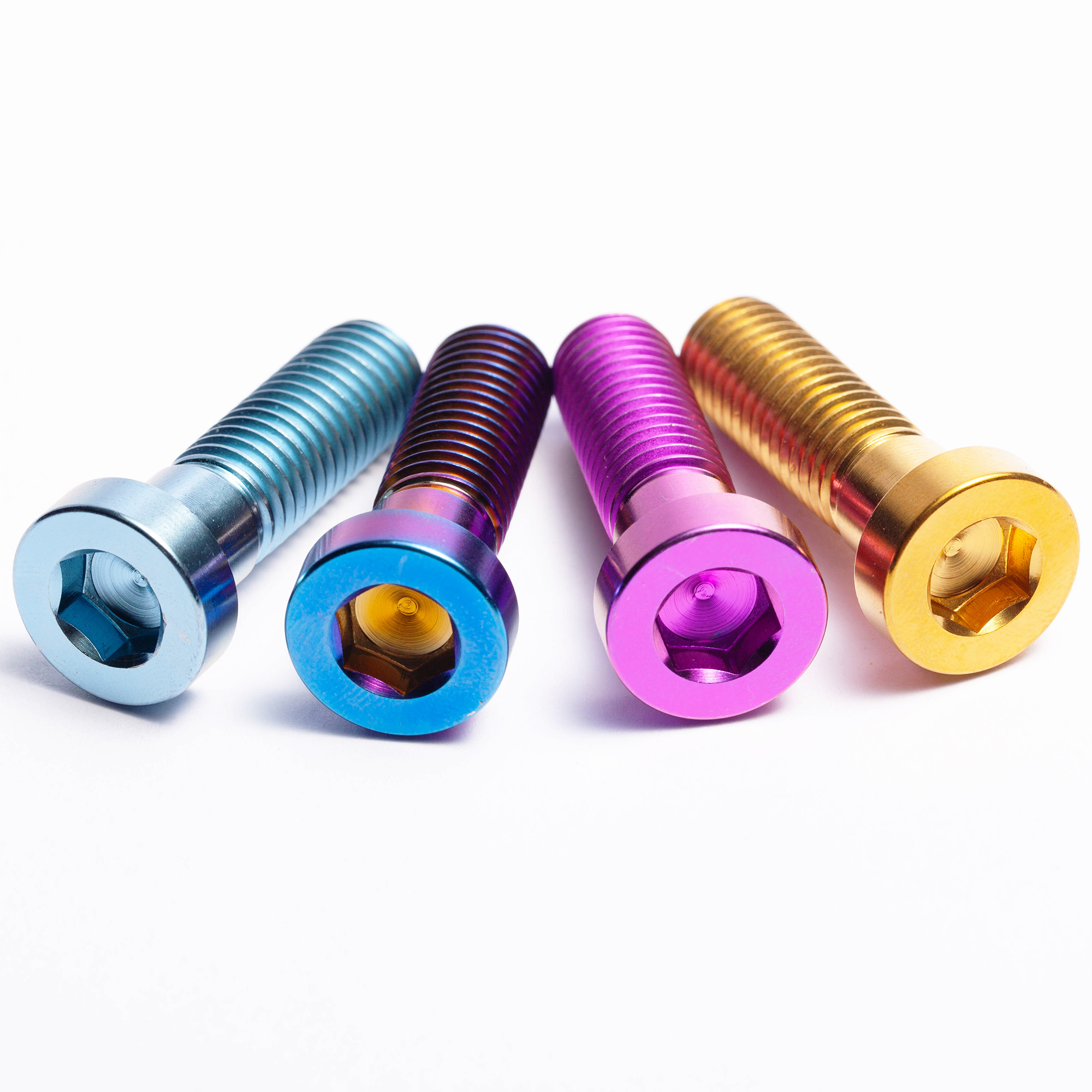
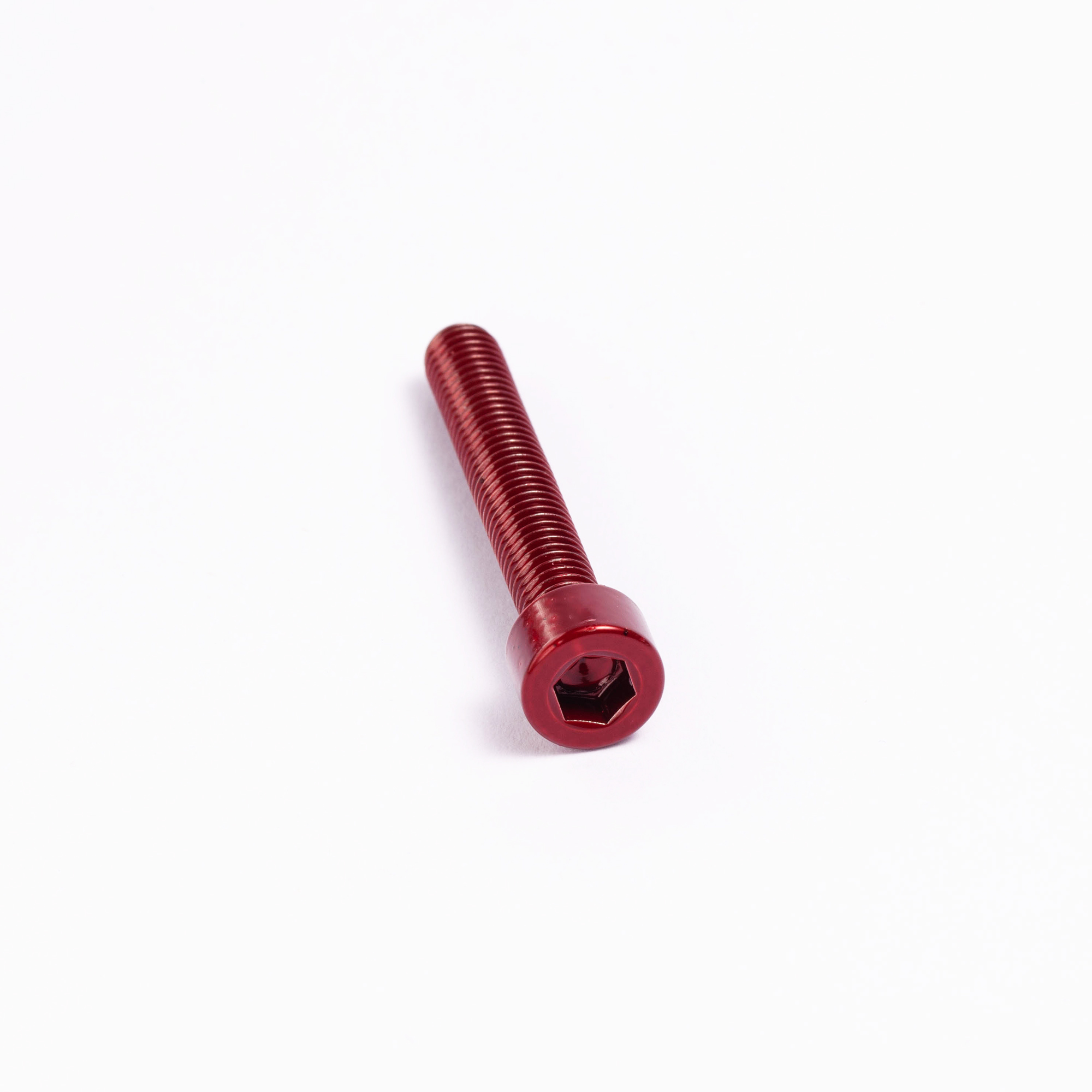
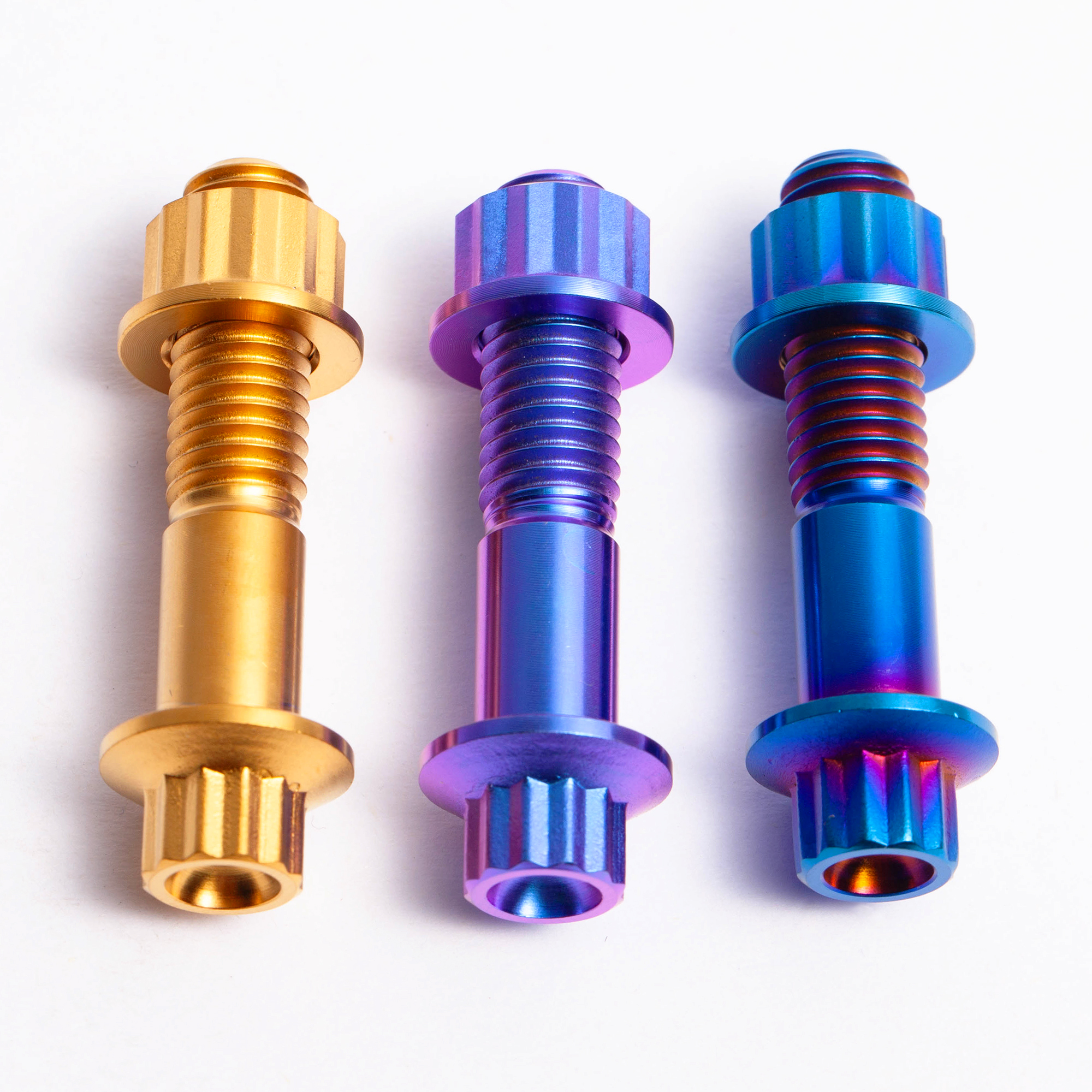
Alongside our certified medical titanium tubing lines, we supply ultra-precise Grade 2, Grade 5 (Ti-6Al-4V), and Grade 9 metric hardware engineered for high-vibration biomedical equipment, orthotics, surgical frames, and cleanroom test fixtures.
Metallurgical Integrity of Titanium Medical Tubing for Slovak Device Manufacturers
Understanding interstitial purity, cold-drawing tolerances, micro-structural grain boundaries, and biocompatibility criteria essential for Class IIa, IIb, and Class III medical instruments.
In the biomedical manufacturing ecosystem of the Slovak Republic—ranging from established precision mechanical workshops along the Váh River Valley (Považie) to modern medical technology hubs around Bratislava, Trnava, and Košice—the engineering demands on micro-tubing are uncompromising. Medical tubing acts as the functional backbone for endoscopic shafts, fluid-delivery needles, cardiovascular stent scaffolding, and cannulated orthopedic screws. Choosing the right metallurgical composition dictates whether a medical device survives cyclic micro-bending fatigue or suffers catastrophic in-vivo embrittlement.
At Jiaxing Wexra Titanium Products Co., Ltd., our titanium medical tubing lines are produced under rigorous ASTM F67 (Unalloyed Commercially Pure Titanium for Surgical Implant Applications) and ASTM F136 (Wrought Titanium-6Aluminum-4Vanadium ELI Extra Low Interstitial for Surgical Implant Applications) specifications. When Slovak manufacturing engineers evaluate micro-tubular components, the primary mechanical consideration is the balance between tensile yield, elongation, and elastic modulus. Commercially Pure Grade 2 (CP-Ti) offers unexcelled formability and natural tissue integration, while Grade 5 ELI (Ti-6Al-4V ELI) and Grade 9 (Ti-3Al-2.5V) provide the structural modulus and hoop strength necessary to sustain high internal burst pressures during pressurized catheter flushing or robotic laparoscopic actuation.
| Material Grade | Standard Spec | Yield Strength (MPa) | Tensile Strength (MPa) | Elongation (%) | Biocompatibility Focus |
|---|---|---|---|---|---|
| CP Titanium Grade 1 | ASTM F67 / ISO 5832-2 | 170 – 310 | ≥ 240 | ≥ 24 | Pacemaker enclosures, reconstructive dental cannulas |
| CP Titanium Grade 2 | ASTM F67 / ISO 5832-2 | 275 – 450 | ≥ 345 | ≥ 20 | Surgical drainage tubes, fluidic manifolds, biopsy cannulas |
| Ti-6Al-4V ELI (Grade 23) | ASTM F136 / ISO 5832-3 | ≥ 795 | ≥ 860 | ≥ 10 | Orthopedic intramedullary nails, spinal cannulated screws |
| Ti-3Al-2.5V (Grade 9) | ASTM B338 / Medical OEM | ≥ 485 | ≥ 620 | ≥ 15 | Minimally invasive laparoscopic shafts, endoscopic guide tubes |
| Surgical 316LVM (Ref) | ASTM F138 | ≥ 190 (Annealed) | ≥ 490 | ≥ 40 | Heavy, susceptible to trace nickel ion elution |
A frequent problem faced by Slovak medical device assembly plants in cities like Nové Mesto nad Váhom or Nitra is the phenomenon of internal wall striation and micro-chatter caused by inferior plug-drawing methods. When micro-tubes are cold drawn without inert protective gas or subjected to unstable draw-bench speeds, microscopic surface fractures develop on the internal diameter (ID). In high-pressure injection systems or blood-contacting catheters, these surface irregularities trigger protein accumulation, micro-thrombi formation, and turbulent hydraulic friction. Wexra Titanium solves this challenge through proprietary multi-pass floating-plug cold drawing combined with intermediate high-vacuum annealing at temperatures above 700°C (preventing oxygen pickup), culminating in an ultra-smooth ID finish of Ra ≤ 0.2 μm.
Localized Medical Tubing Applications in Slovakia's Industry
How precision titanium tubular products integrate into Slovakia’s specialized engineering clusters, biomedical research centers, and export-driven surgical instrument manufacturing.
Minimally Invasive Surgery (MIS) & Laparoscopy
For high-precision surgical tools manufactured in the Považie region, our cold-drawn Grade 9 (Ti-3Al-2.5V) seamless tubing provides optimal torsional rigidity with ultra-thin walls (0.10 mm – 0.25 mm). The high strength-to-weight ratio allows Slovak instrumentation designers to craft lightweight robotic graspers, electrocautery shafts, and trocar access tubes that minimize surgeon hand fatigue during prolonged interventions.
Orthopedic & Trauma Implants (Cannulated Screws)
In orthopedic device hubs in Central and Eastern Slovakia (Banská Bystrica, Košice), titanium cannulated screws and intramedullary interlocking nails require tubes with strict concentricity and runout tolerances (≤ 0.03 mm/m). Grade 5 ELI tubes supplied by Wexra offer exceptional fatigue endurance against dynamic gait stresses, complete bio-inertness, and clear MRI/CT compatibility without toxic metal ion leaching.
Cardiovascular Hypotubes & Stent Delivery
Slovak R&D teams developing innovative micro-catheters in Bratislava rely on our micro-capillary Grade 2 and Grade 5 ELI tubing. Featuring outer diameters as small as 0.30 mm with tight dimensional consistency, these tubes are optimized for automated laser cutting, creating flexible spiral patterns, articulating articulation joints, and drug-eluting stent delivery mechanisms with minimal burr formation.
Analytical Fluidics & Chromatography Systems
Slovakia's pharmaceutical and bio-analytical testing laboratories in Bratislava and Nitra demand inert flow channels for High-Performance Liquid Chromatography (HPLC) and Mass Spectrometry (MS). Wexra's electropolished titanium tubing prevents protein adsorption and exhibits zero corrosion in corrosive solvent, saline, or chlorinated mobile phases that rapidly degrade standard stainless steel.
Dental Implants & Micro-Surgical Cannulas
Dental manufacturing facilities in Western Slovakia require biocompatible micro-tubular raw materials for surgical irrigation pins, implant depth gauges, and bone-harvesting trephine drills. Our CP Grade 4 and Grade 5 ELI tubing provides high shear strength and rapid osseointegration capabilities, conforming to all ISO 10993 cytotoxicity and hemocompatibility guidelines.
Slovakia MedTech Trends: Navigating EU MDR 2017/745 & Strategic Sourcing
How the evolution of European medical device regulations is shaping raw material verification, digital traceability, and supply chain strategies in Central and Eastern Europe.
The Slovak medical manufacturing sector is currently experiencing a profound transition driven by the full enforcement of the European Medical Device Regulation (EU MDR 2017/745). Historically, sourcing titanium raw materials under the older Medical Devices Directive (MDD 93/42/EEC) allowed broader allowances for standard commercial certificates. Under EU MDR, notified bodies such as TÜV SÜD, 3EC International (Bratislava), and SZU require complete, uncompromised end-to-end traceability of the raw melt chemistry, ingot sourcing, reduction processing, and post-machining passivation.
Slovak procurement officers and quality assurance managers cannot afford supply disruptions or regulatory audits flagged with inadequate documentation. Every batch of titanium tubing shipped by Jiaxing Wexra Titanium Products Co., Ltd. is accompanied by an extensive EN 10204 3.1 Inspection Certificate that details not only chemical composition down to ppm-level interstitial elements (C, O, N, H, Fe), but also grain size analysis (ASTM E112), tensile yield test charts, flaring test verification, and 100% hydrostatic and eddy current non-destructive examination (NDE) data. This allows medical engineering teams in Slovakia to assemble technical documentation files that sail through notified body audits with complete confidence.
Concurrently, the trend toward nearshoring and resilient supply partnerships across the Visegrád Group (V4) has pushed Slovak firms to diversify beyond fragile domestic distributors who often resell untraceable warehouse stock at inflated price points. By forming a direct B2B partnership with our Jiaxing manufacturing facility, Slovak buyers gain factory-direct custom dimensional drawing capabilities, specialized tube bending/swaging services, and scheduled air-freight logistics directly into Bratislava Airport (BTS) or Vienna Schwechat (VIE), located just 45 minutes from the Slovak capital.
Engineered Excellence: Wexra Titanium Factory Advantages
Blending precision metallurgy, cleanroom processing, high-precision CNC machining, and comprehensive international compliance to empower Slovak medical innovators.
ISO 9001:2015 & Strict Quality Control
Founded in 2018 with a singular focus on titanium metallurgy, our operations operate under a certified ISO 9001:2015 Quality Management System. We implement multi-stage dimensional checks, optical coordinate measuring (CMM), thread pitch verification, and spectrochemical assays on every production melt to guarantee 100% conformity.
Advanced Micro-Machining & Secondary Operations
Our workshop houses multi-axis Swiss-type turning machines, CNC lathes, and high-frequency laser cutting lines. We perform precision chamfering, radial slotting, laser micro-hole drilling, end flaring, tube coiling, and micro-threading with dimensional tolerances down to ±0.01 mm.
Medical Passivation & Surface Finishing
Tubing components undergo automated ultrasonic cleaning, acid descaling, and chemical passivation adhering to ASTM F86 standards. We offer specialized mechanical mirror polishing (Ra ≤ 0.1 μm), micro-bead blasting, and bio-compatible titanium anodizing (Type II and Type III color coding) for clear clinical identification.
Seamless EU & Slovak Customs Compliance
With an export quota exceeding 91% and dedicated delivery channels across Germany, the UK, and North America, we are fully versed in European trade requirements. We supply compliant packaging (EPR Germany compliant), RoHS & REACH documentation, and precise HS/TARIC customs codes (7228.80 / 8108.90) for frictionless clearance at Slovak customs offices.
Frequently Asked Questions: Sourcing Titanium Tubing in Slovakia
Practical answers to key questions asked by Slovak procurement heads, technical buyers, and quality control engineers.
What material documentation is provided to satisfy Slovak and EU MDR regulatory audits?
How do you handle shipping, customs clearance, and import duties into the Slovak Republic?
Can Wexra produce custom capillary tubes with non-standard wall thicknesses and tight tolerances?
What is the difference between ASTM F136 Grade 5 ELI and standard ASTM B348 Grade 5 for medical tubes?
What are your Minimum Order Quantities (MOQ) for Slovak R&D prototyping projects?
Request a Technical Consultation or Custom Tubing Quote
Send your dimensional tolerances, material grade specifications (ASTM F67, ASTM F136, Ti Gr9), or component blueprints to our technical engineering sales desk for a detailed B2B price quote and lead-time analysis within 8 business hours.