Precision CNC Engineering · ISO 9001:2015
Titanium Micro Parts Manufacturers & Factory in Yangon
Delivering sub-millimeter precision titanium micro hardware, Gr5 & Gr2 custom turned components, and vibration-resistant micro fasteners engineered to industrial specifications across Greater Yangon and regional export corridors.
High-Precision Catalog
Featured Titanium Micro Fasteners & Motion Components
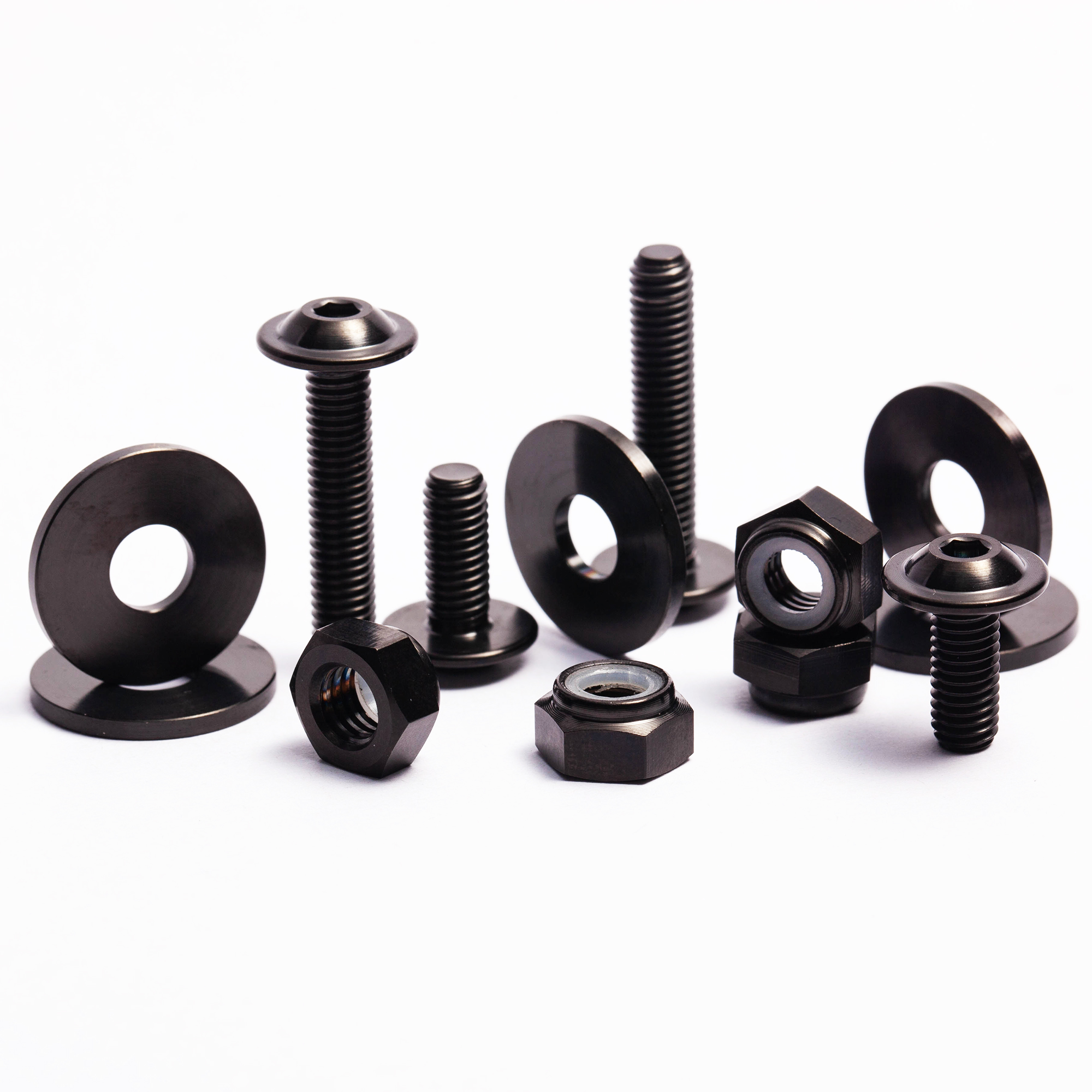
Machined from certified Ti-6Al-4V Grade 5 and Grade 2 bars to withstand elevated temperatures, marine-grade tropical humidity, and extreme shear stresses.
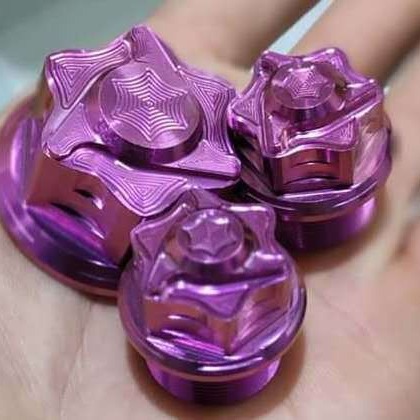
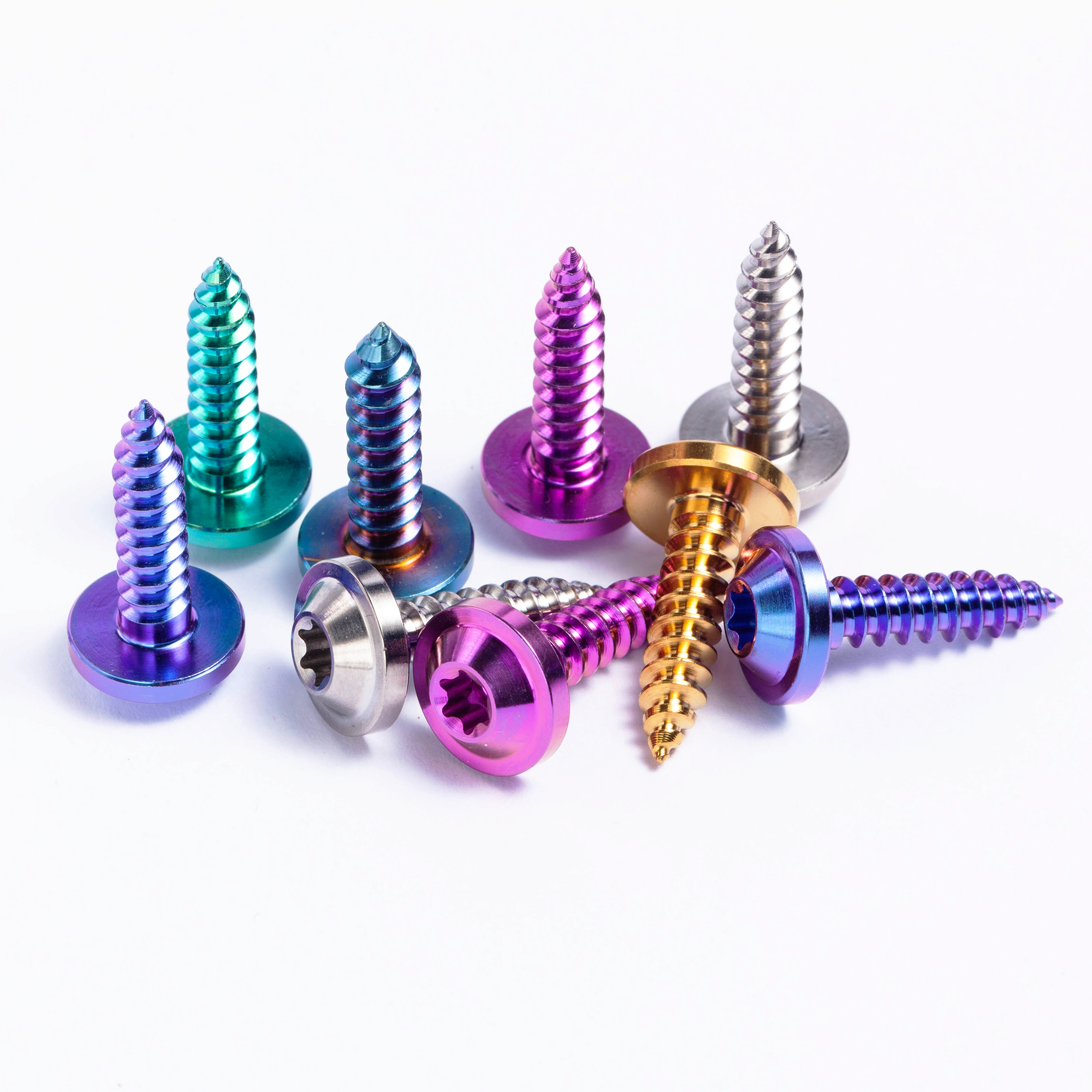
Ultra-Polished Finish
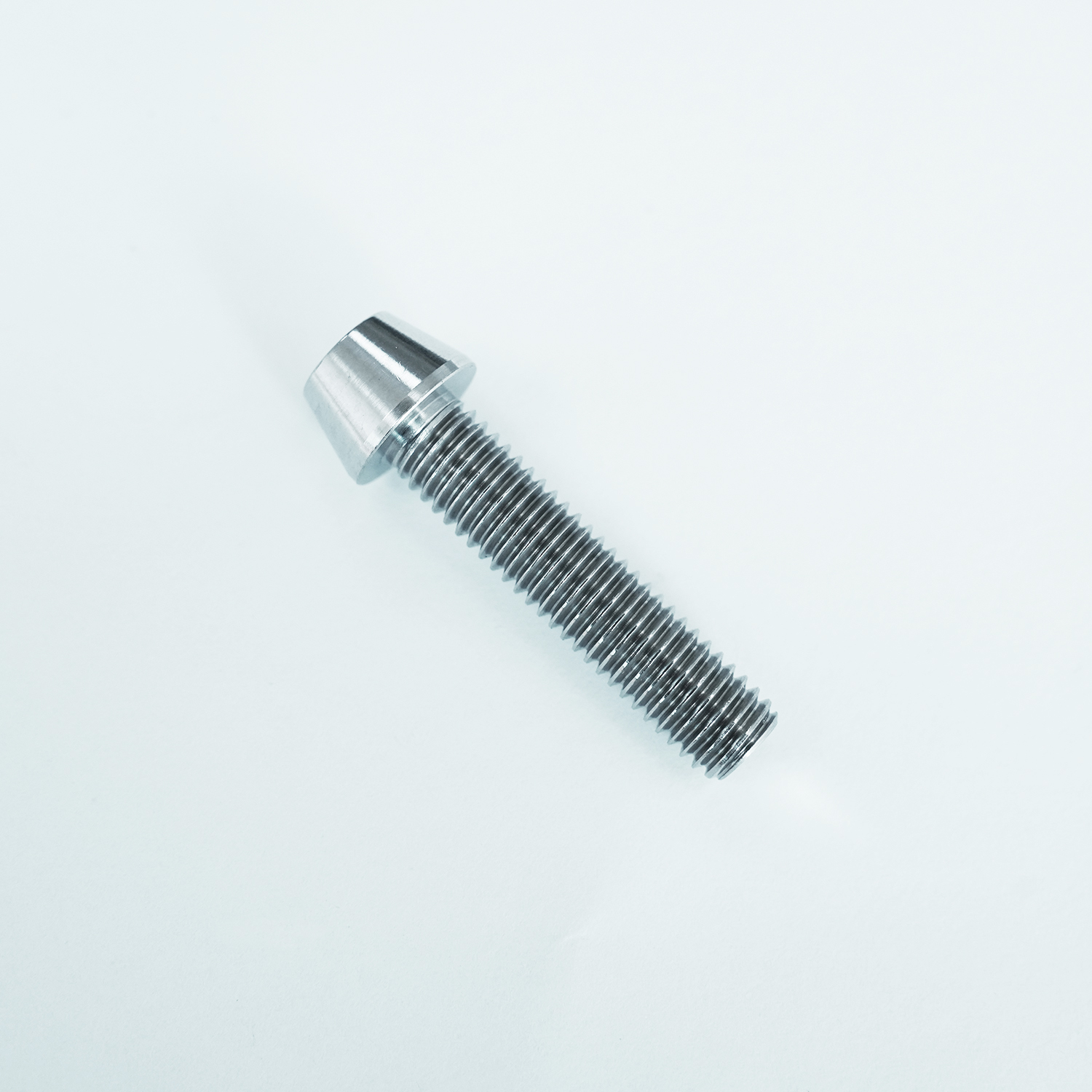
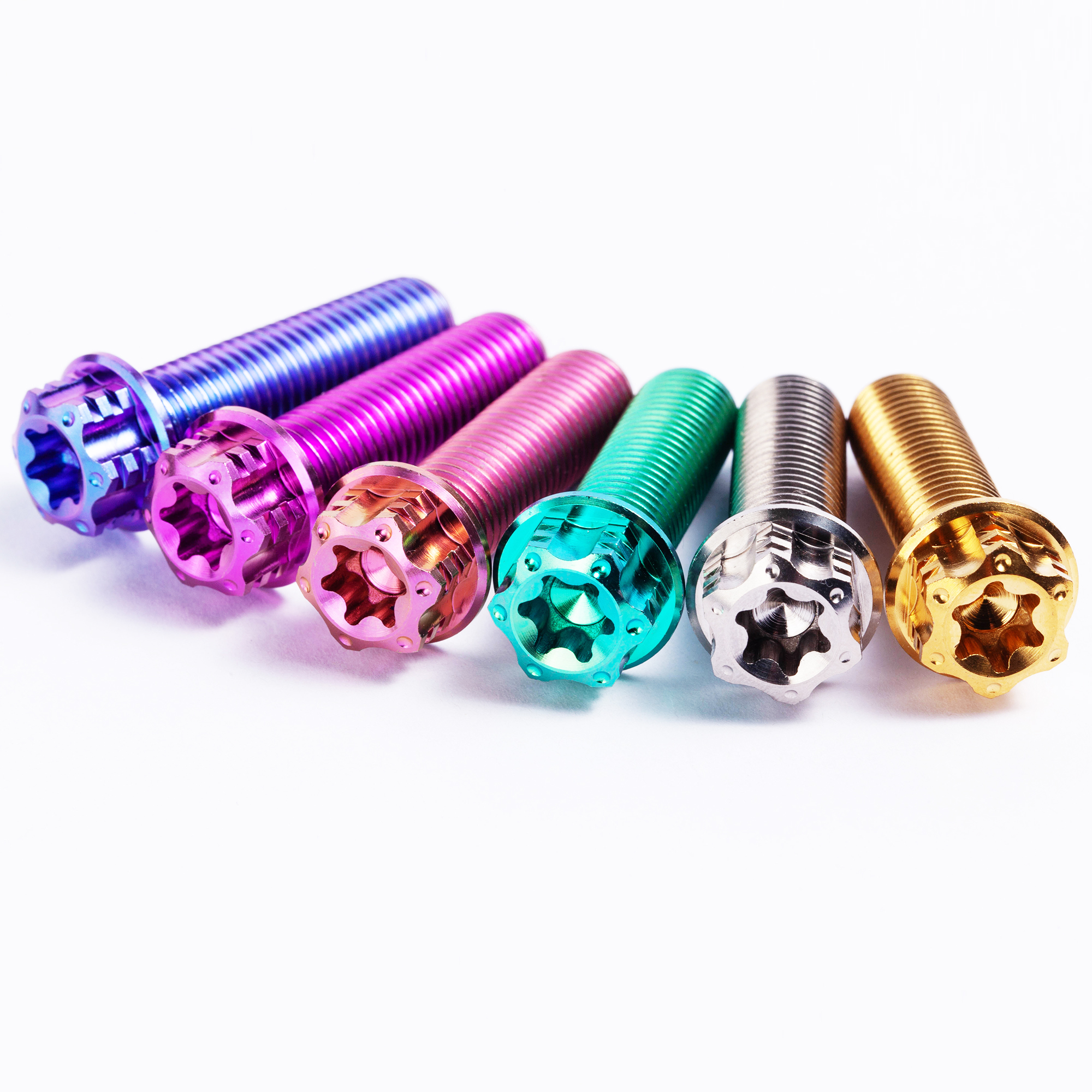
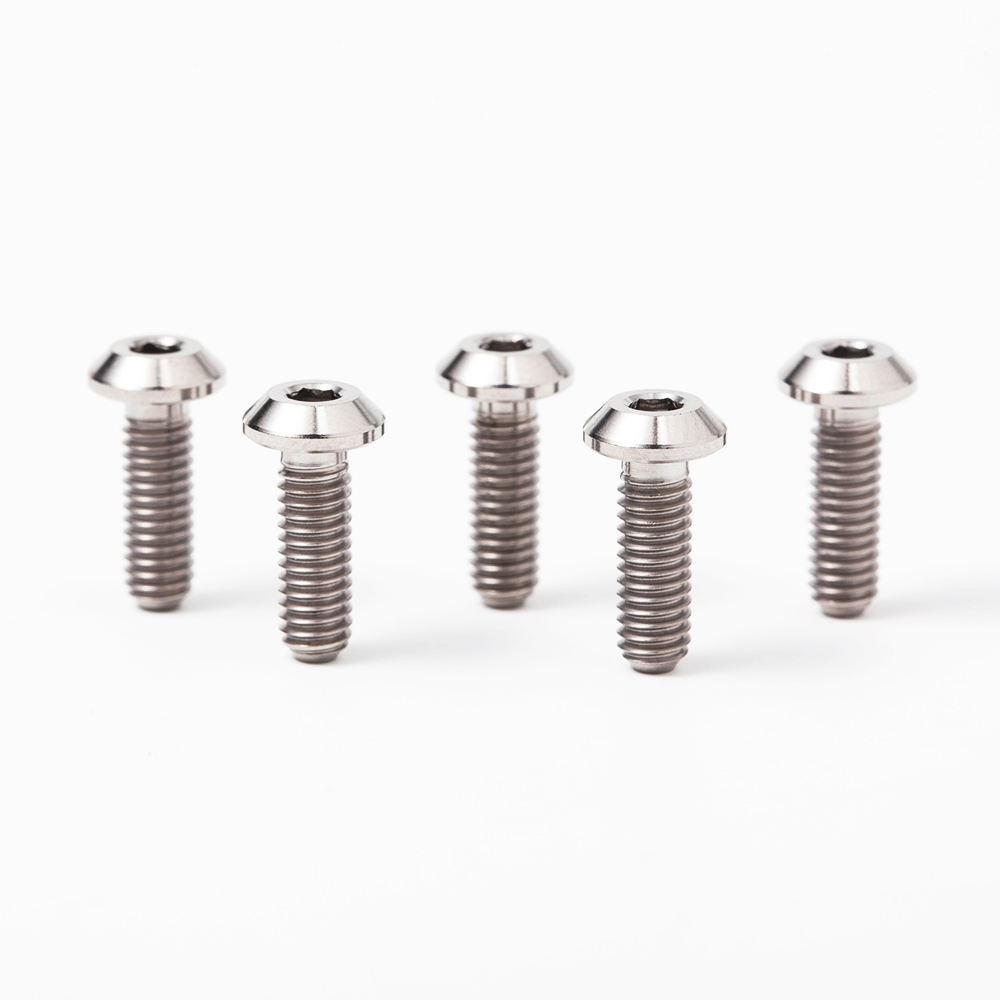
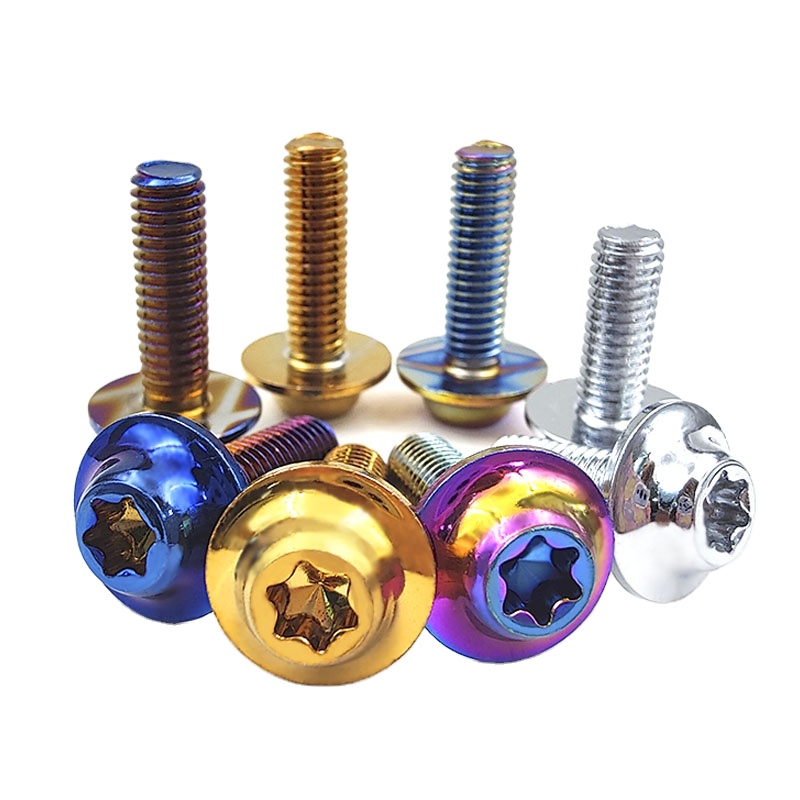
Titanium Alloy GR5 Disc Brake Rotor Bolts Polished Finish ISO Standard Motorcycle Studs
Industrial Integration
Localized Application Scenarios in Yangon Industrial Corridors
From Mingaladon to Thilawa Special Economic Zone (SEZ), high humidity and saline river deltas demand specialized metallurgy that ordinary carbon steels cannot sustain.
Thilawa SEZ Automation & Medical Assemblies
Precision micro-screws (M1.2 to M4) machined to ASTM F136 standards for cleanroom assembly lines, pharmaceutical packaging conveyors, and diagnostic instruments operating in coastal delta climates.
Yangon River Marine & Port Logistics
Terminal crane monitoring systems, marine sensor brackets, and telemetry housing fasteners requiring absolute immunity to galvanic corrosion and saltwater oxidation along the Hlaing River docks.
Electronics & Optical Instrumentation
Non-magnetic, lightweight CNC turned components, camera sensor spacers, and optical laser mounting studs deployed across local consumer electronics sub-assemblies and IoT gateway modules.
Whitepaper & Strategic Insight
Localization Trends: Myanmar's Precision Manufacturing Transition
An engineering analysis of how titanium micro-fasteners and miniature components are replacing imports to build durable domestic supply chains.
In Myanmar's industrial ecosystem, the urban manufacturing belt extending across Hlaingthaya, Mingaladon, and the Thilawa SEZ is executing a decisive technological upgrade. Historically, regional light manufacturing depended on imported nickel-plated carbon steel or standard 304 austenitic stainless steel fasteners. However, in tropical industrial settings with relative humidity routinely exceeding 80% and monsoon seasonal surges, surface-treated steels suffer from accelerated pitting, micro-crevice oxidation, and stress-corrosion cracking.
The strategic shift toward Grade 5 (Ti-6Al-4V) and Grade 2 Titanium Micro Parts eliminates the hidden operational costs of premature equipment teardown and fastener galling. Titanium spontaneously develops a dense, stoichiometric titanium dioxide (TiO2) passive film that repairs itself instantly in the presence of oxygen or moisture. This metallurgy guarantees zero corrosion in saline, acidic, and tropical manufacturing environments without needing toxic galvanization or cad-plating treatments.
| Property Metric | Ti-6Al-4V (Grade 5) | Grade 2 CP Titanium | AISI 304 Stainless | 10.9 Alloy Steel |
|---|---|---|---|---|
| Density (g/cm³) | 4.43 (44% lighter) | 4.51 | 7.93 | 7.85 |
| Tensile Strength (MPa) | 895 - 1050 | 345 - 485 | 515 - 700 | 1040 |
| Yield Strength (MPa) | 828 | 275 | 205 | 940 |
| Monsoon Saline Resistance | Immune | Immune | Moderate Pitting | Rapid Rusting |
| Magnetic Permeability | Non-Magnetic (μr ≈ 1.00005) | Non-Magnetic | Slight if cold-worked | Ferromagnetic |
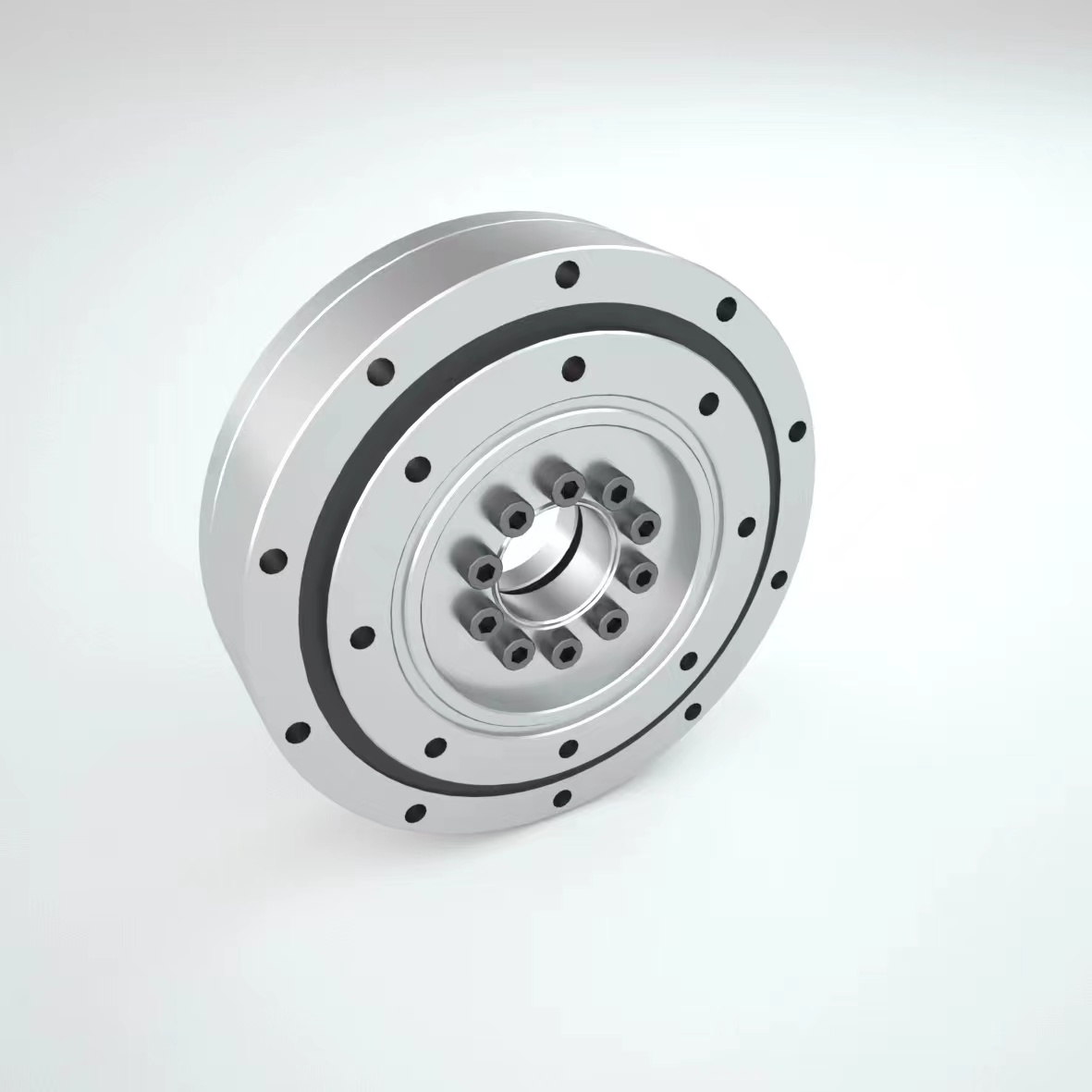
Furthermore, the local assembly lines in Yangon are integrating higher levels of sensorization and smart motion controllers. In harmonic gearboxes, high-frequency robotics arms, and precision optical sensors, component weight directly dictates motor inertia and power draw. Titanium parts exhibit a superior strength-to-weight ratio over tool steels, reducing rotating mass by roughly 44%, extending brushless servomotor runtimes, and significantly lowering vibration harmonic amplitudes during high-speed cycle iterations.
44%
Direct Weight Reduction vs Steel
±0.01 mm
Micro CNC Machining Tolerance
100%
Non-Magnetic Signal Integrity
ISO 9001
Certified Quality Management
Enterprise Strength
Engineering Leadership & Manufacturing Capabilities
Backed by Jiaxing Wexra Titanium Products Co., Ltd., we combine dedicated raw material metallurgical testing with advanced Swiss-type CNC micro-turning technology.
Sub-Millimeter CNC Machining
Multi-axis Swiss turning centers calibrated for micro-fasteners down to M1.0, thread rolling for superior shear resistance, and deep-hole drilling for weight relief.
Strict Traceability & MTC
Complete lot traceability from raw sponge to finished bolt. Every production batch is delivered with EN 10204 3.1 Mill Test Certificates and spectral composition analysis.
Rapid Tooling & Prototyping
Engineered DFM (Design for Manufacturability) analysis delivered within 8 hours, supporting short-run pilot runs for local R&D engineering teams.
Custom Surface Finishing
Type II hard anodizing, mirror chemical polishing, micro-sandblasting, and vacuum PVD coating delivering aesthetic brilliance alongside wear protection.
Procurement Intelligence
Frequently Asked Questions by Yangon Buyers
Crucial metallurgical, logistics, and technical guidelines addressing common questions raised by procurement directors and quality assurance managers in Myanmar.
How do titanium micro-screws prevent thread galling in high-torque assemblies?
Titanium threads have a high coefficient of friction. To prevent galling (cold-welding), we recommend anti-seize lubricants containing MoS2 or copper paste. Furthermore, our micro-threads are rolled rather than cut, creating burnished root radii that disperse friction loads across the fastener interface.
What is the standard turnaround time for custom micro parts delivered to Yangon?
For custom CNC turned parts from client 2D/3D CAD drawings (STEP/DWG), prototypes ship within 7 working days. Bulk production batches for SEZ facilities in Yangon are completed in 15 to 20 days with standard express air-cargo routing arriving at Yangon International Airport (RGN) within 3-5 transit days.
When should a buyer select Grade 5 over commercially pure Grade 2 titanium?
Grade 5 (Ti-6Al-4V) is heat-treatable and provides high tensile strength (≥895 MPa), making it mandatory for dynamic shear, rotor fasteners, suspension brackets, and load-bearing micro-pins. Grade 2 is selected when maximum chemical resistance, high elongation, and electrical passivity are required at a lower unit cost.
Are custom anodized surface finishes dimensionally stable for micro-tolerances?
Yes. Titanium anodization is an electrochemical conversion process that grows a controlled oxide nano-layer (15 nm to 60 nm). Unlike paint or powder coatings, it does not alter the dimensional pitch of micro-threads (such as M1.2 to M3), guaranteeing zero interference during high-precision mechanical fits.