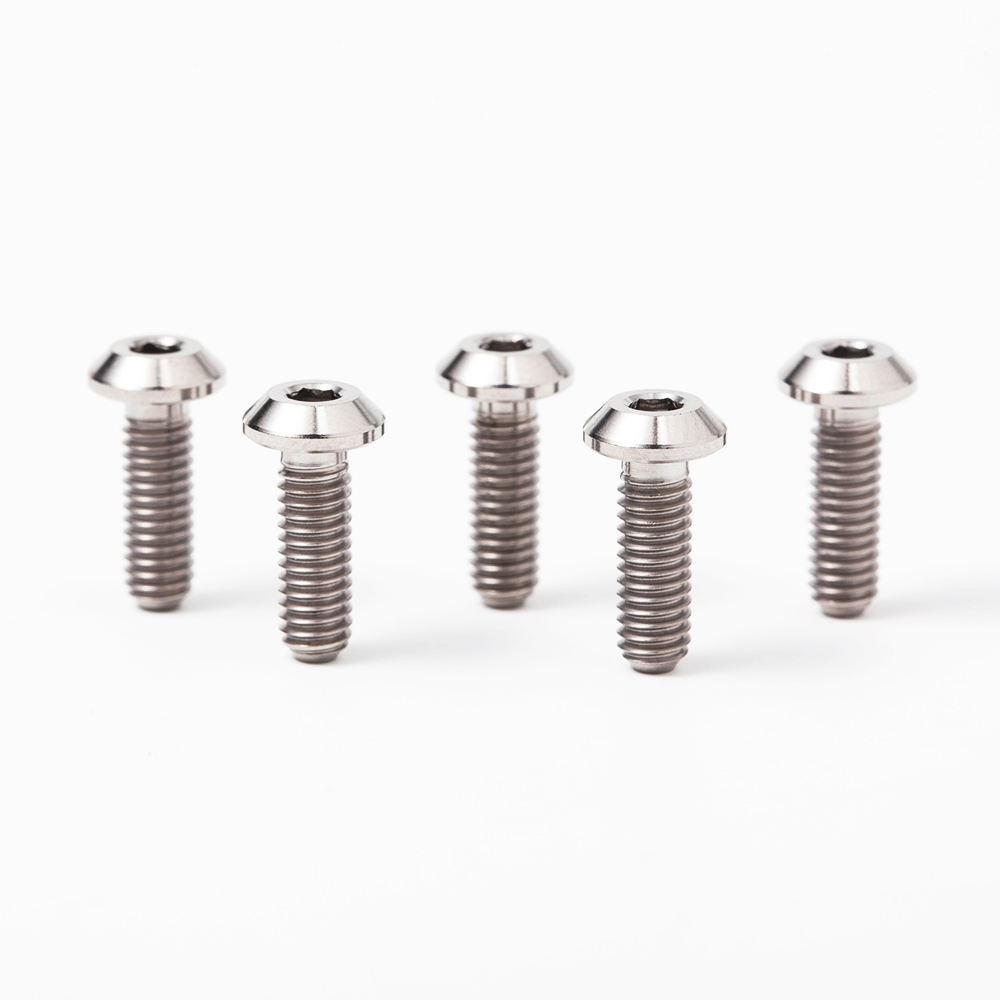
Industrial Grade Titanium Inventory
Precision Titanium Socket Screws & Structural Assemblies
Engineered for extreme tensile load tolerances, harsh seawater galvanic protection, and cyclic vibration dampening. Select an engineered fastener below or request direct batch quoting.
±0.01mm
CNC Machining Tolerance
≥ 895 MPa
Gr5 Tensile Strength
4.43 g/cm³
Low Specific Density (45% vs Steel)
100% Traceable
ISO 9001 & MTC ASTM Verification
Precision Manufacturing Architecture
Engineering Advantages of Wexra Titanium Socket Head Cap Screws
Combining high-precision CNC multi-axis turning with grain-aligned cold thread rolling to eliminate stress risers under extreme mechanical loads.
Thread-Rolling Metallurgical Integrity
Unlike cut threads which sever metallic grain structures, our threads are cold-rolled. This increases fatigue resistance by over 30%, hardens thread flanks, and ensures flawless engagement under continuous vibration.
Deep-Broached Hexagon & Torx Geometry
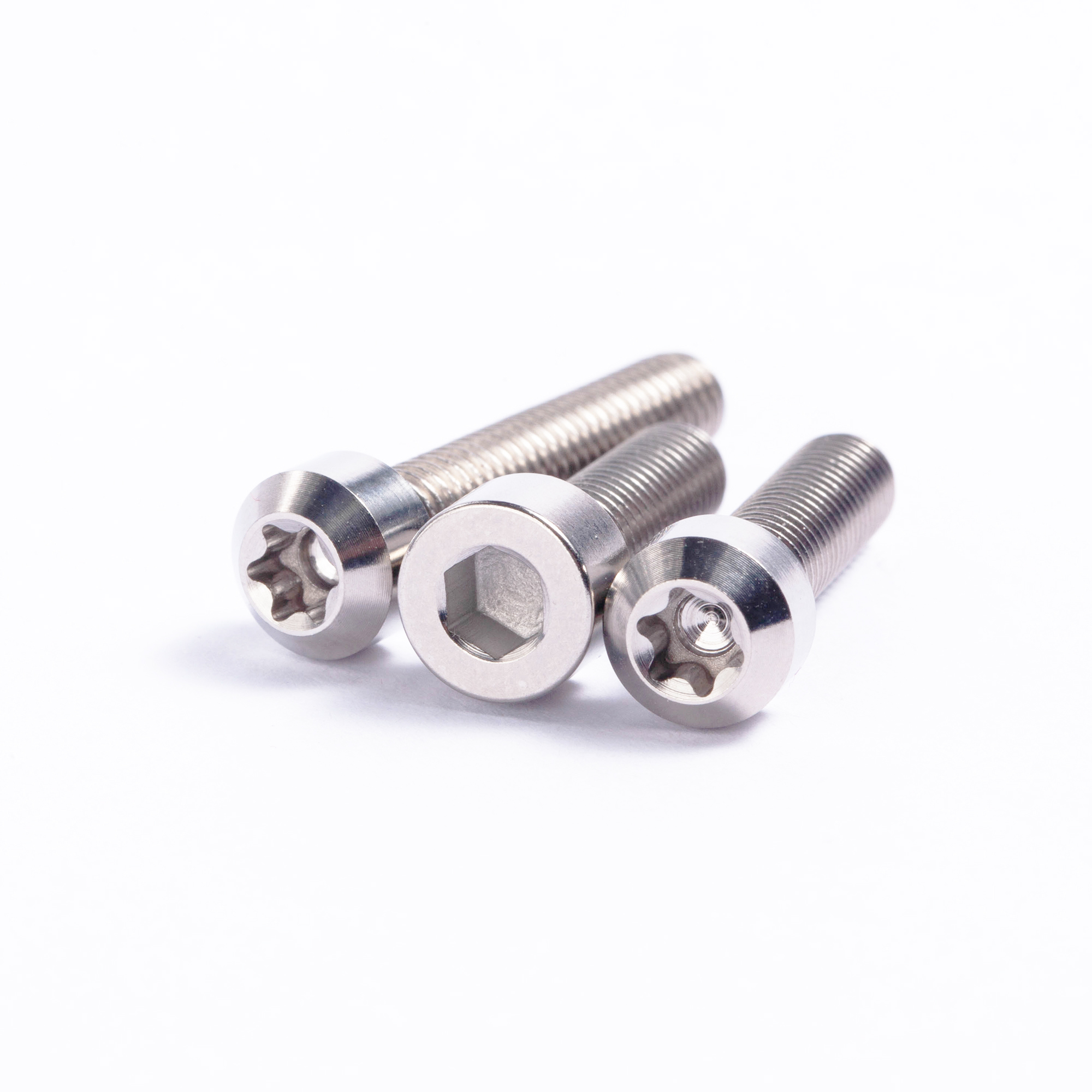
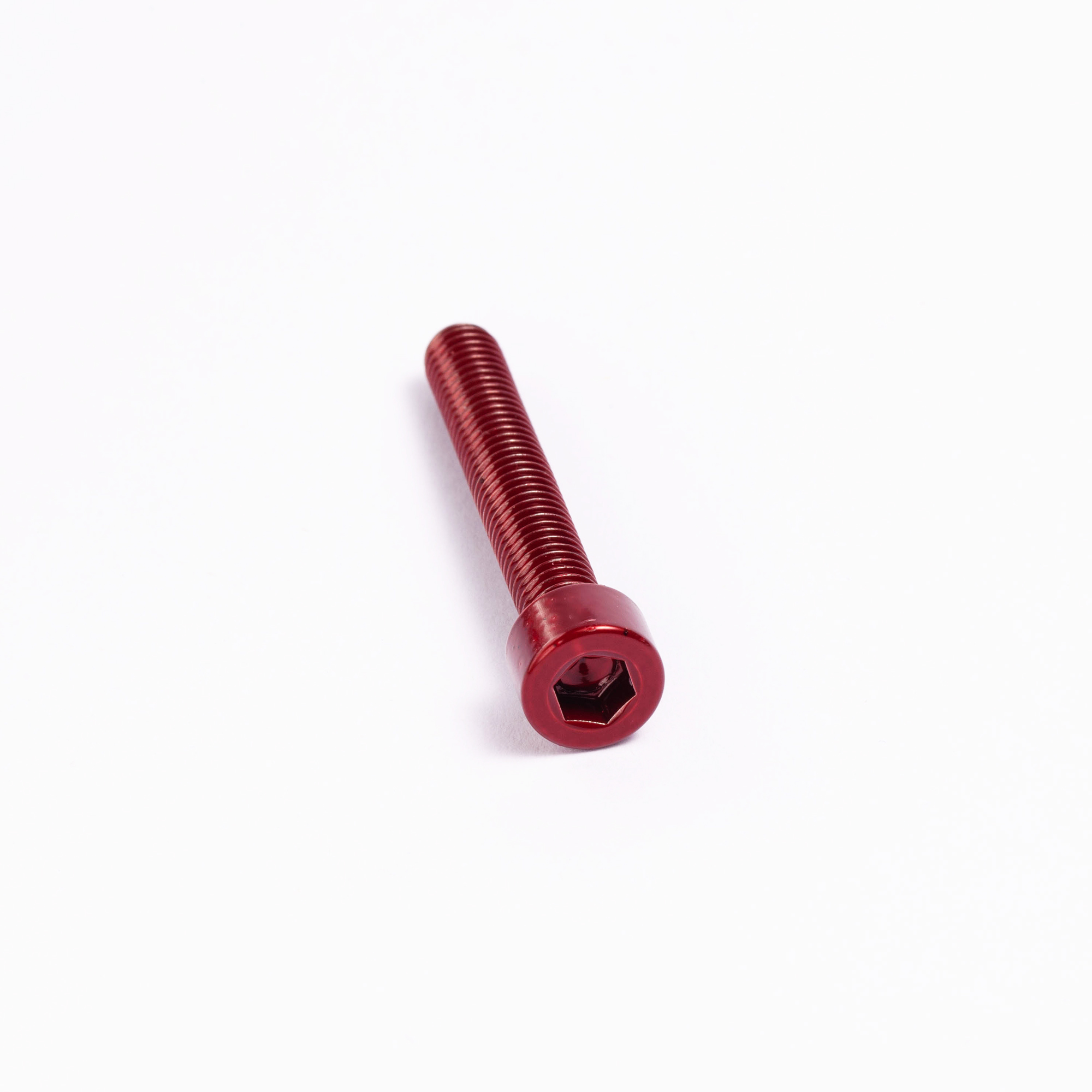
Broached hexagonal and star drives (Torx) prevent cam-out and corner deformation. Even under high installation torque ratios, drive walls remain intact, ensuring repeatable maintenance cycles in tight machinery spaces.
Stable Passivation Oxide Film (TiO&sub2;)
Our titanium socket screws naturally form a stable, non-porous titanium dioxide film that self-heals in the presence of oxygen, completely isolating base metals from marine chloride ions, alkalis, and atmospheric oxidizers.
Industrial Application Analysis
Titanium Socket Screws in Nampo: Maritime, Refining & Port Infrastructure
Operating along the West Sea basin, Nampo represents a demanding testbed for industrial fasteners, facing constant saltwater mist, chemical vapors, and heavy machinery vibrations.
Industrial procurement in Nampo centers around port equipment, offshore installations, shipbuilding, chemical processing facilities, and localized precision manufacturing. Because of Nampo's direct exposure to the Yellow Sea's marine atmosphere, conventional carbon steel fasteners (even with hot-dip galvanized or zinc electroplated coatings) suffer from rapid zinc dissolution and iron oxidation. In harsh marine splash zones, standard fasteners fail within 12 to 24 months due to stress corrosion cracking (SCC) and crevice oxidation underneath fastener heads.
Key Strategic Engineering Insight for Nampo Maritime Operations:
Replacing structural M4-M16 alloy steel socket bolts with Ti-6Al-4V Grade 5 completely eliminates galvanic corrosion risks across aluminum superstructures and bronze pump bodies. In marine environments containing high sulfur compounds or petrochemical vapors from port processing terminals, Wexra Titanium provides an essentially zero-maintenance lifecycle.
Critical Regional Use Cases Across Nampo Sectors
Port Cranes & Marine Winches
Nampo port lifting infrastructure and saltwater moorings experience dynamic cyclic loading. DIN 912 Grade 5 titanium bolts absorb shock loads without notch sensitivity, protecting cable pulleys and tension mounts against catastrophic shear failure.
Chemical Reactor Vessels & Flanges
Industrial facilities in the Nampo corridor dealing with chlorinated solvents, brine processing, and nitric acid run pump manifolds and pipe flanges fastened with Gr2/Gr5 titanium, preventing toxic leaks caused by bolt rust.
Shipbuilding Subsea Assemblies
Naval and cargo ship components exposed below the waterline require high shear resistance without magnetizing naval sensors. Our titanium bolts are non-magnetic (μ < 1.00005) and resist micro-fouling organisms.
Comparative Material Metrics
Titanium Gr5 vs. Stainless 316 vs. Class 10.9 Alloy Steel
Evaluate yield strength, weight reduction factors, and pitting resistance equivalent numbers (PREN) before finalizing your procurement specifications.
| Material Specification | Yield Strength (MPa) | Tensile Strength (MPa) | Density (g/cm³) | Chloride Pitting Resistance | Anti-Galling Properties |
|---|---|---|---|---|---|
| Titanium Grade 5 (Ti-6Al-4V) | 828 | 895 - 1000 | 4.43 | Immune in Seawater (<300°C) | Requires Anti-Seize / Micro-Coat |
| Titanium Grade 2 (Pure CP) | 275 | 345 - 480 | 4.51 | Total Acid / Marine Immunity | Standard Molybdenum Coating |
| Stainless Steel 316 (A4-70) | 450 | 700 | 8.00 | Pitting in Static Crevices | Moderate Susceptibility |
| Alloy Steel Class 10.9 | 940 | 1040 | 7.85 | Severe Rust Without Plating | Good (With Oil/Zinc) |
Significant Weight Reduction
Titanium Grade 5 delivers comparable yield strength to Class 10.9 steel with a 45% weight savings, significantly lowering inertia in high-speed rotating assemblies, robotics, and maritime drive systems.
Extended Service Life
By eliminating rust-related seizing, Wexra titanium socket screws substantially reduce downtime during periodic machine teardowns, preventing broken fastener extractors and stripped hex drive sockets.
Strict Dimensional Compliance
All metric socket screws conform to DIN 912, ISO 4762, and ASME/ANSI B18.3 standards, ensuring seamless compatibility with standard metric allen hex tools and industrial torque wrenches.
Industrial Market Evolution
Emerging Sourcing Trends for Titanium Hardware in Nampo
How modernization of heavy machinery and port terminal maintenance cycles are driving transitions toward advanced titanium alloy fasteners.
Transition to Life-Cycle Costing
Procurement departments in Nampo's industrial zones are moving away from upfront price-per-unit metrics toward Total Cost of Ownership (TCO). While initial titanium expenditure is higher than plated alloy steel, eliminating scheduled maintenance replacement cycles yields positive ROI by year two.
Tougher Environmental Standards
Runoff from cadmium and hexavalent chromium surface-treated bolts has raised environmental concerns around waterways. Titanium fasteners are naturally bio-inert and non-toxic, complying with RoHS and REACH standards without hazardous chemical plating baths.
Demand for Custom OEM Profiles
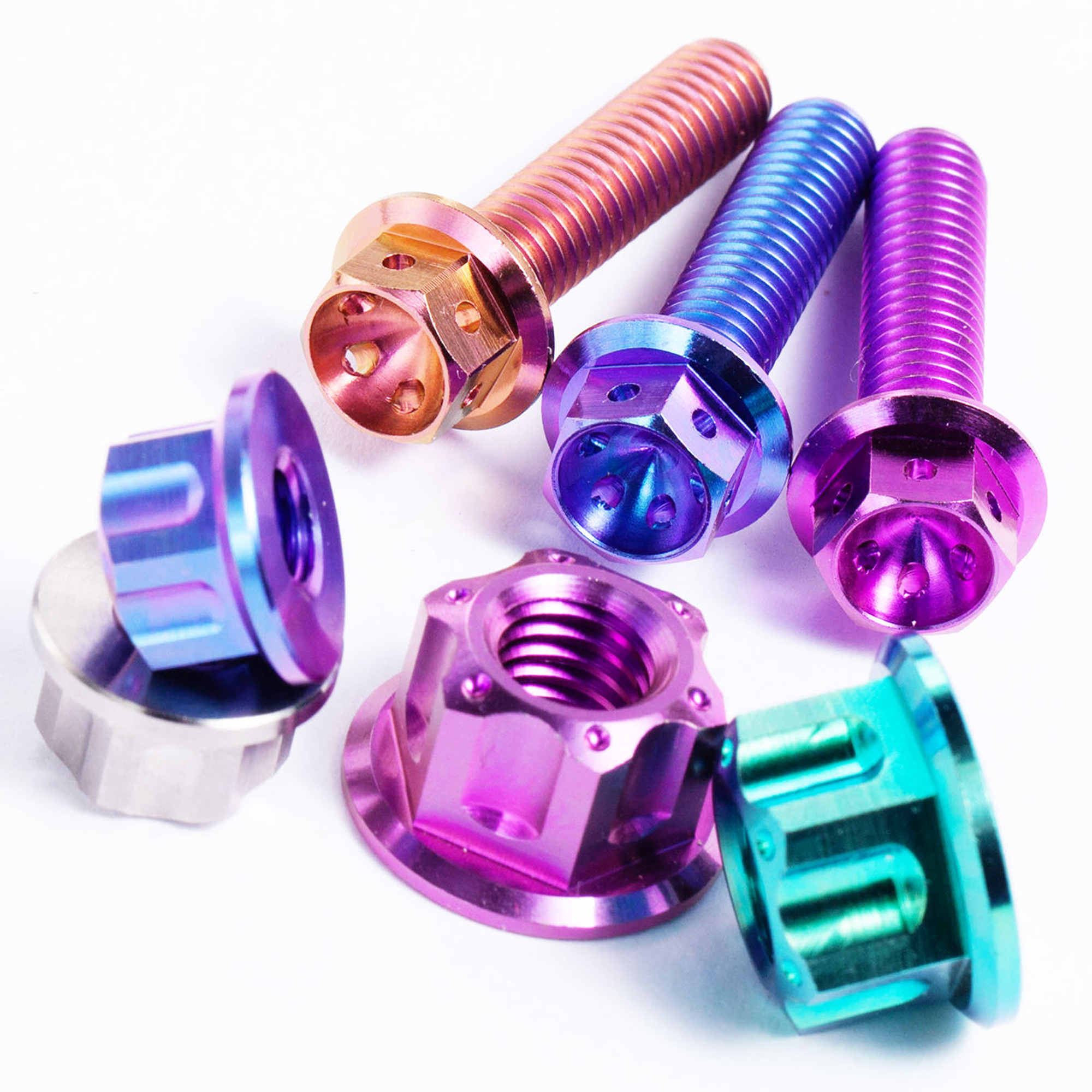
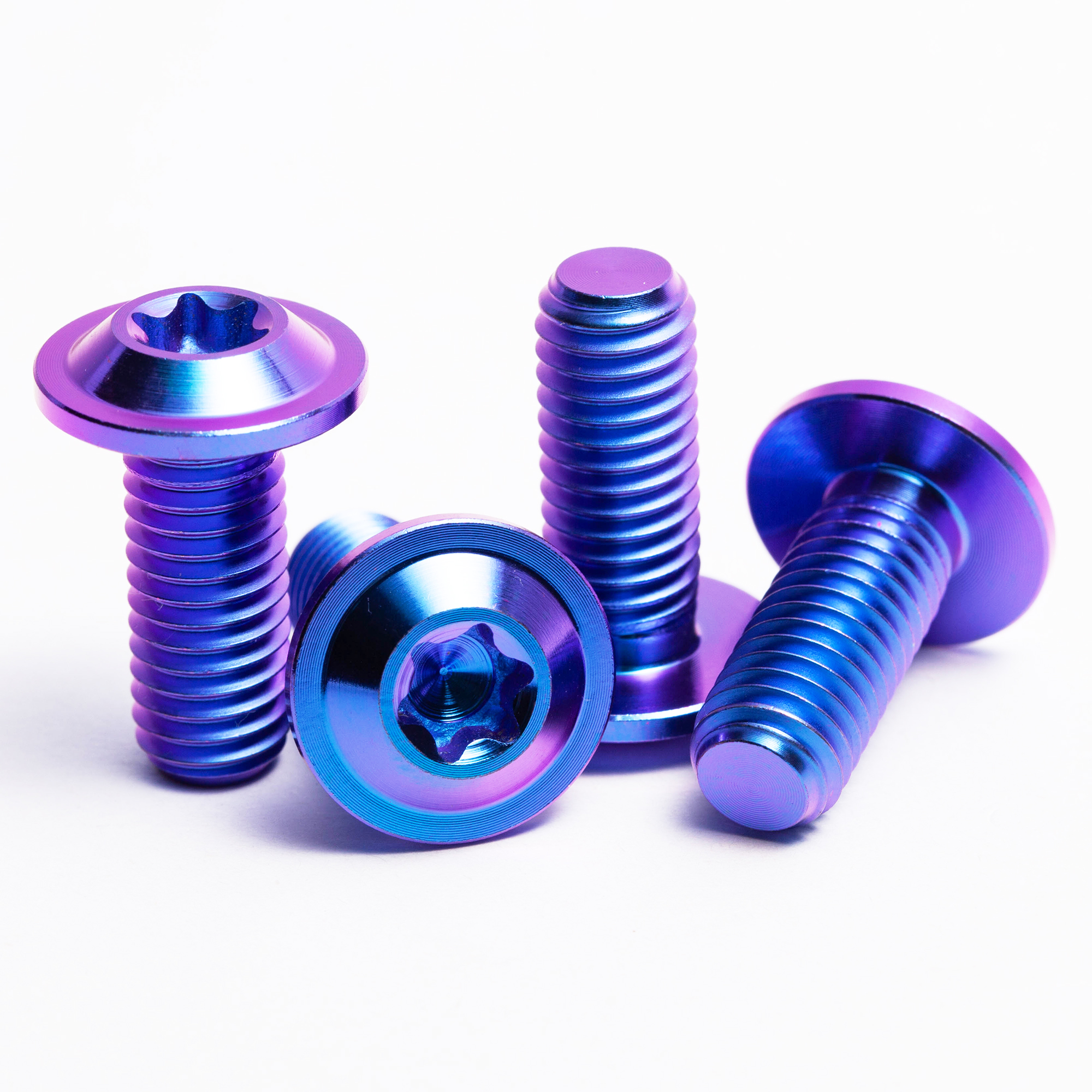
Standard off-the-shelf socket hardware often falls short in customized hydraulic assemblies. Regional engineers increasingly source OEM drawings featuring integrated flanges, pre-drilled safety wire holes, and customized low-profile button heads.
Precision Manufacturing Authority
Why Global & Regional Buyers Partner with Wexra Titanium
From aerospace-grade billet raw materials to multi-axis CNC machining, we control every step of titanium bolt production under verified ISO 9001:2015 workflows.
Certified Bar Stock
We source only high-purity vacuum arc remelted (VAR) Gr2 and Gr5 titanium rods. Every batch includes full Mill Test Certificates (MTC) detailing chemical composition and mechanical stress test values.
CNC Multi-Axis Turning
Our workshop houses precision CNC turning and milling centers maintaining tolerances within ±0.01 mm, ensuring head-to-shank concentricity, smooth under-head radii, and cleanly broached socket walls.
Advanced Anodizing
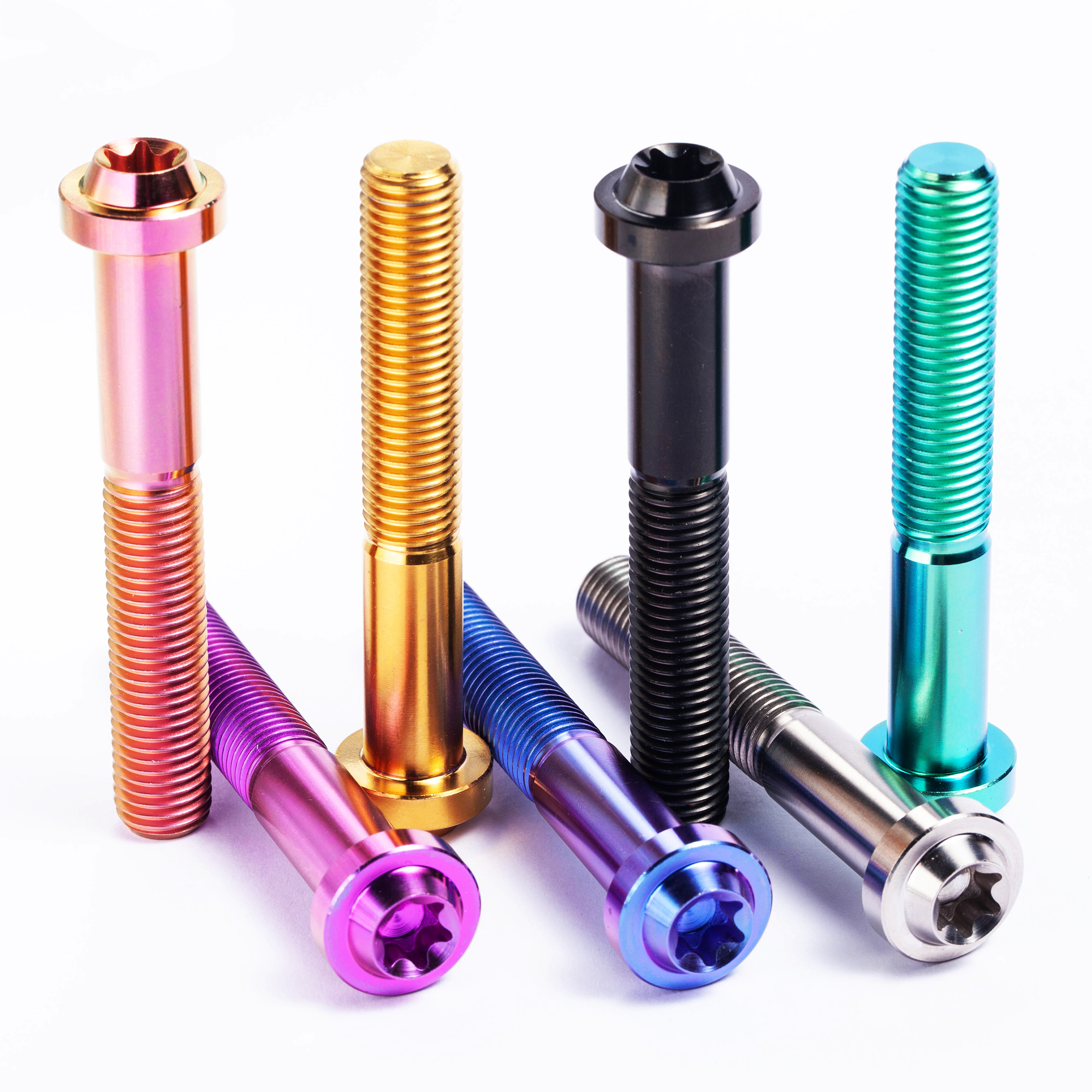
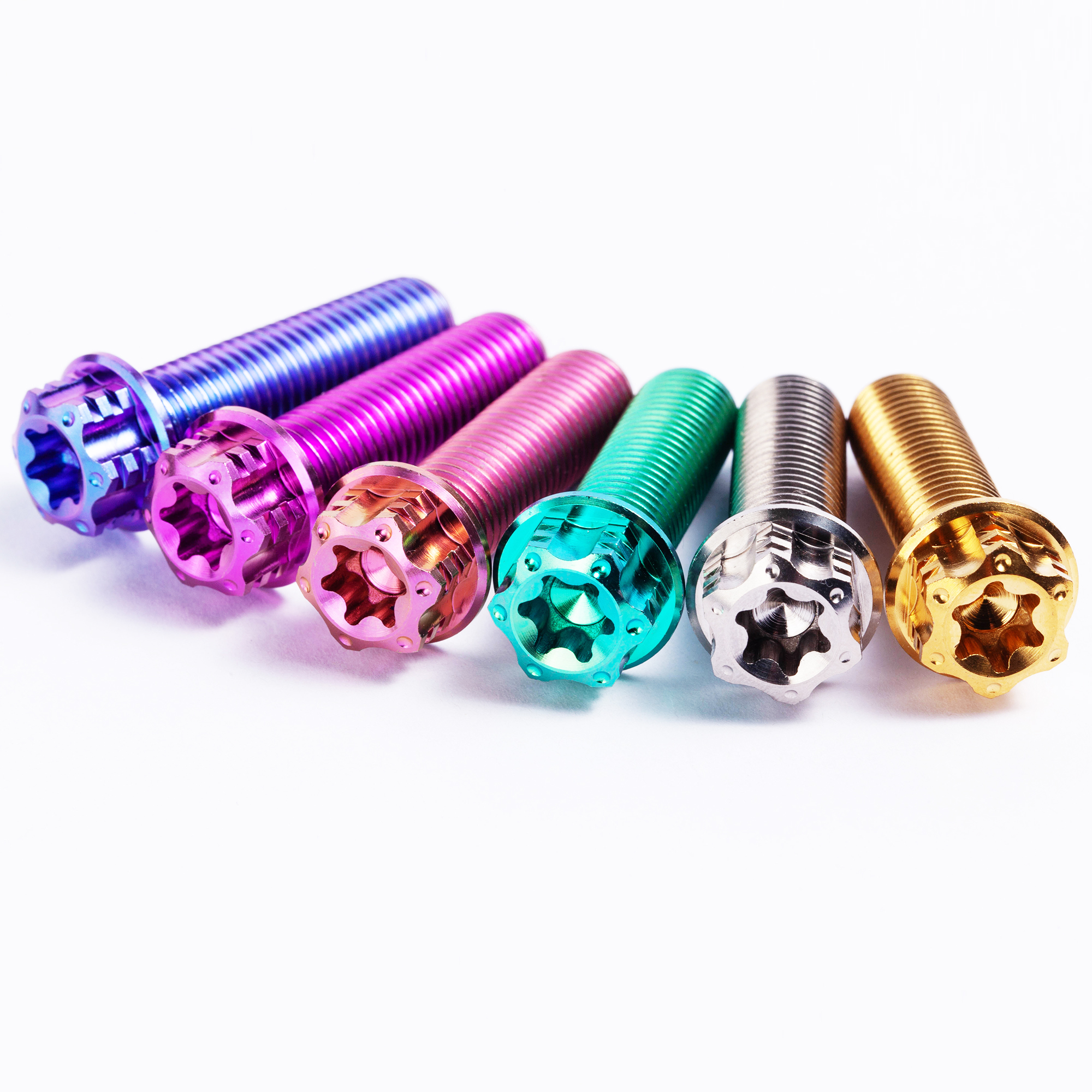
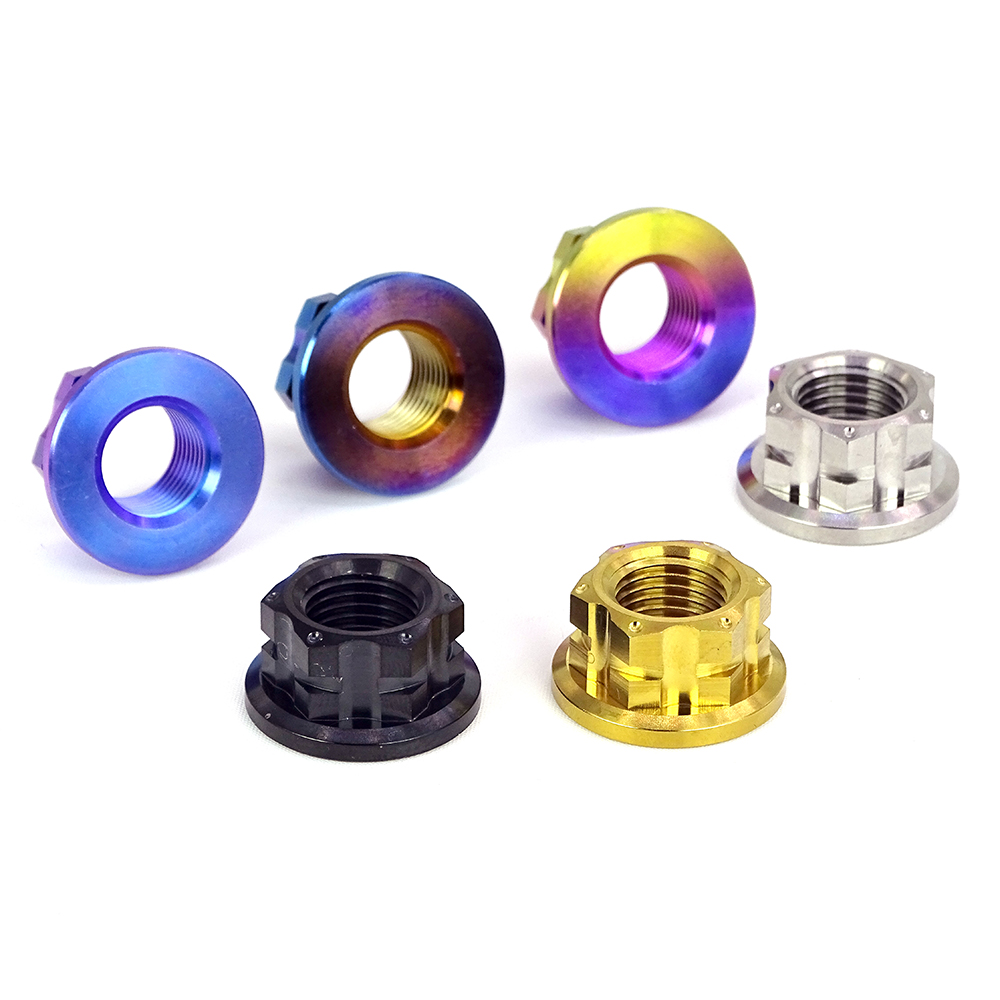
Electrolytic anodizing produces stable oxide layer interference colors (gold, blue, purple, rainbow) and burnt heat-treat finishes without toxic paints or dimensional thickness buildup on threads.
Export Document Support
With an export distribution ratio exceeding 91% across North America, Europe, and Asia, our logistics department manages customs documentation, EPR packaging compliance, and express shipping smoothly.
Procurement Guidelines
Frequently Asked Questions for Nampo Procurement Teams
Direct answers to technical queries regarding titanium grades, torque calibrations, galling mitigation, and custom ordering procedures.
Which titanium grade is recommended for Nampo maritime equipment: Grade 2 or Grade 5?
For critical, load-bearing mechanical connections such as winches, drive plates, pump mounts, and high-pressure pipe flanges, Grade 5 (Ti-6Al-4V) is strongly recommended due to its high minimum tensile strength of 895 MPa (equivalent to Class 10.9 steel). For low-stress chemical plumbing, tanks, decorative architectural trim, or non-load-bearing enclosures, Grade 2 Commercially Pure (CP) titanium offers sufficient strength (~345 MPa) alongside superior ductility and lower overall cost.
How do we prevent galling during socket screw installation in threaded titanium blocks?
Titanium threads can be subject to galling (friction cold-welding) when driven under high speed and torque against matching titanium or stainless tapped holes. To eliminate this issue, always apply an anti-seize lubricant containing molybdenum disulfide (MoS&sub2;), copper paste, or PTFE paste prior to assembly. Additionally, ensure technicians use calibrated manual torque wrenches rather than high-RPM pneumatic impact drivers.
Can your factory produce custom socket screws based on industrial blueprints or physical samples?
Yes. We offer comprehensive OEM/ODM manufacturing. Whether you supply a 2D PDF drawing with dimensional tolerances, a 3D STEP/IGES model, or an existing worn mechanical sample, our engineering staff will perform a Design for Manufacturability (DFM) review and deliver first-article prototypes before starting mass production runs.
What torque values should be used when replacing 8.8 or 10.9 steel bolts with titanium?
Because Titanium Grade 5 has a lower modulus of elasticity (~114 GPa) compared to structural carbon steel (~210 GPa), titanium fasteners stretch more under load, delivering consistent clamping tension with reduced vibration loosening. However, installation torque should generally be reduced by approximately 15% to 20% compared to dry high-tensile steel ratings, especially when using recommended thread assembly pastes.
What documentation accompanies commercial shipments to verify alloy integrity?
Every shipment can be paired with an EN 10204 Type 3.1 Mill Test Certificate (MTC) detailing the exact chemical composition breakdown (percentages of Titanium, Aluminum, Vanadium, Iron, Oxygen) and tensile/yield stress test results. Full dimensional inspection logs and RoHS/REACH compliance certifications are also provided upon request.
Ready to Optimize Your Fastener Assembly with Titanium?
Get in touch with our engineering team for immediate technical consultation, volume price breaks, or custom manufacturing feasibility reviews.