Featured Titanium Surgical & Orthopedic Hardware
Engineered using aerospace-grade and implant-grade Grade 5 (Ti-6Al-4V ELI) and Grade 2 titanium alloys. Fabricated with tight multi-axis CNC tolerance (±0.01 mm) to ensure optimal osseointegration, fatigue resistance, and absolute biocompatibility for high-stress reconstructive applications.
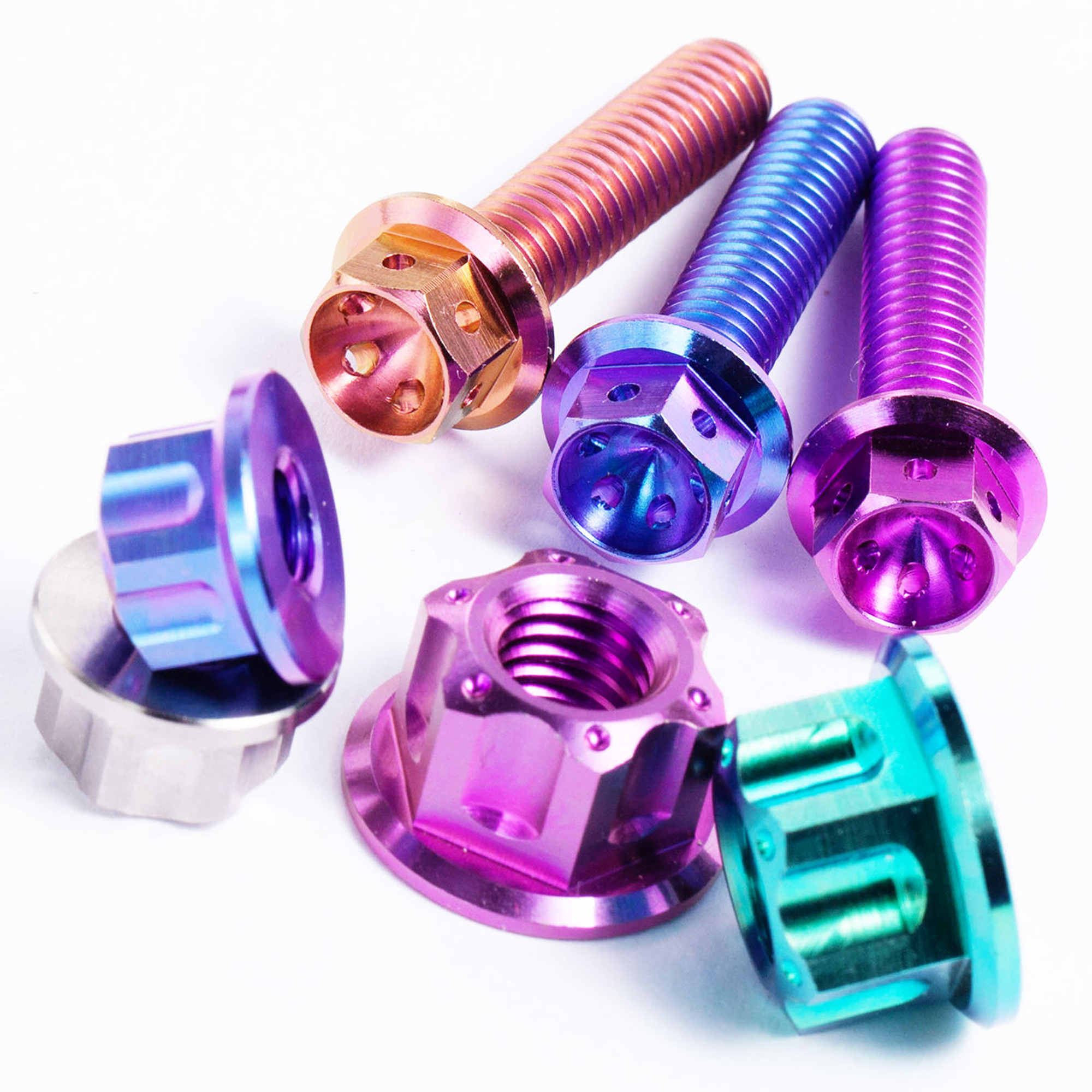
High-tensile Grade 5 anodized alloy fasteners providing over 895 MPa yield strength with anti-galling oxide layer for critical external fixators and trauma rigs.
Get Catalog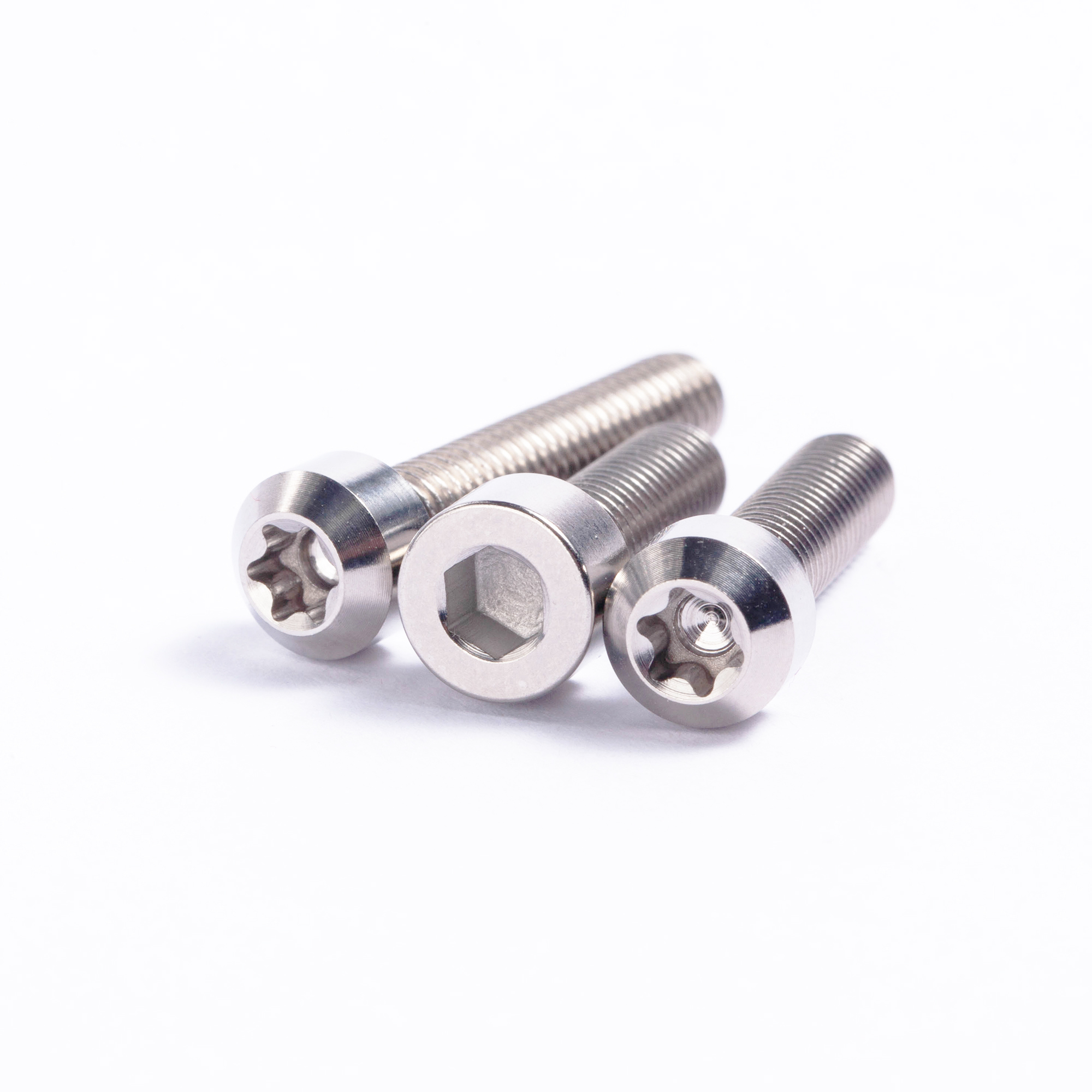
Precision 12-point polished Gr5 studs engineered for extreme shear resistance, zero magnetic interference, and optimal dynamic load dispersion.
Get Catalog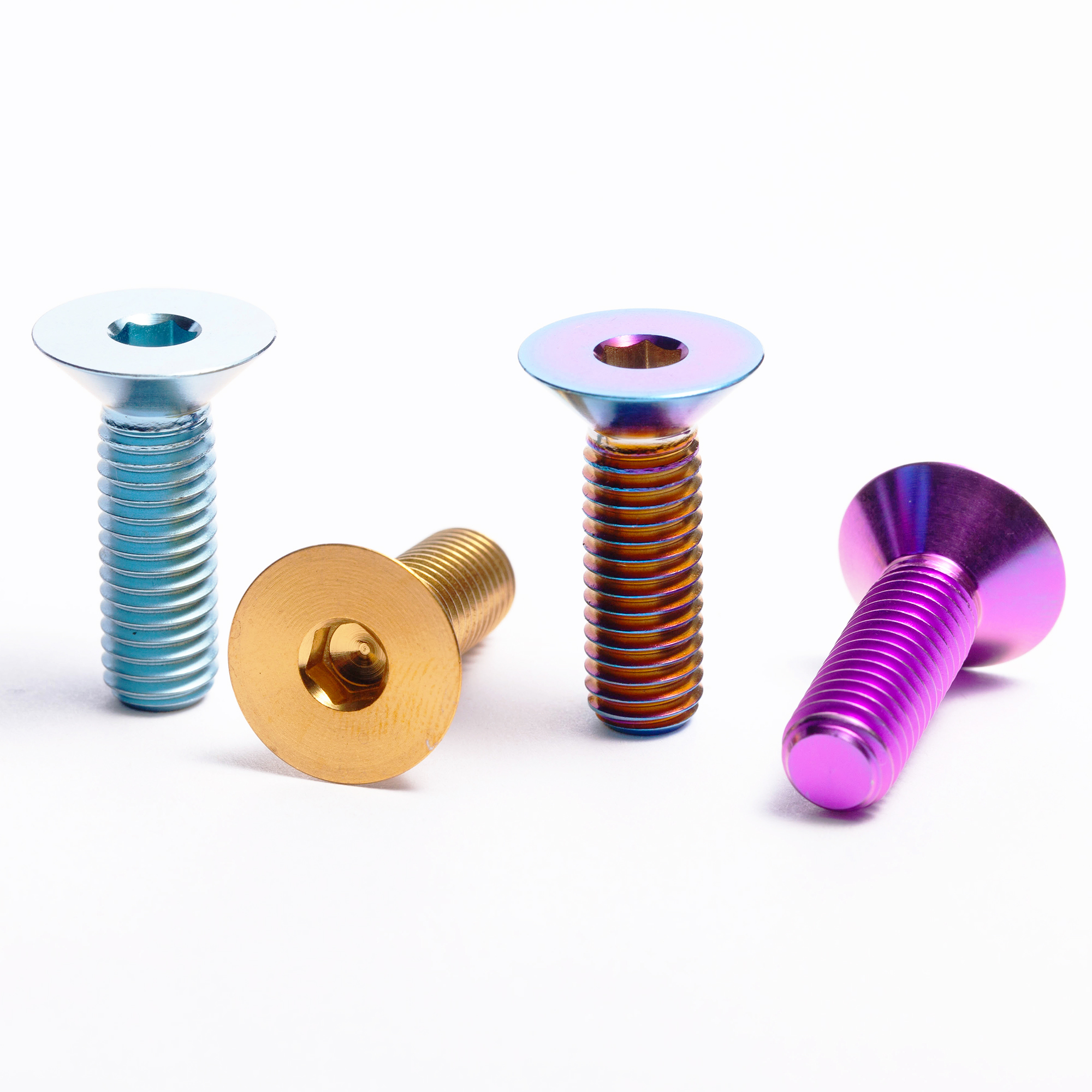
Custom-sized Torx-drive screws delivering zero-cam-out engagement; chemically inert surface tailored for internal fixation brackets and orthopedic instrumentation.
Get Catalog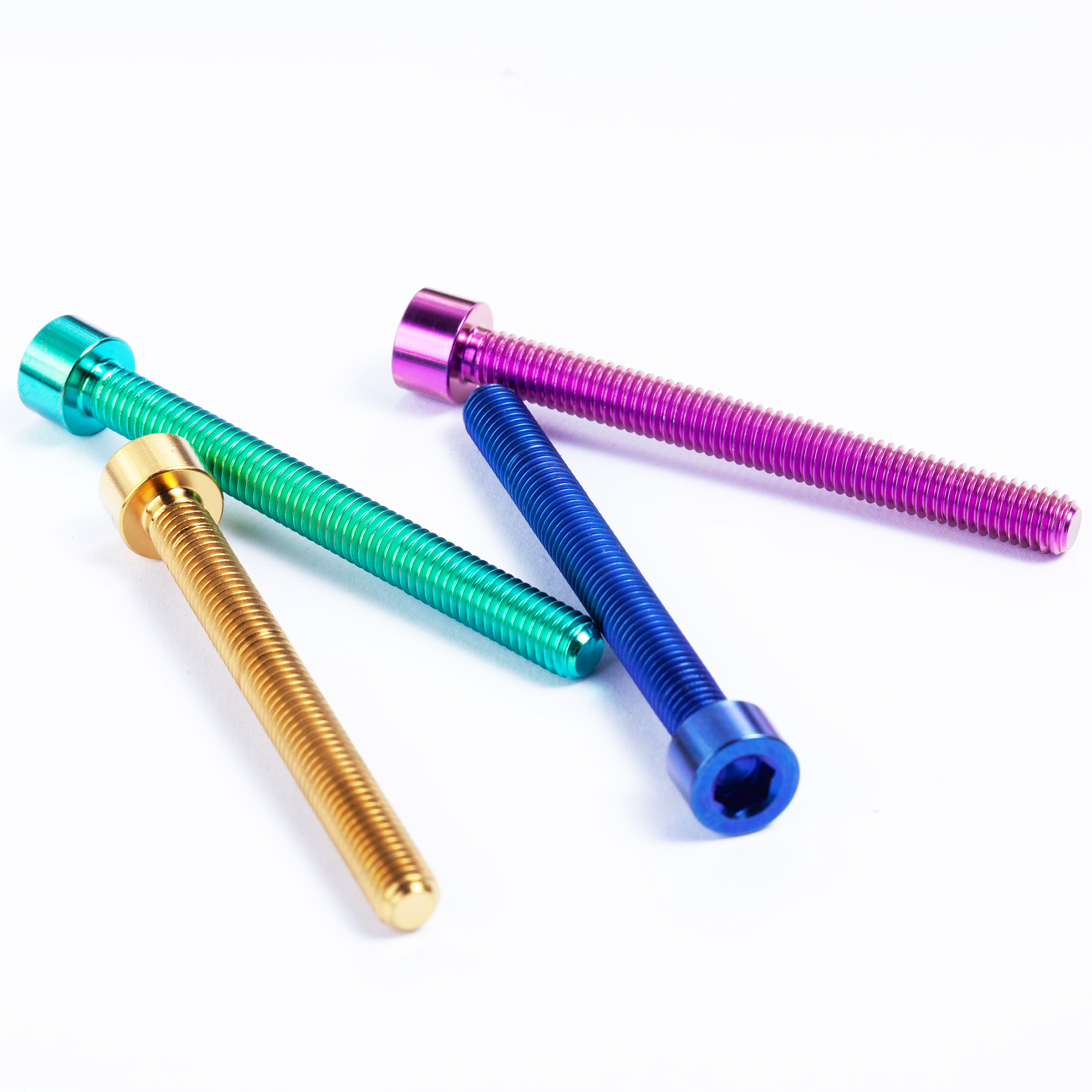
Button-head profile for low soft-tissue irritation, cold-rolled micro-threads providing fatigue endurance under repetitive cyclical anatomical stresses.
Get Catalog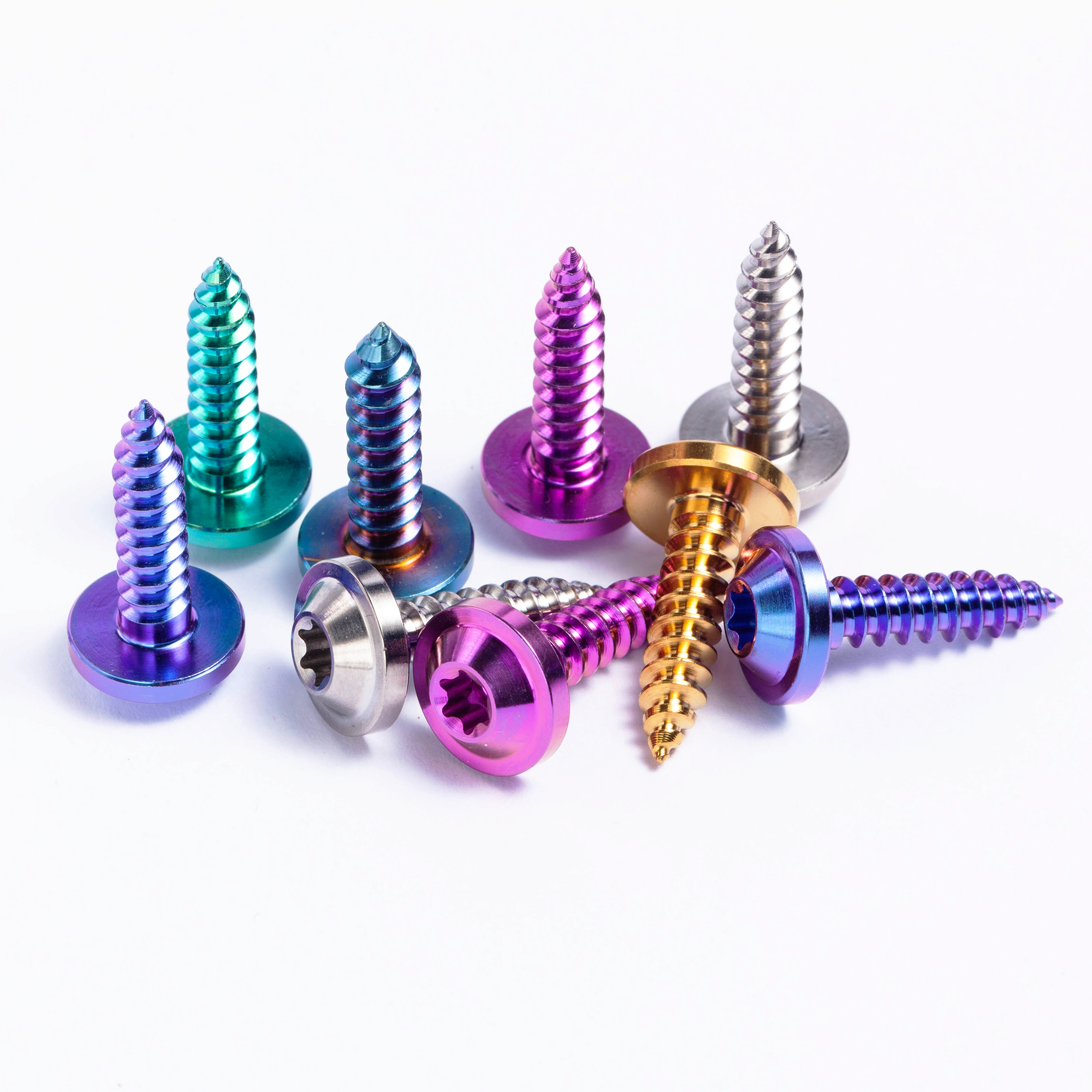
Self-tapping cortical engagement profile; ideal for maxillofacial micro-plating, mandibular reconstruction, and structural reconstructive assemblies.
Get Catalog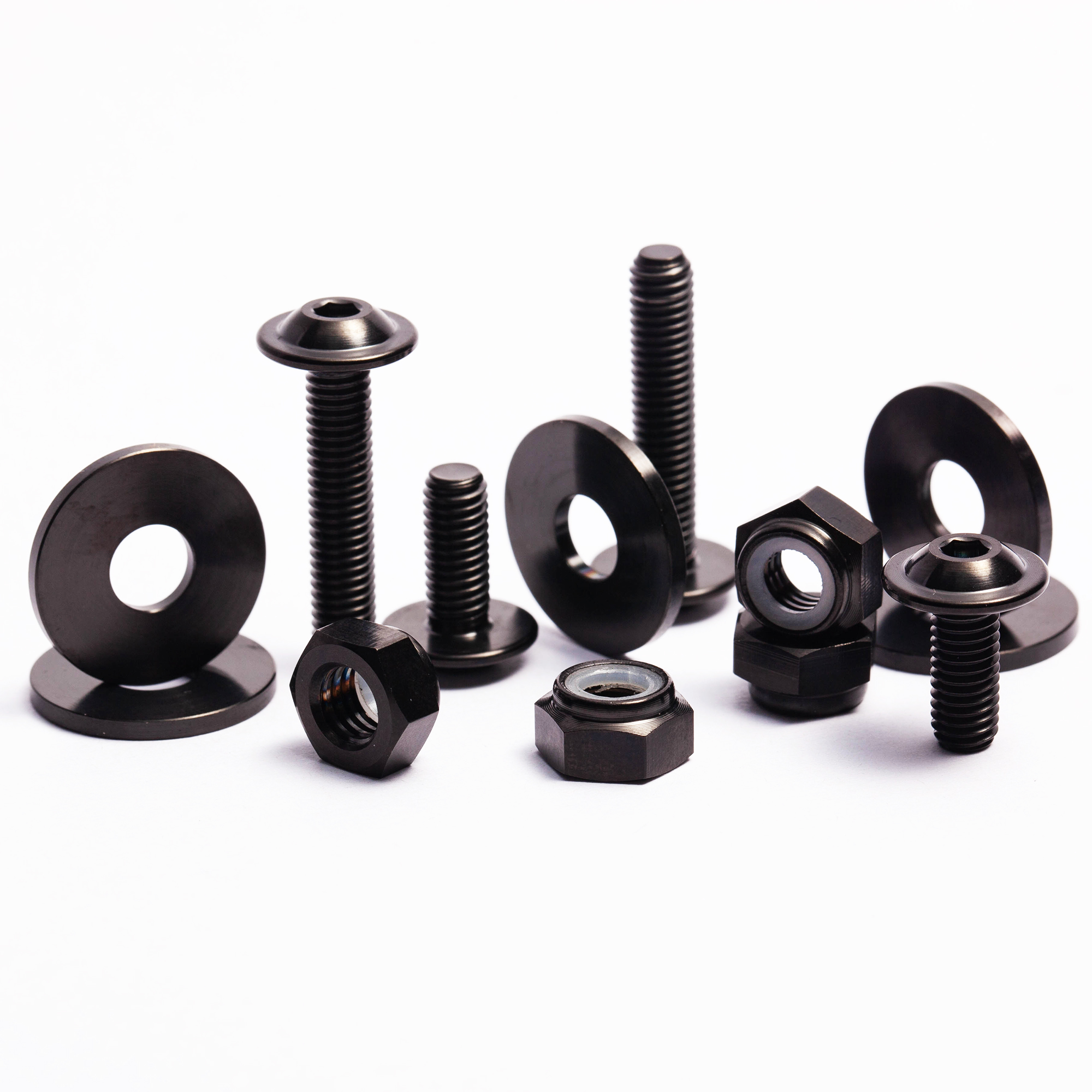
Integrated flange geometry replaces independent washers, reducing micro-motion and bone contact necrosis during axial orthopedic stabilization.
Get Catalog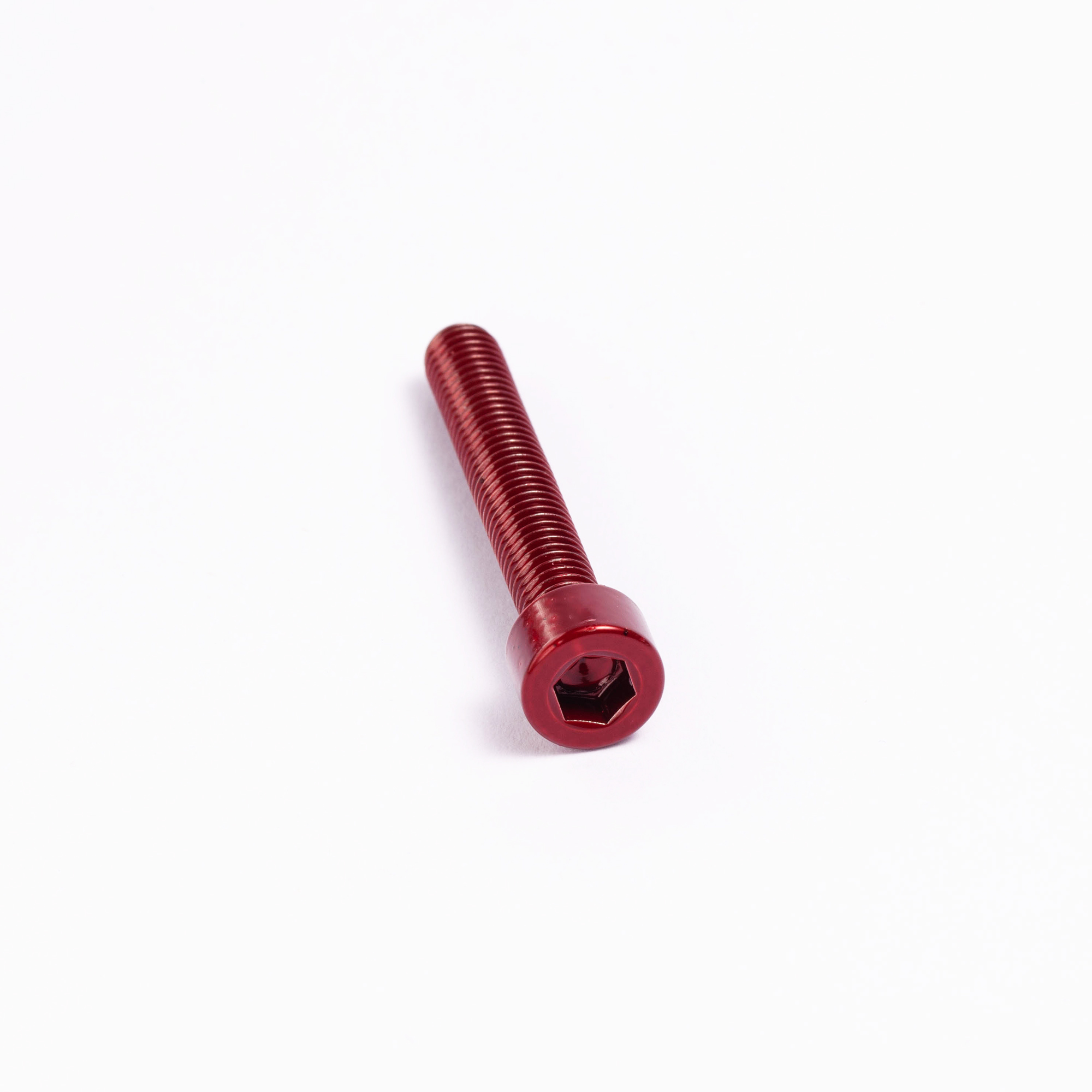
Anodized surgical identification coding; assists operating theatre nurses and surgeons in immediate diameter and thread-pitch recognition during acute trauma cases.
Get Catalog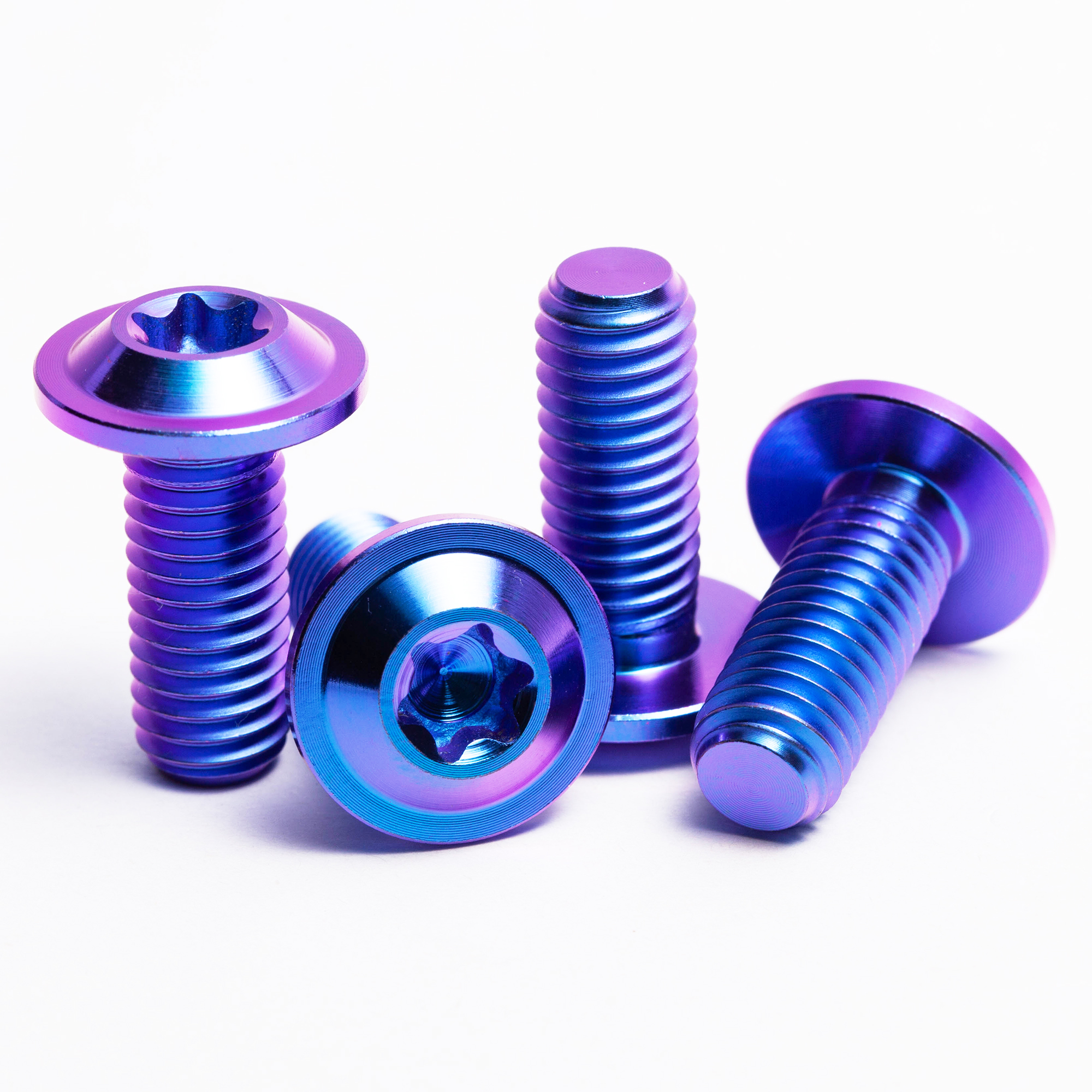
Broad disc surface area maximizing clamping force on large bone fragment reconstructive clamps and multi-segment spinal stabilization systems.
Get CatalogAddressing Mandalay's Expanding Surgical & Orthopedic Demands
Mandalay serves as the critical tertiary healthcare and medical trade gateway for Upper Myanmar, anchoring the specialized clinical referrals for over 15 million citizens across the Mandalay Region, Shan State, Kachin State, Sagaing Region, and Magway Region. Major public referral centers, including the historic Mandalay General Hospital (MGH) on 30th Street, the Mandalay Orthopaedic Hospital, the 300-bed Mandalay Children's Hospital, and leading private tertiary institutions throughout Chanayethazan and Maha Aungmye townships, face an ever-increasing case-load of severe polytrauma, long-bone comminuted fractures, and degenerative spinal conditions.
A primary clinical driver in Mandalay is the extraordinarily high prevalence of road traffic accidents (RTAs) associated with dense urban motorcycle transit along major arterial thoroughfares such as 78th and 84th Streets, compounded by transit on inter-state highway connections toward Pyin Oo Lwin and Muse. Orthopedic surgeons in Mandalay regularly encounter high-energy complex fractures requiring modern anatomical osteosynthesis: distal femoral fractures, tibial plateau disruptions, proximal humerus breaks, and pelvic ring instabilities. Conventional stainless steel (SS316L) implants, historically utilized due to budgetary constraints, are rapidly being displaced by Grade 5 ELI Titanium (Ti-6Al-4V ELI conforming to ASTM F136). The clinical rationale is decisive: titanium’s elastic modulus (~110 GPa) is roughly half that of stainless steel (~200 GPa), dramatically reducing stress-shielding, accelerating osteogenesis, eliminating peri-implant osteoporosis, and preserving limb viability.
Furthermore, Mandalay's rapid adoption of advanced diagnostic imaging—including 1.5 Tesla and 3.0 Tesla Magnetic Resonance Imaging (MRI) installations across private imaging centers and university teaching hospitals—demands implants with minimal magnetic susceptibility artifacts. Our medical-grade titanium surgical hardware produces negligible image distortion compared to ferrous metals, empowering Mandalay surgeons to perform accurate post-operative neurovascular assessments and soft-tissue margin tracking.
Localized Clinical Scenarios in Upper Myanmar Hospitals
High-Impact Trauma & Long-Bone Non-Union
Deployed in emergency trauma theatres across Mandalay for distal femur, proximal tibia, and clavicle reconstruction. Variable-angle locking plates and cannulated screws withstand acute cyclic bending forces, ensuring rigid internal fixation and immediate anatomical reduction for motorcycle accident patients.
Spinal Deformity & Degenerative Fusion
Supporting spinal units treating degenerative lumbar spondylolisthesis and thoracolumbar burst fractures. Our monoaxial and polyaxial pedicle screws feature dual-lead micro-threading for rapid insertion, superior pullout strength in osteoporotic bone, and bio-inert anodization.
Craniomaxillofacial & Dental Reconstruction
Ultra-low profile 1.5mm to 2.4mm titanium micro-plates and self-drilling cross-drive screws designed for zygomatic complex, mandibular angle, and orbital floor stabilization. Chemically passivated to prevent palpability, cold sensation, or mucosal erosion under tropical environmental conditions.
Material Performance Comparison for Mandalay Surgical Buyers
An objective engineering evaluation comparing ASTM F136 Grade 5 ELI titanium against historical surgical materials (Stainless Steel 316L, CoCrMo, and Grade 2 Commercially Pure Titanium).
| Material Specification | Yield Strength (MPa) | Elastic Modulus (GPa) | Corrosion Resistance | MRI Compatibility | Primary Clinical Designation |
|---|---|---|---|---|---|
| Titanium Gr5 ELI (ASTM F136 / Ti-6Al-4V) | ≥ 795 - 860 | 105 - 114 | Supreme Passivated | Artifact Free | Pedicle Screws, Trauma Plates, Structural Intramedullary Nails |
| CP Titanium Gr2 (ASTM F67) | ≥ 275 - 345 | 103 - 107 | Supreme Passivated | Artifact Free | Maxillofacial Mesh, Low-Load Cranial Plates, Dental Abutments |
| Stainless Steel 316L (ASTM F138) | ≥ 190 - 310 | 193 - 200 | Pitting Prone | Severe Distortion | Legacy External Fixation, Temporary Cerclage Wire |
| Cobalt-Chromium-Moly (ASTM F75) | ≥ 450 - 550 | 210 - 240 | High Passivated | Moderate Distortion | Total Joint Articulation, High Wear Femoral Heads |
*Data synthesized in accordance with ISO 5832 standards, ASTM International bio-implant metallurgical protocols, and factory testing certificates.
Key Strategic Trends Shaping Mandalay's Titanium Implants Procurement
1. The Rapid Transition from Stainless Steel to Titanium
Historically, procurement officers at Upper Myanmar district hospitals operated on tight budgets that favored standard SS316L hardware. However, clinical audit data from the Myanmar Orthopaedic Society has highlighted high revision rates caused by plate fatigue, corrosion-induced tissue metallosis, and stress shielding refractures. Hospital tender boards in Mandalay now explicitly prioritize ASTM F136 titanium implants in their annual centralized and decentralized purchasing budgets.
2. Decentralized Private Hospital Procurement
Private healthcare infrastructure is proliferating across Chanayethazan and Chanmyathazi townships, catering to affluent patient demographics from the gem trading centers of Mogok, Kachin jade corridors, and regional agricultural business owners. These private facilities demand premium, CE- and ISO-certified implants with flawless aesthetic anodization and complete procedural instrumentation kits on short notice.
3. Direct-to-Factory Procurement to Bypass Resellers
Mandalay medical distributors traditionally purchased inventory second-hand through Yangon or Thai intermediaries, incurring compounding markups and unpredictable shipping intervals. Leading medical suppliers across Upper Myanmar now establish direct supply chains with certified Chinese titanium manufacturers, securing direct factory pricing, rapid design adjustments, and direct air courier logistics.
4. Strict Demands for Packaging Integrity & Tropical Resilience
Mandalay experiences prolonged dry heat during pre-monsoon months followed by extreme humidity during the monsoon season. Biomedical procurement managers demand medical implants pre-packaged in medical-grade Tyvek® sterile blisters or hermetically vacuum-sealed inert packaging that withstands high relative humidity and ensures complete sterilization integrity prior to autoclave entry.
Why Mandalay Surgeons & Importers Partner with Wexra Titanium
Operating under strict ISO 9001:2015 quality management systems, Jiaxing Wexra Titanium Products Co., Ltd. merges high-tier titanium alloy metallurgy with advanced CNC engineering to satisfy global and regional medical device specifications.
1,000+ m² Workshop
Equipped with multi-axis CNC turning and milling centers, automated wire EDM, and thread rolling machinery capable of micron-level repeatability on internal/external screw threads.
ISO 9001 • RoHS • REACH
Full regulatory compliance documented for international audits. Every single titanium bar lot is certified with Mill Test Certificates (MTC) verifying chemical and mechanical integrity.
OEM & Custom Drawings
From 2D prints and STEP 3D CAD files to physical sample duplication. Our engineering team conducts Design for Manufacturability (DFM) reviews to ensure perfect anatomical contours.
Direct Export Logistics
Established export channels to the US, Germany, the UK, Canada, and direct air freight servicing Mandalay International Airport (MDL) with comprehensive export documentation.
Frequently Asked Questions for Mandalay Importers & Clinicians
We provide an exhaustive documentation dossier necessary for submitting an Import Recommendation (IR) and medical device notification to the Department of Food and Drug Administration (FDA) of Myanmar. This package comprises our ISO 9001:2015 certification, Mill Test Certificates (MTC) with full spectroscopic elemental breakdown (conforming to ASTM F136 / ASTM F67), bio-inert passivated surface inspection reports, CE/RoHS verification, and Certificates of Origin (CO).
Grade 5 ELI represents "Extra Low Interstitial" purity. It features significantly restricted ceilings on interstitial elements such as oxygen (≤ 0.13%), carbon, nitrogen, and iron. Lower oxygen content substantially enhances fracture toughness, cyclic fatigue resistance, and ductility in internal bodily fluids, eliminating catastrophic brittle failure under fluctuating skeletal loads in trauma patients.
For standardized fasteners, plates, and screws in stock, dispatch occurs within 48 to 72 hours. Air-express consignments (via DHL, FedEx, or dedicated air corridors) landing at Mandalay International Airport (MDL) typically take 7 to 10 business days including transit customs clearance. For bulk sea-freight containers routed via Yangon (MITT) followed by rail or bonded freight trucking north along the Yangon-Mandalay Expressway, transit averages 20 to 25 days.
Yes. Leveraging multi-axis high-speed CNC milling and Swiss-type turning, we can fabricate custom titanium plates, patient-specific reconstruction meshes, and spinal fixation rods directly from 3D DICOM medical imaging scans converted into CAD files. Rapid prototype validation batches can be machined and dispatched for surgical fit verification before initiating mass production.
No. Titanium anodization (Type II or Type III / color coding) is an electrochemical oxidation process that thickens the naturally occurring titanium dioxide (TiO2) passive layer without applying any foreign chemical coating or paint. The dimensional growth is sub-micron (0.0001 mm to 0.002 mm), which has zero detrimental effect on thread-pitch engagement, while enhancing biocompatibility, wear resistance, and galling prevention.
We operate flexible production lines catering to both institutional hospital procurement tenders and independent wholesale distributors. For standard stock items, MOQs can be as low as 50 to 100 units per specification to facilitate hospital trialing. For fully customized OEM/ODM implant configurations, our engineering run threshold typically begins at 200 to 500 units depending on geometry complexity.
Upgrade Your Mandalay Medical Supply Chain with Wexra Titanium
Partner directly with a certified manufacturer committed to exceptional metallurgical integrity, competitive export pricing, and responsive engineering support. Request our complete surgical hardware catalog, material test reports, or schedule a technical drawing evaluation today.