Precision Titanium Solutions & Engineered Hardware
Manufactured under ISO 9001:2015 control. From fine micro-aperture titanium filtration mesh to high-torque Gr5 (Ti-6Al-4V) components engineered for harsh operating environments.
Industrial Whitepaper: Titanium Mesh & Fasteners in Sheffield’s Advanced Ecosystem
Known universally as the "Steel City", Sheffield and the broader South Yorkshire region have evolved into an international powerhouse for advanced materials, aerospace prototyping, and surgical equipment engineering.
1. The Advanced Manufacturing Research Centre (AMRC) & Aerospace Prototyping
The Advanced Manufacturing Innovation District (AMID) running across the Sheffield and Rotherham corridor demands materials with uncompromised strength-to-weight ratios and high fatigue thresholds. In aerospace nacelle development, cryogenic rocket testing, and lightweight uncrewed aerial systems (UAS), our Grade 5 (Ti-6Al-4V) titanium wire mesh is extensively used in acoustic dampening barriers, high-temperature hot-air anti-icing filters, and debris screening matrices where conventional austenitic stainless steels fail under cyclic thermal expansion.
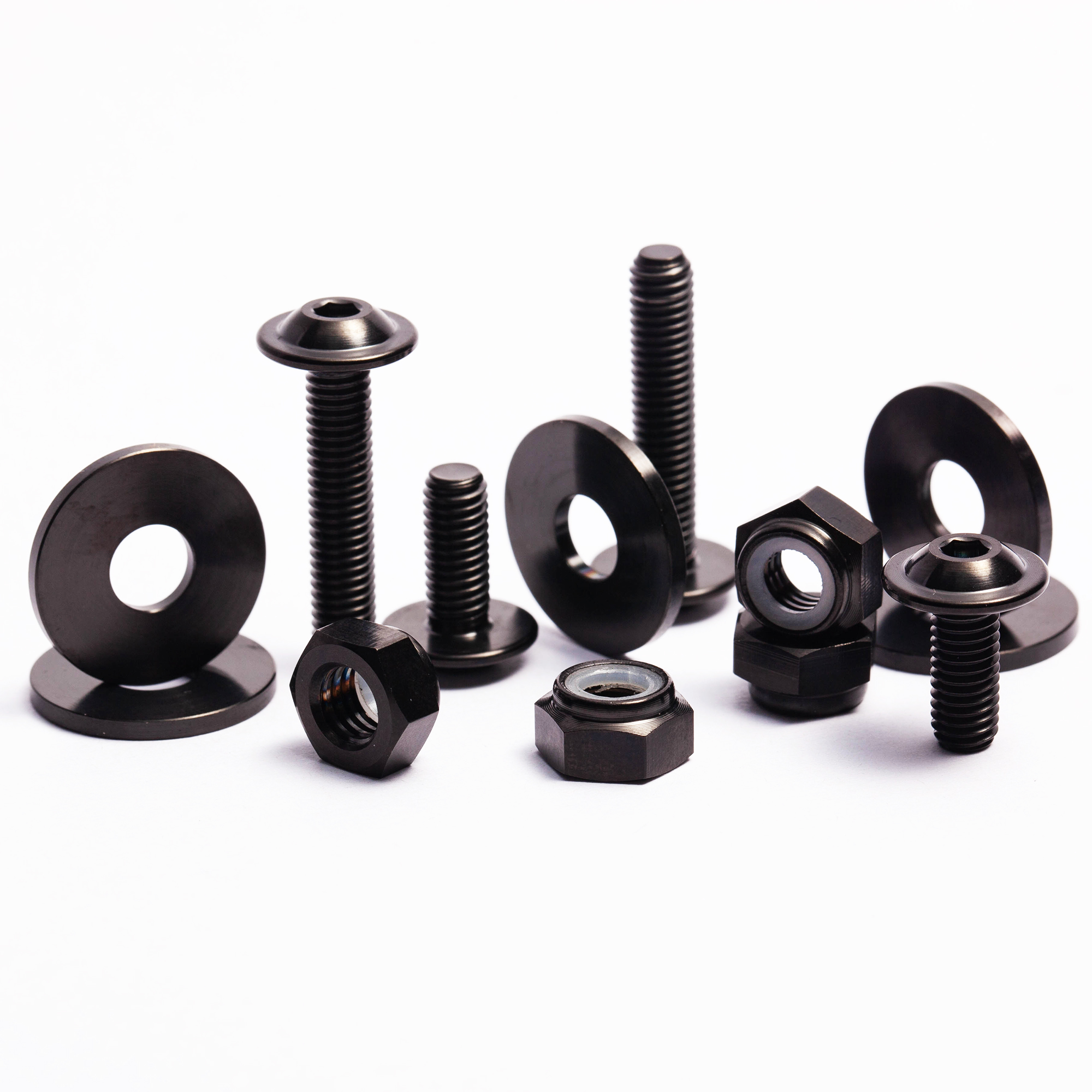
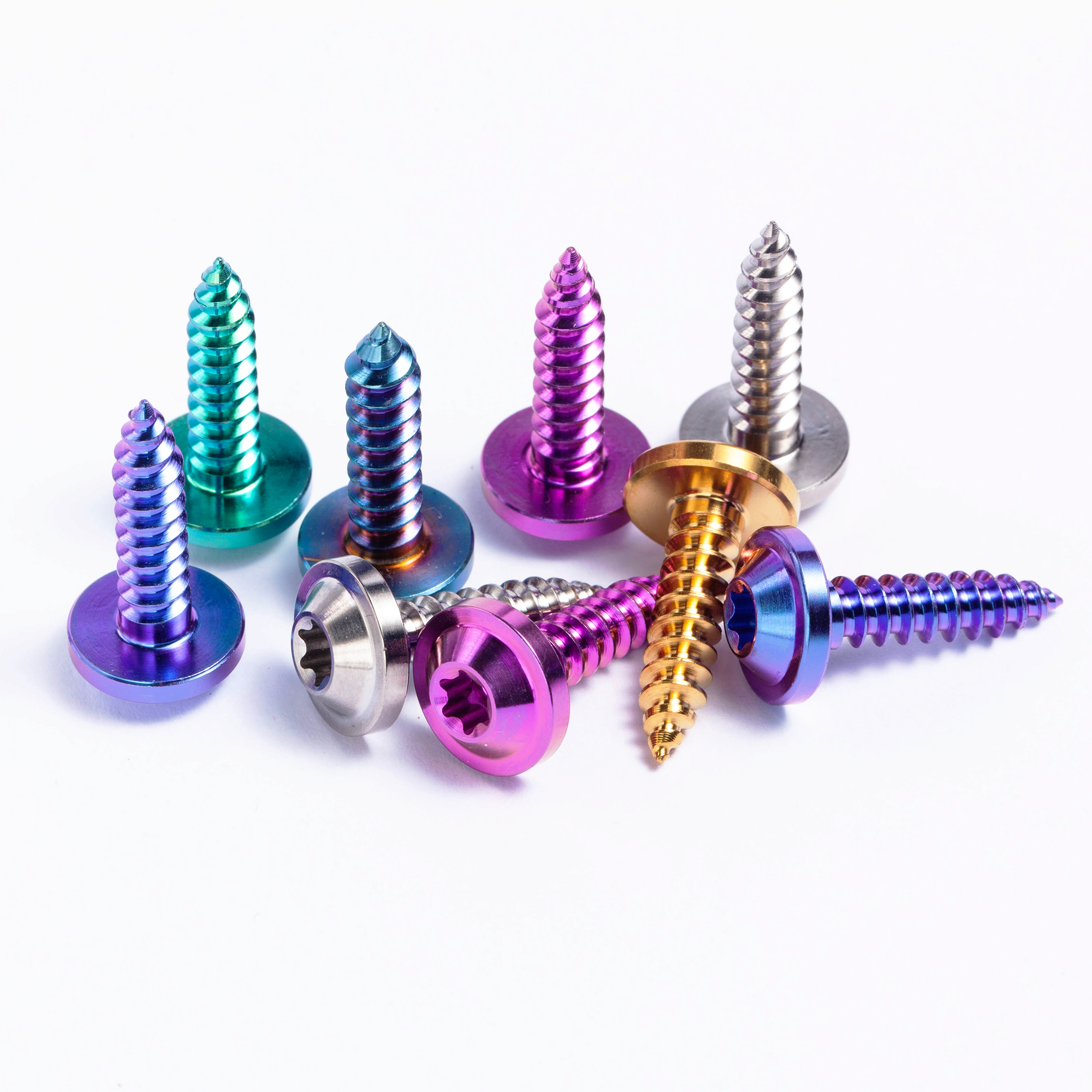
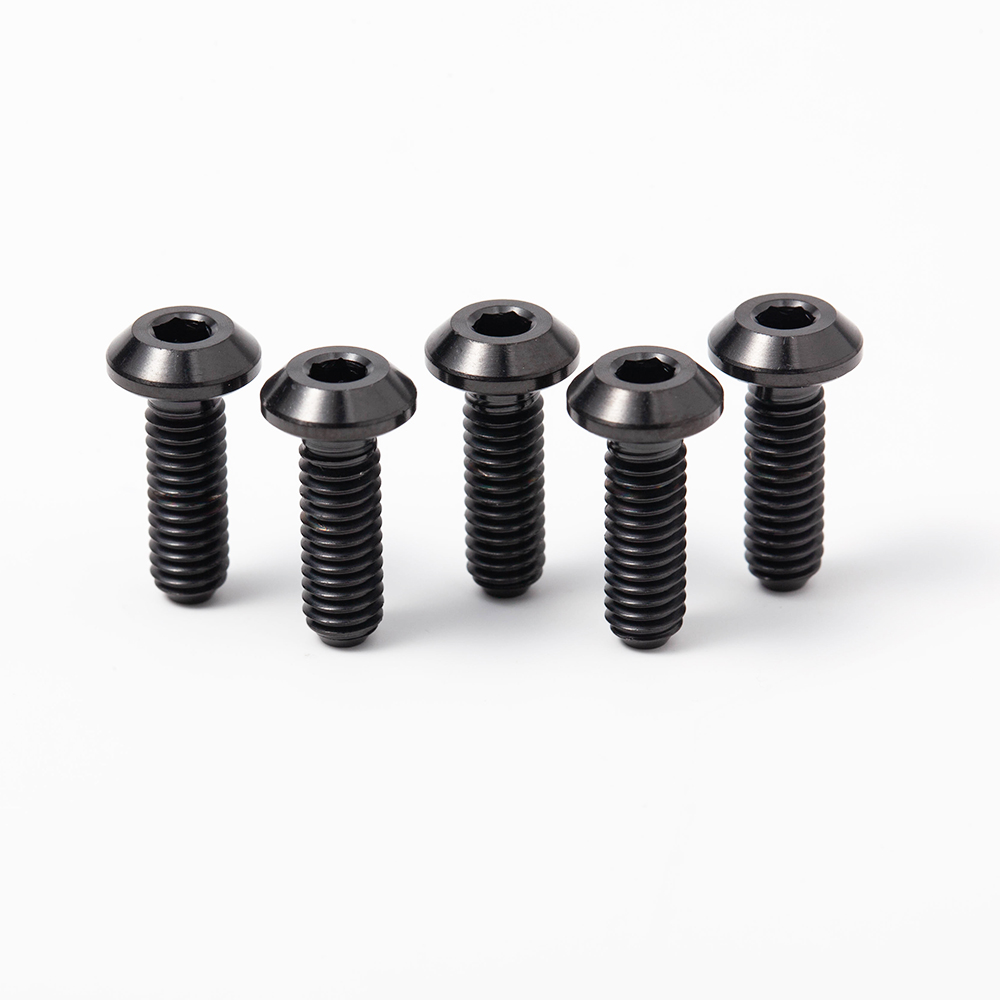
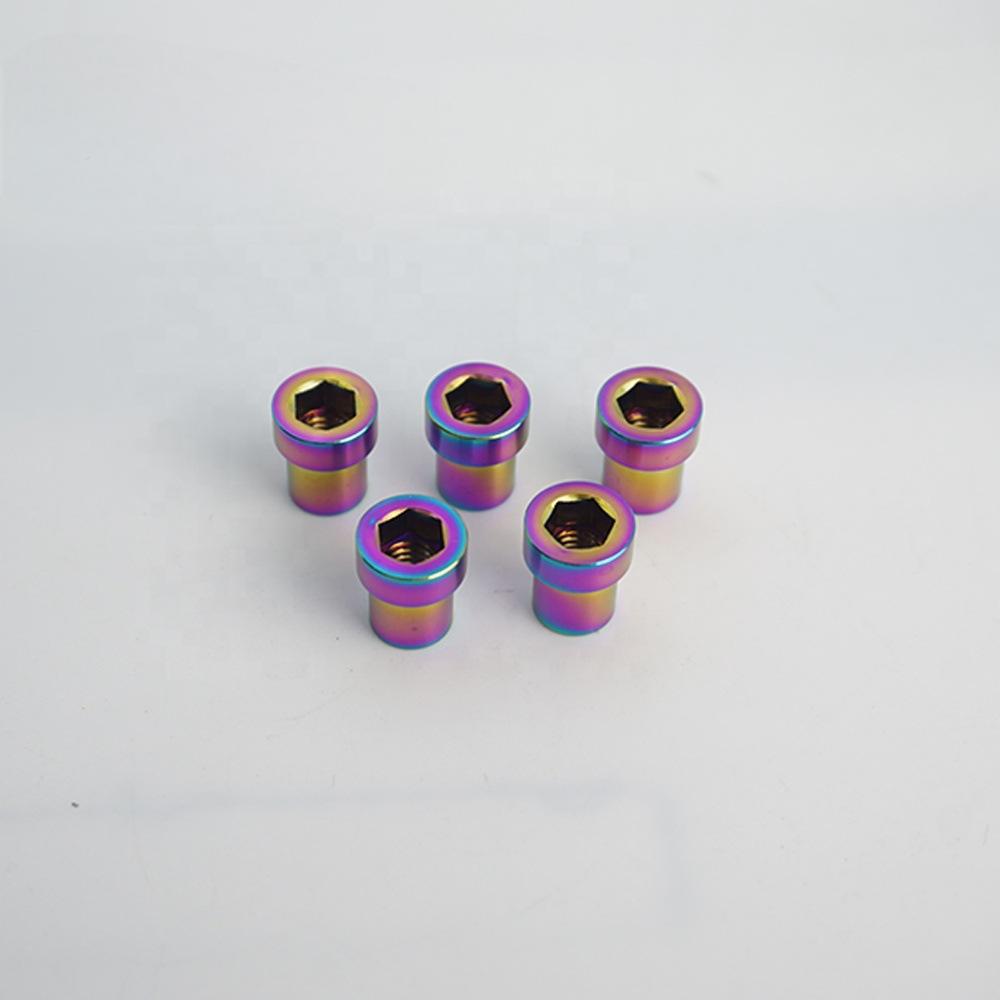
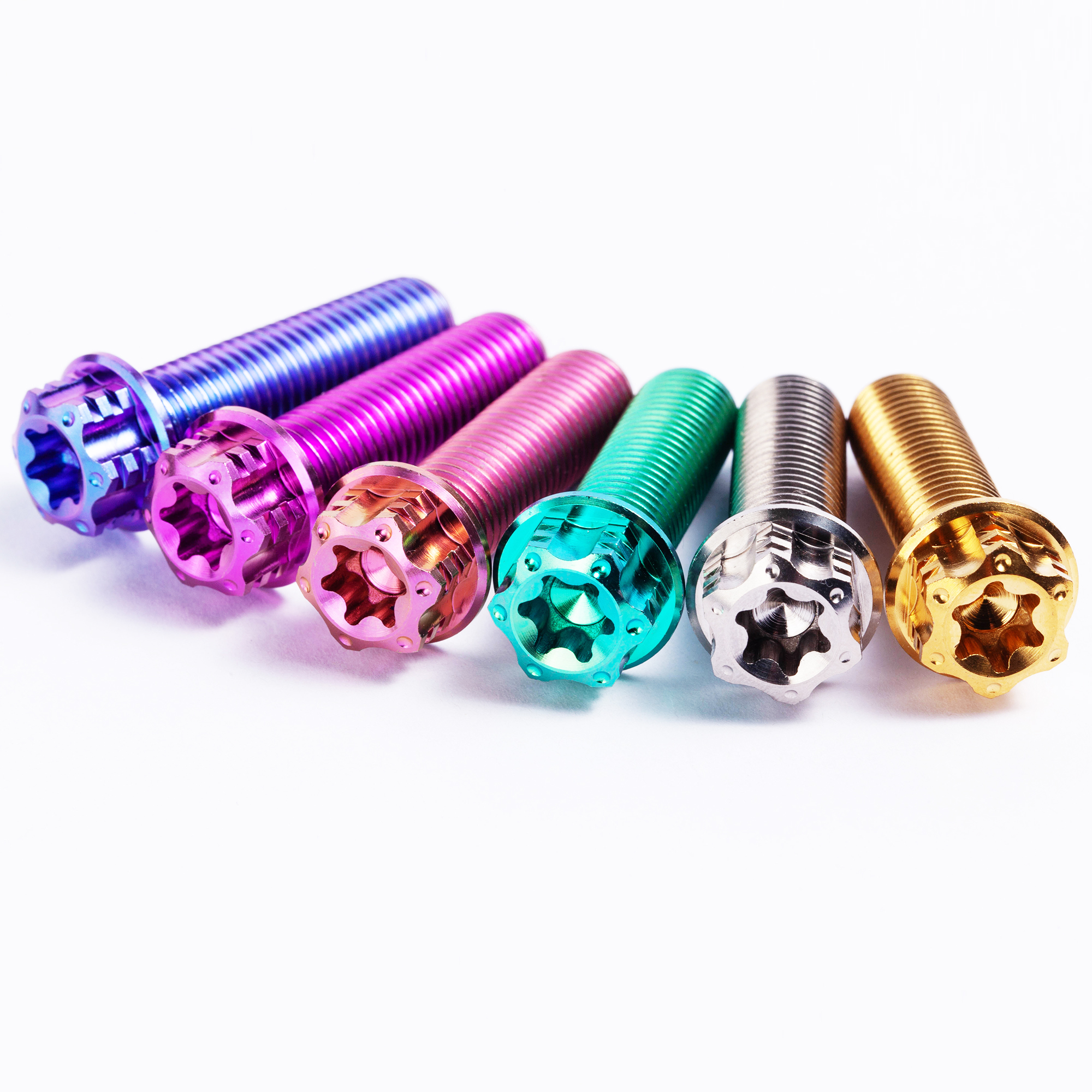
Coupled with our rolled-thread Gr5 flange bolts and custom CNC titanium fasteners, Sheffield aerospace fabricators eliminate galvanic oxidation concerns when mating titanium screening assemblies directly against carbon-fiber-reinforced polymers (CFRP).
2. Orthopaedic Biomaterials & Sheffield’s Medical Devices Cluster
With world-renowned teaching hospitals and dedicated medical device incubation facilities centered along the Don Valley, Sheffield represents one of the UK’s most concentrated orthopaedic design sectors. Our Commercially Pure Grade 1 and Grade 2 Titanium Wire Mesh features superior biocompatibility, low modulus of elasticity, and zero ferromagnetic interference, meeting strict ASTM F67 parameters.
In surgical instrumentation and implantable porous scaffolds, our micro-aperture woven meshes facilitate osteointegration and selective fluid permeability. The chemical inertness guarantees zero toxicity in vivo, providing biomedical R&D centers in South Yorkshire with verified batch-to-batch traceability compliant with UKCA and CE medical classifications.
3. Hydrogen Catalysis, Carbon Capture, and Corrosive Chemical Processing
As Yorkshire decarbonizes heavy industry, green hydrogen production via Proton Exchange Membrane (PEM) electrolysers has accelerated. Titanium mesh plays an irreplaceable role as a catalyst coated substrate (Current Collector / Porous Transport Layer). Commercially pure Grade 1/2 expanded and fine-woven titanium mesh withstands severe anodic polarization potentials and concentrated acidic electrolytes where nickel or stainless steel rapidly dissolve.
Sheffield electrochemical engineers rely on our clean, degreased titanium wire cloths to ensure uniform current distribution, low overpotential, and extreme resistance to wet chlorine, organic acids, and chloride stress cracking.
| Material Grade | Yield Strength (MPa) | Density (g/cm³) | Chloride Pitting Resistance | Primary Sheffield Application |
|---|---|---|---|---|
| Titanium Grade 1 (CP1) | 170 - 240 | 4.51 | Extreme (PREN > 40 eq) | PEM Electrolysers, Hydrogen Fuel Cells, Deep Draw Filters |
| Titanium Grade 2 (CP2) | 275 - 450 | 4.51 | Immune to ambient seawater | Orthopaedic Trays, Chemical Process Strainers, Scrubbers |
| Titanium Grade 5 (Ti-6Al-4V) | 828 - 910 | 4.43 | Superior under mechanical stress | Aerospace Airframe Fasteners, Motorsport Turbos, Acoustic Mesh |
| Stainless Steel 316L (Baseline) | 220 - 300 | 7.98 | Moderate (Prone to crevice attack) | Conventional Commercial Enclosures, Low-stress Fastening |
Emerging Procurement Trends Across South Yorkshire
The transition from legacy ferrous metallurgy to titanium superalloys across the Northern Powerhouse industrial belt is driven by strict technical and geopolitical shifts.
Supply Chain Resiliency & Dual Sourcing
Following disruptions in global sponge titanium markets, Sheffield procurement teams are systematically diversifying away from single-origin suppliers. Direct partnerships with scalable, ISO 9001:2015 accredited Chinese manufacturers offer guaranteed raw material availability, mitigating project delays in large-scale infrastructure and industrial equipment manufacturing.
Subtractive to Additive Hybrid Filtering
As Sheffield embraces electron beam and selective laser melting (SLM) additive manufacturing, conventional woven mesh is paired with 3D-printed titanium manifolds. This requires ultra-fine wire diameters (down to 0.05mm) with zero edge fraying, compatible with diffusion bonding and vacuum brazing techniques.
Mandatory Scope 3 Decarbonization Targets
Industrial components entering the UK market face stringent lifecycle assessment scrutiny. Titanium’s near-infinite service life in chloride and acidic environments drastically lowers replacement cycles, lowering overall Scope 3 embodied carbon footprints for Sheffield enterprises compared to short-lived coated carbon steel.
Enterprise Advantages: Why Global Tier-1 Buyers Choose Wexra
Combining rigorous metallurgical raw material control with comprehensive in-house CNC turning, laser cutting, and specialized surface treatment plants.
Full In-House Quality Verification
We provide full EN 10204 3.1 Mill Test Certificates (MTC), spectroscopic chemical composition breakdowns, tensile test curves, and positive material identification (PMI) on every consignment to guarantee zero counterfeit sponge contamination.
Precision Tooling & Micro Tolerances
From fine plain/twill weave titanium wire screens to 5-axis CNC machined Gr5 structural bolts, our facility holds dimensional accuracy within ±0.01 mm, supporting complex bespoke geometries from 2D drawings or 3D STEP models.
Seamless UK Export & Regulatory Alignment
Experienced in serving international markets across the UK, Germany, USA, and Canada. Fully compliant with RoHS, REACH, and UKCA documentation protocols with express DDP air and sea freight logistics directly to Sheffield industrial addresses.
Frequently Asked Questions: Sourcing Titanium into Sheffield
Clear, engineering-level answers addressing technical specifications, tariff protocols, and quality standards for UK engineers and procurement specialists.
What are the differences between Commercially Pure (CP) and Grade 5 titanium wire mesh for industrial applications?
Commercially Pure (Gr1 and Gr2) mesh contains over 99% pure titanium. It offers superior malleability, high ductility, and optimal resistance to oxidizing chemical environments, making it ideal for electrochemical anodes, hydrogen electrolysis, and biomedical filtration. Grade 5 (Ti-6Al-4V) is an alpha-beta alloy with aluminium (6%) and vanadium (4%), offering roughly double the yield strength (895 MPa vs 345 MPa). Gr5 wire mesh is selected where mechanical deflection, high dynamic fluid pressures, or severe vibration (aerospace and motorsport) are dominant factors.
How does your factory ensure compliance with UK import standards (UKCA / RoHS / REACH)?
All exports to South Yorkshire and the wider UK market are accompanied by comprehensive chemical compliance sheets ensuring substances of very high concern (SVHC) are well within REACH and RoHS statutory levels. Our production follows ISO 9001:2015 quality frameworks, and physical test reports alongside 3.1 Mill Test Certificates are shipped with the commercial invoices to allow straightforward UK customs clearance under standard UK Global Tariffs.
Can you manufacture custom aperture meshes and formed titanium filter cartridges?
Yes. In addition to standard woven cloths (from 1 mesh down to 400 mesh plain and twill weaves), our factory provides custom fabrication services including laser cutting, ultrasonic cleaning, micro-spot welding, and cylindrical cartridge rolling. We work directly from CAD drawings (DXF, DWG) and 3D models (STEP, IGES) submitted by Sheffield engineering departments.
What measures are taken to avoid thread galling when installing titanium fasteners in Sheffield machinery?
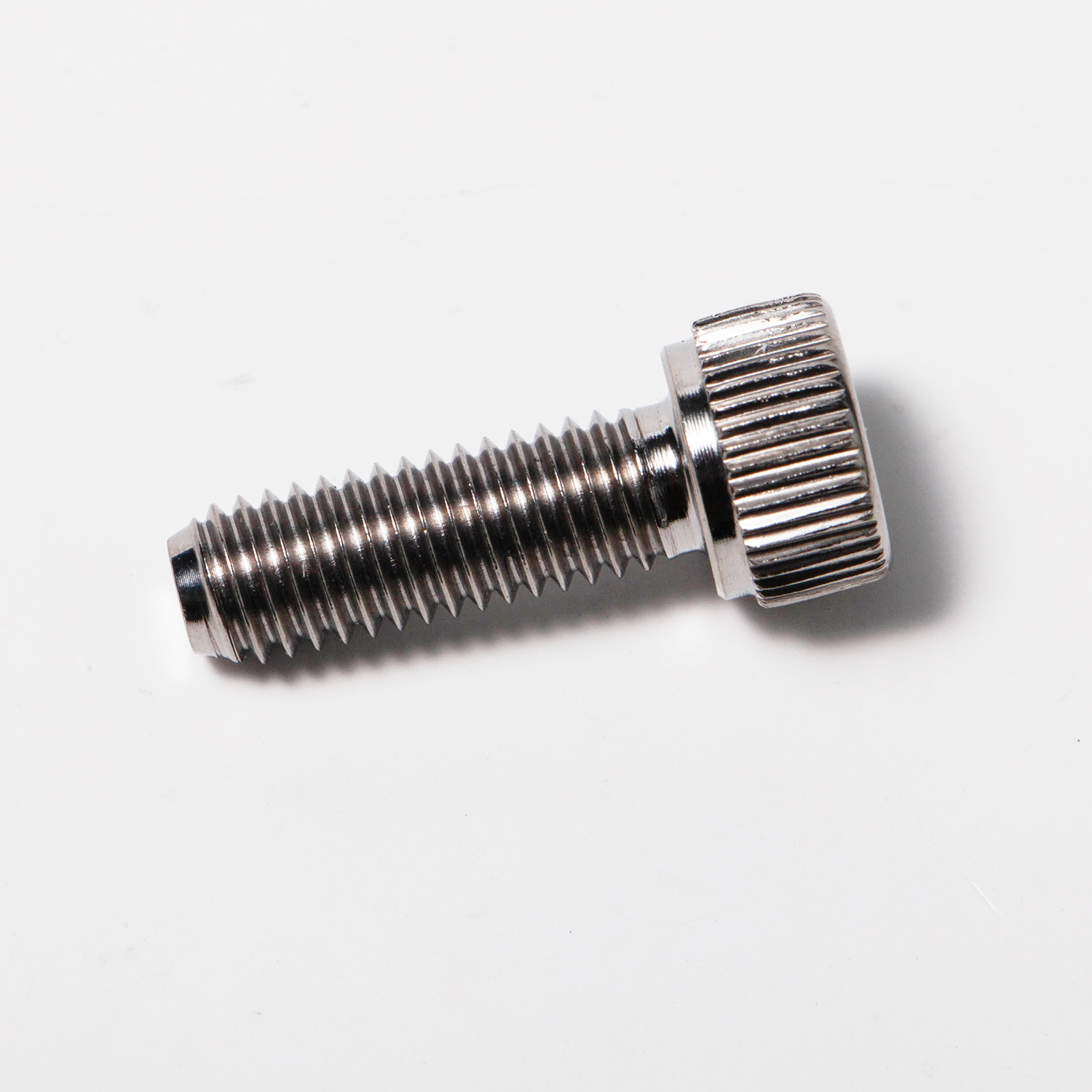
Titanium alloys have a natural tendency toward micro-welding (galling) under high preloads. To counter this, our bolts feature cold-rolled threads rather than cut threads, producing a burnished root surface finish that significantly reduces friction coefficients. Additionally, we provide proprietary anti-friction coatings, PVD titanium nitride layers, or recommend specialized anti-seize pastes (such as nickel- or MoS2-based compounds) for field assembly.
What are typical lead times for bespoke manufacturing runs dispatched to the UK?
For standard mesh rolls and stocked fasteners, dispatch occurs within 3-5 working days. For custom wire weaving or high-precision multi-axis CNC parts, initial prototyping samples typically ship within 10-14 days. Production batches are expedited via air freight (DHL/FedEx/UPS) reaching UK facilities in 4-7 transit days, or via consolidated ocean freight to ports such as Felixstowe or Liverpool for heavy bulk consignments.
Accelerate Your Sheffield Project with Certified Titanium Solutions
Whether you require technical consultation on mesh weaving densities or need immediate pricing on high-tensile titanium fasteners, our engineering desk provides answers within 8 business hours.