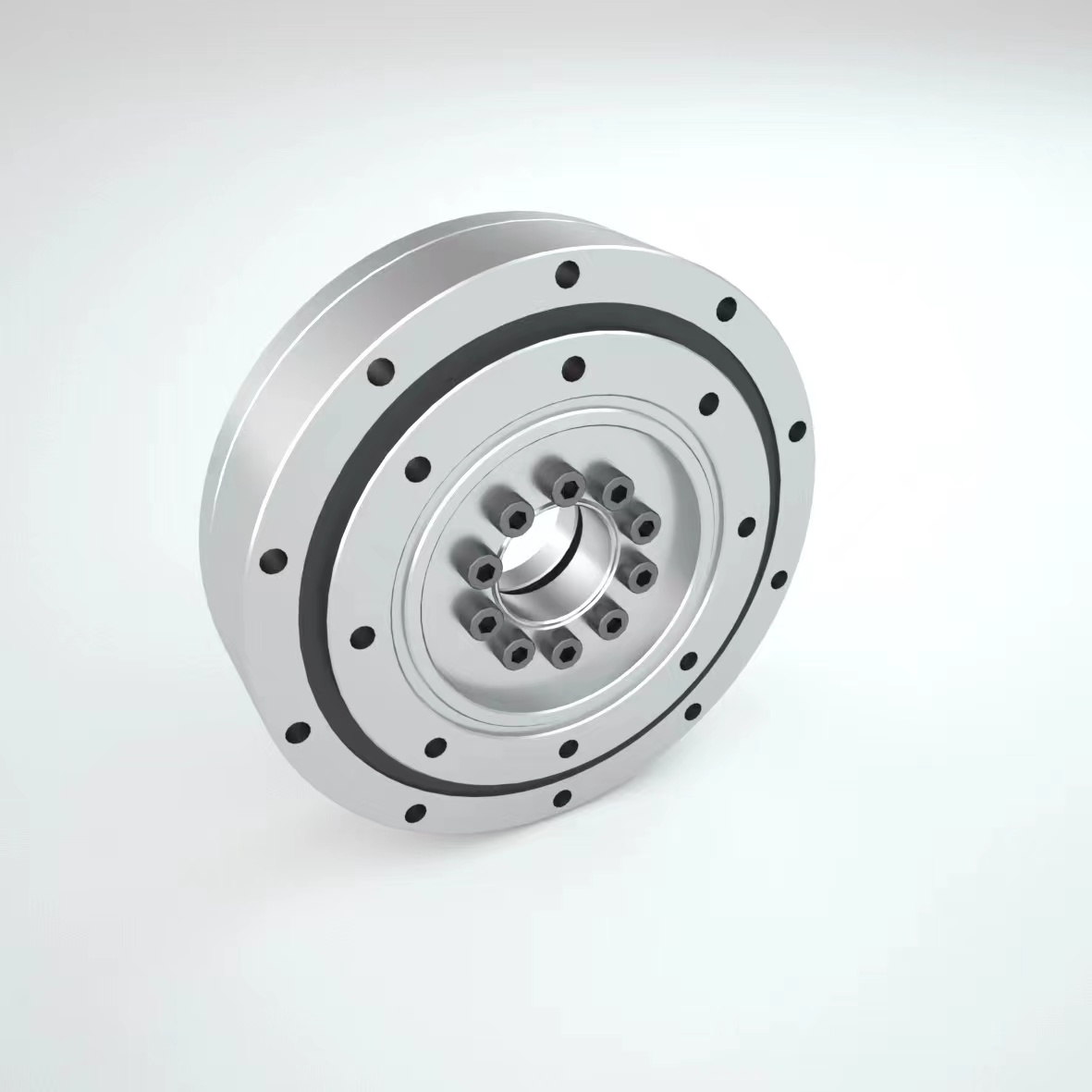
INNOTECH DRIVE High Torque Harmonic Drive Reducer Wave Generator
Get a Quote
Engineered for high-vibration aerospace airframes, corrosive petrochemical downhole filtration, and medical implant environments across San Antonio and South Texas.
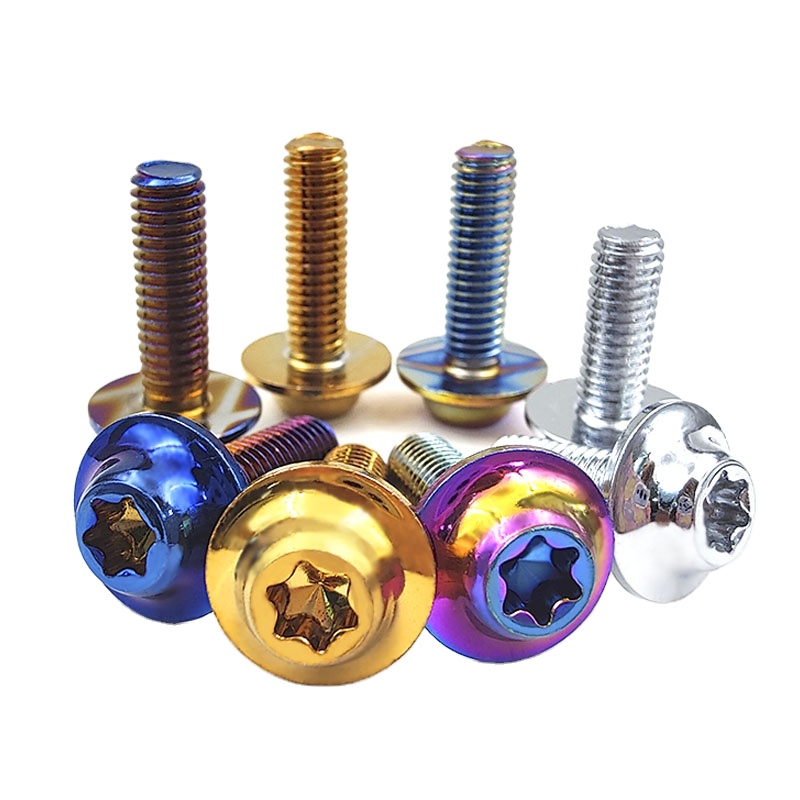
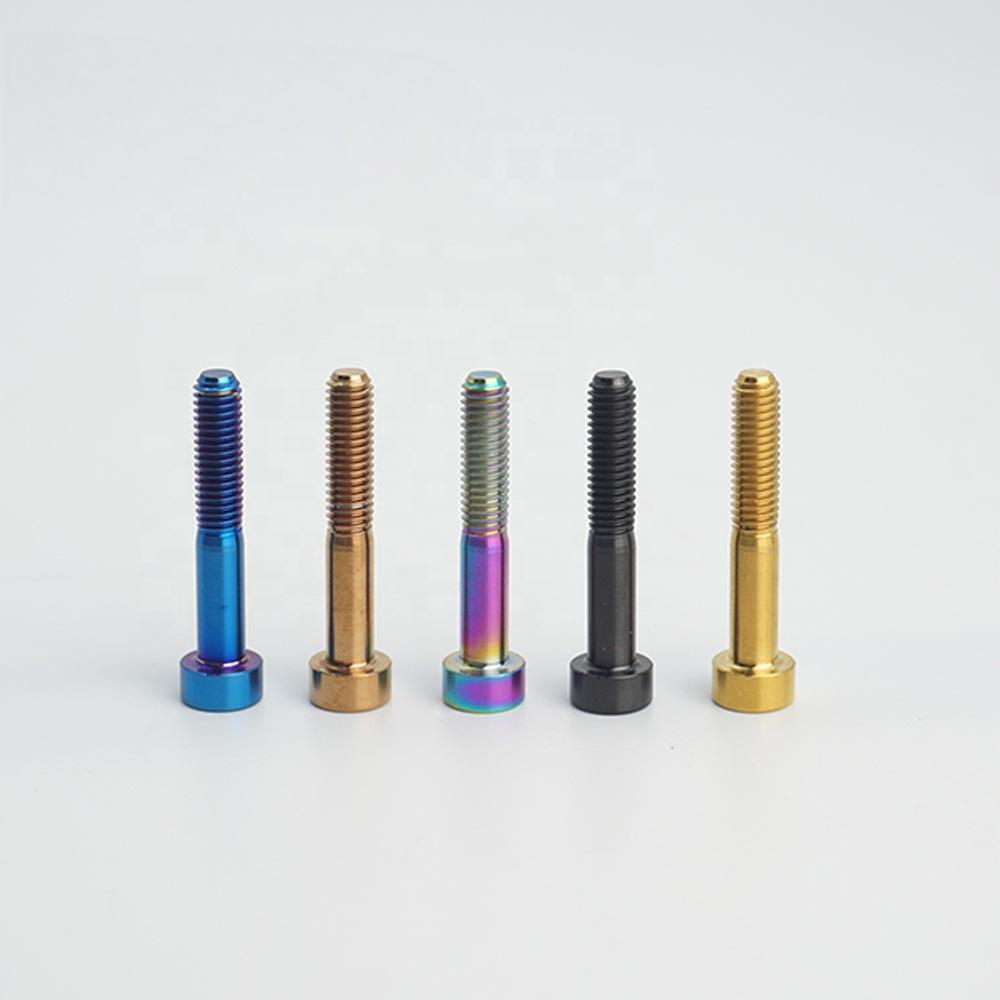
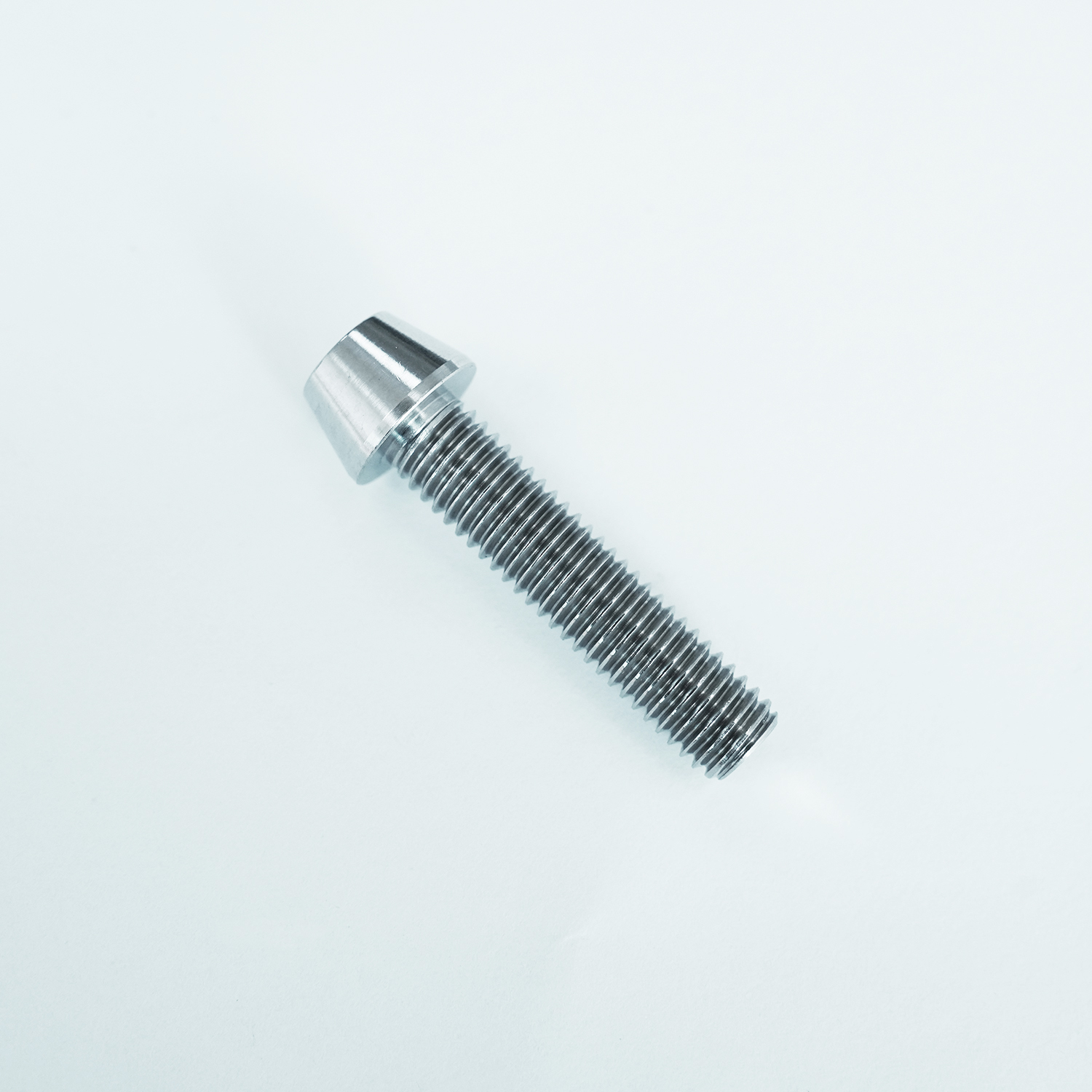
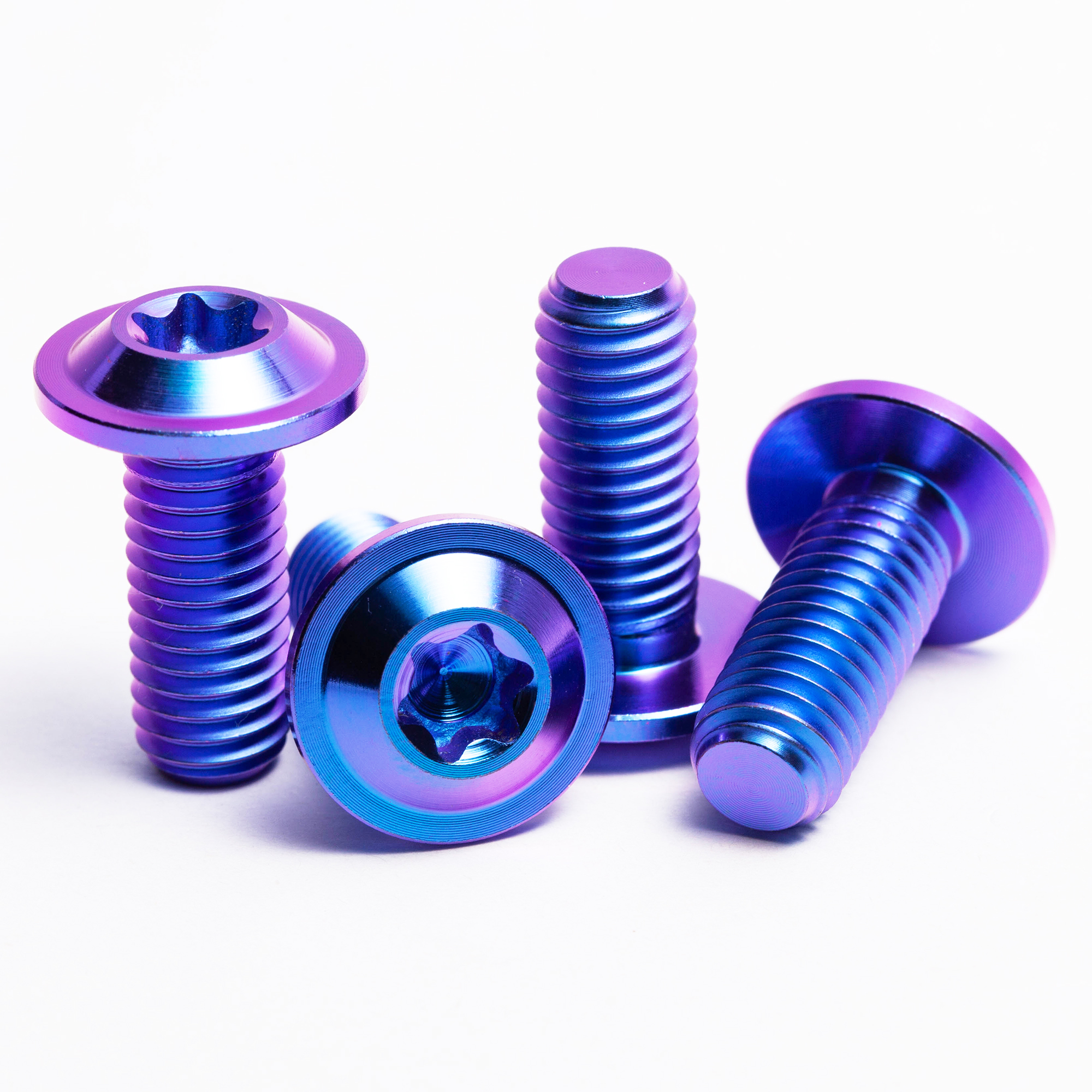
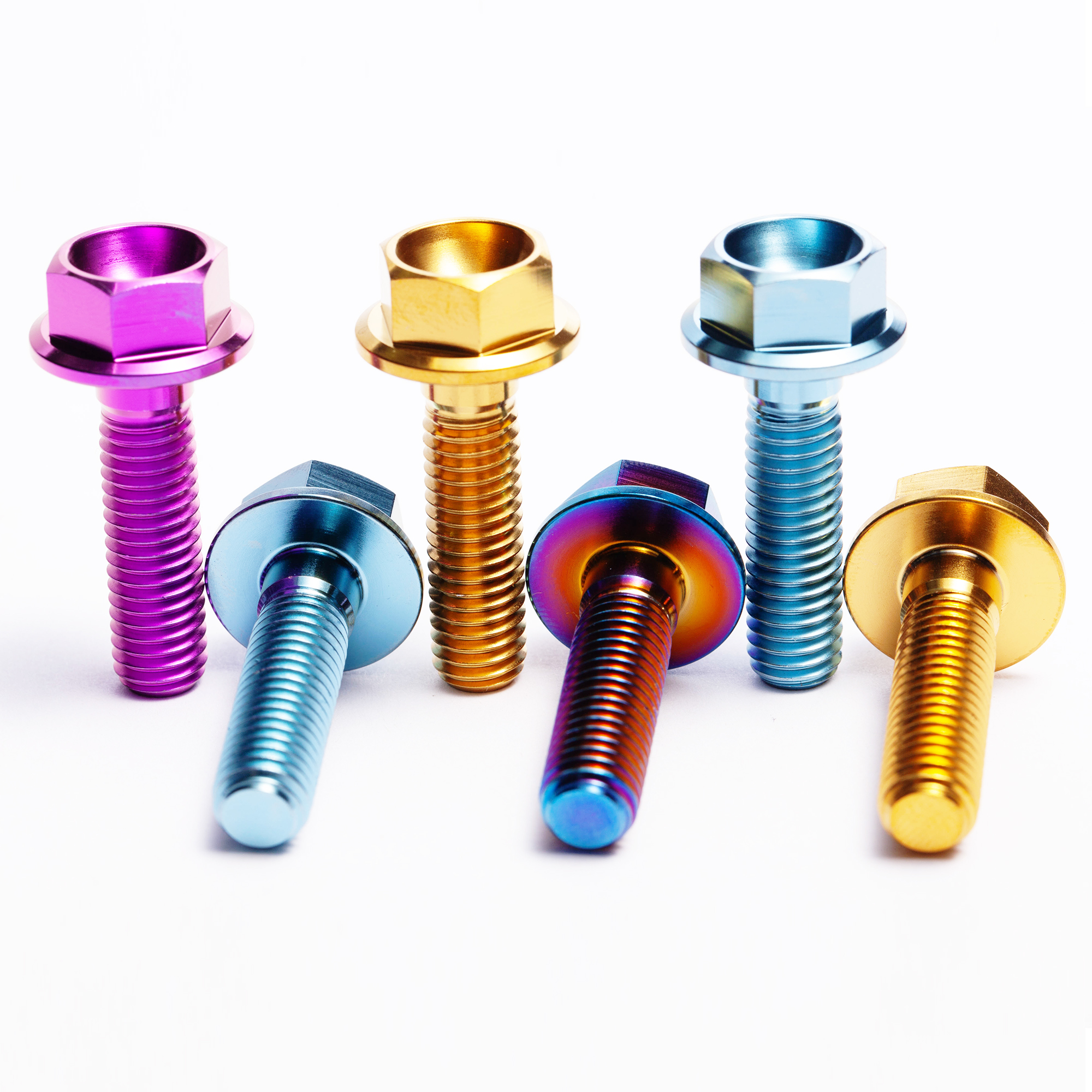
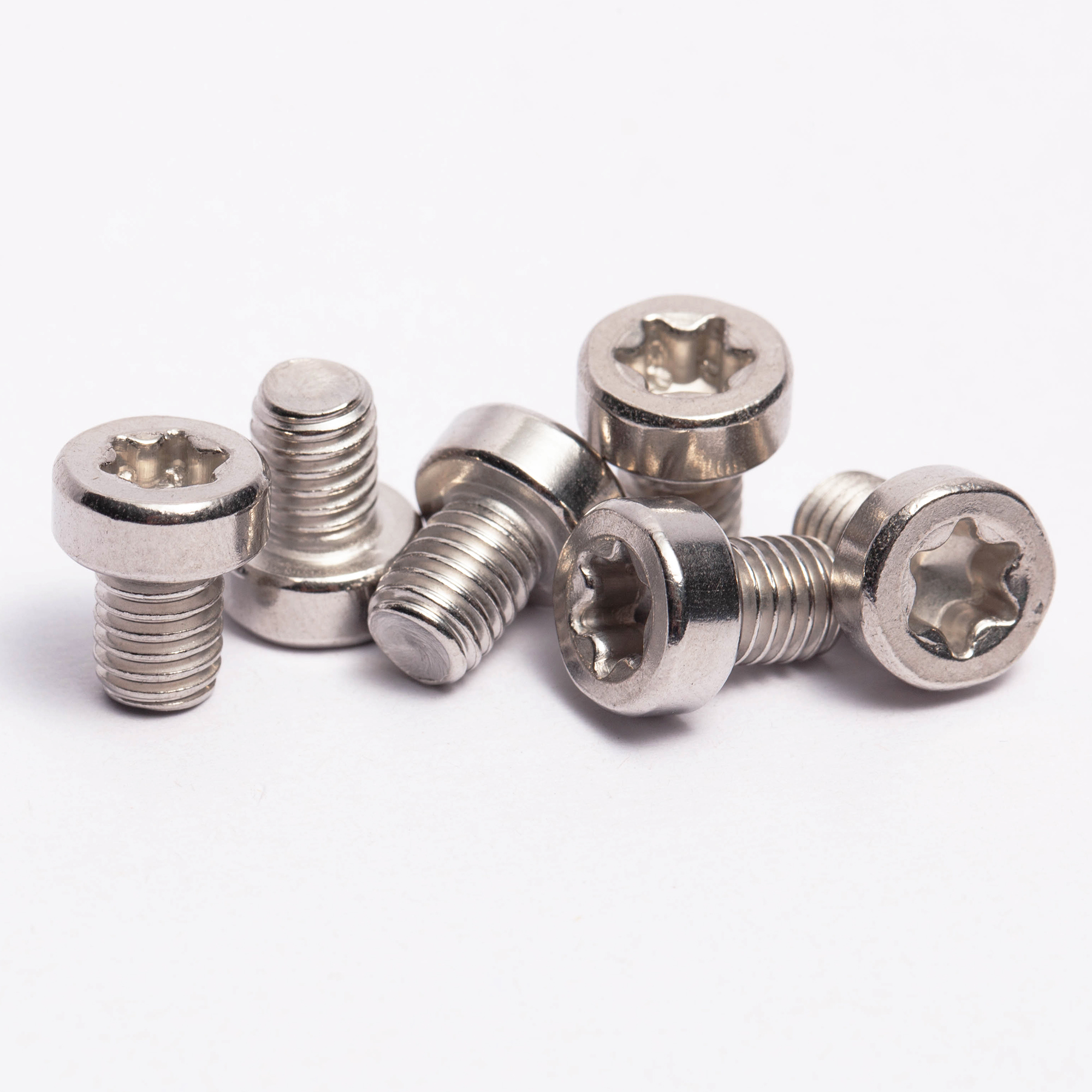
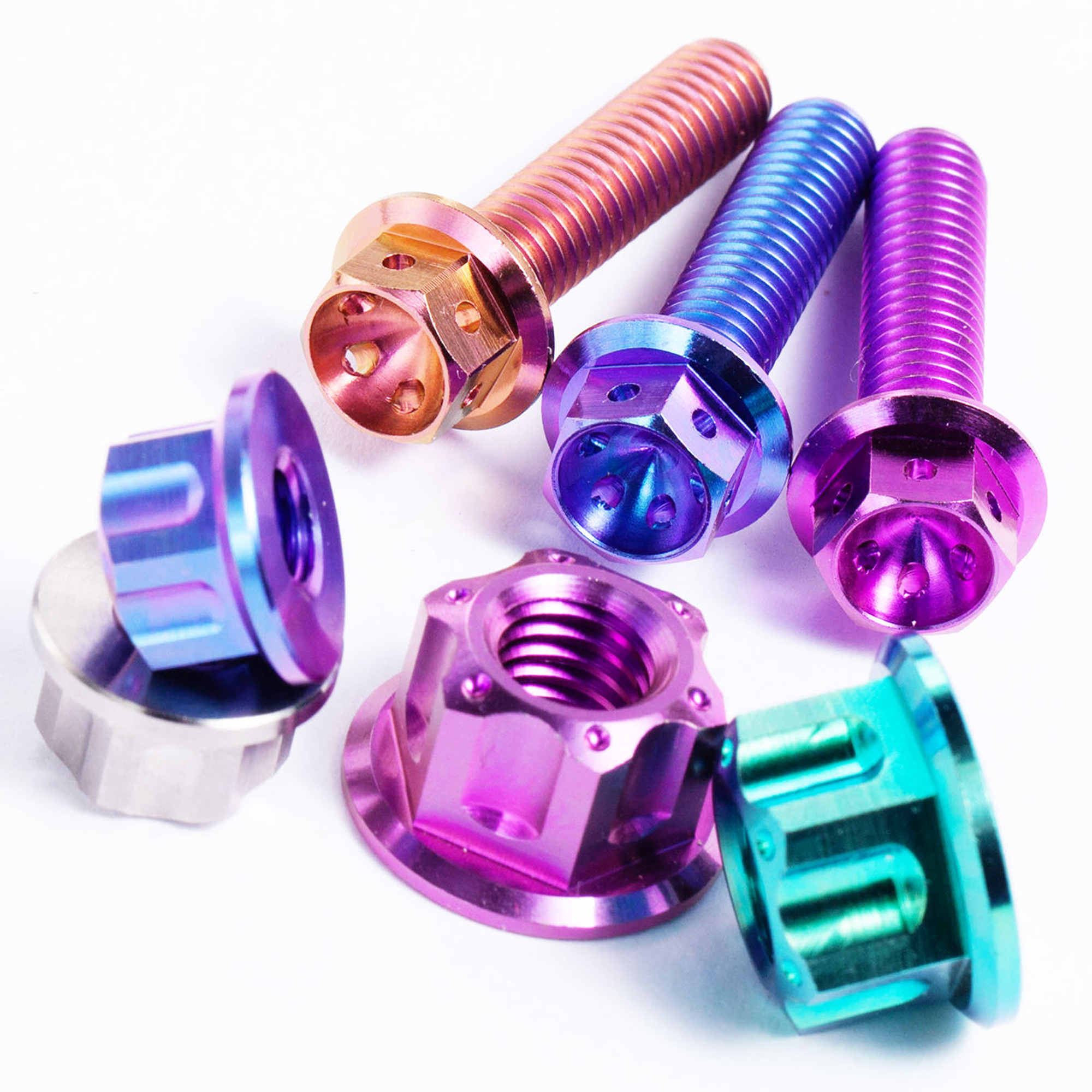
A rigorous metallurgical comparison explaining why advanced industrial manufacturing plants across Bexar County are migrating away from legacy duplex stainless steels to high-purity titanium woven mesh and sintered porous elements.
Commercially Pure Titanium (ASTM B348 / ASTM B863 Grade 1 and Grade 2) features a minimum titanium purity of 99.2%. Grade 1 offers the greatest elongation and cold workability, critical for tightly woven micro-mesh down to 400 mesh counts. Grade 2 provides an exceptional yield strength balance (minimum tensile of 345 MPa) with near-instantaneous surface re-passivation, making it the definitive choice for chlor-alkali filtration and aggressive chemical vapor separation where chloride pitting is fatal to AISI 316L.
Where screening operations intersect extreme structural stress and severe fluid dynamic turbulence, Grade 5 (6% Aluminum, 4% Vanadium) dominates. Yielding an ultimate tensile threshold exceeding 895 MPa, Grade 5 wire cloth maintains dimensional aperture integrity under severe volumetric drag forces. In aerospace turbine intake screening and downhole drilling solids-control systems, Gr5 mesh eliminates wire shifting and rupture failures common to lower-yield nickel alloys.
The superior operational endurance of our titanium wire mesh resides in the spontaneous kinetic generation of an adherent, nanometer-thin titanium dioxide (TiO₂) passivation layer upon ambient exposure to oxygen or moisture. Unlike electroplated steels, if the mesh boundary suffers mechanical particle abrasion during aggressive slurry agitation, the exposed core repassivates within microseconds, entirely eliminating galvanic pitting, crevice corrosion, and microbial-influenced degradation.
| Material Designation | Density (g/cm³) | Tensile Strength (MPa) | Chloride Crevice Immunity | Modulus of Elasticity (GPa) | Primary Industrial Sector |
|---|---|---|---|---|---|
| Titanium Grade 1 (UNS R50250) | 4.51 | 240 | Exceeds +180°C threshold | 103 | Medical Diagnostic & Battery Anode Screening |
| Titanium Grade 2 (UNS R50400) | 4.51 | 345 | Total Immunity (<120°C in pure brines) | 105 | Petrochemical Refining & Desalination Mesh |
| Titanium Grade 5 (Ti-6Al-4V / UNS R56400) | 4.43 | 895 | Superior under heavy dynamic shear | 114 | Aerospace Hydraulics & Defense Filtration |
| Austenitic Stainless Steel 316L | 8.00 | 485 | Fails at elevated Cl⁻ concentrations | 193 | Baseline Commercial Liquid Straining |
Strategic deployment vectors for titanium wire mesh, woven filter discs, and precision fasteners across San Antonio's premier aerospace corridors, South Texas oilfield basins, and premier biomedical testing complexes.
Adjacent to Kelly Field and the expansive Port San Antonio innovation district, maintenance, repair, and overhaul (MRO) facilities demand ultralight, non-magnetic titanium mesh screens. Utilized in jet engine foreign object debris (FOD) intake barriers, auxiliary power unit (APU) flame arrestors, and high-frequency EMI/RFI avionics shielding, Grade 5 titanium mesh saves up to 44% dead weight relative to standard steels without sacrificing shear modulus.
San Antonio serves as the central command headquarters for midstream and downstream support servicing the Eagle Ford Shale basin. Heavy H₂S concentrations (sour gas), scalding produced water, and hyper-saline fracking fluids induce sudden hydrogen embrittlement and sulfide stress cracking in conventional wire mesh filters. Grade 2 and Grade 7 titanium sand control screens, shaker screens, and orifice flow separators survive continuously where standard alloy cloths collapse.
Within the South Texas Medical Center, pharmaceutical synthesis laboratories and biomedical device developers integrate specialized sintered titanium porous mesh plates. Titanium's complete biocompatibility, high chemical inertness, and lack of cytotoxic leachates provide unmatched stability in continuous-flow cell culture screening, orthopedic bone-ingrowth mesh scafolds, and hyper-sterile autoclaved particulate microfiltration systems.
Analyzing key structural shifts shaping procurement decisions across the San Antonio-Austin-Corpus Christi manufacturing triangle.
San Antonio B2B operations are actively diversifying from fragile domestic-only supply chains by forging direct factory-level manufacturing relationships. Purchasing teams now mandate direct mill test certifications (MTCs), raw ingot chemical tracing, and strict dimensional verification (ISO 9001:2015) delivered straight from precision manufacturing shops, cutting out redundant broker markups and lead-time delays.
With clean hydrogen infrastructure expansion along the Texas Gulf Coast Corridor, industrial demand for platinum-group coated and pure titanium wire mesh expanded metal structures as porous transport layers (PTL) in proton exchange membrane (PEM) electrolyzers is surging. Titanium mesh resists aggressive anodic oxidation voltages that degrade base stainless steel within hours.
Procurement teams serving DoD contractors in Bexar County require verified lot-level compositional compliance. Our manufacturing protocols include rigorous Optical Emission Spectrometry (OES) alongside calibrated micrometer wire-diameter gauging to deliver verified tensile performance, RoHS compliance, and absolute dimensional consistency down to ±0.01 mm.
From custom weave engineering and CNC micro-turning to thread rolling and aerospace-grade electrochemical anodization.
State-of-the-art weaving looms produce plain, twill, and Dutch weaves from 1 mesh up to 400 mesh alongside 5-axis CNC machining centers holding tight tolerances down to ±0.01 mm for specialized mounting housings and custom titanium flange assemblies.
Every shipment is covered by comprehensive EN 10204 3.1 Mill Test Certificates (MTC), Positive Material Identification (PMI) chemical assay analyses, tensile break test data, and RoHS/REACH compliance records ready for client supplier audits.
Rapid turn-around on bespoke wire cloth geometries, stamped multi-layer diffusion bonded filter discs, specialized laser-cut mesh profiles, and custom Gr5 hardware directly built to CAD drawings, 3D step files, or physical engineering prototypes.
Direct expedited air cargo shipping into San Antonio International Airport (SAT) and ocean container clearance through the Port of Houston ensures dependable logistics management, secure shockproof packaging, and zero duty classification bottlenecks.
Authoritative answers covering metallurgy, minimum order volumes, thread rolling vs. wire drawing, and custom fabrication workflows.
Speak directly with our metallurgical and CNC engineering team. Submit your drawings, aperture requirements, or project specifications for immediate technical review and rapid price estimation.
Get a Quote