Engineering Standards for High-Integrity Fasteners along the River Clyde
From the historic shipyards of Govan and Scotstoun to the aerospace hubs of Prestwick and Inchinnan, Glasgow's high-specification heavy engineering ecosystem demands fasteners with zero tolerance for fatigue failure. As industrial decarbonisation accelerates across the Scottish Central Belt, titanium stud bolts have transitioned from an esoteric aerospace alloy to the baseline requirement for marine, subsea, and renewable infrastructure.
Precision Titanium Stud Bolts & Specialist Fasteners
Direct from Wexra Titanium’s ISO 9001:2015 CNC manufacturing facility, engineered to replace corroding 316L stainless steel and brittle high-tensile steel fasteners in harsh Scottish environments.
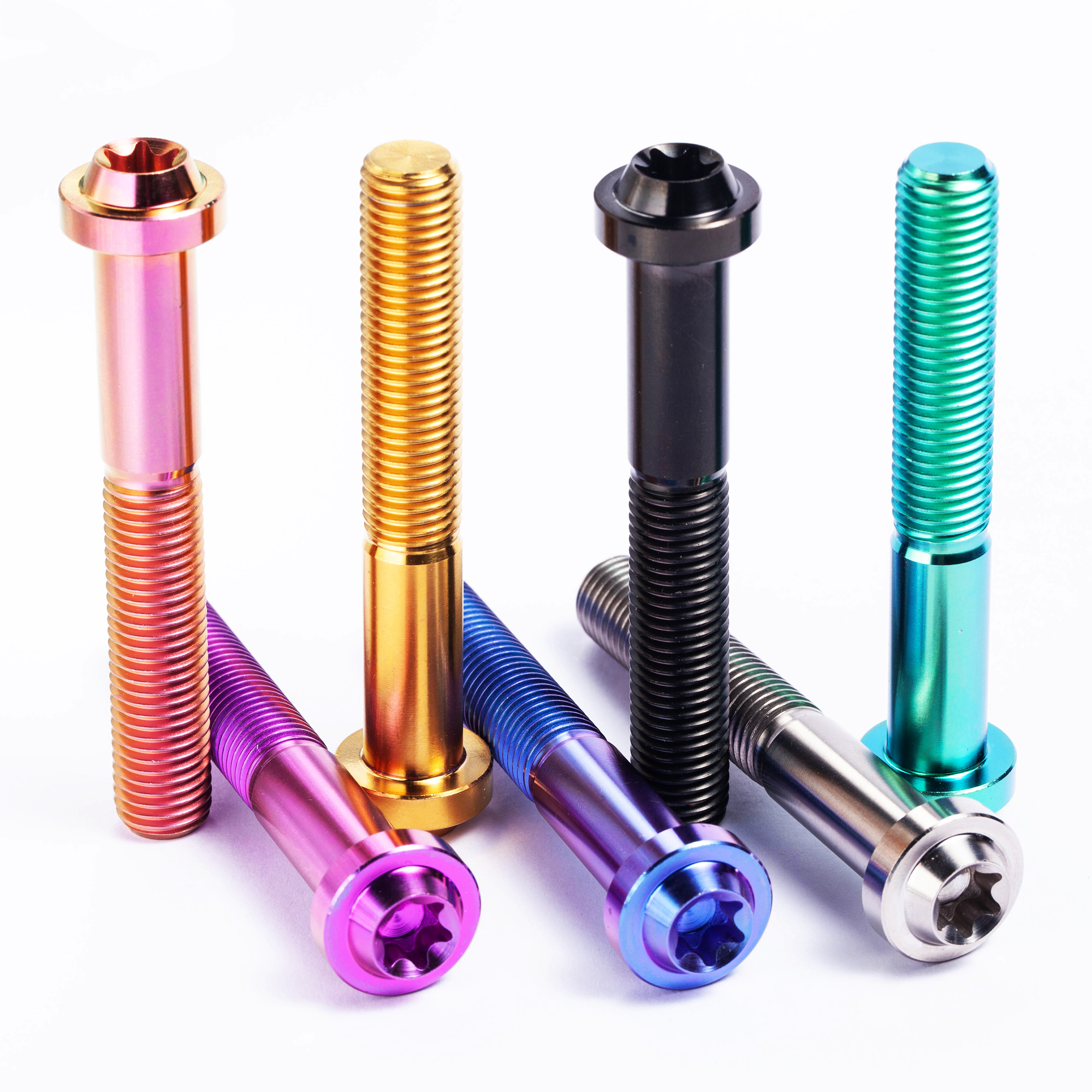
DIN912 Metric Bolts M2-M8 Grade 9 Titanium Alloy Hex Head Fasteners
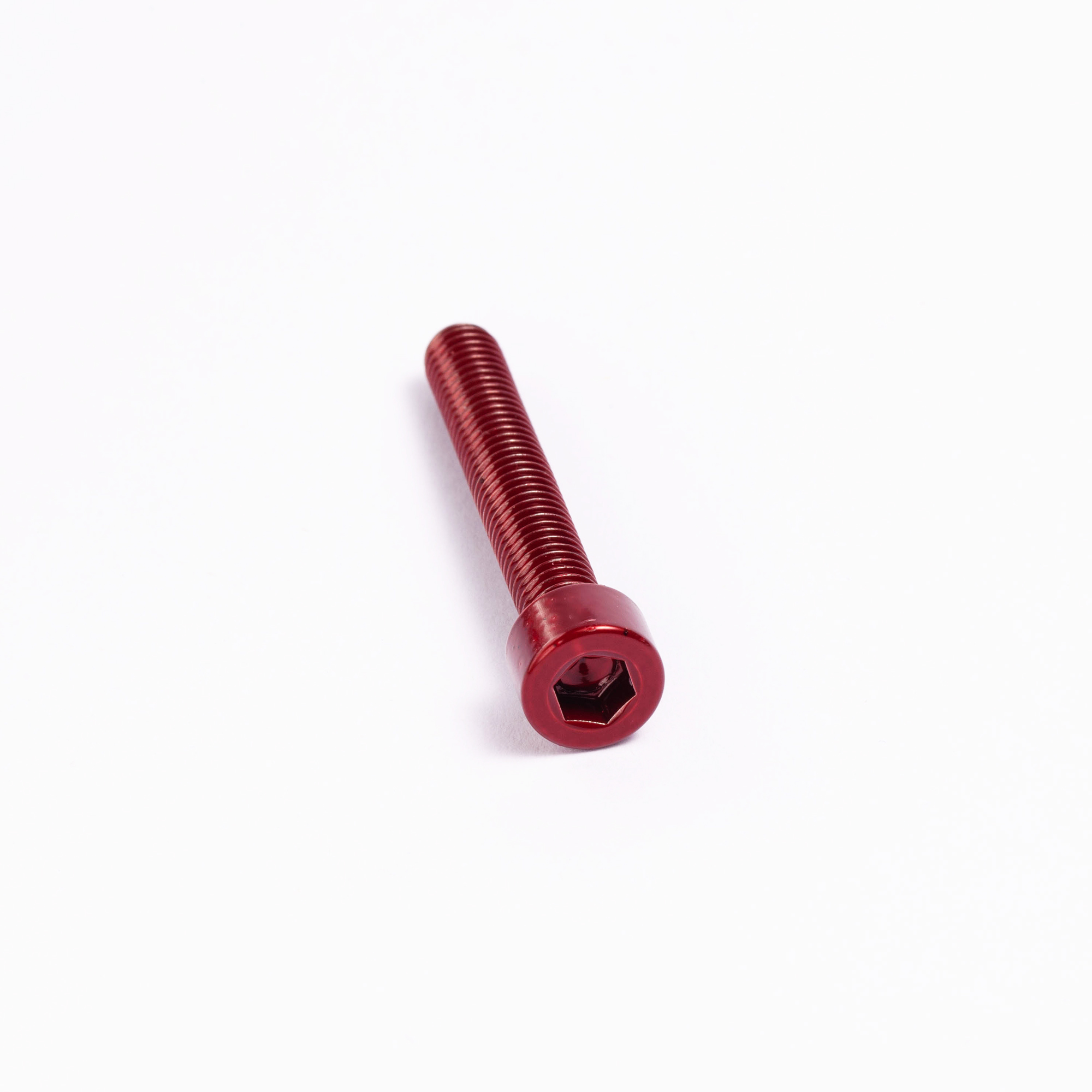
High Quality BST-TI Cylindrical Socket Bolts for Motorcycle/Bicycle Brakes
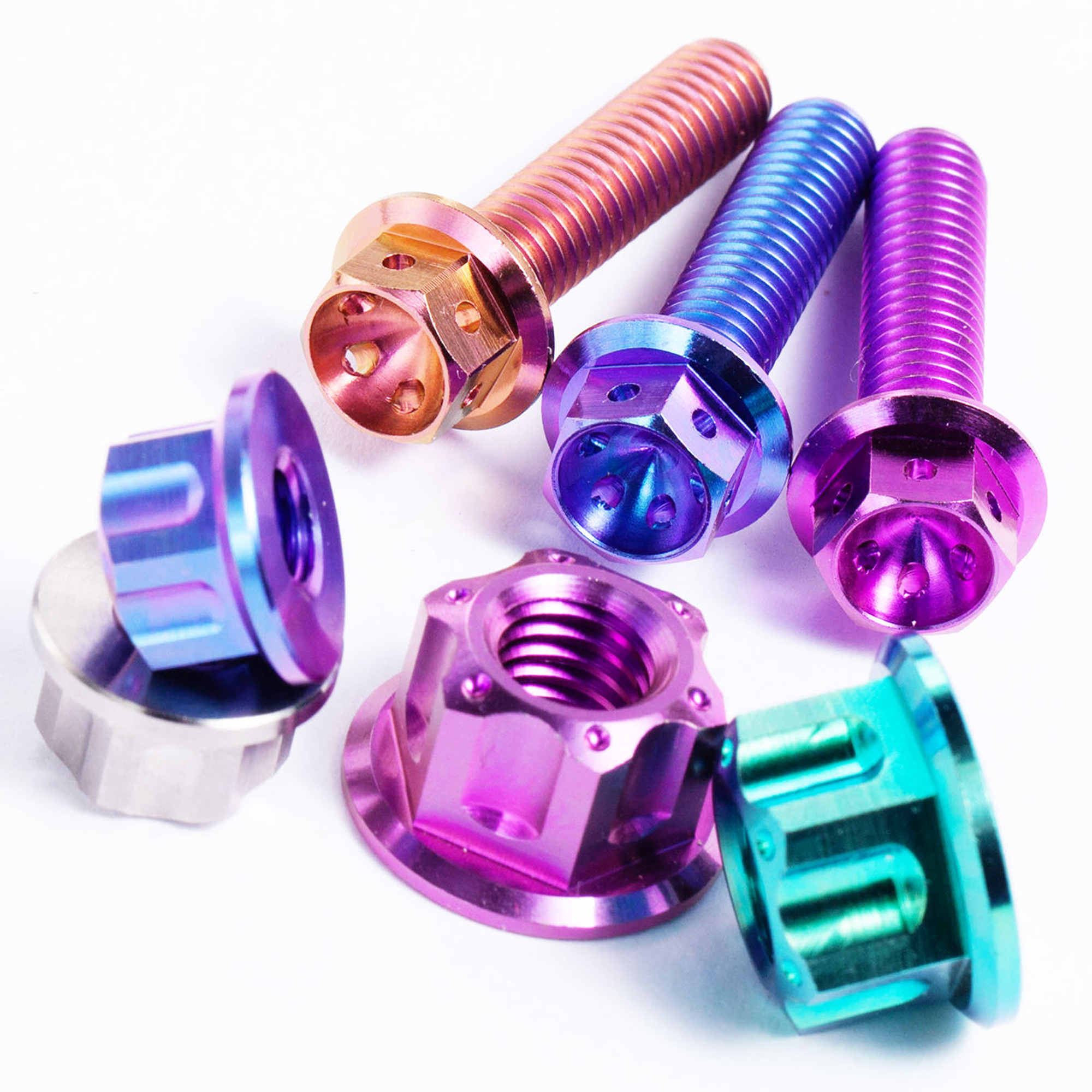
Titanium Alloy GR5 Hexagon Head Anodized Bolts and Nuts M6-M12 DIN6921
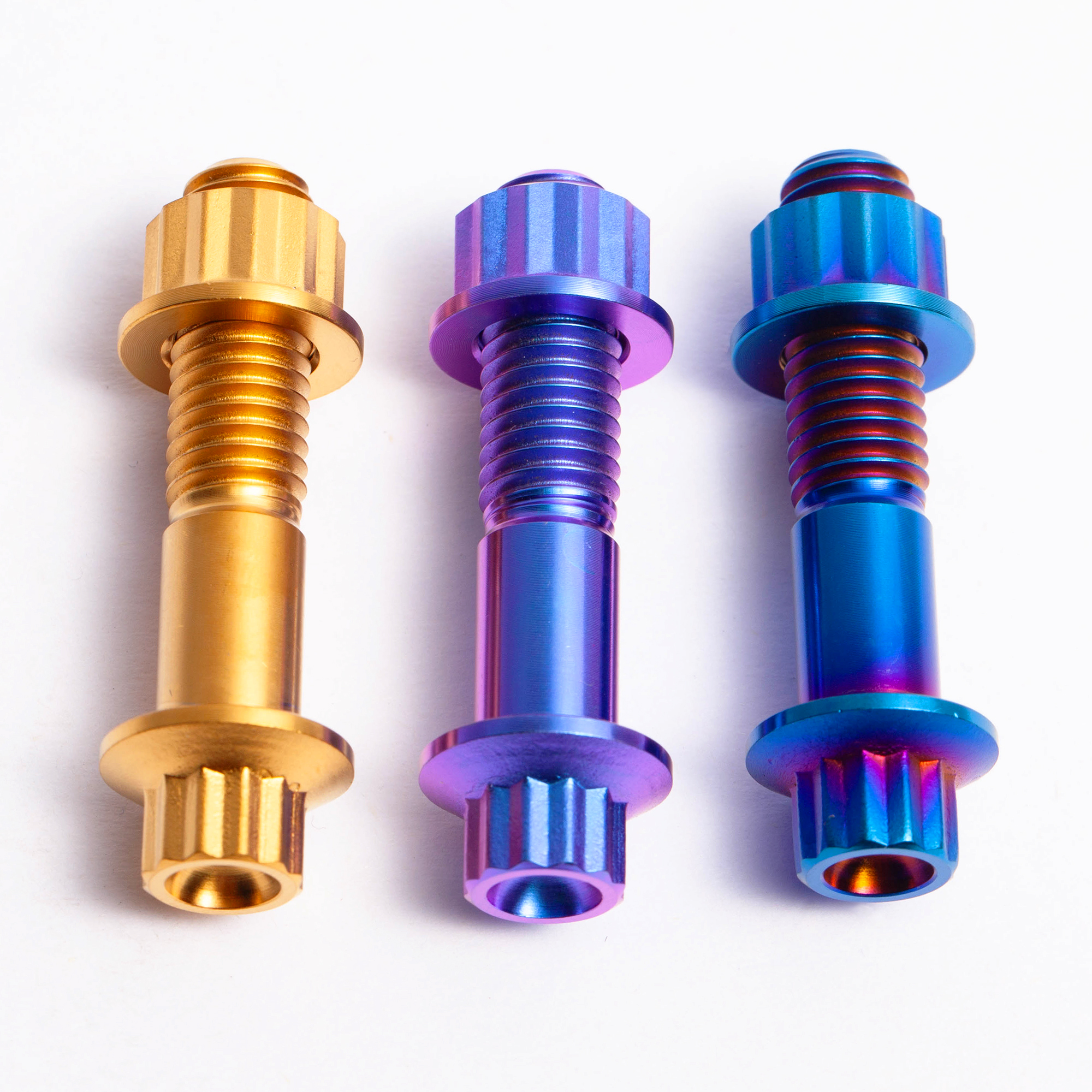
GR5 Titanium Alloy Double Stud Fastener CNC Exhaust Pipe M8/M10 Screws
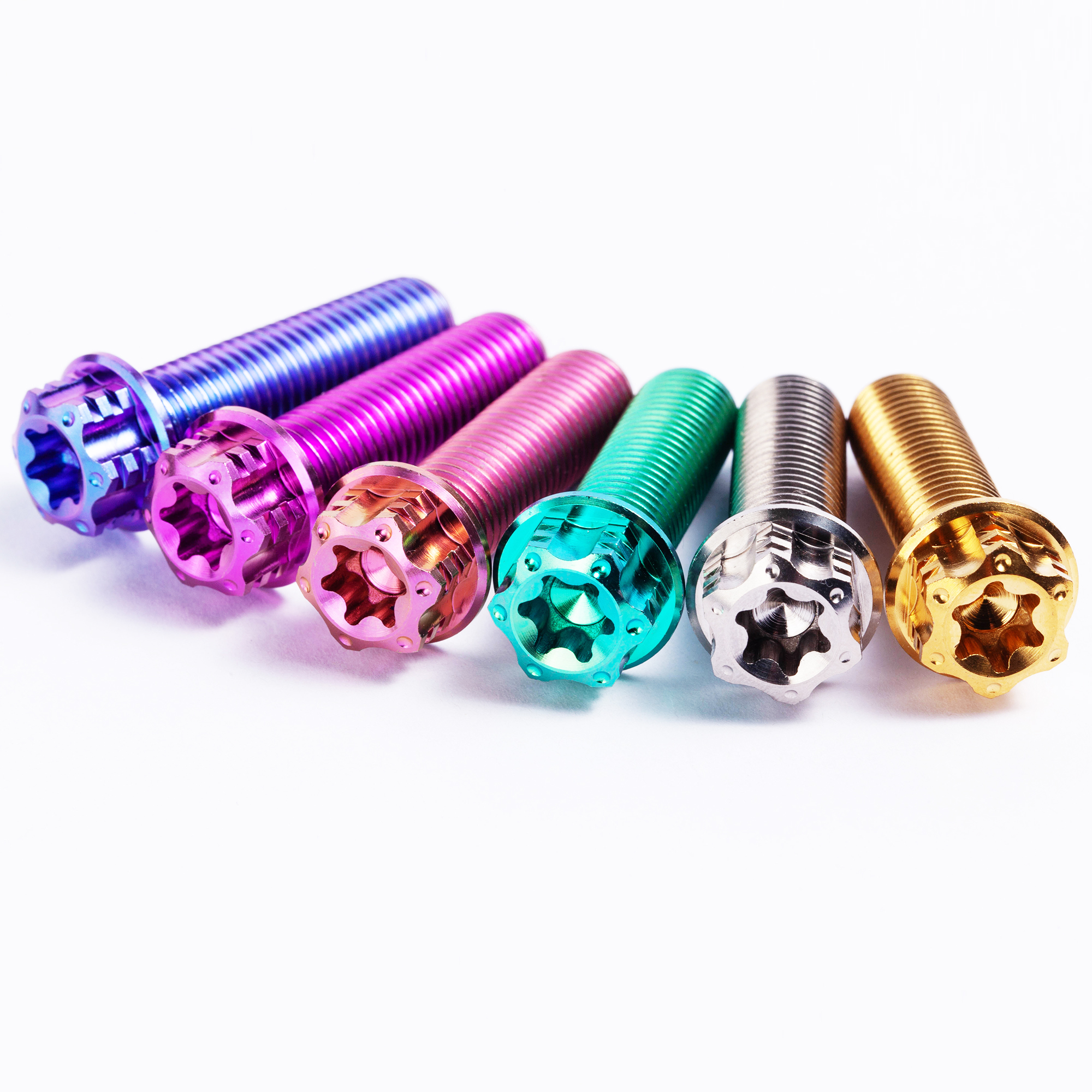
BST-TI ISO Certified Anodized Titanium Gr5 Flange Socket Bolts 12-Point
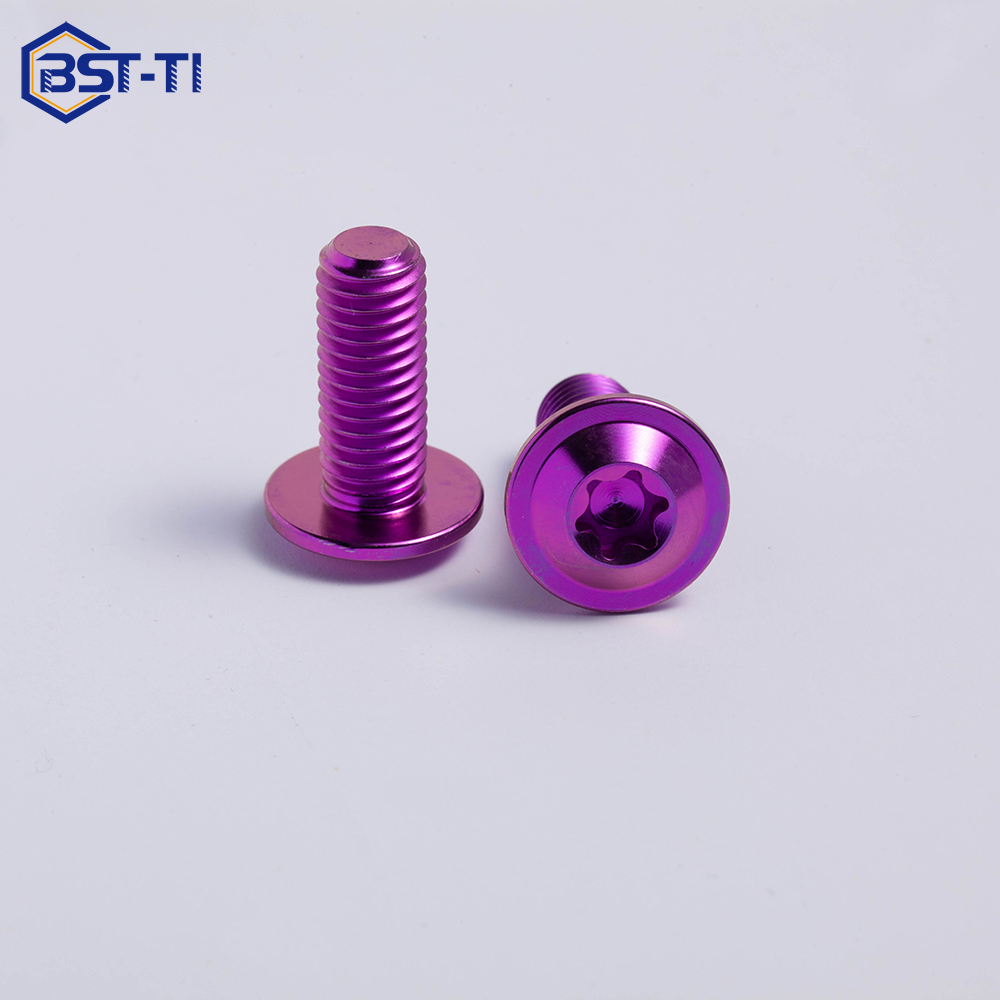
BST-TI Torx Head Titanium Alloy Disc Bolts ISO Standard Class 4.8/6.8
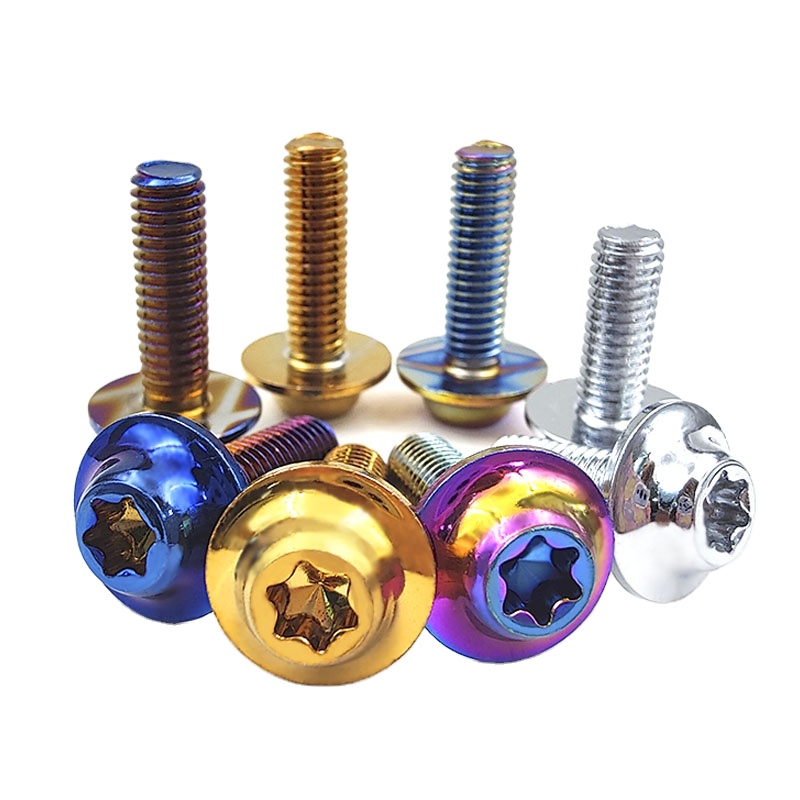
Titanium Alloy GR5 Disc Brake Rotor Bolts Polished Finish ISO Studs
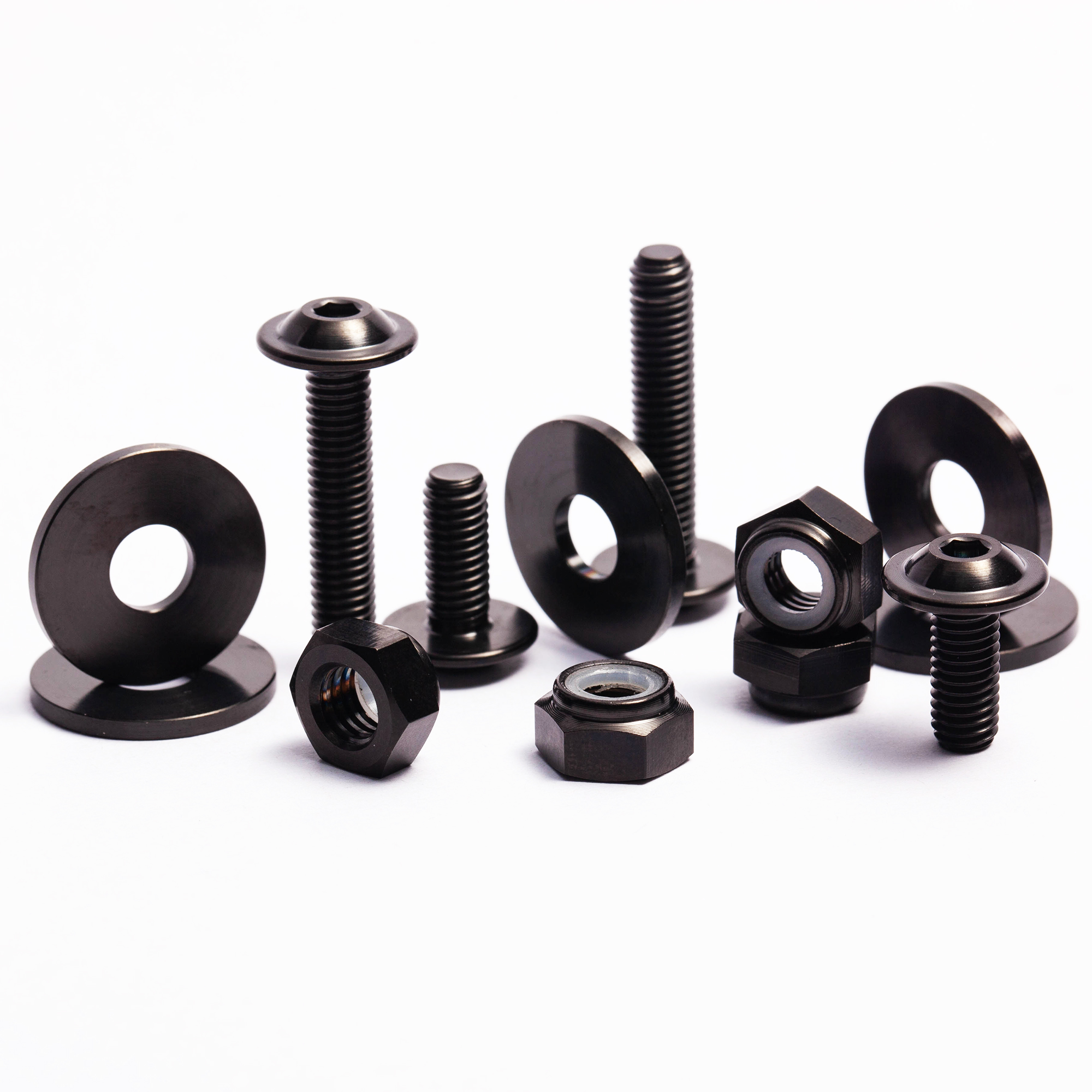
Customized Titanium Gr5 Torx Head Flange Bolts and Nuts Motorbike
Top 10 Titanium Stud Bolt Manufacturers Serving Glasgow & Western Scotland
Sourcing high-integrity titanium stud bolts requires balancing localized stocking with direct factory manufacturing capacities. Below is our industry whitepaper audit of the leading 10 manufacturing partners servicing the Glasgow industrial zone.
| Manufacturer / Factory | Primary Location | Metallurgical Specialism | Production Lead Time | Key Accreditations | Direct Sourcing Evaluation |
|---|---|---|---|---|---|
| Wexra Titanium Products | Global Hub (Export: UK/EU) | Ti-6Al-4V Gr5, Gr2 Cold-Rolled Threads | 7–14 Days Expedited | ISO 9001:2015, UKCA, CE, RoHS | Direct mill pricing; ±0.01mm tolerance; full EN 10204 3.1 MTCs |
| Clydeside Precision Fasteners | Glasgow, Scotland | Marine Superalloys, 316L, Monel | 3–5 Weeks | ISO 9001 | Local assembly; high surcharge on custom titanium runs |
| Alba Aerospace Hardware | Prestwick, UK | Ti-6Al-2Sn-4Zr-2Mo Turbine Studs | 6–10 Weeks | AS9100D | Aerospace-dedicated; substantial MOQ constraints for general industry |
| Strathclyde Fastener Solutions | Lanarkshire, Scotland | Standard Metric & Imperial Studding | 2–4 Weeks | ISO 9001:2015 | Distribution-led; stock largely limited to stainless and zinc alloys |
| Kelvin Marine Fastenings | Renfrew / Glasgow | Cu-Ni, Duplex & CP Titanium | 4–6 Weeks | DNV-GL Certified | Specialised in shipbuilding; limited CNC multi-axis milling options |
| Lothian Specialist Machining | Livingston / Edinburgh | Subsea Tie-back Titanium Studs | 4–7 Weeks | ISO 9001 | Reliable local machining; relies on imported raw bar stock |
| Caledonian Motorsport Fasteners | Hamilton, Scotland | Race-grade Grade 5 Flange Hardware | 2–3 Weeks | Motorsport UK Compliant | High premium per piece; ideal for batch prototype trials |
| Forth Valley Titanium Ltd | Stirling, UK | Chemical Reaction Vessel Studding | 5–8 Weeks | PED 2014/68/EU | Custom fabrication; longer production runs on micro-diameters |
| Severn & Clyde Industrial Supply | Clydebank, Scotland | General Engineering Studding | Stock items 48 hrs | Standard Trade | Merchant model; low traceability documentation on imported stock |
| Grampian Subsea Technologies | Aberdeen (Glasgow Delivery) | Deepwater Mooring & Manifold Studs | 6–9 Weeks | NORSOK M-650 | Tier-1 offshore focus; price point excessive for non-subsea applications |
Material Behavior in Harsh Marine & Industrial Environments
The Clydeside atmosphere combines saline marine exposure with heavy industrial airborne particulates. Fastener selection dictates structural integrity over a 30-year design lifecycle.
Spontaneous Oxide Passivation
Unlike austenitic stainless steels (304, 316) which rely on chromium-oxide films susceptible to crevice corrosion under marine bio-fouling, Grade 5 titanium forms an instantaneous, tenacious rutile TiO₂ layer. In North Atlantic and Firth of Clyde seawater, its corrosion rate remains below 0.001 mm/year.
Superior Fatigue-to-Weight Ratio
Grade 5 (Ti-6Al-4V) yields a tensile strength exceeding 895 MPa with an elasticity modulus of ~114 GPa. This lower modulus allows titanium stud bolts to flex dynamically under cyclic bending and vibration loads—such as offshore wind turbine nacelles—absorbing peak stresses without loosening or work hardening.
Rolled Threads vs. Cut Threads
At Wexra Titanium, all stud bolts utilize rolled threading post-CNC turning. Thread rolling cold-works the root and crest contours, aligning the continuous grain structure along the thread profile. This yields a 300% improvement in dynamic fatigue lifecycle compared to conventional single-point cut threads.
Where Titanium Stud Bolts Drive Performance Across Western Scotland
Glasgow’s high-value engineering sectors are transitioning rapidly to next-generation materials. Here are the active engineering fronts where our stud bolts are specified.
1. River Clyde Naval & Commercial Marine Vessel Architecture
In the Govan and Scotstoun shipbuilding yards, modern frigate, auxiliary vessel, and high-speed ferry propulsion corridors utilize titanium stud bolts for underwater sonar pods, rudder pintle bearings, sea-chest strainers, and exhaust manifold joints. In environments with variable salinity and galvanic risks, Ti-6Al-4V eliminates stress corrosion cracking (SCC) caused by wet marine exhaust gases.
2. Scottish Offshore Wind & Tidal Renewable Arrays
Scotland’s renewable energy initiatives in the Firth of Clyde, Western Isles, and North Sea require tidal turbines and floating offshore wind substructures designed for 25-year submerged operational cycles. Wexra's double-ended titanium stud bolts provide splash-zone flange clamping that remains impervious to hypochlorite and marine biocides, eliminating expensive diver subsea bolt change-outs.
3. Prestwick & Renfrewshire Aerospace & Defense Corridors
The precision engineering corridor flanking Glasgow Airport and Prestwick produces avionics casings, fuel injection pylons, and radar housings. By swapping high-tensile steel fasteners for Grade 5 DIN 912 and custom Torx flange bolts, structural assemblies realize a 44% mass reduction while maintaining clamping forces equivalent to metric Class 10.9 steel.
4. Scottish Motorsport & Performance Automotive Powertrains
From Knockhill circuit competition teams to specialized race preparation shops across Greater Glasgow, titanium double-ended exhaust studs (M8/M10) withstand turbocharger exhaust heat cycles exceeding 650°C. Where steel studs seize or oxidize and aluminum softens, titanium Grade 5 retains bolt stretch elasticity without galling when installed with copper/nickel anti-seize.
Why Clydeside Engineering Teams Partner with Wexra Titanium
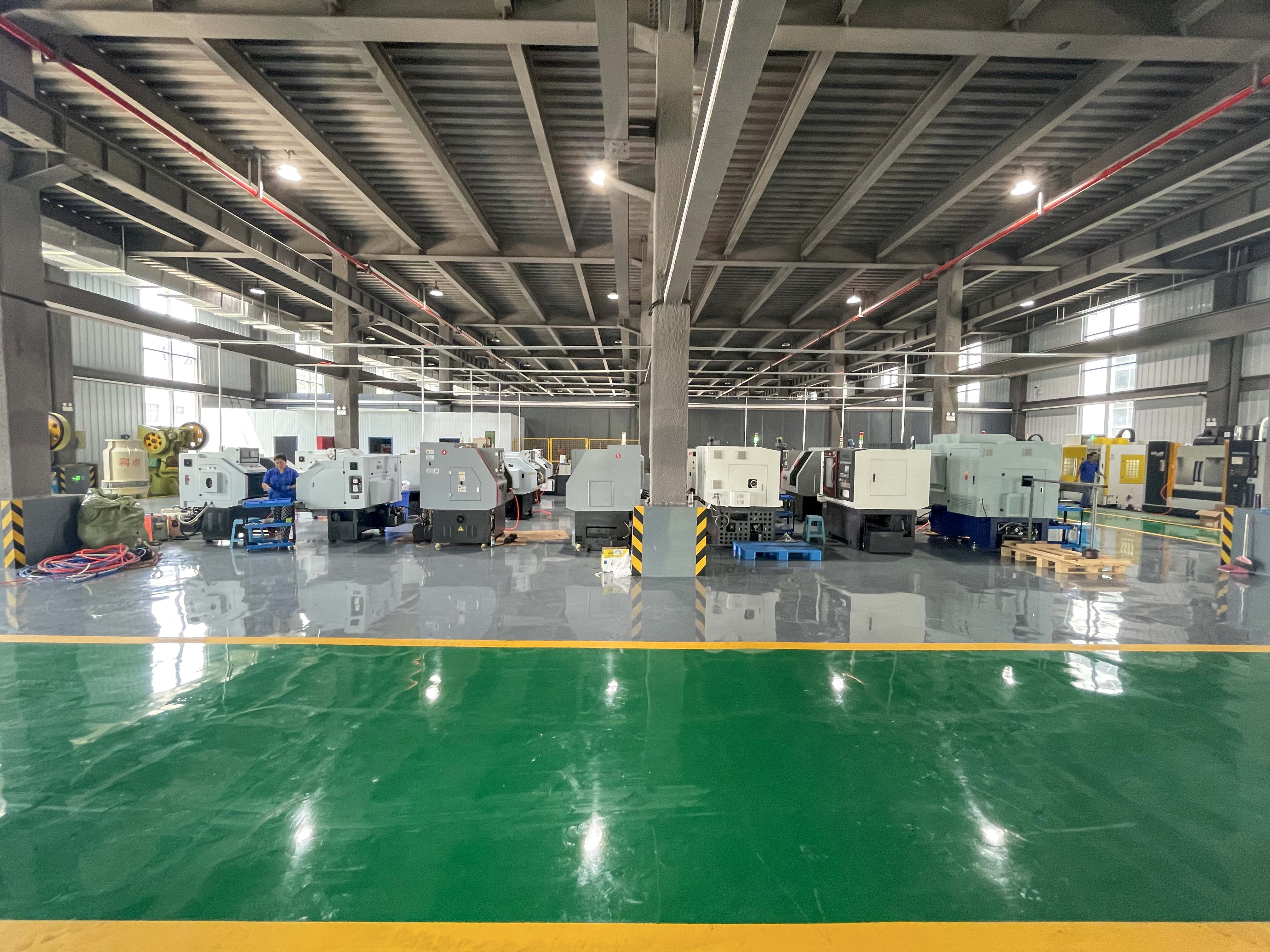
Operating an integrated CNC facility with dedicated Swiss-type lathes, multi-axis milling centers, and thread rolling equipment, Jiaxing Wexra Titanium Products Co., Ltd. eliminates multiple distributor markups while guaranteeing single-source traceability.
- Spectrometric Material Verification: Every titanium bar lot is tested via optical emission spectrometry to verify exact Ti-6Al-4V chemistry before machining.
- Micron-Level Tolerances: Precision turning down to ±0.01 mm, guaranteeing seamless clearance in automated assembly jigs and tapped blind holes.
- Full Regulatory Compliance: UKCA marking documentation, CE verification, RoHS, REACH, and EN 10204 3.1 inspection certification supplied with every batch.
- Anodizing & Surface Treatments: In-house micro-arc oxidation, hard PVD, and colour anodising for thread identification without altering tolerance fits.
Emerging Procurement Trends Shaping Scotland's Advanced Fastener Market
The Scottish engineering landscape is evolving under sustainability directives, lightweighting mandates, and Brexit regulatory adjustments. Key shifts observed across Glasgow's procurement offices include:
1. Total Cost of Ownership (TCO) vs. Initial Unit Cost
Glasgow offshore contractors are moving away from 316L stainless fasteners that require biennial inspection and replacement in saline splash zones. Despite higher upfront raw material expenditure, titanium Grade 5 stud bolts reduce lifecycle maintenance costs by more than 70% over a 15-year operational envelope.
2. Electrification & Weight Reduction Mandates
With Central Scotland championing zero-emission marine ferries and battery-electric heavy transport, engineers are stripping parasitic deadweight from chassis and propulsion mounts. Titanium studding provides structural strength comparable to high-tensile steel (equivalent to ISO 898-1 Class 10.9) at a fraction of the mass.
3. Direct Mill Supply with UKCA / CE Documentation
Post-Brexit regulatory standards require rigorous traceability for hardware installed in UK infrastructure. Scottish buyers increasingly bypass multi-tiered domestic middlemen in favor of qualified global factories that provide direct EN 10204 3.1 chemical/physical inspection certificates and UKCA declarations.
Frequently Asked Questions by Glasgow & UK Hardware Buyers
Clear, engineering-driven answers addressing design parameters, customs clearance, galvanic isolation, and technical documentation.