Featured Titanium CNC Fasteners & Turning Hardware
Designed to replace heavy steel and ductile aluminum across rigorous industrial, bicycle engineering, and motorsport applications in Cologne and the greater Rhine-Ruhr industrial belt.
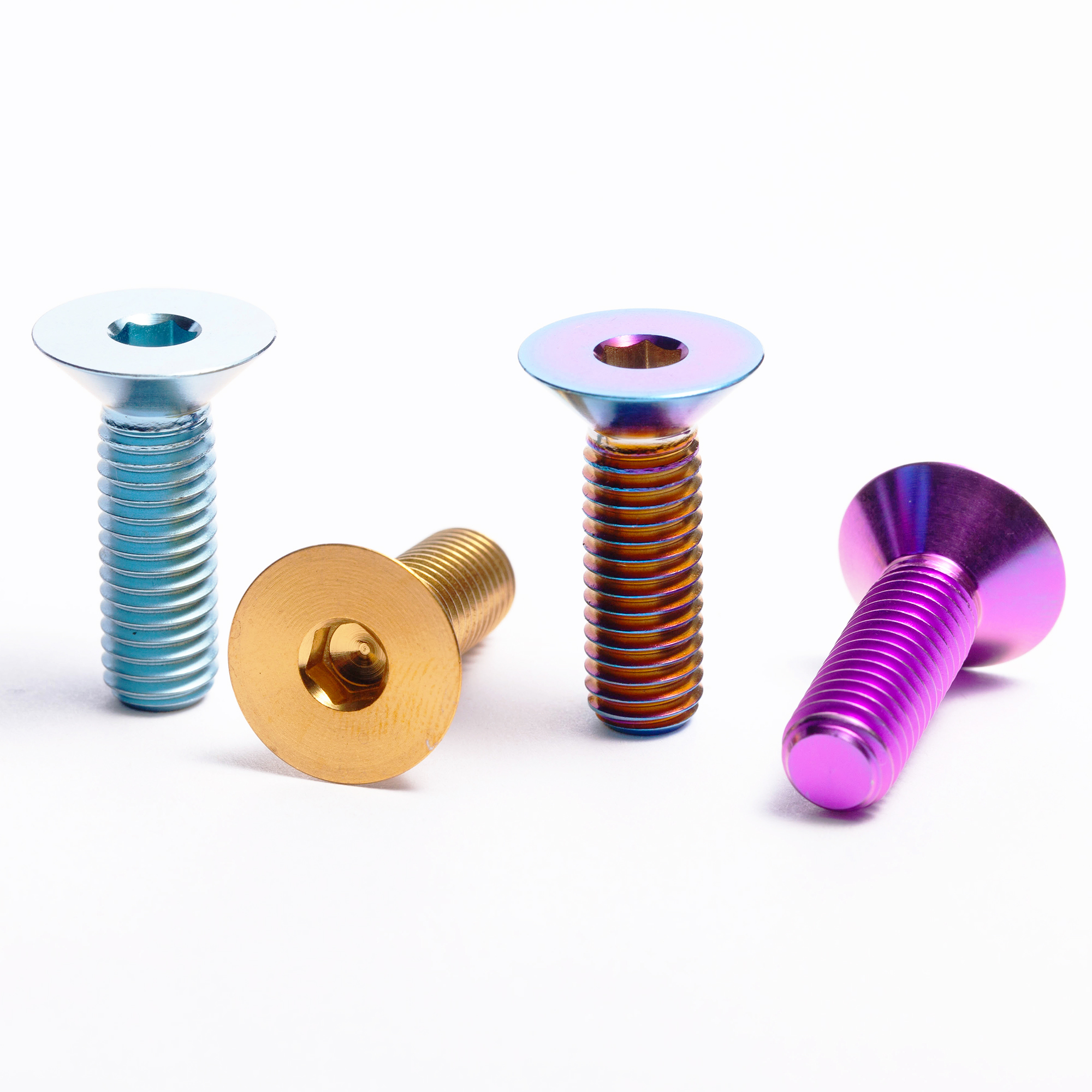
GR5 Titanium Alloy Hex/Torx Bicycle Allen Bolts Customized Sizes Raw Corrosion Resistant & Durable BSTTI Brand
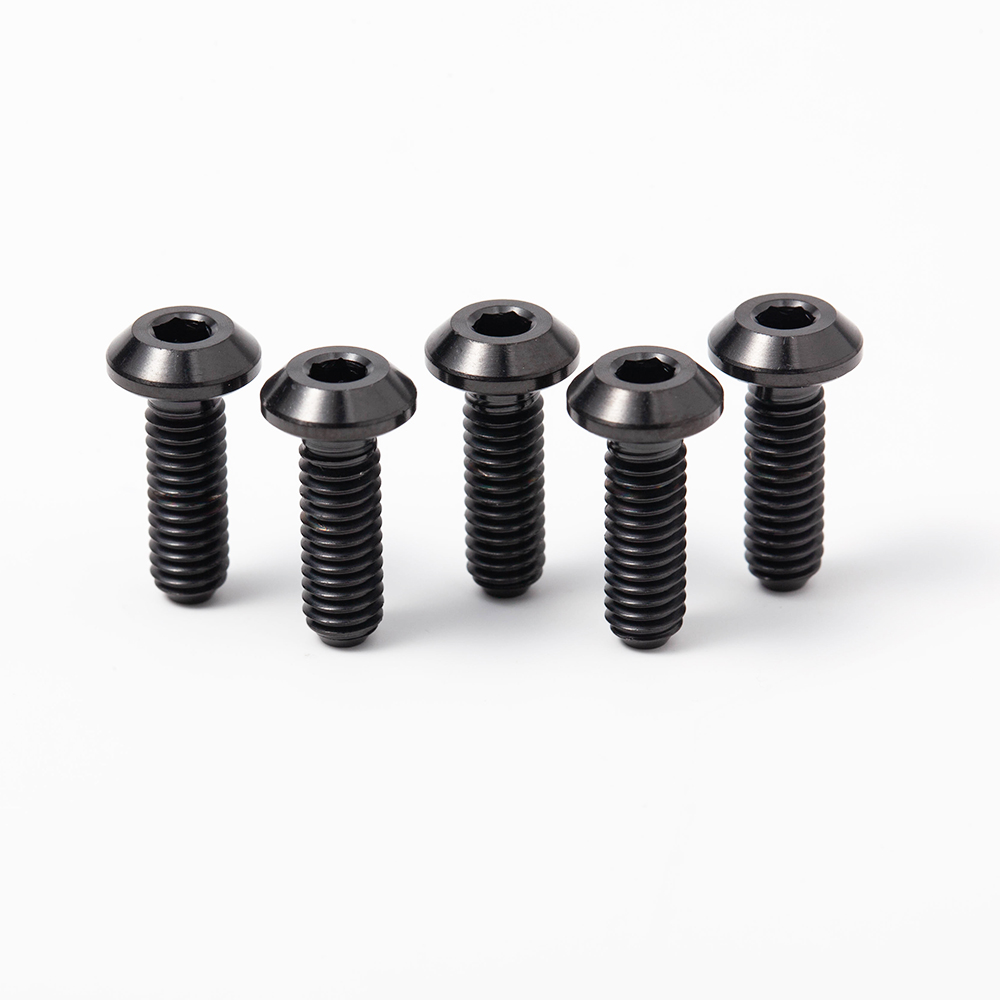
BST_TI Titanium Alloy Class 10 Anodized Finish Countersunk Head Bolts with UNF Thread for Bicycle Sprocket M8*25
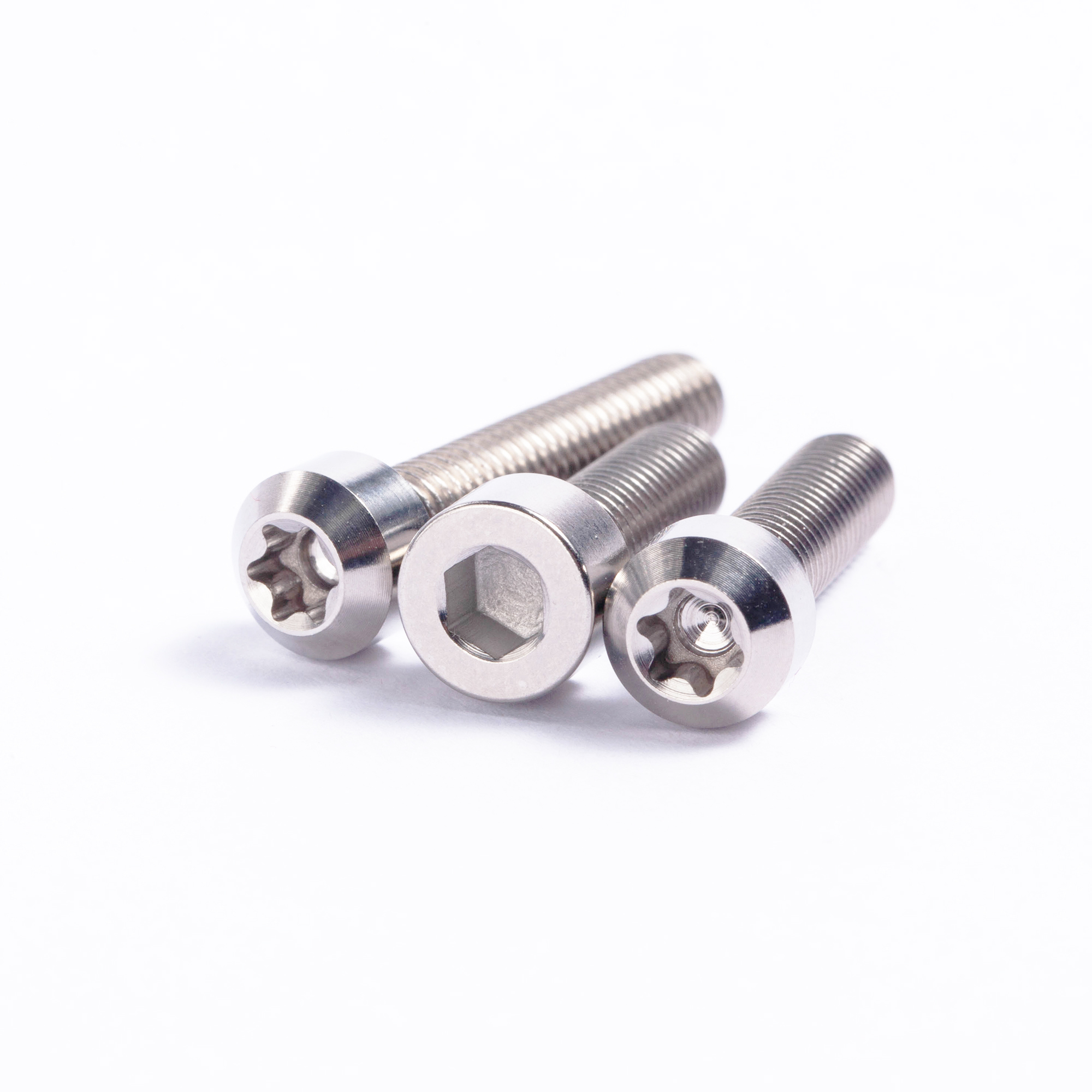
BST-TI Polished Titanium Alloy Gr5 DIN Standard Hexagon Head Disc Brake Motorcycle Heng Bolts for 12 Point M7 M5x80
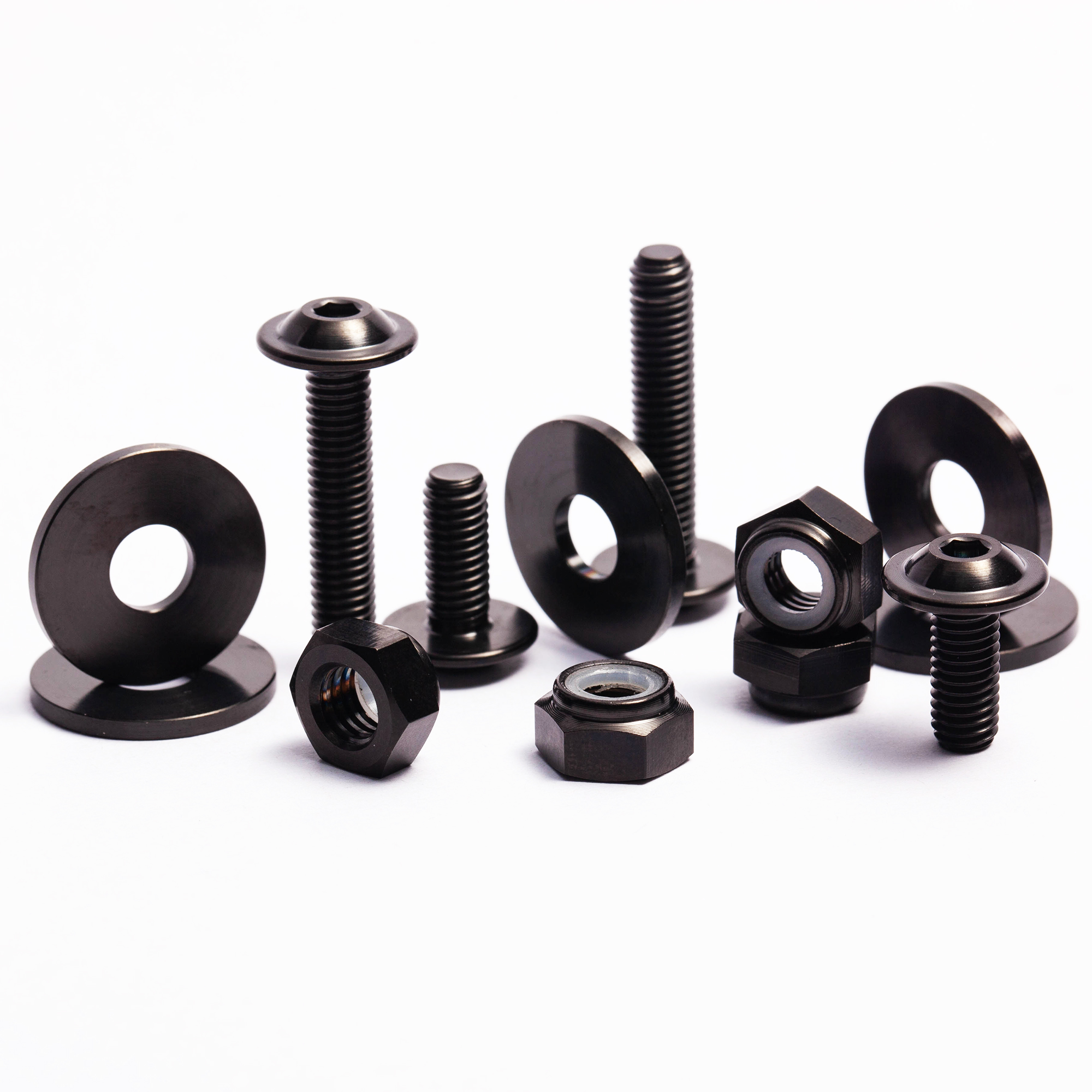
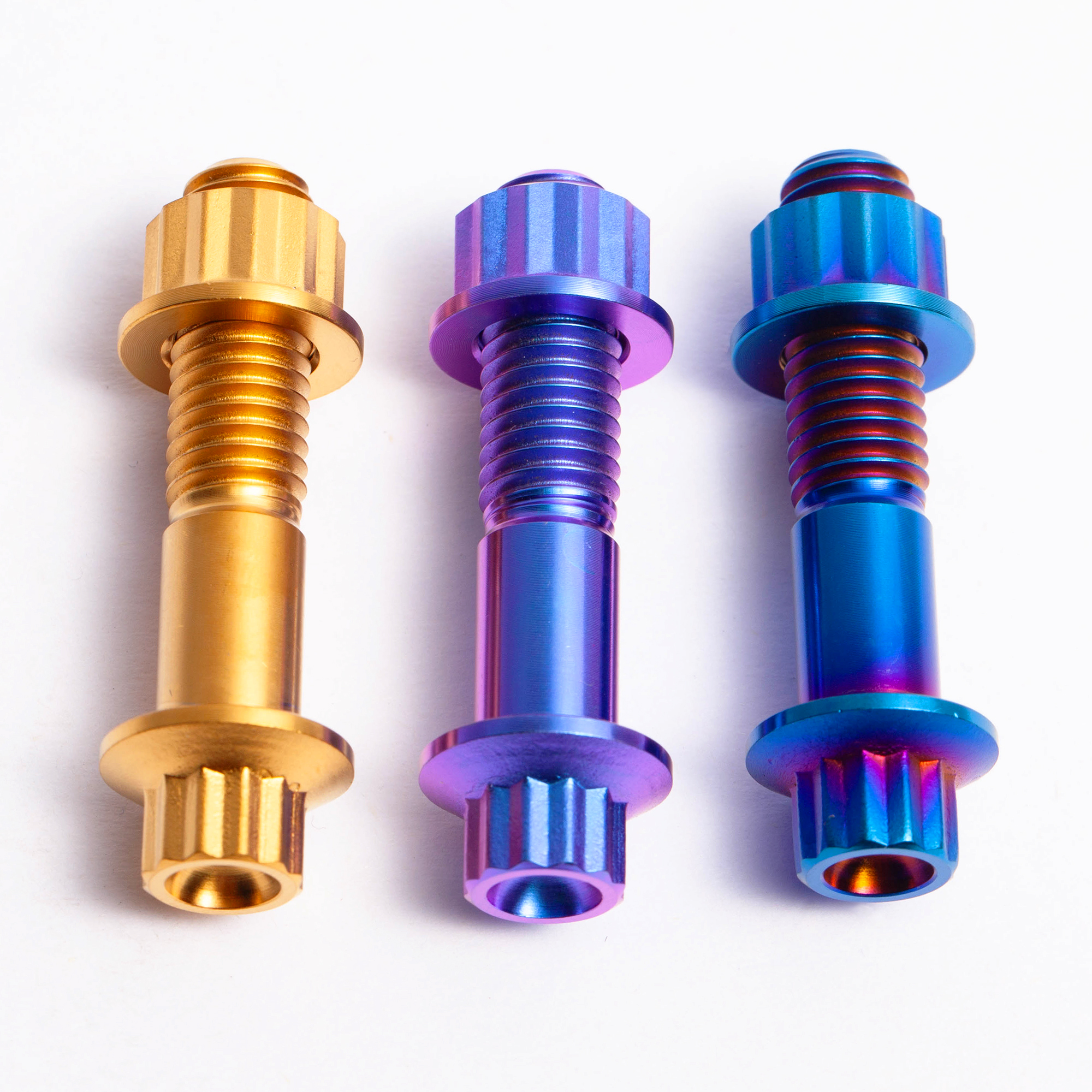
GR5 Titanium Alloy Double Stud Fastener CNC Exhaust Pipe Modification M8/M10 Screws Plain Finish Car Motorcycle Bolts DIN Class
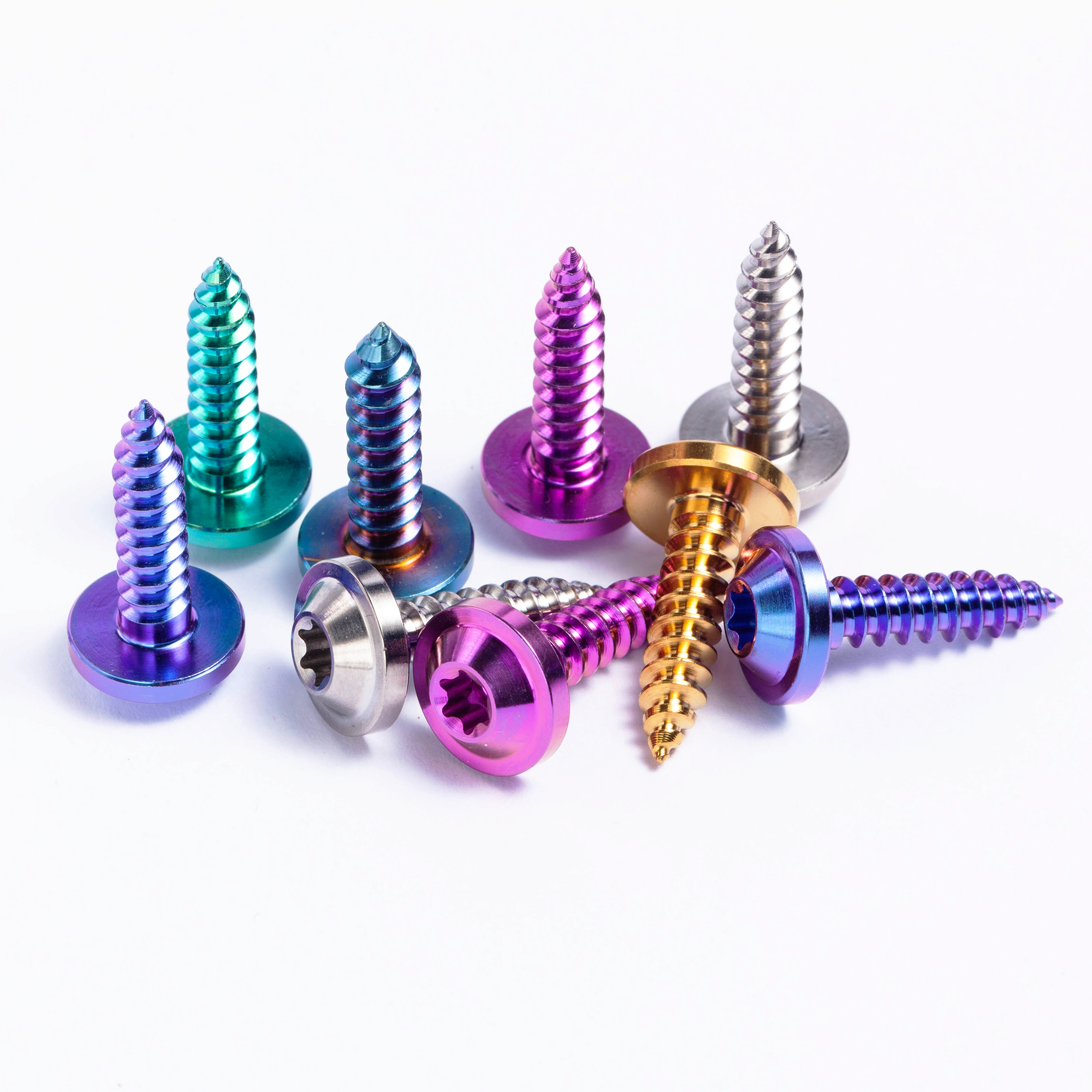
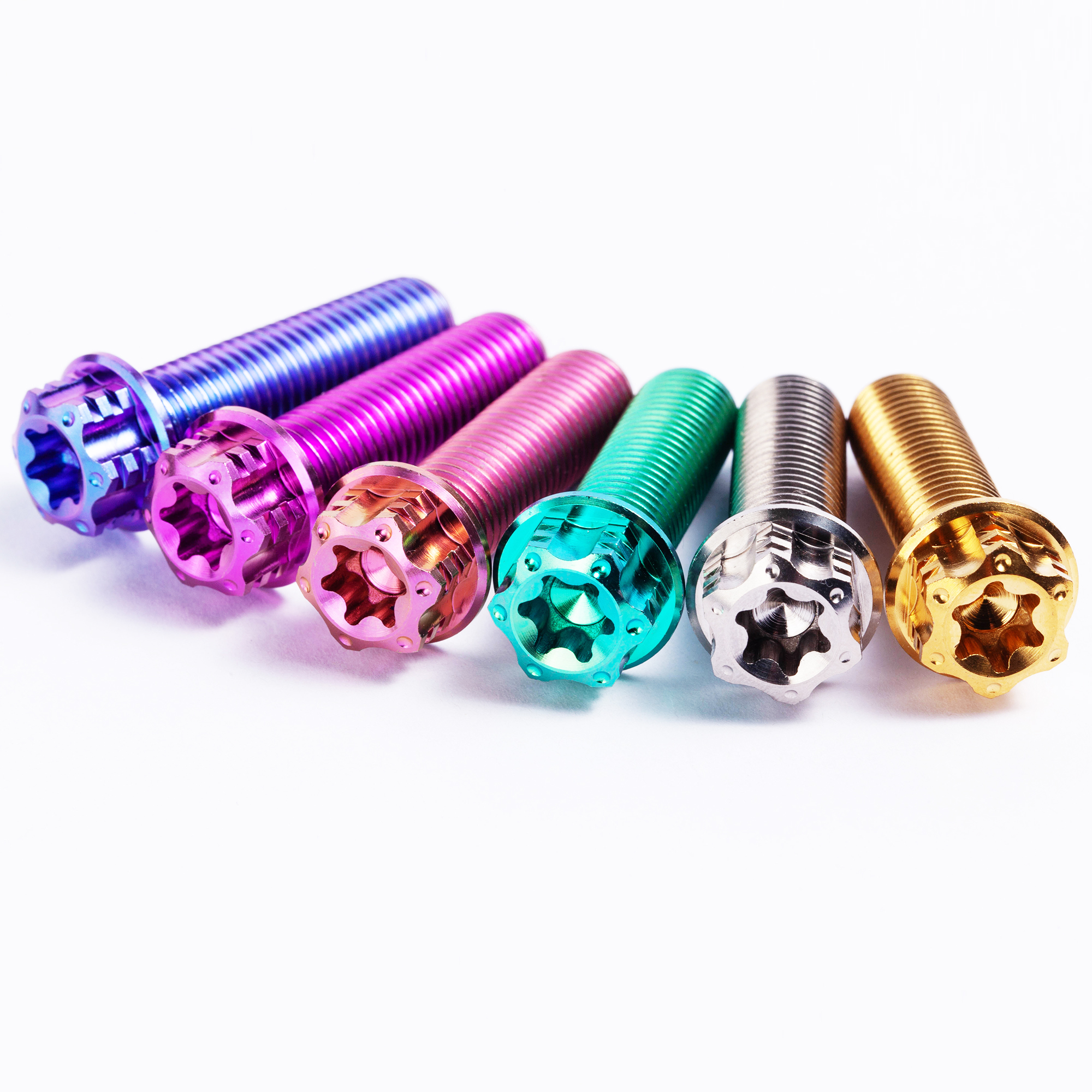
BST-TI ISO Certified Anodized Titanium Gr5 Flange Socket Bolts M6/M10 Torx 12-Point 10.9 Grade Motorcycle Fasteners
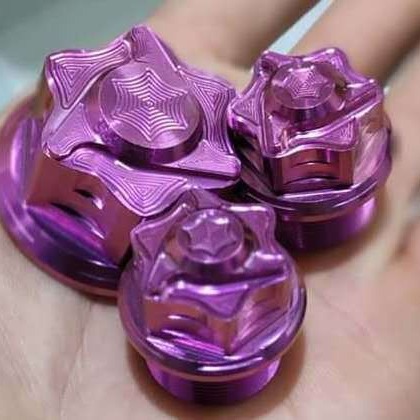
[Manufacturer Supply] Grade 10.9 M24/M22 Titanium Alloy Motorcycle Oil Cap Screw Finish None for SONIC150/Raider 150 Made China
Engineering Synergies: Titanium CNC Machining for the Cologne Industrial Ecosystem
How Chinese precision manufacturing delivers structural advantages, regulatory compliance, and thermal reliability to the mechanical hubs of North Rhine-Westphalia (Nordrhein-Westfalen).
Cologne (Köln) is the geopolitical and industrial anchor of the Rhine-Ruhr metropolitan region, one of Europe's densest industrial corridors. Flanked by major chemical clusters in Leverkusen and Dormagen, cutting-edge automotive manufacturing plants in Cologne-Niehl, precision robotics developers, and close logistical links to the motorsports valley around the Nürburgring, the regional engineering demands are uncompromising. In these sectors, mechanical components cannot rely on baseline steel or aluminum alloys when operating under severe cyclic loading, aggressive chemical exposure, or critical weight constraints.
As an established Chinese precision CNC turning and milling specialist, Jiaxing Wexra Titanium Products Co., Ltd. supplies Tier-1 and Tier-2 engineering entities throughout North Rhine-Westphalia. By combining aerospace-grade Grade 5 (Ti-6Al-4V, Werkstoff 3.7165) and commercially pure Grade 2 (Werkstoff 3.7035) titanium bars with modern Swiss-type automatic lathes and 5-axis CNC machining centers, our facility bridges the gap between mass-production cost efficiency and strict German DIN/EN manufacturing standards.
Information Gain for German Procurement Officers: Unlike conventional steel fasteners (DIN 912, DIN 933) requiring zinc-nickel or cadmium coatings that risk hydrogen embrittlement, Grade 5 titanium offers inherent passivity against chlorides and road de-icing salts, 0% magnetic interference, and a high strength-to-weight ratio (density of 4.43 g/cm³ versus 7.85 g/cm³ for alloy steel), reducing unsprung mass without sacrificing tensile capacity.
Regional Application Scenarios in Cologne and Surrounding Hubs
The geographical requirements of procurement in the Cologne trade district span four primary technical sectors:
Motorsport & Aftermarket
Serving race teams, suspension specialists, and exhaust fabricators testing along the Eifel and Nürburgring circuits. Our rolled-thread Ti-6Al-4V caliper bolts, wheel studs, and manifold double-ended fasteners withstand high thermal transients up to 400°C without creep or thermal galling.
Bicycle & Light E-Mobility
With Cologne hosting major events such as the historic IFMA and nearby Eurobike presence, local bicycle designers require ultra-lightweight stem hardware, countersunk chainring bolts, and thru-axles. Anodized and PVD-treated titanium ensures long-term fatigue life under high dynamic loading.
Chemical & Fluid Handling
For chemical plant operations along the Rhine River (Leverkusen/Chempark), Grade 2 commercially pure titanium turned nozzles, valve pins, and sensor housings provide exceptional resistance to wet chlorine, organic acids, and salt-laden river cooling lines where SS316L pitting fails.
Engineering Benchmark: Titanium Gr5 vs. High-Tensile Steels & Aluminum
Deterministic material comparisons for structural calculations under DIN EN 1993 and VDI 2230 guidelines.
| Material Designation | Werkstoff Nr. | Density (g/cm³) | Tensile Strength Rm (MPa) | Yield Strength Rp0.2 (MPa) | Modulus of Elasticity (GPa) | Corrosion Mechanism |
|---|---|---|---|---|---|---|
| Titanium Grade 5 (Ti-6Al-4V) | 3.7165 | 4.43 | 895 – 1050 | 828 | 114 | Self-Healing TiO₂ Passive Layer |
| Titanium Grade 2 (CP-Titanium) | 3.7035 | 4.51 | 345 – 480 | 275 | 105 | Immune to Chlorides & Seawater |
| Stainless Steel 1.4404 (316L) | 1.4404 | 8.00 | 500 – 700 | 220 | 200 | Pitting in >50°C Chlorides |
| Alloy Steel Class 10.9 (42CrMo4) | 1.7225 | 7.85 | 1040 | 940 | 210 | Requires Galvanic / Phosphate Barrier |
| Aerospace Aluminum (Al 7075-T6) | 3.4365 | 2.81 | 570 | 505 | 72 | Susceptible to Stress Corrosion Cracking |
Why Thread Rolling Trumps Thread Cutting in Titanium Turning
Machining titanium presents distinct thermodynamic challenges: low thermal conductivity (6.7 W/m·K compared to 50 W/m·K for mild steel) means heat concentrates at the tool tip rather than dispersing through the swarf. When manufacturing high-stress fasteners like disc brake screws or cylinder head studs, Wexra Titanium uses dedicated cold thread rolling machines rather than single-point single-edge thread turning.
Thread rolling burnishes the flank surface and preserves continuous longitudinal metal grain flow. This process induces compressive residual surface stresses that elevate fatigue cycle life by up to 35% compared to cut threads, directly preventing catastrophic fastener fracture under the severe rotational vibration seen on the Autobahn or during track use.
Navigating German Import Protocols: DIN, VerpackG, CBAM, and REACH
German purchasers need compliant execution from factory gate to Rhine port warehouse. Here is how our cross-border structure operates.
Frictionless Delivery to the Cologne Trade Area
Operating an overseas production relationship requires total alignment with German and European statutory laws. Wexra Titanium ensures your supply line avoids bureaucratic and legal bottlenecks through comprehensive documentation:
- DIN EN 10204 Type 3.1 Material Test Certification: Complete chemical heat-analysis breakdown and tensile stress test graphs matched to specific melt lots for full traceability.
- VerpackG & EPR Compliance: Officially registered in the German LUCID packaging register system, ensuring dual system recycling obligations are fully satisfied.
- REACH & RoHS Validation: SVHC-free (Substances of Very High Concern) alloys verified for electrical machinery and clean-assembly applications.
- Customs & Incoterms (DDP Cologne): Transparent DDP pricing models via Frankfurt (FRA) air cargo or Rotterdam/Hamburg intermodal rail transport directly to your Cologne loading dock.
Why Engineering Procurement Teams in Cologne Trust Wexra Titanium
Combining deep manufacturing infrastructure in Jiaxing with international export readiness.
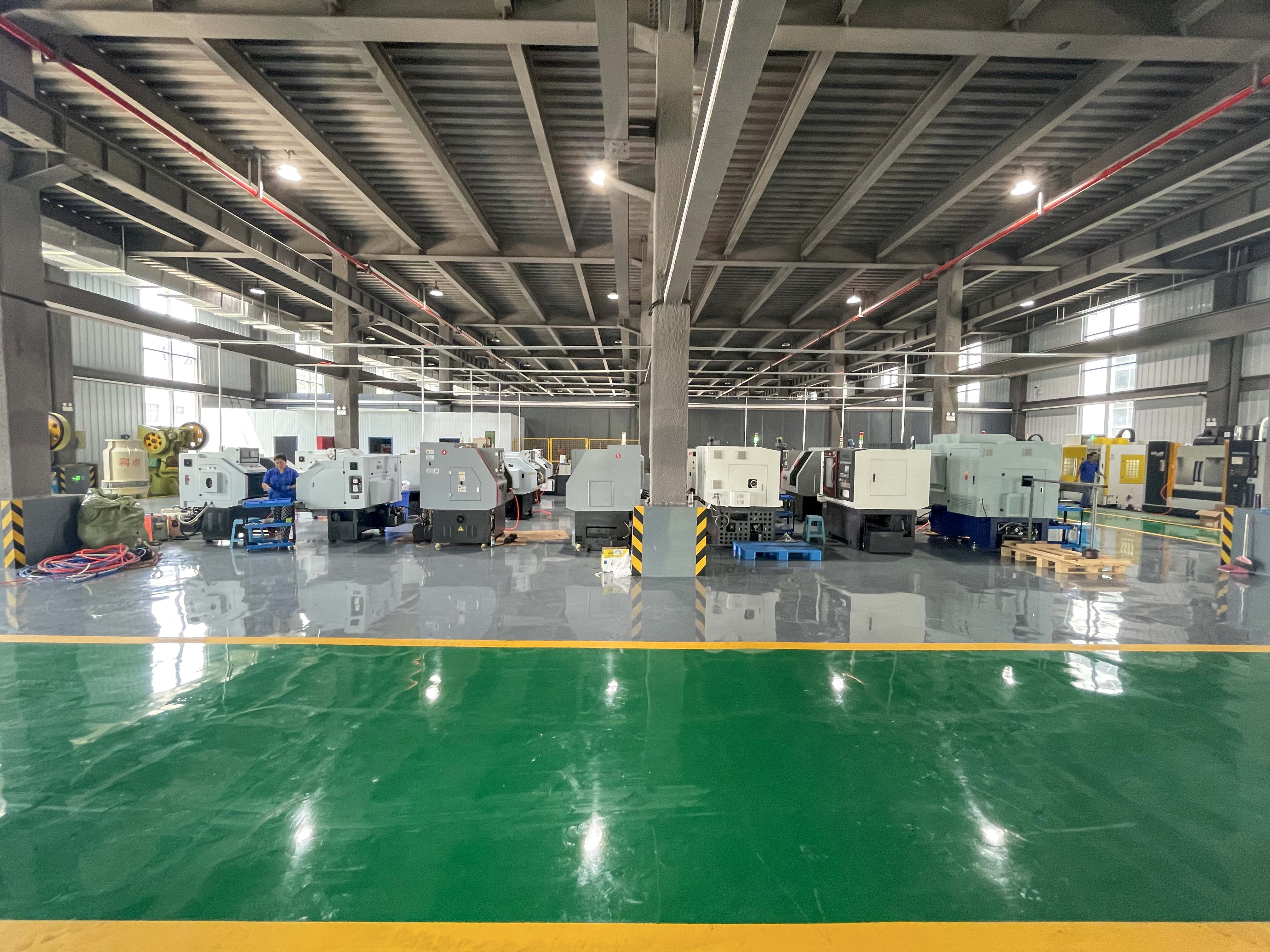
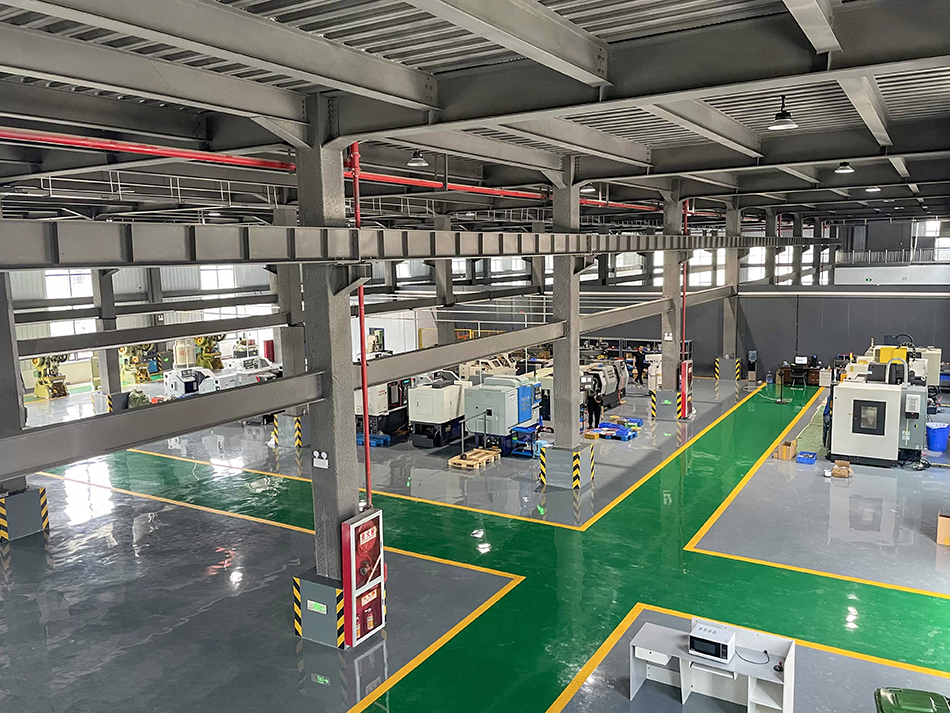
Multi-Axis Turning Centers
Equipped with multi-spindle Swiss-type lathes and 5-axis simultaneous CNC turning-milling stations capable of holding ±0.01 mm continuous production tolerances on complicated geometries.
ISO 9001:2015 Audit Standard
Strict quality assurance systems spanning ultrasonic billet inspection, coordinate measuring machines (CMM), optical profile projectors, and optical sorting systems.
Rapid Sample Iteration
Rapid prototyping from STEP, IGES, or 2D technical drawings in 3 to 7 working days. Volume manufacturing capabilities scalable up to 500,000 units per month.
Dedicated Engineering Desk
English and German-fluent technical coordination, providing DFM (Design for Manufacturability) guidance, raw material selection, and surface treatment consultation.
In-House Electrochemical Surface Treatments
Precision turned parts often demand specific surface characteristics to prevent fretting, enhance fatigue resistance, or maintain corporate aesthetic identities. Wexra provides in-house post-processing:
Type II Medical/Aeronautical Anodizing: Forms a dense, wear-resistant oxide coating that mitigates thread seizing under heavy clamping loads without altering critical pitch dimensions.
PVD (Physical Vapor Deposition) & Polishing: Offers Titanium Nitride (Gold), DLC (Diamond-Like Carbon), and Burnt Blue heat treatments designed for high-end consumer hardware, automotive tuning, and cycling accessories.
Frequently Asked Questions by German Sourcing Professionals
Clear, practical answers covering technical tolerances, anti-galling guidelines, test documents, and trade logistics.