Engineered Titanium Components & Specialized Hardware
Precision-manufactured titanium assemblies, high-tensile Gr5 alloy mechanical fasteners, and corrosion-proof thermal accessories engineered to European quality standards.
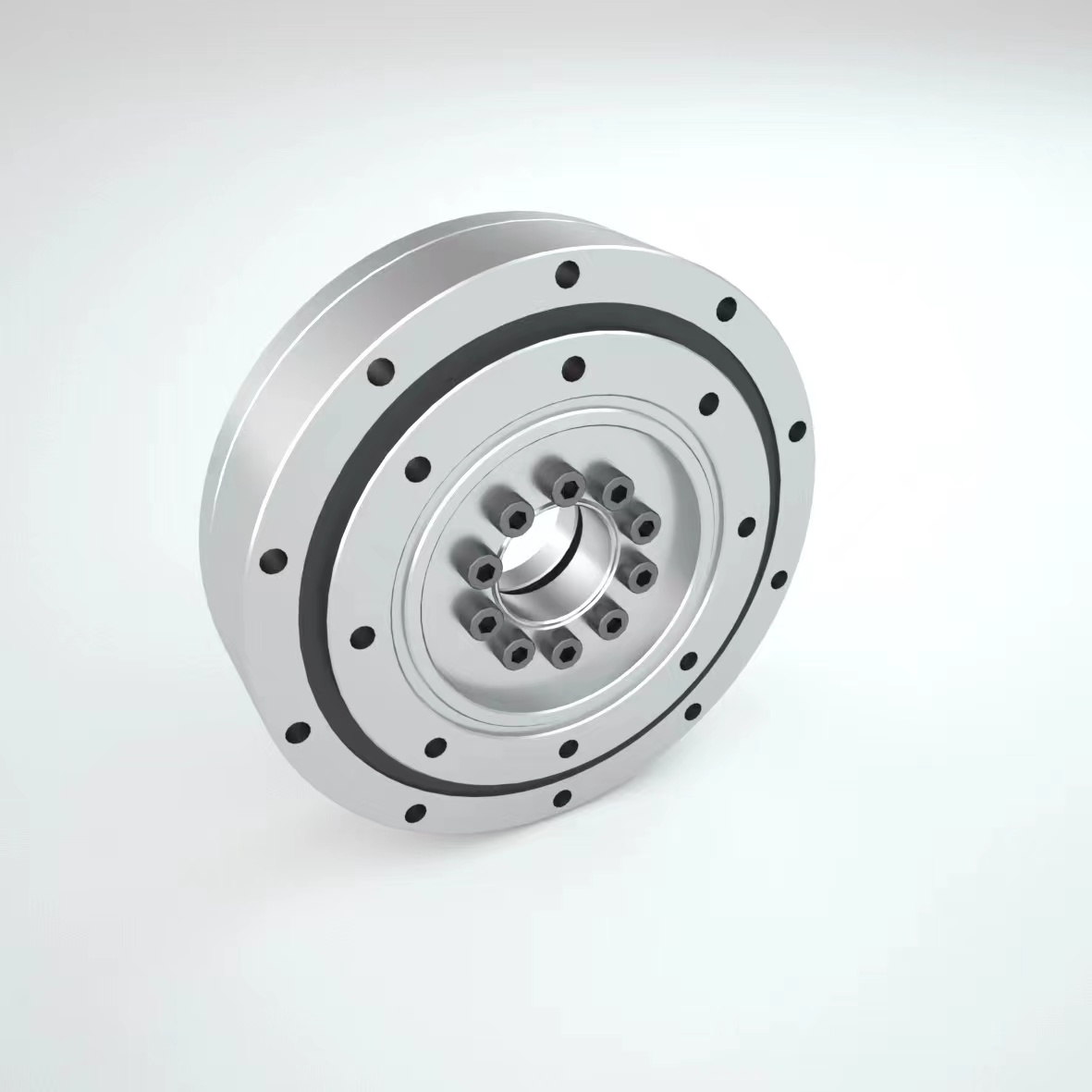
INNOTECH DRIVE High Torque Harmonic Drive Reducer Wave Generator Industrial Machinery Motor Application Robotics & Aerospace ODM
View Technical Specs →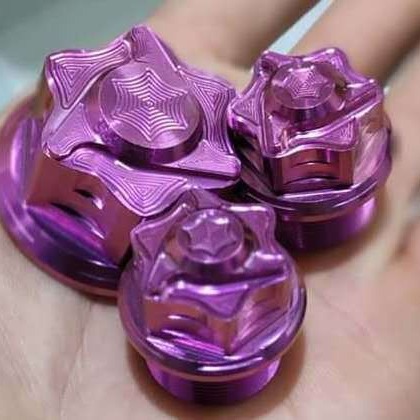
[Manufacturer Supply] Grade 10.9 M24/M22 Titanium Alloy Motorcycle Oil Cap Screw Finish None for SONIC150/Raider 150 Made China
View Technical Specs →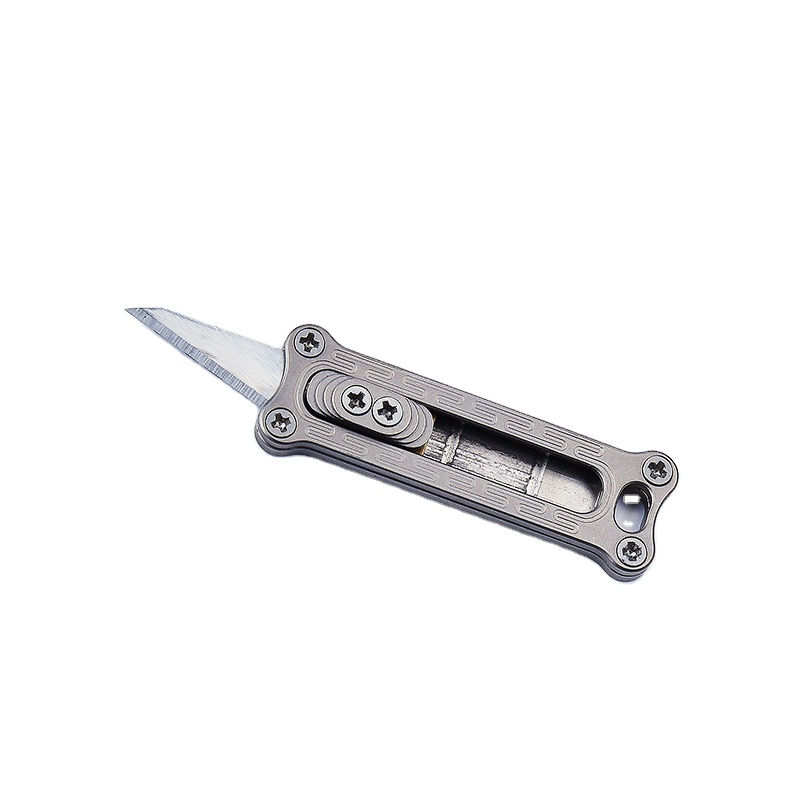
BST-TI Titanium Alloy EDC Pocket Knife Stainless Steel Lightweight Multi-functional Push-pull Window-breaking Quick-release DIY
View Technical Specs →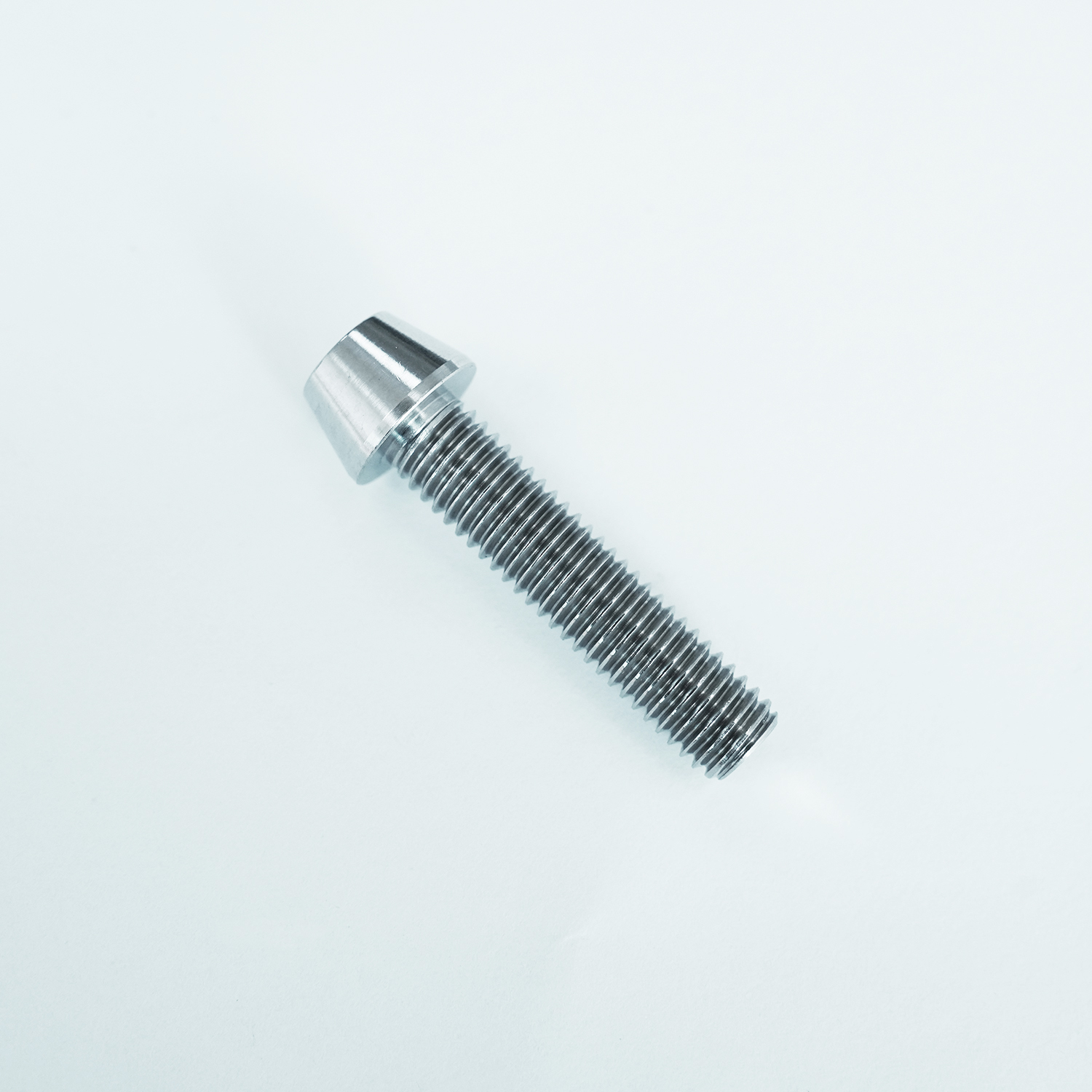
Bike Hanger Bolt Allen BST-TI GR5 Titanium Oval Head Black Colorful DIN Metric Standard Thread
View Technical Specs →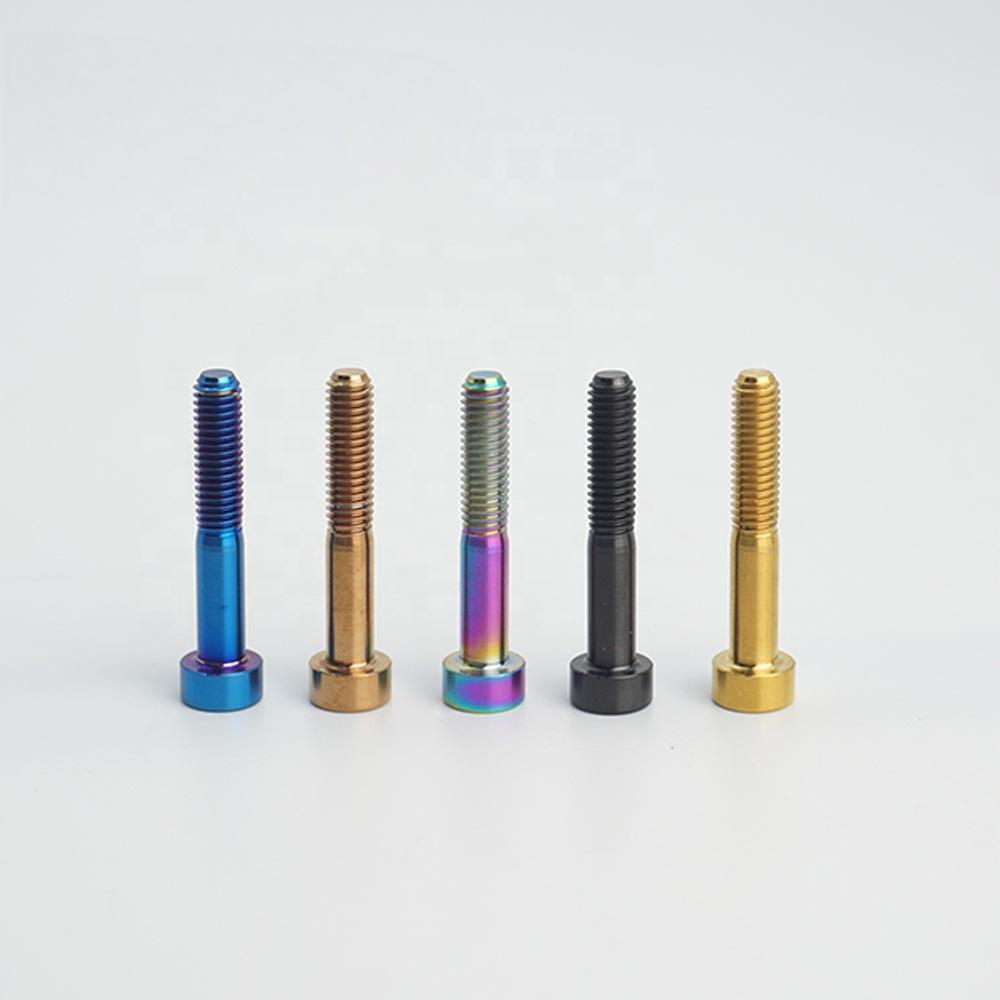
Titanium CNC Bolts Hex Button Head Black Oxide Finish Rustproof Lightweight Class 6 UNC Thread M5 M6 Screws MTB Road Bike Metric
View Technical Specs →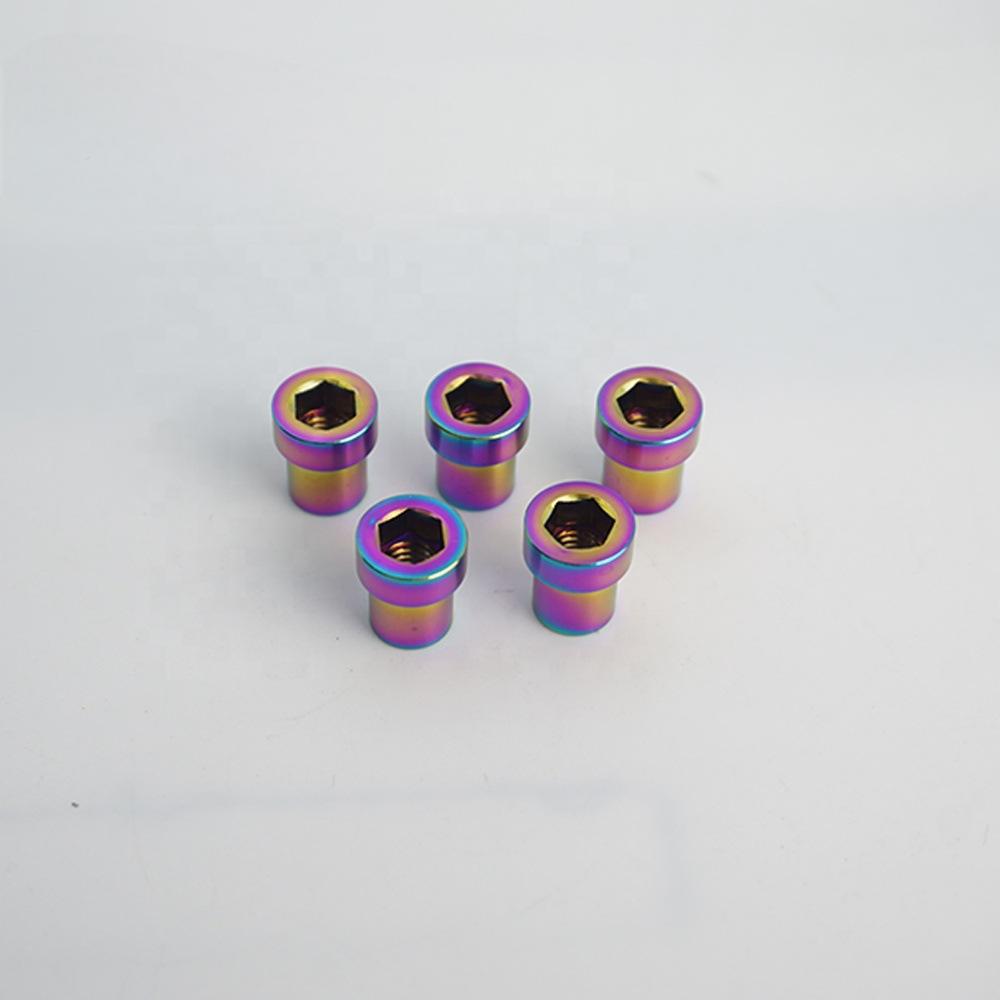
TC4 Titanium M5 Hex Locking Bolts for MTB Road Bike Carbon Seatpost Stem Pair Lightweight Anti-Rust Custom High Quality PVD
View Technical Specs →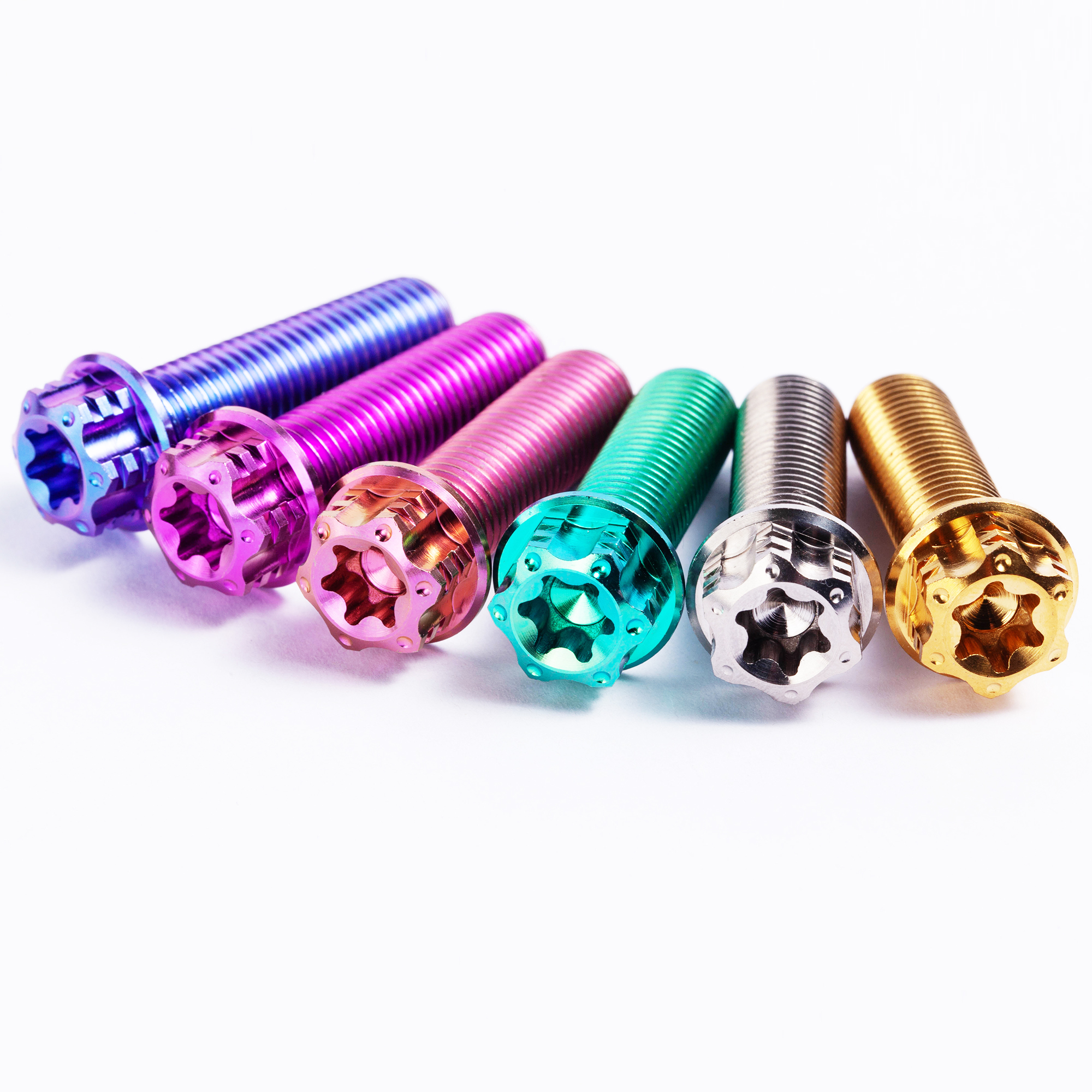
BST-TI ISO Certified Anodized Titanium Gr5 Flange Socket Bolts M6/M10 Torx 12-Point 10.9 Grade Motorcycle Fasteners
View Technical Specs →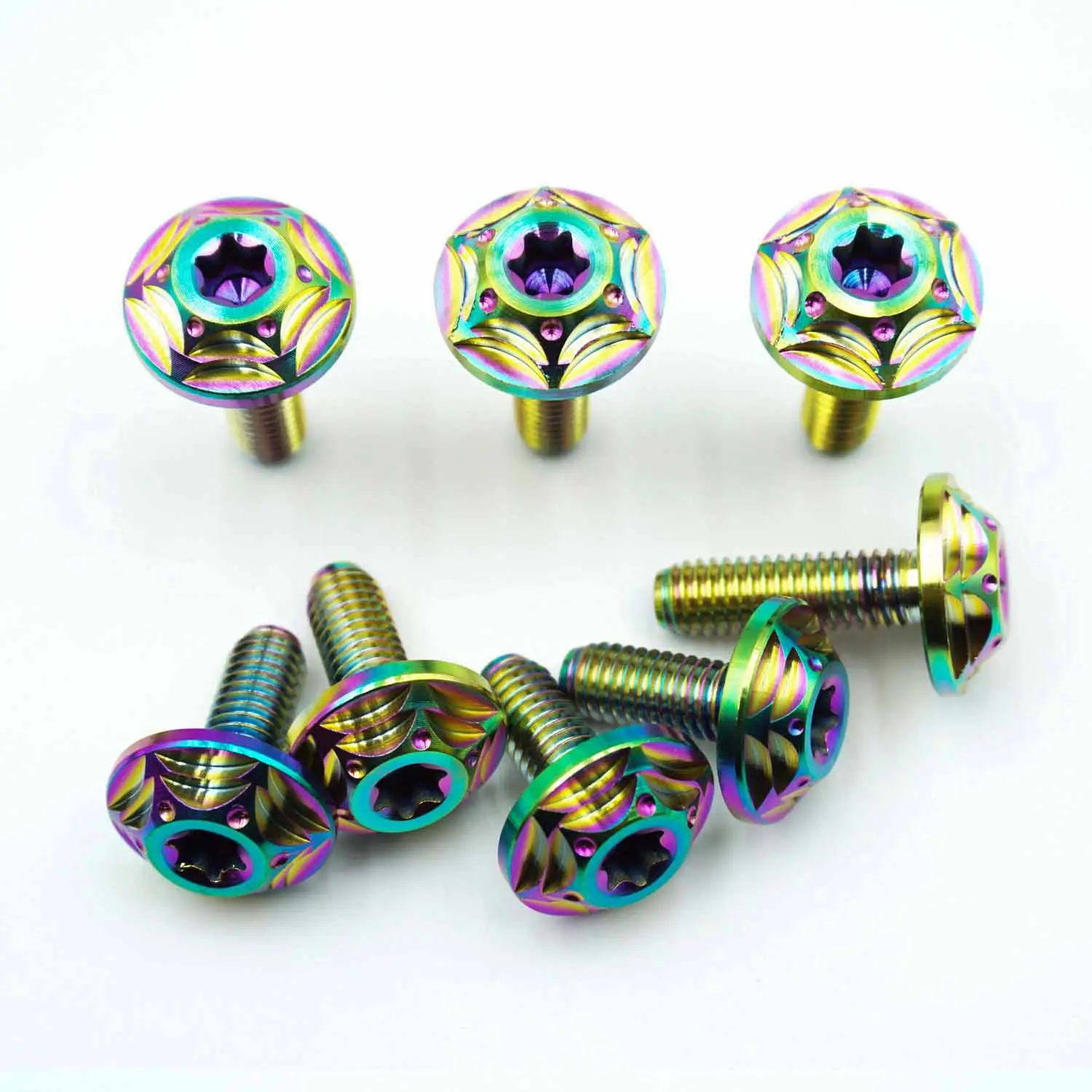
BST-TI M6 M8 M10 Socket Head Titanium License Plate Screws Colorful Industrial Grade Plain Finish Customized Sizes
View Technical Specs →Optimizing Thermodynamic Reliability: Chinese Titanium Heat Exchangers in the Zemgale Basin
The municipality of Jelgava, positioned as the premier industrial and logistical engine of Latvia's Zemgale region, confronts severe operational demands across its thermal infrastructure. Flanked by the Lielupe River basin and driven by intensive agri-food processing, municipal district heating networks, and modern bioenergy cogeneration plants, local facility engineers face persistent corrosion and heat-transfer degradation challenges. Traditional austenitic stainless steel heat exchangers (such as AISI 304 and standard AISI 316L) routinely succumb to localized pitting, stress corrosion cracking (SCC), and severe crevice erosion when exposed to Zemgale's high-mineral groundwater, flue-gas condensates, and aggressive Clean-In-Place (CIP) dairy sanitizers.
As China's leading specialist exporter of high-integrity titanium equipment, our manufacturing infrastructure bridges advanced metallurgical synthesis with precision thermal-fluid engineering. By deploying ASTM B265 Grade 1/Grade 2 commercially pure titanium plates and ASTM B338 Grade 2 seamless titanium condensing tubes, we deliver heat transfer solutions completely impervious to chloride ion attacks up to 130°C. Our custom shell-and-tube, gasketed plate, and welded titanium spiral heat exchangers provide Jelgava's industrial sectors with an asset lifecycle exceeding 30 years, drastically curtailing unplanned shutdowns, eradicating product contamination risks, and maximizing energy recuperation in line with Latvia's strict National Energy and Climate Plan (NECP) targets.
Tailored Thermal Integration Scenarios Across Jelgava's Core Industries
From biomass combined heat and power plants to large-scale grain processing facilities, our titanium heat exchangers are custom-engineered for specific local thermodynamic hurdles.
Biomass CHP & District Heating Flue-Gas Economizers
Jelgava's transition to sustainable biomass fuels (exemplified by major local wood-chip fired cogeneration facilities supplying the municipal network) generates aggressive flue gases laden with sulfur dioxide, carbonic compounds, and sub-micron particulate moisture. When flue-gas economizers condense vapor below the acid dew point, conventional carbon and stainless steels rapidly disintegrate. Our Grade 2 titanium tube-bundle heat exchangers resist acidic condensate down to pH 2.0, allowing Jelgava district heating operators to reclaim an extra 12% to 18% of latent thermal energy safely without structural degradation.
Agri-Food, Dairy Processing & Grain Evaporation
Zemgale represents the breadbasket of Latvia, hosting high-capacity grain processing complexes, rapeseed oil extraction plants, and industrial dairies producing milk concentrates and whey powders. Evaporating whey and processing vegetable lipids creates severe fouling, requiring daily CIP sanitation cycles utilizing 2-5% hot nitric acid and sodium hydroxide solutions. Our plate heat exchangers featuring 0.5mm and 0.6mm pressed titanium Grade 1 plates with food-grade EPDM/NBR clip-on gaskets eliminate crevice leaching, maintain zero microbial entrapment, and withstand harsh thermal shocking.
Metal Surface Finishing & Galvanic Electrolyte Bath Cooling
Jelgava's thriving metal engineering and machinery manufacturing parks depend on precision anodizing, electroplating, and chemical phosphating baths. Operating these electrochemical processes demands rigid temperature stabilization within ±0.5°C amidst highly corrosive sulfuric, chromic, and hydrochloric acid electrolytes. We engineer external and submersible immersion-coil titanium heat exchangers that resist galvanic corrosion, handle intense electrical currents without parasitic dissolution, and maintain non-turbulent isothermal bath stability.
Decarbonization, Baltic Energy Resilience & Lifecycle Economics
The industrial landscape across Latvia is accelerating its alignment with the European Green Deal and the stringent emissions reductions mandated by the "Fit for 55" legislative framework. In Jelgava, this macro shift places energy conservation directly at the center of plant viability. Outdated, energy-inefficient shell-and-tube coolers made from heavy carbon steel or cuprometal alloys are being decommissioned across the city. Plant managers are under increasing institutional mandate to achieve higher Levelized Cost of Heat (LCOH) savings, reduce pumping electrical loads, and capture low-grade industrial waste heat.
Because titanium displays a strength-to-density ratio exceeding all conventional industrial metals, our titanium heat exchangers allow for significantly thinner wall configurations (often 0.5 mm to 0.8 mm for tubing versus 1.5 mm to 2.5 mm for stainless alloys). Contrary to historical misconceptions regarding titanium's bulk thermal conductivity, this dramatic gauge reduction—combined with titanium's pristine, non-fouling surface characteristics that inhibit the formation of insulating mineral scaling layers—yields overall heat transfer coefficients (U-values) up to 25% superior to equivalent stainless steel assemblies in raw Zemgale water loops. Over an amortized 10-year operating horizon, Chinese-manufactured titanium heat exchangers reduce the total cost of ownership (TCO) by over 45% compared to frequent retubing or costly chemical descaling required by lesser alloys.
Comparative Metallurgical Specifications for B2B Thermal Designers
Review standard physical, mechanical, and anti-corrosive parameters before specifying your next heat exchanger bundle in Jelgava.
| Material Designation | Yield Strength (MPa) | Thermal Cond. (W/m·K) | Chloride Resistance (<100°C) | Acid Dew-Point Durability | Fouling Tendency |
|---|---|---|---|---|---|
| Titanium Grade 2 (ASTM B338/B265) | ≥ 275 | 21.9 | Immune (>30,000 ppm) | Exceptional | Ultralow (Passivated Oxide) |
| Titanium Gr5 / Ti-6Al-4V (ASTM B348) | ≥ 828 | 6.7 | Immune (>30,000 ppm) | High Structural Integrity | Very Low |
| Super Duplex 2507 (EN 1.4410) | ≥ 550 | 15.0 | Moderate Pitting Risk | Moderate | Moderate |
| Stainless Steel 316L (EN 1.4404) | ≥ 220 | 16.3 | Severe SCC (>300 ppm) | Poor (Rapid Pinhole Pitting) | High Scale Accretion |
Why Jelgava Specifiers Partner with Wexra Titanium China
Combining world-class titanium manufacturing reserves with rigorous European pressure equipment standards.
Complete Traceability & EN 10204 3.1 Certification
Operating out of Jiaxing, Zhejiang, our ISO 9001:2015 certified production complex exercises end-to-end metallurgical custody over every titanium sponge batch. Every single heat exchanger plate, forged tubesheet, and seamless extruded tube is verified through full mechanical, spectrographic, and hydrostatic batch testing. We accompany every export container destined for Jelgava with comprehensive EN 10204 3.1 Mill Test Certificates (MTC), ultrasonic flaw detection maps, and certified chemical breakdown verifications.
Advanced Argon-Chamber Orbital Welding
Titanium's high affinity for atmospheric interstitial elements (oxygen, nitrogen, and hydrogen) at temperatures above 400°C requires extraordinary manufacturing controls. Our dedicated cleanroom welding facility utilizes automated orbital TIG welding within pressurized ultra-high-purity (99.999%) argon chambers. This achieves flawless silver-bright weld seams that guarantee absolute ductile integrity, eradicating the micro-embrittlement and HAZ (Heat Affected Zone) cracking that plague inferior suppliers.
Streamlined Door-to-Door Baltic Supply Chain
We manage consolidated B2B logistics straight to your Jelgava facility. With direct ocean intermodal routes originating from Ningbo-Zhoushan or Shanghai ports to the Free Port of Riga, customs transit takes an average of only 28 to 35 days. Inland transport from Riga docks along the A8 motorway directly into Jelgava industrial zones takes under 60 minutes. We support DAP and DDP Incoterms, handling all export clearance, fumigated seafreight crating, and complete customs documentation for seamless local reception.
Frequently Asked Questions by Latvian Procurement & Plant Engineers
How do your titanium heat exchangers comply with European Union Pressure Equipment Directive (PED 2014/68/EU)?
Every pressure-bearing heat exchanger exported to Latvia is designed and constructed in strict accordance with harmonized European standards EN 13445 (Unfired Pressure Vessels) or ASME Section VIII Div 1 with PED compliance annexes. We provide complete technical construction dossiers, including certified welding procedure specifications (WPS/PQR) approved by Notified Bodies, non-destructive examination (NDE) records, and CE Declaration of Conformity under Module G or Module H1, allowing immediate, hassle-free municipal and state technical safety registration in Latvia.
What are the exact logistics routes and customs tariffs for importing titanium thermal systems into Jelgava?
Consignments enter the European single market via the Free Port of Riga or Port of Ventspils under EU TARIC code 8419 50 00 00 (Heat Exchange Units). For direct shipments to Jelgava companies possessing a valid Latvian EORI and VAT number, customs clearance can be expedited via simplified procedures. Our logistics department coordinates transit documents (T1 transit forms), providing timber phytosanitary certificates, packing lists, and commercial invoices compliant with the State Revenue Service (Valsts ieņēmumu dienests - VID).
Why is Titanium Grade 2 preferred over Grade 5 (Ti-6Al-4V) for heat exchanger plate and tube construction?
While Titanium Grade 5 (Ti-6Al-4V, TC4) provides supreme tensile strength (exceeding 895 MPa) and is ideal for high-stress bolts, aerospace tie-rods, and internal moving elements, Titanium Grade 2 offers superior ductility (elongation ≥ 20%), cold-formability, and exceptional weldability required for deep-drawing thin corrugated heat exchanger plates and flaring tubes into tubesheets. Chemically pure Grade 2 also exhibits optimal continuous passivation, creating an impervious titanium dioxide (TiO&sub2;) layer that delivers maximum resistance to uniform and localized corrosion in liquid environments.
How do your heat exchangers handle high-hardness groundwater drawn from the Zemgale artesian aquifers?
Artesian water in the Jelgava and central Zemgale depression typically exhibits elevated calcium, magnesium, and sulfate mineralization, leading to rapid scaling in turbulent or dead-zone cooling paths. Our engineers employ advanced CFD (Computational Fluid Dynamics) modeling to ensure uniform, high shear-stress velocity across plate corrugations and tube internals (>0.5 m/s). This induced self-cleaning turbulence, combined with titanium's exceptionally low surface energy, impedes crystalline mineral adhesion, cutting maintenance cleaning intervals by up to 60%.
Can you manufacture replacement plate packs and tube bundles for existing European heat exchanger frames?
Yes. We regularly supply direct dimensional drop-in replacement tube bundles and replacement plate packs compatible with standard European OEM models (including Alfa Laval, GEA, Sondex, and APV frames). Send us your original mechanical blueprints, dimensional drawings, or physical sample plates, and our precision CNC tooling center will reproduce plate pressings and port geometry with micrometer accuracy, cutting maintenance supply costs by 30% to 50% without altering your existing pipework.
Upgrade Your Jelgava Plant's Thermal Efficiency with Premium Titanium Engineering
Consult directly with our metallurgists and thermal engineers. We will analyze your operating temperatures, pressures, and corrosive media compositions to deliver a custom ASME/PED-compliant heat exchanger proposal within 24 hours.