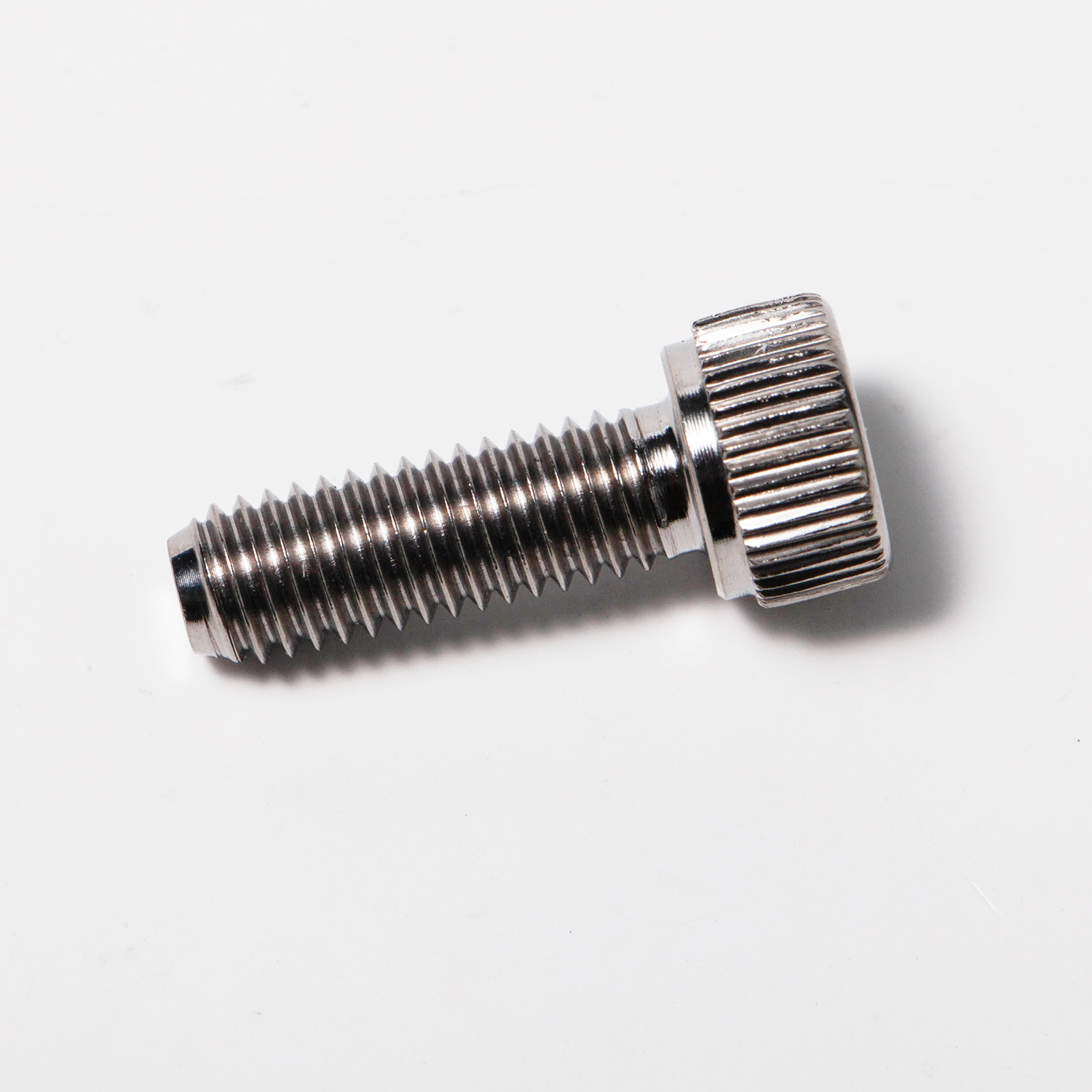
High-Performance Catalog
Precision Titanium Fasteners & Custom Industrial Components
Manufactured from Grade 2 and certified Grade 5 (Ti-6Al-4V) aerospace alloys. Offering extreme strength-to-weight ratios, non-magnetic properties, and complete galvanic corrosion immunity for advanced robotics, motorsport systems, and cleanroom vacuum assemblies.
±0.01 mm
CNC Machining Precision
≥ 895 MPa
Ti-6Al-4V Tensile Strength
45% Less
Weight vs Class 10.9 Steel
100% Lot
Spectrometric & MTC Traceability
Regional Ecosystem Integration
Industrial Titanium Application Scenarios in Daejeon's Core Tech Clusters
Known as South Korea's premier science and technology hub, Daejeon drives research through the Daedeok Innopolis, hosting over 30 government-funded research institutes including KAIST, KARI (Korea Aerospace Research Institute), and ADD (Agency for Defense Development). OEM titanium manufacturing demands in this territory differ drastically from standard commercial hardware.
Aerospace & Satellite Platforms (KARI Ecosystem)
Satellites and high-altitude test payloads designed in Yuseong-gu require structural fasteners with near-zero thermal expansion mismatch and high strength-to-density ratios. Our CNC-machined Grade 5 Ti-6Al-4V and Grade 9 (Ti-3Al-2.5V) fasteners deliver cryogenic stability down to -196°C without embrittlement, providing critical mass reduction on microsatellite brackets and solar array deployment hinges.
Defense & Precision Munitions (ADD & Defense Contractors)
Daejeon's defense equipment ecosystem relies heavily on Grade 5 titanium components for guided system housings, UAV airframes, and marine-deployable electronics casings. Non-magnetic characteristics eliminate magnetic compass deviation in autonomous robotics, while anodized finishes withstand stringent MIL-STD salt spray requirements without surface oxidation.
Semiconductor Vacuum & Cleanroom Automation
Serving neighboring high-density semiconductor fabrication hubs, Daejeon engineering firms design bespoke wafer handling robots and ion-beam vacuum chambers. Grade 2 Commercially Pure (CP) titanium bolts prevent outgassing in Ultra-High Vacuum (UHV) chambers and completely resist fluorinated etching gases, avoiding wafer particulate contamination common with coated carbon steels.
Nuclear & High-Energy Physics Instrumentation
Institutes such as the National Fusion Research Institute (KSTAR) in Daejeon demand components operating under extreme magnetic fields and radiation environments. Titanium's exceptionally low magnetic susceptibility (χ ≈ 3.2 × 10⁻⁶) makes our precision-milled titanium fasteners ideal for superconducting magnet brackets and diagnostic port housings.
High-Performance Motorsport & R&D Prototyping
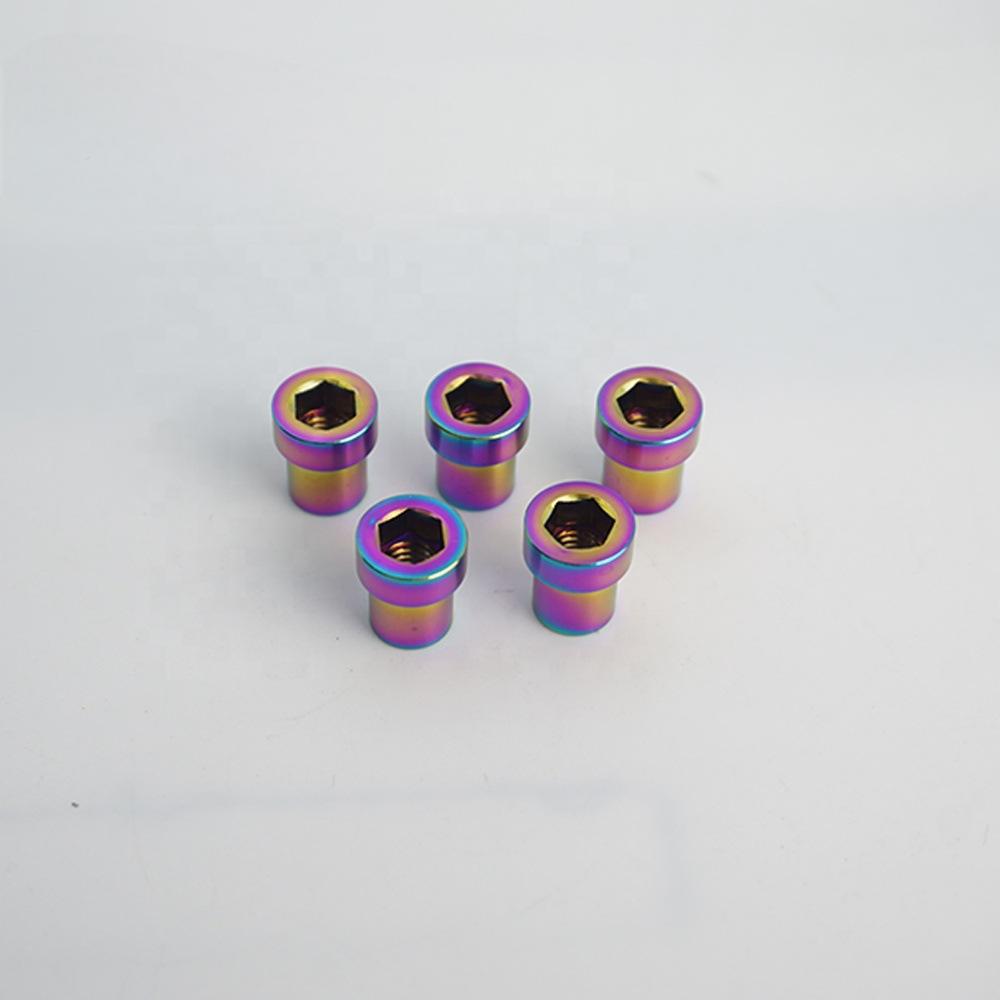
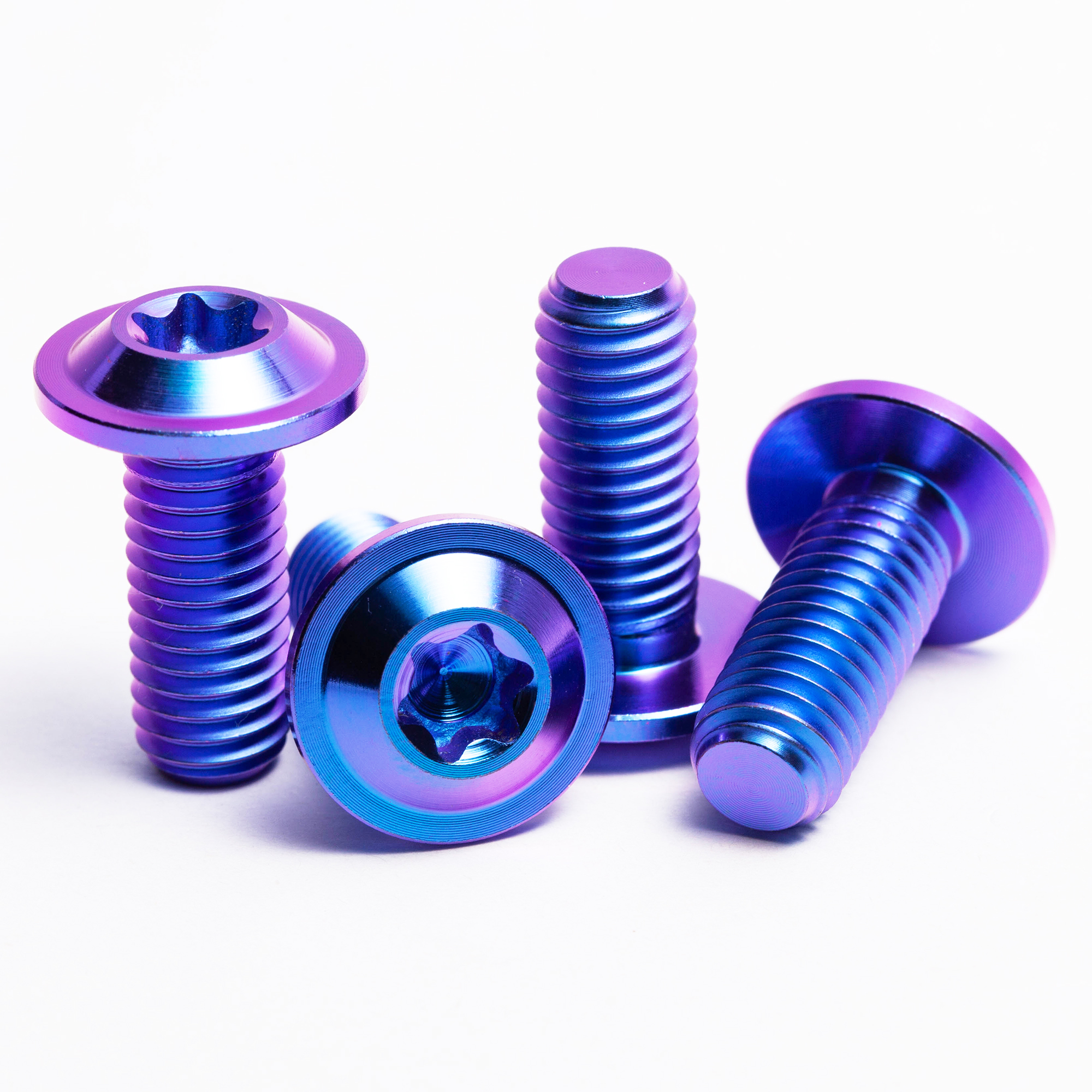
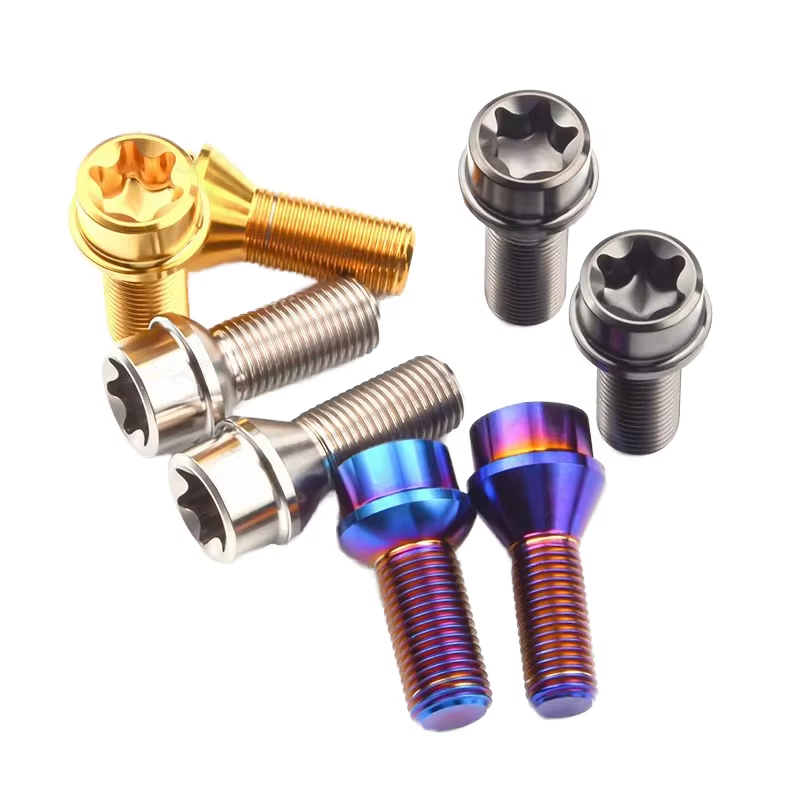
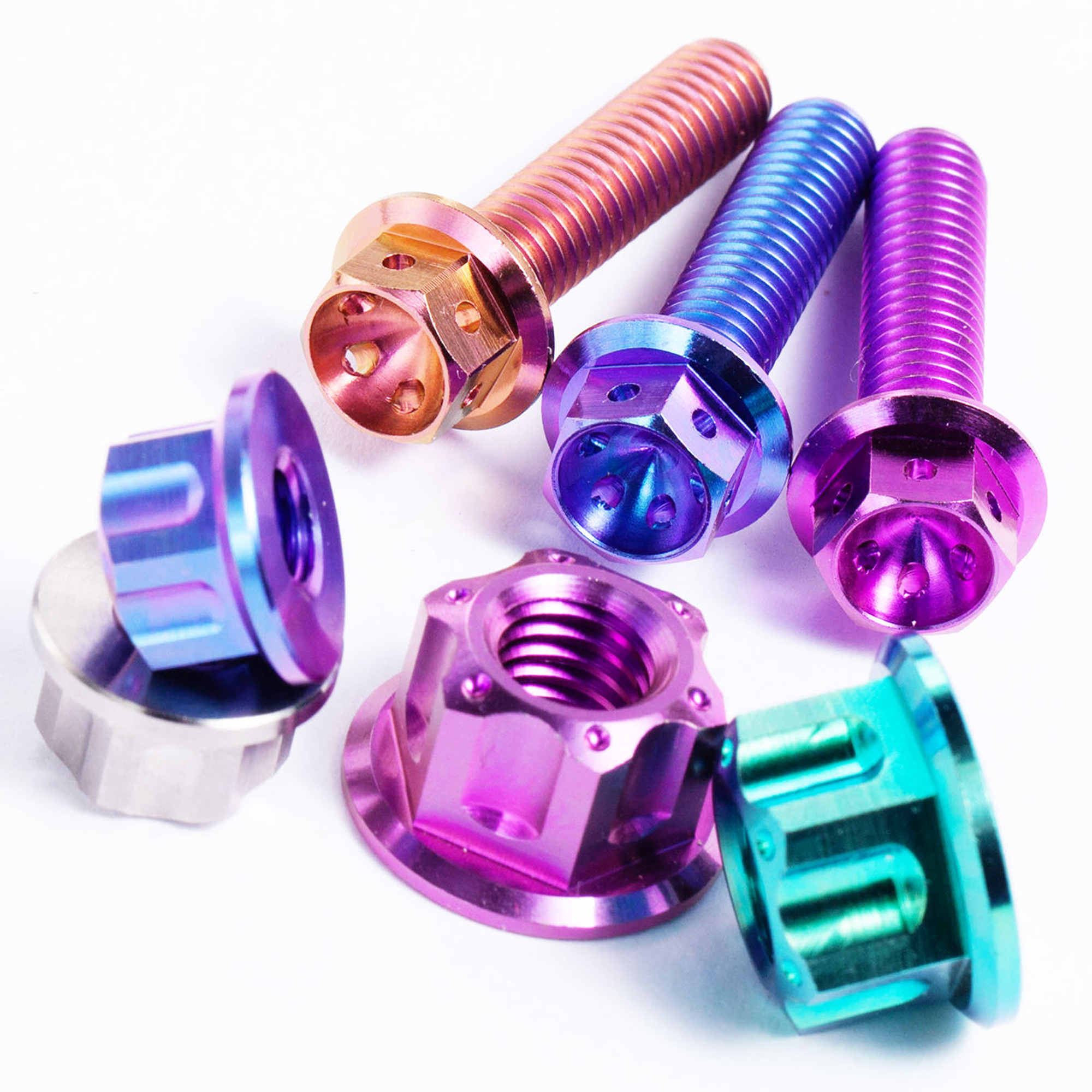
Daejeon-based university automotive engineering teams and commercial motorsport labs deploy our Ti-6Al-4V disc rotor studs, sprocket bolts, and hollow-core hex flange bolts to eliminate unsprung rotating mass. Rolled threads enhance fatigue limit endurance by over 30% compared to cut threads, surviving aggressive harmonic track vibrations.
Engineering Data Benchmark
Material Comparison Matrix for Daejeon Procurement Engineers
Data-driven decisions for structural hardware. Compare how Grade 5 Ti-6Al-4V solves mass and corrosion challenges against standard aerospace-grade stainless and structural steels.
| Mechanical Property | Titanium Gr5 (Ti-6Al-4V) | Titanium Gr2 (CP) | Stainless 316L (A4-80) | Alloy Steel 10.9 |
|---|---|---|---|---|
| Density (g/cm³) | 4.43 (Weight Optimized) | 4.51 | 7.98 | 7.85 |
| Yield Strength (MPa) | 830 | 275 | 600 | 940 |
| Tensile Strength (MPa) | 895 - 1050 | 345 - 450 | 800 | 1040 |
| Magnetic Permeability (μ) | 1.00005 (Non-magnetic) | 1.00005 | 1.008 (Slightly cold worked) | Ferromagnetic |
| Corrosion Resistance in Halides | Immune (Forms TiO&sub2; layer) | Immune | Susceptible to pitting/crevice | Poor (Requires zinc/phosphate) |
| Thermal Expansion (10−6/K) | 8.6 | 8.6 | 16.5 | 11.7 |
Market Evolution
Emerging Procurement Trends in Daejeon's Industrial Manufacturing Sector
Strategic shifts in South Korea's national industrial roadmap are revolutionizing titanium parts consumption across the Chungcheong region.
1. New Space Industry Privatization (K-Space Hub)
With South Korea expanding its commercial space launch and small satellite programs, Daejeon is transitioning from purely academic prototyping to private aerospace assembly. Tier-1 and Tier-2 contractors require small-to-medium batch runs of custom aerospace-spec titanium fasteners with full raw material traceability (AS9100 and ISO 9001:2015 compliant MTC 3.1) on rapid lead times.
2. Miniaturization of Collaborative Robotics (Cobots)
Daejeon robotics laboratories are pioneering high-payload, lightweight articulated robotic arms for cleanroom logistics. Replacing heavy steel internal hardware with high-precision CNC titanium fasteners lowers inertia at the joints, enabling higher operational speeds, reduced motor thermal load, and significantly longer cycle lives.
3. Green Hydrogen & Fuel Cell Infrastructure
South Korea's aggressive investments in hydrogen mobility and power generation are directly reflected in regional research. Titanium components are irreplaceable in proton exchange membrane (PEM) electrolyzers and high-pressure fuel cell fluidics due to their near-zero hydrogen embrittlement rates when paired with appropriate surface passivations.
Procurement Q&A
Frequently Asked Questions by Korean Engineers & Procurement Specialists
Direct technical answers addressing lead times, thread galling mitigation, surface tolerances, and import compliance for Daejeon purchasers.
Q: How do your titanium fasteners prevent thread galling under cyclic vibration?
Galling (cold welding) is an inherent risk of titanium sliding surfaces. We mitigate this through precision rolled threads (which yield a mirror-smooth surface profile below Ra 0.4 μm) and specialized PVD coatings (such as TiN, DLC, or anodized oxide treatments). Additionally, for high-torque assembly in Daejeon automated lines, we recommend applying anti-seize MoS&sub2; lubricants or dry-film lubricants.
Q: Can you manufacture custom titanium parts from 2D/3D CAD files (STEP/IGES)?
Yes. Our CNC milling and Swiss lathe turning facilities operate with advanced CAM integration. We process 3D engineering models (.STEP, .IGES, SolidWorks) and 2D engineering drawings (.DWG, .PDF) with geometric dimensioning and tolerancing (GD&T) down to ±0.01 mm, maintaining strict adherence to critical thread pitch tolerances (Class 6H / 6g metric).
Q: What certifications and quality documents accompany shipments to South Korea?
Every manufacturing lot includes an EN 10204 3.1 Mill Test Certificate (MTC) stating precise chemical composition (spectrometric verification for C, Fe, N, O, H, Al, V) and mechanical properties (tensile, yield, elongation). We also provide full dimensional inspection reports, RoHS & REACH compliance declarations, and ISO 9001:2015 tracking documentation.
Q: What are the standard shipping timelines and customs handling for Daejeon industrial zones?
For urgent prototyping, finished parts are dispatched via express air courier (DHL, FedEx) with arrival at Incheon International Airport within 48 to 72 hours, smoothly cleared and trucked directly to Daedeok Tech Valley or Yuseong-gu facilities. Bulk production orders are handled under FOB, CIF, or DDP terms with comprehensive HS-code classification (7516.90 / 8108.90).
Q: Why choose rolled threads over cut threads for critical aerospace and motorcycle applications?
Thread cutting severs the continuous metallic grain flow of the titanium bar, introducing micro-notches that act as stress concentration points. Our rolled threads are cold-formed between hardened dies, compressing the grain structure and increasing surface hardness by 15-20% while elevating fatigue endurance by up to 30%, which is mandatory for brake rotors, engine blocks, and satellite trusses.
Q: What surface anodizing finishes are available, and do they alter dimensional tolerance?
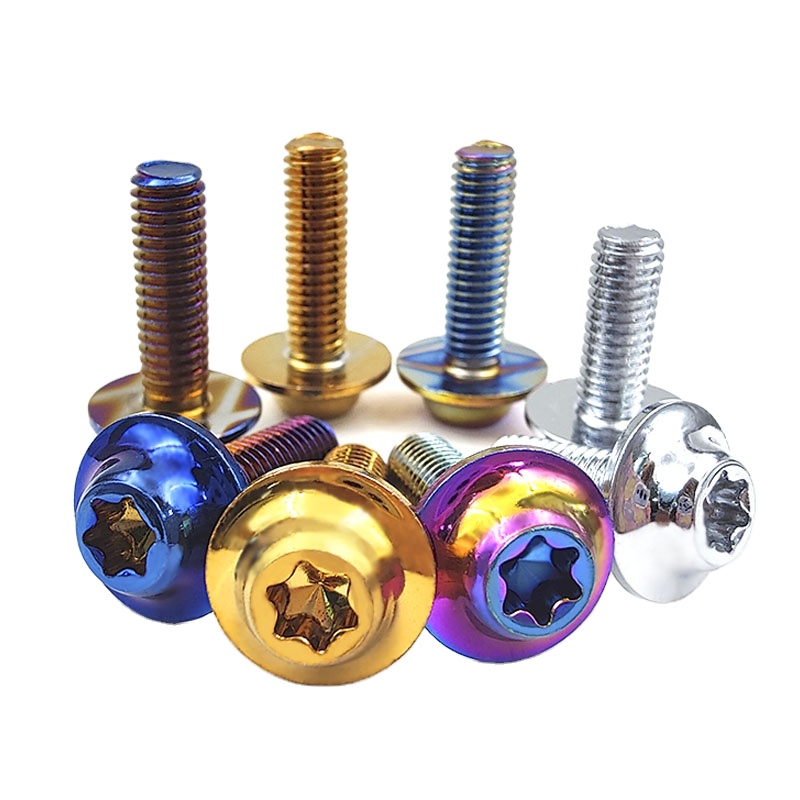
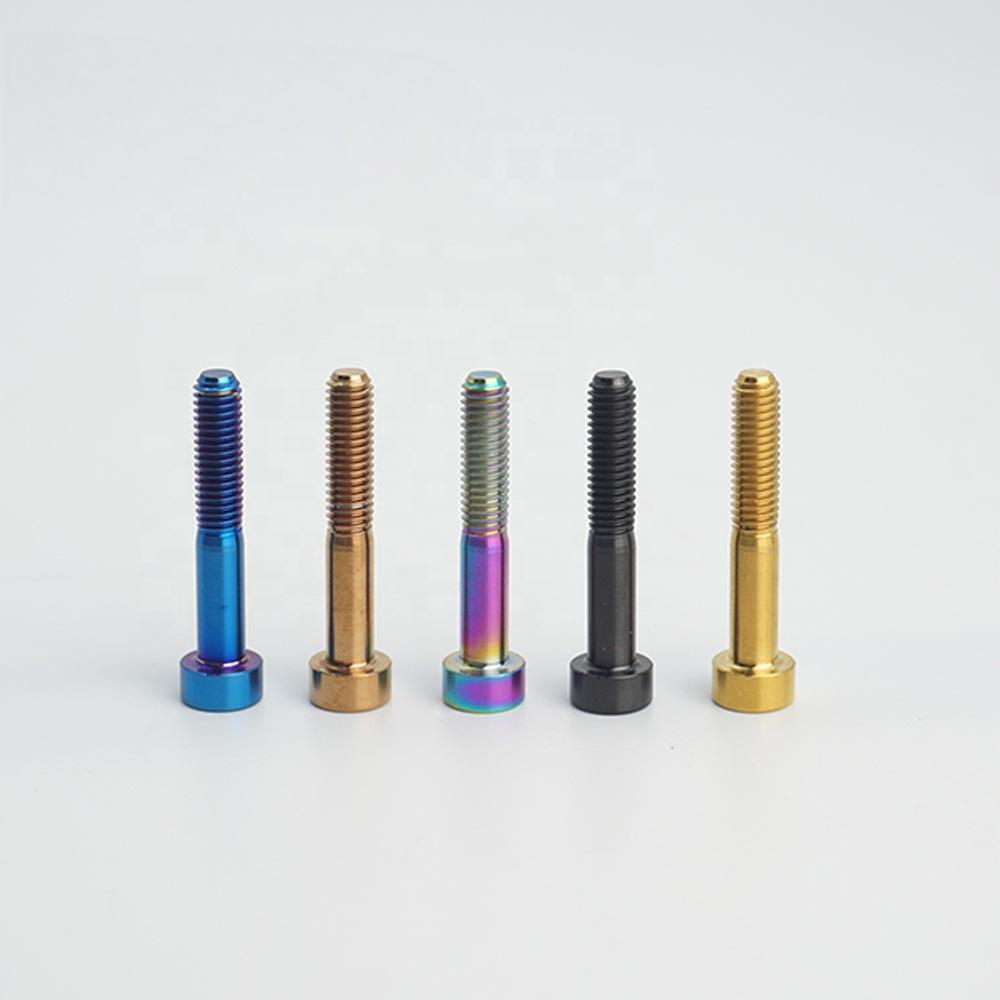
We supply natural CNC machined, polished, sandblasted, PVD black oxide, and electrolytic anodized colors (electric blue, deep purple, gold, rainbow). Unlike paint or plating, titanium anodization is a controlled electrochemical modification of the microscopic titanium dioxide (TiO&sub2;) layer. The coating thickness is under 0.1 μm, resulting in zero measurable dimension change on precision threads.
Enterprise Strength
Why Daedeok R&D Teams Choose Our OEM Titanium Manufacturing
Combining modern multi-axis CNC technology, strict raw material sourcing, and responsive engineering support to power next-generation Korean hardware.
Certified Raw Material Stocks
We only process high-purity Grade 2 and premium Grade 5 (Ti-6Al-4V) aerospace raw titanium bar stock. Every melt lot undergoes optical emission spectrometry testing to guarantee zero interstitial oxygen/nitrogen embrittlement prior to spindle operation.
Multi-Axis Precision Machining
Equipped with high-precision Swiss-type lathes, 5-axis CNC machining centers, and automated thread rolling equipment, our factory achieves complex geometries, undercut grooving, and deep-hole drilling with repeat tolerances within ±0.01 mm.
Lean Lead Times & Rapid Prototyping
We bridge the gap between initial R&D testing and mass production. Prototype iterations can be machined and delivered in as few as 5 to 7 days, allowing Korean defense and automation teams to accelerate project milestones and time-to-market.