Engineered Titanium Components & Hardware Systems
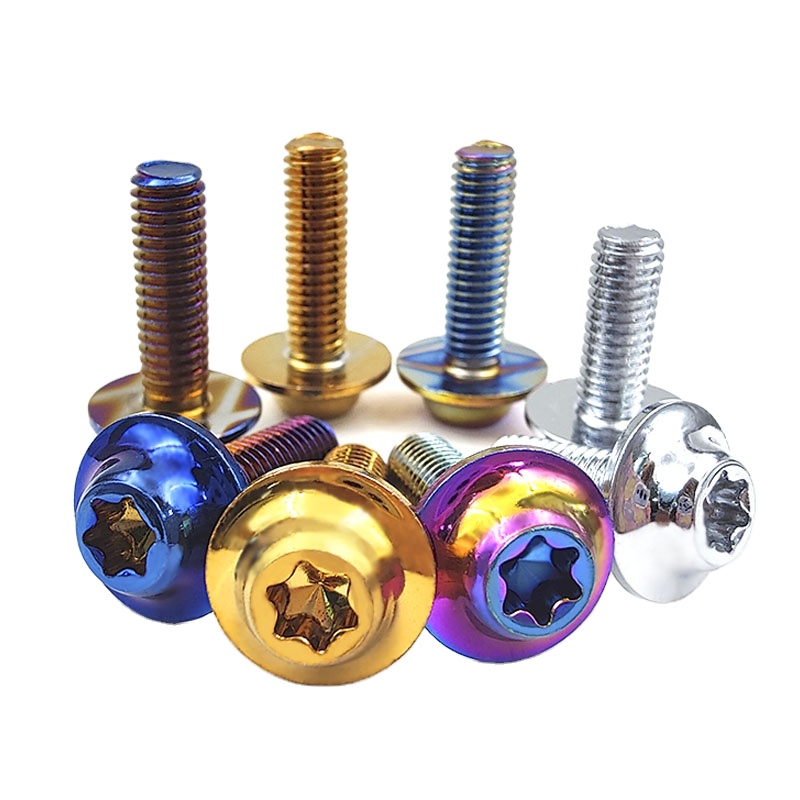
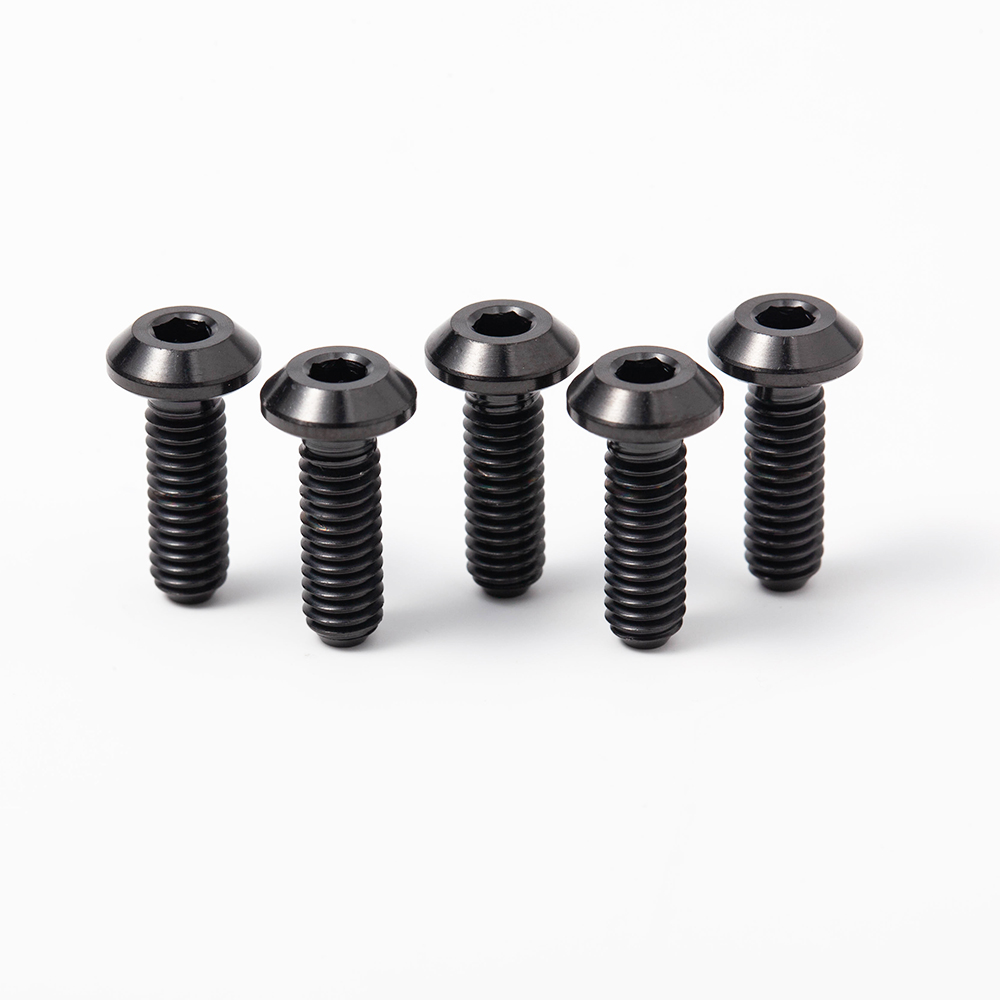
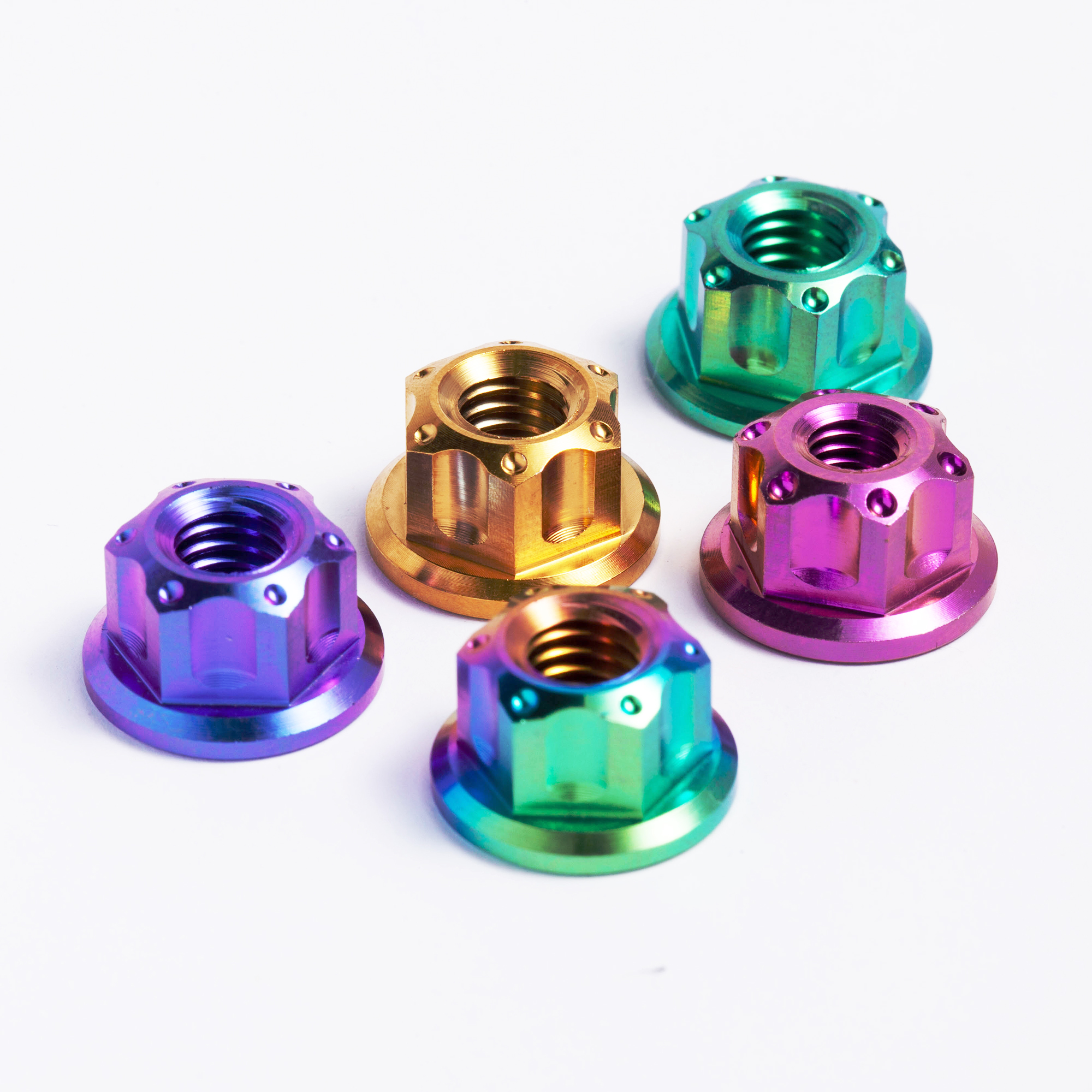
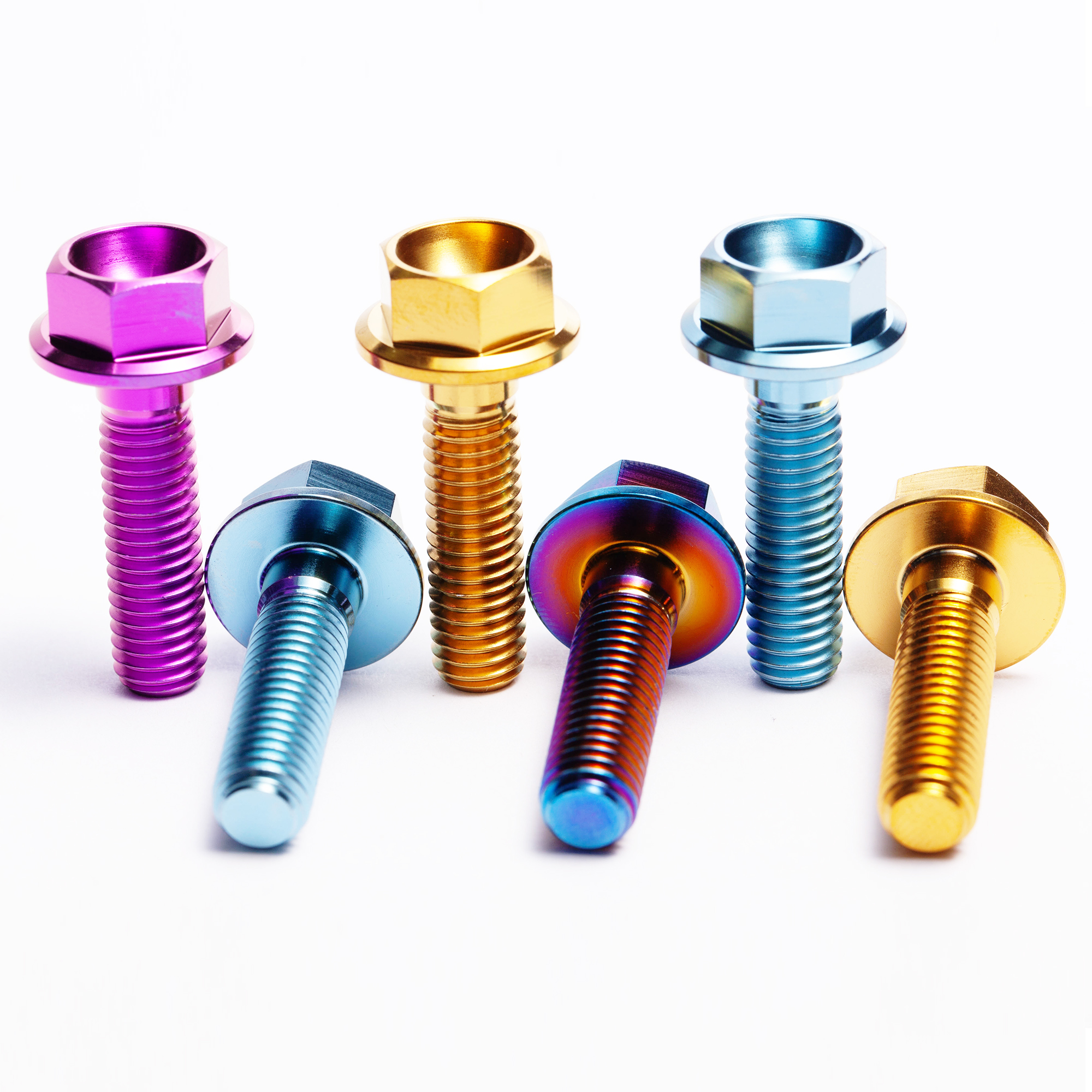
Tested under rigorous pressure environments, our titanium fasteners, shell assemblies, and precision hardware provide uncompromised mechanical stability for thermal and industrial engineering.
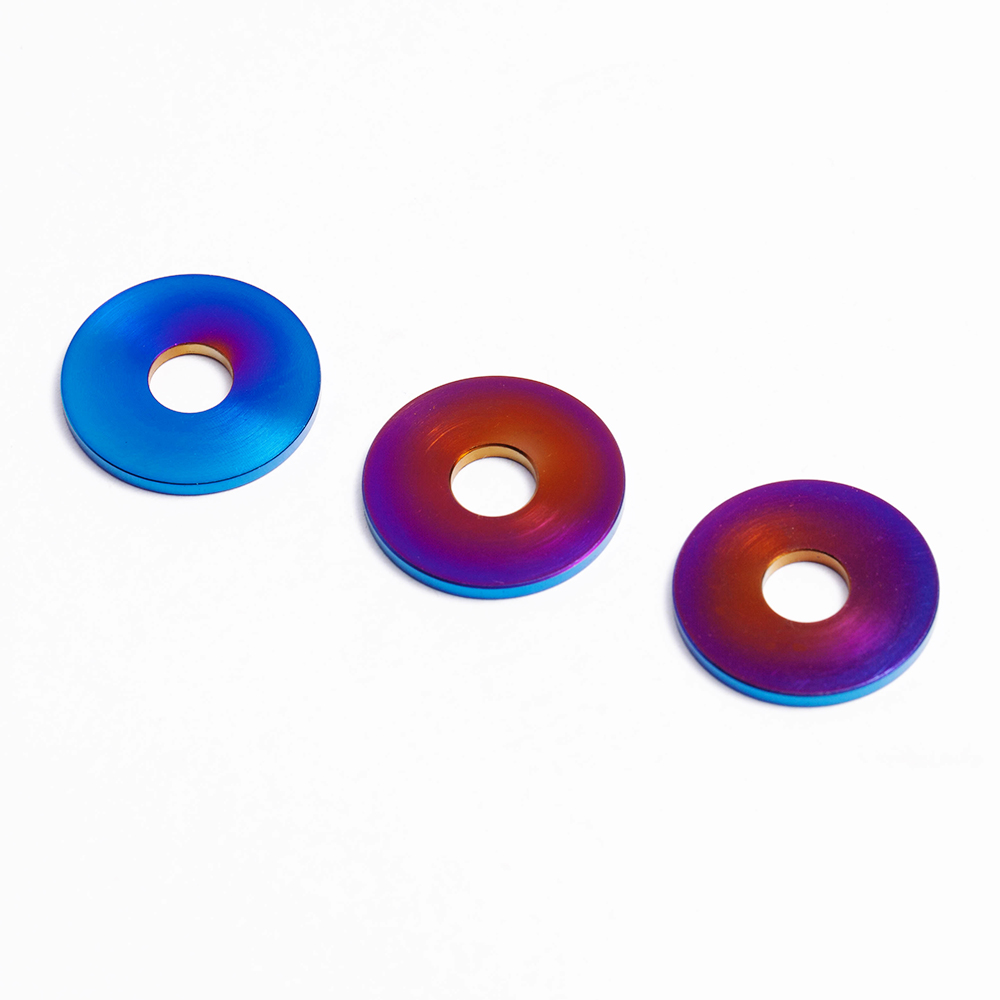
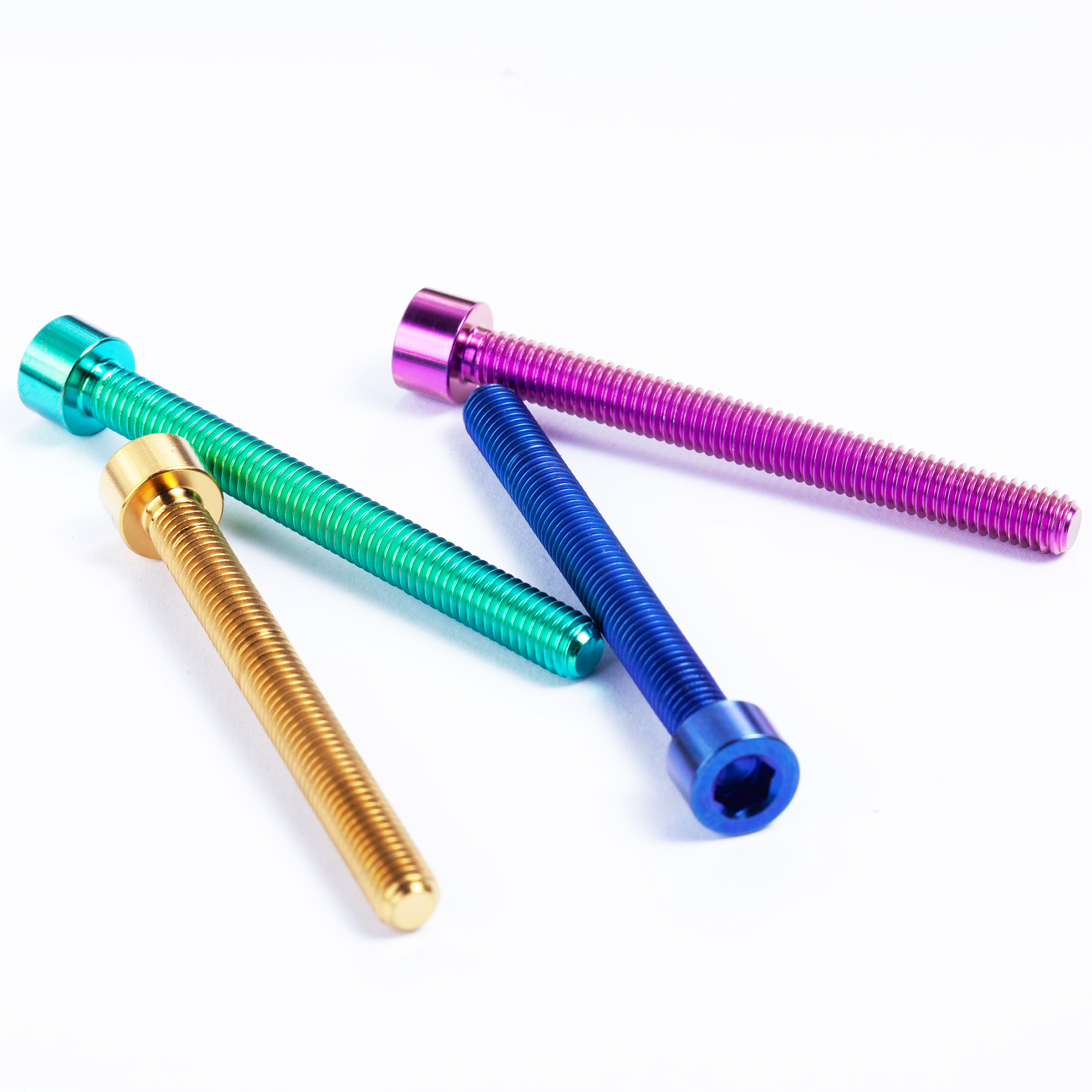
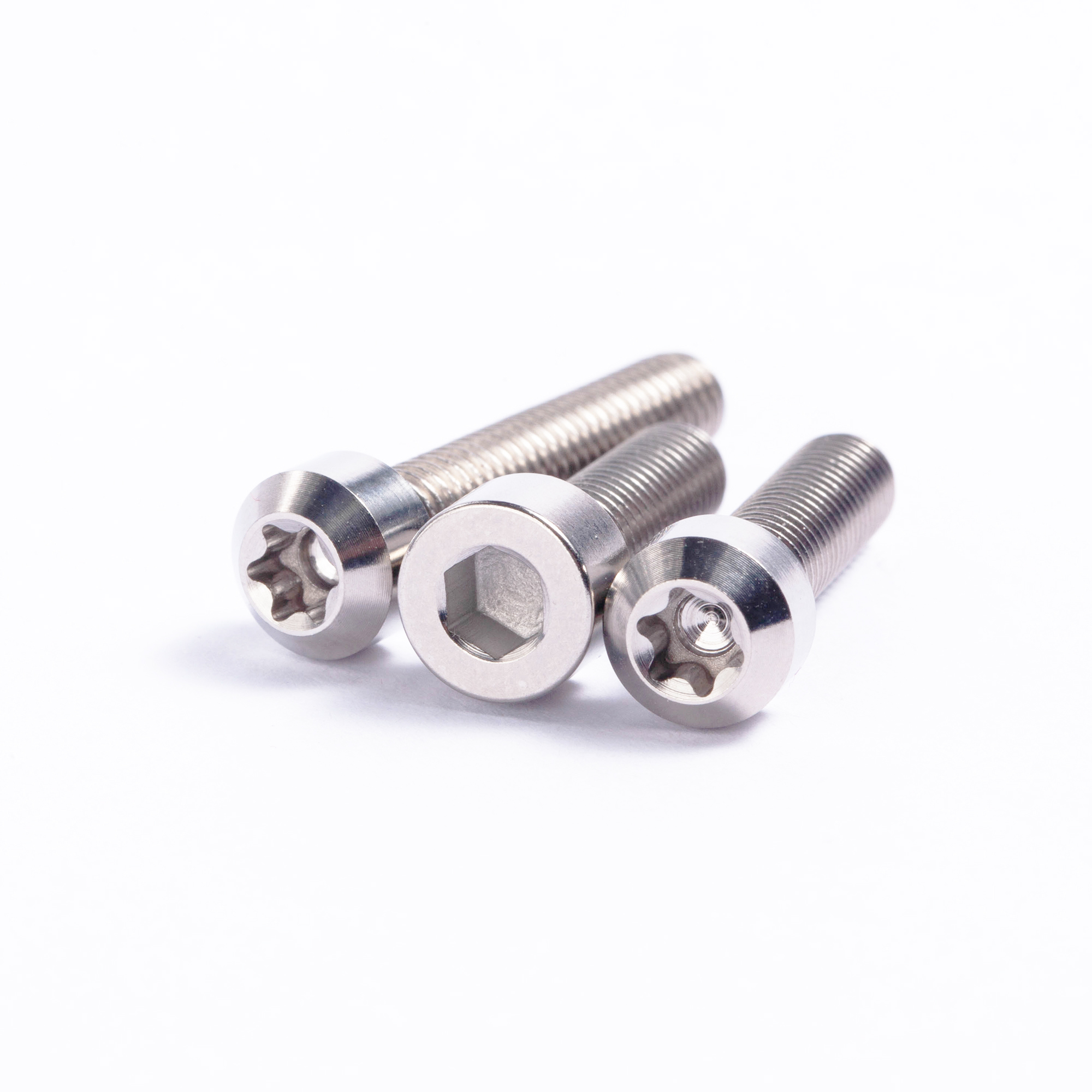
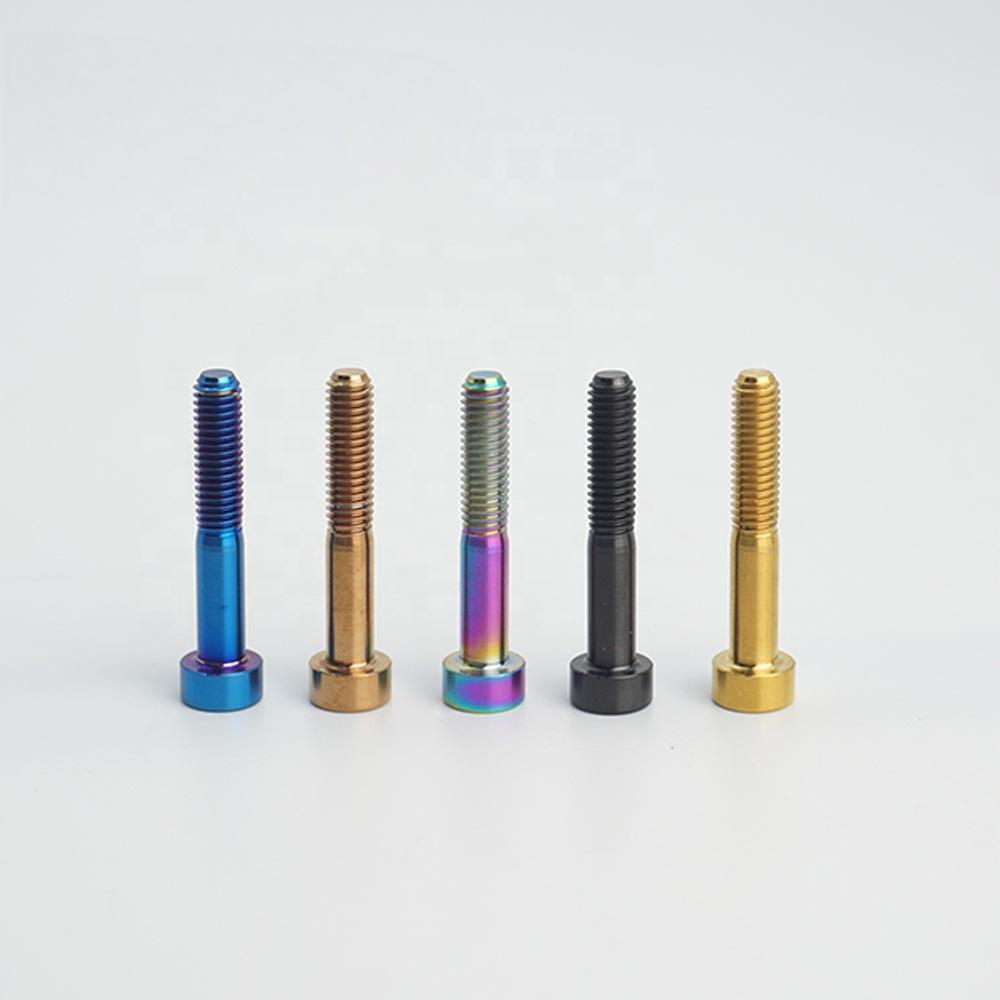
Titanium Thermal Systems in the Czech Republic: Industrial Landscape
The Czech Republic stands as one of the most industrialized nations in the European Union, with heavy industry, chemical synthesis, power generation, and precision automotive manufacturing forming the bedrock of the national economy. Within the industrial hubs of Central Bohemia, the Moravian-Silesian region (Ostrava), and Ústí nad Labem, process engineers increasingly face harsh fluid media conditions. Industrial processing fluids laced with chlorides, wet chlorine gases, sulfuric acid derivatives, and high-temperature organic compounds rapidly destroy conventional austenitic stainless steels like AISI 304 and AISI 316L via localized pitting, crevice corrosion, and catastrophic stress-corrosion cracking (SCC).
As a specialized supplier operating under strict ISO 9001:2015 quality frameworks, Wexra Titanium provides commercially pure Grade 2 (UNS R50400) and alpha-beta Grade 5 (Ti-6Al-4V, UNS R56400) materials and CNC-finished assemblies designed to combat corrosive degradation. Titanium forms an instantaneous, passive, self-healing titanium dioxide (TiO2) ceramic film on its surface when exposed to traces of moisture or oxygen. This chemical barrier allows titanium shell and tube heat exchangers, plate packs, and fluid handling fasteners to endure operational lifespans exceeding 20 to 30 years without wall degradation or unexpected mechanical shear.
Chemical & Petrochemical Processing
In chemical facilities throughout Litvínov and Pardubice, cooling and condensing towers handle aggressive chloride compounds. Grade 2 titanium tube bundles and seamless tubing prevent catastrophic chloride-induced stress corrosion cracking, offering operational security far superior to duplex steels.
Nuclear & Thermal Power Generation
Supporting the operational lifecycle requirements of Temelín and Dukovany nuclear facilities, titanium condenser tubing and high-strength Grade 5 tie-rods ensure zero contamination transfer between cooling reservoir waters and closed-loop secondary systems, maintaining absolute thermal integrity.
District Heating & Industrial Waste Heat Recovery
Czech municipal networks and metallurgical plants in Moravia-Silesia capture high-enthalpy thermal energy from corrosive flue gases. Wexra titanium components maintain high thermal conductivity without accumulating insulating scale, ensuring sustained thermal transfer efficiency.
Material Performance: Titanium vs Traditional Alloys
Data-driven engineering comparison for European procurement teams specifying heat exchanger tube plates, pressure shells, and structural hardware.
| Alloy Designation | Density (g/cm³) | Tensile Yield Strength (MPa) | Pitting Resistance (PREN) | Chloride SCC Resistance | Thermal Fatigue Durability |
|---|---|---|---|---|---|
| Titanium Grade 2 (CP) | 4.51 | 275 - 345 | Immune (>60) | Immune at all standard temps | Exceptional (Low expansion) |
| Titanium Grade 5 (Ti-6Al-4V) | 4.43 | 828 - 910 | Immune (>65) | Immune in severe media | Maximum Fatigue Limit |
| Stainless Steel 316L (1.4404) | 8.00 | 220 | 23 - 25 | Susceptible > 60°C | Moderate (Risk of SCC) |
| Super Duplex (1.4410 / 2507) | 7.80 | 550 | 42 - 43 | Moderate to High | Subject to sigma-phase risk |
| Copper-Nickel (CuNi 90/10) | 8.90 | 105 - 130 | Low | Prone to erosion-corrosion | Low strength, high creep |
Trends Shaping the Czech Industrial Thermal Market
Three primary macro-trends are driving the adoption of advanced titanium thermal technology in the Czech Republic:
1. Decarbonization and Heat Electrification: Under the EU Green Deal and national energy transition directives, Czech industrial facilities are replacing fossil-fueled boilers with large-scale industrial heat pumps and waste-heat exchangers. These systems often utilize aggressive natural refrigerants or direct geothermal brine as working fluids, environments where traditional copper-nickel and standard austenitic steel fail prematurely. Titanium is the primary material choice to prevent operational leaks in high-temperature sub-surface circuits.
2. Lifecycle Cost Minimization (TCO Optimization): Central European plant operators are transitioning procurement metrics from Initial Capital Expenditure (CAPEX) to Total Cost of Ownership (TCO). While the upfront raw material cost of titanium exceeds stainless steel, its biological passivity completely eliminates the need for expensive chemical descaling, cathodic corrosion inhibitors, and recurring tube-plugging maintenance shutdowns. This reduces operational expenditure (OPEX) by up to 65% over a 15-year operational lifecycle.
3. Heavy-Load Structural Light-Weighting: Across robotic manufacturing and specialized transport lines in Mladá Boleslav and Plzeň, compact plate-fin and shell heat exchangers are increasingly integrated into mobile systems and automated robotic heads. Grade 5 titanium offers high strength-to-weight ratios (tensile strength up to 895 MPa at 4.43 g/cm³), allowing designers to cut total equipment footprint and overall weight by half while expanding maximum allowable working pressure (MAWP).
Wexra Enterprise Advantage: Manufacturing Rigor
Operating a specialized facility of over 1,000 m² equipped with advanced multi-axis CNC machining centers, precision laser processing, and certified surface treatment lines, Wexra delivers uncompromising quality control for demanding applications.
ISO 9001:2015 Verified Operations
Comprehensive production tracking from raw bar and sheet receipt through to multi-stage optical measurement. Full material certification compliant with EN 10204 3.1 standards, RoHS, and REACH directives.
Micrometric Tolerances (±0.01 mm)
CNC turning, multi-axis milling, and cold thread rolling produce threads that eliminate stress concentration notches, significantly improving fatigue life over conventional cut threads.
Direct Central European Logistics
Streamlined customs clearance documentation, EPR compliance registration, and express logistics support provide rapid, duty-compliant delivery across the Czech Republic and neighboring EU industrial regions.