Featured Titanium Fasteners & Retaining Hardware
High-strength, anti-corrosive, and weight-reducing titanium components manufactured to ISO & DIN standards for motorsport, aerospace, cycling, and heavy industrial applications.
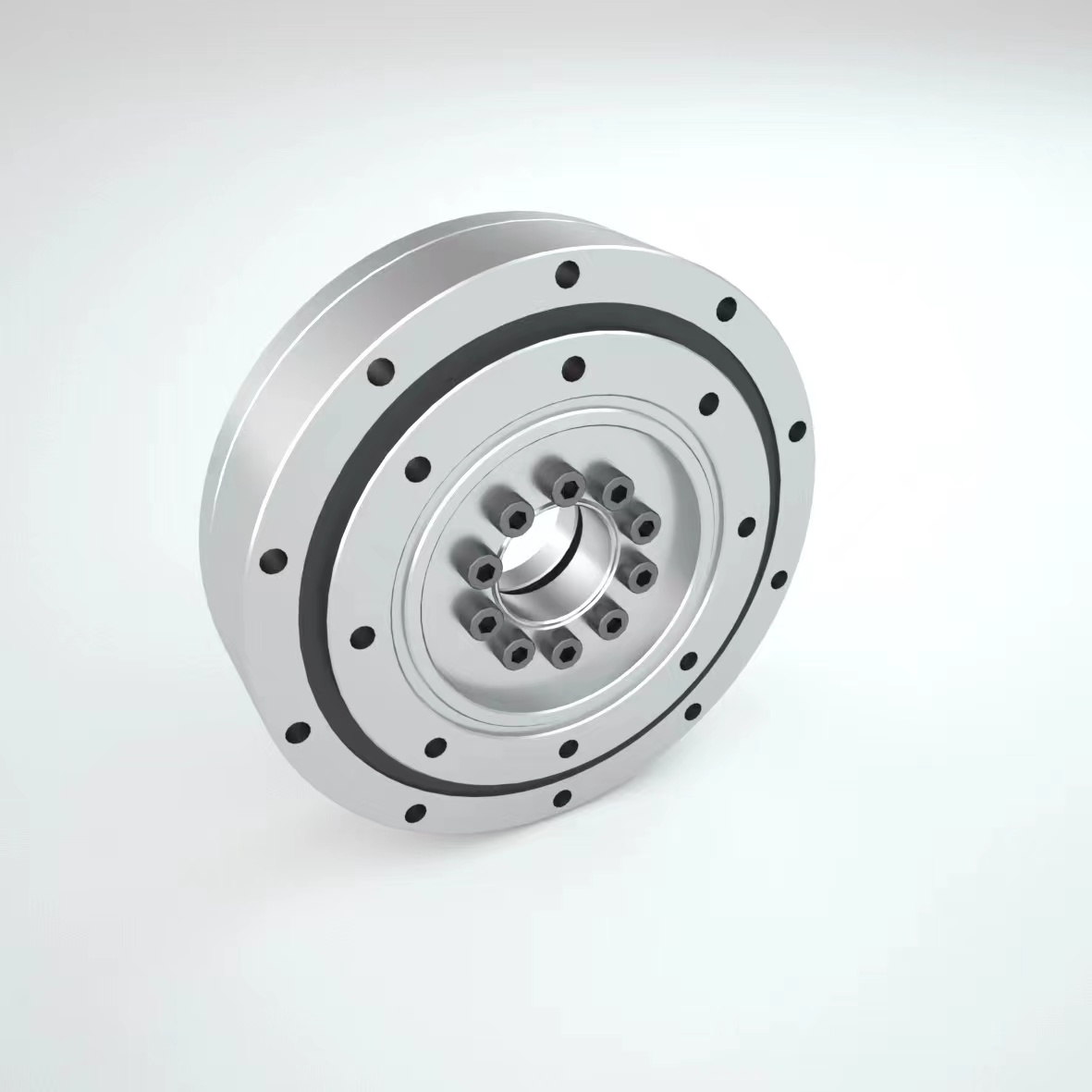
INNOTECH DRIVE High Torque Harmonic Drive Reducer
View Details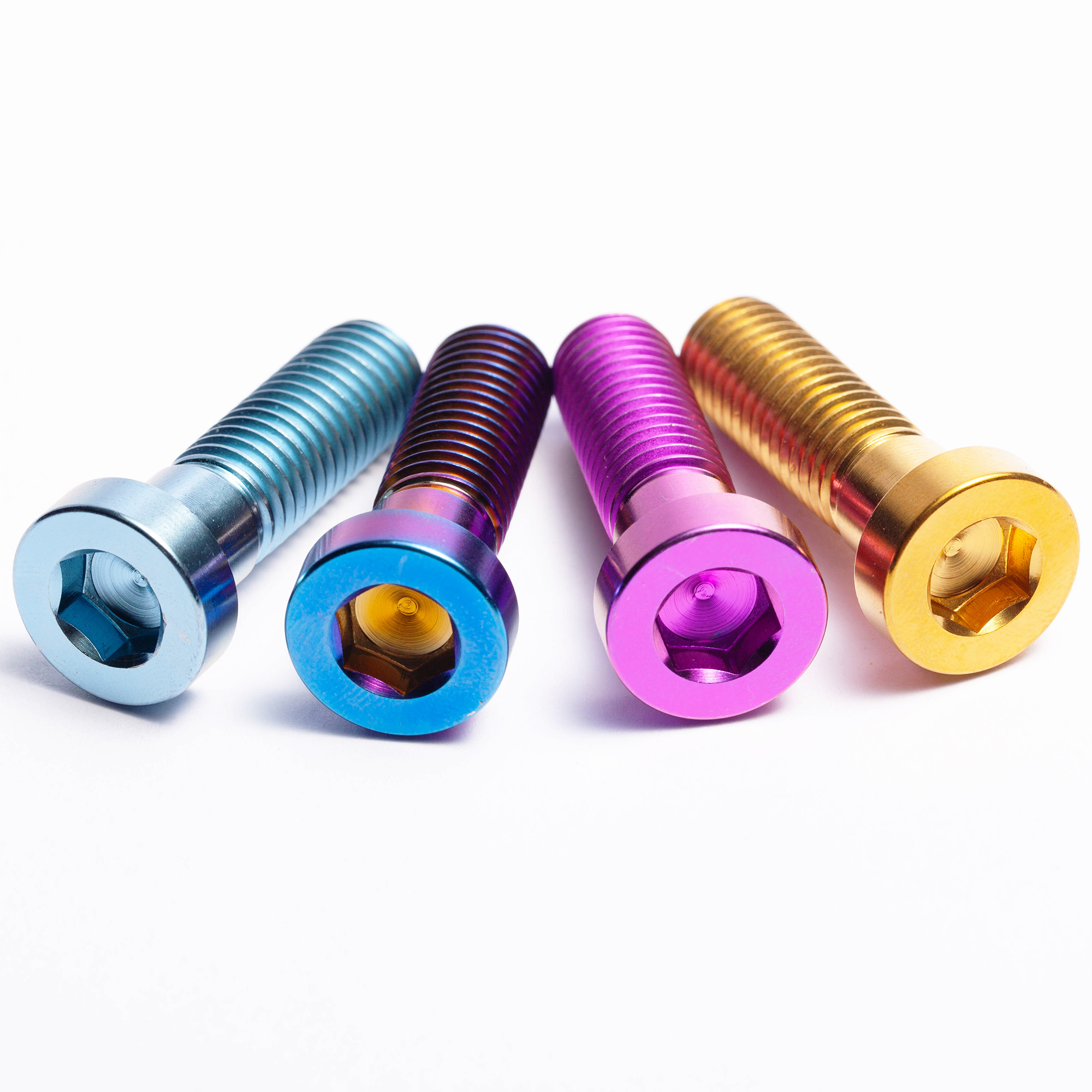
DIN6912 Titanium Low Head Socket Cap Bolt
View Details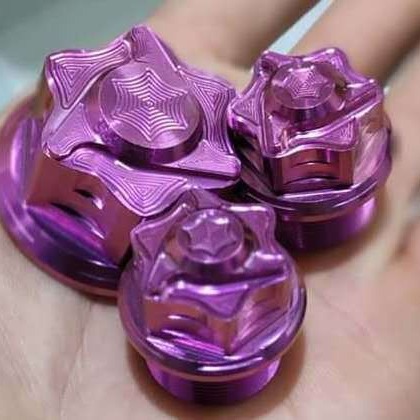
Grade 10.9 M24/M22 Titanium Oil Cap Screw
View Details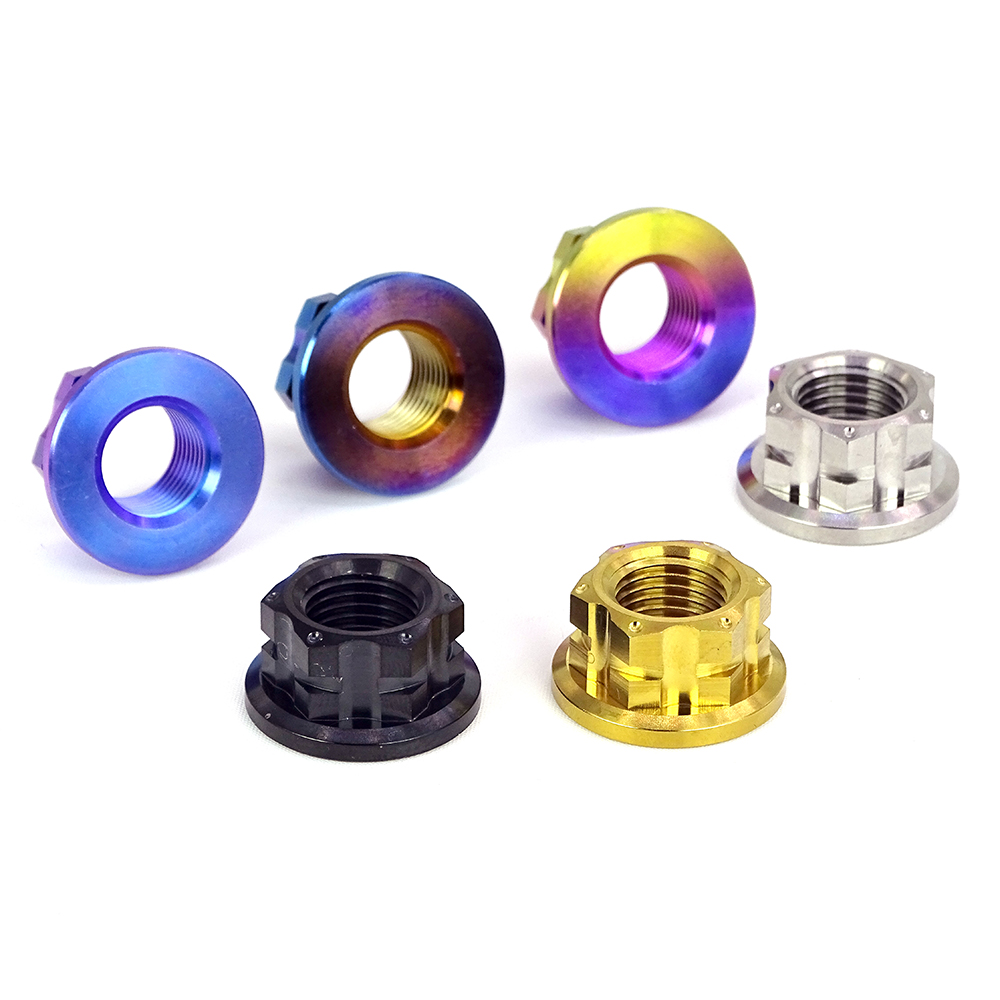
Titanium Alloy Hex Flange Locking Nut
View Details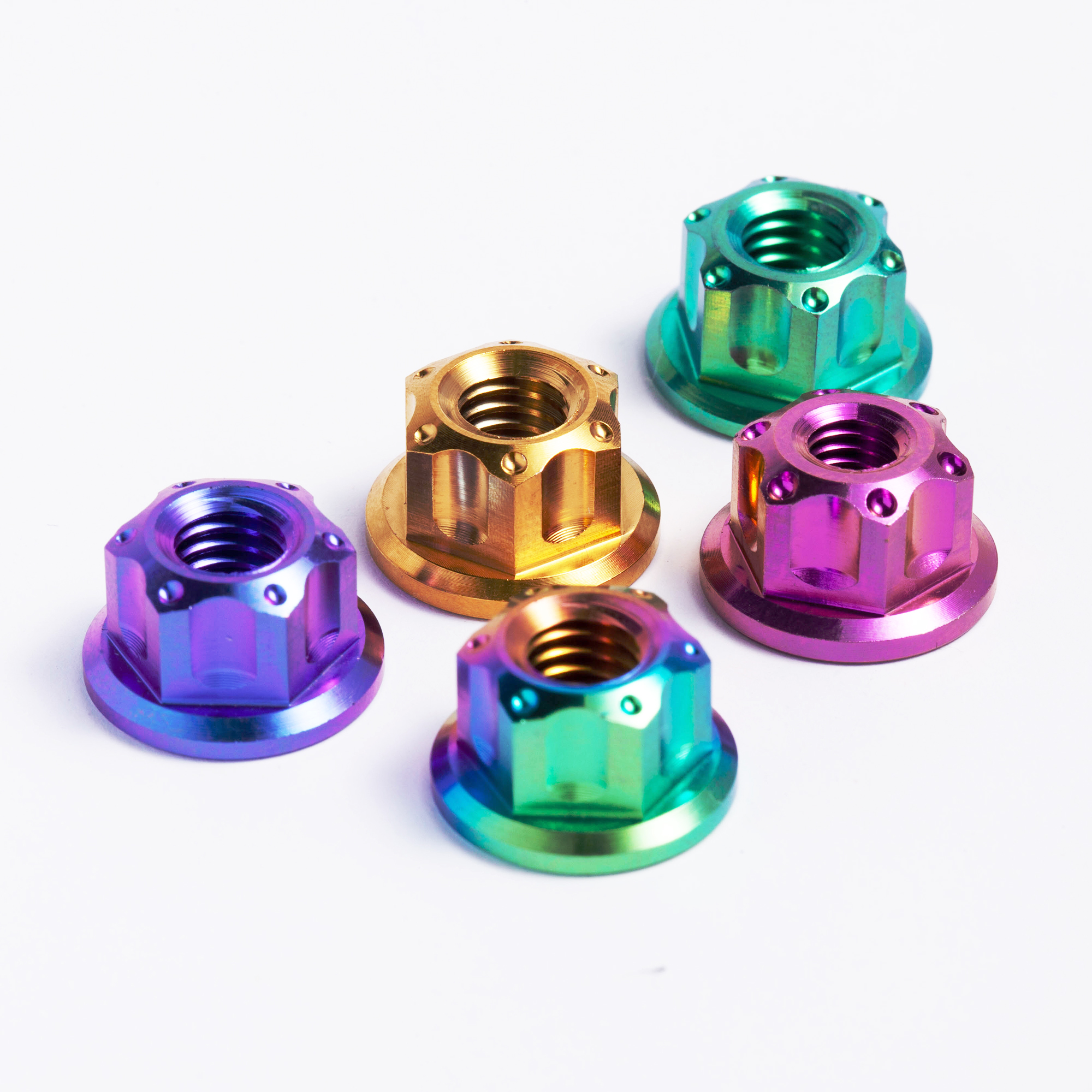
BST-TI GR5 Titanium Self-Locking Lug Nuts
View Details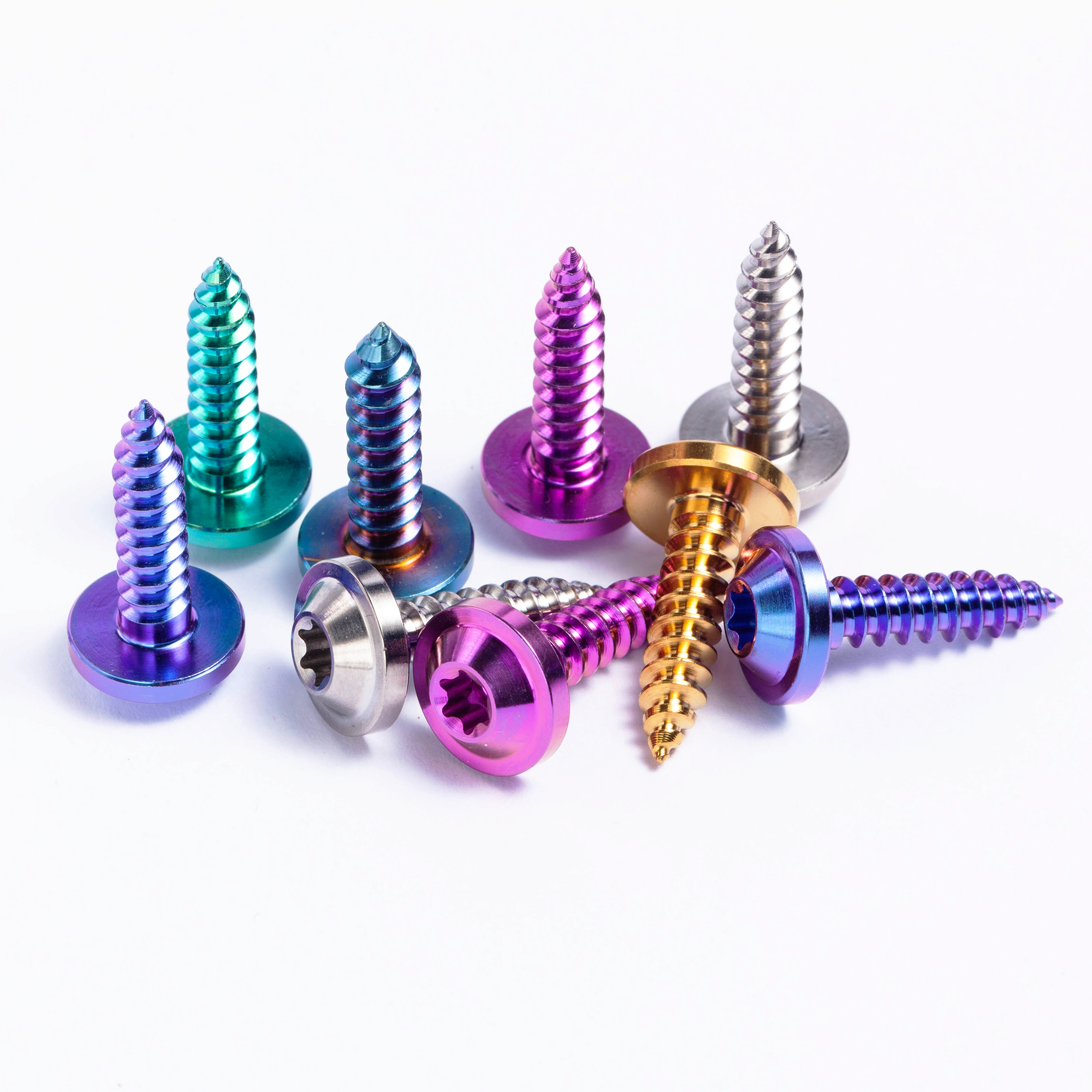
M1.25 UNC Titanium Flat Head Screws
View Details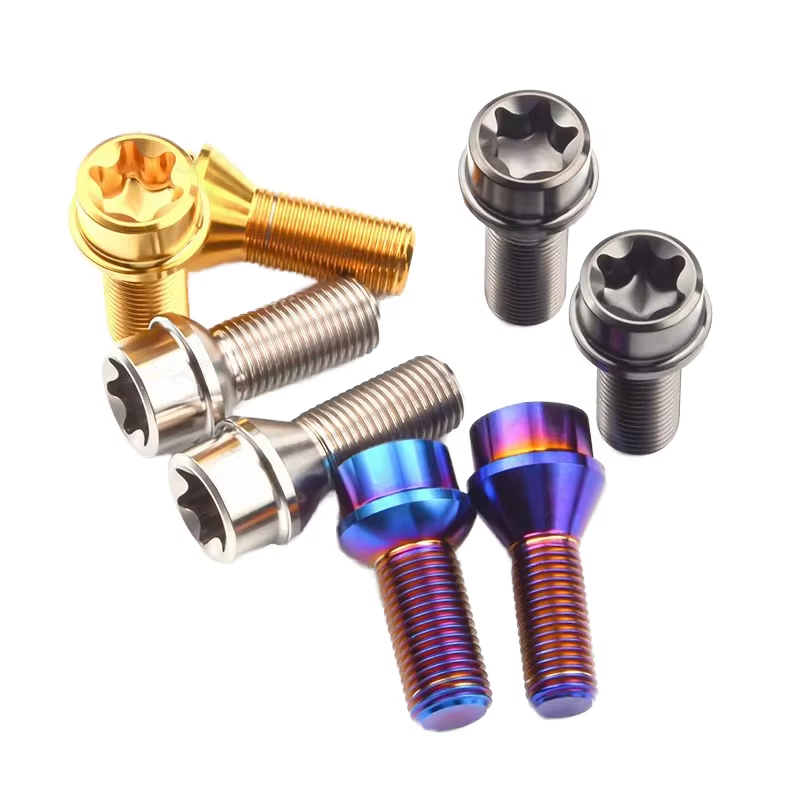
M6-M12 Anodized Titanium Gr5 Hex Flange Bolts
View Details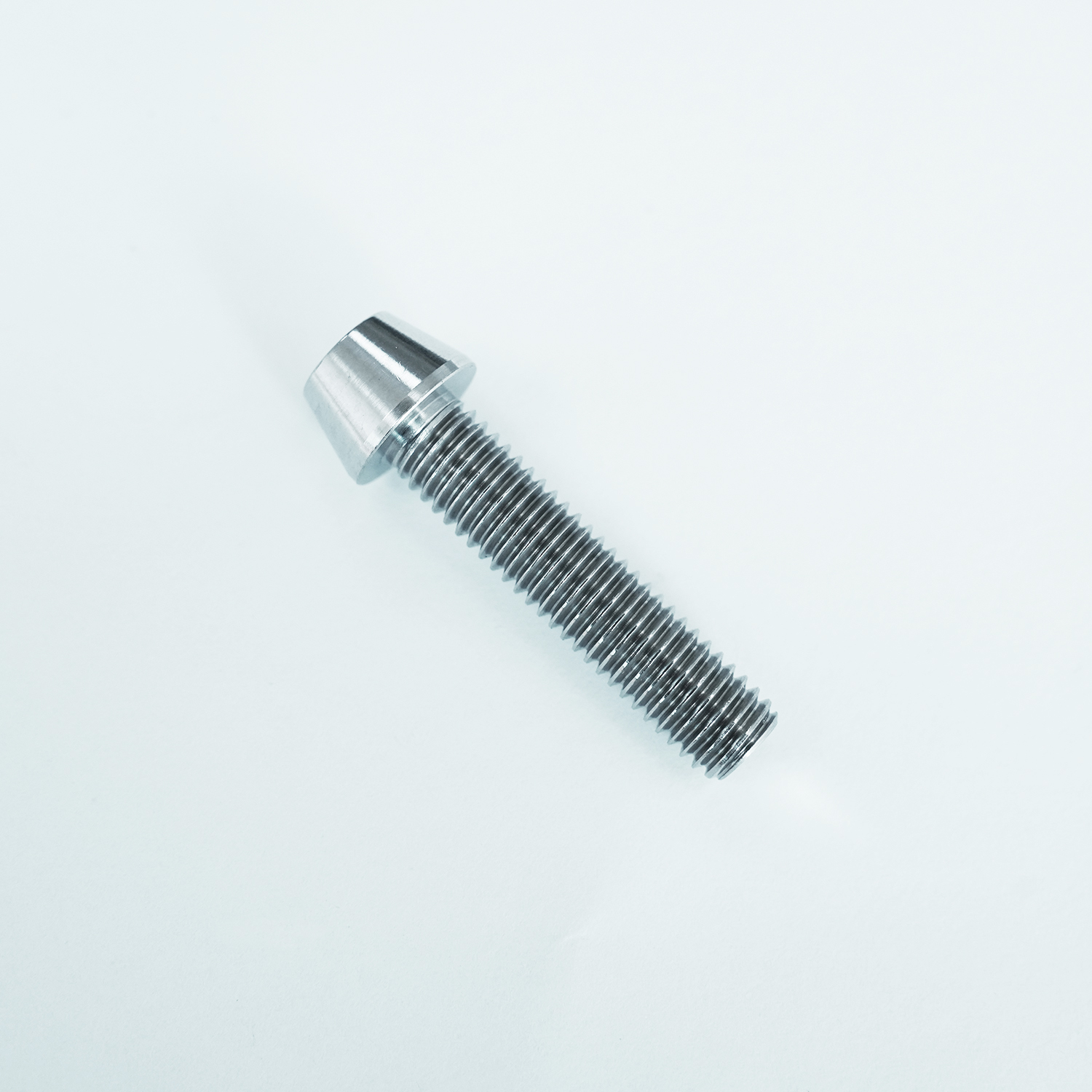
Gr5 Titanium Oval Head Bike Hanger Bolt
View DetailsEngineering Principles & Metallurgical Authority of Titanium Retaining Rings
In modern mechanical assembly design, retaining rings (circlips, snap rings, and constant-section rings) perform a critical function: securing components onto shafts or inside housings against axial thrust loads. Traditionally dominated by spring steel and stainless steel, high-tier mechanical engineering sectors—such as aerospace actuation, marine propulsion, chemical handling, and competitive motorsport—are aggressively shifting toward CE Certified Titanium Retainer Rings.
As a leading China manufacturer and global exporter, Jiaxing Wexra Titanium Products Co., Ltd. produces precision-machined titanium retaining elements under stringent quality control frameworks conforming to ISO 9001:2015 and European CE directives (PED 2014/68/EU & Machinery Directive 2006/42/EC). This whitepaper details the technical advantages, material specifications, and future procurement paradigms governing titanium retainer ring technology.
1. Metallurgy & Material Selection: Grade 5 (Ti-6Al-4V) vs. Grade 2 (CP Titanium)
Selecting the optimal titanium grade is fundamental to ensuring retaining ring spring memory, radial expansion yield, and permanent resistance to deformation:
- Ti-6Al-4V (Grade 5 / UNS R56400): Featuring an alpha-beta structure alloyed with 6% Aluminum and 4% Vanadium, Grade 5 titanium delivers an extraordinary ultimate tensile strength (≥ 895 MPa) and yield strength (≥ 828 MPa). With a elastic modulus of roughly 114 GPa—nearly half that of alloy steel—Grade 5 retaining rings offer extended deflection ranges prior to plastic deformation, making them the premier choice for heavy-duty shaft circlips (DIN 471) and bore rings (DIN 472).
- Commercially Pure Grade 2 Titanium (UNS R50400): Providing high ductile yield combined with unbeatable chemical immunity, Grade 2 is specified in low-stress environments exposed to oxidizing acids, chlorine solutions, and marine splash zones where stress corrosion cracking (SCC) must be completely eliminated.
| Material Grade | Tensile Strength (MPa) | Yield Strength (MPa) | Density (g/cm³) | Elastic Modulus (GPa) | Corrosion Resistance |
|---|---|---|---|---|---|
| Titanium Grade 5 (Ti-6Al-4V) | ≥ 895 | ≥ 828 | 4.43 | 114 | Superior (Oxidizing/Salt) |
| Titanium Grade 2 (CP Ti) | ≥ 345 | ≥ 275 | 4.51 | 105 | Exceptional (Chemical/Marine) |
| PH 15-7 Mo Stainless Steel | ~ 1300 | ~ 1100 | 7.80 | 200 | Moderate (Susceptible to Rust) |
| Carbon Spring Steel (SAE 1070) | ~ 1400 | ~ 1200 | 7.85 | 210 | Poor (Requires Plating) |
2. Essential Structural Advantages of Titanium Retaining Elements
44% Mass Reduction
By replacing carbon steel or stainless circlips with titanium, engineers cut assembly weight by ~44%, reducing rotational inertia in high-RPM shafts.
Immunity to Corrosion
Spontaneously develops a stable TiO2 passive film, guaranteeing zero rust in seawater, chemical solutions, and high-humidity environments.
Non-Magnetic Integrity
Fully non-magnetic relative permeability (μr ≈ 1.00005), vital for MRI medical gear, radar units, and sensitive aerospace sensors.
Future Procurement Trends for Titanium Retainer Rings (2025–2030)
Global B2B procurement strategies for industrial retaining elements are undergoing a fundamental transformation driven by decarbonization targets, automation, and total cost of ownership (TCO) modeling. B2B buyers and supply chain directors should account for the following strategic procurement shifts:
1. Shift from Unit Purchase Price to Life-Cycle TCO
While carbon spring steel retaining rings carry lower initial unit costs, frequent corrosion maintenance, galling failures, and emergency downtime exponentially inflate total operational expense. Procurement heads in chemical processing, off-shore energy, and high-performance transport are moving toward Titanium Grade 5 retaining rings to eliminate maintenance intervals entirely.
2. Demand for Traceable CE EN 10204 3.1 Material Certification
With tightening regulatory compliance in the EU and North America, enterprise buyers no longer accept unverified hardware. Sourcing requires complete material batch traceability, spectrographic chemistry analysis, and mechanical tensile test reports. Every export shipment from Jiaxing Wexra Titanium includes full EN 10204 3.1 certification and RoHS/REACH compliance documentation.
3. Integration of OEM Custom Snap Ring Geometries
Standard off-the-shelf DIN 471/472 circlips frequently fail to meet specialized aerospace or e-Mobility shaft clearances. High-precision 5-axis CNC turning, EDM wire cutting, and custom wire-forming technologies now allow factories to create bespoke end-detail geometry, customized lug shapes, and targeted radial thrust capabilities without requiring expensive stamping tooling.
Technological Development Trends in Titanium Fastener & Ring Manufacturing
The manufacturing ecosystem for high-spec titanium retaining elements is advancing rapidly. Key technological trends shaping the future of titanium hardware production include:
A. Advanced Surface Coatings & Anti-Galling PVD Films: Although titanium boasts extraordinary corrosion resistance, titanium-to-titanium frictional contact can lead to thread or groove galling during high-speed installation. Next-generation retaining rings utilize Physical Vapor Deposition (PVD) TiN (Titanium Nitride), DLC (Diamond-Like Carbon), and anodic hard-coating (Type II/III) to lower friction coefficients below 0.15 while boosting dynamic fatigue life.
B. FEA-Guided Constant-Section & Spiral Ring Engineering: Finite Element Analysis (FEA) modeling enables engineers to calculate localized stress concentration during radial expansion over a shaft. Modern CAD/CAM programming optimizes tapering angles and lug positioning, ensuring uniform pressure distribution along the entire circumferential groove wall.
C. Cryogenic Precision Wire Form & CNC Machining: Precision machining of Grade 5 titanium requires strict temperature management to avoid thermal stress altering material temper. Cryogenic coolant CNC turning and automated deburring guarantee micron-level dimensional tolerance (±0.01 mm) with smooth burr-free groove mating surfaces.
Why Partner with Jiaxing Wexra Titanium Products Co., Ltd.?
Located in Jiaxing, Zhejiang, China, Wexra Titanium is a dedicated manufacturer and global supplier focused exclusively on titanium materials, fasteners, CNC machined components, and custom hardware. Operating under an audited ISO 9001:2015 Quality Management System, we deliver verified reliability to enterprise clients across the USA, Germany, the UK, Canada, and beyond.
From rapid prototype sample creation to high-volume OEM manufacturing, our facility is equipped with multi-axis CNC centers, laser cutting systems, optical projectors, and dedicated anodizing lines. We regularly showcase our innovations at international trade shows such as EUROBIKE Frankfurt.
Frequently Asked Questions (FAQ)
Technical and commercial clarity for purchasing managers, structural engineers, and global distributors.
Why should we specify Grade 5 (Ti-6Al-4V) over Grade 2 for retaining rings?
Grade 5 (Ti-6Al-4V) provides a minimum tensile strength of 895 MPa and high yield strength (828 MPa), essential for maintaining permanent elastic spring tension when expanding or contracting over shafts and housings. Grade 2 titanium is softer (tensile strength ~345 MPa) and may deform permanently if subjected to high radial installation stress.
What quality certifications and compliance records accompany your shipments?
Every production lot is delivered with a complete EN 10204 3.1 Material Test Certificate (MTC) detailing spectrographic chemical analysis and physical tensile tests. Additionally, our hardware is fully compliant with CE European directives, RoHS, REACH, and German EPR packaging regulations.
Can Jiaxing Wexra Titanium manufacture non-standard custom retainer rings from 2D/3D CAD drawings?
Yes. We specialize in OEM and ODM manufacturing. You can provide 2D engineering drawings (PDF/DWG), 3D CAD models (STEP/IGES), or physical samples. Our engineering team conducts a thorough Design for Manufacturability (DFM) review prior to CNC machining or custom forming.
What surface finishes are available for titanium retaining rings and bolts?
We offer precision natural CNC finish, micro-bead sandblasting, mirror polishing, PVD hard-film coatings, and electrochemical anodic coloring (gold, blue, purple, green, and multi-color rainbow). Anodizing forms an integrated oxide layer that adds no dimensional clearance thickness.
How do titanium retaining rings behave in high-temperature environments?
Grade 5 titanium retains its mechanical integrity and structural yield performance in operating temperatures ranging from cryogenic conditions (-269°C) up to approximately +400°C (+752°F), making it far superior to standard spring steels that suffer embrittlement or temper loss.
Ready to Upgrade Your Assemblies with CE Certified Titanium Hardware?
Contact our engineering desk today for technical consultations, custom quote requests, or immediate product catalog access.