Featured Medical & High-Precision Titanium Fastener Systems
Engineered to rigorous standards, utilizing ISO 9001 certified precision multi-axis CNC machining, micro-threading, and non-corroding surface treatments.
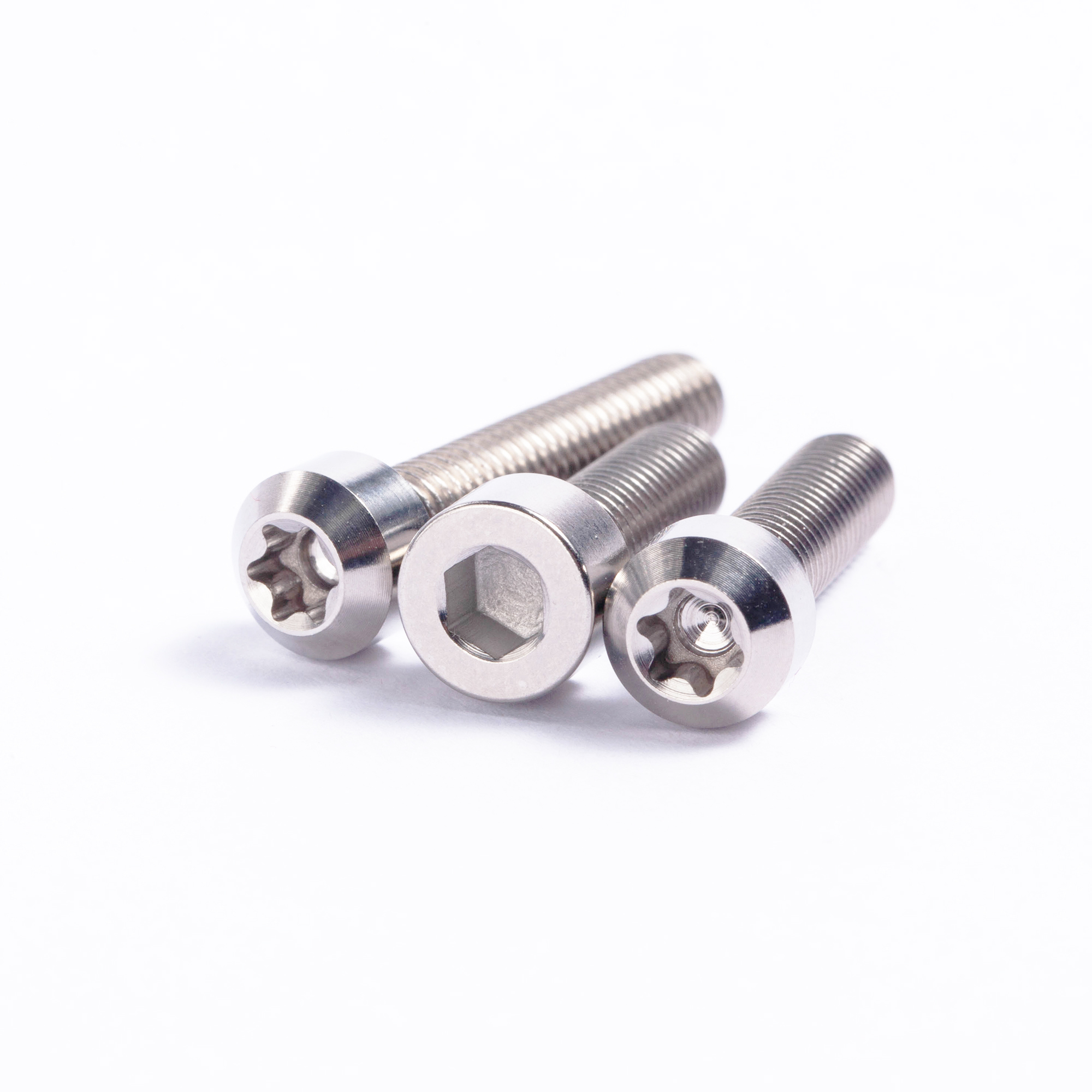
BST-TI Polished Titanium Alloy Gr5 DIN Hexagon Head Bolts M7 M5x80
View Product Details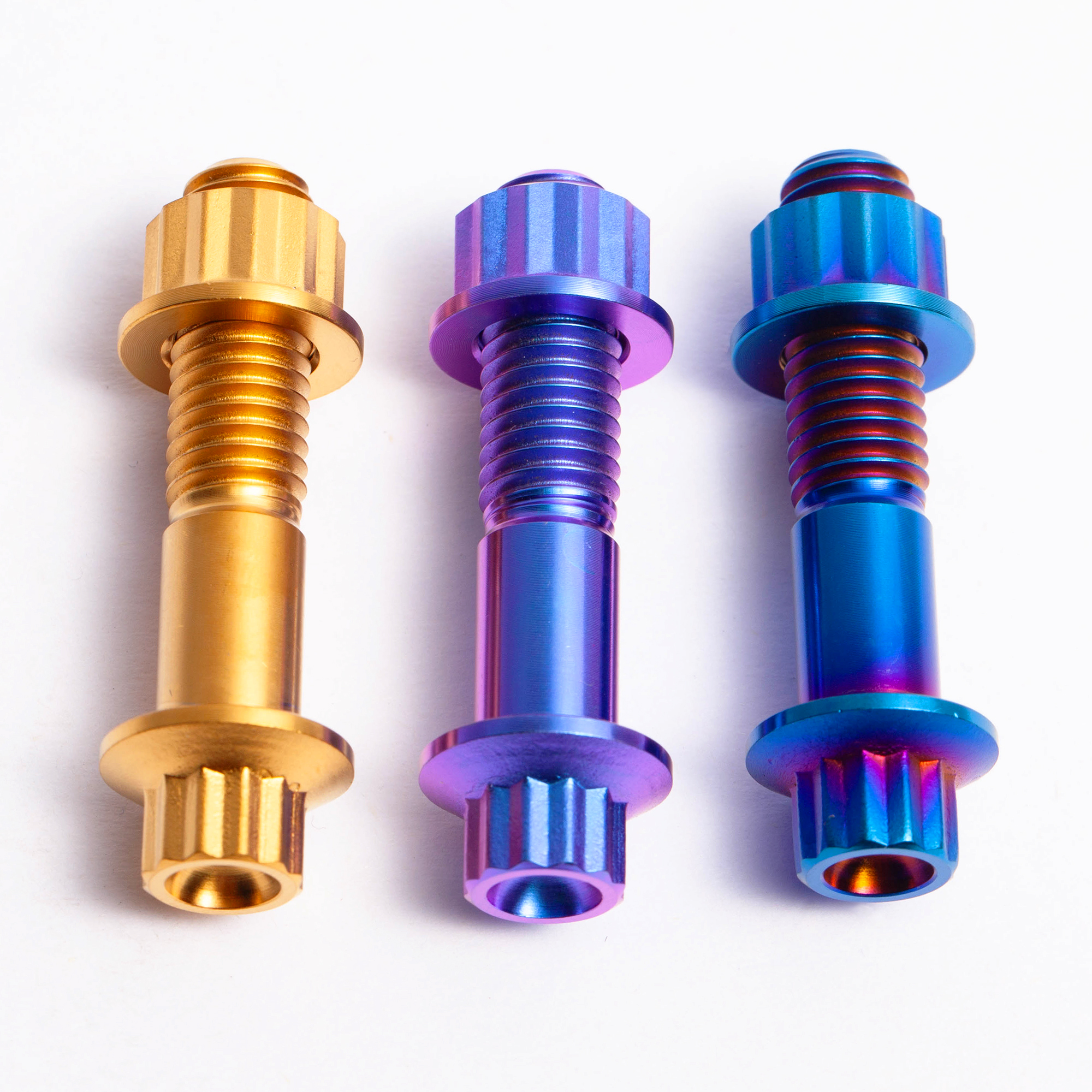
GR5 Titanium Alloy Double Stud Fastener CNC Screws M8/M10 Plain Finish
View Product Details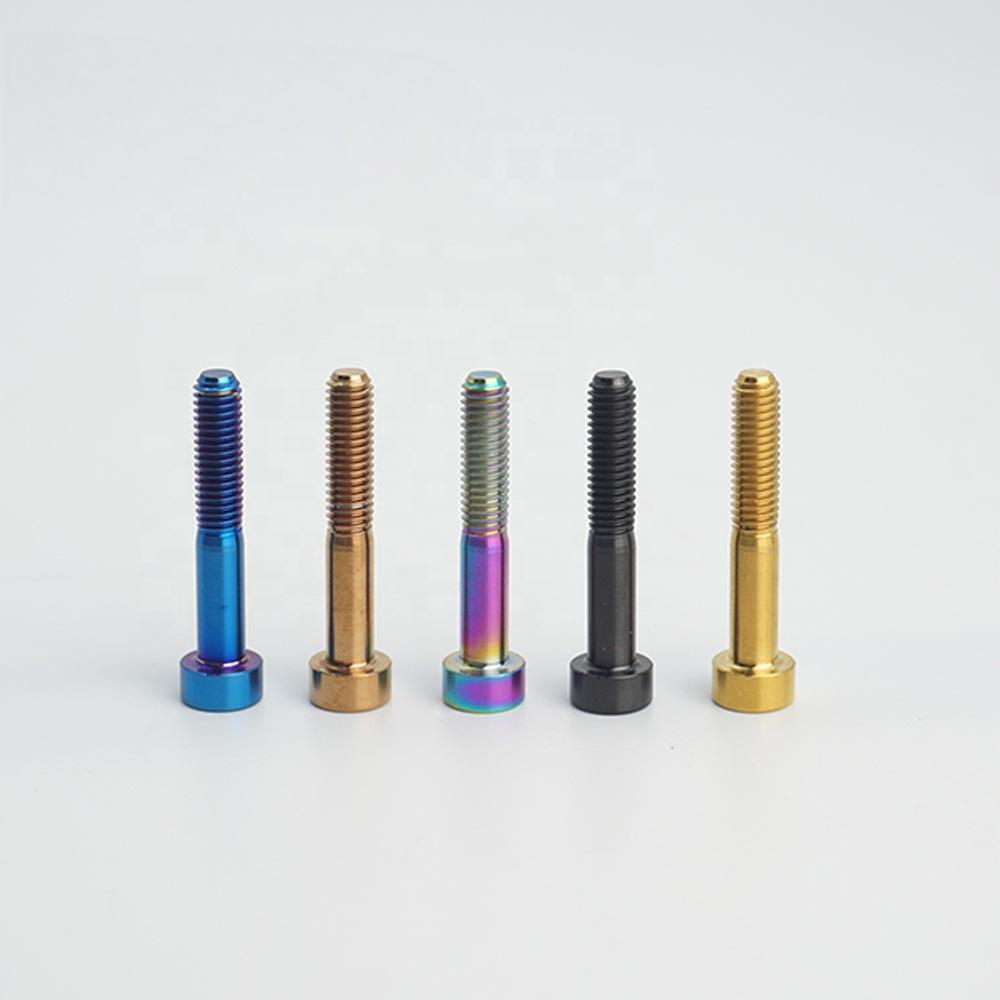
Titanium CNC Hex Button Head Bolts Black Oxide Finish M5 M6
View Product Details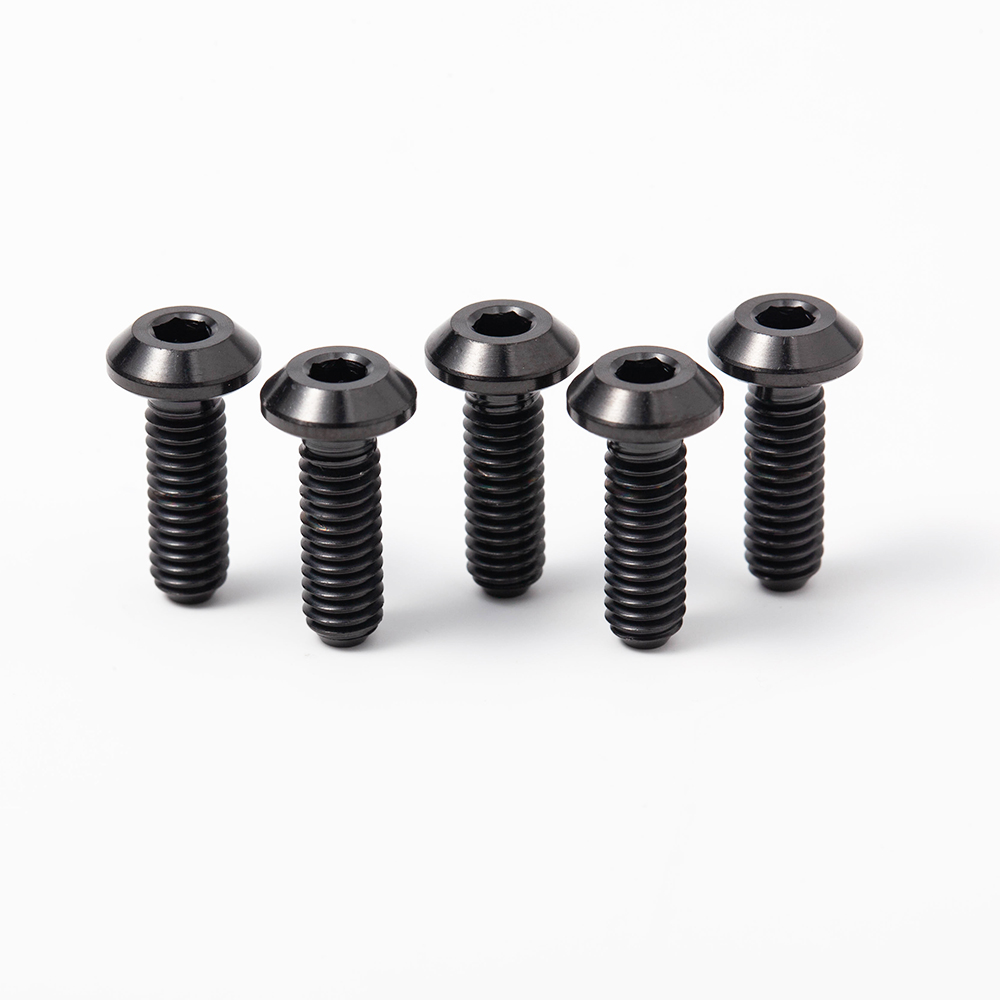
BST_TI Titanium Alloy Anodized Countersunk Head Bolts UNF M8*25
View Product Details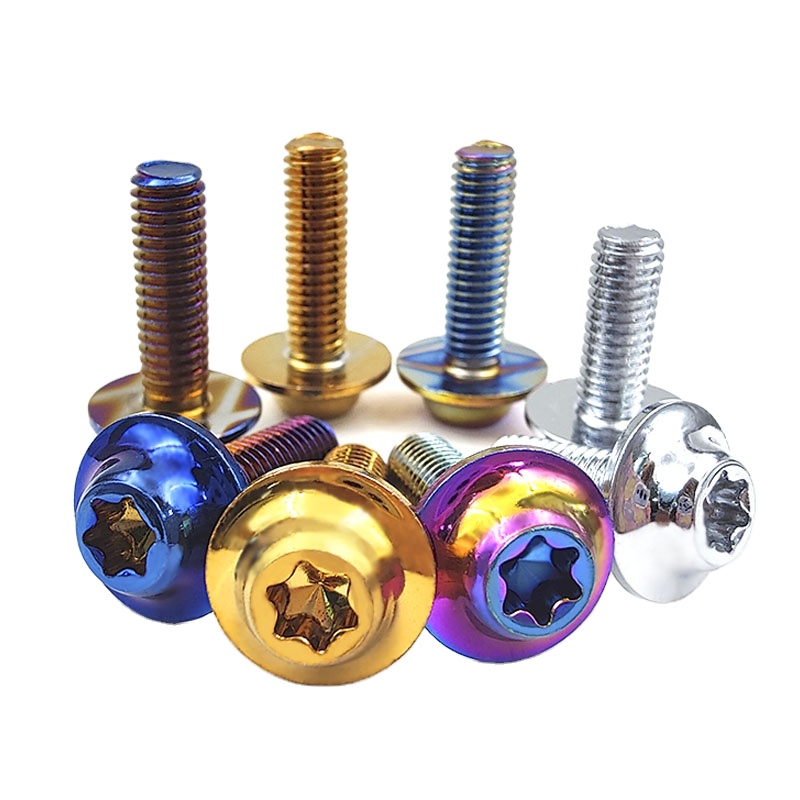
Titanium Alloy GR5 Disc Brake Rotor Bolts ISO Standard ISO Studs
View Product Details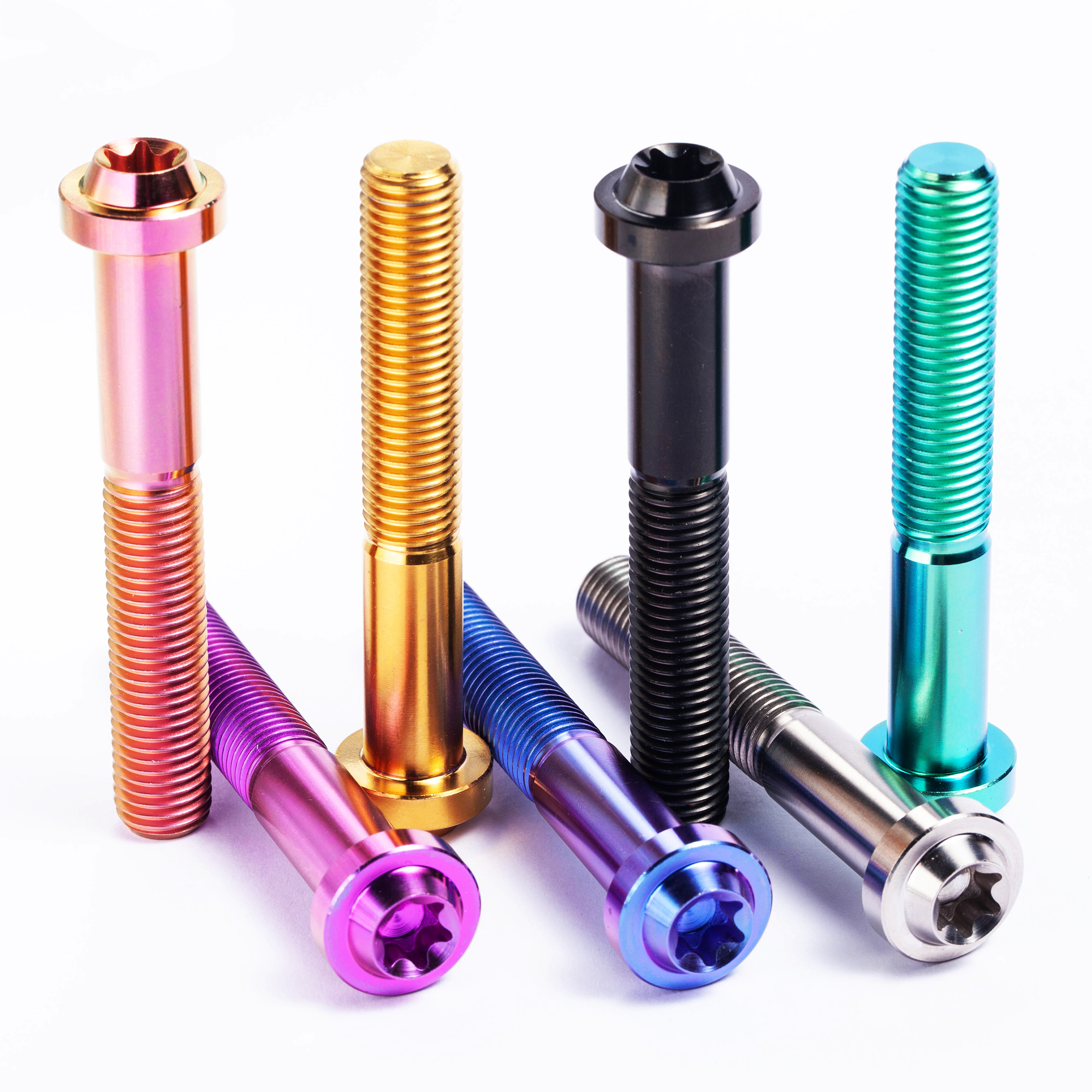
DIN912 Metric Bolts M2-M8 Grade 9 Titanium Alloy Hex Head Fasteners
View Product Details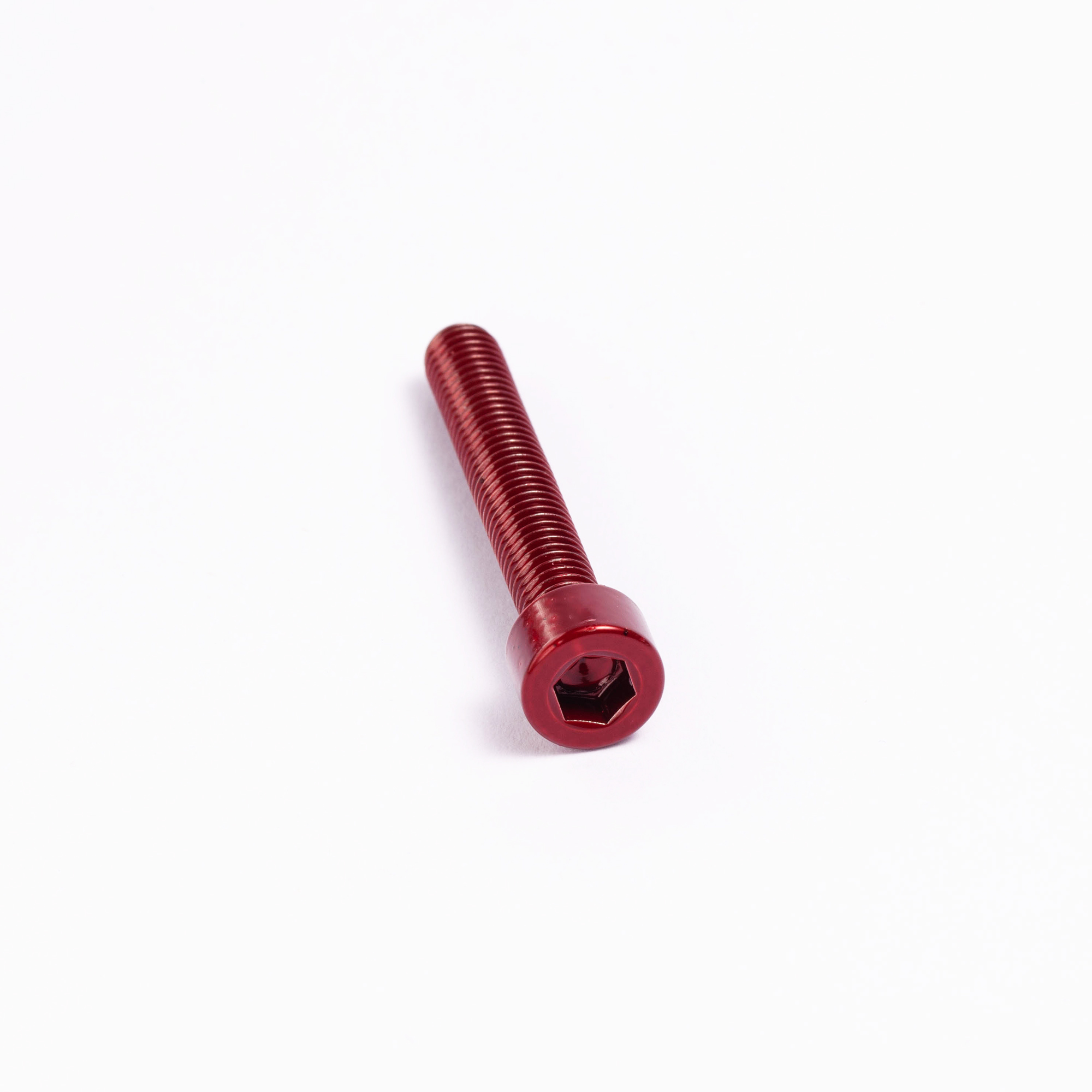
BST-TI Titanium Alloy Red Cylindrical Hexagon Socket Head Bolts
View Product Details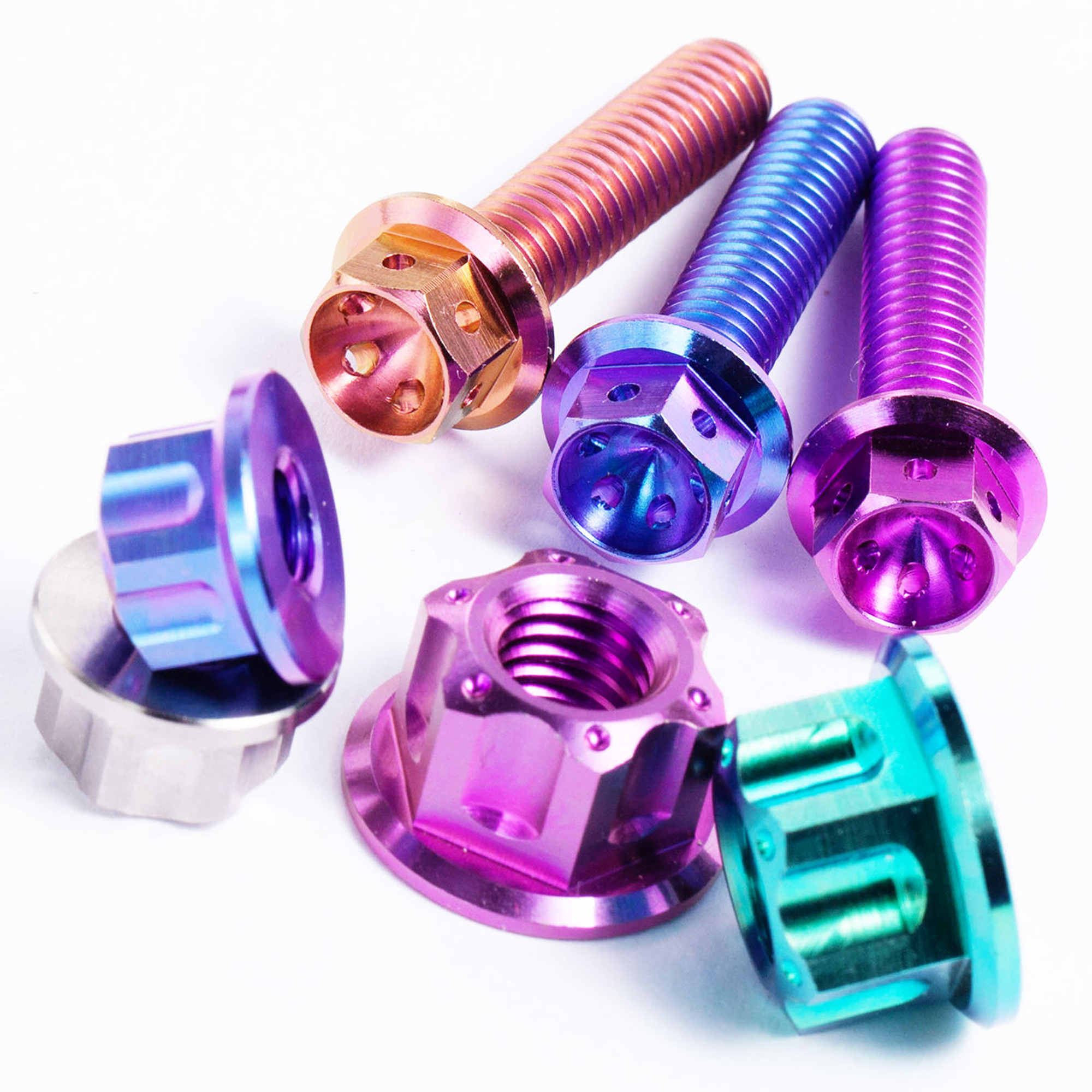
Titanium Alloy GR5 Hexagon Head Anodized Bolts & Nuts M6-M12 DIN6921
View Product DetailsEngineering Principles of Medical Titanium Bone Plates & Fixation Systems
An analytical guide for orthopedic implant procurement directors, biomedical product managers, and contract manufacturing engineers evaluated against international standards (ASTM F136, ASTM F67, ISO 5832-3).
Biomechanical Superiority: Mitigating Stress Shielding
The primary mechanical failure mode in long-bone trauma reduction is biomechanical mismatch between structural metals and human cortical bone. Stainless steel (316L) exhibits an elastic modulus of ~210 GPa, creating severe "stress shielding" where the rigid implant absorbs all mechanical loads, leading to localized bone resorption and delayed non-union healing.
By contrast, ASTM F136 Ti-6Al-4V ELI (Extra Low Interstitial) features a modulus of elasticity of ~110 GPa—nearly half that of steel. This closer alignment with human cortical bone (10–30 GPa) permits physiological micro-motion across fracture lines, stimulating callus formation via Wolff's Law while maintaining structural stability against torsional and bending stresses.
Biocompatibility & In-Vivo Corrosion Immunity
In human physiological environments containing aggressive chloride ions, titanium spontaneously forms a passivating oxide layer ($TiO_2$) within nanoseconds. This dielectric oxide skin prevents galvanic degradation and metal ion leaching ($Fe, Cr, Ni$), mitigating foreign body inflammatory cascades, tissue necrosis, and cytotoxic hypersensitivity.
For permanent osteosynthesis and complex trauma reconstruction, Grade 2 and Grade 4 commercially pure titanium (ASTM F67) deliver unmatched ductile conformability during intraoperative contouring, while Grade 5 Ti-6Al-4V ELI offers yield strengths exceeding 795 MPa, making it ideal for high-load locking compression plates (LCP).
Biomedical Material Standard Comparison Matrix
| Material Standard | Composition / Grade | Density (g/cm³) | Tensile Strength (MPa) | Yield Strength (MPa) | Elastic Modulus (GPa) | Primary Clinical Indication |
|---|---|---|---|---|---|---|
| ASTM F136 / ISO 5832-3 | Ti-6Al-4V ELI (Grade 23) | 4.43 | ≥ 860 | ≥ 795 | 110 | High-Load Trauma Plates, Locking Screws |
| ASTM F67 Grade 4 / ISO 5832-2 | CP Titanium Grade 4 | 4.51 | ≥ 550 | ≥ 483 | 105 | Mandibular, Craniofacial, Reconstructive Plates |
| ASTM F67 Grade 2 / ISO 5832-2 | CP Titanium Grade 2 | 4.51 | ≥ 345 | ≥ 275 | 102 | Small Fragment Mesh, Low-Load Fixation |
| ASTM F138 (Reference) | 316L Stainless Steel | 7.98 | ≥ 860 | ≥ 690 | 210 | Legacy Structural Hardware (Higher Stress Shielding) |
Industrial Manufacturing Rigor & OEM/ODM Capacity
Integrating medical-grade multi-axis CNC machining, optical inspection systems, and documented batch traceability under ISO 9001:2015 and ISO 13485 frameworks.
Multi-Axis Swiss CNC Machining
Our production floor houses high-precision 5-axis CNC machining centers and Japanese Citizen Swiss lathe machines capable of machining sub-millimeter locking plate holes, self-tapping screw threads, and dynamic compression slots (DCP) with tight tolerances down to ±0.005 mm.
Surface Finishing & Type II Anodization
Bone plate performance relies heavily on anti-galling surface properties. We provide Type II anodic oxidation treatments (generating a non-decorative grey $TiO_2$ micro-crater surface) which reduces friction coefficients between locking screws and plate threads by up to 60%, eliminating intraoperative thread cold-welding.
Traceability & Material Certification
Every batch of raw titanium bar stock is issued with certified Mill Test Certificates (MTC) conforming to EN 10204 3.1. We conduct full chemical composition spectral analysis, tensile testing, and ultrasonic flaw detection prior to machining to guarantee zero internal void inclusion.
Global Procurement & Technological Trends in Titanium Bone Plates
How evolving clinical practices, additive manufacturing hybrids, and stringent medical regulatory shifts are transforming global OEM bone plate supply chains.
1. Shift Toward Anatomic Locking Compression Systems (ALCP)
Traditional non-locking straight plates requiring manual intraoperative bending are rapidly giving way to pre-contoured Anatomic Locking Compression Plates (ALCP). These systems feature fixed-angle thread-locking interfaces that act as external fixators, preserving periosteal blood supply and drastically reducing surgical operating room (OR) times. Contract manufacturers in China must maintain extensive multi-cavity tooling and flexible 5-axis programming to supply anatomically contoured distal radius, proximal humerus, and distal femur plate geometries.
2. Hybrid Additive-Subtractive Manufacturing Platforms
The convergence of Electron Beam Melting (EBM) / Selective Laser Sinking (SLM) porous titanium structures with high-precision CNC subtractive thread-milling represents the future of orthopedic implants. Modern bone plates incorporate trabecular 3D porous surface zones (pore size 300-600 μm) on bone-facing surfaces to promote direct osseointegration, while critical thread interfaces and screw holes are CNC milled to exact mechanical tolerances.
3. Bio-Active Surface Modifications & Antibacterial Coatings
Post-operative surgical site infections (SSI) represent significant healthcare burdens. Advanced manufacturing trends focus on functionalizing titanium bone plate surfaces via Micro-Arc Oxidation (MAO) combined with nano-structured silver ($Ag$) or copper ($Cu$) ion implantation. These coatings release antimicrobial agents locally while retaining biocompatibility, offering Chinese manufacturers a high-value differentiator for B2B global exports.
Step-by-Step Bone Plate Manufacturing & Quality Protocol
Ensuring zero-defect execution from raw ingot verification through final sterile packaging.
Raw Material Inspection
Spectrometric chemistry verification (ASTM F136 interstitial elements: $O \le 0.13\%, N \le 0.05\%, H \le 0.012\%$) and ultrasonic bar testing.
5-Axis Precision Milling
High-speed CNC profile milling, dynamic compression slotting, and precise micro-thread turning for locking screw holes.
Automated Deburring
Multi-stage centrifugal mass finishing and magnetic polishing to remove all micro-burrs and edge stress raisers.
Type II Anodization
Electrochemical surface conversion creating anti-galling oxide layers and micro-surface stabilization.
CMM & Optical Inspection
100% video measuring machine (VMM) and CMM dimensional profiling against OEM CAD blueprints.
Cleanroom Packaging
Ultrasonic degreasing, pyrogen-free DI water rinsing, and sealing in Class 100,000 cleanroom environments.
Frequently Asked Questions for B2B Buyers & Distributors
Addressing essential technical, quality, and commercial inquiries regarding titanium bone plate sourcing.
What is the difference between ASTM F136 (Ti-6Al-4V ELI) and standard Grade 5 titanium for medical implants?
Can Jiaxing Wexra manufacture custom bone plates directly from our engineering STEP/IGES drawings?
How does your factory prevent thread galling between titanium locking screws and titanium bone plates?
What regulatory compliance documentation and certificates accompany wholesale shipments?
What are the typical Minimum Order Quantities (MOQ) and lead times for OEM trauma plate orders?
Partner with a Leading China Titanium Bone Plate Supplier
Whether you require standard locking compression plates, micro fragment reconstruction meshes, or custom OEM medical device machining, our engineering team is standing by to review your blueprints and provide competitive wholesale factory pricing.
Send an Inquiry