Engineered Precision Titanium Components
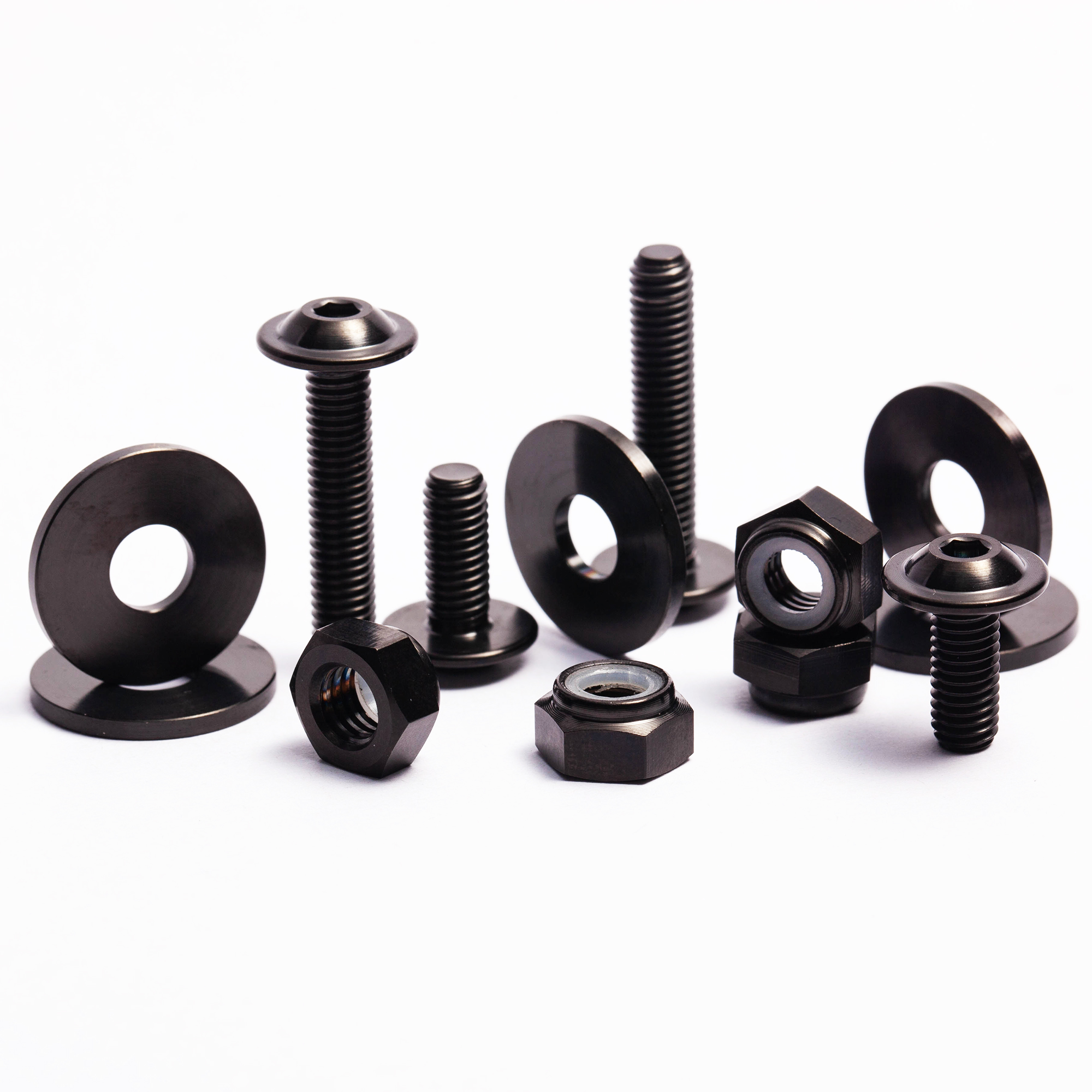
Explore our flagship CNC-turned and thread-rolled titanium hardware crafted to exact ISO 9001 and aerospace standards.
Why Global OEMs Partner with Wexra Titanium
Specialized material mastery, advanced multi-axis CNC turning, and stringent quality control protocols.
Aerospace Grade Alloys
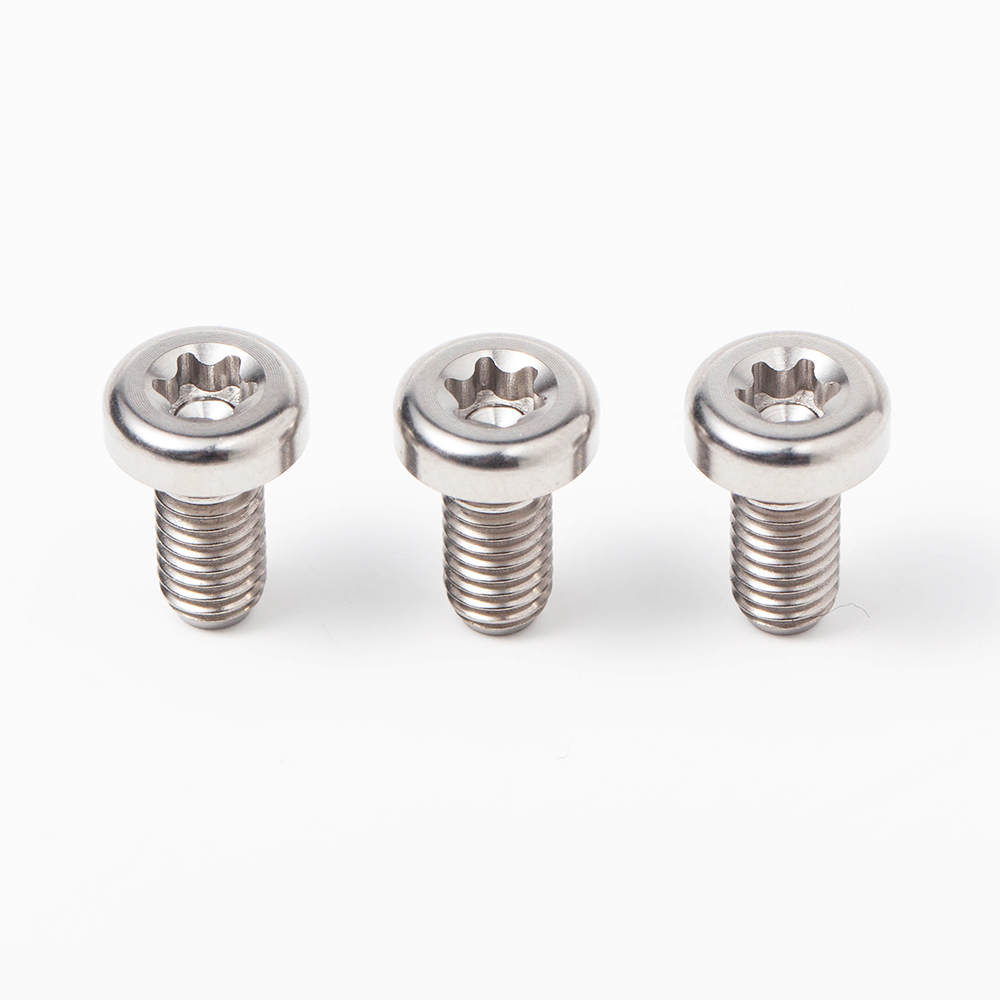
We source certified Grade 2 (CP Titanium) and Grade 5 (Ti-6Al-4V) raw titanium bar stock with full chemical and mechanical Mill Test Certificates (MTC) adhering to ASTM B348 and AMS 4928 standards.
High-Precision Turning
Equipped with high-rigidity Swiss-type CNC automatic lathes and multi-axis turning-milling centers, we achieve critical tolerances down to ±0.01 mm with exceptional surface finishes (Ra 0.8–0.4 µm).
Thread Rolling vs. Cutting
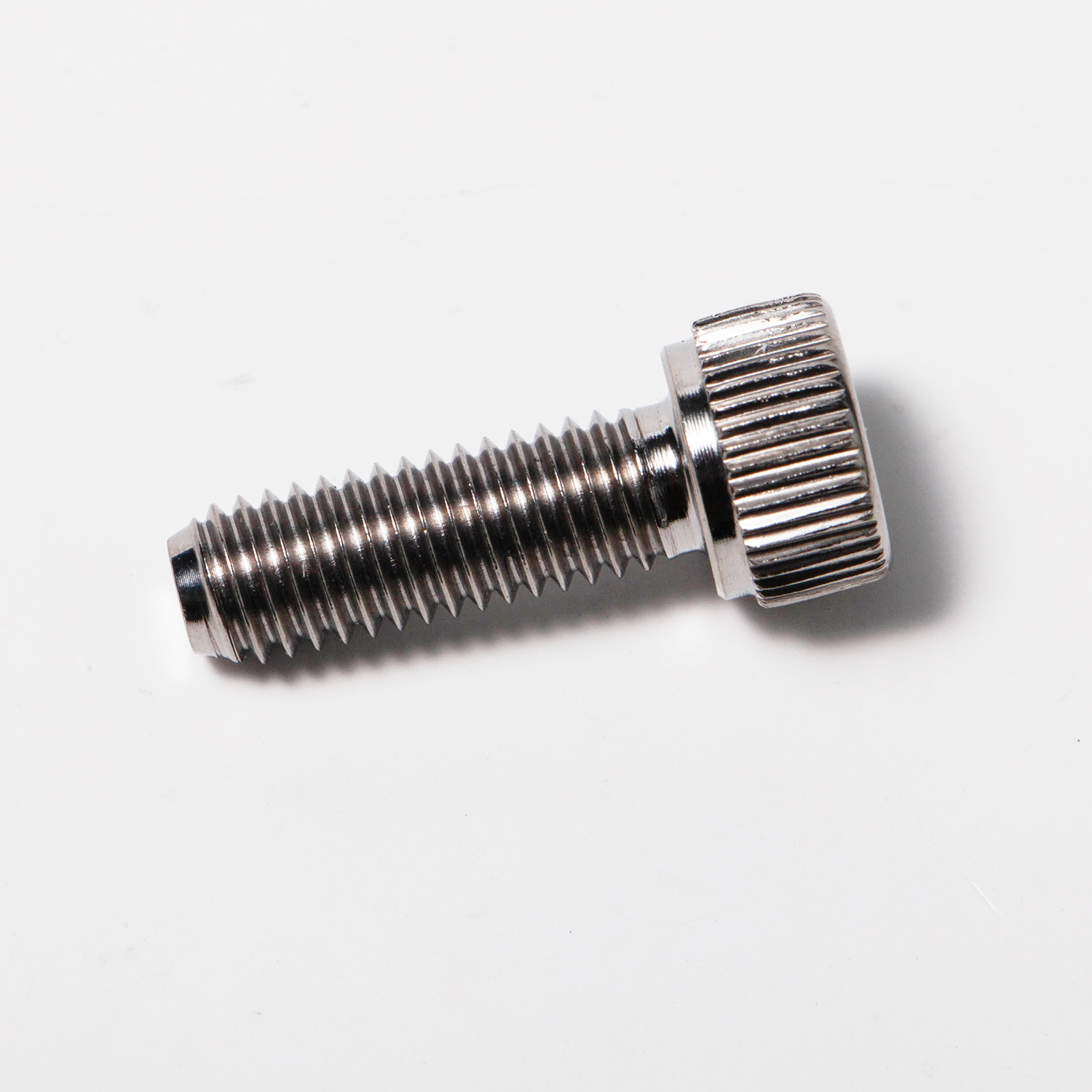
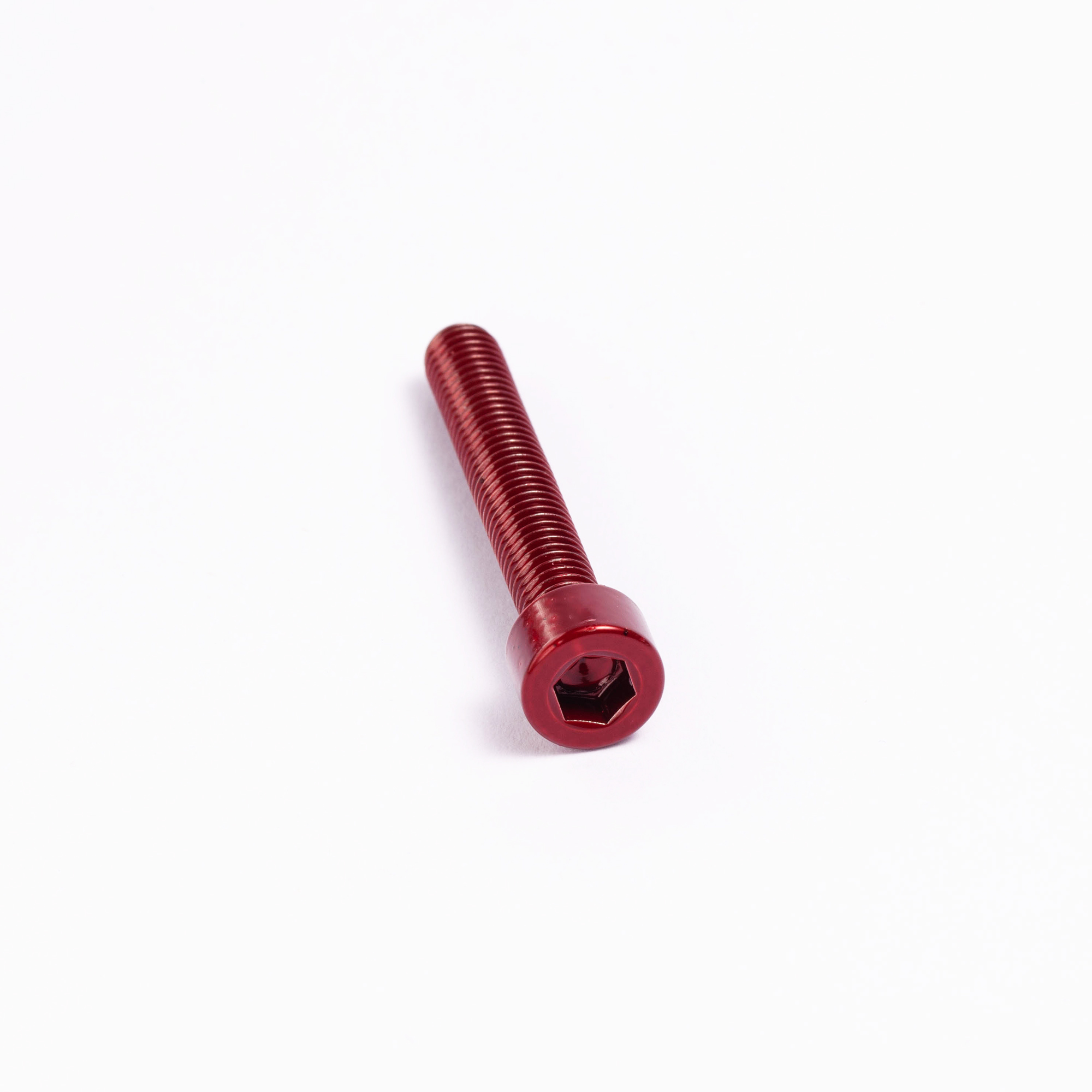
For critical structural bolts and wheel lug studs, our factory utilizes cold thread rolling machines. Rolled threads generate continuous grain flow, increasing fatigue strength by up to 30% over standard cut threads.
Technical Whitepaper: Precision OEM Titanium CNC Turning & Hardware Engineering
In modern high-performance engineering—spanning aerospace structural assemblies, automotive racing powertrains, medical implants, and premium marine systems—the demand for materials that offer an optimal strength-to-weight ratio combined with extreme environmental degradation resistance has driven a global migration from traditional stainless steel and alloy steels to titanium. As a premier **Custom OEM Titanium CNC Turning Manufacturer & Factory**, Jiaxing Wexra Titanium Products Co., Ltd. operates at the intersection of metallurgical science, precision manufacturing, and strategic component design.
1. Metallurgical Dynamics of Titanium Turning
Machining titanium alloys such as Grade 5 (Ti-6Al-4V) presents unique manufacturing engineering challenges that differentiate it fundamentally from turning mild steels or aluminum alloys. Titanium exhibits low thermal conductivity (~6.7 W/m·K for Ti-6Al-4V compared to ~52 W/m·K for carbon steel). During high-speed CNC turning operations, generated friction heat cannot dissipate effectively through the workpiece or chips. Instead, heat concentrates almost entirely at the cutting edge of the carbide tool.
Furthermore, titanium maintains a relatively low modulus of elasticity (~114 GPa for Grade 5 vs. ~210 GPa for alloy steel), meaning turned slender shafts or thin-walled tubular components tend to deflect under tool pressure. Overcoming these elastic deflections requires specialized cutting geometries, ultra-sharp PVD-coated carbide tooling, customized tool nose radii, and high-pressure coolant (HPC) systems operating at 70+ bar.
| Material Grade | Tensile Strength (MPa) | Yield Strength (MPa) | Density (g/cm³) | Thermal Cond. (W/m·K) | Key Machining & Application Focus |
|---|---|---|---|---|---|
| Titanium Grade 2 (CP) | 345 - 480 | 275 - 410 | 4.51 | 21.9 | Excellent formability, max corrosion resistance; Chemical processing, marine, non-structural fittings. |
| Titanium Grade 5 (Ti-6Al-4V) | 895 - 1100 | 828 - 910 | 4.43 | 6.7 | High strength structural alloy; Motorsport suspension, brake caliper bolts, engine valves, aerospace fasteners. |
| Ti-6Al-4V ELI (Grade 23) | 860 - 960 | 790 - 830 | 4.43 | 6.7 | Extra Low Interstitial variant; Enhanced damage tolerance, surgical bone screws, cryogenic pressure vessels. |
| Stainless Steel 316L (Baseline) | 515 - 620 | 220 - 310 | 8.00 | 16.3 | Standard industrial reference; 80% heavier than titanium, prone to chloride pitting corrosion over long-term. |
| Alloy Steel Class 10.9 (Baseline) | 1040 - 1200 | 940 - 1000 | 7.85 | 42.6 | High-strength automotive bolt standard; Heavy mass, requires anti-corrosion plating (zinc/dacromet) susceptible to failure. |
2. Precision Threading Technology: Cut vs. Rolled Threads
In high-vibration applications such as motorcycle brake disc mountings, wheel lug studs, and engine block fasteners, thread fatigue failure is a paramount hazard. Standard CNC thread turning (single-point cutting) cuts across the crystalline grain structure of the titanium bar, creating micro-notches that act as stress concentration points under tensile cyclical fatigue.
To solve this, Wexra Titanium integrates cold thread rolling processes for all high-tensile bolt lines. Cold thread rolling physically displaces metal past its yield point without severing the internal grain lines. The rolled profile creates continuous compressive residual stress at the thread root, significantly increasing work hardening and elevating thread fatigue endurance limits by 20% to 30%.
3. Surface Treatment Engineering: Electrochemical Anodizing & PVD Coatings
Titanium naturally forms a microscopic passive oxide film ($TiO_2$) when exposed to oxygen, providing its inherent immunity to seawater, nitric acid, and atmospheric corrosion. To enhance functional properties and aesthetic appeal, our facility offers advanced electrochemical anodizing (Type II and Type III) and Physical Vapor Deposition (PVD) titanium nitride coatings.
Anodizing Type II (AMS 2488): Produces a wear-resistant non-decorative oxide layer that reduces galling tendencies when titanium threads engage aluminum or steel female threads.
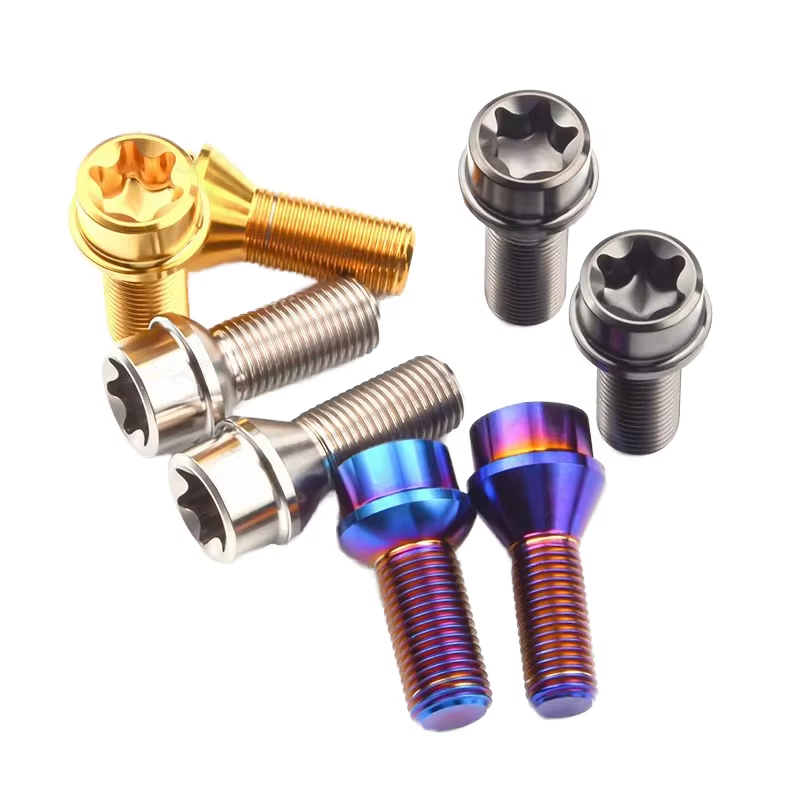
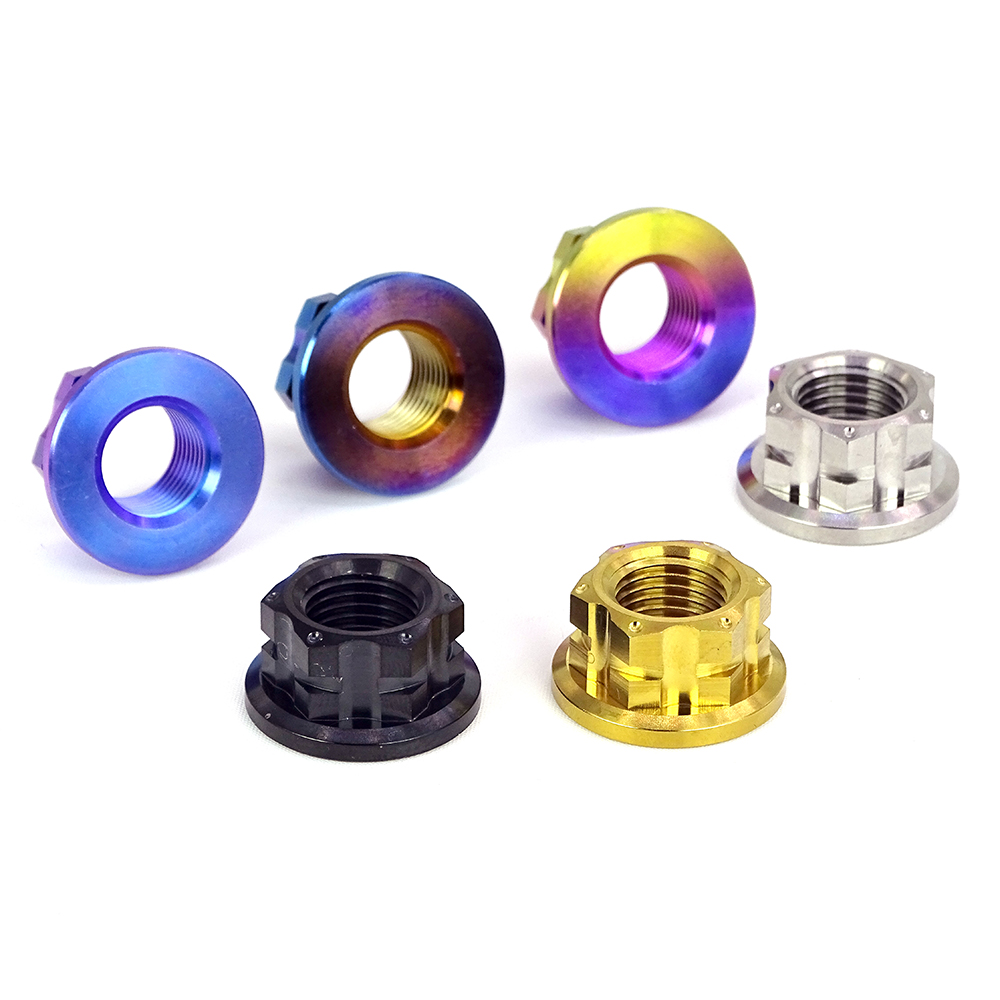
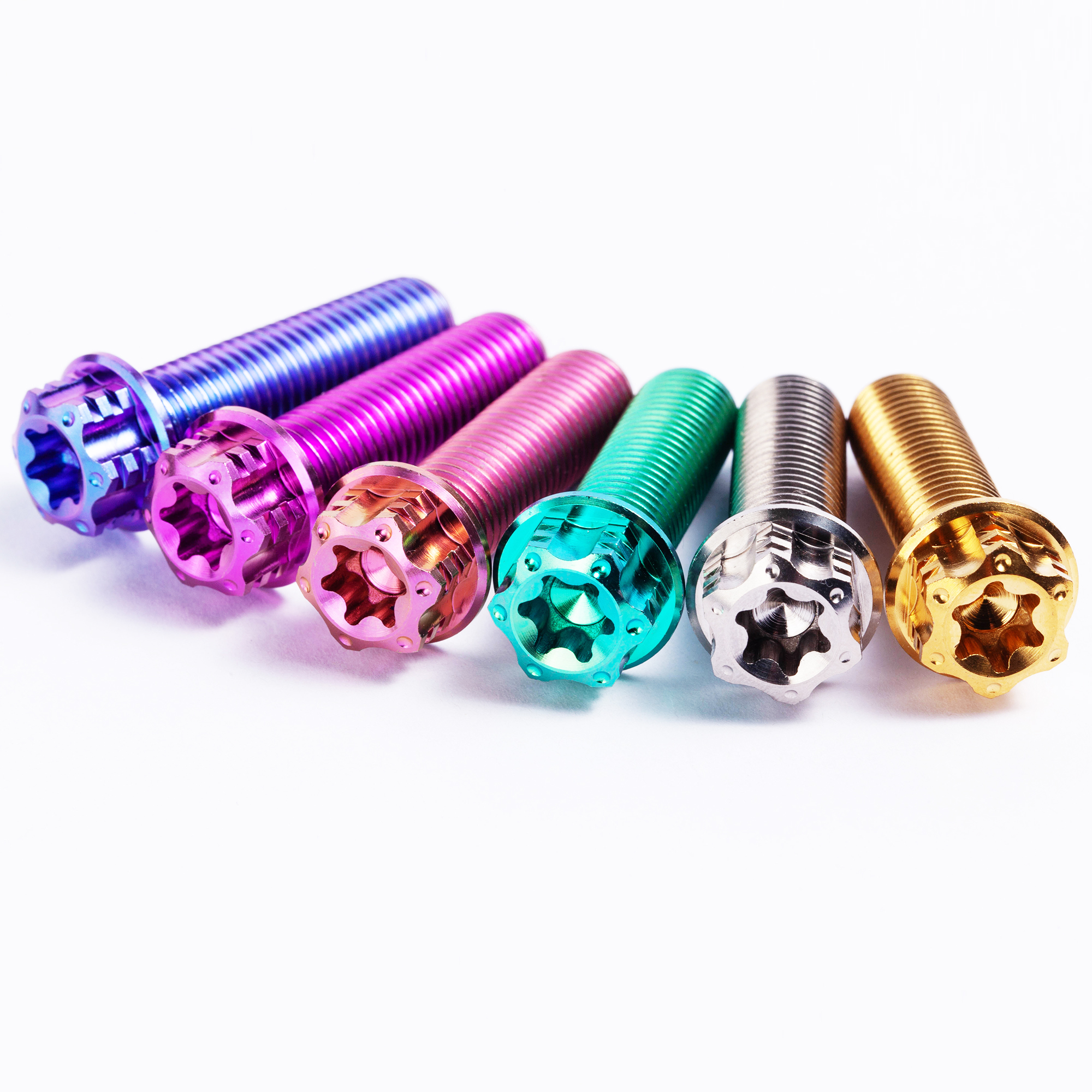
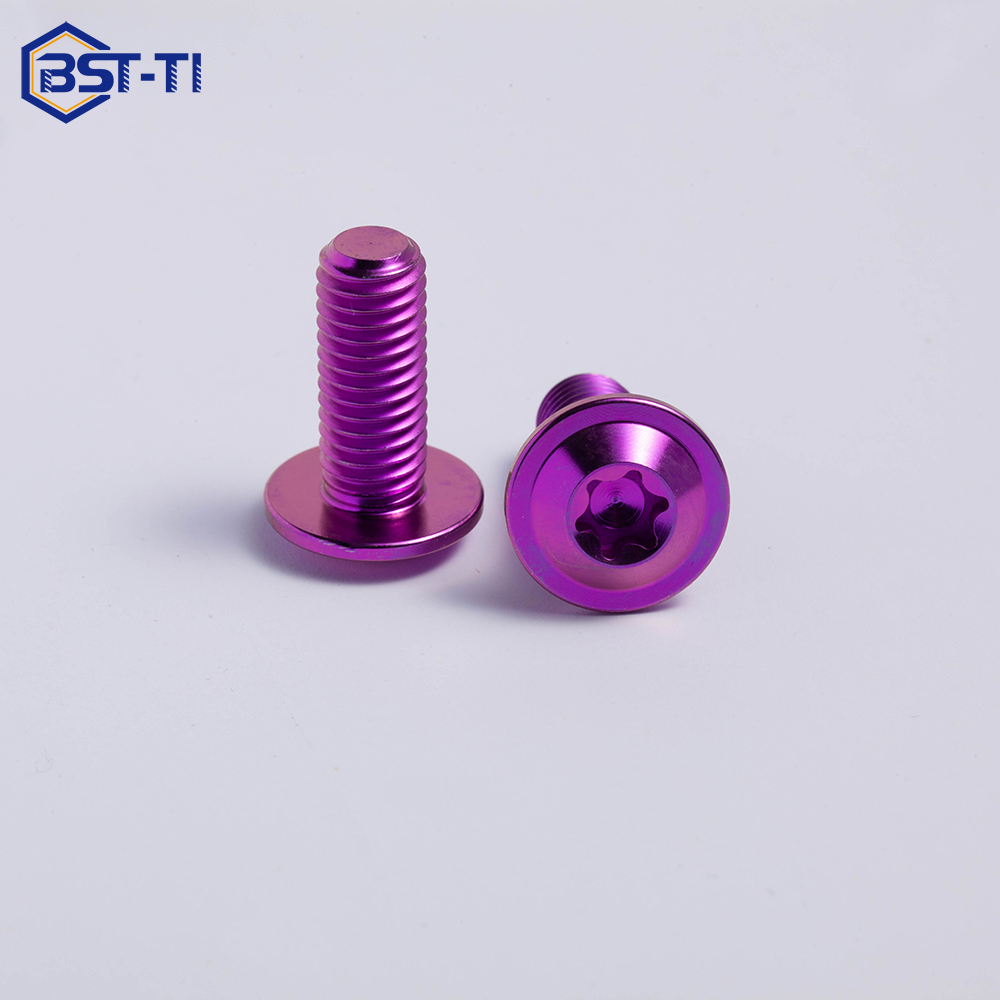
Color Anodizing (Type III): Uses precise voltage control in conductive electrolyte baths to modify the interference layer of light reflected off the titanium surface. This allows us to achieve vibrant, permanent colors—including gold, electric blue, purple, violet, and multi-tone rainbow finishes—without adding organic dyes or measurable dimensional thickness.
Future Sourcing Trends in Custom Titanium CNC Turning (2025–2030)
As global industrial manufacturing undergoes rapid transformation driven by electrification, decarbonization, and digital supply chains, B2B procurement leaders must anticipate several critical shifts in titanium component sourcing:
1. Accelerated Demand in Electric Mobility & Lightweighting
With the rapid adoption of Battery Electric Vehicles (BEVs), urban air mobility (eVTOL), and high-performance e-bikes, mass reduction directly equates to extended battery range and higher efficiency. Sourcing managers are increasingly replacing stainless steel chassis hardware with turned Grade 5 titanium, reducing unsprung weight on suspension arms and wheel assemblies.
2. Adoption of Additive-Subtractive Hybrid Manufacturing
The manufacturing landscape is evolving from pure subtractive CNC turning to hybrid workflows. Complex titanium preforms produced via Electron Beam Melting (EBM) or Selective Laser Sintering (SLS) are post-processed on 5-axis CNC turning centers to achieve sub-micron critical bearing seats and precision-rolled threads.
3. Supply Chain Traceability & ESG Compliance
International regulations (including EU REACH, RoHS, and German Supply Chain Due Diligence) require full material origin transparency. Modern buyers require suppliers to provide digitized 3.1 Material Test Certificates linked via QR codes or ERP databases, proving ethically sourced raw titanium sponge without heavy metal contaminants.
Frequently Asked Questions (FAQ)
Direct technical insights to assist procurement managers, mechanical engineers, and hardware buyers.
What is the difference between Grade 2 and Grade 5 titanium for CNC turning?
How do you prevent thread galling on titanium fasteners during assembly?
Can Wexra Titanium manufacture custom parts directly from my 3D CAD drawing?
What precision turning tolerances can your CNC facility maintain?
What quality inspection reports and certifications do you provide with shipments?
Does titanium anodizing alter thread dimensions or torque specifications?
What is the typical lead time for custom OEM titanium CNC turning orders?
Why choose thread rolling over single-point CNC thread cutting for titanium bolts?
Ready to Partner with a Professional Titanium Turning Factory?
Submit your 2D/3D drawings or sample specs today. Our application engineers provide fast DFM feedback, material verification, and factory-direct pricing within 24 hours.
Get Catalog