Featured Precision Fasteners & OEM Engineered Components
Direct mill products and custom machined titanium solutions for global enterprise buyers.
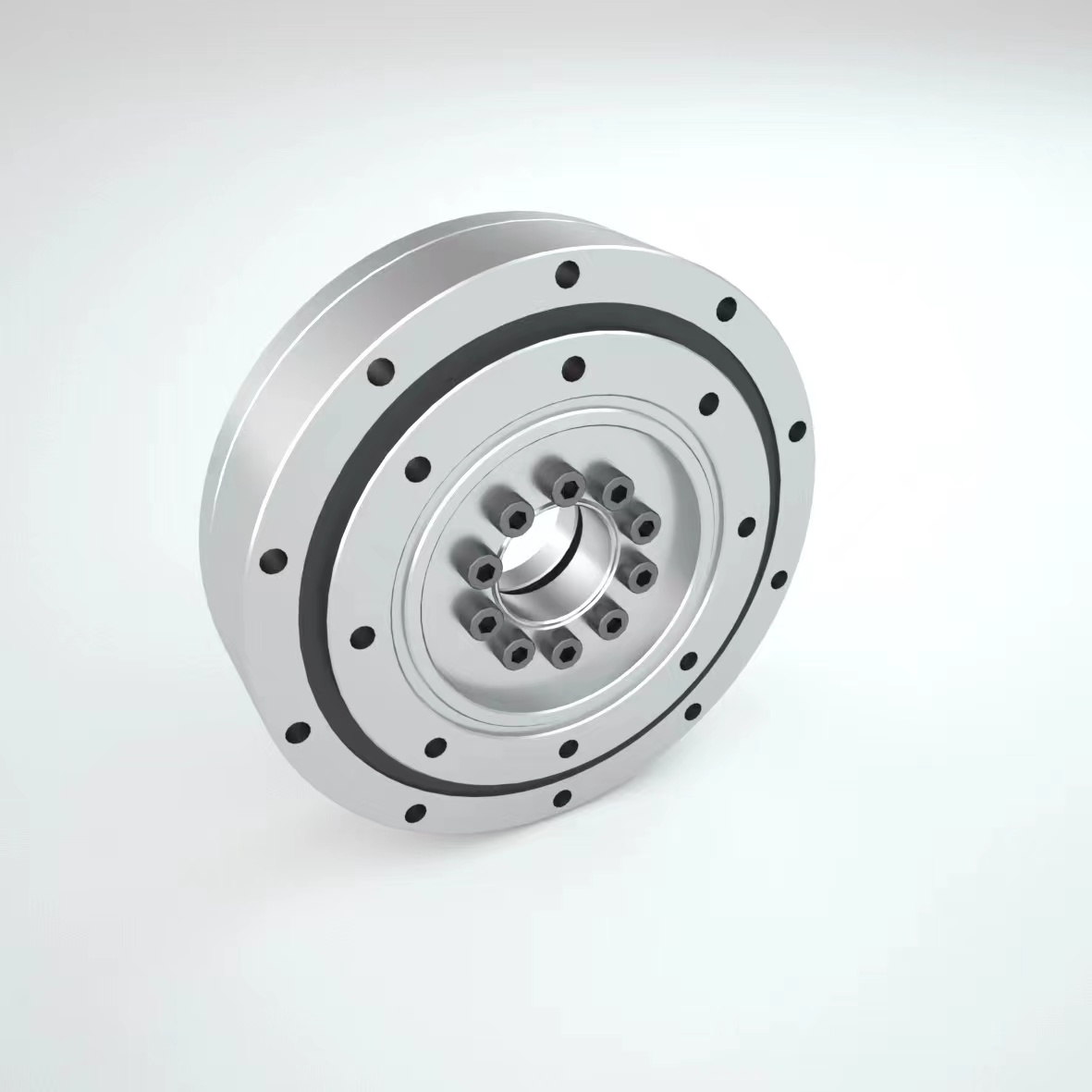
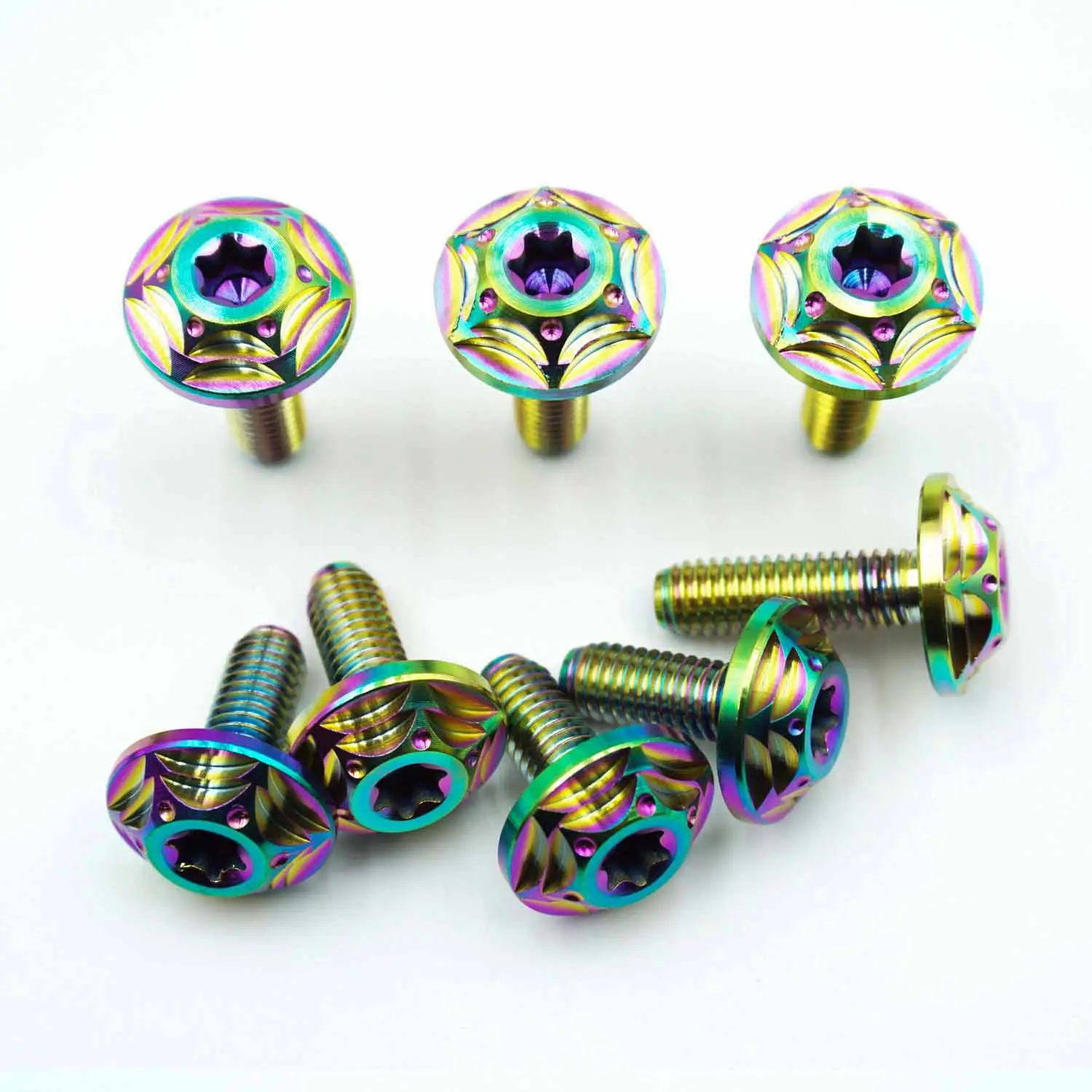
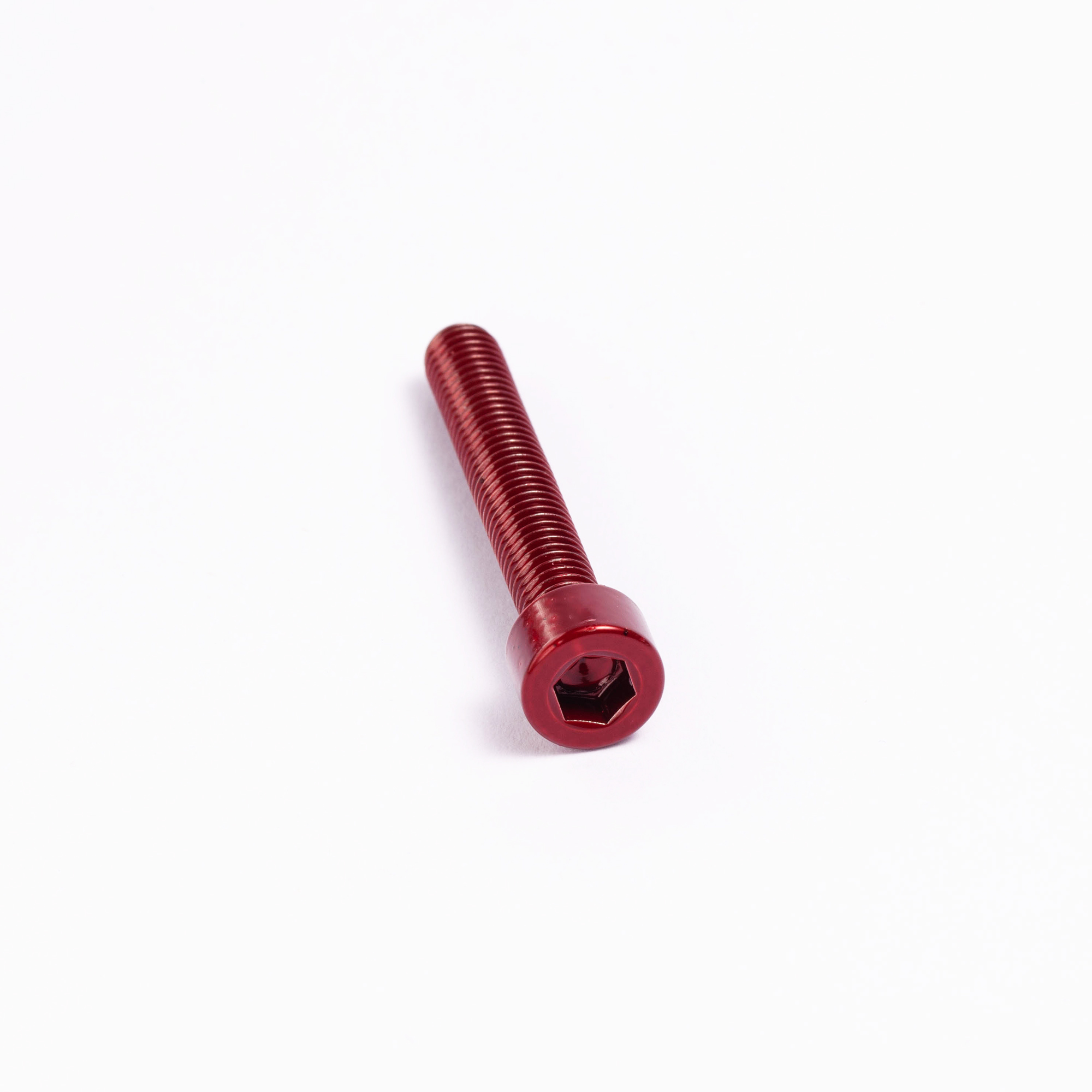
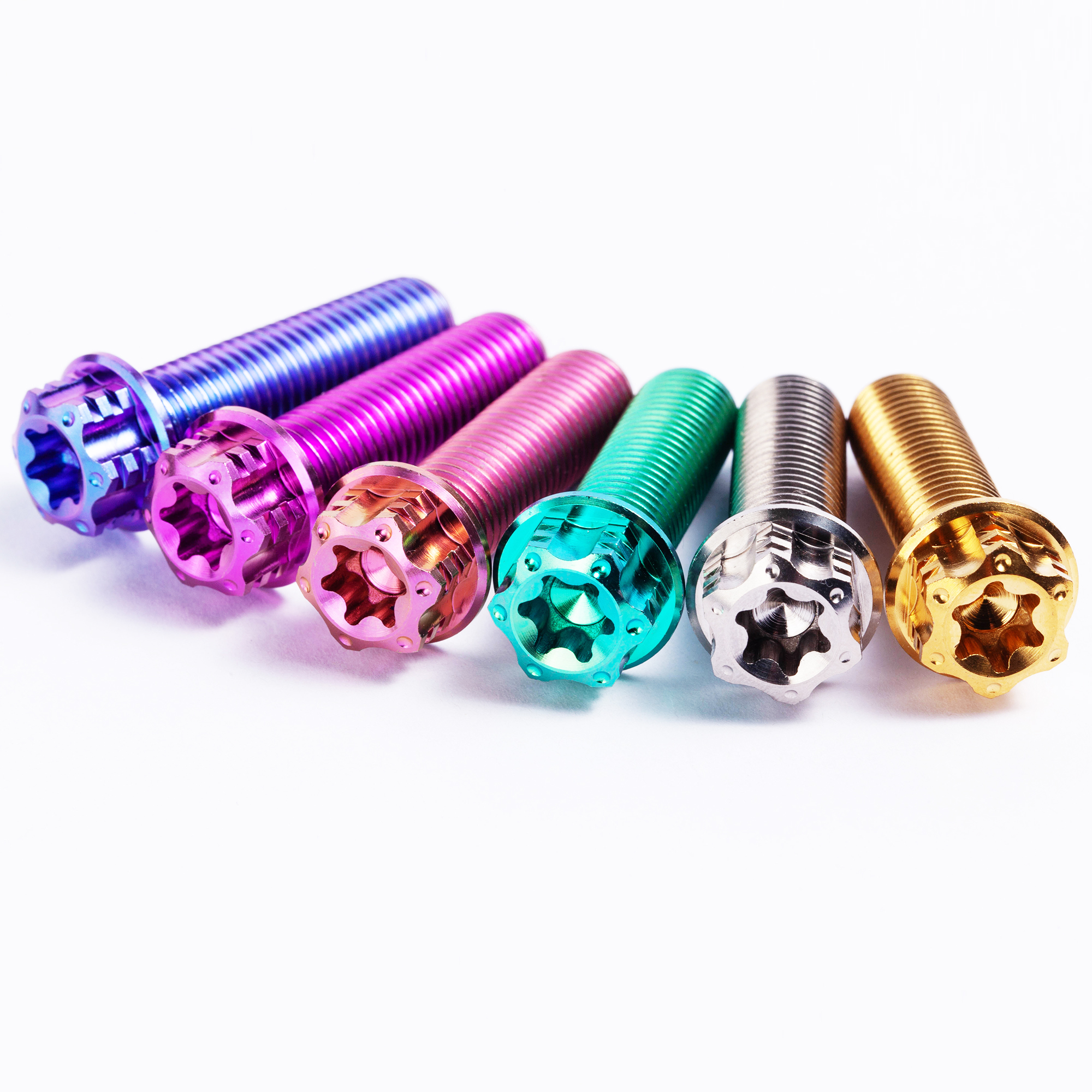
State of the Industry: Strategic Sourcing of Custom OEM Titanium Plates
In modern heavy industry, marine engineering, aerospace manufacturing, and advanced medical equipment, material selection directly dictates performance boundaries, structural longevity, and operating efficiency. As global OEMs transition away from heavy stainless steels and temperature-vulnerable aluminum alloys, titanium plate metal has emerged as the definitive material solution.
Jiaxing Wexra Titanium Products Co., Ltd. operates at the forefront of titanium metallurgy and precision manufacturing. Recognizing that enterprise procurement teams require more than off-the-shelf stock, our production infrastructure is optimized for bespoke OEM/ODM fabrication. Whether your technical parameters require commercially pure Grade 1/Grade 2 titanium sheets for extreme chemical immersion or ultra-high strength Grade 5 (Ti-6Al-4V) structural plates for aerospace flight components, our engineering teams ensure exact alloy purity, tight mechanical tolerances, and full EN 10204 3.1 traceability.
Metallurgical Breakdown & Performance Matrix
To assist mechanical engineers and procurement directors in evaluating material properties, the matrix below details the structural and environmental characteristics of primary industrial titanium plate grades:
| Titanium Grade | Composition Classification | Density (g/cm³) | Tensile Strength (MPa) | Yield Strength (MPa) | Primary Industrial Applications |
|---|---|---|---|---|---|
| Grade 1 (CP) | Commercially Pure (Unalloyed) | 4.51 | 240 - 380 | 170 - 310 | Deep drawing, chemical processing, chlor-alkali cells |
| Grade 2 (CP) | Commercially Pure (Standard) | 4.51 | ≥ 345 | 275 - 450 | Marine heat exchangers, desalinization, industrial piping plates |
| Grade 5 (Ti-6Al-4V) | Alpha-Beta Titanium Alloy | 4.43 | ≥ 895 | ≥ 828 | Aerospace structures, motorsport chassis, high-stress OEM components |
| Grade 7 (Ti-Pd) | CP Titanium + 0.12-0.25% Palladium | 4.51 | ≥ 345 | 275 - 450 | Extreme acidic environment, flue-gas desulfurization, marine valves |
| Grade 12 (Ti-Mo-Ni) | High Temperature Alloy | 4.51 | ≥ 485 | ≥ 345 | High-temperature chemical vessels, elevated-heat heat exchangers |
| Grade 23 (Ti-6Al-4V ELI) | Extra Low Interstitial Alloy | 4.43 | ≥ 860 | ≥ 795 | Surgical implants, cryogenic pressure vessels, marine deep-sea equipment |
Custom OEM Processing Capabilities
From raw mill stock to complex tight-tolerance components, our factory utilizes end-to-end CNC machining, laser profiling, and specialized surface treatments.
Precision CNC Turning & Milling
Our multi-axis CNC machining centers achieve rigorous dimensional accuracy down to ±0.01 mm. Ideal for complex geometries, mounting hole arrays, chamfered edges, and recessed countersinks directly on titanium plates.
Waterjet & High-Precision Laser Profiling
To eliminate thermal distortion and grain structure degradation during cutting, we employ ultra-high-pressure abrasive waterjet systems alongside fiber lasers, ensuring clean, burr-minimized plate edges.
Electrolytic Anodizing & Surface Finishing
Enhance wear resistance and aesthetic appeal with localized titanium anodizing. Available in multiple functional colors (violet, cyan, gold, rainbow, and stealth black) without affecting tight thread or dimensional tolerances.
Future Strategic Trends in Global Titanium Plate Procurement
As global supply chains shift toward carbon neutrality, high-efficiency energy storage, and extreme-environment engineering, the demand dynamics for titanium plate metal are undergoing a foundational evolution. B2B procurement managers and system integrators must position their supply chains to align with three primary industry trends:
1. Green Hydrogen & Fuel Cell Bipolar Plates
Proton Exchange Membrane (PEM) electrolyzers require ultra-thin Grade 1 and Grade 2 titanium plates featuring custom micro-channel stamping and PVD platinum coatings. Titanium’s high overpotential resistance prevents degradation under aggressive electrochemical operations.
2. Aerospace Hybrid Structural Substrates
The acceleration of commercial space exploration and next-gen aviation turbofans demands thick Grade 5 plate forgings capable of withstanding extreme thermal shock cycles (-250°C to +400°C) while reducing total component mass by up to 45% versus steel.
3. Closed-Loop Supply Traceability & ESG
European and North American buyers increasingly enforce strict ESG compliance. OEM suppliers must guarantee non-conflict scrap recycling ratios, documented origin tracking, and full compliance with EU REACH and RoHS regulations.
Why Partner with Jiaxing Wexra Titanium Products Co., Ltd.
Established in 2018 in Jiaxing, Zhejiang, China, Wexra Titanium has grown into a premier specialized manufacturer and international exporter of titanium components, raw materials, and custom OEM plates.
Strict Quality System (ISO 9001:2015)
Our entire manufacturing pipeline operates under ISO 9001:2015 controls. Every batch of titanium plate undergoes chemical composition spectrographic analysis and ultrasonic flaw testing before dispatch.
Direct Export Knowledge
With a 91% export ratio, our key markets span the United States, Germany, the United Kingdom, Canada, and Australia. We handle custom tariff documentation, EPR Germany packaging compliance, and streamlined DDP/FOB logistics.
Full Traceability & Certification
We supply complete Mill Test Reports (MTC) conforming to EN 10204 3.1 standards, certifying mechanical yield, ultimate tensile strength, elongation, and chemical breakdown.
Frequently Asked Procurement Questions (FAQ)
Clear, expert answers to key engineering and purchasing inquiries regarding custom titanium plate supply.
Q: How do I determine whether Grade 2 or Grade 5 Titanium Plate is required for my application?
Answer: The choice depends primarily on mechanical load and environmental factors. Grade 2 (Commercially Pure) offers lower yield strength (~275 MPa) but exceptional ductility and supreme resistance to seawater, wet chlorine, and organic acids. It is best suited for chemical processing tanks, heat exchangers, and marine housings. Grade 5 (Ti-6Al-4V) is a heat-treatable alpha-beta alloy yielding immense tensile strength (≥ 895 MPa). Choose Grade 5 for load-bearing structural brackets, aerospace fittings, and automotive racing plates where structural mass reduction is paramount.
Q: What custom dimensional tolerances and thickness ranges can Wexra Titanium supply?
Answer: We supply cold-rolled titanium sheets starting from 0.5 mm up to 4.0 mm, and hot-rolled heavy plates from 5.0 mm up to 100 mm in thickness. Standard stock plates are cut to 1000x2000 mm or 1500x3000 mm. For custom OEM orders, our CNC milling and precision laser profiling achieve cut tolerances as tight as ±0.01 mm according to your 2D CAD (DWG/DXF) or 3D STEP drawings.
Q: How do you prevent thread galling or surface seizing when using custom titanium plate assemblies?
Answer: Titanium has a natural tendency to gall under high friction and clamping forces due to its thin protective oxide film. To eliminate galling in threaded plate assemblies, we recommend anti-seize lubrication compounds (such as copper or molybdenum disulfide paste), micro-bead blasting, or applying specialized surface coatings like titanium anodizing, PVD coatings, or nitriding.
Q: What is your typical lead time for custom prototype samples versus volume orders?
Answer: Prototype samples and small test batches typically ship within 7 to 10 working days following drawing approval. Full production batch orders generally require 15 to 25 calendar days depending on raw material stock availability, secondary machining steps, and custom surface finishing specifications.
Q: What documentation accompanies our shipment for international customs and QA verification?
Answer: Every shipment includes comprehensive documentation: EN 10204 3.1 Mill Test Certificates (MTC), CMM dimensional inspection reports, material spectrographic chemical analysis, RoHS & REACH compliance declarations, and commercial export paperwork matching HS code classifications.
Ready to Engineer Your Custom Titanium Solution?
Send your engineering drawings, 3D files, or material specifications directly to our senior metallurgical team. Receive a comprehensive manufacturing feasibility analysis and competitive commercial quote within 8 hours.