Featured Titanium Fasteners & Medical Machined Components
Explore our ISO 9001:2015 certified titanium solutions, engineered for surgical instruments, medical implants, high-stress motorsport systems, and aerospace hardware.
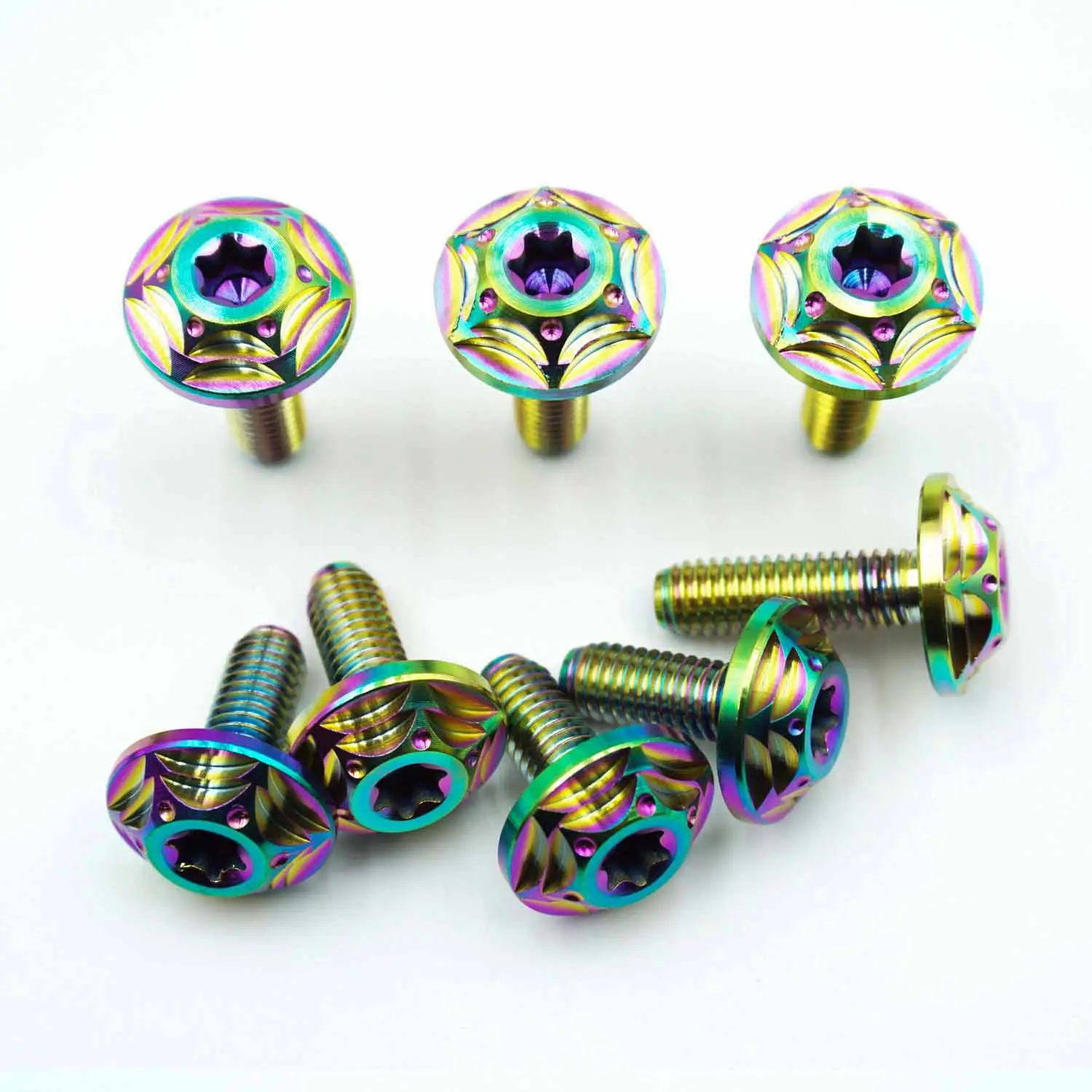
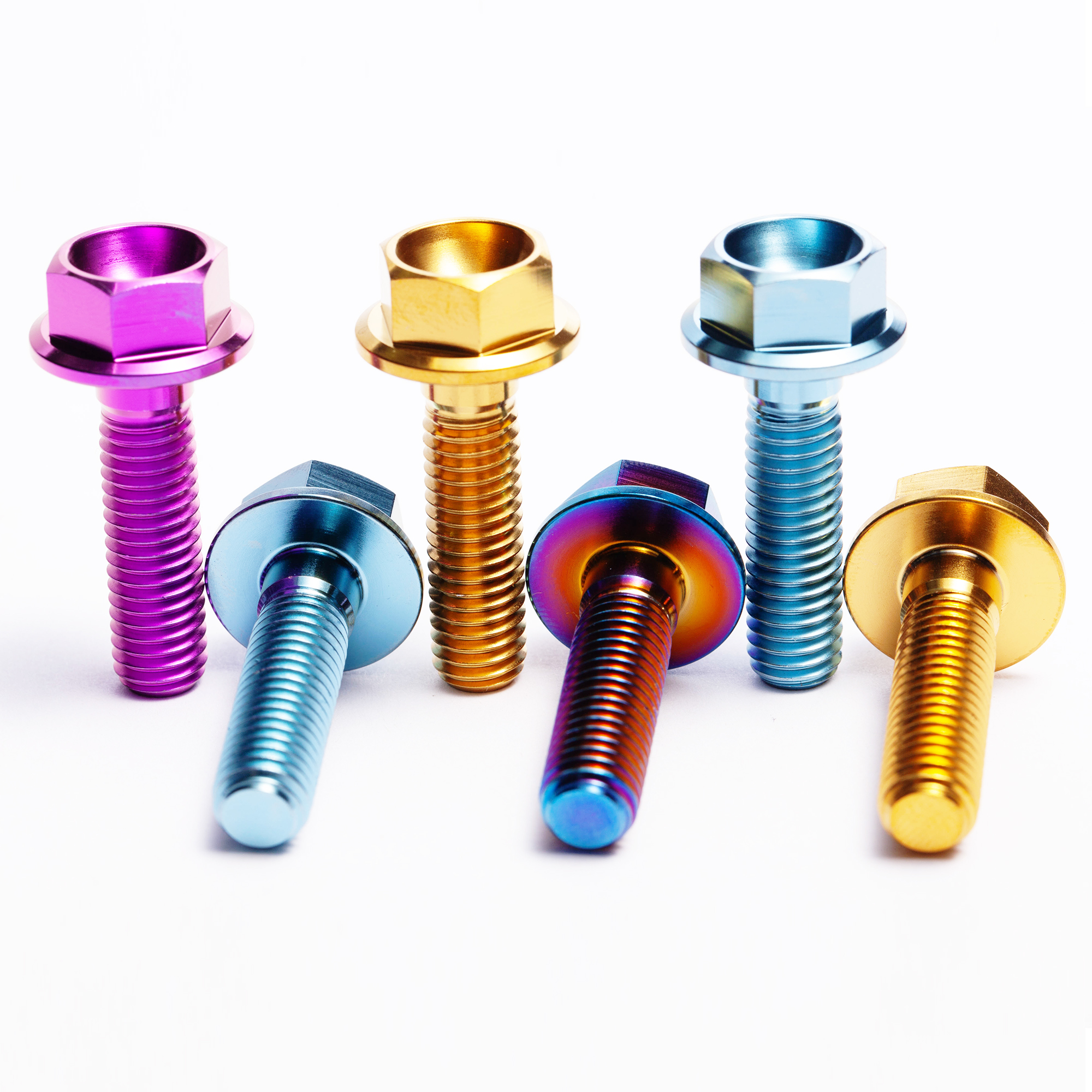
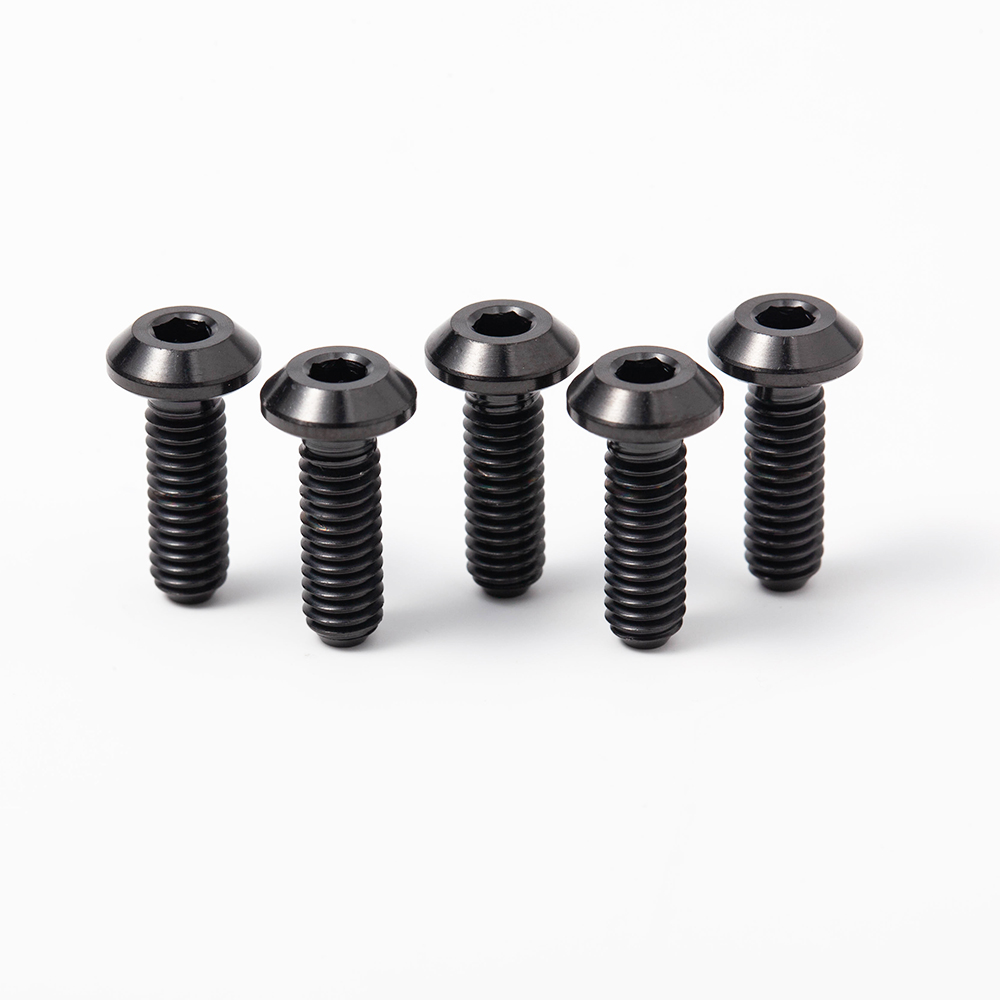
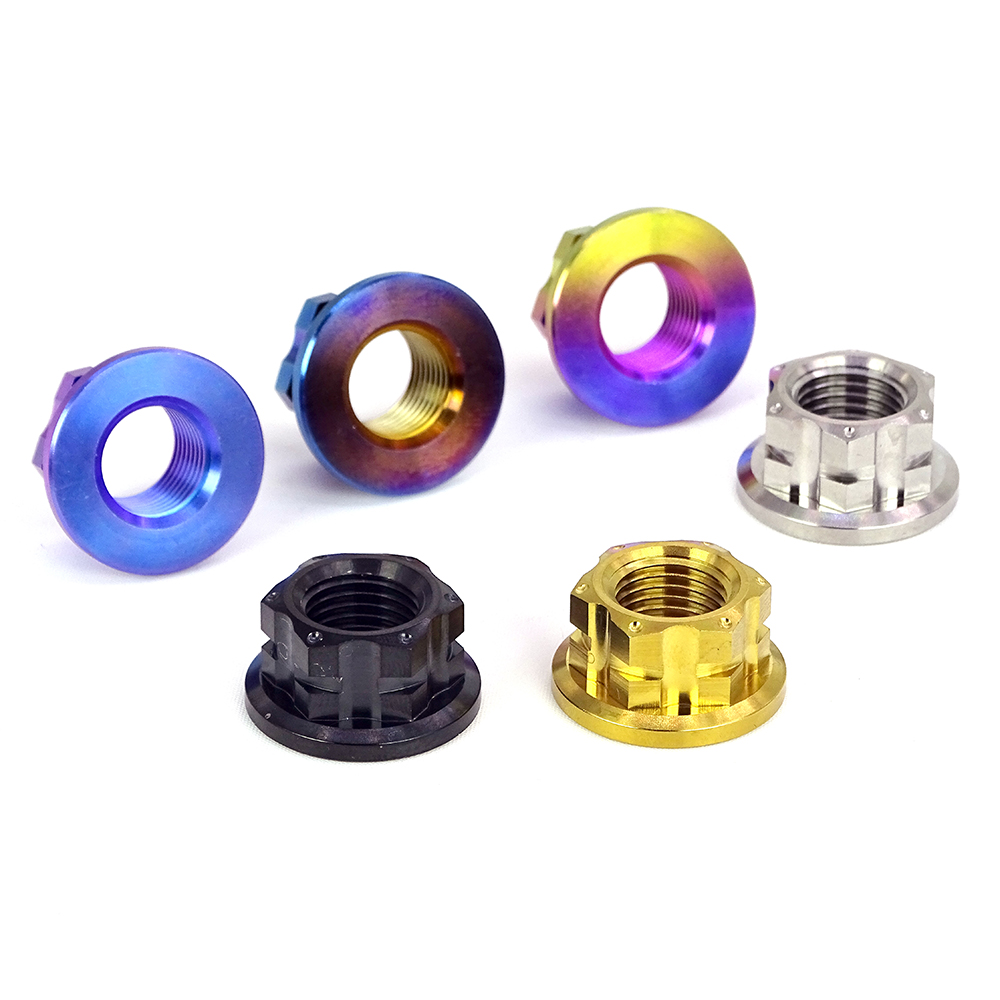
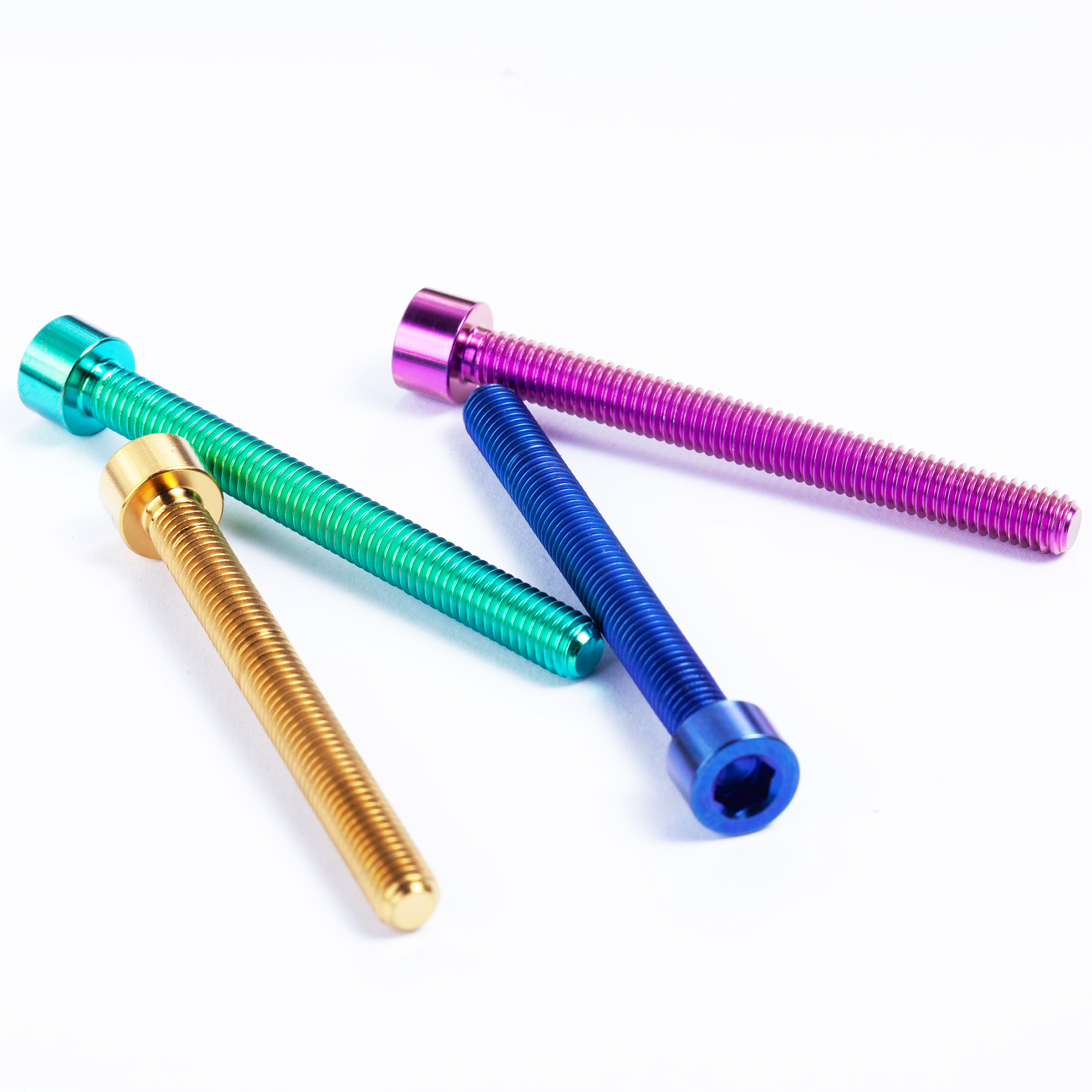
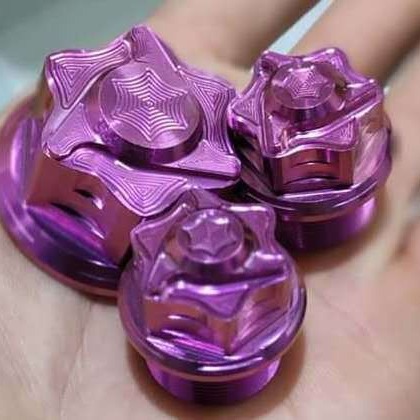
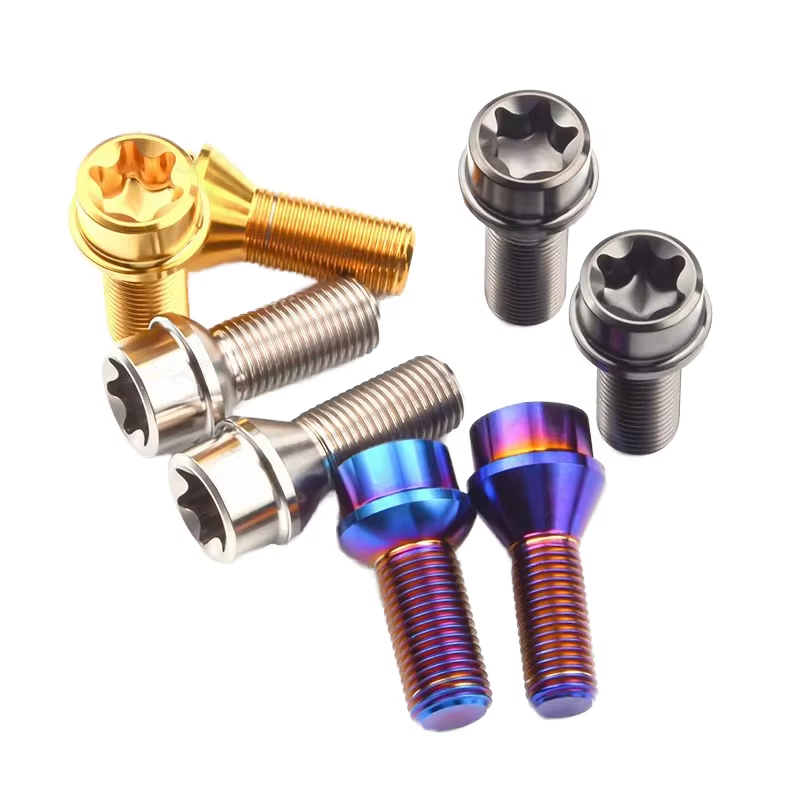
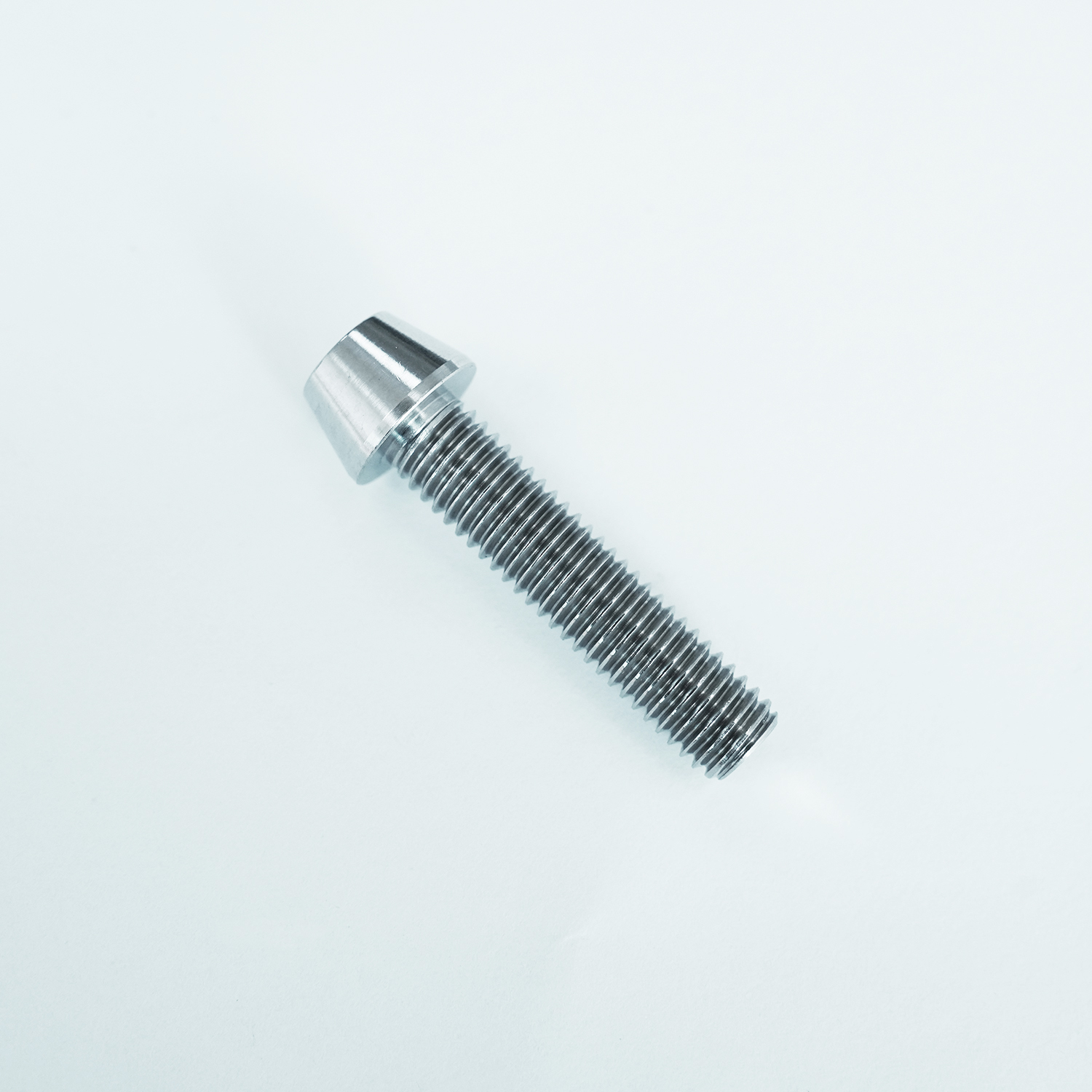
Engineering Grade Titanium Medical Tubing: Material Metallurgy & Precision Drawing
In modern minimally invasive surgery (MIS), cardiovascular interventional therapy, orthopedic fixation, and precision OEM medical devices, titanium medical tubing represents the benchmark for biocompatibility, strength-to-weight ratio, and corrosion fatigue resistance. Unlike commercial industrial tubing, medical-grade titanium tubing requires meticulous melt-source control, vacuum cold-drawing processing, electrochemical passivation, and micron-level dimensional verification.
At Jiaxing Wexra Titanium Products Co., Ltd., our OEM/ODM custom manufacturing facilities integrate multi-axis CNC Swiss machining, precision tube drawing, and automated optical dimensional inspection to meet the stringent requirements of surgical device manufacturers across North America, Europe, and Asia-Pacific.
Implant-Grade Alloys & Material Classifications
Selecting the precise titanium grade dictates performance across fatigue life, wall thickness uniformity, and biocompatibility. Our mill facilities supply and custom-fabricate the following primary medical tubing alloys:
| Material Grade | Standard Spec | Tensile Strength (MPa) | Yield Strength (MPa) | Primary Medical Application |
|---|---|---|---|---|
| Grade 5 ELI (Ti-6Al-4V ELI) | ASTM F136 / ISO 5832-3 | ≥ 860 | ≥ 795 | Bone anchors, surgical staplers, spinal implants, high-load micro-fasteners |
| CP Grade 2 Titanium | ASTM F67 / ISO 5832-2 | ≥ 345 | ≥ 275 | Pacemaker casings, dental implant housings, fluid transport micro-capillaries |
| Grade 9 (Ti-3Al-2.5V) | ASTM B338 / ASTM F2149 | ≥ 620 | ≥ 483 | Endoscopic shafts, hydraulic medical lines, high-flexure catheter reinforcement |
| CP Grade 1 Titanium | ASTM F67 Grade 1 | ≥ 240 | ≥ 170 | Deep-drawn micro-components, reconstructive mesh, ultra-flexible tubing |
Precision Fabrication Processes & Tolerances
Achieving wall thickness consistency below ±0.005 mm requires seamless cold drawing over a floating plug, followed by vacuum annealing at controlled parameters to maintain fine grain size (ASTM Grain Size 7 or finer). Our state-of-the-art processing flow includes:
- Seamless Cold Drawing & Sink Drawing: Eliminates weld seam irregularities, ensuring uniform burst pressure ratings for high-pressure medical fluid delivery.
- Electrochemical Polishing & Passivation: Removes surface inclusions and generates a uniform, dense titanium oxide ($TiO_2$) passive layer adhering to ASTM F86 standards for bio-inertness.
- Multi-Axis CNC Swiss Machining: Allows simultaneous micro-hole drilling, slotting, chamfering, and threading on small-diameter medical tubing ($OD\ 0.5\,\text{mm}\text{ to }25.4\,\text{mm}$).
Future Procurement Trends in Titanium Medical Tubing & Precision OEM Hardware
As healthcare systems transition toward minimally invasive robotic surgeries and personalized patient solutions, procurement directors and medical device engineers face changing supply chain requirements. Sourcing leaders must navigate three overarching macro trends:
1. Micro-Miniaturization & Ultra-Thin Walls
Next-generation robotic catheter systems require titanium micro-tubing with outside diameters under $1.0\,\text{mm}$ and wall thicknesses under $0.05\,\text{mm}$. Buyers prioritize factories capable of laser micro-cutting and 100% automated optical profile inspection.
2. Stringent Regulatory Compliance (MDR & FDA)
With the implementation of EU MDR and strict FDA 510(k) traceability rules, procurement teams demand complete heat-number chemical analysis, mechanical mill test certification (EN 10204 3.1), and full bio-burden/cytotoxicity compliance.
3. Integrated OEM Fastener & Tubing Assemblies
Sourcing departments are consolidating vendors by contracting manufacturers who deliver integrated sub-assemblies—combining custom-turned Grade 5 titanium screws, flange nuts, and precision-bent medical tubing into single pre-inspected SKUs.
Product Development Trends in Medical & Performance Titanium Hardware
The manufacturing landscape for titanium tubing, fasteners, and custom CNC components is evolving through several key technological breakthroughs:
PVD Physical Vapor Deposition & Surface Modifications
Advanced PVD coating technologies allow titanium medical instruments and fasteners to receive durable, bio-compatible ceramic films (TiN, TiAlN, DLC). These coatings reduce wear coefficients, increase surface hardness above $2500\,\text{HV}$, and provide vivid, non-fading identification colors essential for surgical tool organization.
Cold Thread Rolling for Enhanced Fatigue Life
Rather than cut threads, high-spec titanium screws (DIN 6921, socket head cap screws, and custom medical studs) feature cold-rolled threads. Thread rolling preserves grain flow lines along the thread profile, boosting dynamic fatigue resistance by over 30% under high cyclic loading conditions.
Beta-Phase Titanium Alloy Advancements
Emerging research into low-modulus Beta-titanium alloys (e.g., Ti-15Mo, Ti-Nb-Zr) promises elasticity modulus figures closer to human cortical bone ($15\text{--}30\,\text{GPa}$ vs. Grade 5's $110\,\text{GPa}$). This innovation reduces stress shielding in orthopedic implants and dynamic medical assemblies.
Frequently Asked Questions: B2B Titanium Sourcing & Manufacturing
Direct answers to the critical engineering, quality assurance, and commercial questions asked by medical device manufacturers, industrial procurement managers, and automotive/cycling OEMs.
Q: What is the difference between Grade 5 (Ti-6Al-4V) and Grade 5 ELI (ASTM F136) for medical tubing and fasteners?
A: Grade 5 ELI (Extra Low Interstitial) is a refined version of Ti-6Al-4V containing lower controlled levels of oxygen, nitrogen, carbon, and iron. This reduction in interstitial elements dramatically improves fracture toughness, ductility, and bio-compatibility at low temperatures, making ASTM F136 the compulsory standard for long-term surgical implants and surgical tubing, whereas standard Grade 5 is widely utilized in motorsport, aerospace, and general high-stress structural hardware.
Q: What quality documentation and certification accompany your OEM titanium shipments?
A: Operating under an ISO 9001:2015 quality management system, Jiaxing Wexra Titanium Products Co., Ltd. provides comprehensive documentation packages with every batch. This includes EN 10204 3.1 Material Test Certificates (MTC) detailing melt chemistry and mechanical properties, 3D CMM dimensional inspection reports, RoHS/REACH compliance certificates, and certificate of origin documentation for international customs clearance.
Q: How do you prevent thread galling on titanium bolts and custom threaded tubing fittings?
A: Titanium possesses a high friction coefficient, making un-coated threads prone to galling when driven at high RPMs or dry torque values. We mitigate galling through precision thread rolling (smooth root surfaces), anodic oxidation coating, micro-bead blasting, and PVD titanium nitride surface treatments. We also provide recommended assembly torque specs and anti-seize lubrication protocols for installation.
Q: Can you manufacture custom micro-tubing and precision parts directly from 2D/3D CAD drawings?
A: Yes. As a dedicated OEM/ODM manufacturer, we accept 2D PDF technical drawings (with full geometric dimensioning and tolerancing) and 3D CAD models (STEP, IGES, x_t). Our engineering team performs a thorough Design for Manufacturability (DFM) review prior to quoting, evaluating wall thickness ratios, tool clearances, bend radii, and surface finish targets.
Q: What dimensional tolerances can your CNC factory achieve for medical titanium tubing and turned parts?
A: Utilizing advanced multi-axis CNC Swiss automatic lathes, precision tube drawing benches, and optical laser micrometers, we maintain outer diameter (OD) and inner diameter (ID) tolerances down to ±0.005 mm (±5 microns) and wall thickness tolerances to ±5%. Surface roughness levels as smooth as $R_a < 0.2\,\mu\text{m}$ ($8\,\mu\text{in}$) can be achieved via mechanical polishing and electropolishing.
Q: What is your typical production lead time for prototype validation versus volume manufacturing?
A: Prototyping and sample development typically require 7 to 14 business days, depending on tooling requirements and surface finishing specifications. Standard volume production lead times range from 3 to 4 weeks upon sample sign-off, with expedited emergency production runs available for critical medical or automotive production line requirements.
Why Partner with Jiaxing Wexra Titanium Products Co., Ltd.?
Headquartered in Jiaxing, Zhejiang, China, Jiaxing Wexra Titanium Products Co., Ltd. is a specialized manufacturer and global exporter dedicated exclusively to the development, machining, and distribution of premium titanium and titanium alloy components. From Grade 2 commercially pure titanium to Grade 5 / Grade 5 ELI high-strength hardware, we serve tier-1 OEM clients across the United States, Germany, the United Kingdom, and Canada.
ISO 9001:2015 Quality System
Every stage of production—from raw titanium bar and seamless tube stock receiving to final multi-axis CNC turning, thread rolling, anodizing, and cleanroom vacuum packaging—operates under rigorous ISO 9001 quality management procedures.
Complete In-House Tooling & Machining
Equipped with 1000+ $m^2$ of modern production area housing multi-axis CNC Swiss turning centers, 3D laser cutters, automated thread rollers, and specialized titanium anodizing lines, we maintain total control over cost, quality, and delivery schedules.
Global Engineering & Export Expertise
With an export ratio exceeding 91%, our technical sales engineers provide fluently documented English technical support, DFM assistance, and full international trade compliance (CE, UKCA, RoHS, REACH, and EPR Germany packaging registration).
Request a Fast Quote on Custom Titanium Medical Tubing & Machined Parts
Submit your technical drawings, material specifications, or sample requirements today. Our titanium engineering experts respond within 8 business hours with DFM analysis and competitive factory pricing.