1. Technical Scope: Anodized Titanium Engineering for the Ghent Metropolitan Industrial Belt
As one of Northern Europe's critical logistics, maritime, and chemical gateways, the industrial basin of Ghent (Gent)—stretching through the North Sea Port corridor toward Terneuzen—presents unique operational challenges. Engineering procurement professionals across East Flanders demand mechanical hardware capable of withstanding corrosive estuarine atmospheres, chemical exposure, and intense mechanical vibration without sacrificing structural integrity.
Jiaxing Wexra Titanium Products Co., Ltd. serves this demanding engineering sphere by supplying precision CNC machined and surface-treated titanium parts. Specializing in commercially pure Grade 2 (UNS R50400) and alpha-beta Grade 5 (Ti-6Al-4V / UNS R56400), our components fulfill the critical crossover where standard austenitic stainless steels (AISI 304, AISI 316L) experience stress corrosion cracking (SCC) or micro-pitting due to seawater brine, chlorides, and ambient moisture.
| Material Designation |
Yield Strength (Rp 0.2, MPa) |
Tensile Strength (Rm, MPa) |
Density (g/cm³) |
PREN (Pitting Resistance) |
Typical Industrial Footprint in Ghent |
| Titanium Grade 5 (Ti-6Al-4V) |
828 – 910 |
895 – 1000 |
4.43 |
Infinite (Immune in ambient seawater) |
Motorsport suspension, maritime lifting mechanisms, automated robotics |
| Titanium Grade 2 (CP-Ti) |
275 – 350 |
345 – 450 |
4.51 |
Immune (Chloride salt sprays) |
Chemical heat exchanger shells, exhaust manifolds, chlor-alkali piping |
| Stainless Steel 316L |
220 – 250 |
520 – 580 |
8.00 |
23 – 25 (Pitting risk in stagnant brine) |
Conventional marine hardware, structural fasteners |
| Alloy Steel Class 10.9 |
900 – 940 |
1000 – 1040 |
7.85 |
N/A (Requires galvanic zinc/flake coat) |
Standard automotive chassis, high-torque industrial framing |
2. Titanium Anodization Science: Type II vs. Type III Thin-Film Interference
A widespread misconception among industrial buyers is that titanium anodizing behaves identically to aluminum anodizing. In aluminum finishing, an acidic bath builds an open porous aluminum oxide matrix which is subsequent filled with organic dyes. Conversely, titanium anodizing is an electrolytic oxidation process governed by thin-film light interference (Faraday's and Snell's laws), creating an intrinsically bonded, dense titanium dioxide (TiO&sub2;) layer:
-
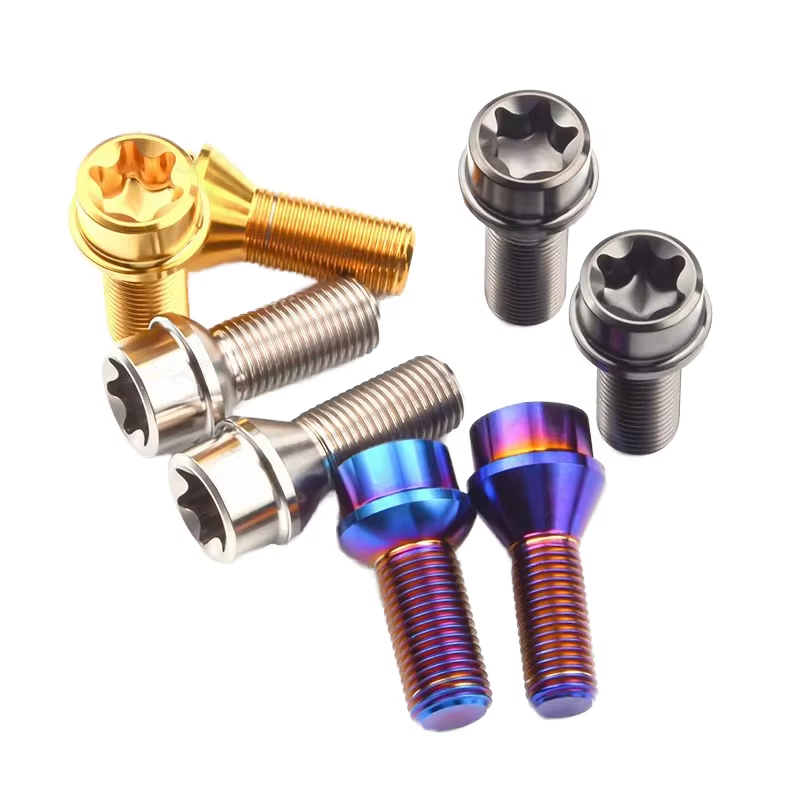
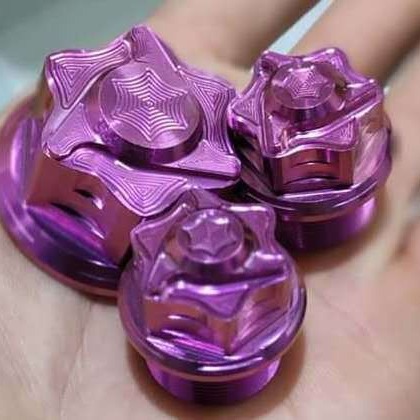
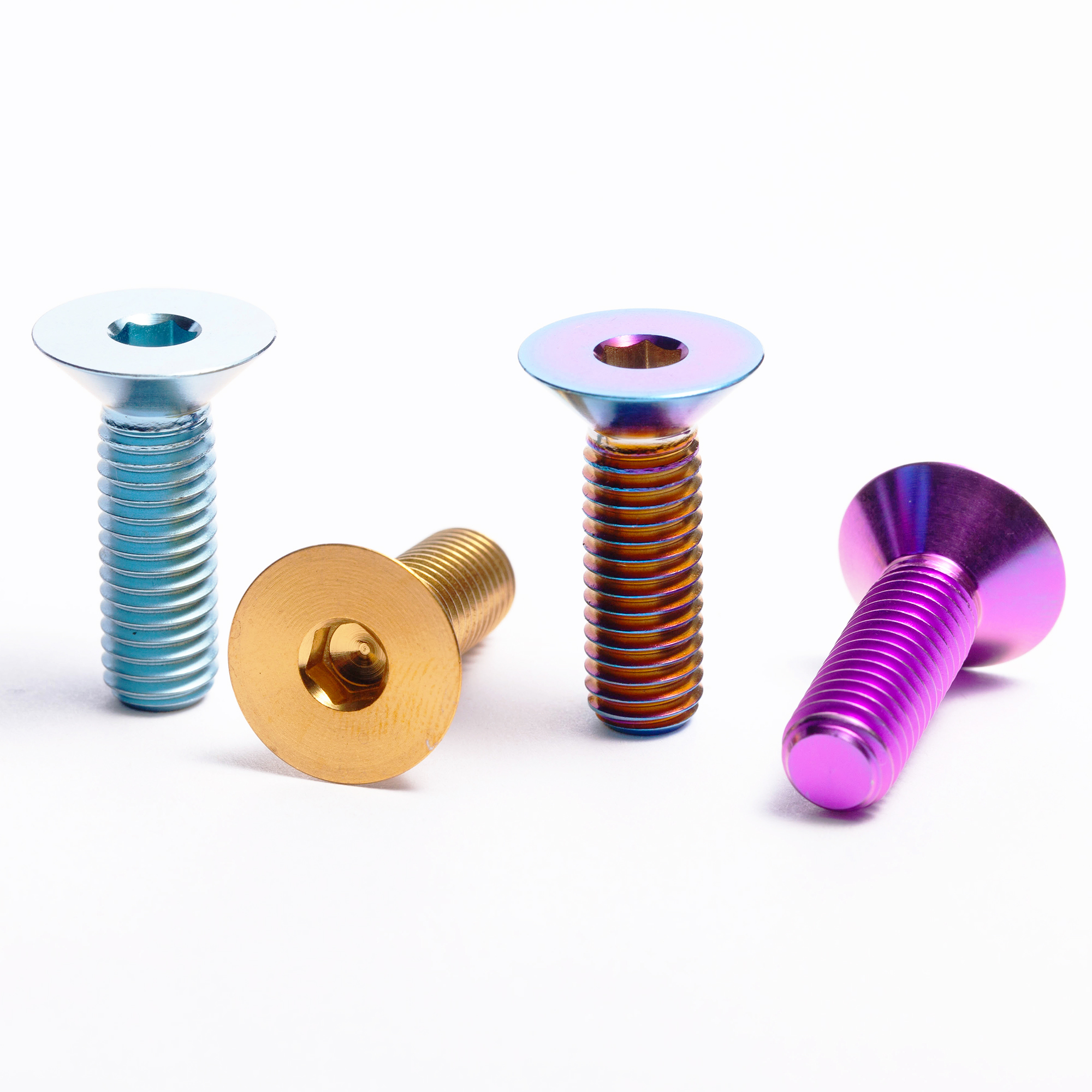
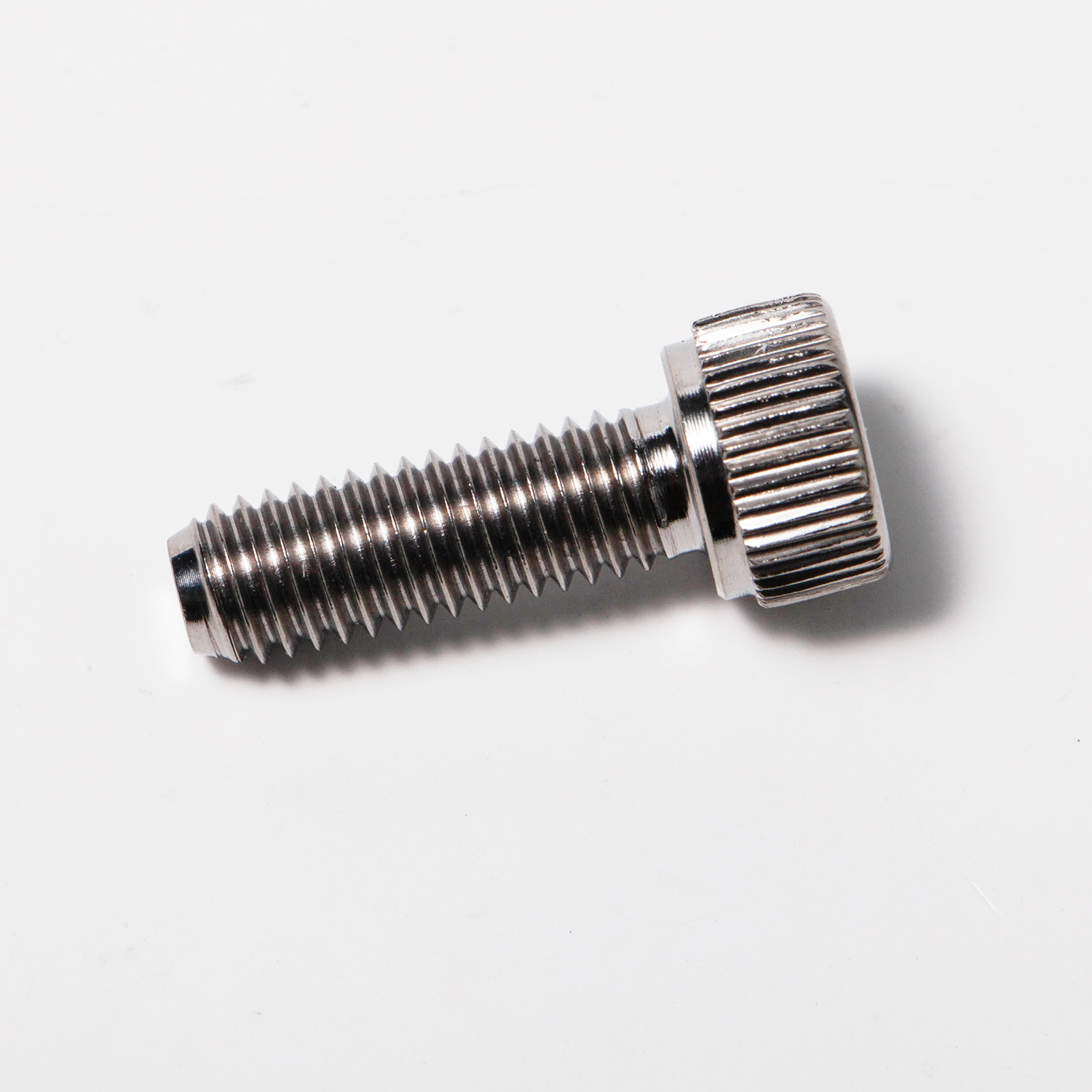
Electrolytic Color Anodizing (SAE AMS 2488 Type II / Commercial Grade): Controlled bath voltage (12V to 110V) manipulates the TiO&sub2; layer thickness from 10 nanometers to roughly 200 nanometers. Specific wavelengths of visible light reflect from the oxide boundary while others refract through the substrate, generating stable perceived colors (gold, violet, ice blue, emerald, rainbow) with zero added thickness. Pitch tolerances on threads (DIN 13 / ISO 965 metric thread profiles) remain 100% true, completely eliminating the clearance binding common with hot-dip galvanized or nickel-plated fasteners.
-
Anti-Galling Hard Anodizing: Specifically critical for Ghent dockside automated handlers and rotating wave generator components, specialized alkaline anodization alters the surface lubricity. This minimizes the risk of cold welding and adhesive galling when mated against mating titanium, stainless steel, or bronze collars under sustained dynamic torque.
3. Localized Applications Across the Ghent Port & Manufacturing Ecosystem
The commercial fabric of Ghent relies on a distinct mixture of historic riverways, inland sea canals, advanced automotive plants along the Kennedylaan, and burgeoning clean-tech initiatives:
-
North Sea Port Maritime & Offshore Logistics: Mooring mechanisms, crane lifting lugs, and telemetry housings exposed to brackish Scheldt-channel waters experience zero galvanic deterioration when engineered in Passivated & Anodized Titanium. By substituting heavy cast-steel assemblies with Gr5 custom assemblies, dockside automated equipment reduces cantilever deadweight by roughly 44%.
-
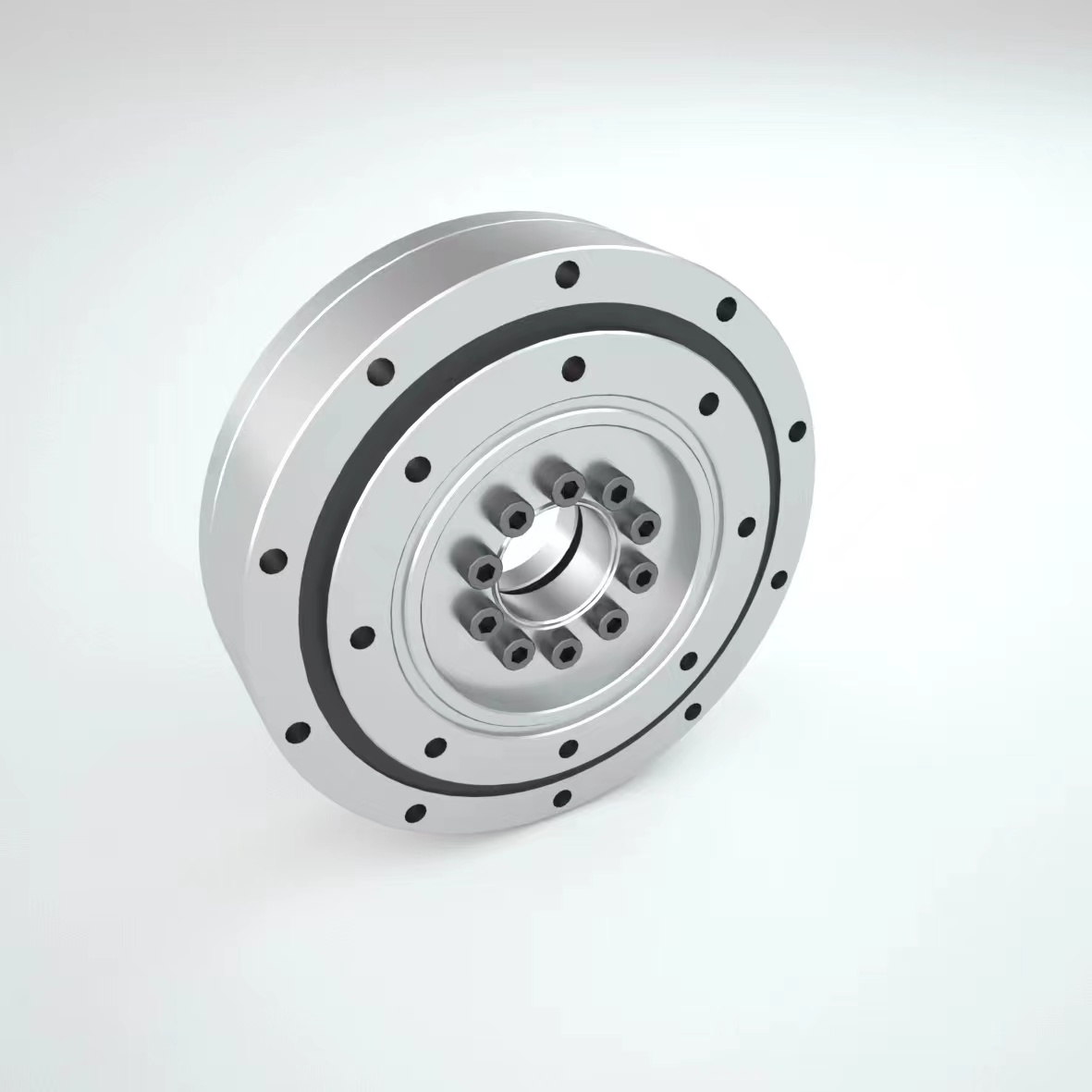
Automotive & Electric Vehicle (EV) Assembly Plants: Ghent is home to world-class automotive manufacturing facilities pioneering carbon-neutral vehicle architectures. Precision titanium wheel lug hardware, battery enclosure vibration dampers, and harmonic drive wave reducers improve unsprung mass metrics, lowering vehicle rotational inertia and enhancing EV range efficiency.
-
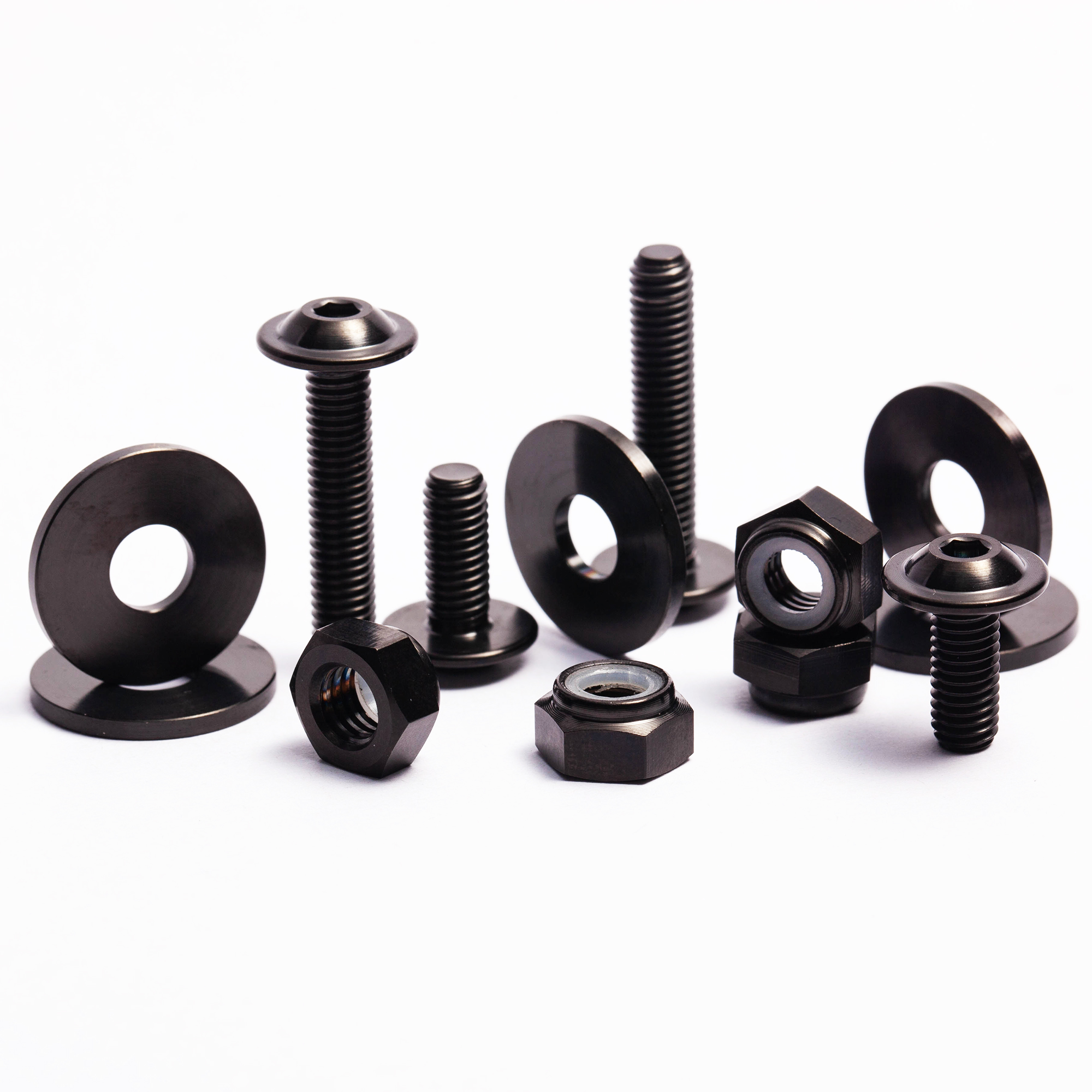
Bio-Industrial & Chemical Processing: The Ghent bio-energy and chemical valley houses processing infrastructure where sulfur derivatives, nitric compounds, and organic acids decompose standard metals. Grade 2 anodized titanium tubing, customized blind nuts, and sensor wells deliver unprecedented MTBF (Mean Time Between Failures), ensuring compliance with strict Belgian environmental and occupational mandates.
-
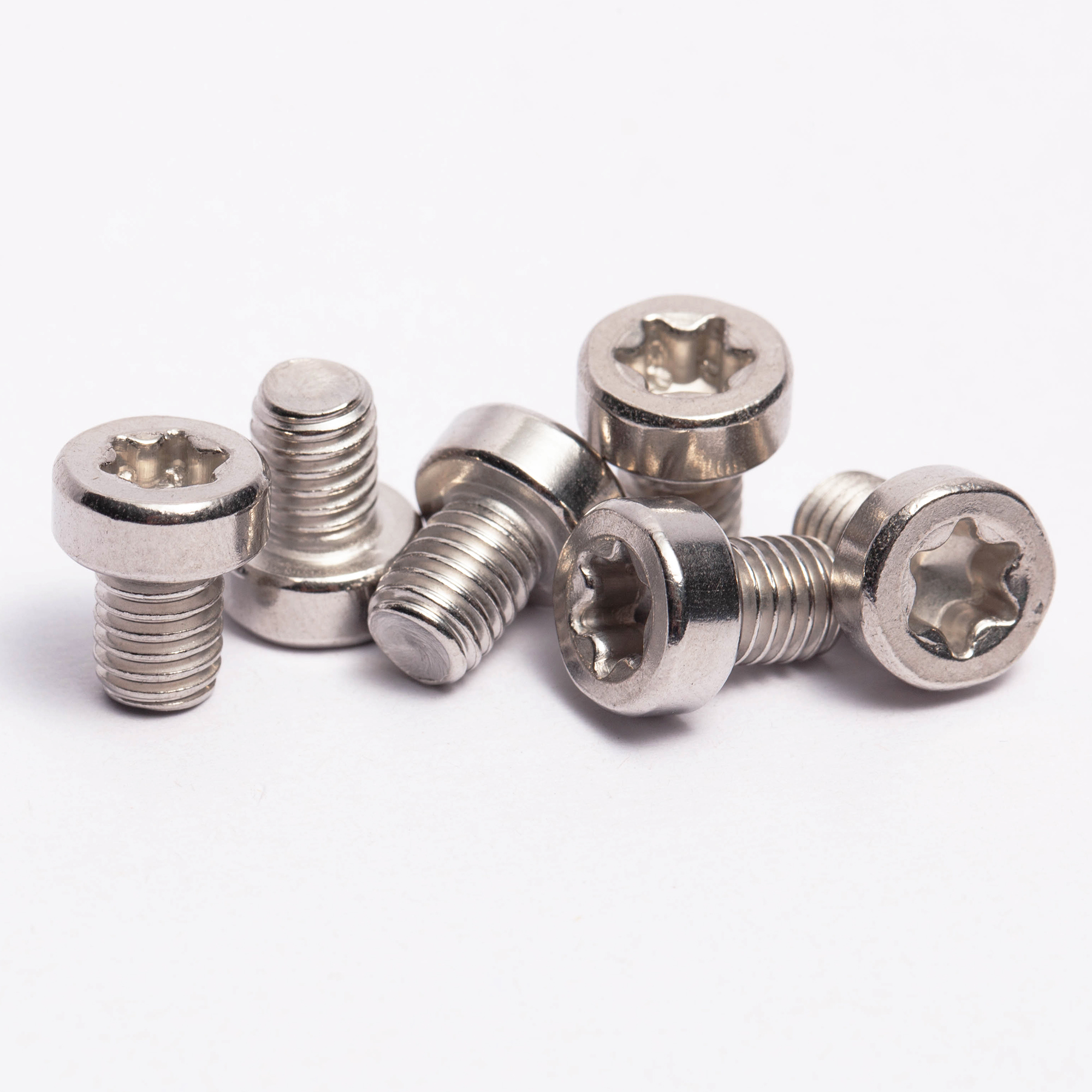
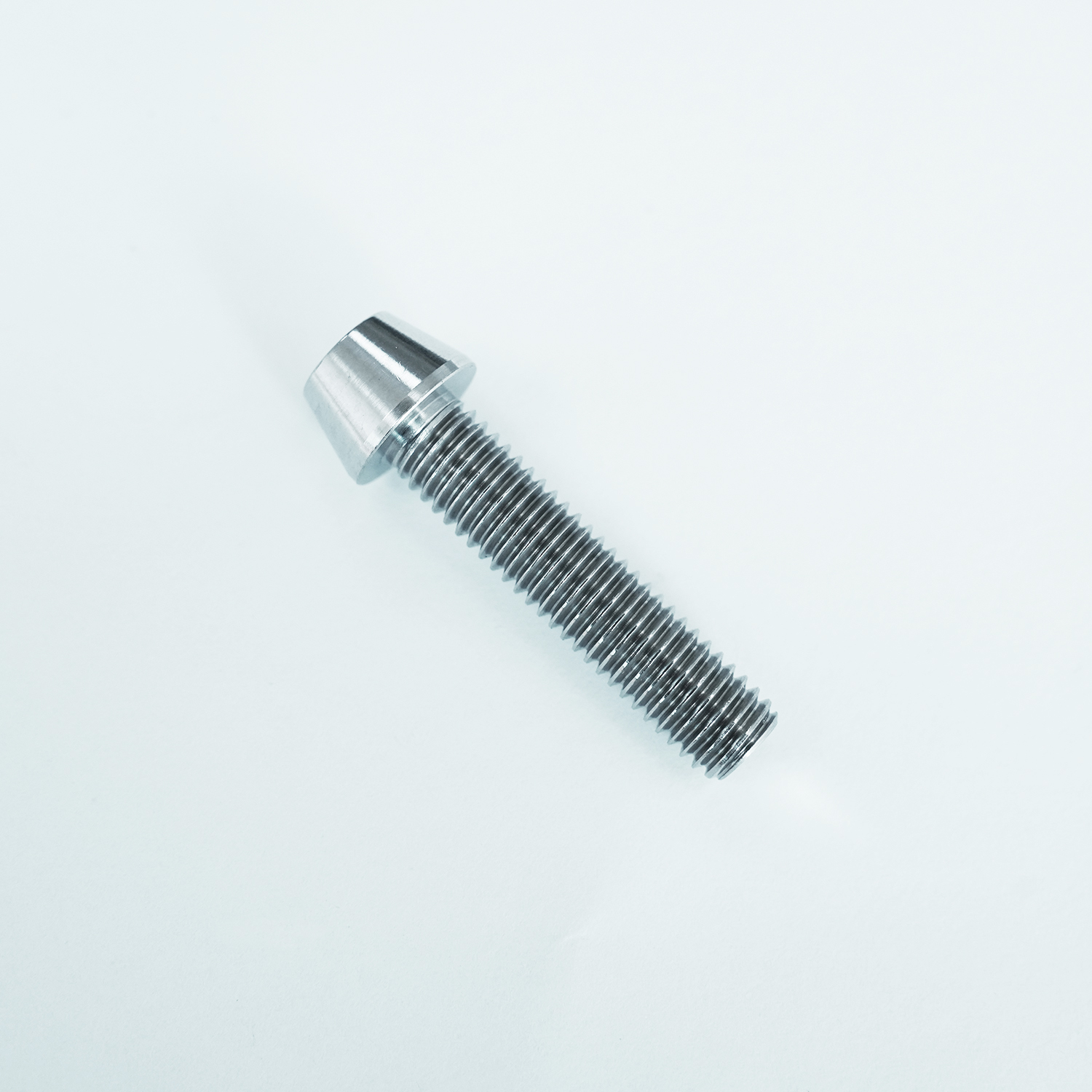
High-End Flemish Cycling & Performance Mobility: Flanders is the beating heart of European cycling heritage. Regional frame builders and racing divisions rely on our BSTTI Grade 5 hex/Torx head flange bolts, stepped drop-out bolts, and titanium thru-axles to withstand cobblestone shock loads without cyclic fatigue failures.
4. Procurement Trends Across Flanders: Light-Weighting and Supply Chain Resilience
Procurement directors across East and West Flanders are progressively realigning procurement strategies toward materials that mitigate high life-cycle maintenance costs. Although initial raw titanium capital expenditures exceed standard carbon steel, the total cost of ownership (TCO) drops dramatically over a 5-to-10-year span.
Moreover, European green transition directives emphasize circular economy metrics. Titanium components manufactured by Wexra are 100% recyclable, emit zero microplastic coatings (unlike PTFE/Fluoropolymer-sprayed anti-corrosion studs), and conform entirely with European RoHS Directive 2011/65/EU and REACH (EC) No 1907/2006 regulations regarding hazardous SVHC substances.